
I went on a cruise at the end of February and one of our stops was Costa Maya in Mexico. What was supposed to be a day of snorkeling and lounging on a beach turned into a lame “Tequila and Chocolate tour” followed by a walk through a tropical bird aviary. While I think my family would have preferred the original plan, I was quite happy going to the aviary and had already packed a camera and long lens for the Sloth tour we did the day before. I didn’t want to bring my Z8 due to its size and the expense if anything happened to it, so I packed my trusty Sony a6100 along with its 55 – 210mm lens. The Sony lacks bird-specific autofocus and its 82.5 – 315mm equivalent lens isn’t as sharp as my Nikon equipment, but it’s small, inexpensive, produces high quality images for its class, and has competent focus tracking that makes up somewhat for its lack of bird autofocus. I knew I’d be shooting at high ISOs to get clear photos and intended to leverage DxO Pure RAW to remove the noise in post.


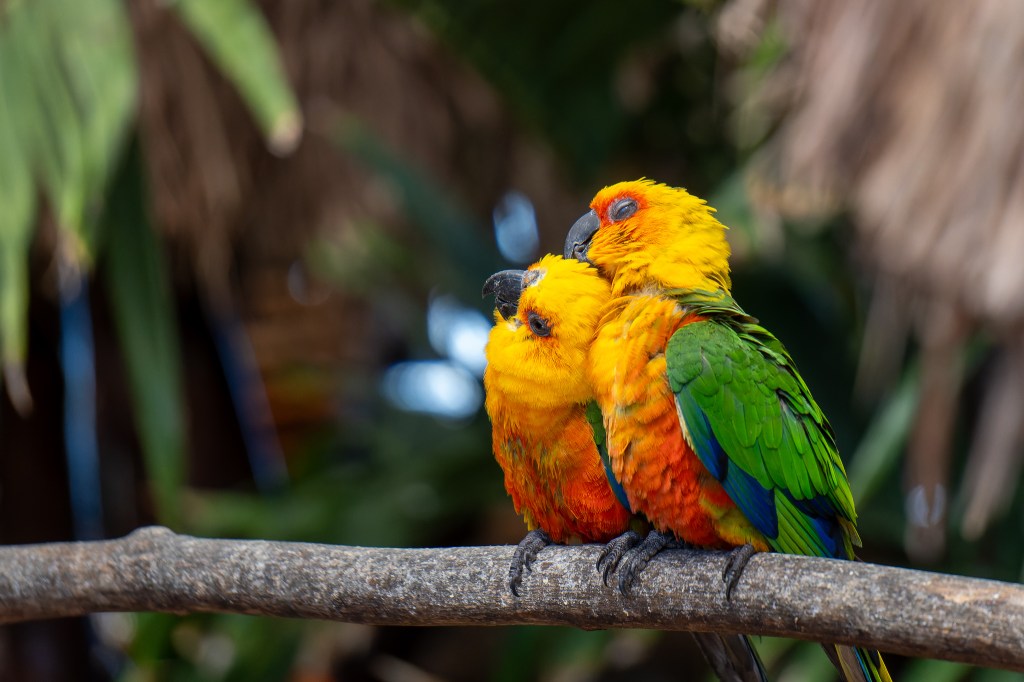
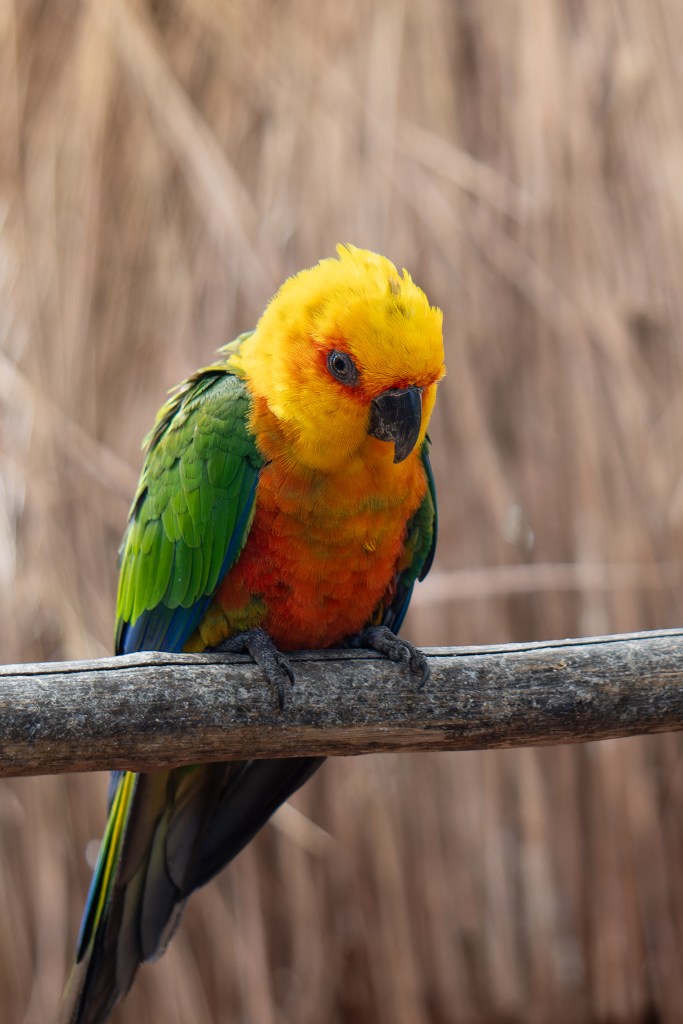


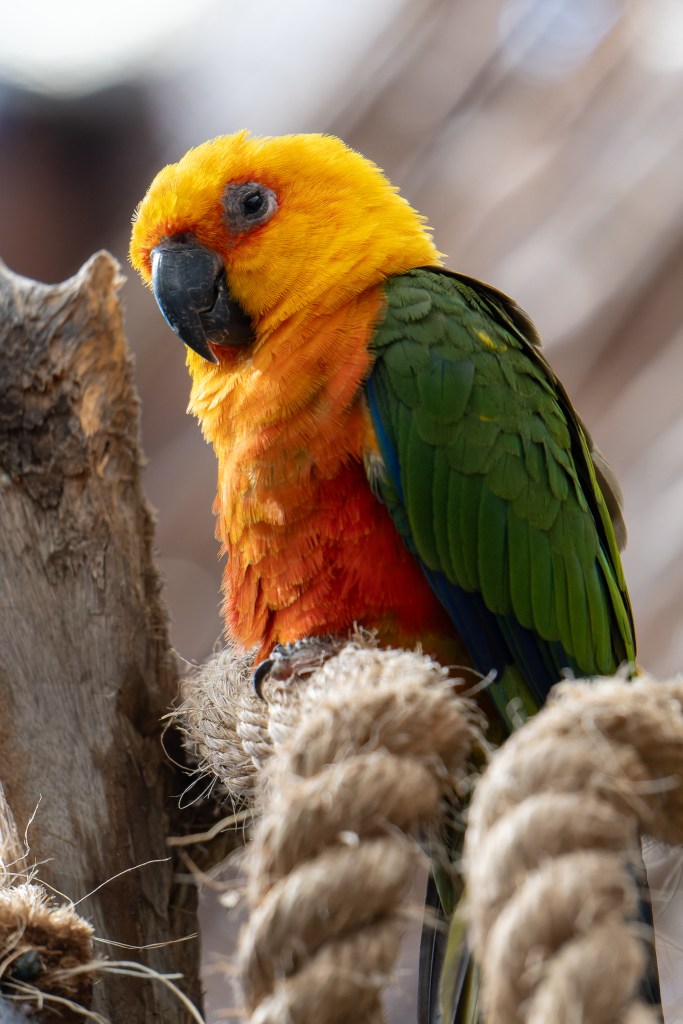
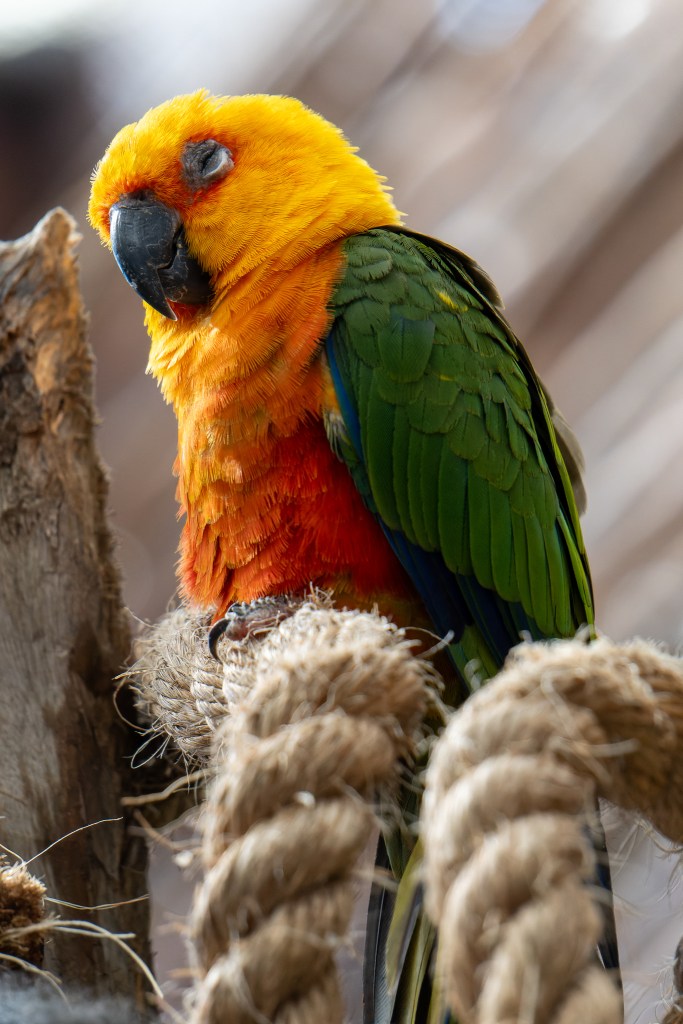
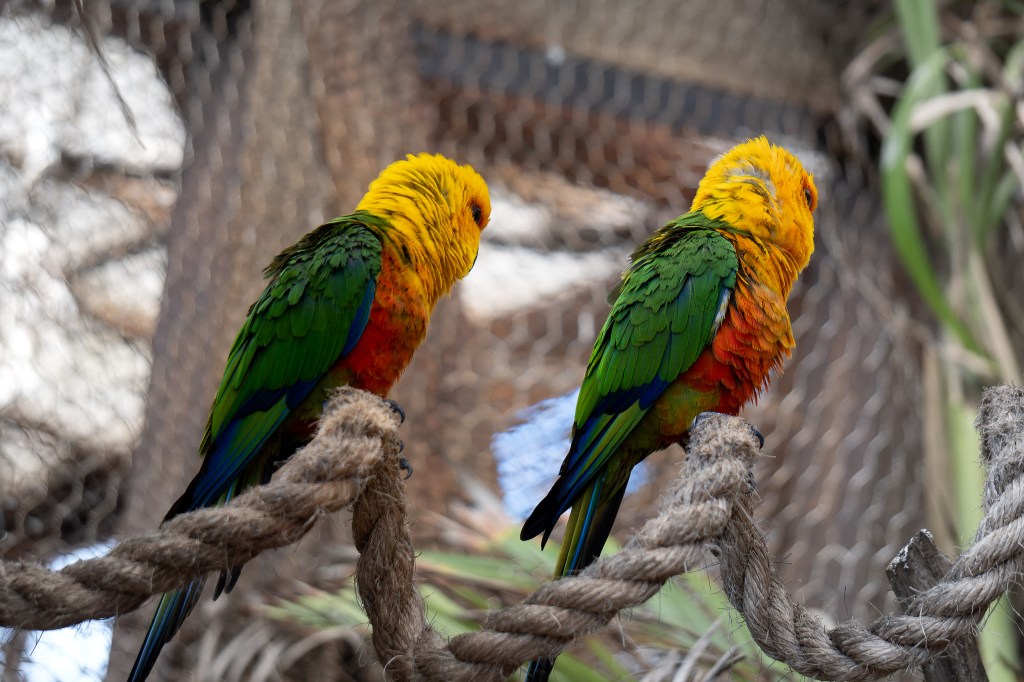

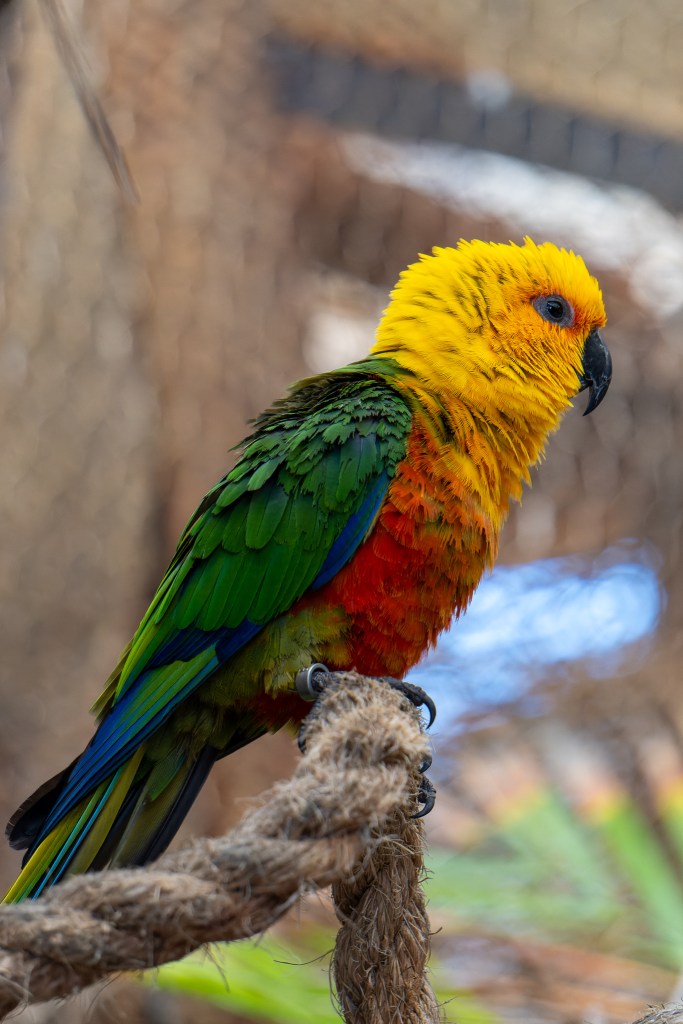

I’m happy to say that my compromise worked out. There were a mixture of different birds throughout the aviary and its layout allowed me to get close enough to make up for my shorter lens. I expected the aviary to be one large building with a bunch of birds flying around, but it was instead a series of elevated huts connected by rope bridges. Some of the huts had nothing in them, leading into the few larger ones that had birds. The huts were the size of a couple rooms in a house and were only 10 – 20 feet tall, making the birds pretty easy to access. As the rest of the family navigated through the huts and bridges, I stayed behind capturing photos of colorful birds.


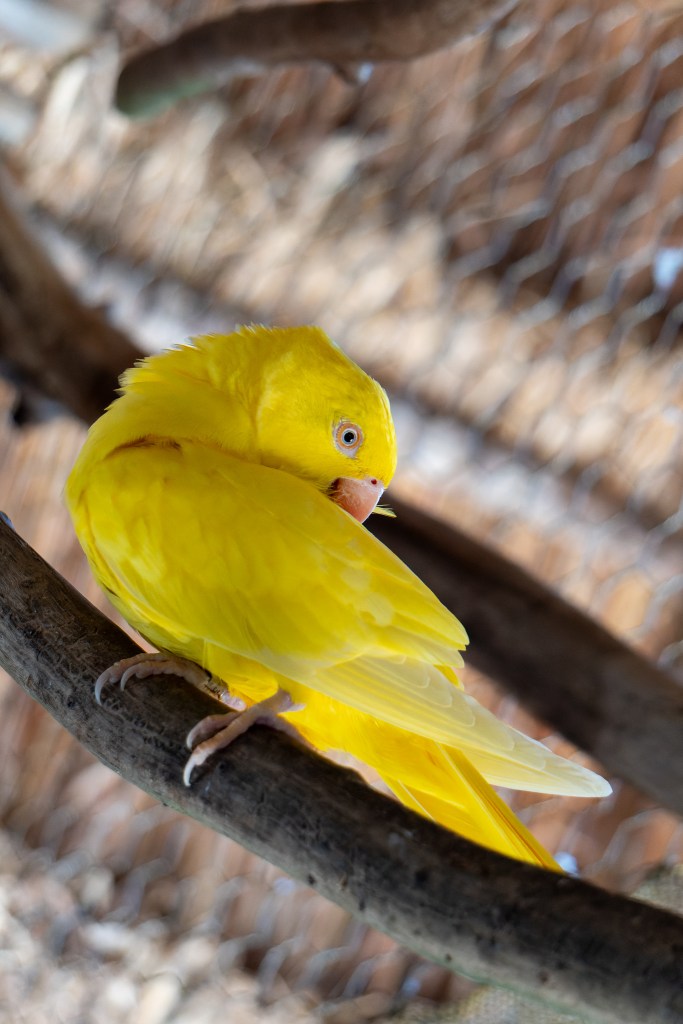


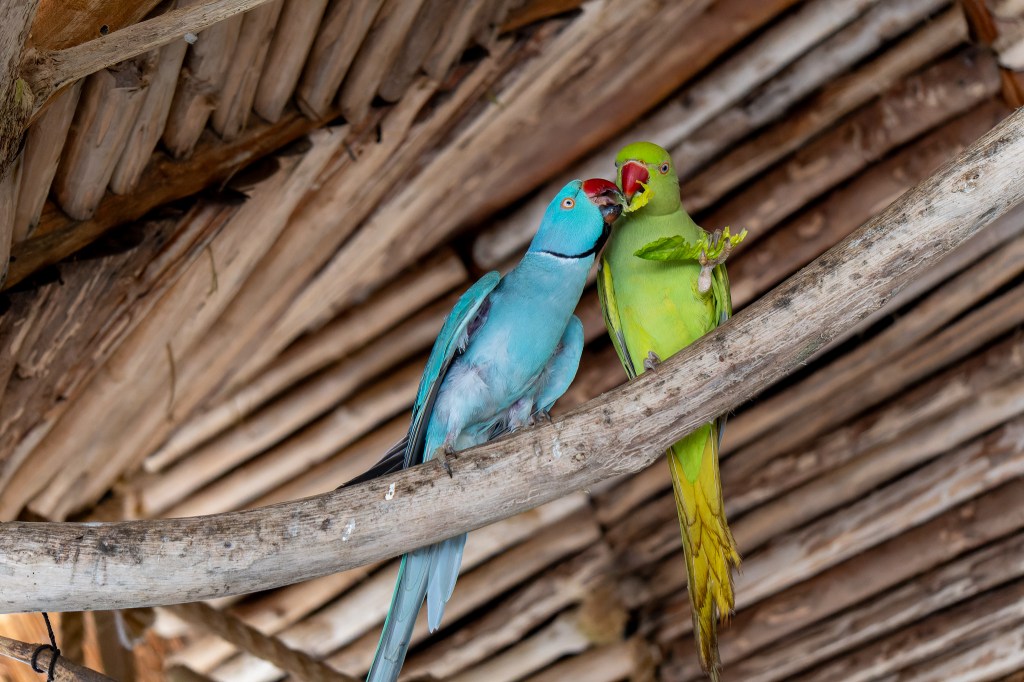

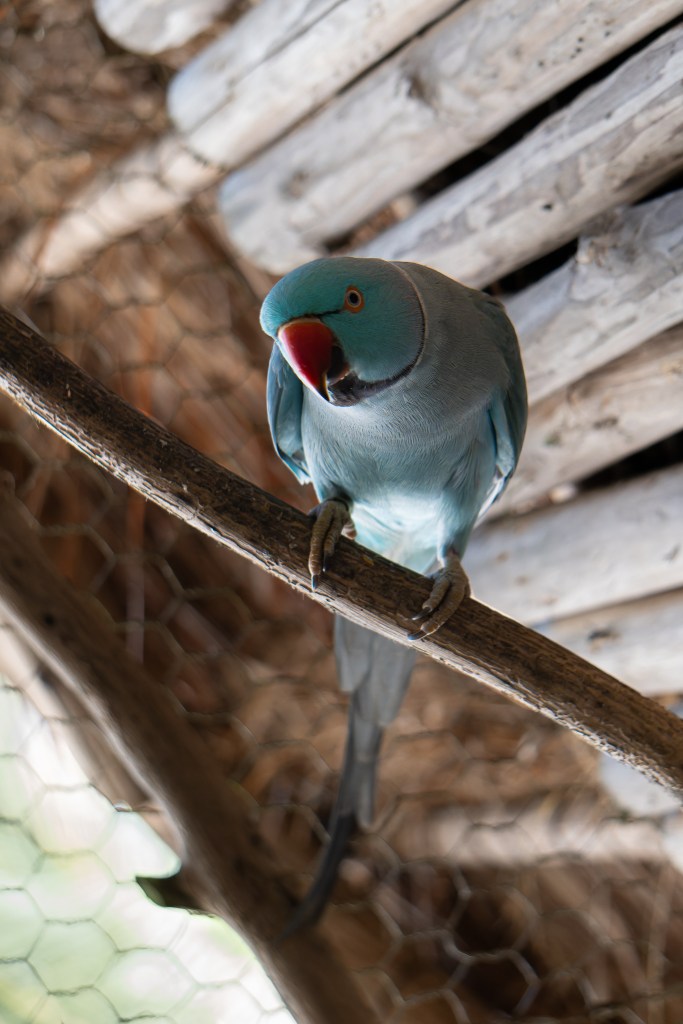
As most of the birds were perched, I settled on a 1/800 shutter speed to take care of any small movements and set the ISO to auto so it could float around as needed. The resulting images came in at a range of ISOs, with most between ISO 2000 and 6400. I leveraged DxO Pure RAW to not only reduce the noise in those images, but also to sharpen them based on its profile for the 55 – 210mm lens. While the images sometimes came out a bit more processed than I would prefer, overall it did a really great job saving images that I would have otherwise been disappointed with. Thats a big deal. I knew I could pack light and still get great images.

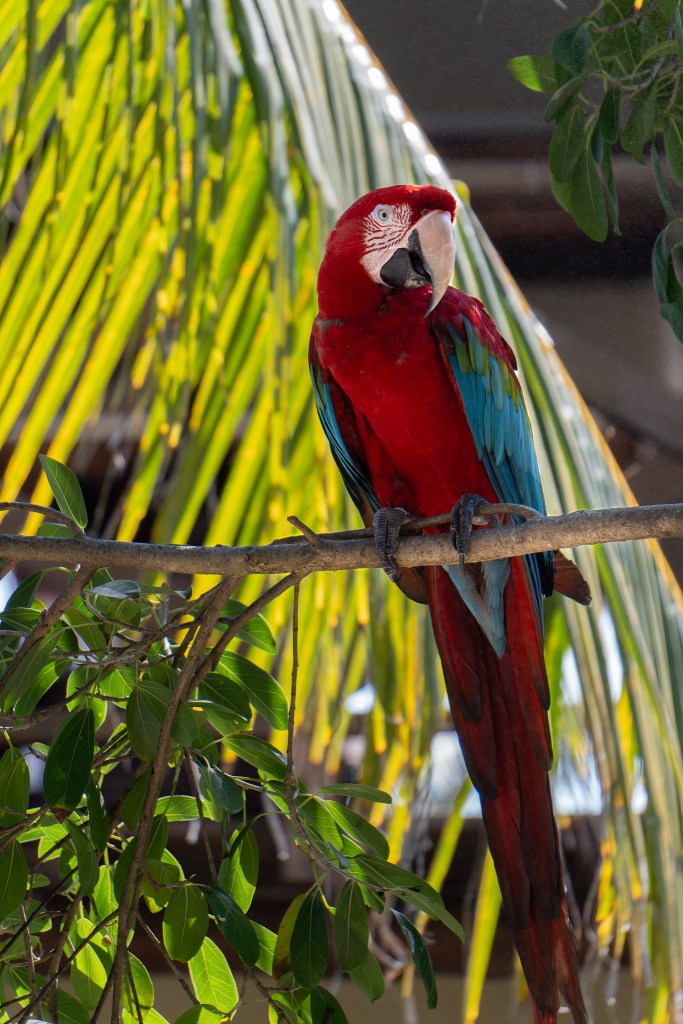
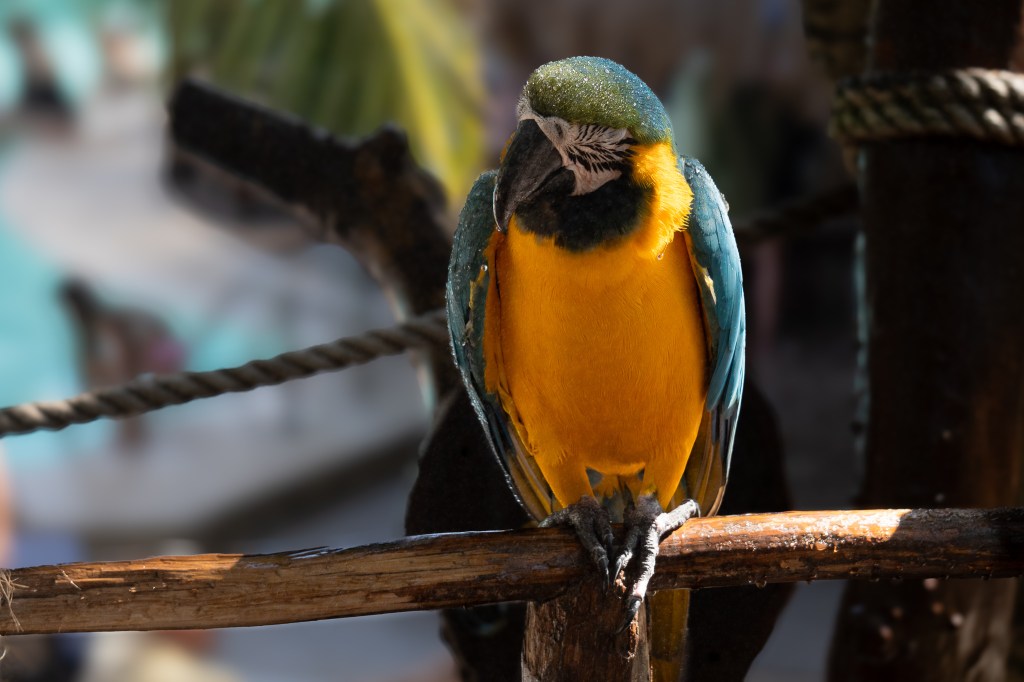
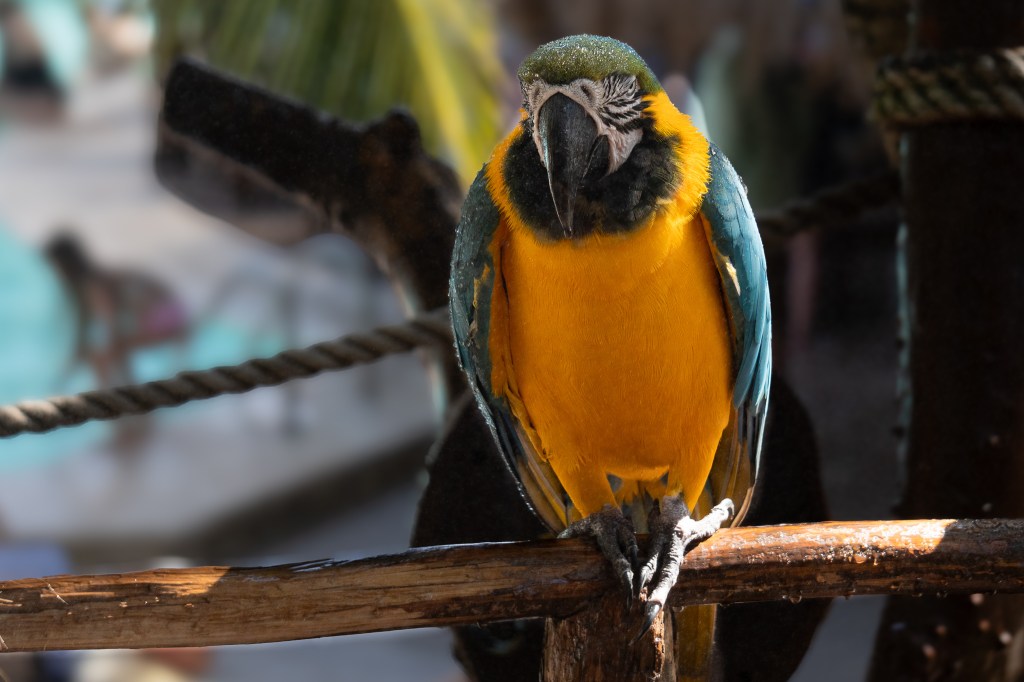
While the a6100 features continuous subject tracking of humans, it cannot do this for animals. It can recognize the eye of a cat or dog, but cannot continuously follow them while doing that. It also can’t recognize bird eyes or shapes anyway. But it can continuously track a subject based on its color / contrast and can do it pretty well. Confusing? Yeah. Basically I tried to put the tracking point over the eye of the bird and hoped it would follow the contrast / color combo as the bird moved its head around. It worked about half the time with some of my photos having eyes as sharp as my lens could produce and others being slightly out of focus as the bird turned away.


I used the Deep Prime XD model in DxO Pure RAW 3 to de-noise my images, with default noise and lens sharpening settings. I processed images individually since it only took about 10 seconds to complete using the Neural Engine on my MacBook. Once edited, I used a series of Lightroom masks to adjust different areas of the images. In many cases I created a subject mask to brighten the bird and a background mask to darken the background. I experimented with a technique I saw that used a linear gradient intersected with a subject mask to create a highlight following the direction of the light. It turned out pretty well and I think I’ll continue to use it.


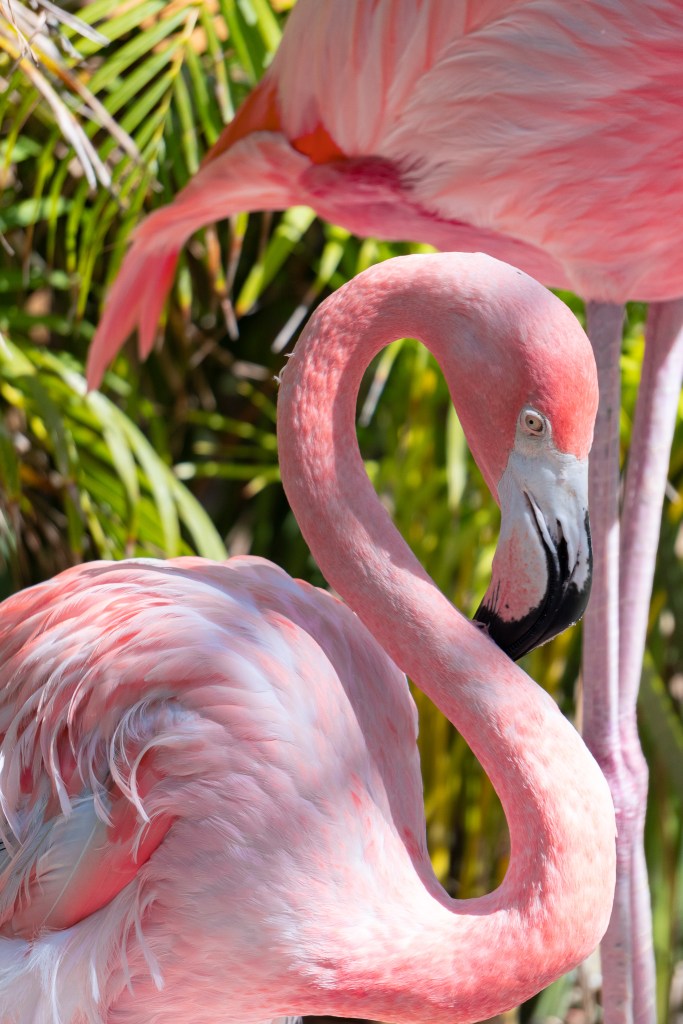
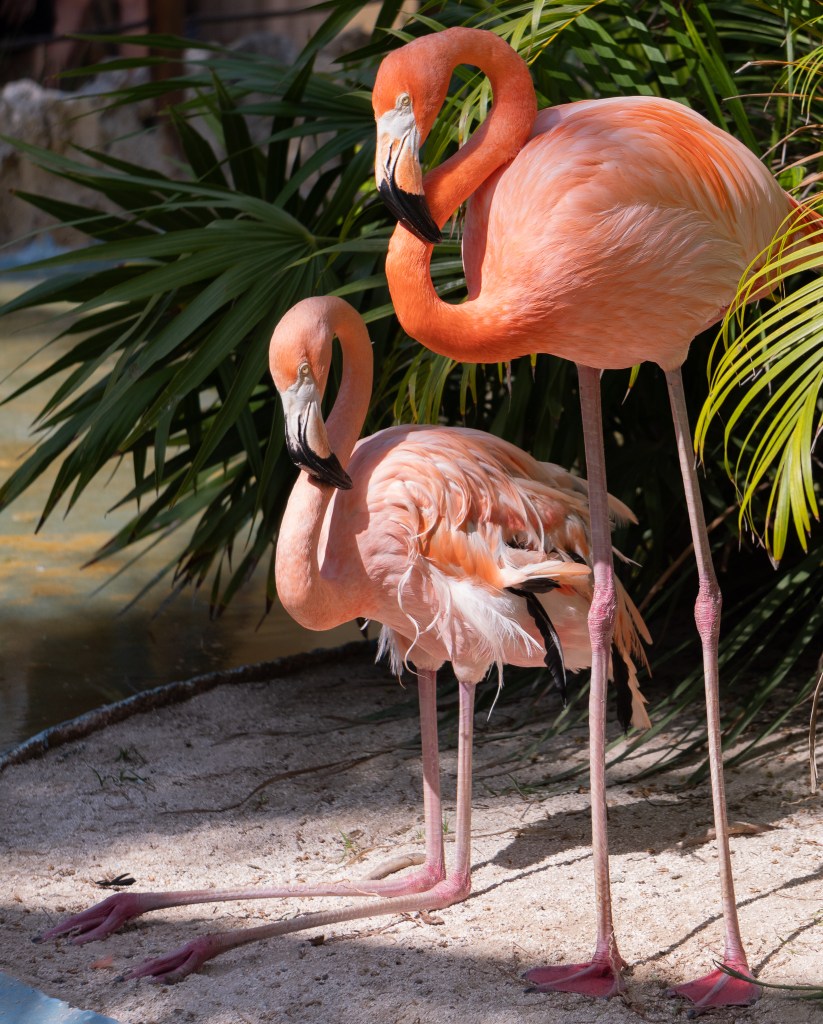
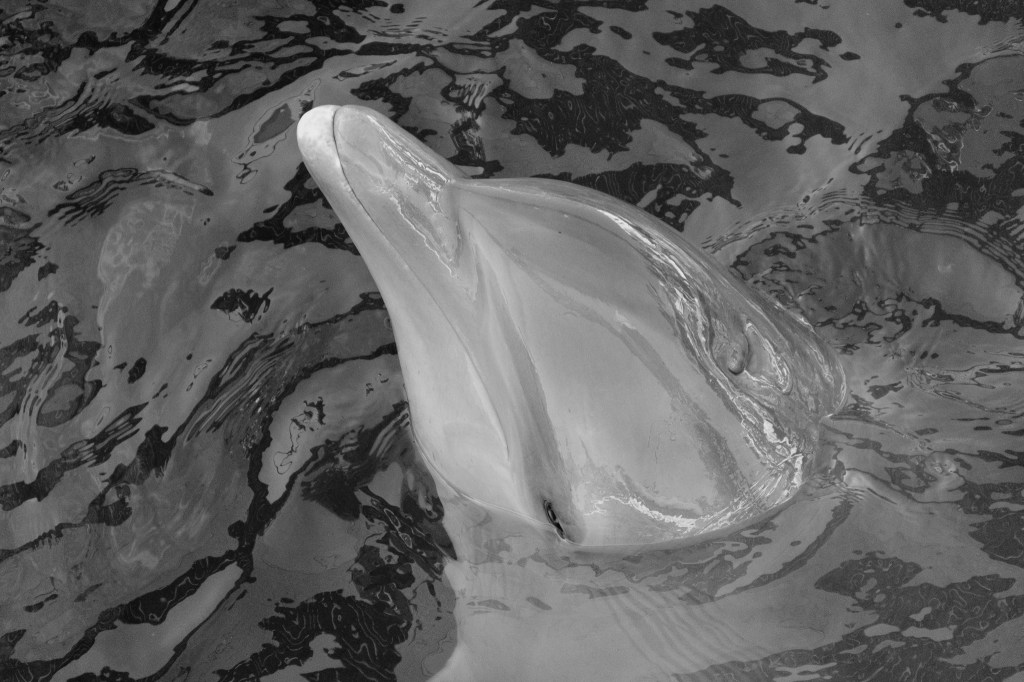
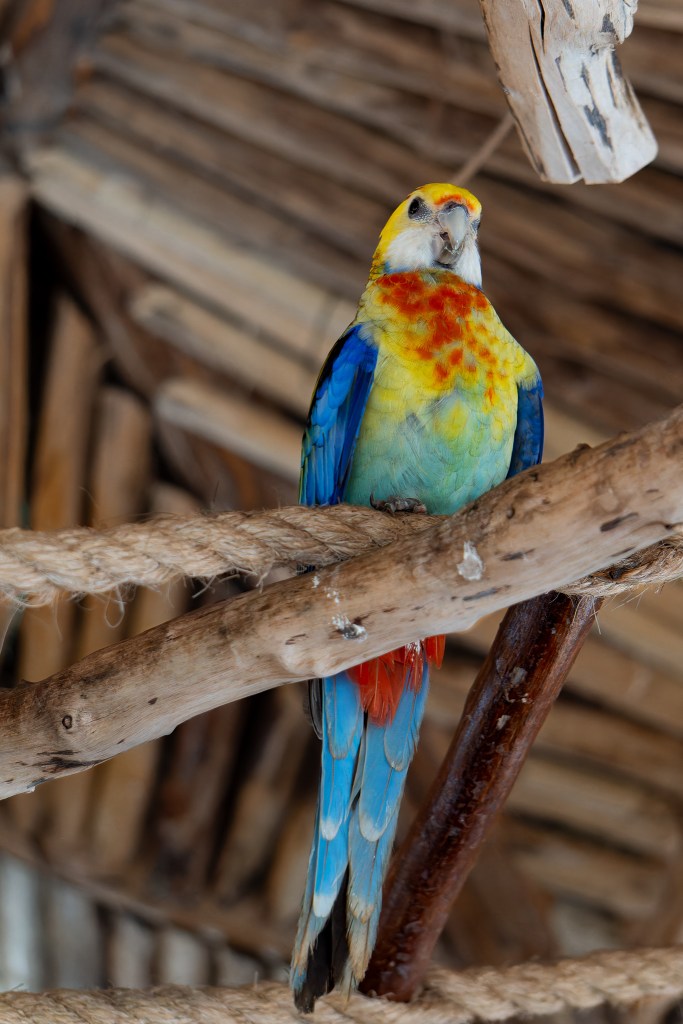

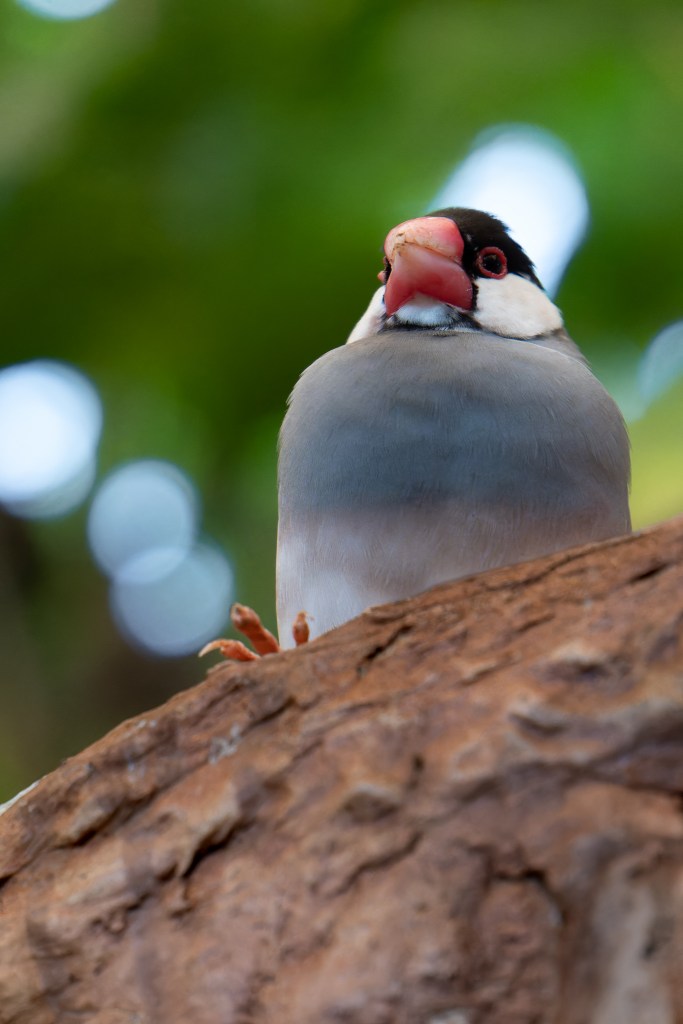


Overall I’m really happy with these images. I rarely have an opportunity to get this close to birds and I’m happy that I could do it while traveling with a small kit. Guess I still have a reason to keep that Sony around!
 Relatively Ambitious
3 Replies to “Tropical Birds”