
I enjoy photographing animals and I’ve invested quite a bit into equipment, but I find myself frequently challenged to actually do it. I don’t set aside time to go out, I’m not great at tracking animals (or blending in to hide from them), and I don’t have the patience to sit outside and wait. What am I to do? One thing I can do is take advantage of a zoo, where a bunch of animals are all in one place and I can get lots of shots. So that’s what I did. I had a really great time, snapping over 6,000 images and pruning them down to about 1,500.
I took some time off on July 5 to visit our local zoo. I went alone, as I (and my unfortunate companions) find it difficult to mix photography and anything else – it’s just better to do my own thing. I arrived when the park opened at 10 AM and the weather was better than I expected. It wasn’t hot yet and the sun didn’t really come out until after lunch, so I had plenty of time to stay cool. There were a few families milling about but I was largely free to roam on my own until school groups started arriving later in the morning. It was a very good start.
I packed light, only bringing my Z8 and one lens – my Nikon 180 – 600mm. I packed a couple extra batteries, a memory card, and some snacks in my backpack and went to work. I stayed until about 1 PM when it got hot and the crowds started getting in the way.
The Ducks
I took a lot of photos and had access to a lot of animals. There is a huge duck pond in a U-shape that with a long path through and around it and a couple of bridges over it. This provided ample opportunity to catch the ducks at eye level instead of from above, which makes for better images. There was a huge variety of ducks in varying colors that kept me interested, contributing significantly to the large number of images taken.
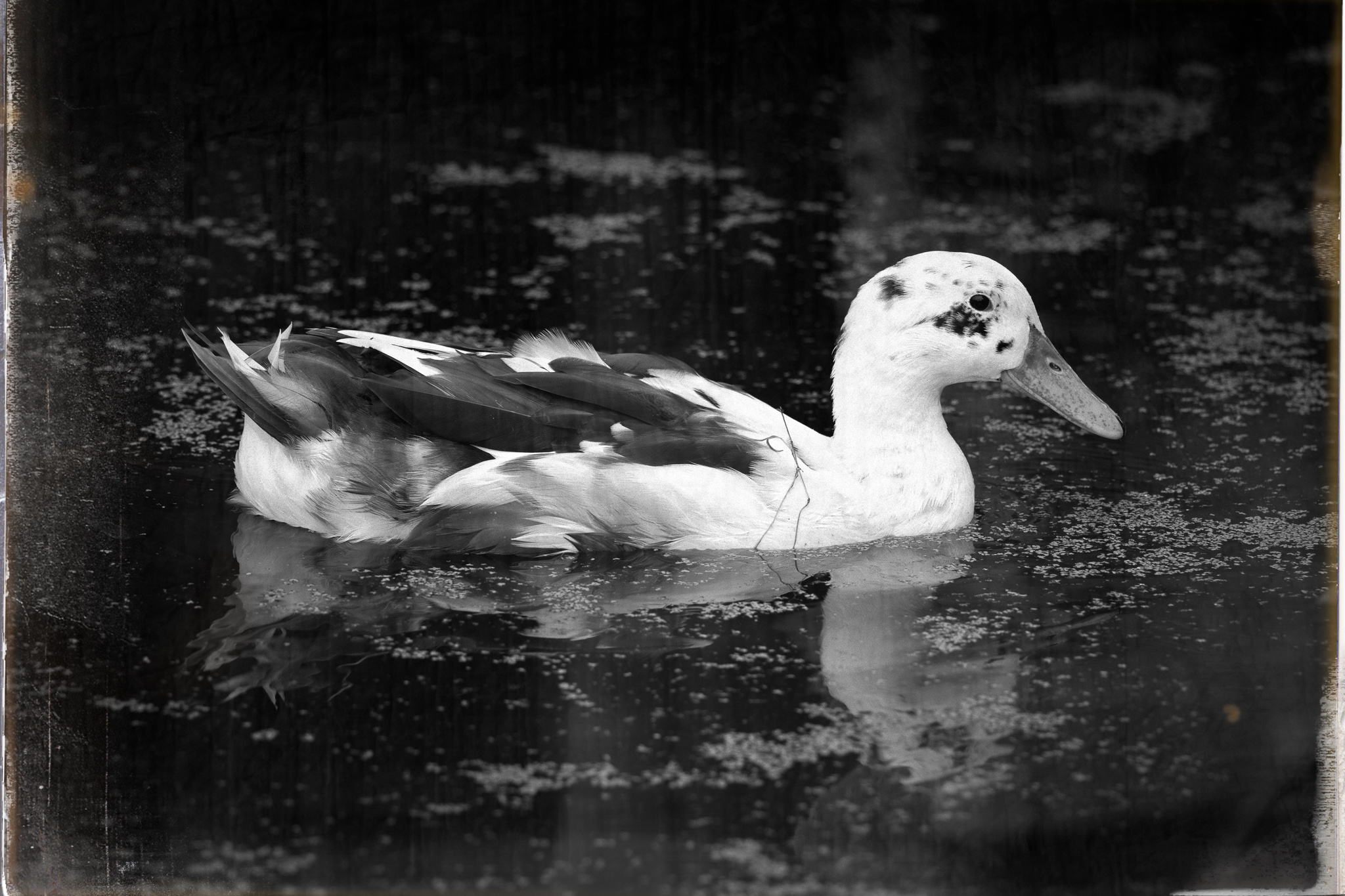
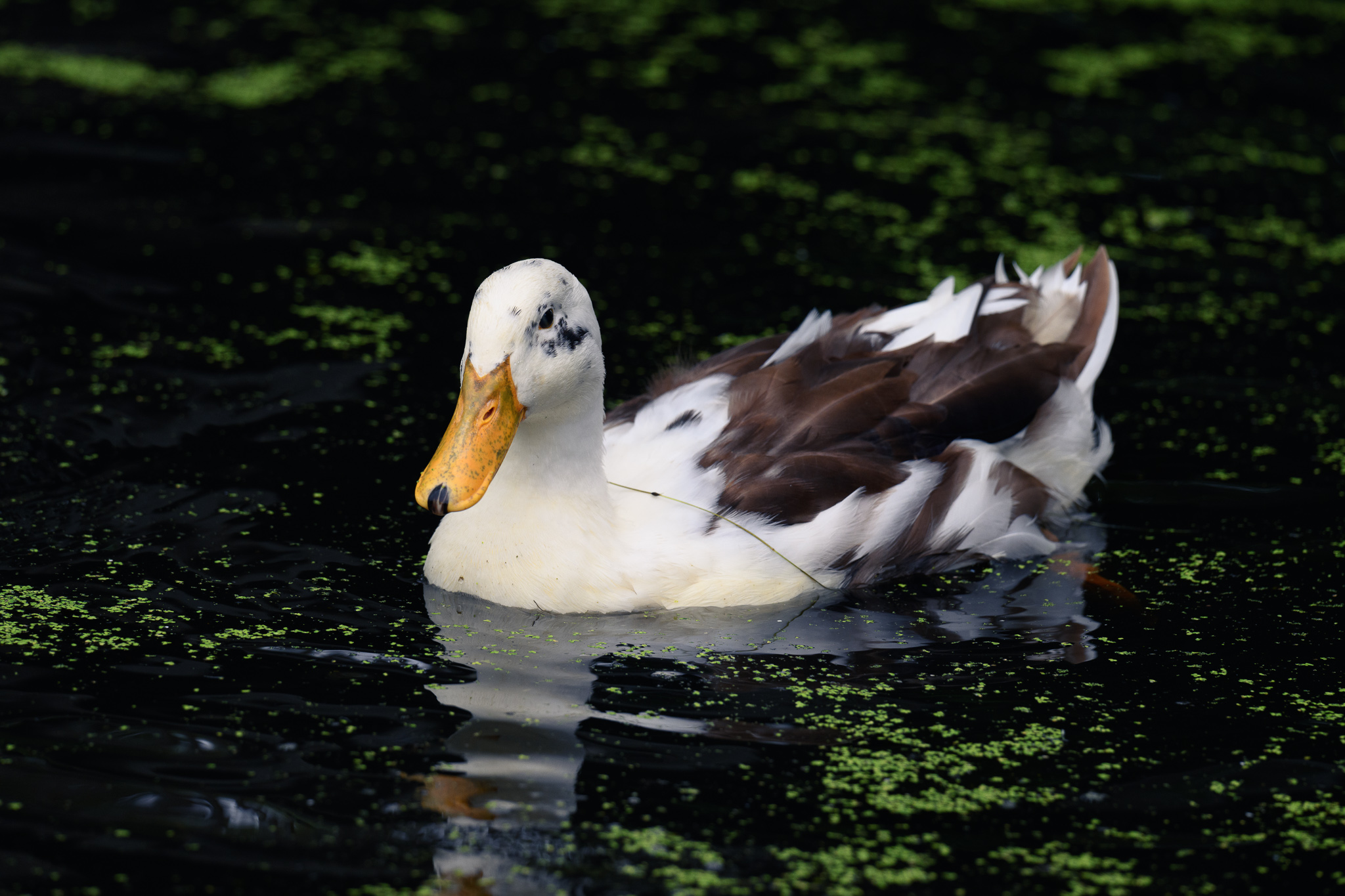
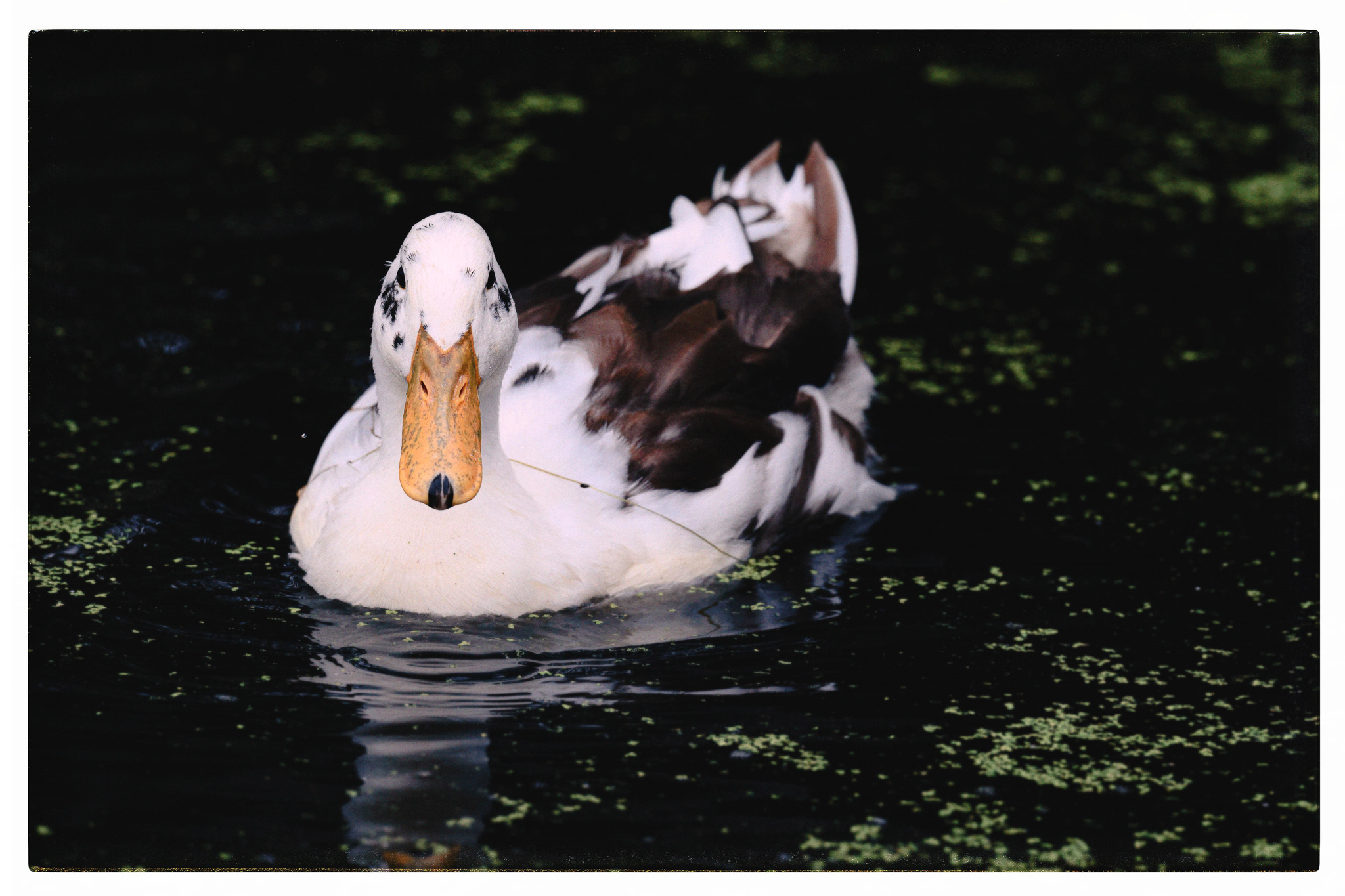
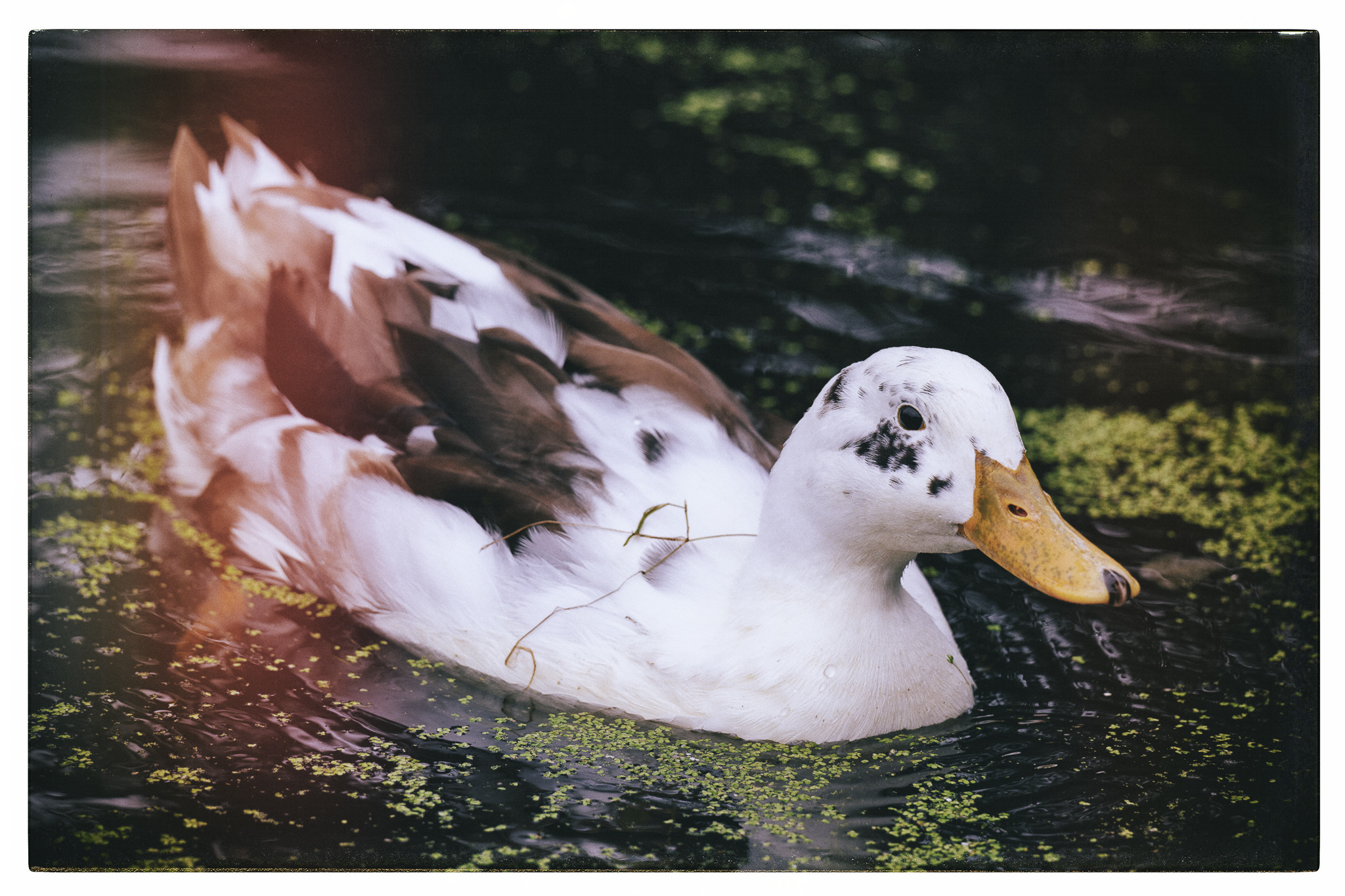
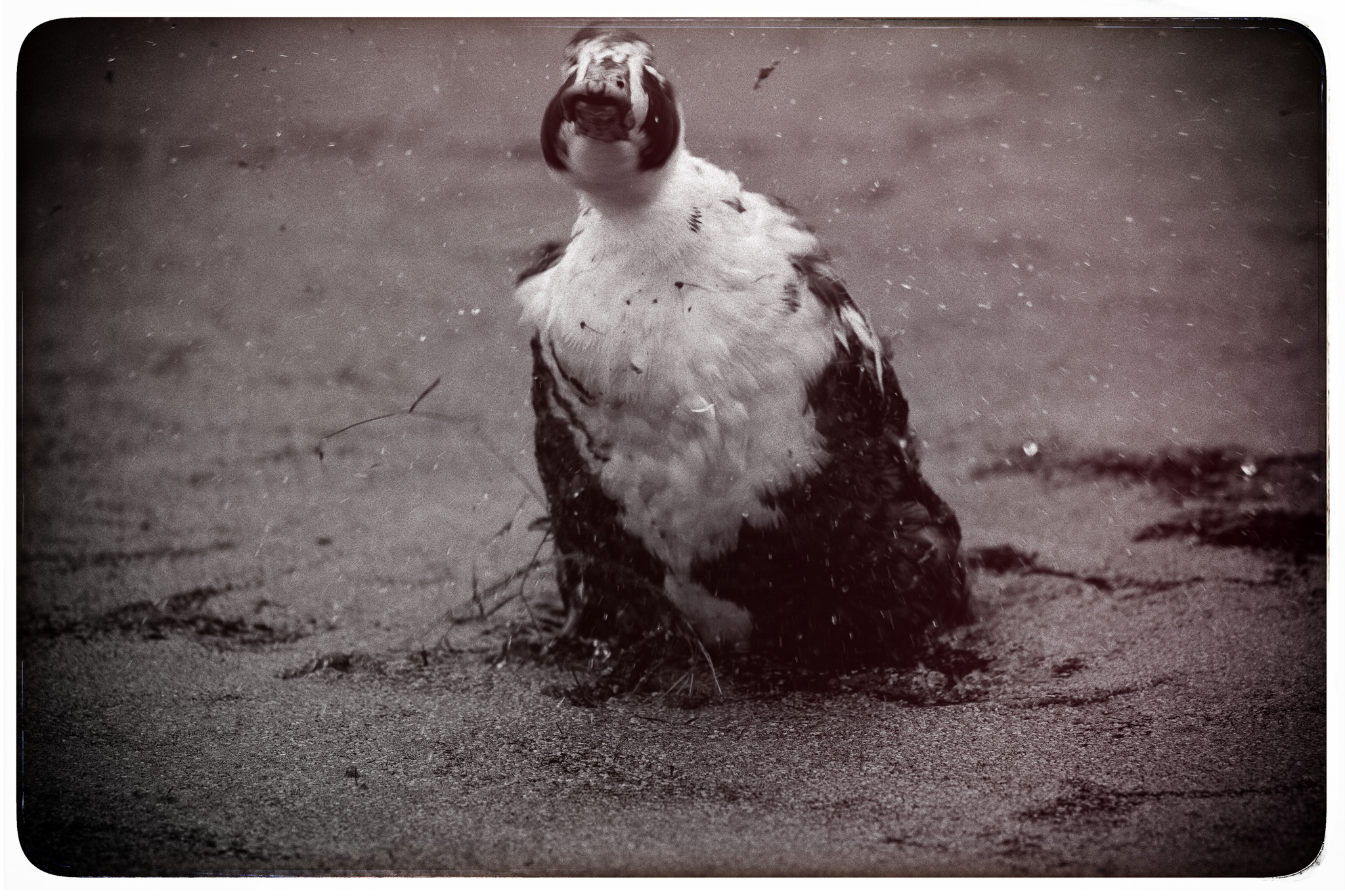
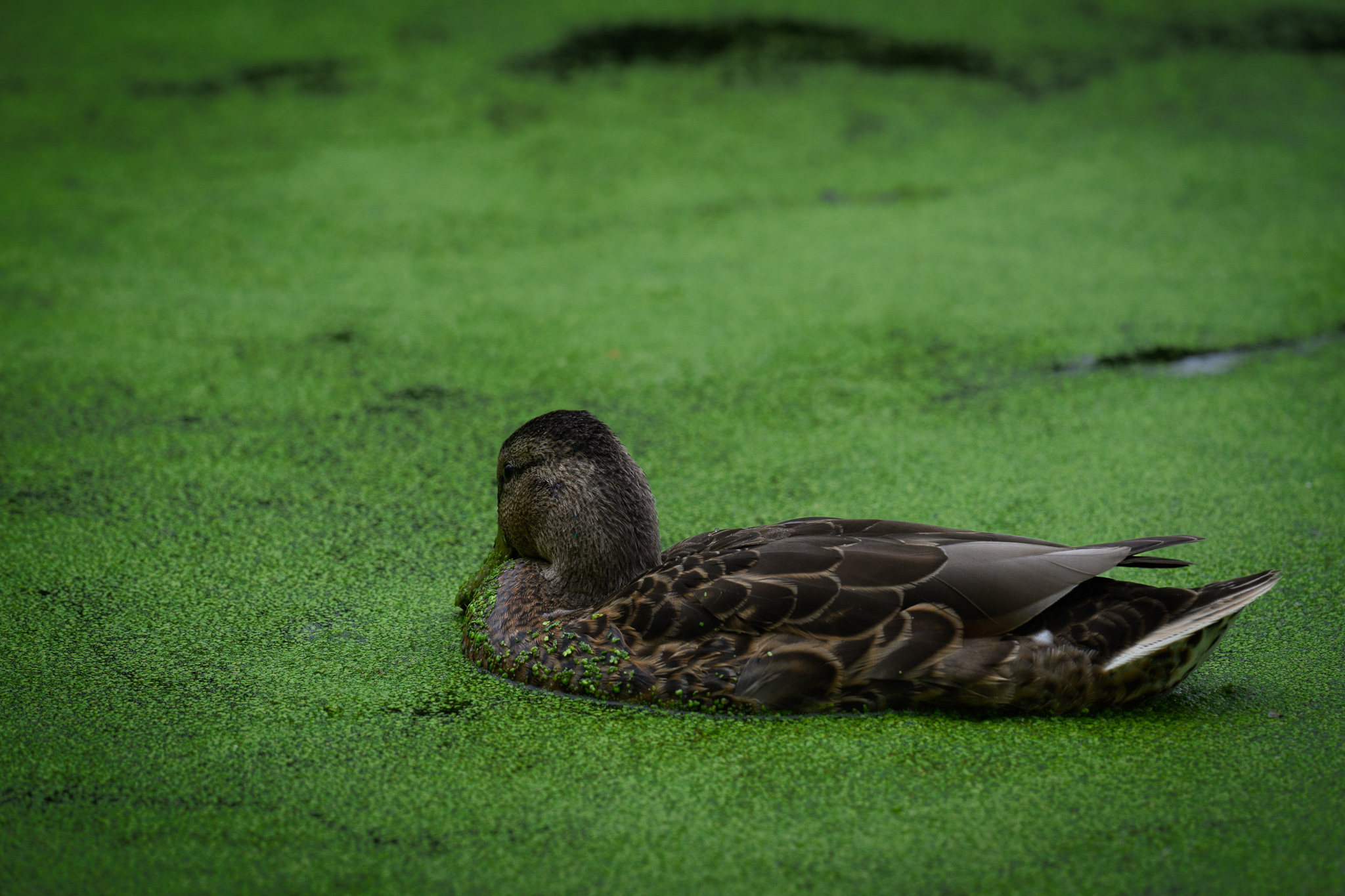
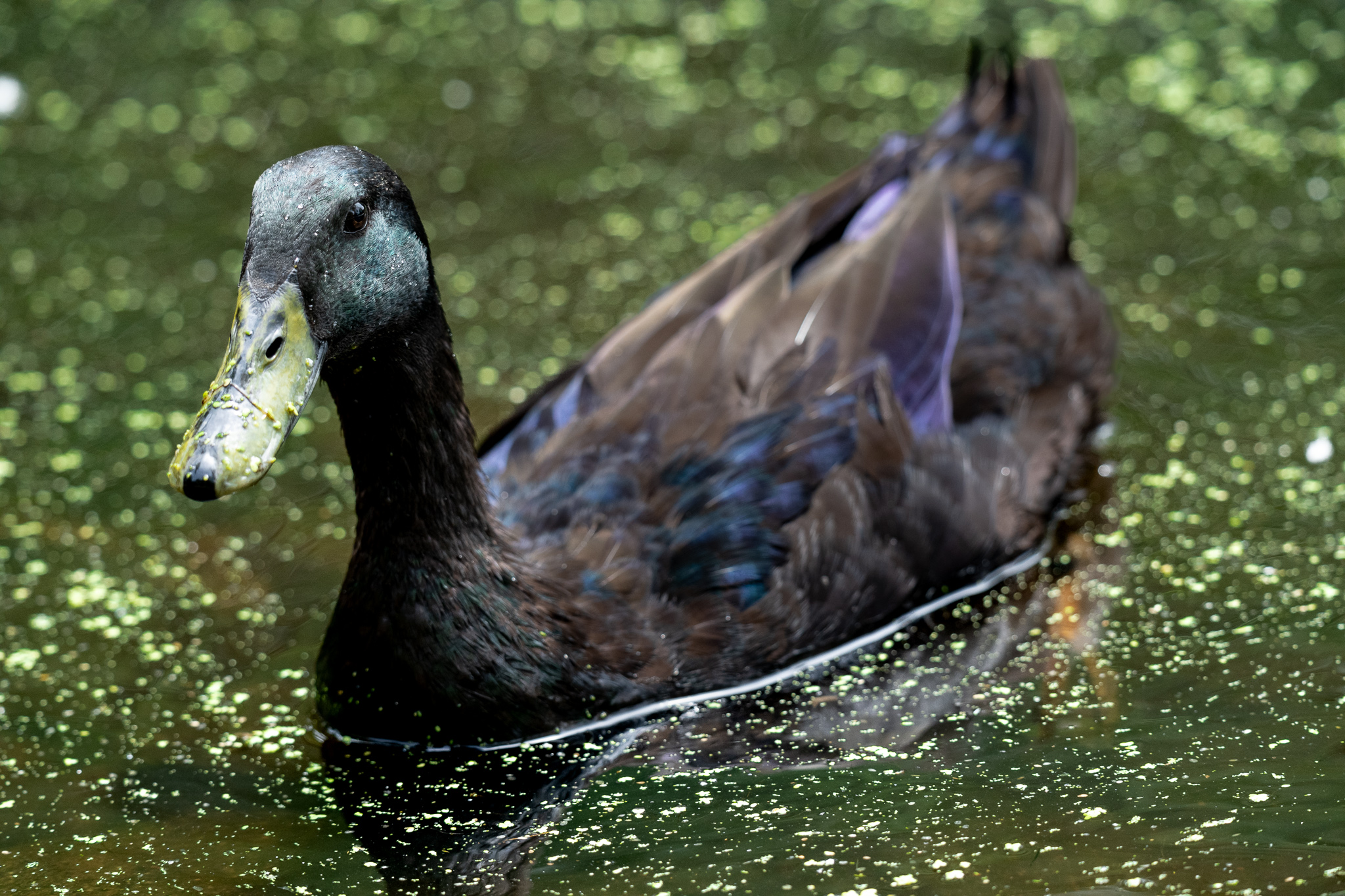

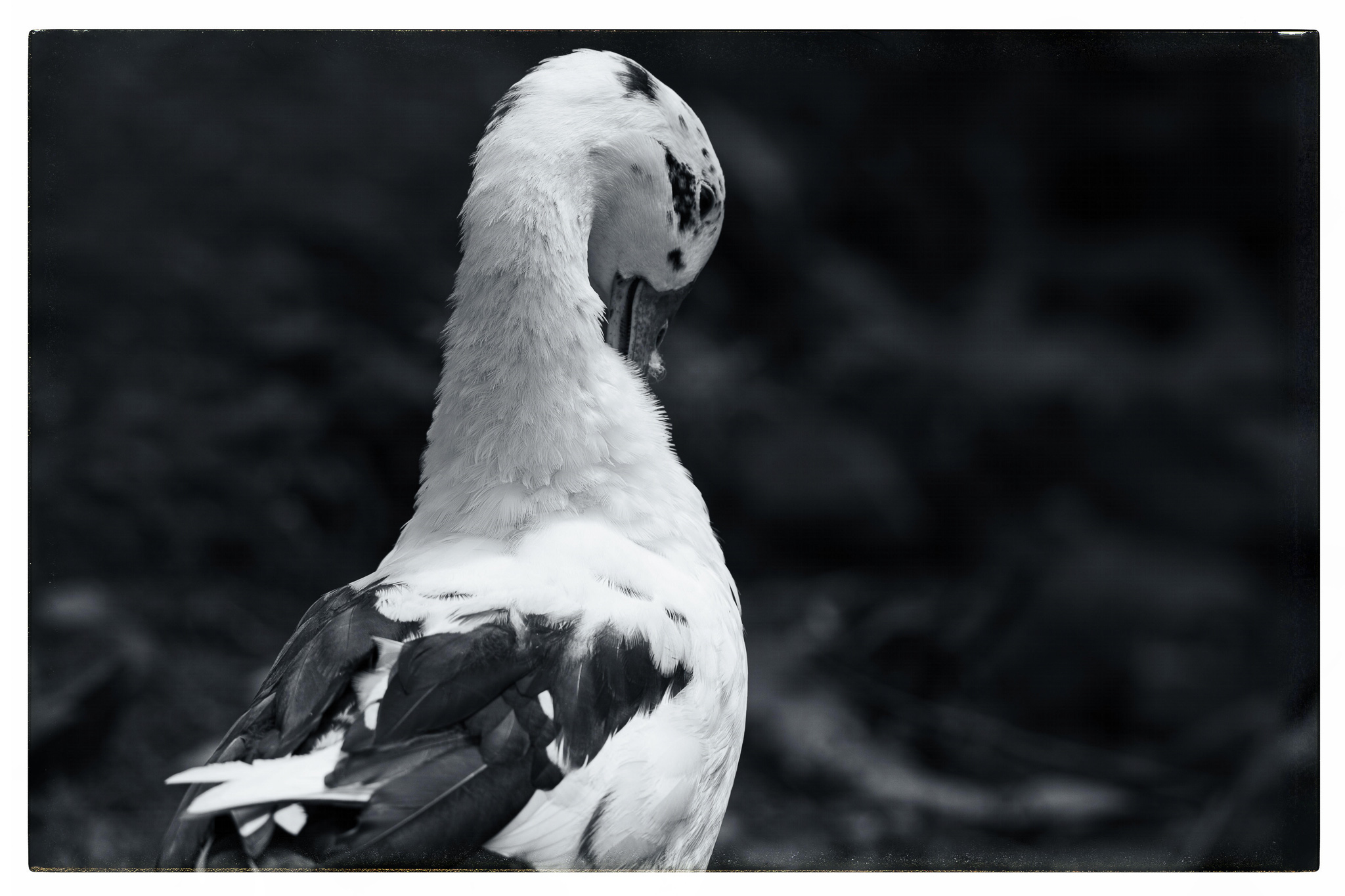
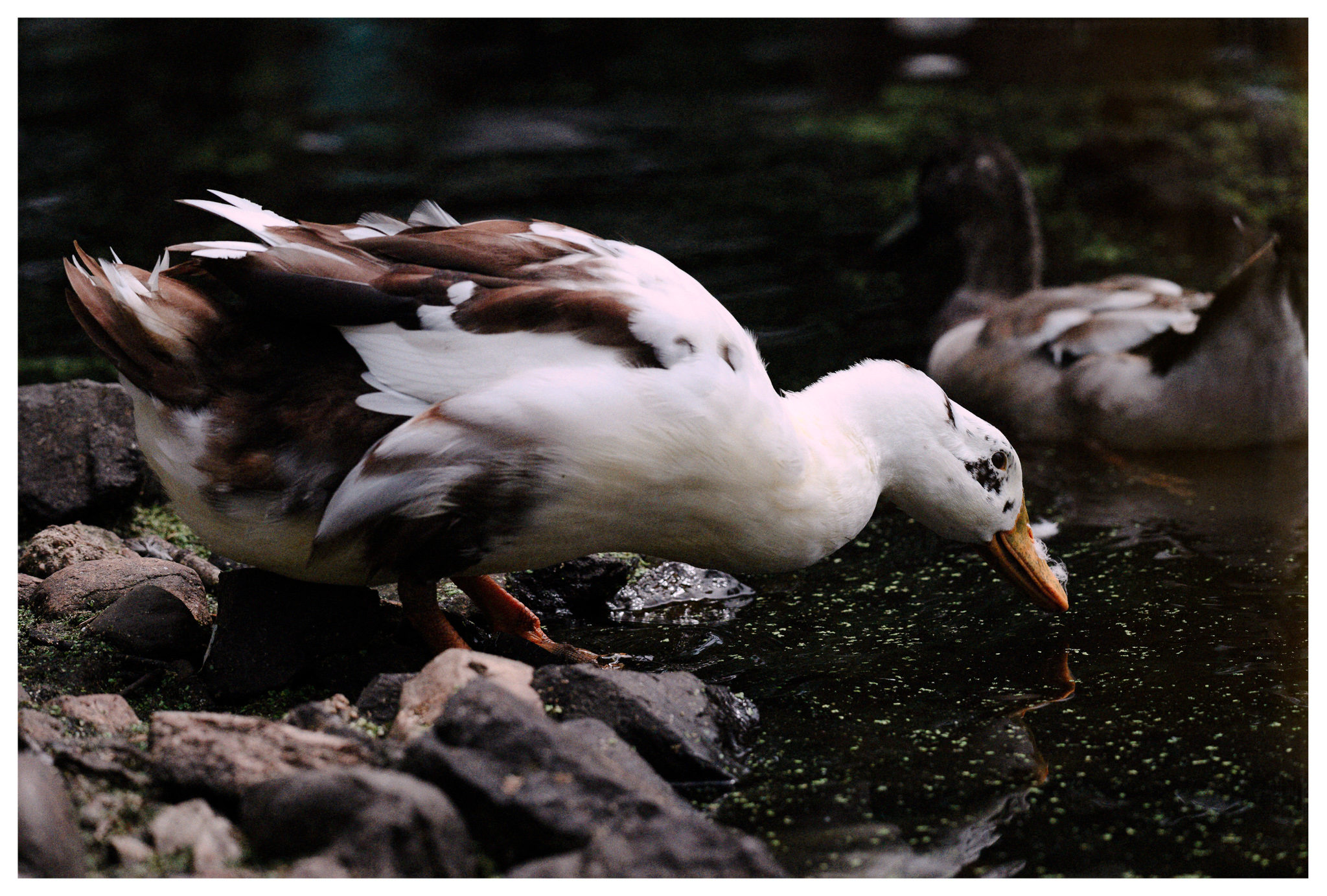
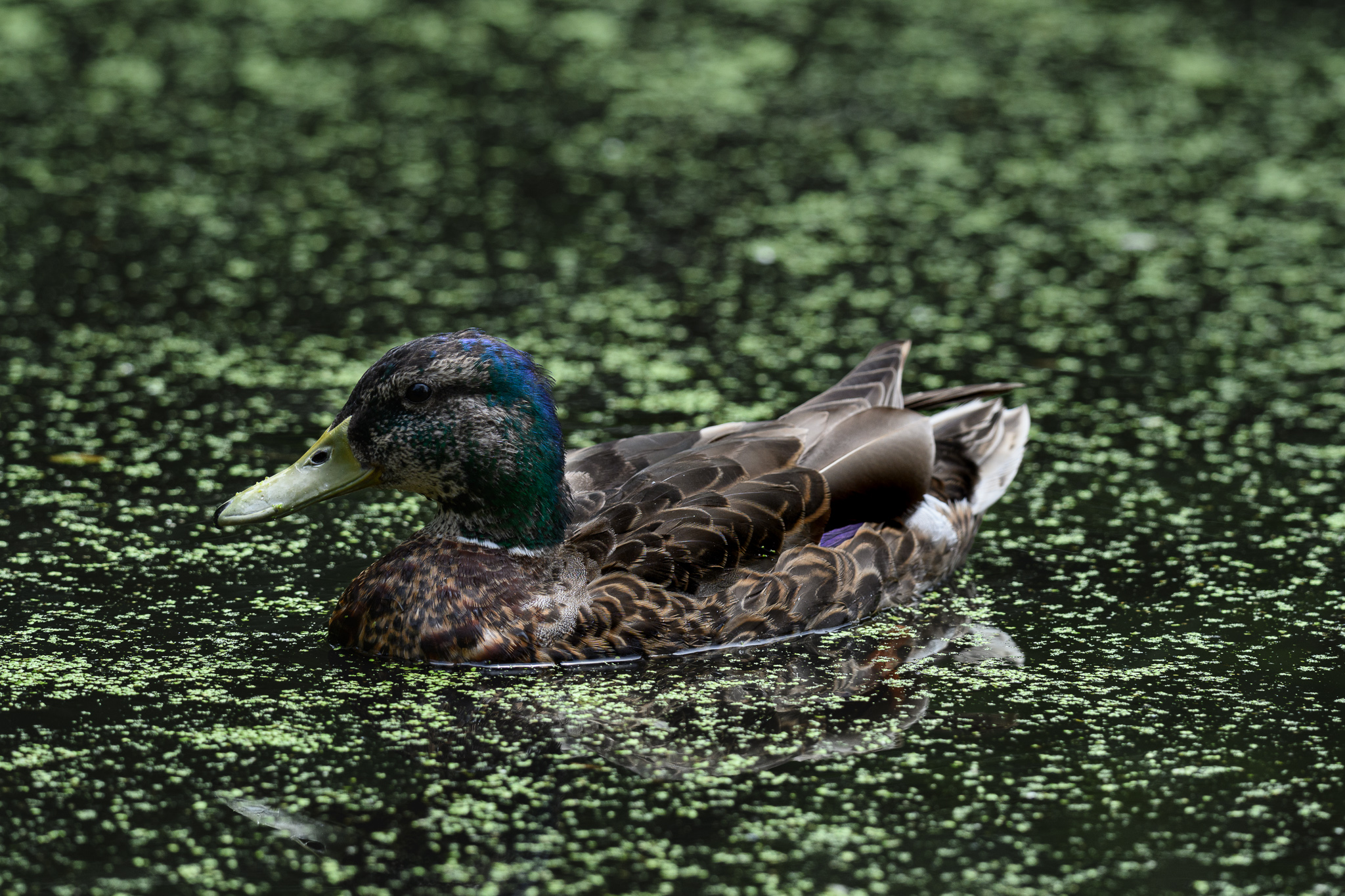
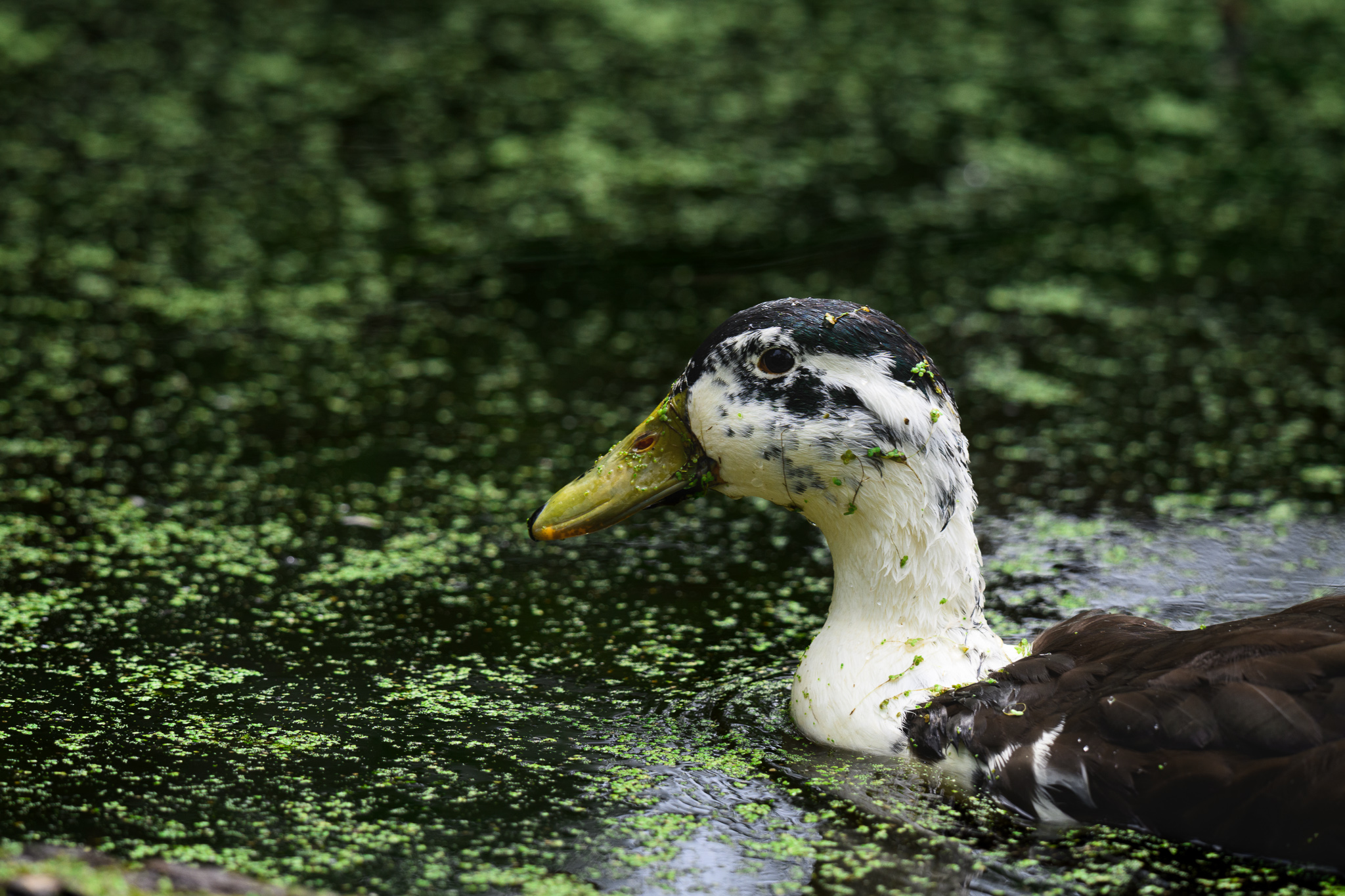
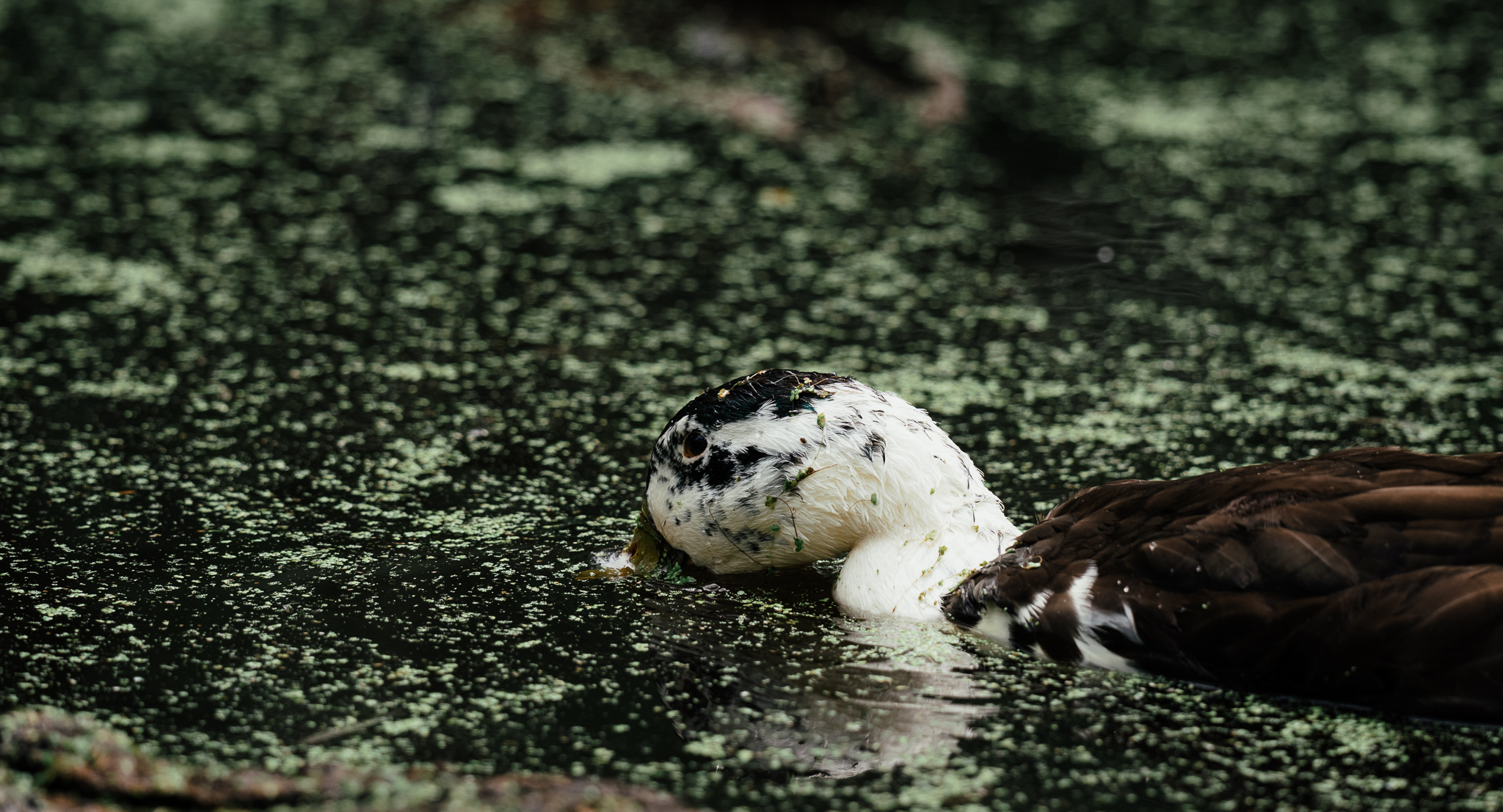
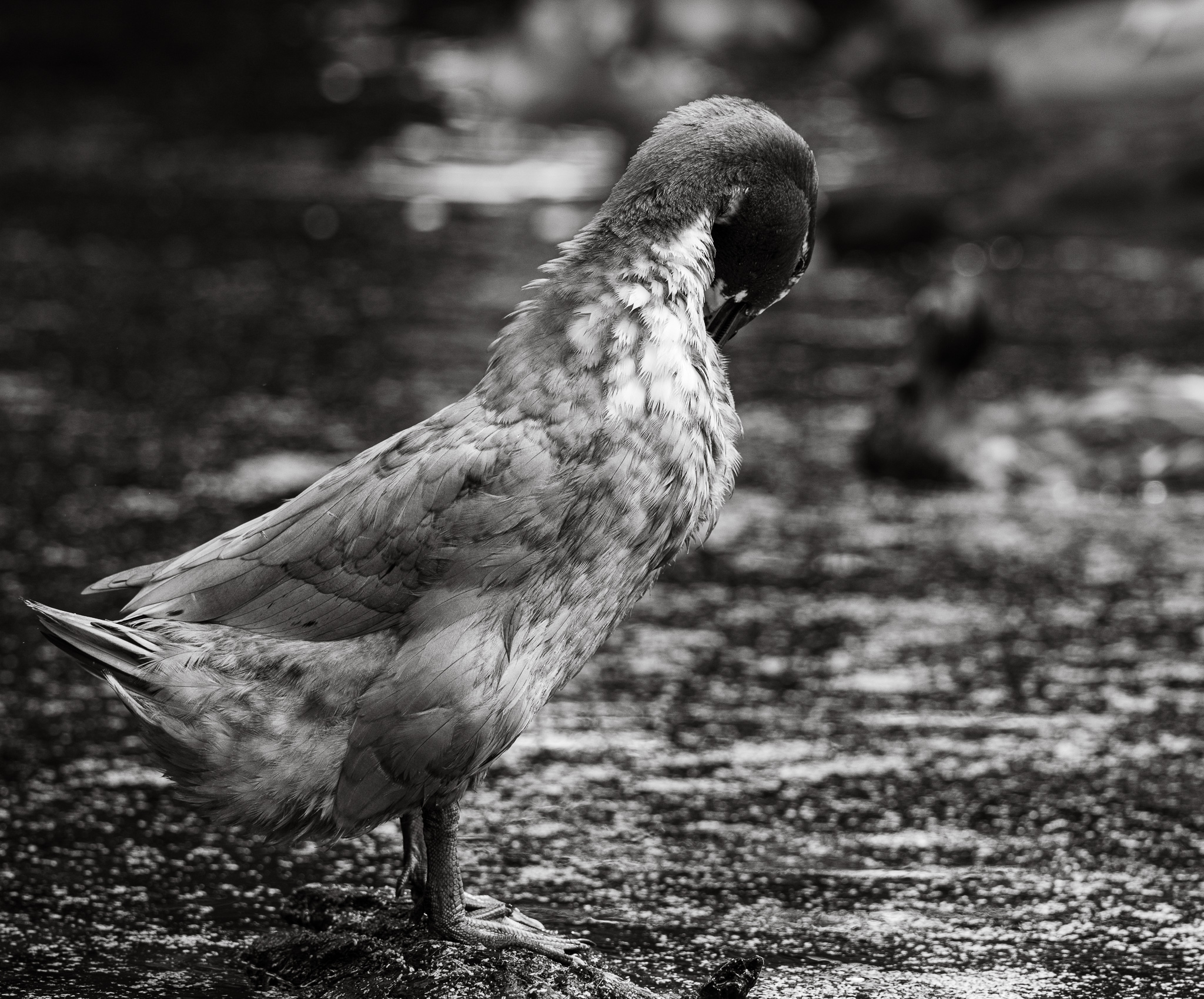
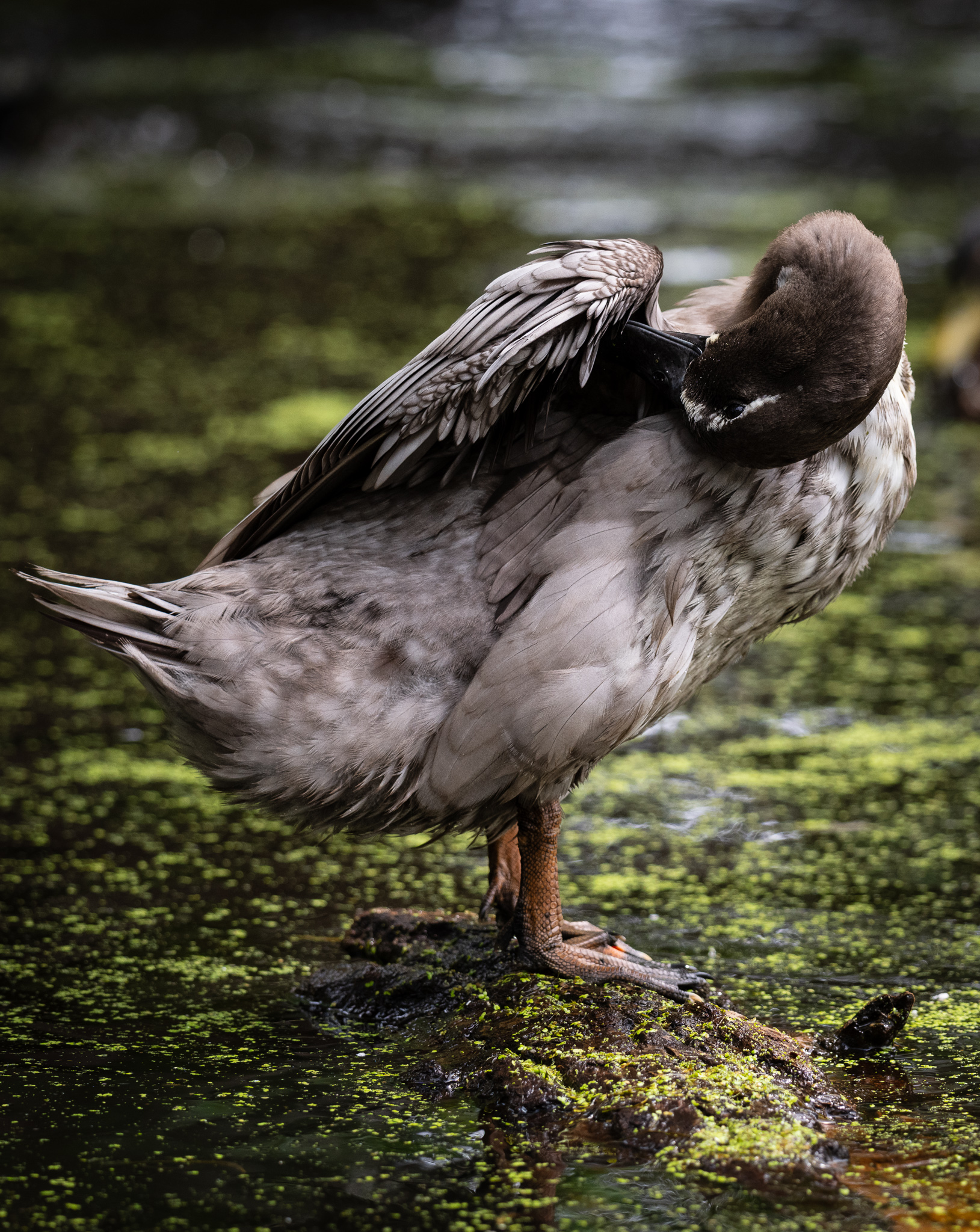
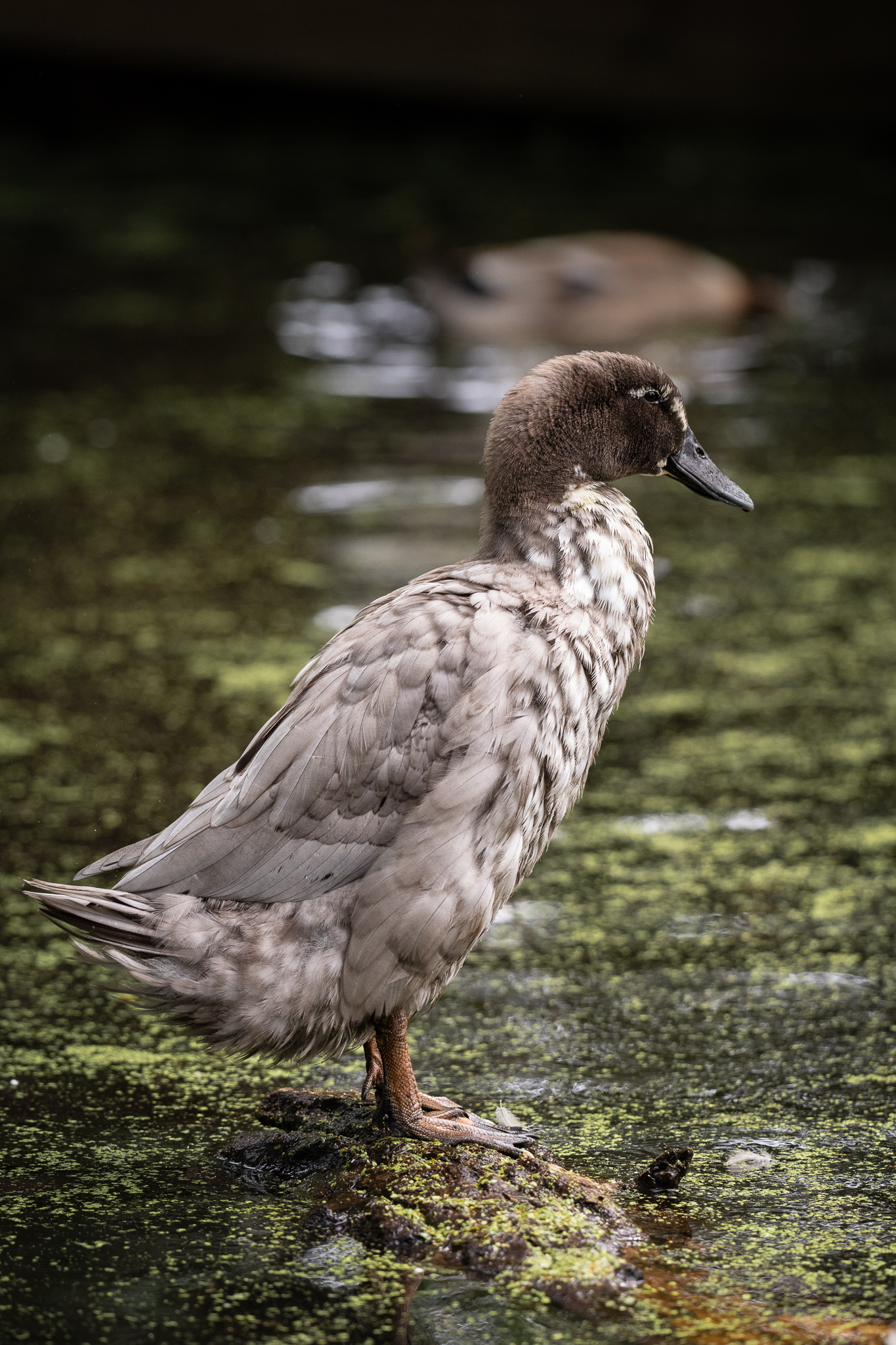
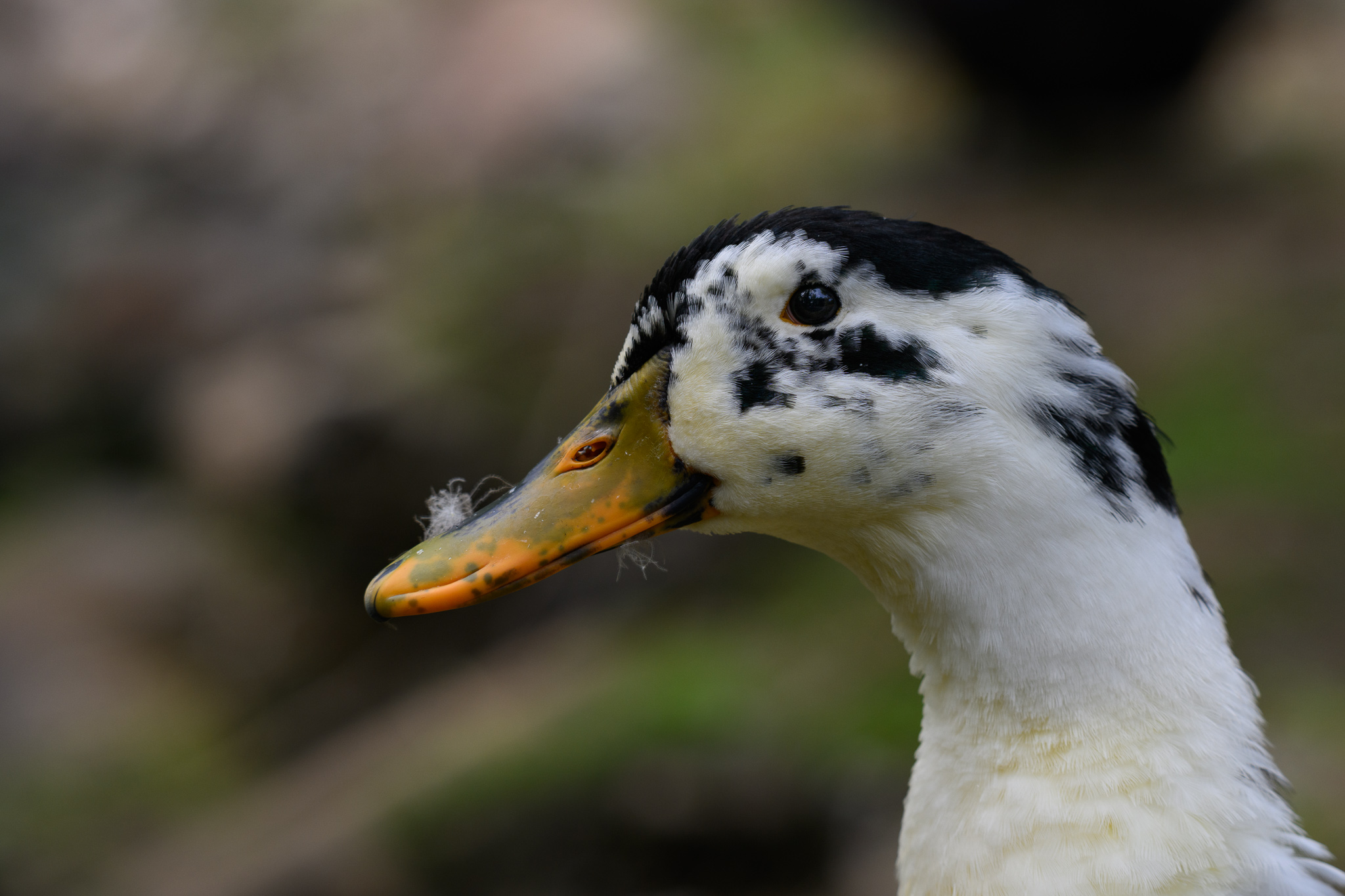

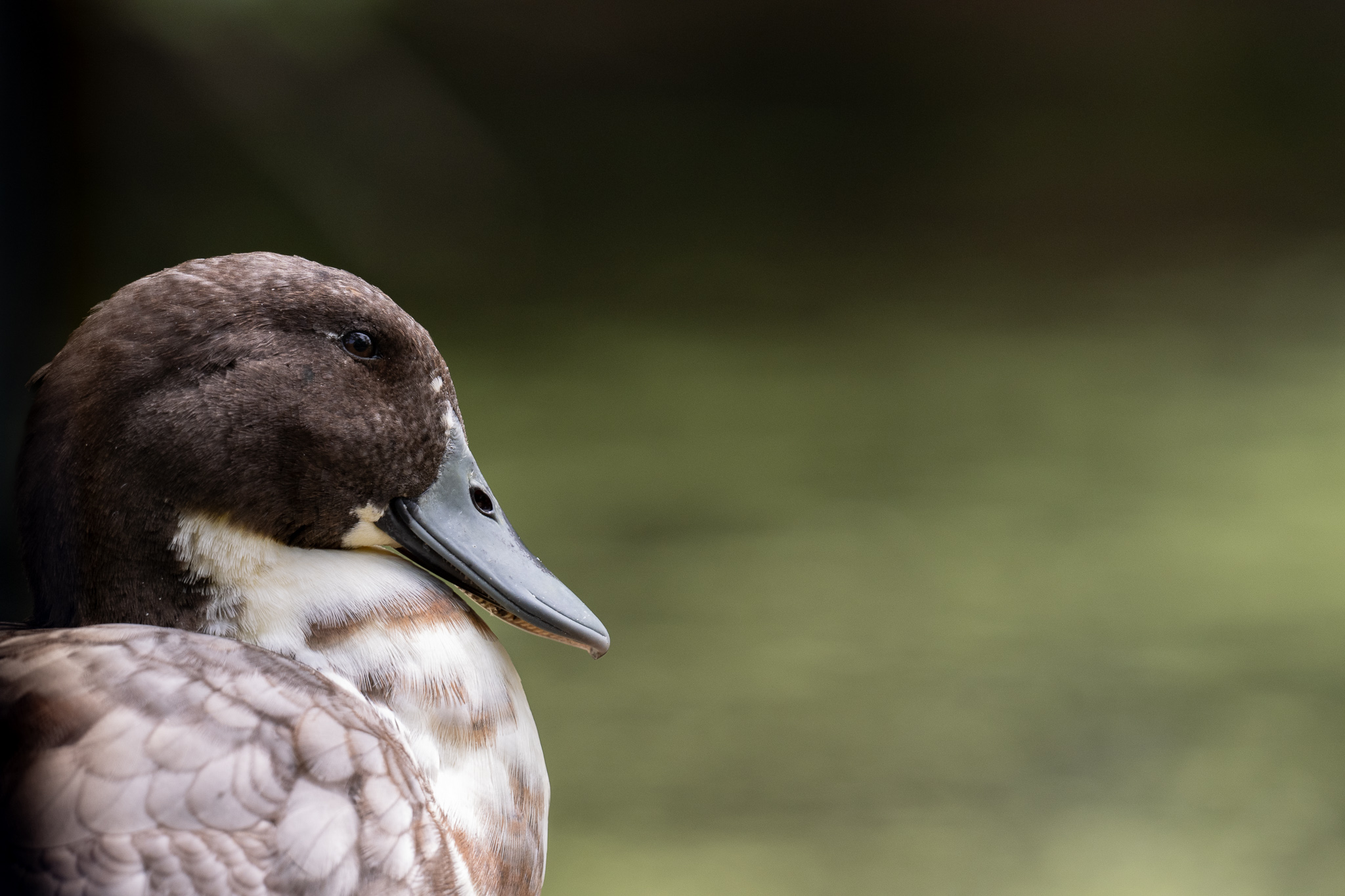
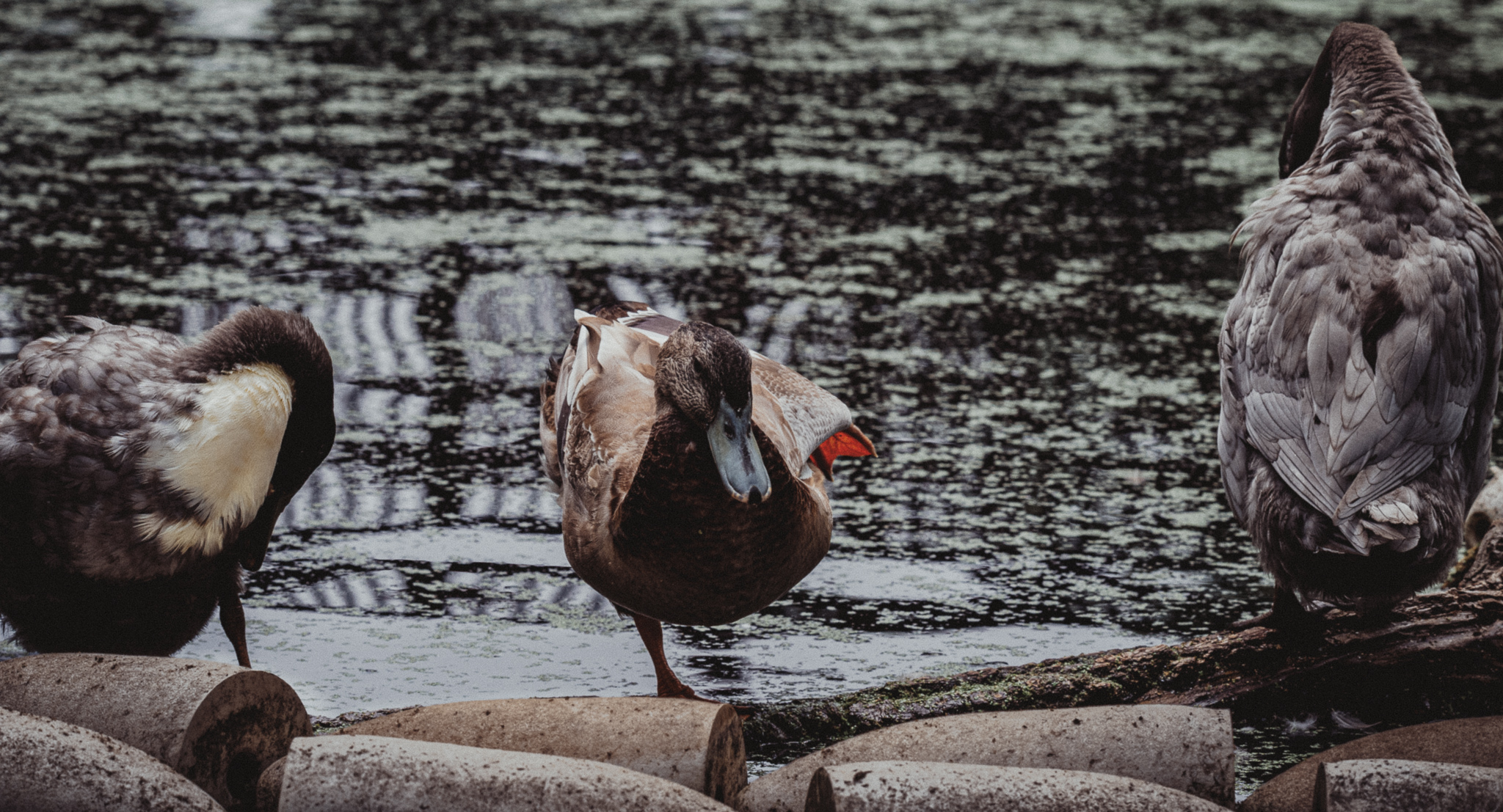
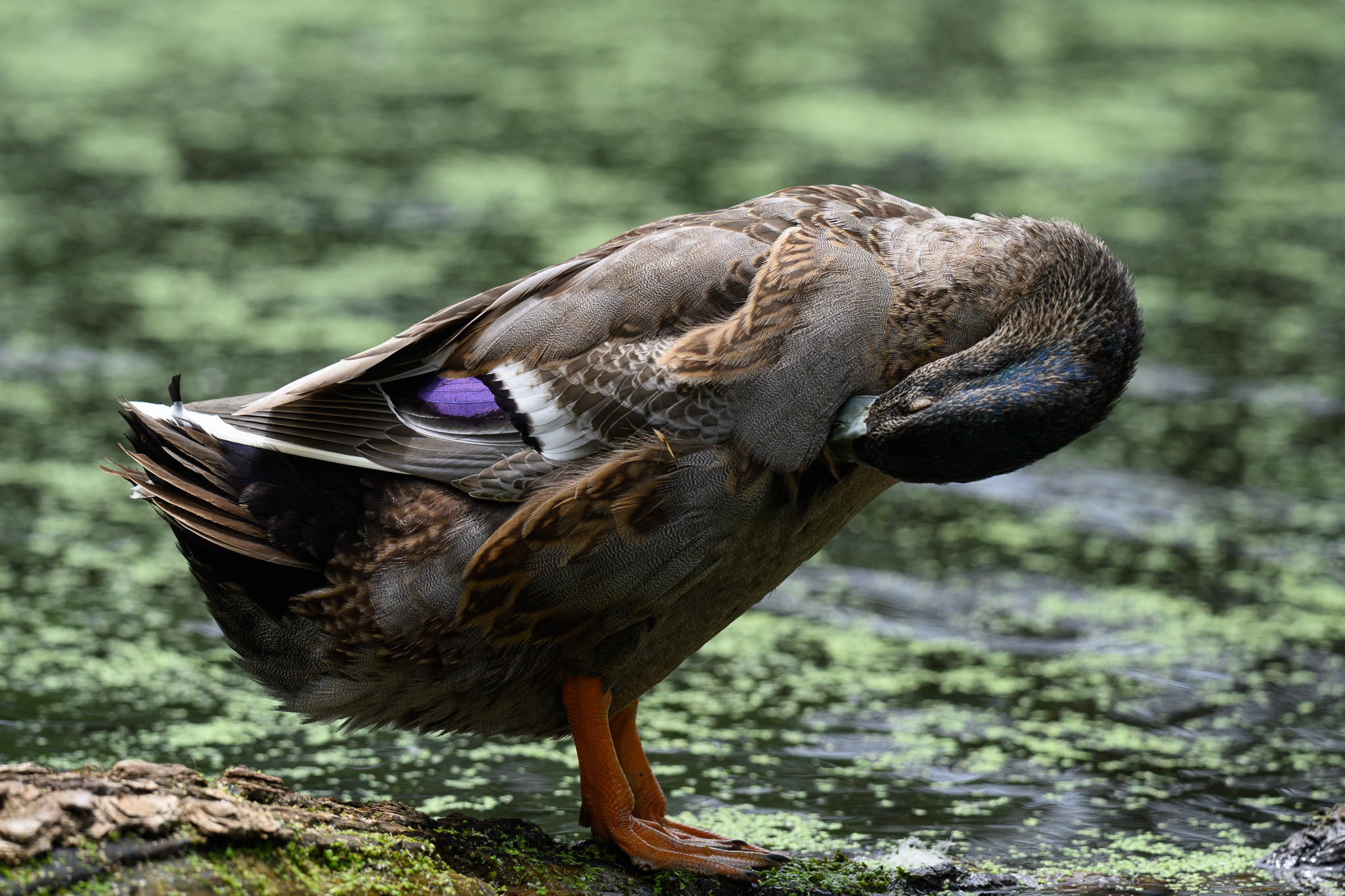
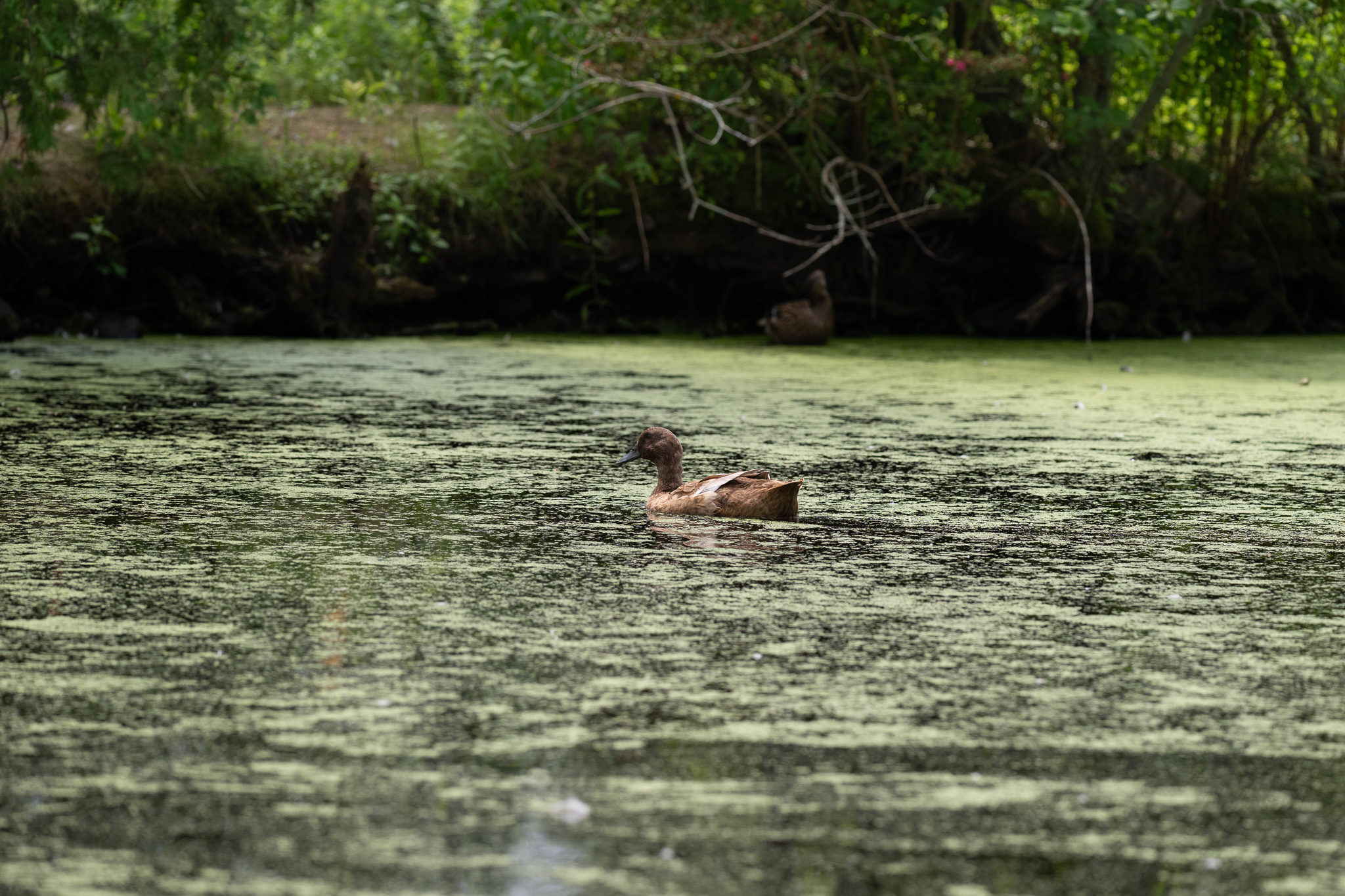
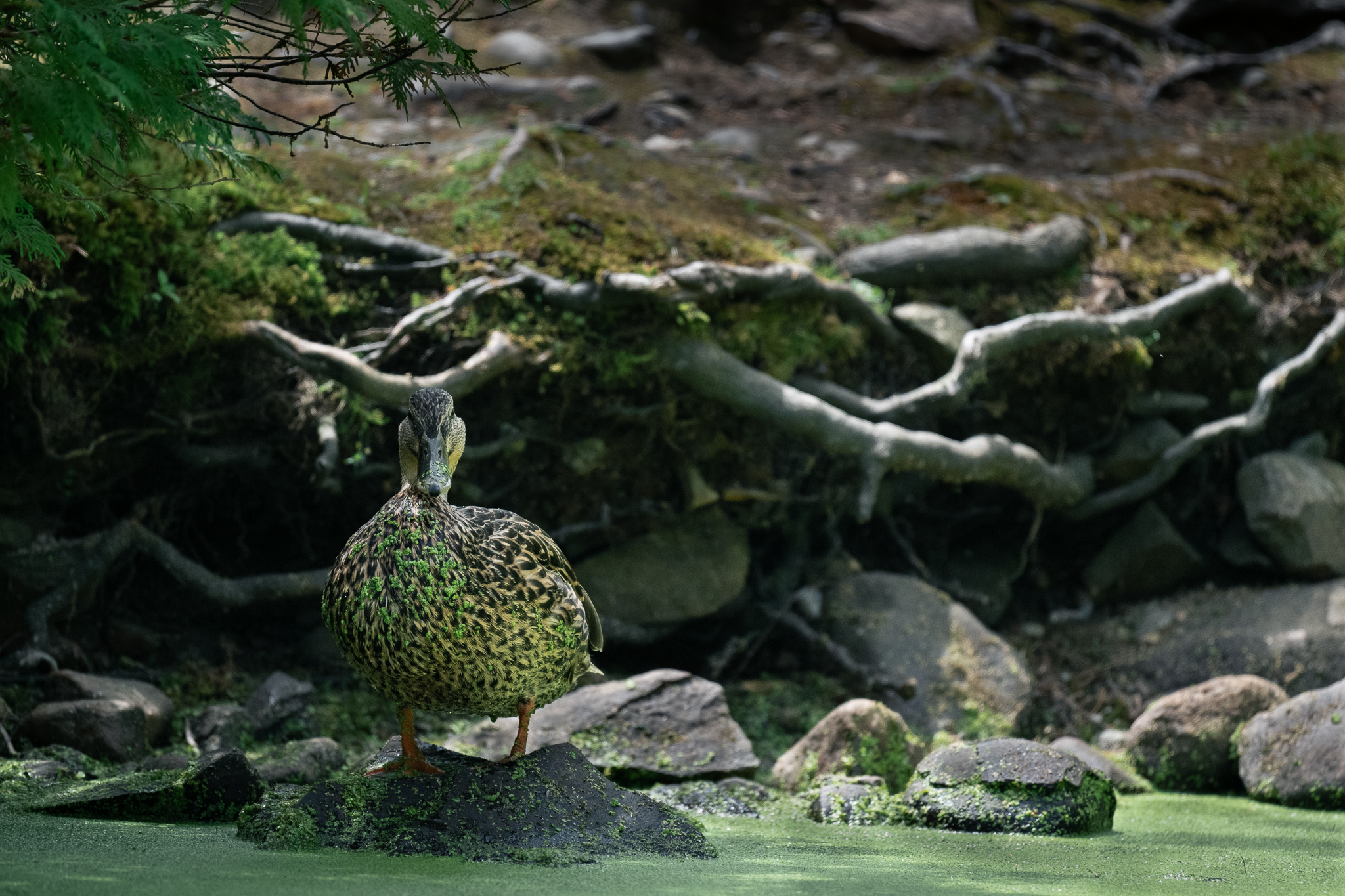
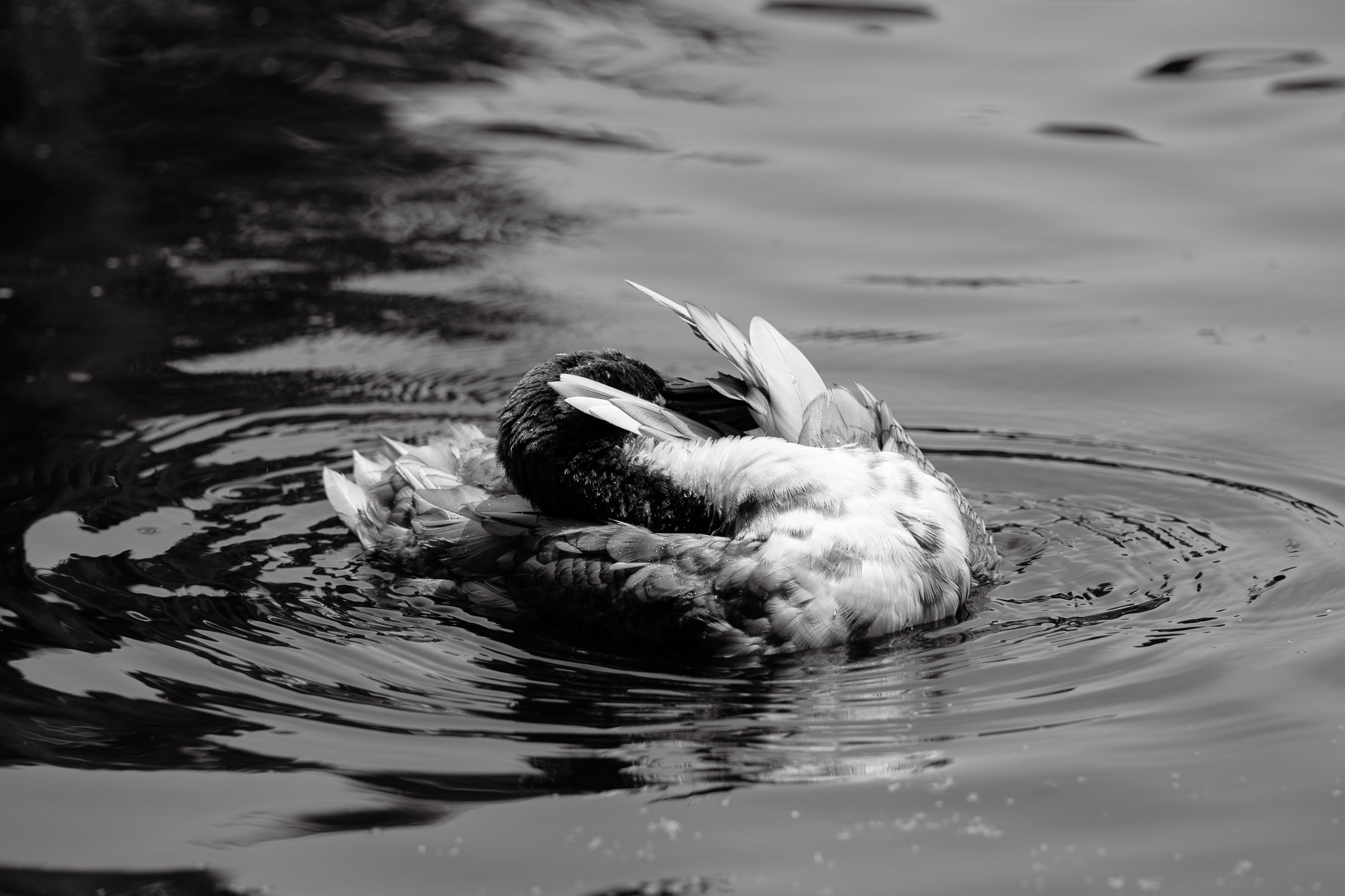
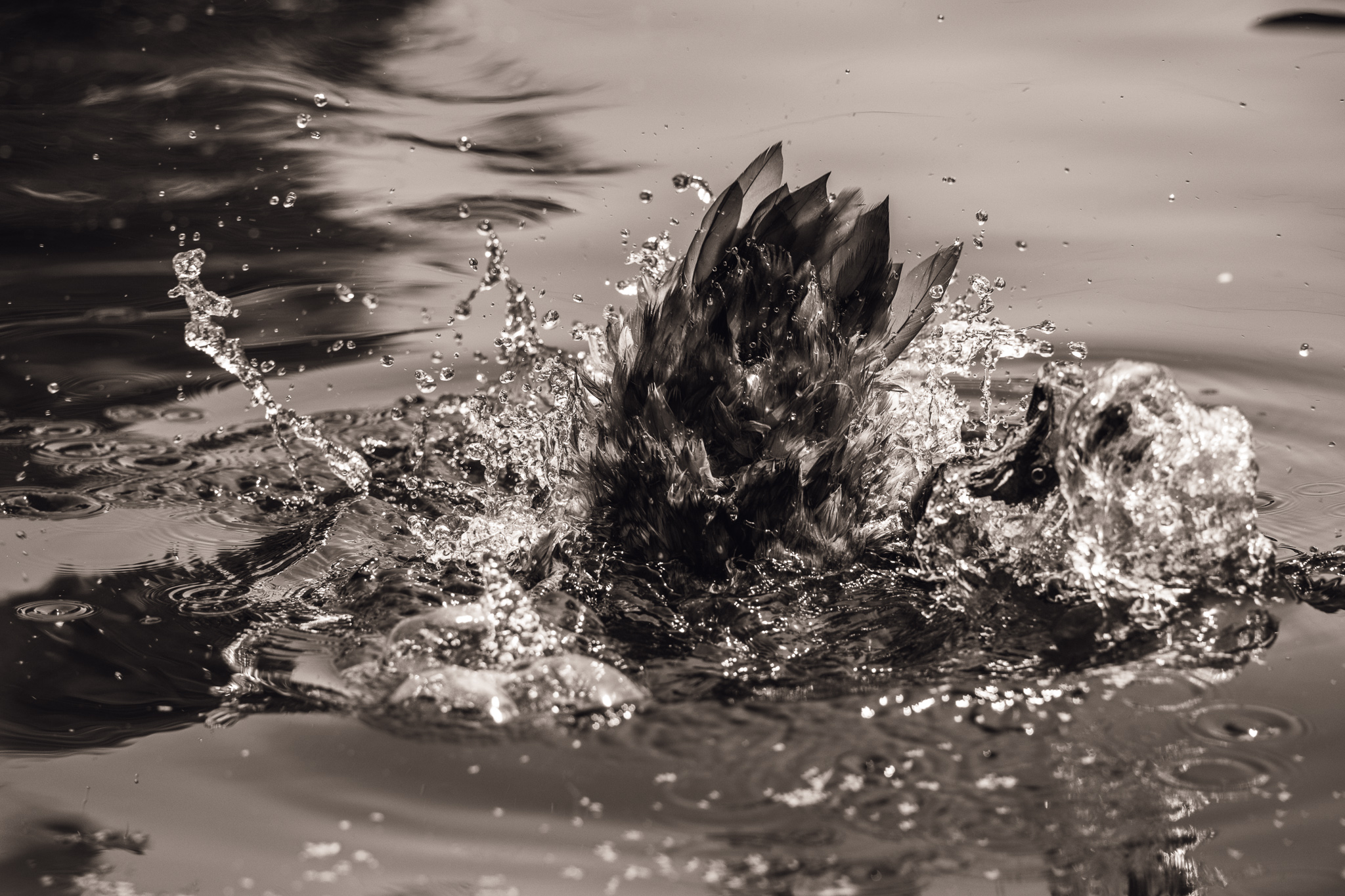
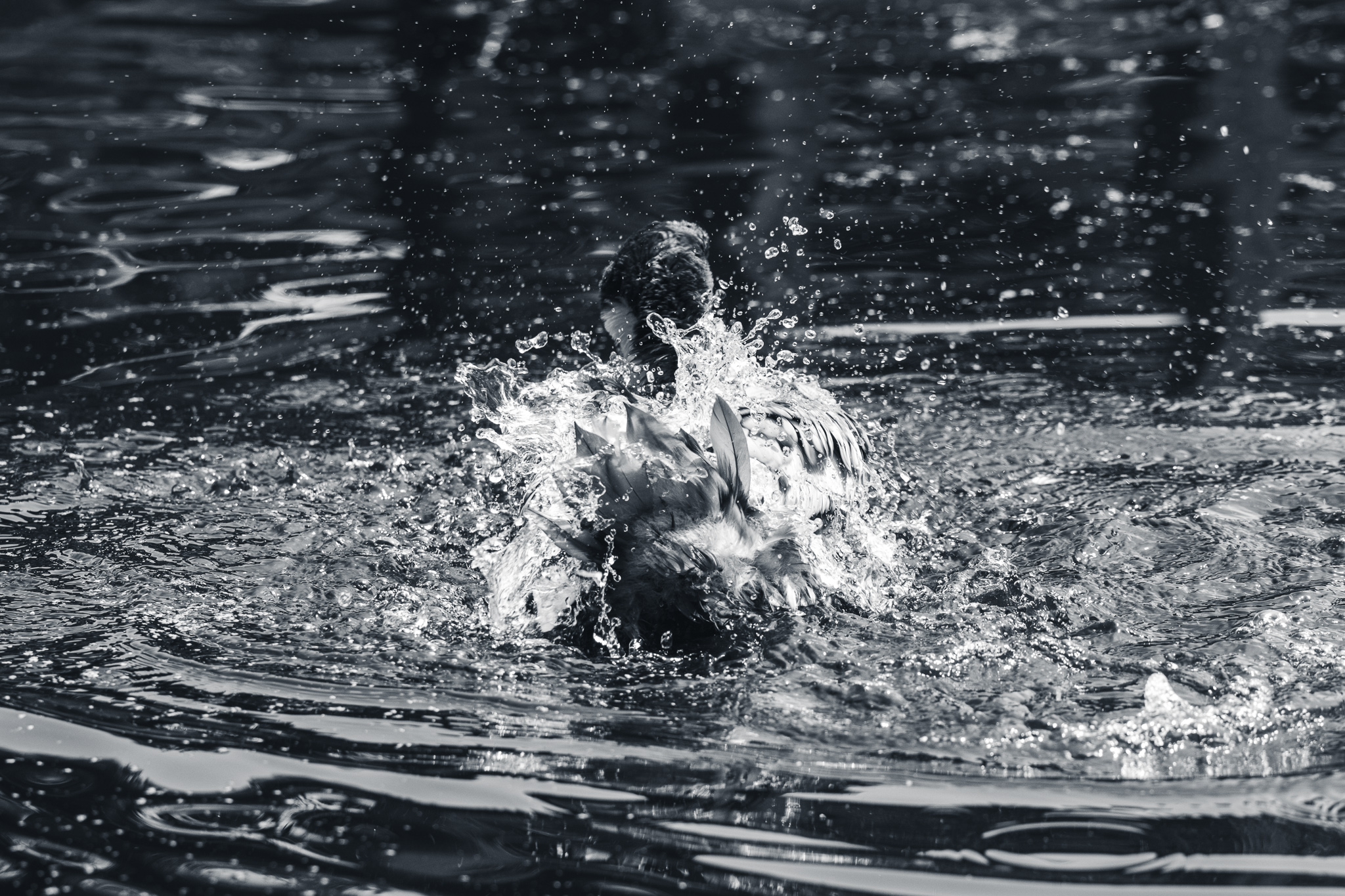
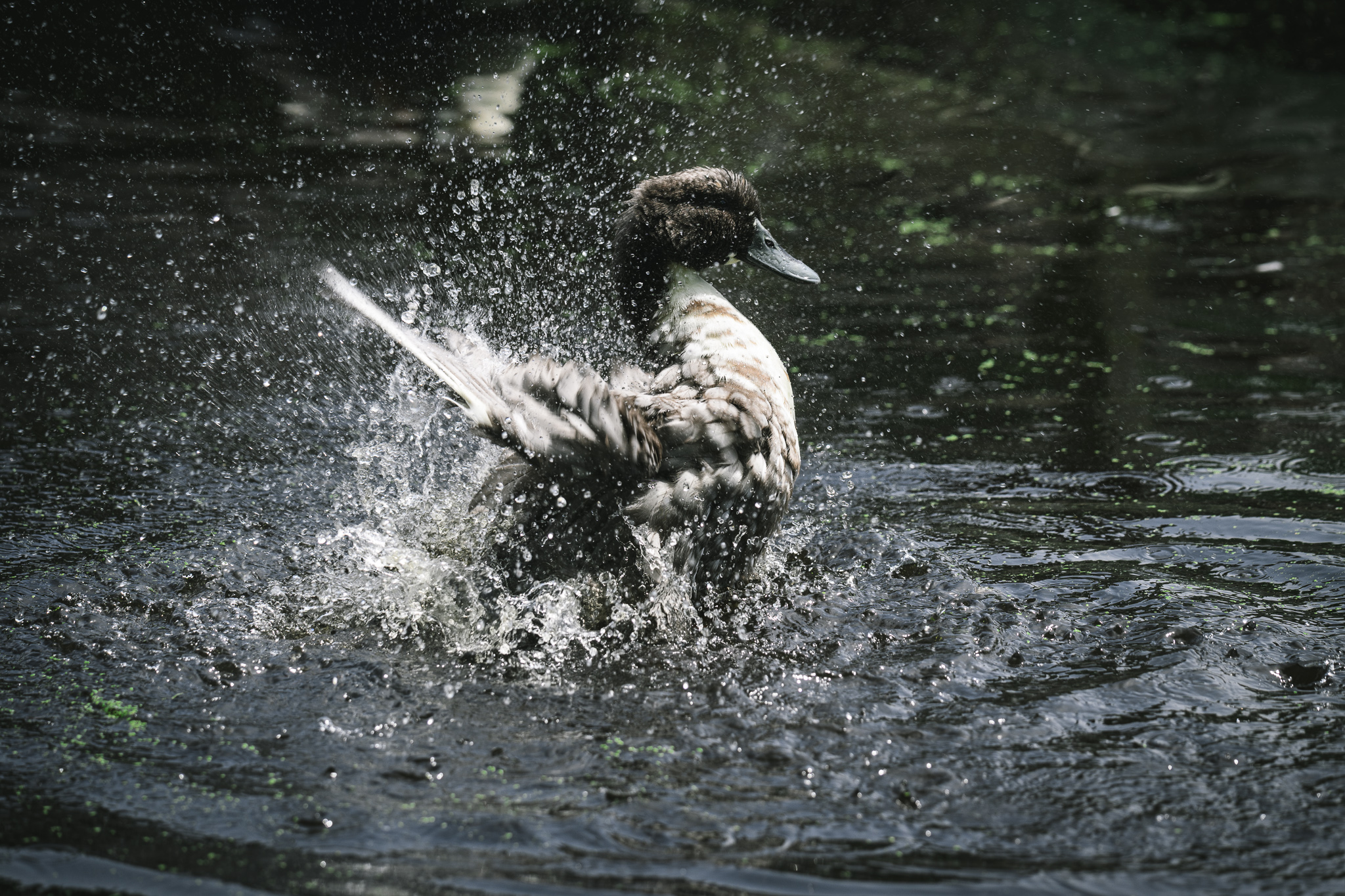
A variety of ducks within easy reach, processed into several different black and white and vintage effects.
At first glance, the water in the duck pond looked disturbingly packed with algae, but signs across the park informed me that it was in fact “duckweed” which is an actual plant that ducks eat. It made for very interesting backgrounds with almost bokeh-like highlights. My 180 – 600mm performed spectacularly here, tracking the ducks well and providing sharp, crisp images, even wide open.
The Fences
The ducks were easy to photograph due to their open environment. Other animals, not so much. Most were behind one or more layers of scuffed, yellowing glass and/or metal fencing with various diagonal or rectangular patterns. Getting good shots required a combination of putting my lens as close to or on the glass as possible, trying to focus inside an opening in the fence pattern, and applying liberal use of dehazing in Lightroom. Focusing through fences really stretched my skills, requiring a combination of single point focus, manual focus, and occasional switches to 3D tracking when it would work. As a result, you’ll notice that many of my non-duck shots have faint, almost mirage-like textures on them. Those are the blurred out and dehazed fences. Despite the challenges I think I captured some pretty good images.
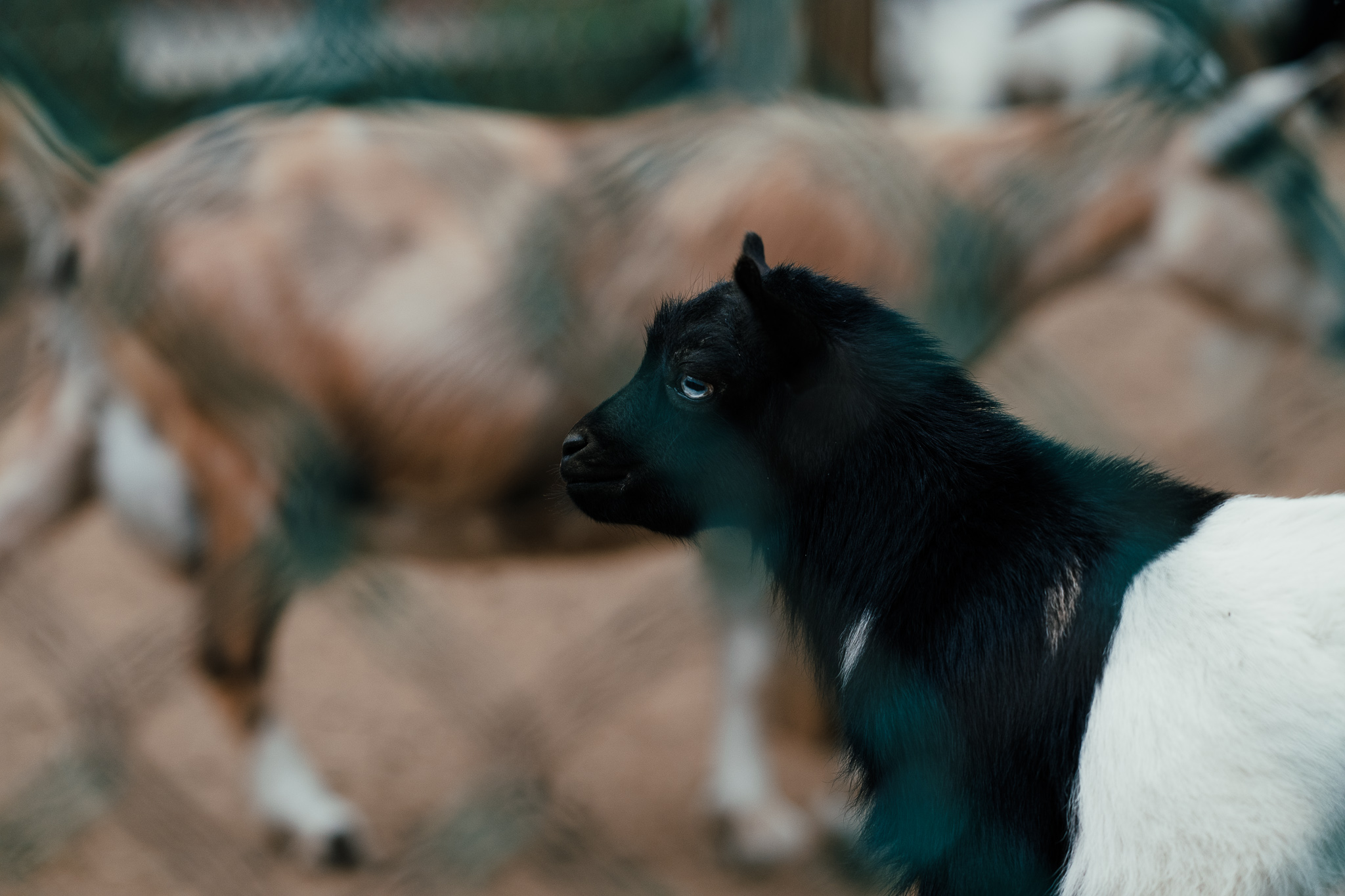
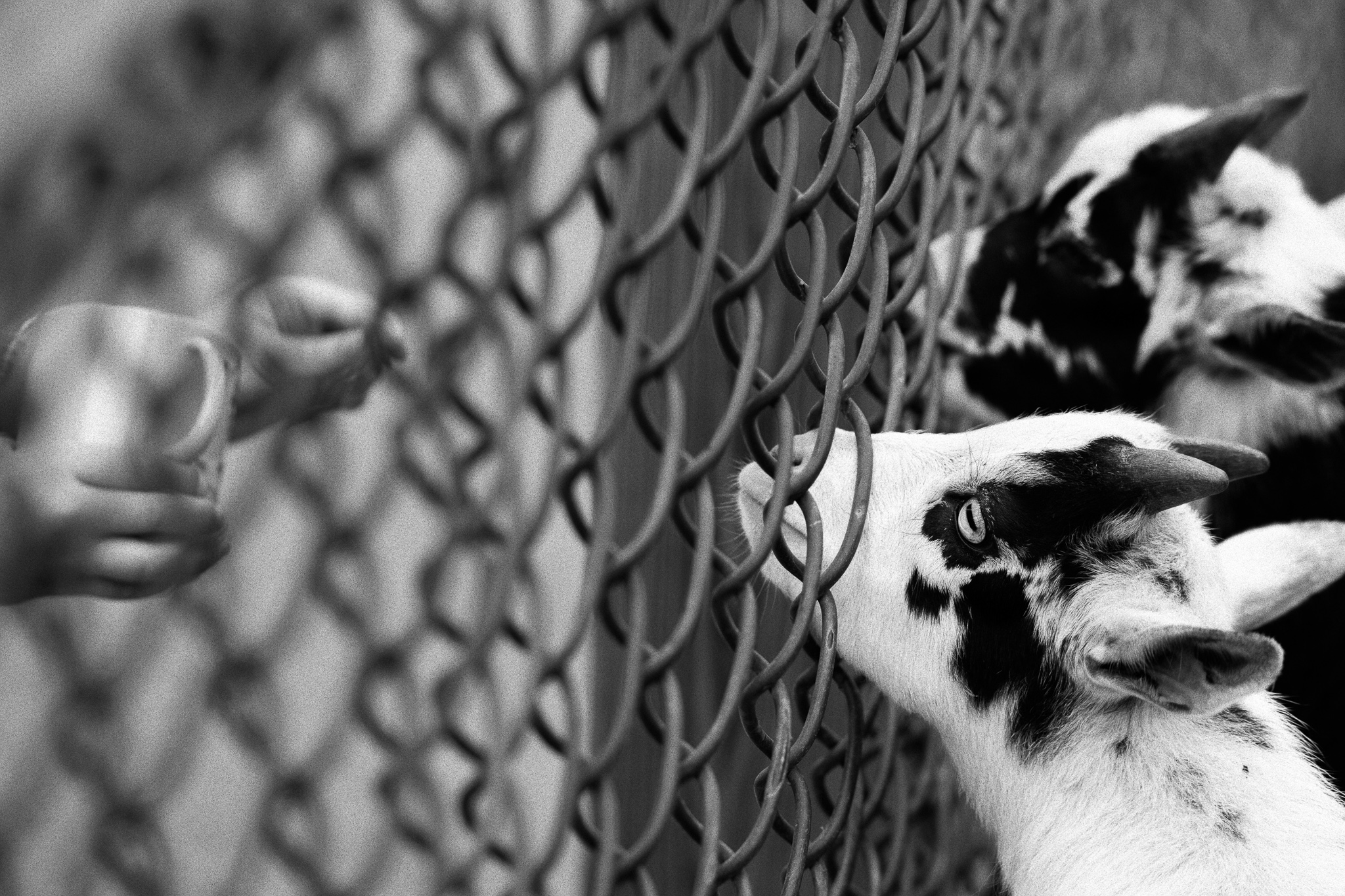
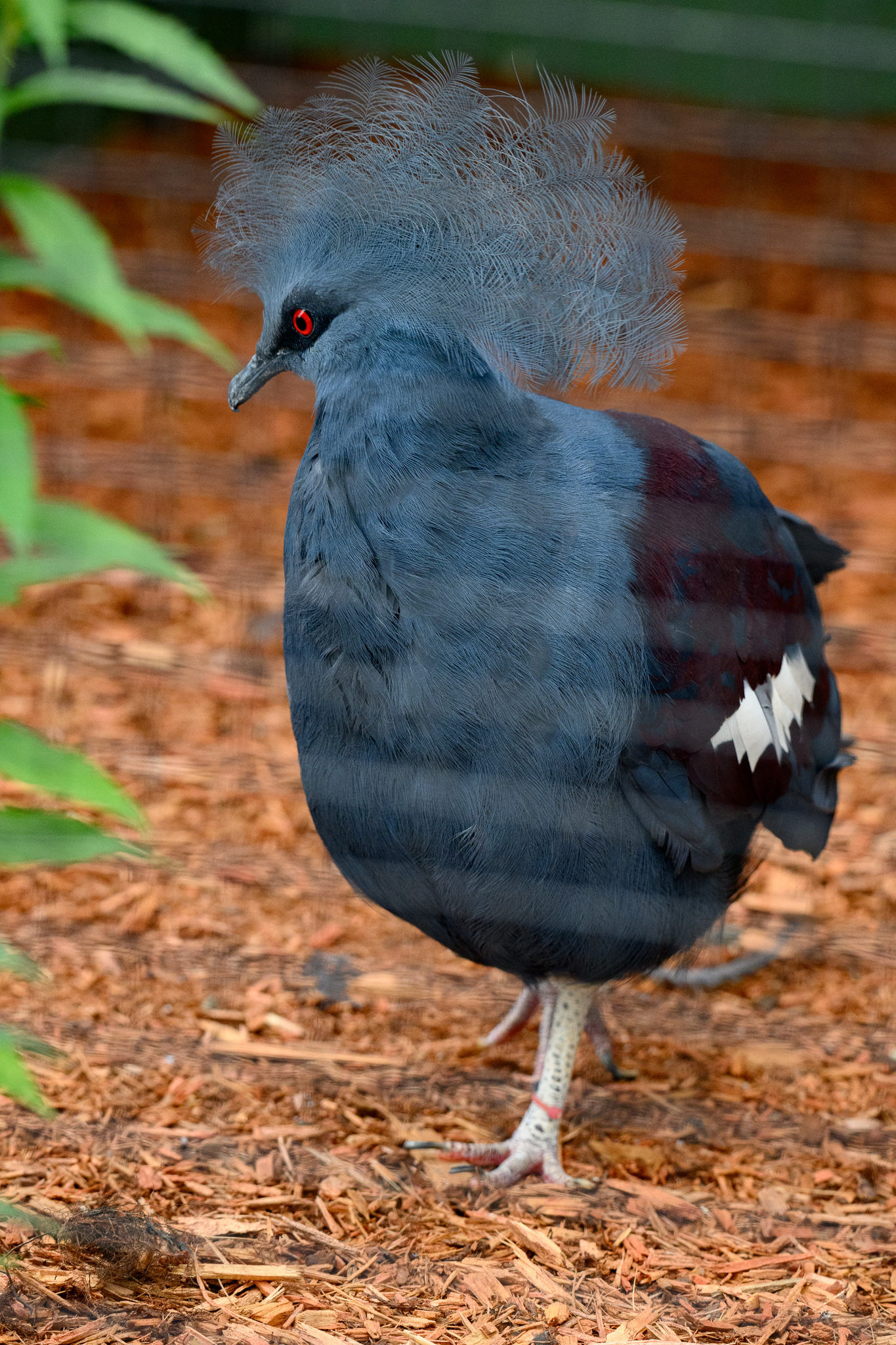
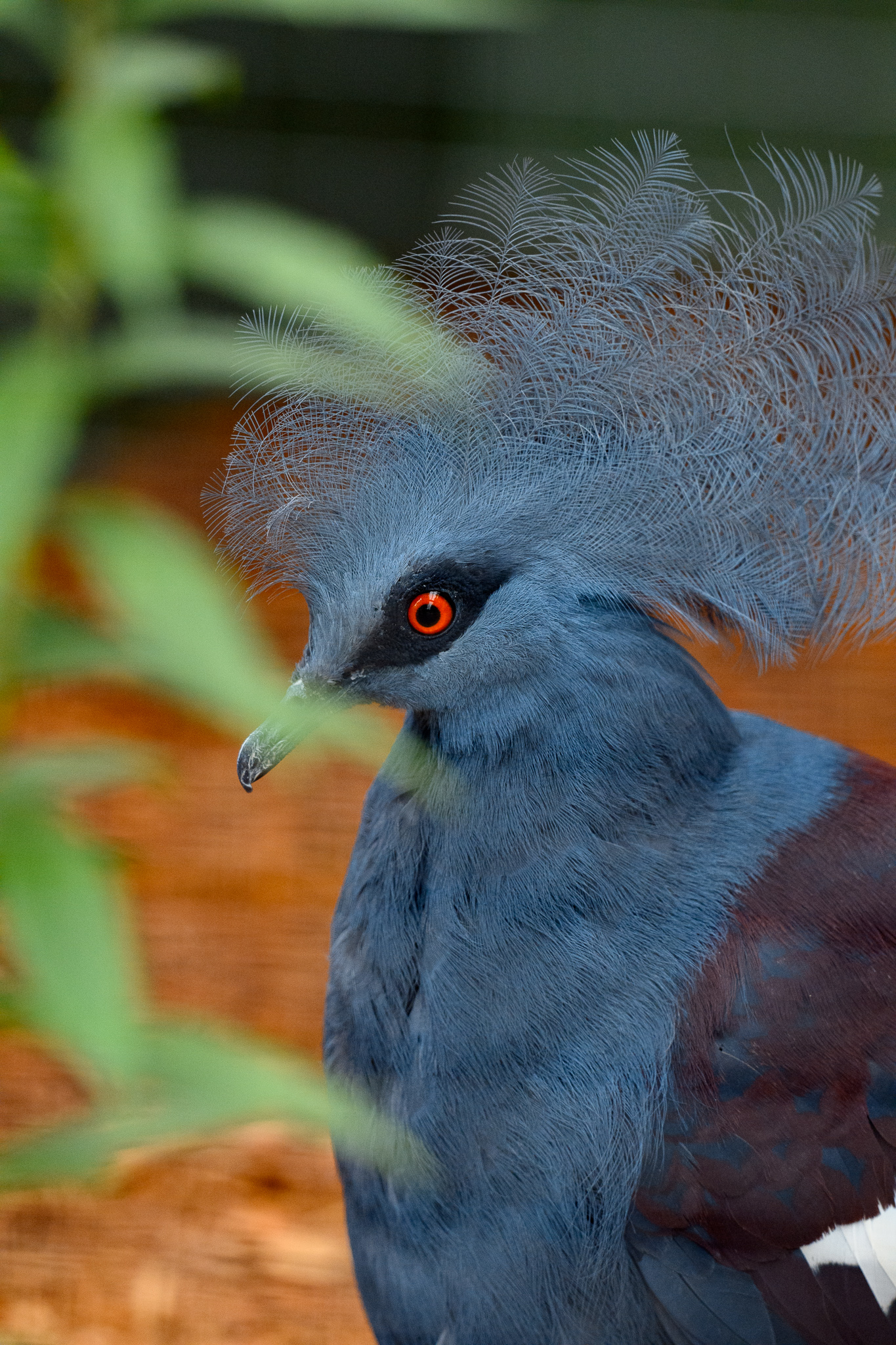
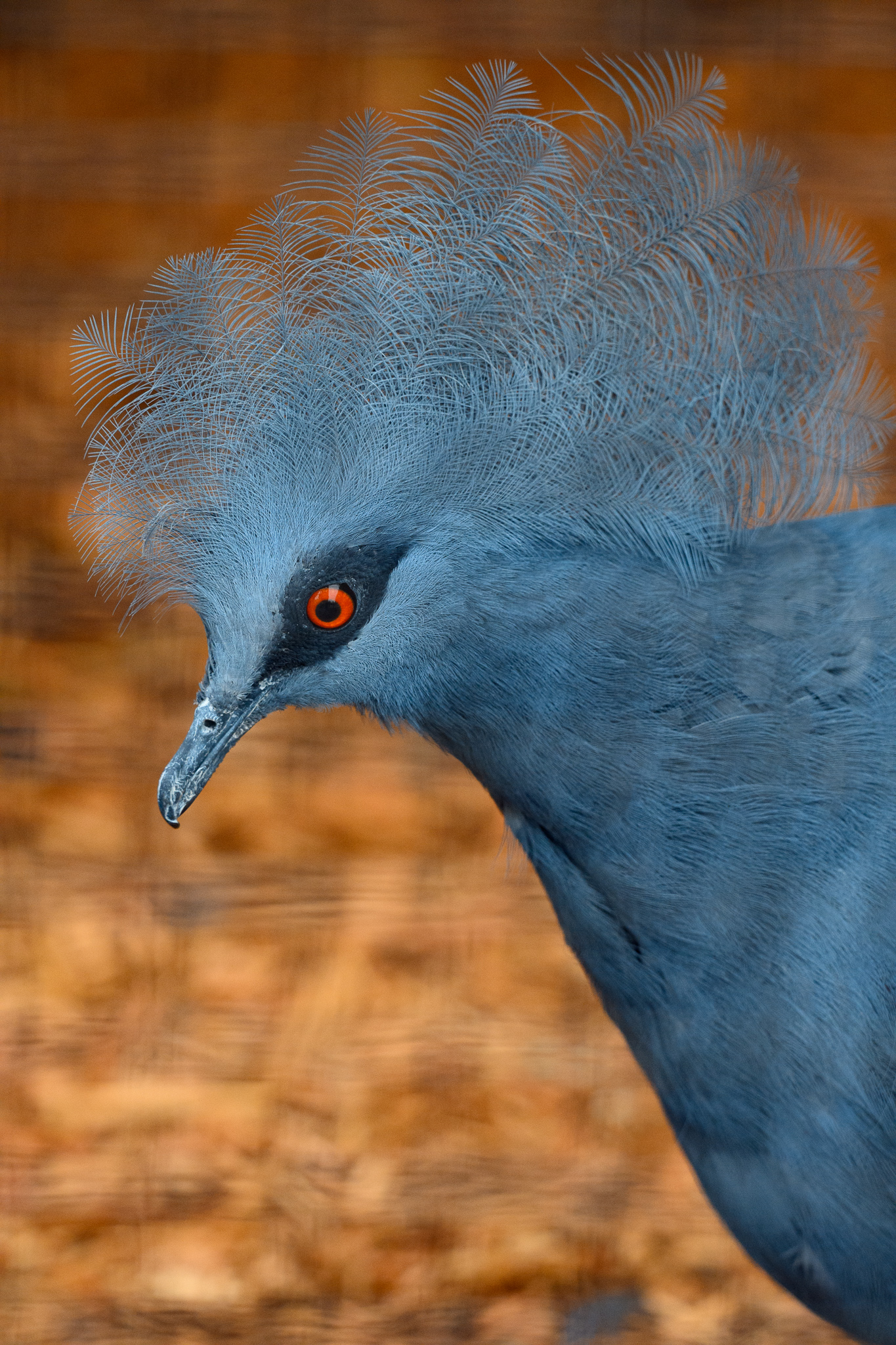
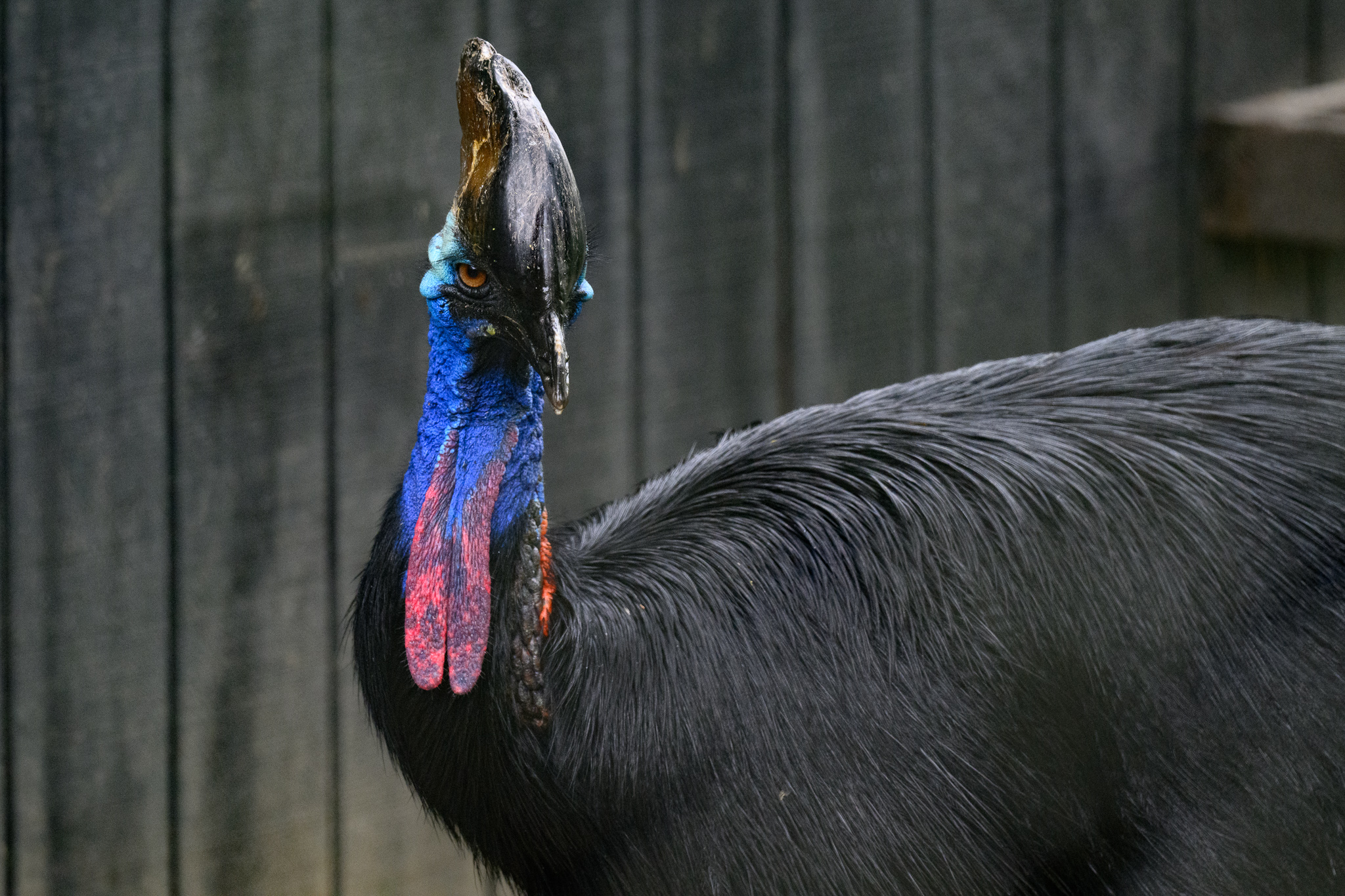
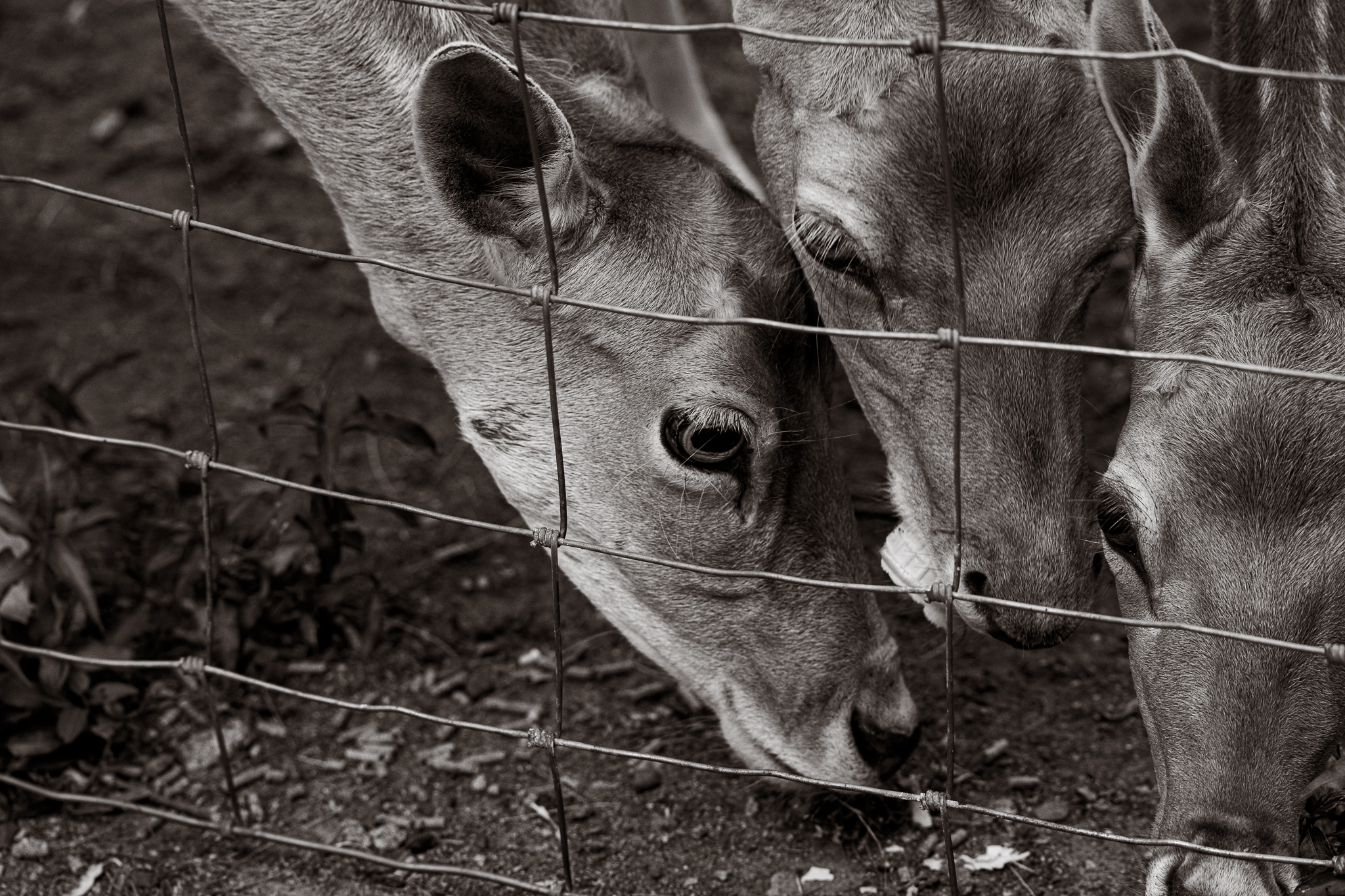
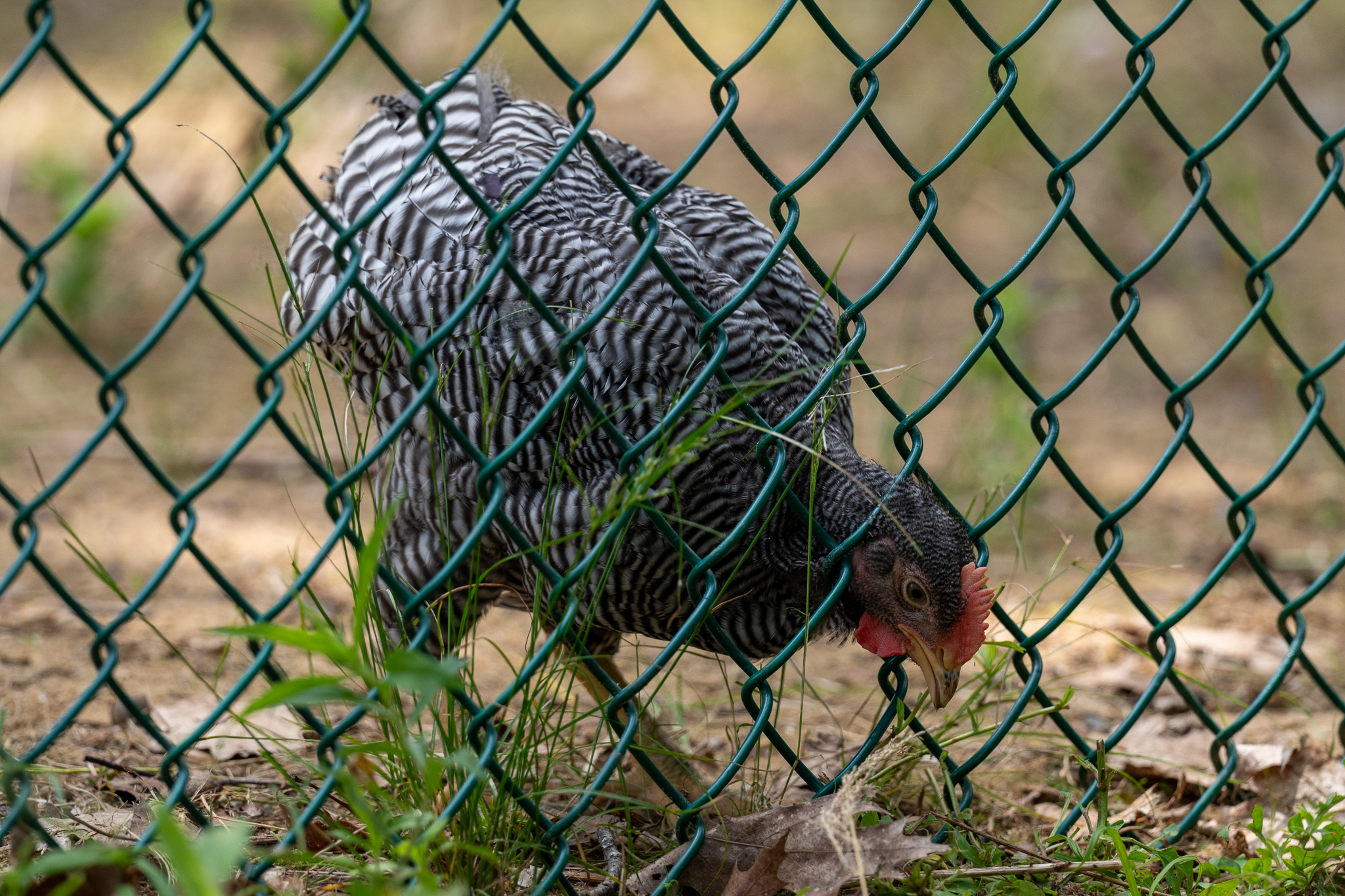
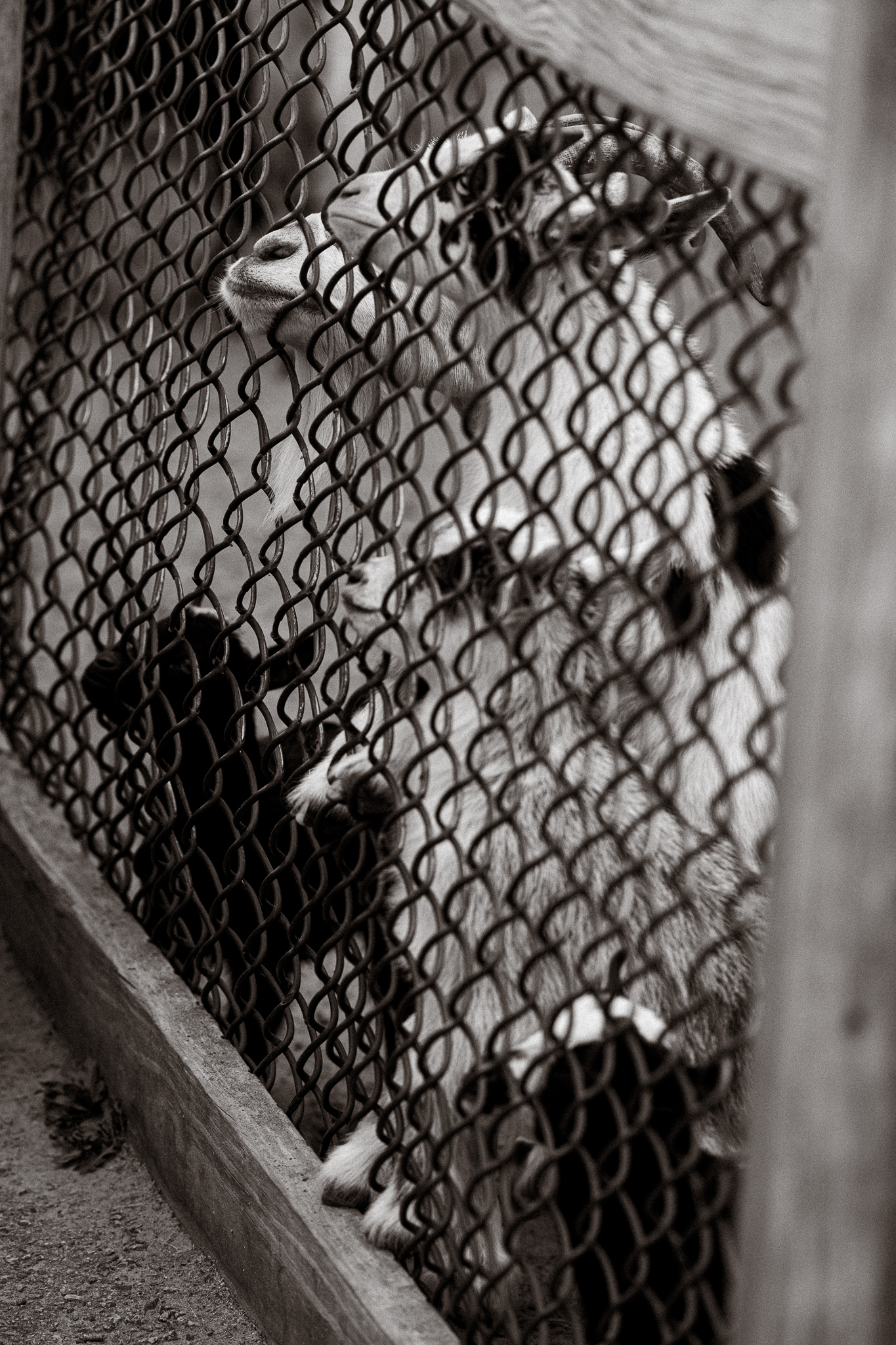
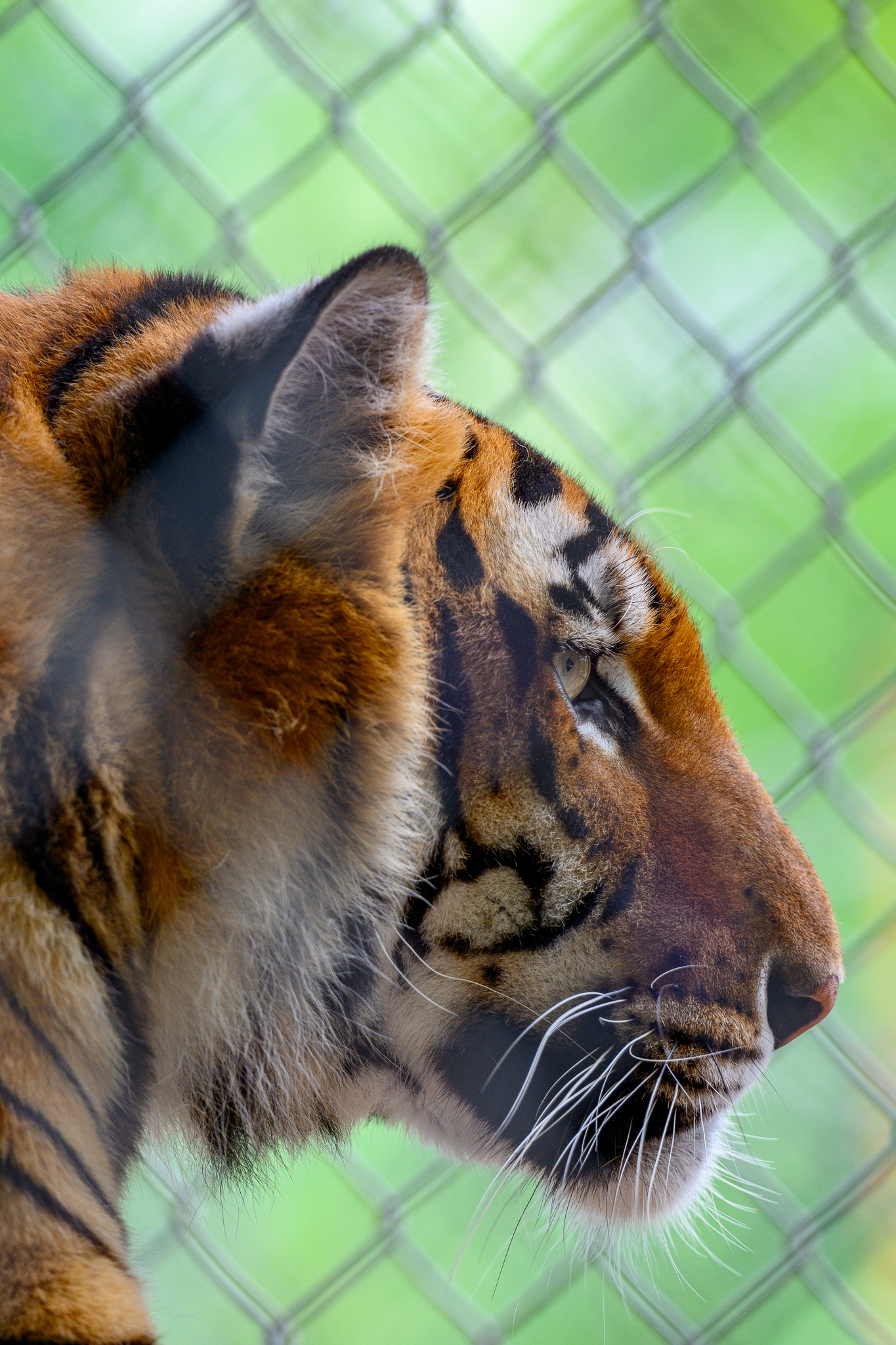
Images taken through a variety of different fences. You can see remains of some of the texture but it’s not distracting enough to ruin the images. In some cases, I used it for framing.

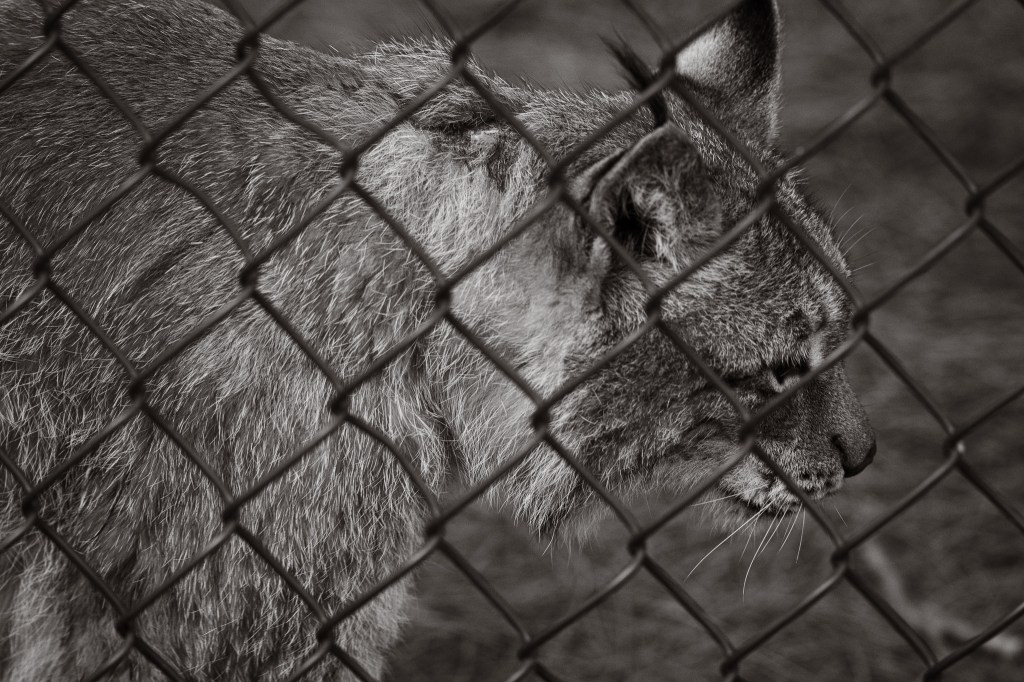
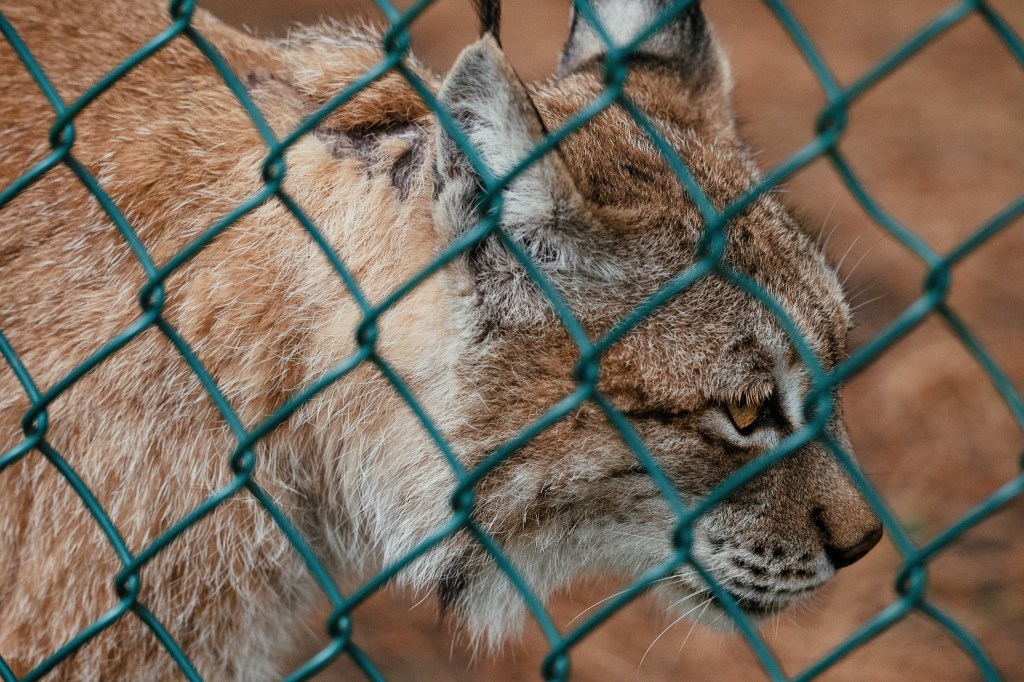
These images of a Lynx were challenging because it was walking around the perimeter of the enclosure very quickly. It repeated the pattern several times, providing an opportunity to capture its eyes in between the fence as well as show its imprisonment.
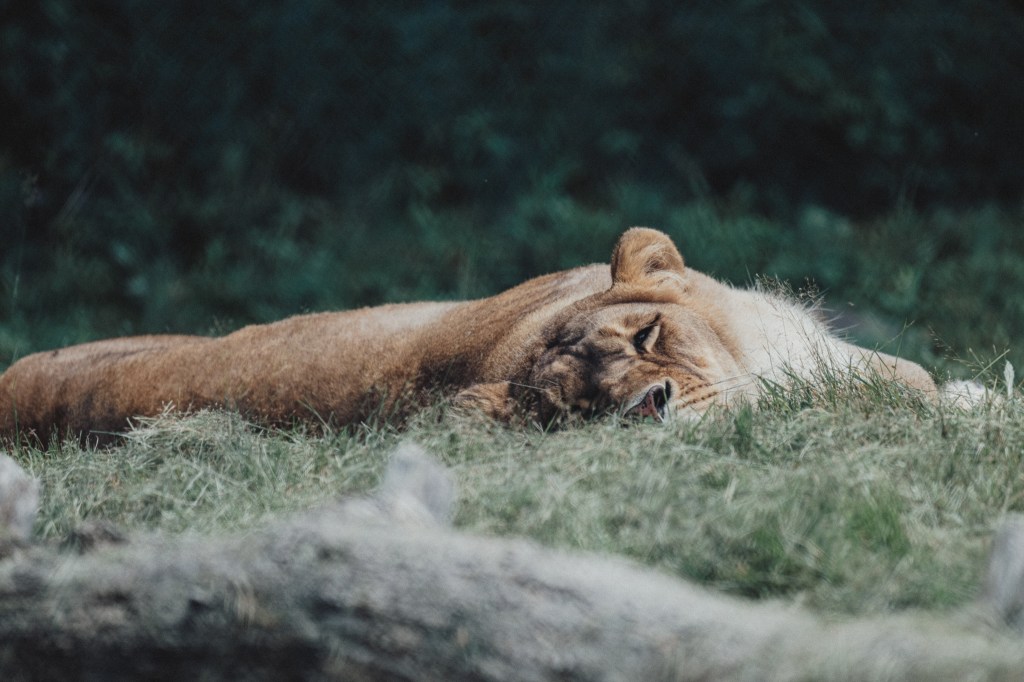
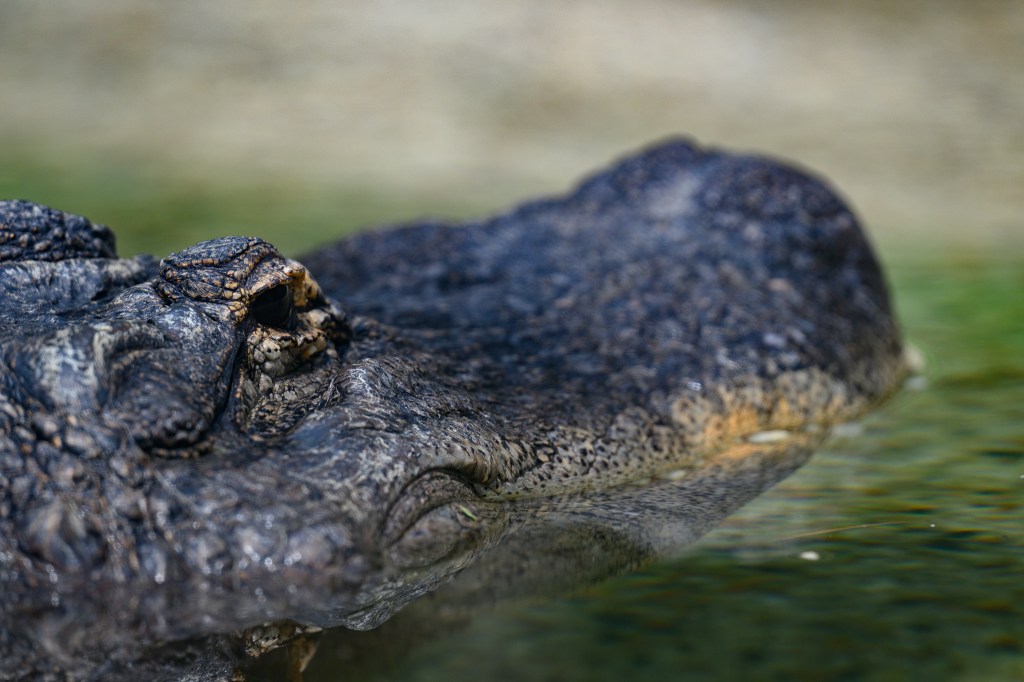
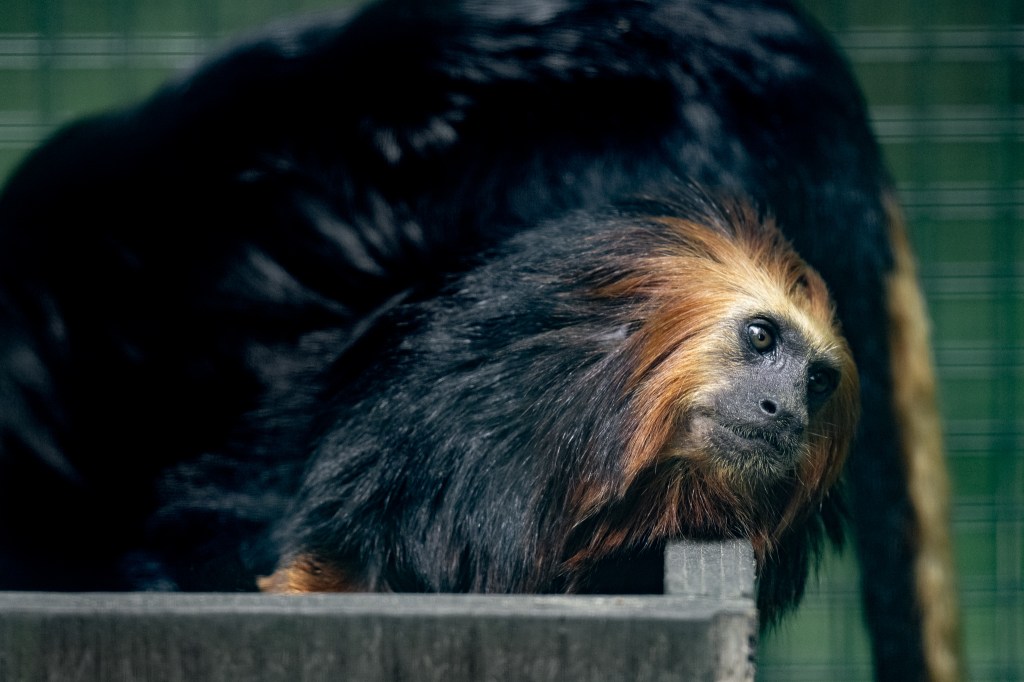

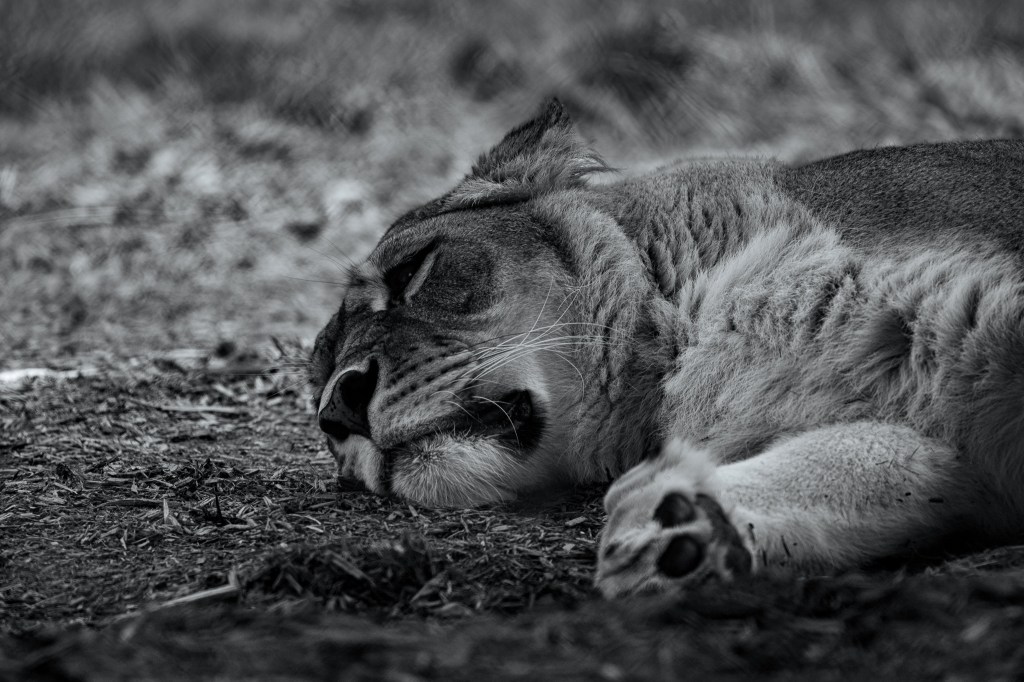

These images are some of my favorites and most required heavy use of dehazing and color and contrast correction. The first image of the lioness is processed using a Kodachrome Lightroom preset, which offsets some of the color issues. The second monkey image looks striking in black and white, and also hides some color cast from the enclosure. Same with the second lioness image. I think it looks far better in black and white, but it was unusable in color because I shot through a fence and two layers of glass.
The Unobstructed
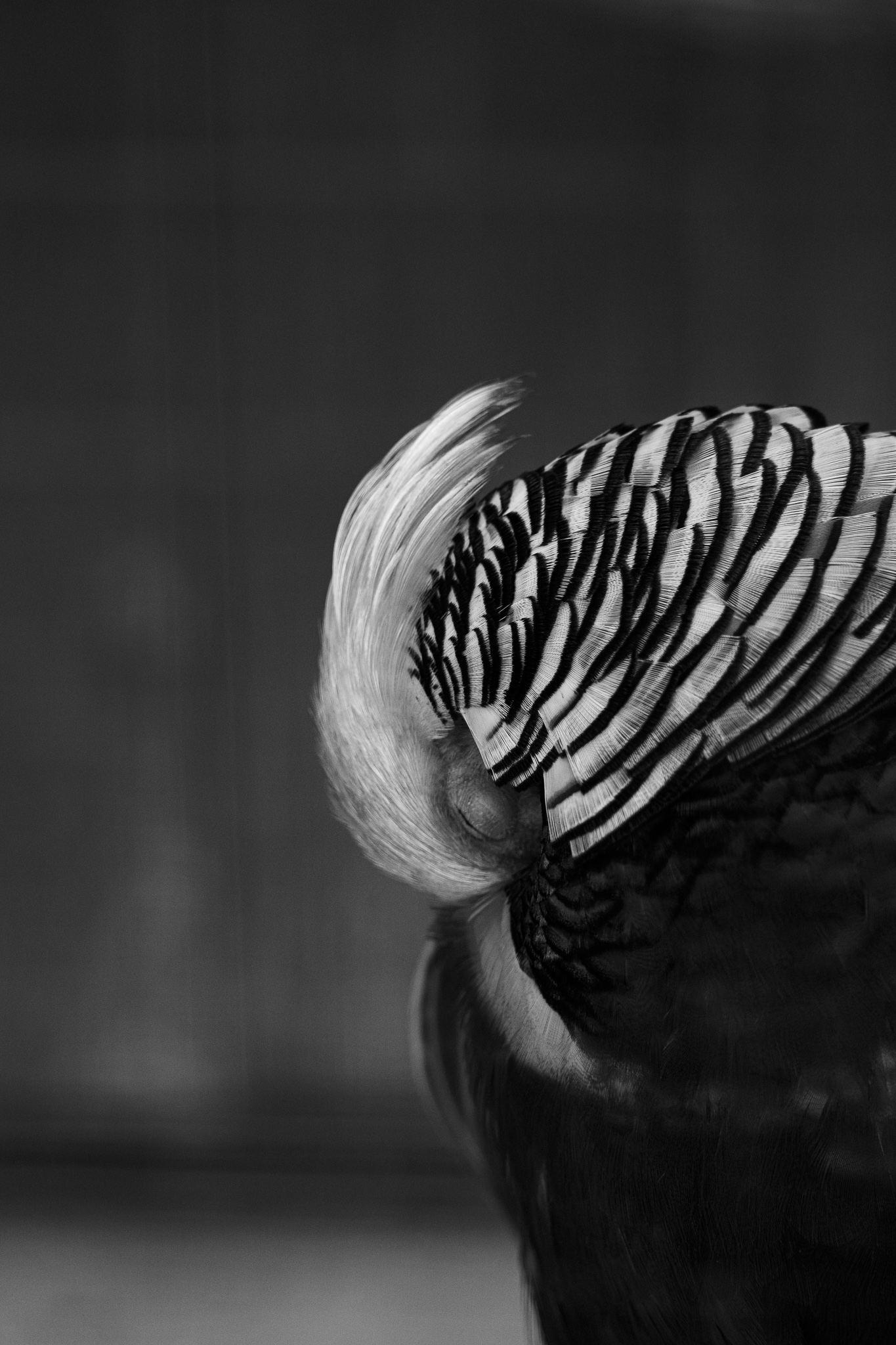
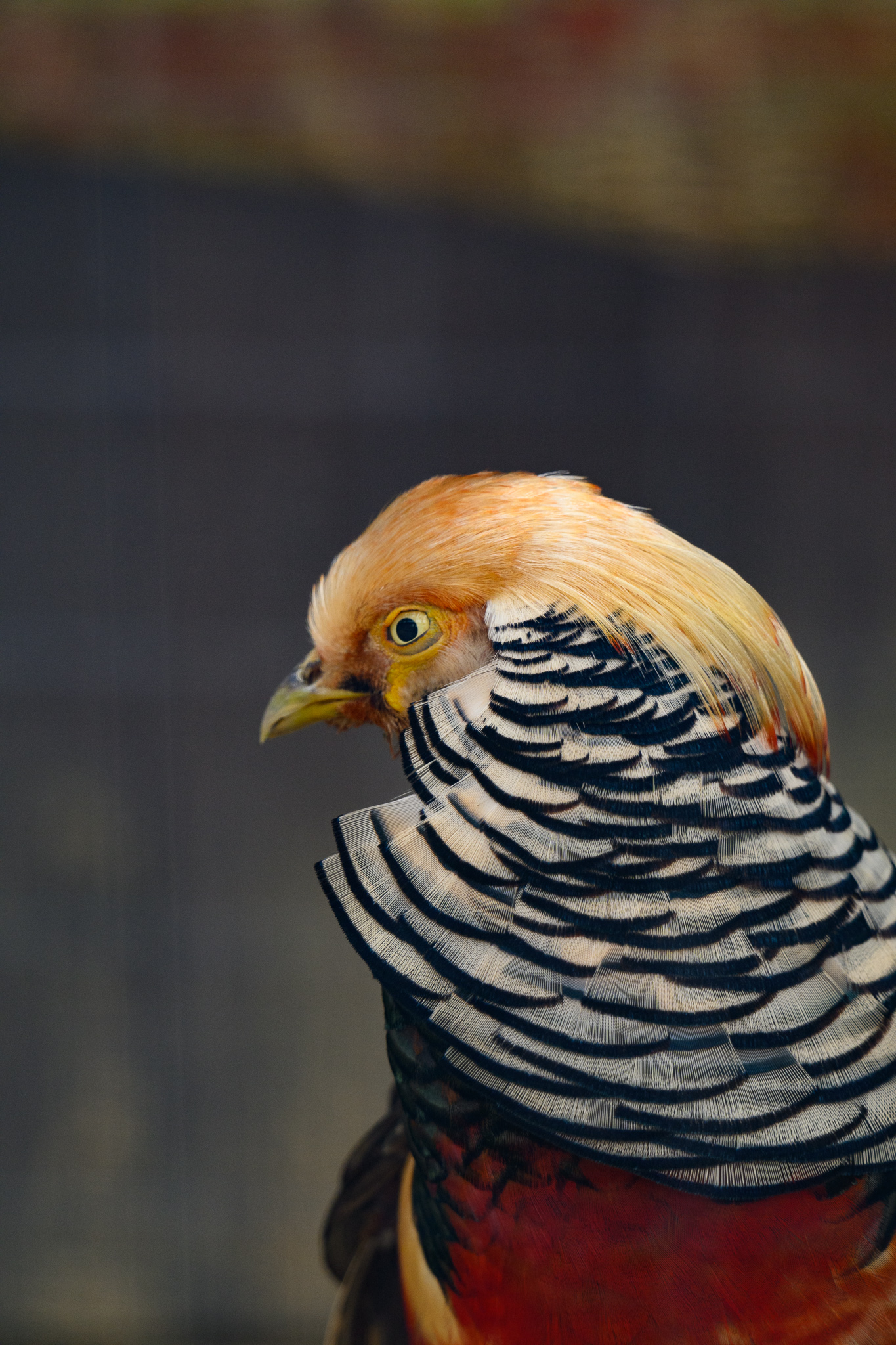
While many animals were behind glass or fences, there were a few with an unobstructed view, including a Macaw, some prairie dogs, pheasants, llamas, a capybara (my favorite animal ever) and a couple goats.
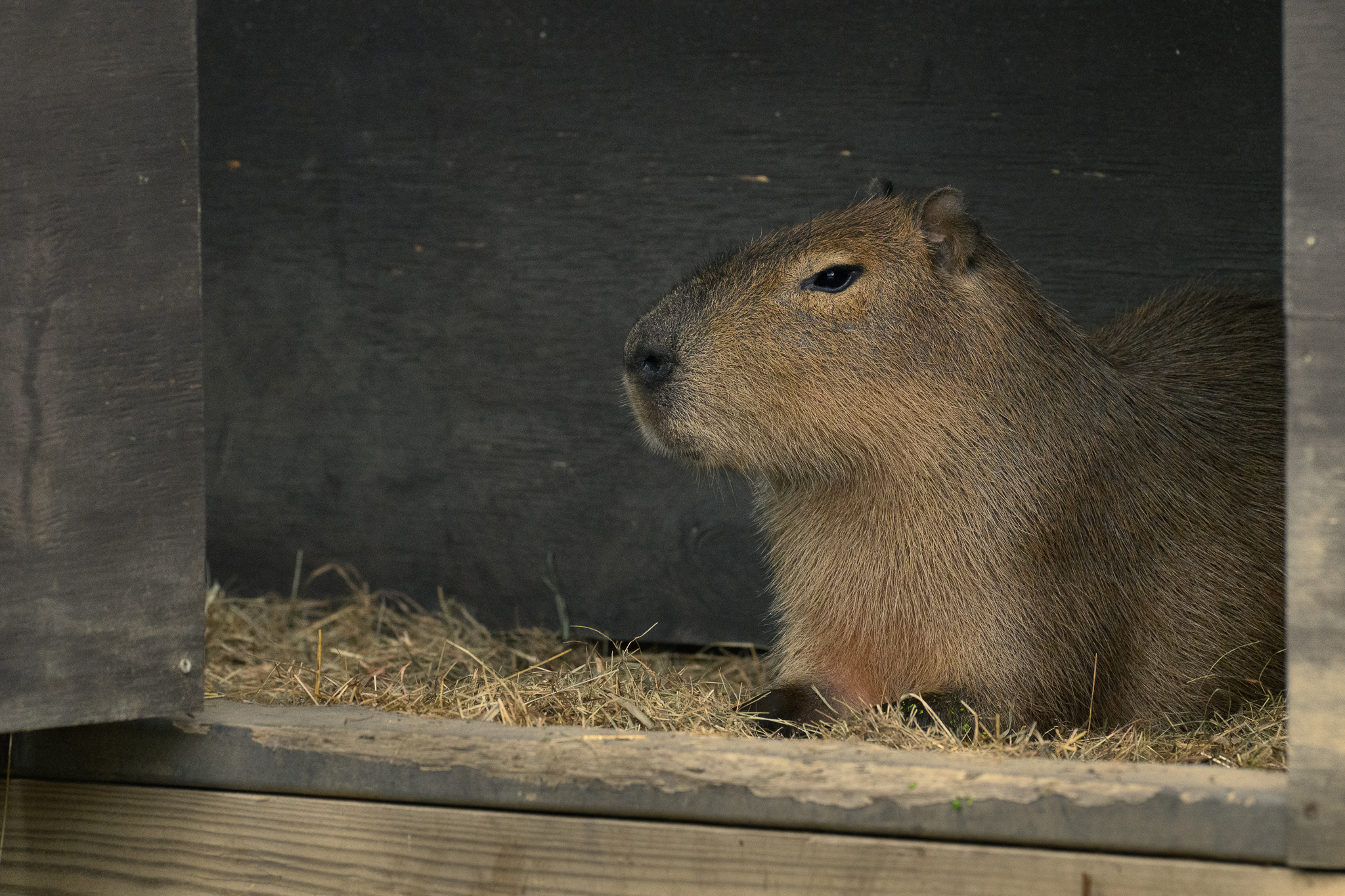
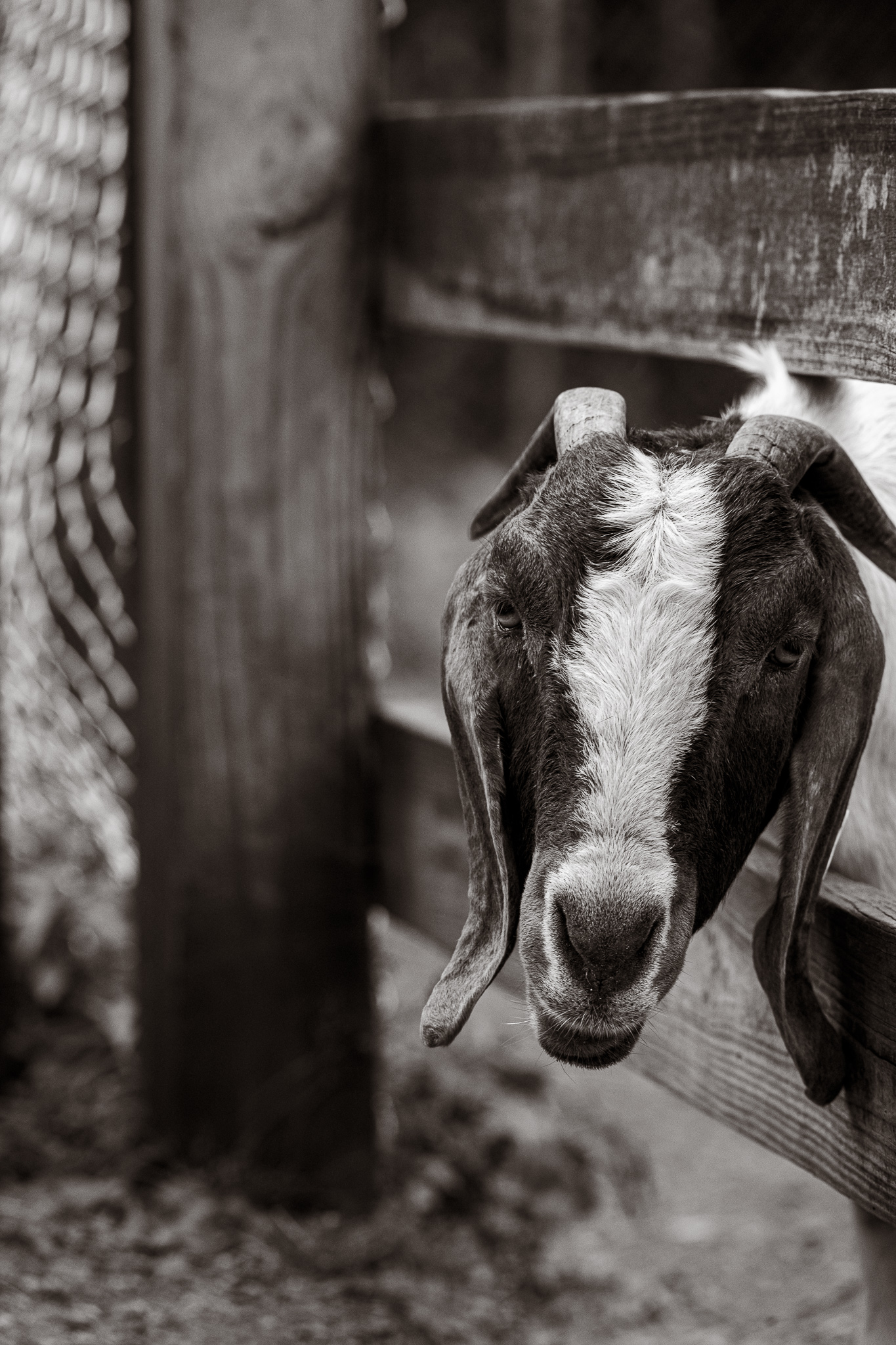
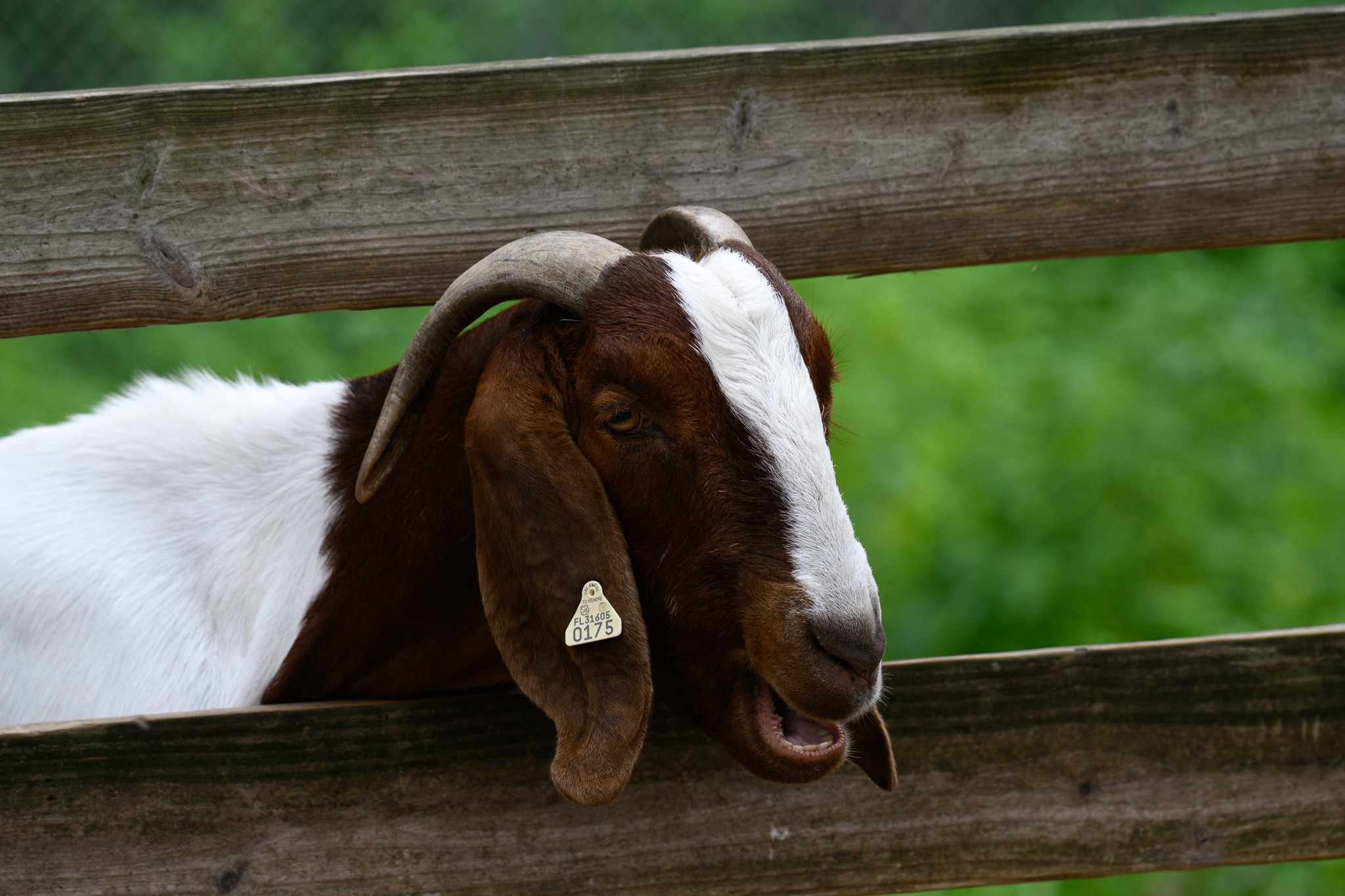
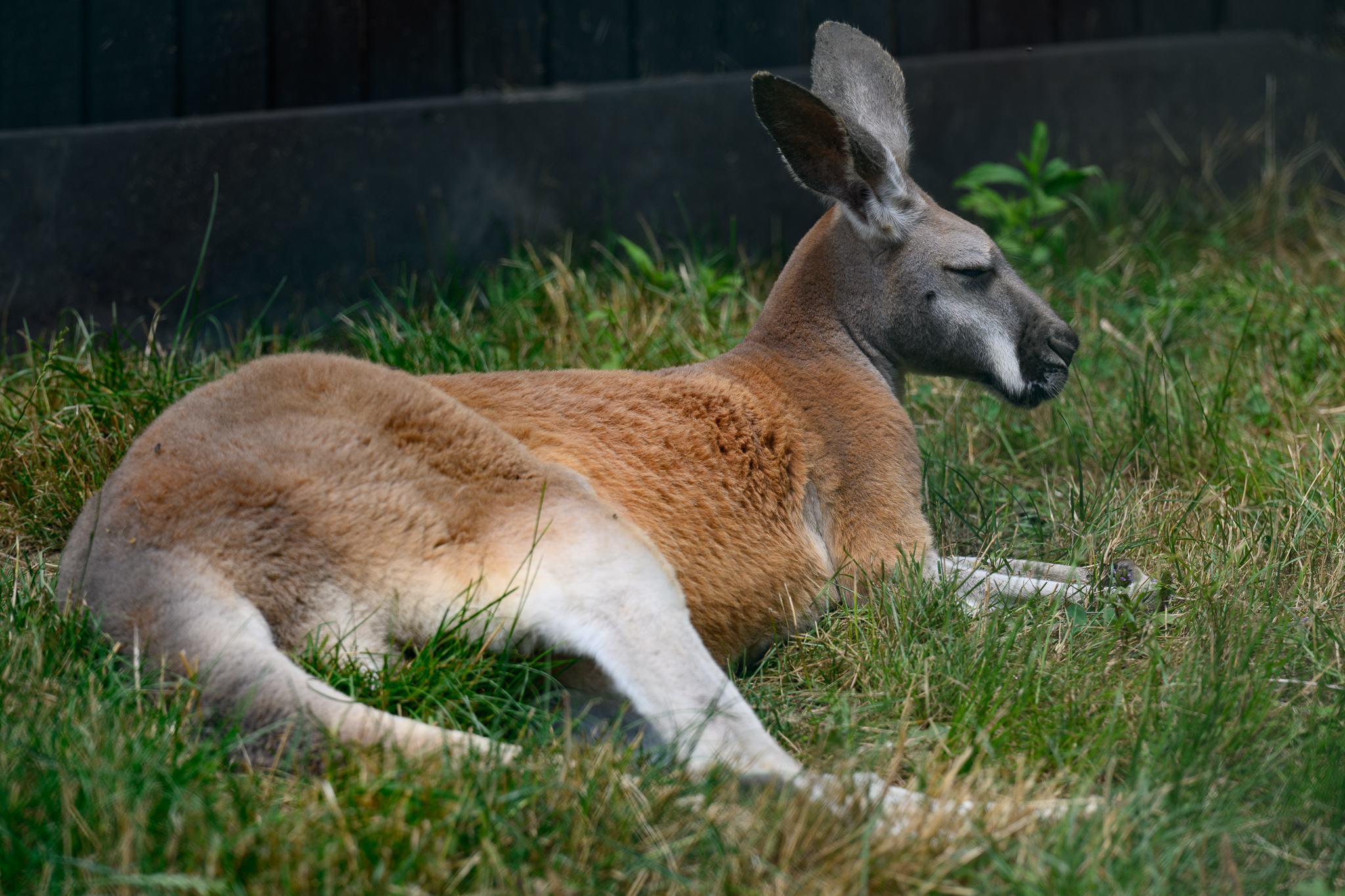
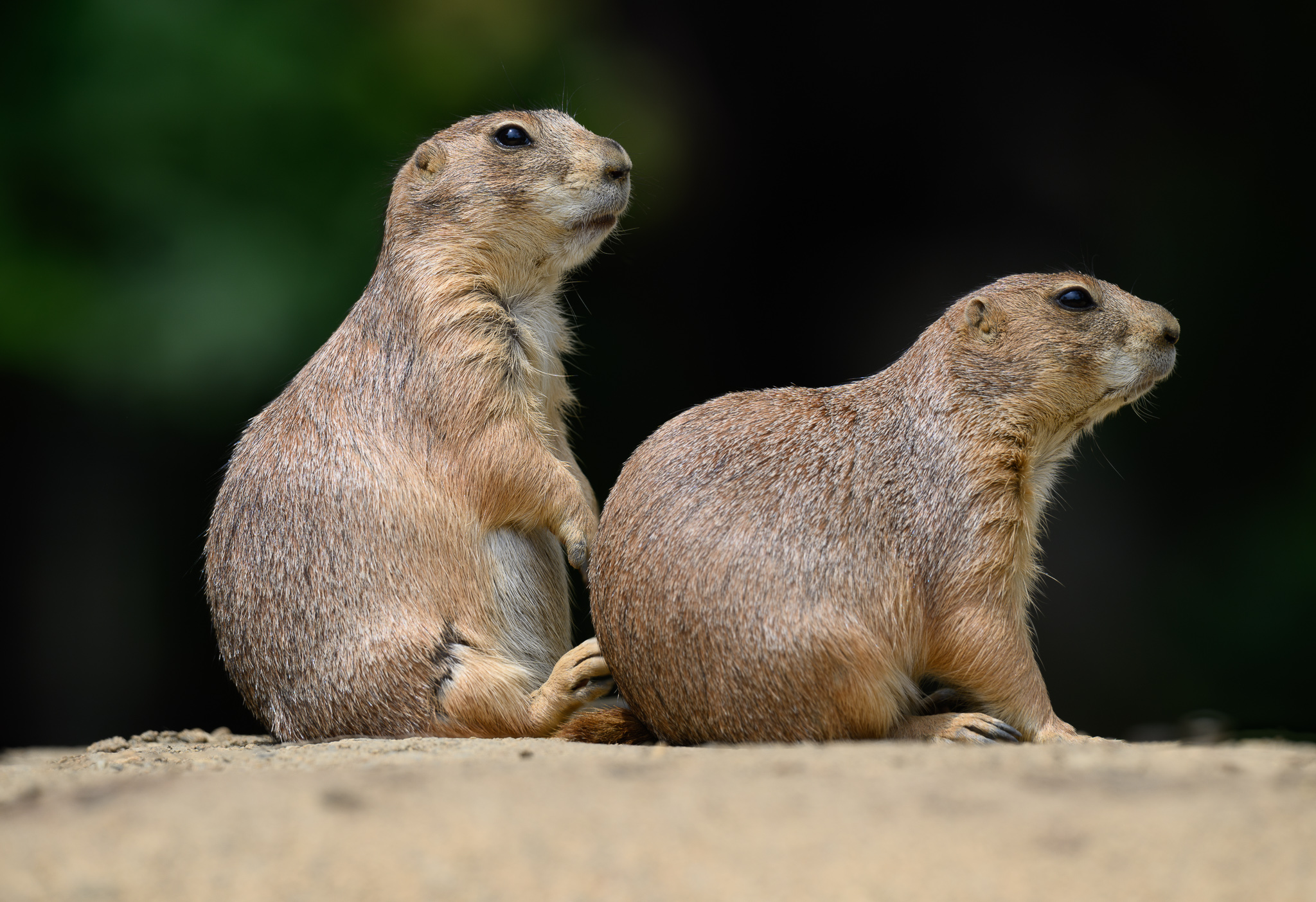
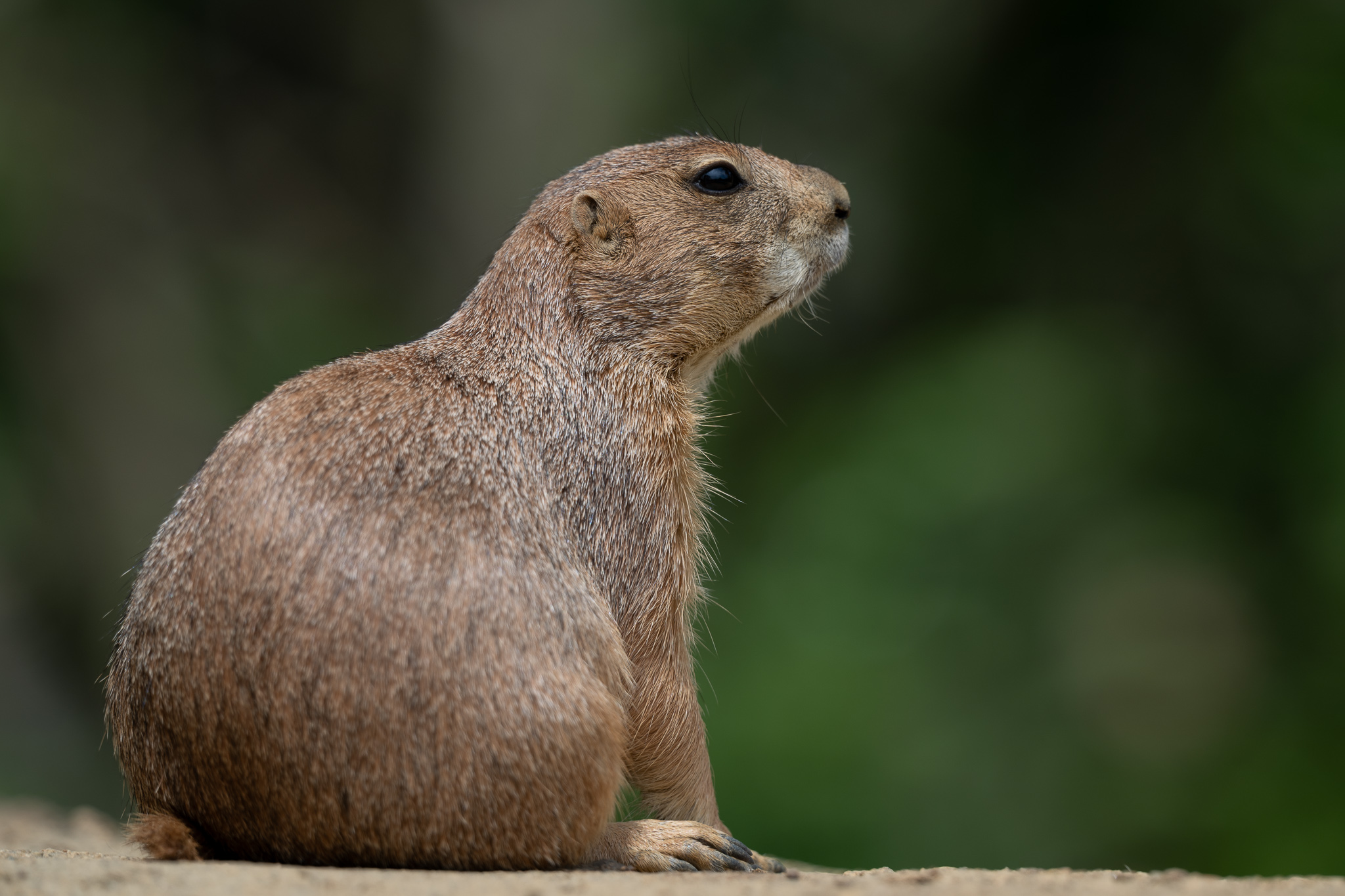

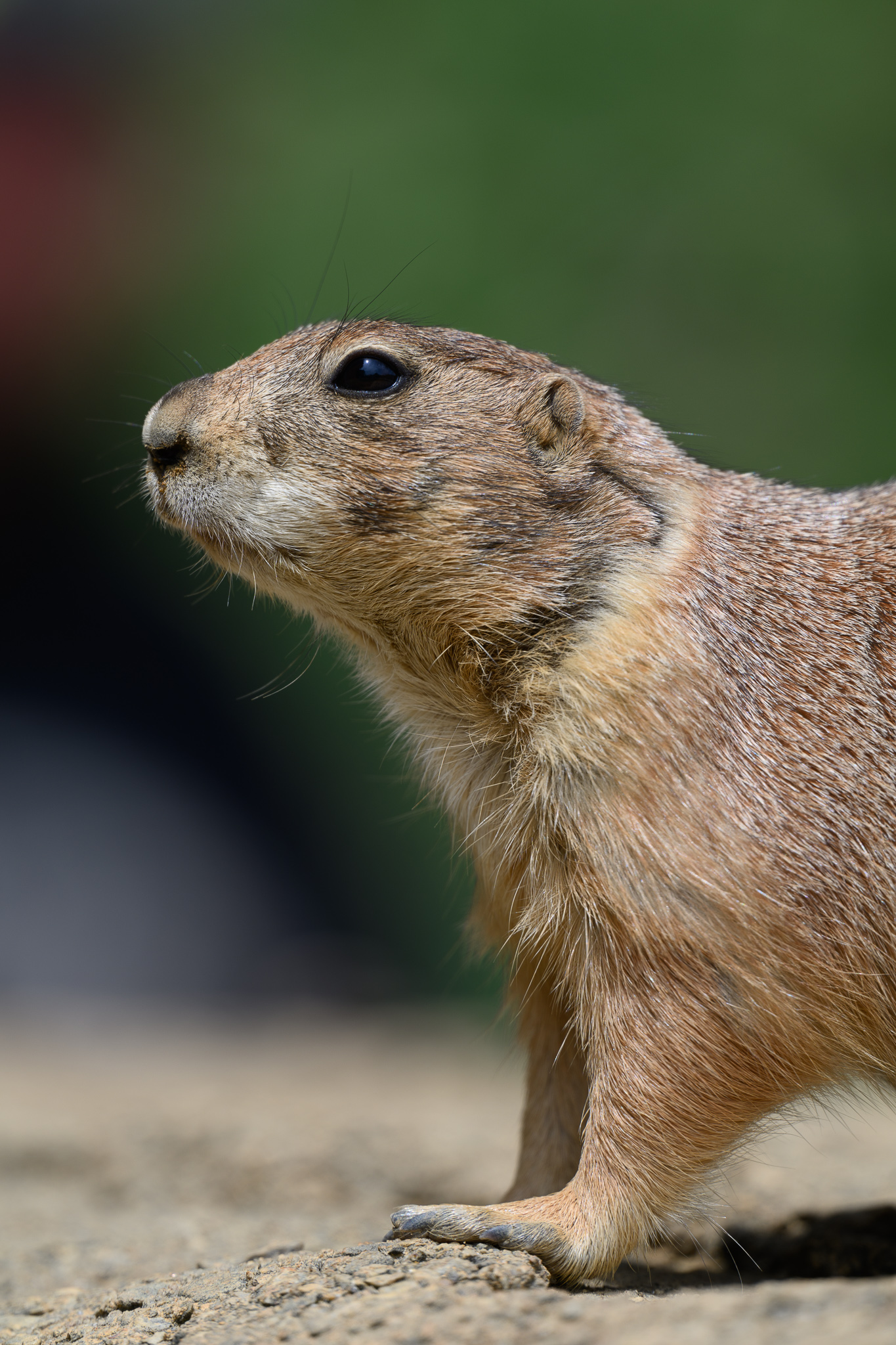

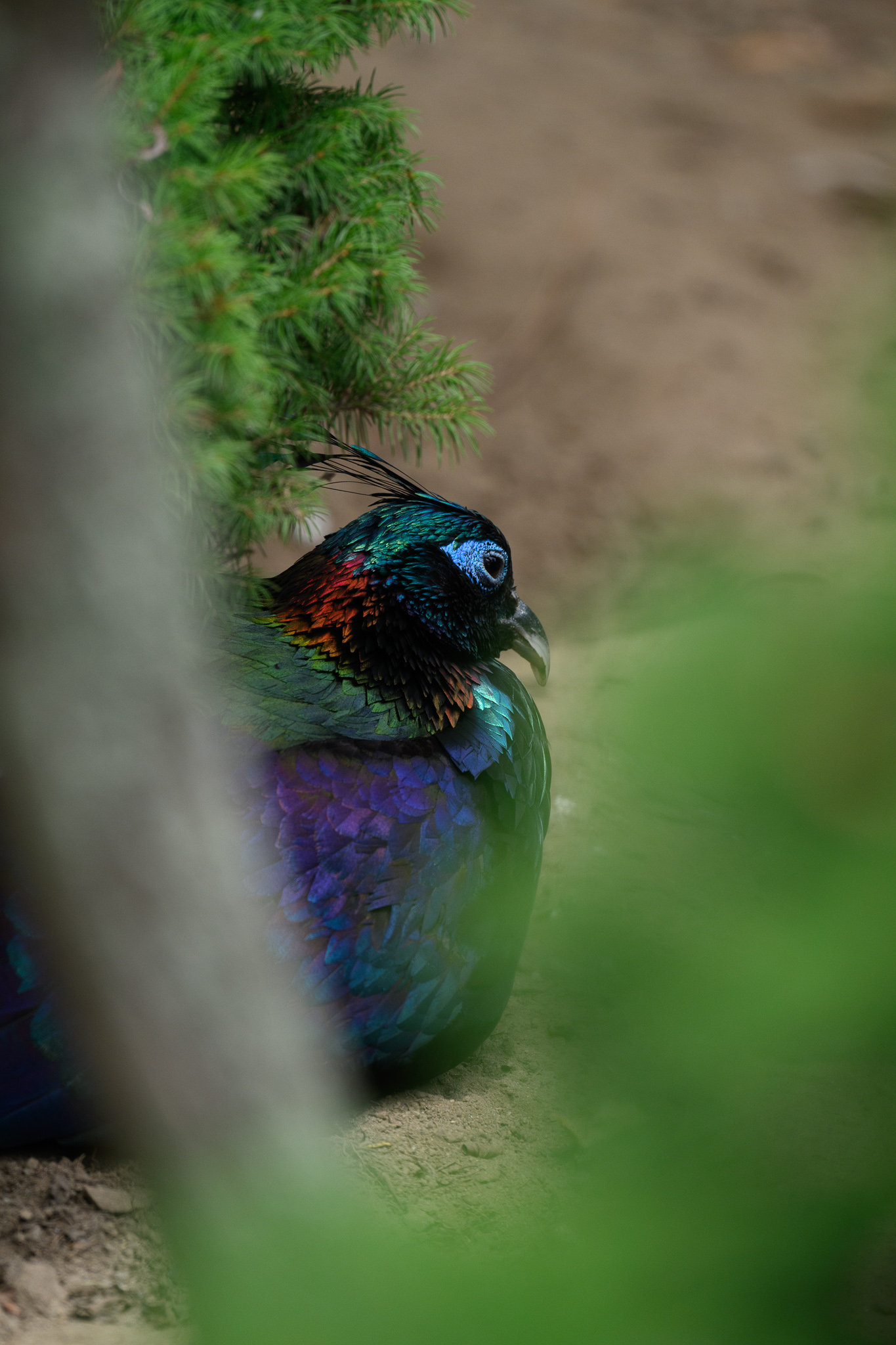
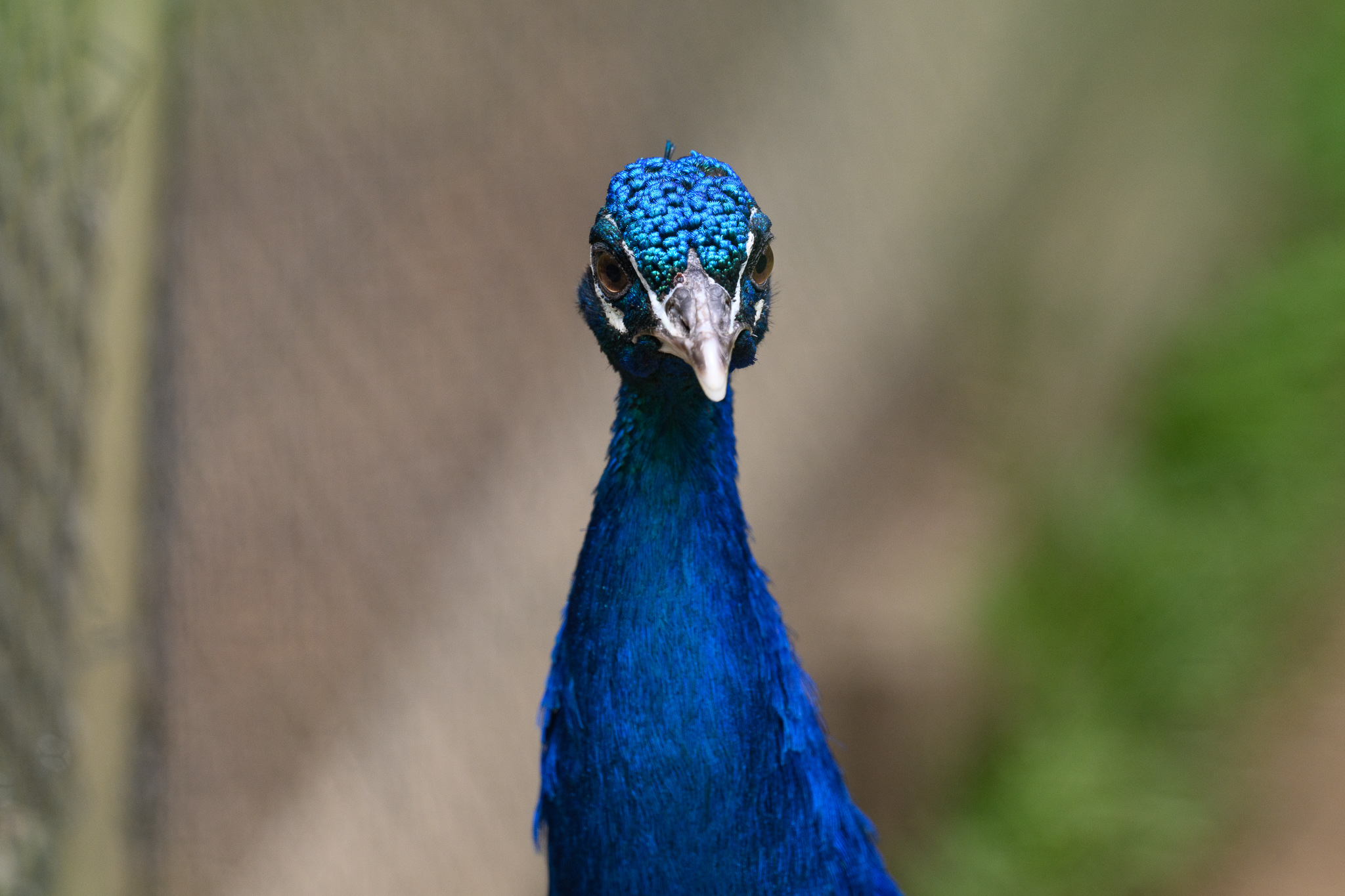

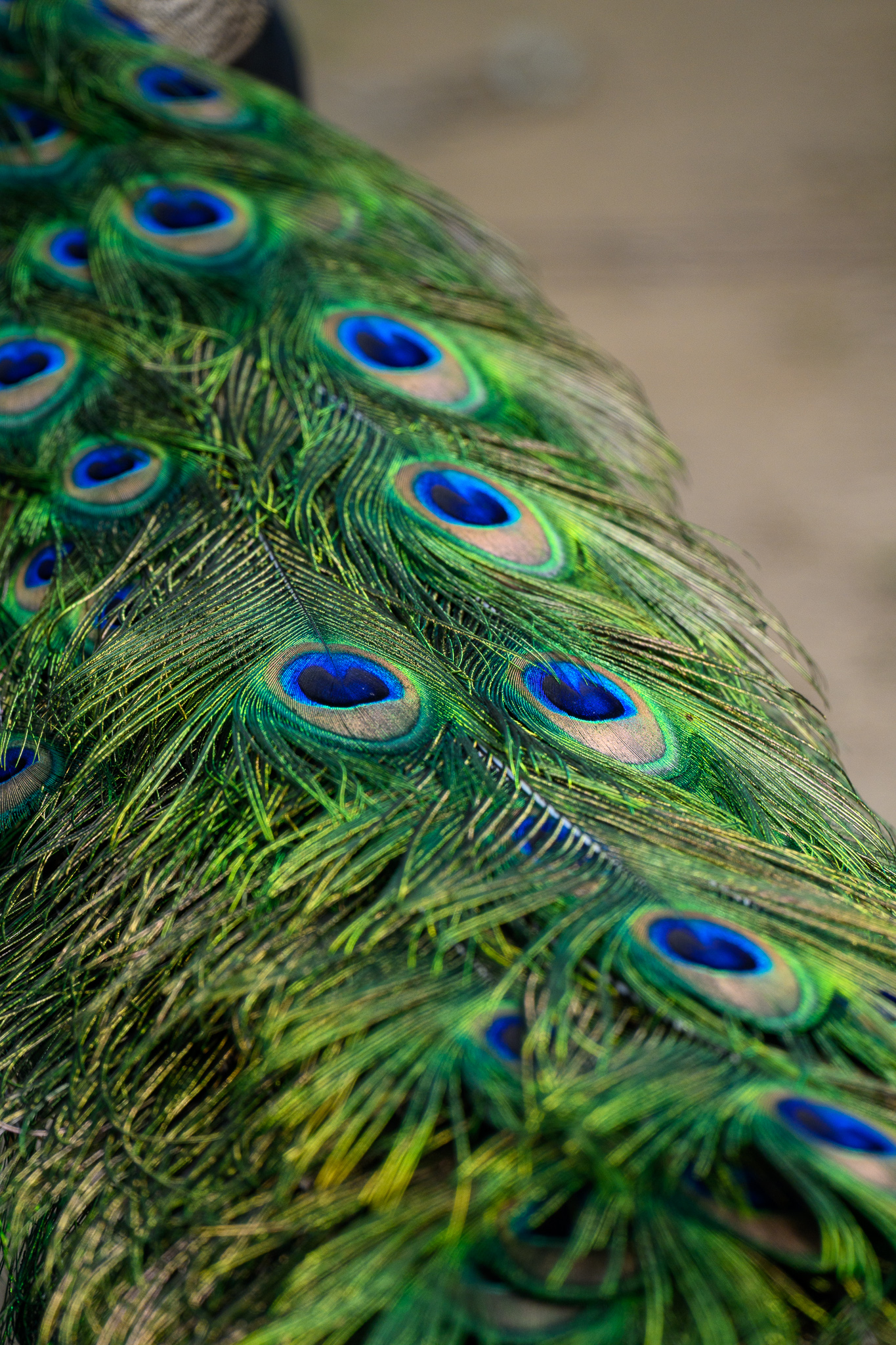
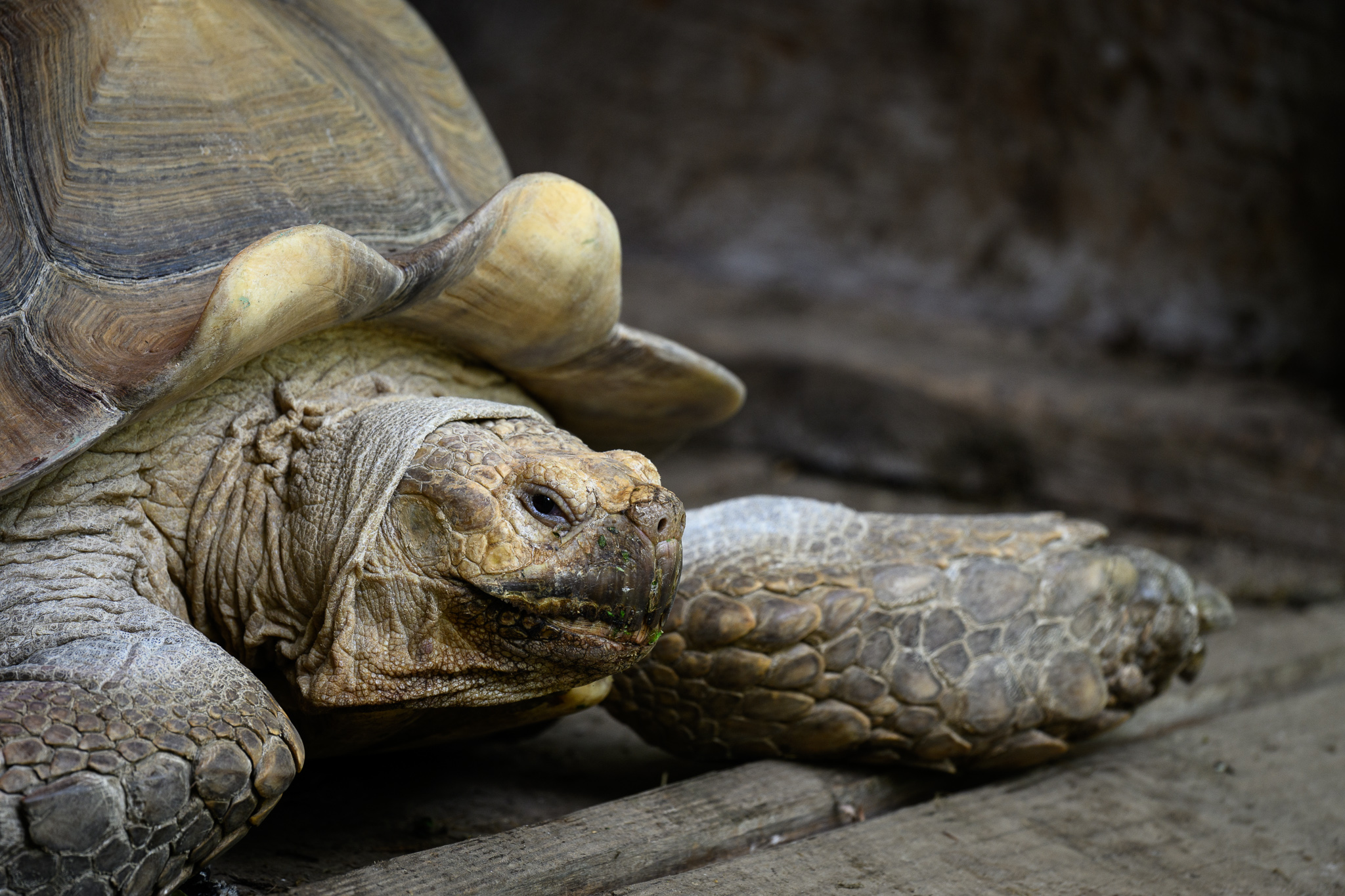
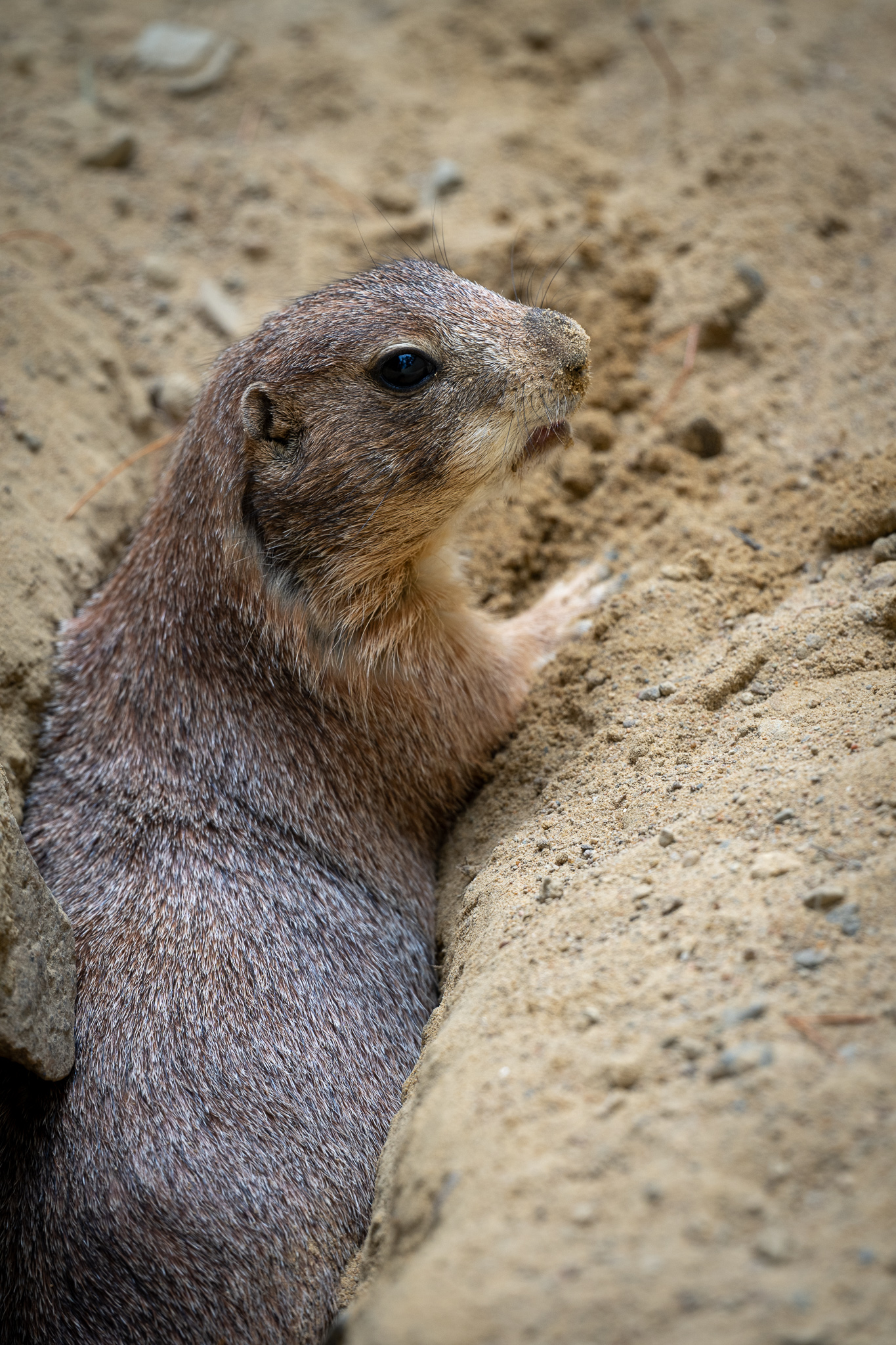
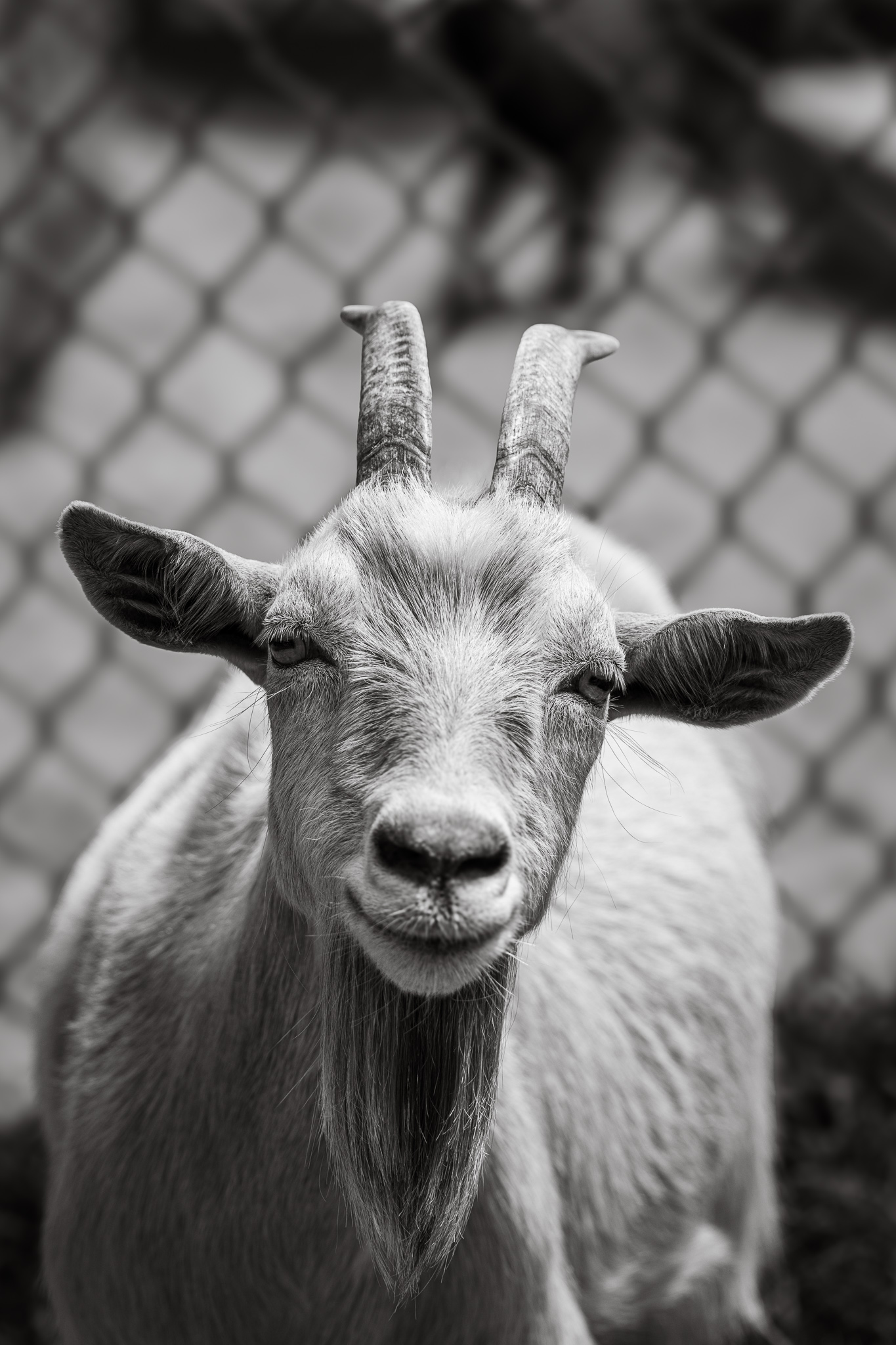

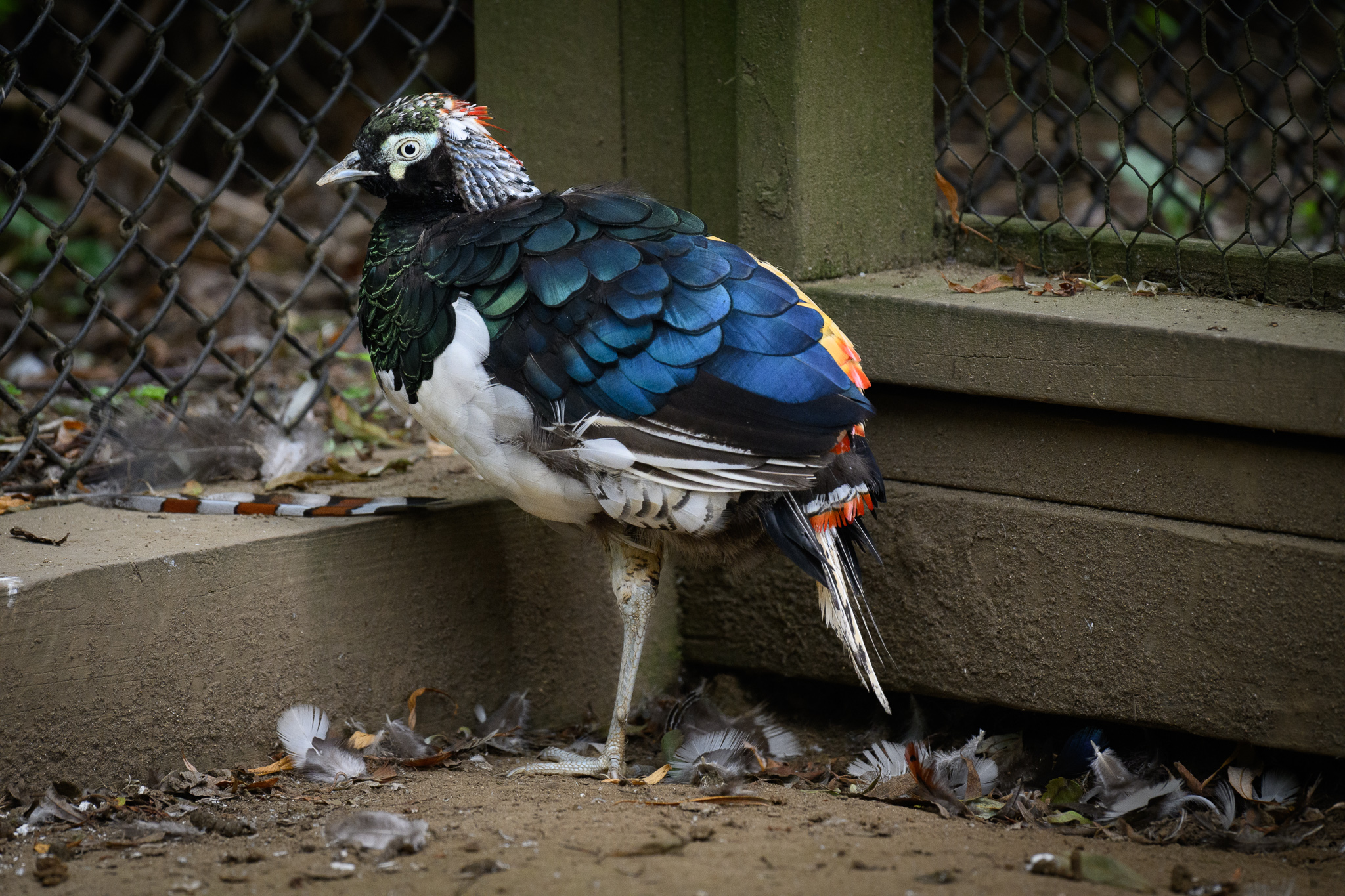
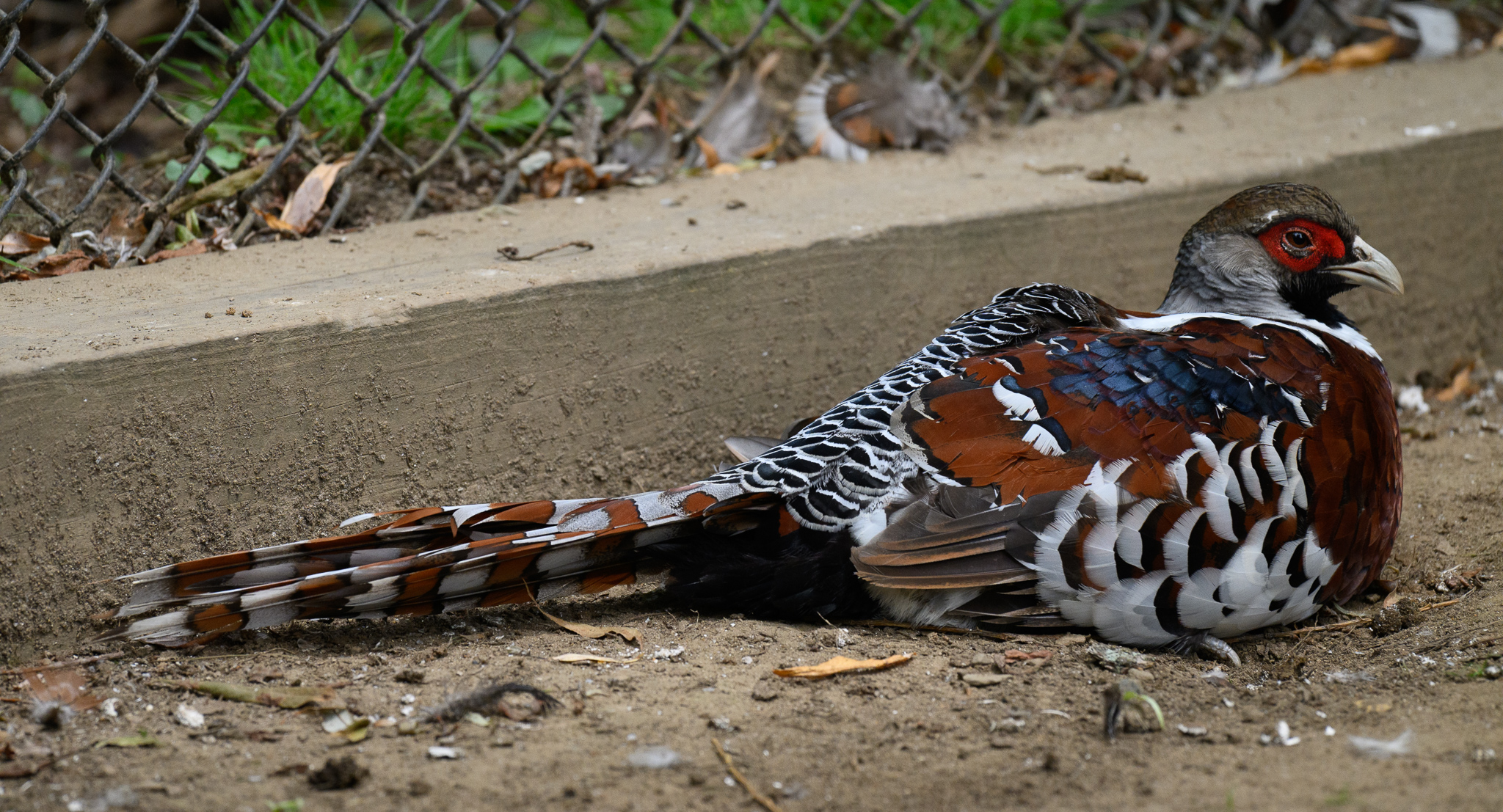
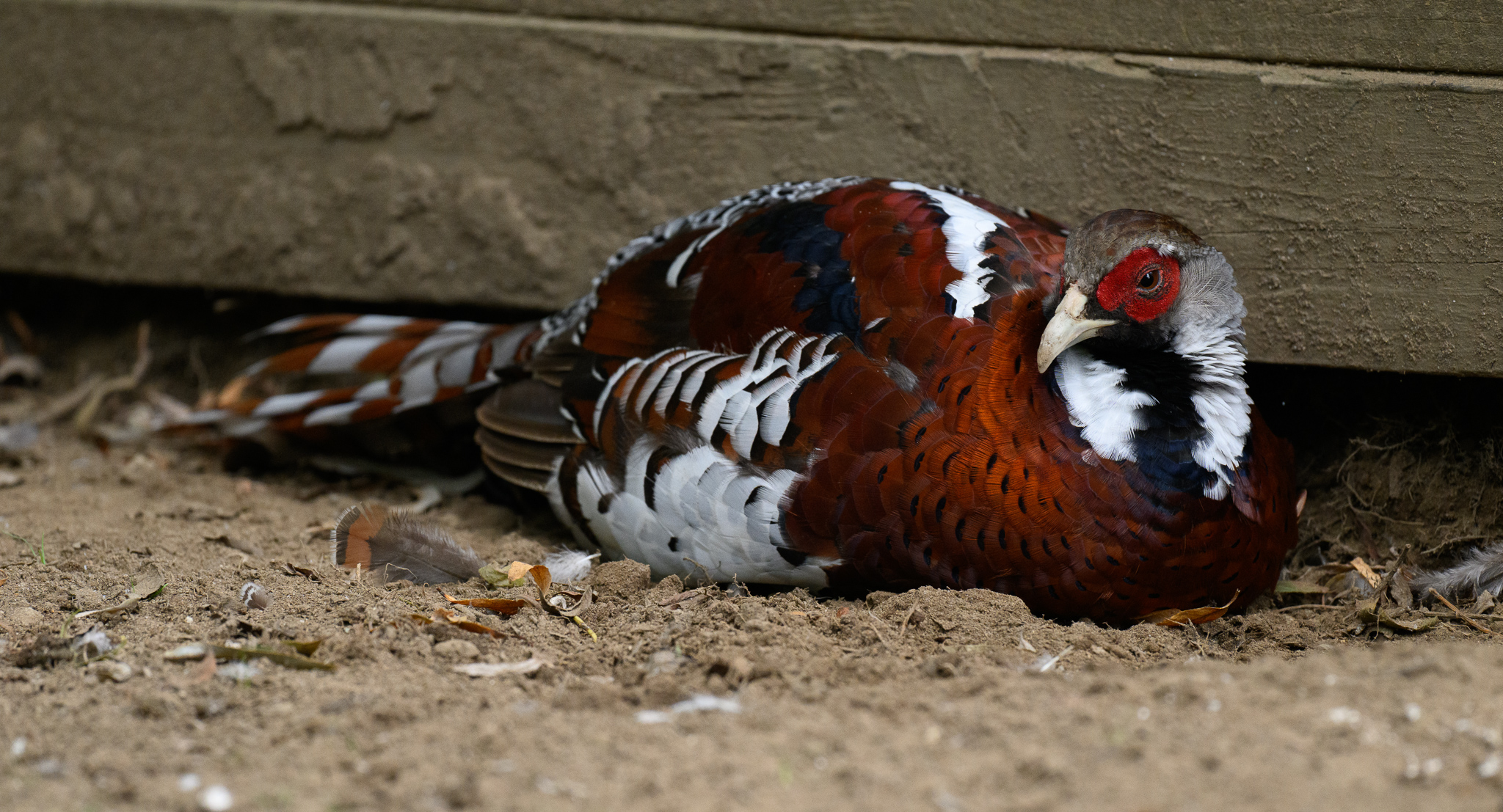
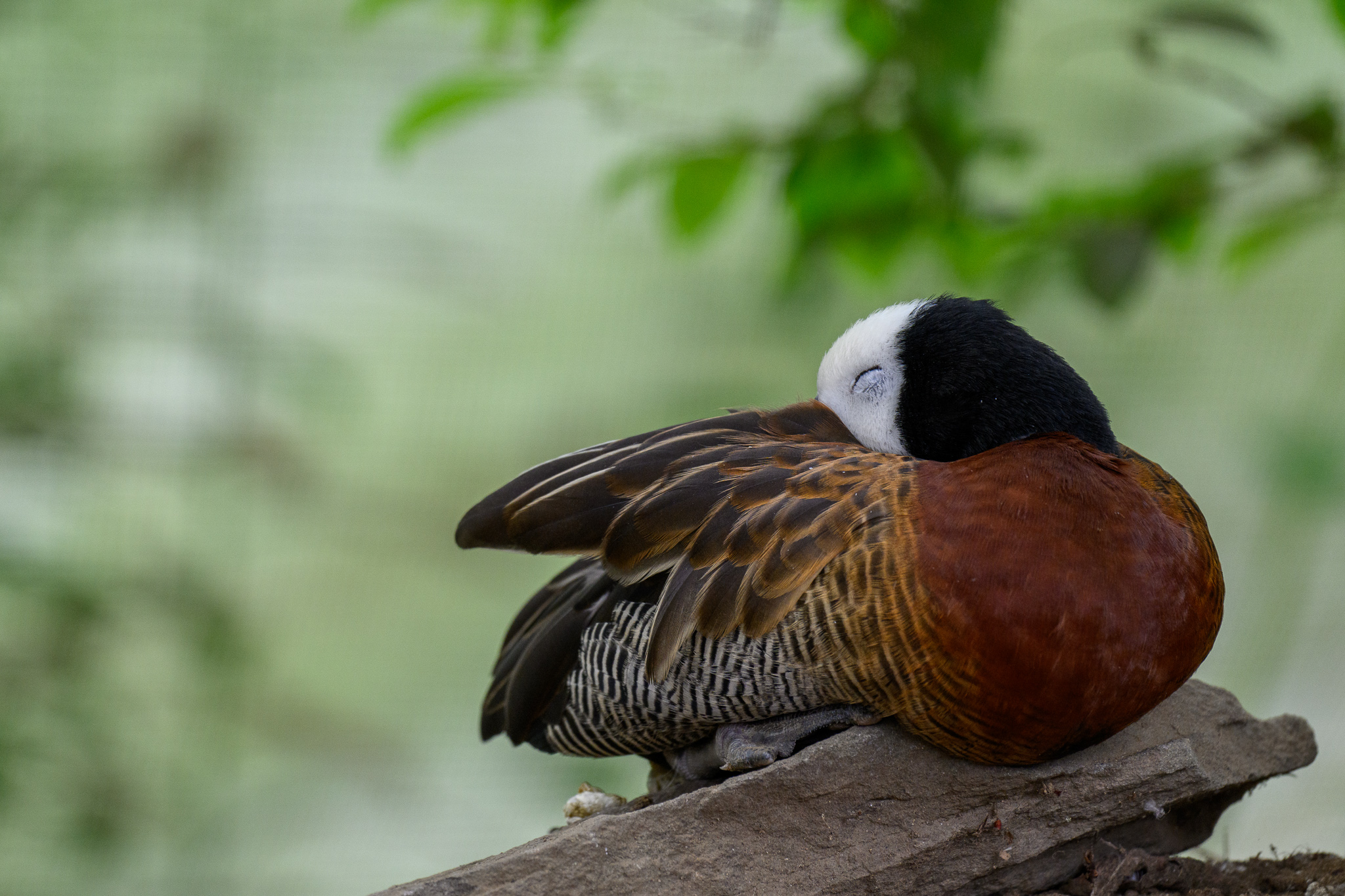
There is a good mix of fauna above, with my favorites being the portrait of the goat, the white duck, the peacock feathers, and the turtle.
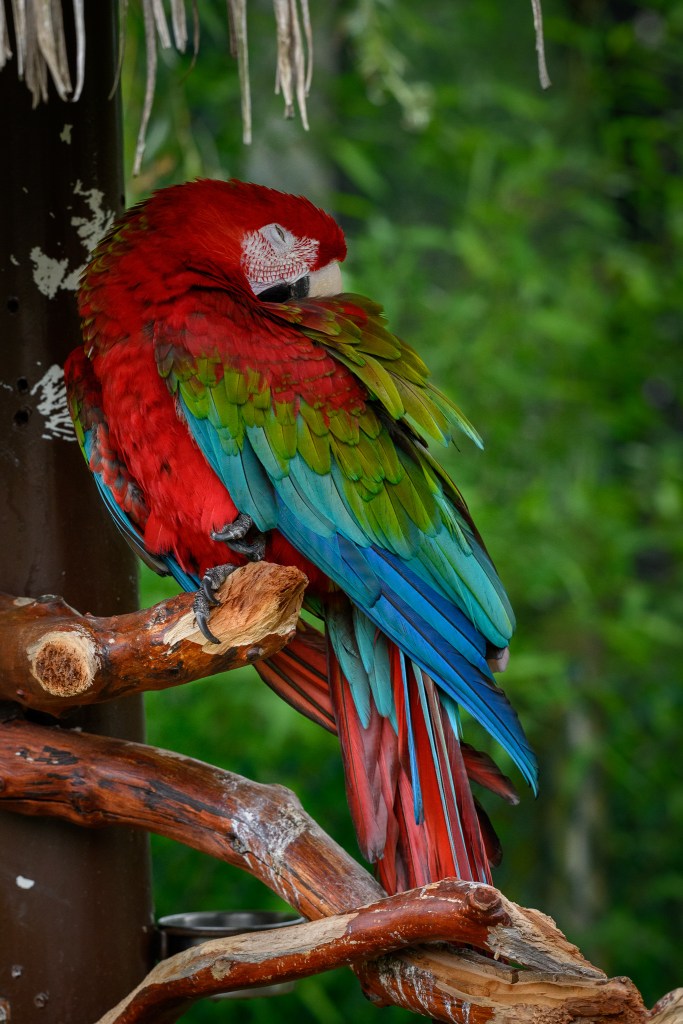
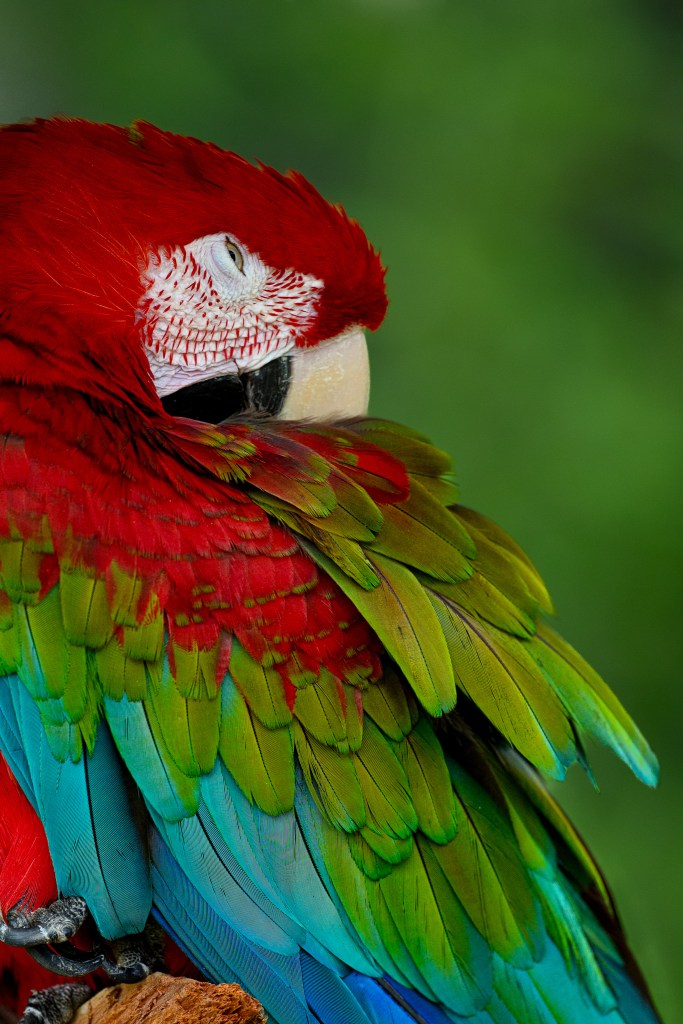
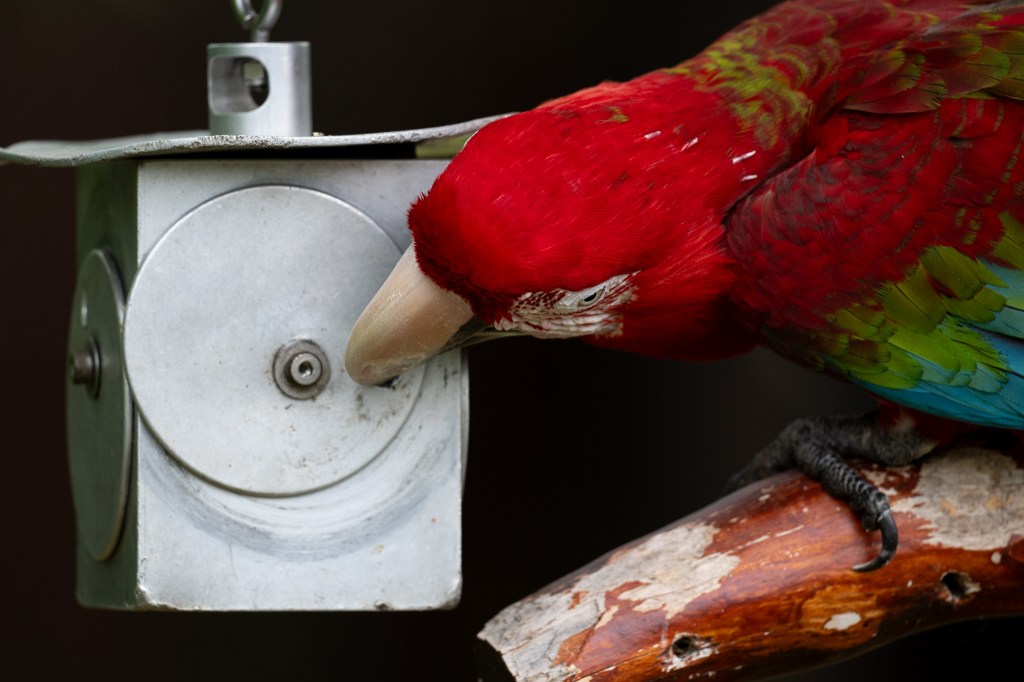

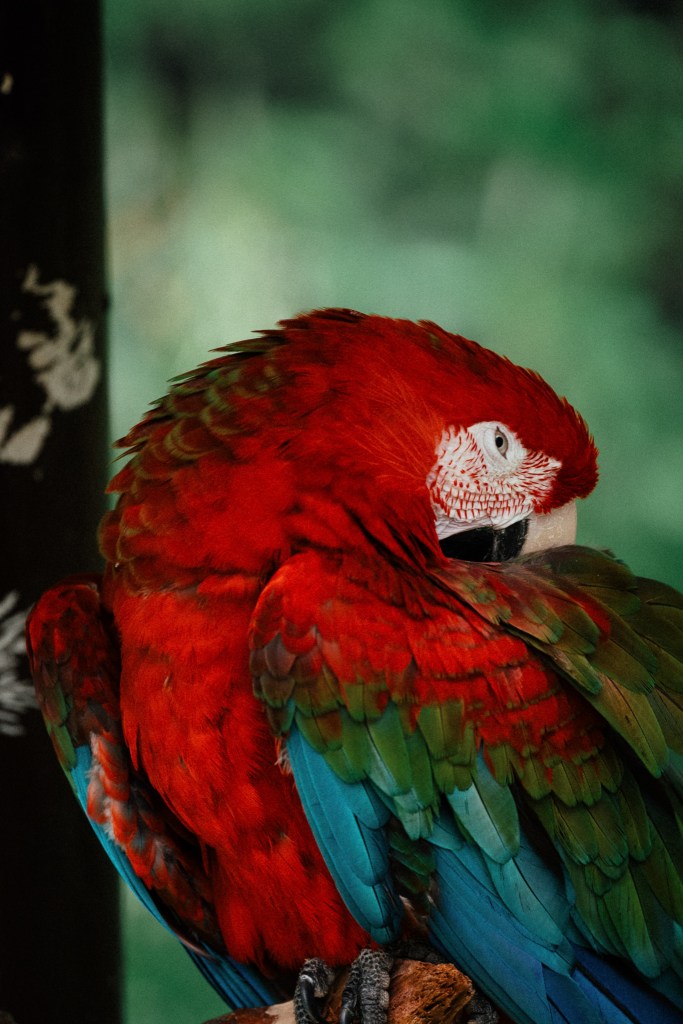

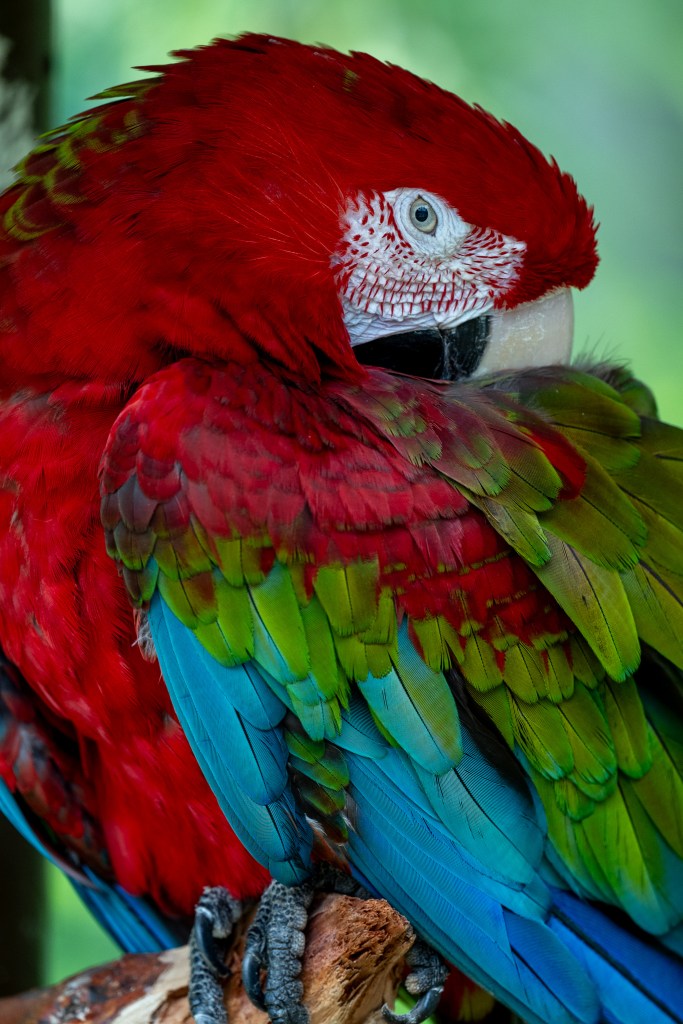
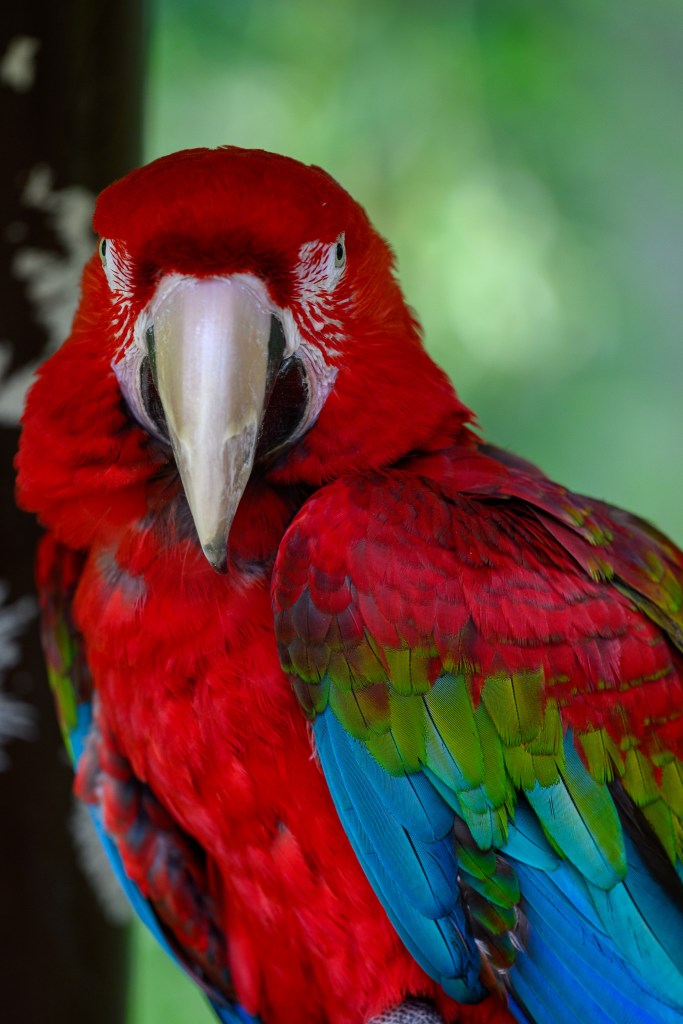
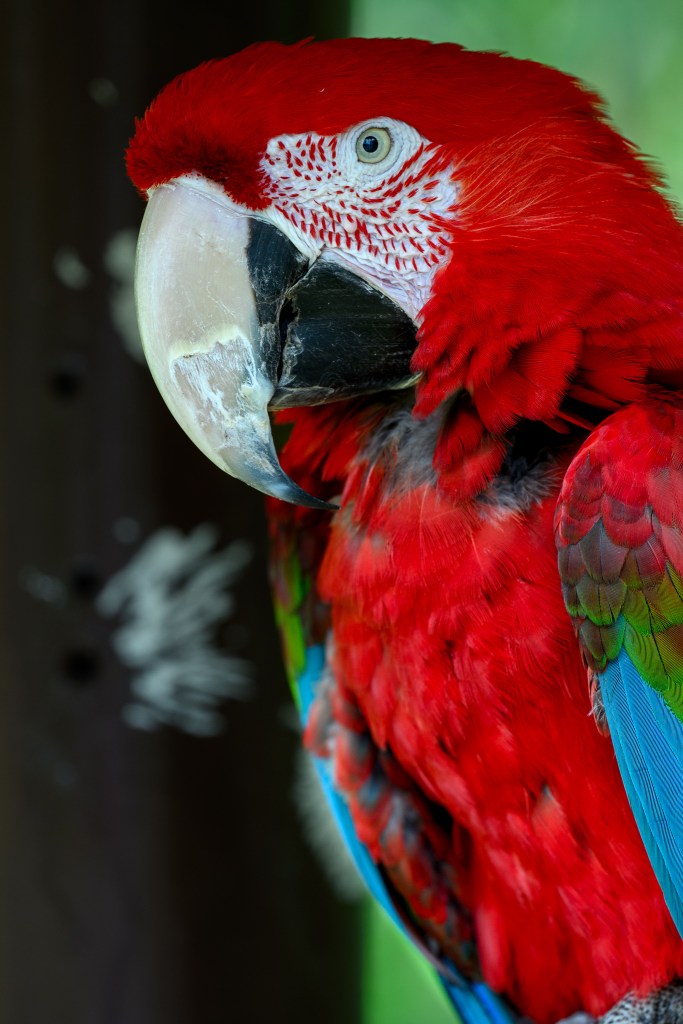
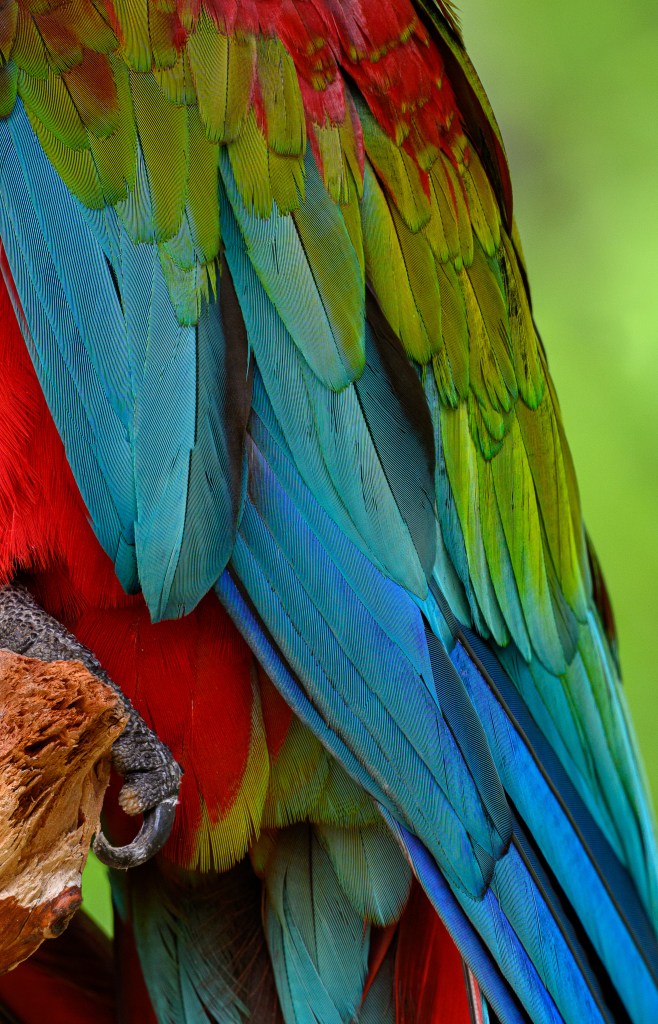
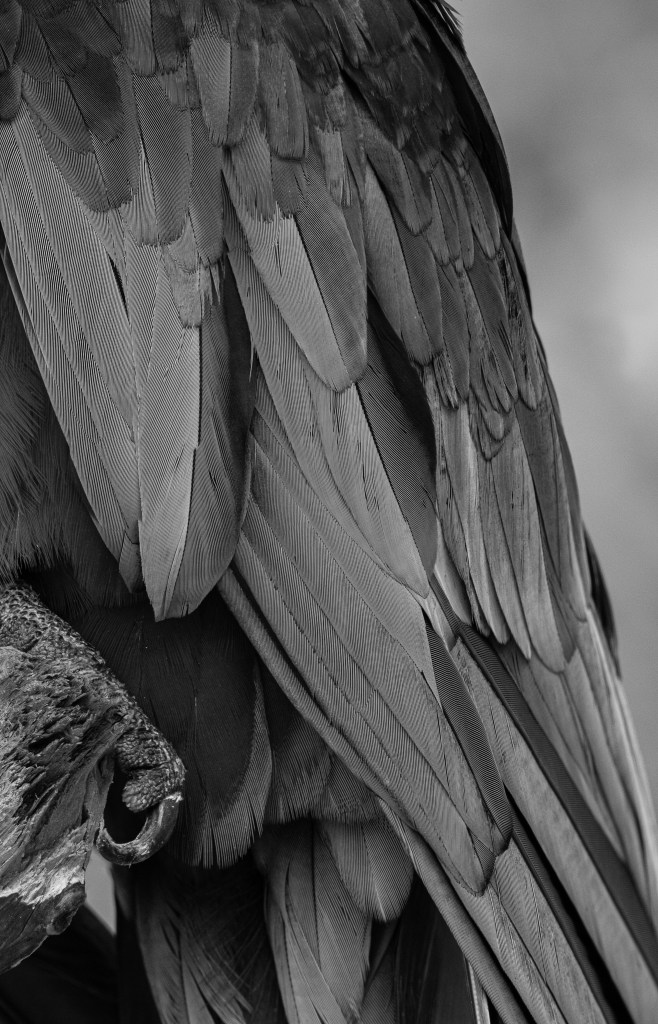
This macaw was pretty accessible and very fun to photograph. I took a ton of photos and made a focus stack of some of its feathers, which looks good in both color and black and white.
The Up-Close
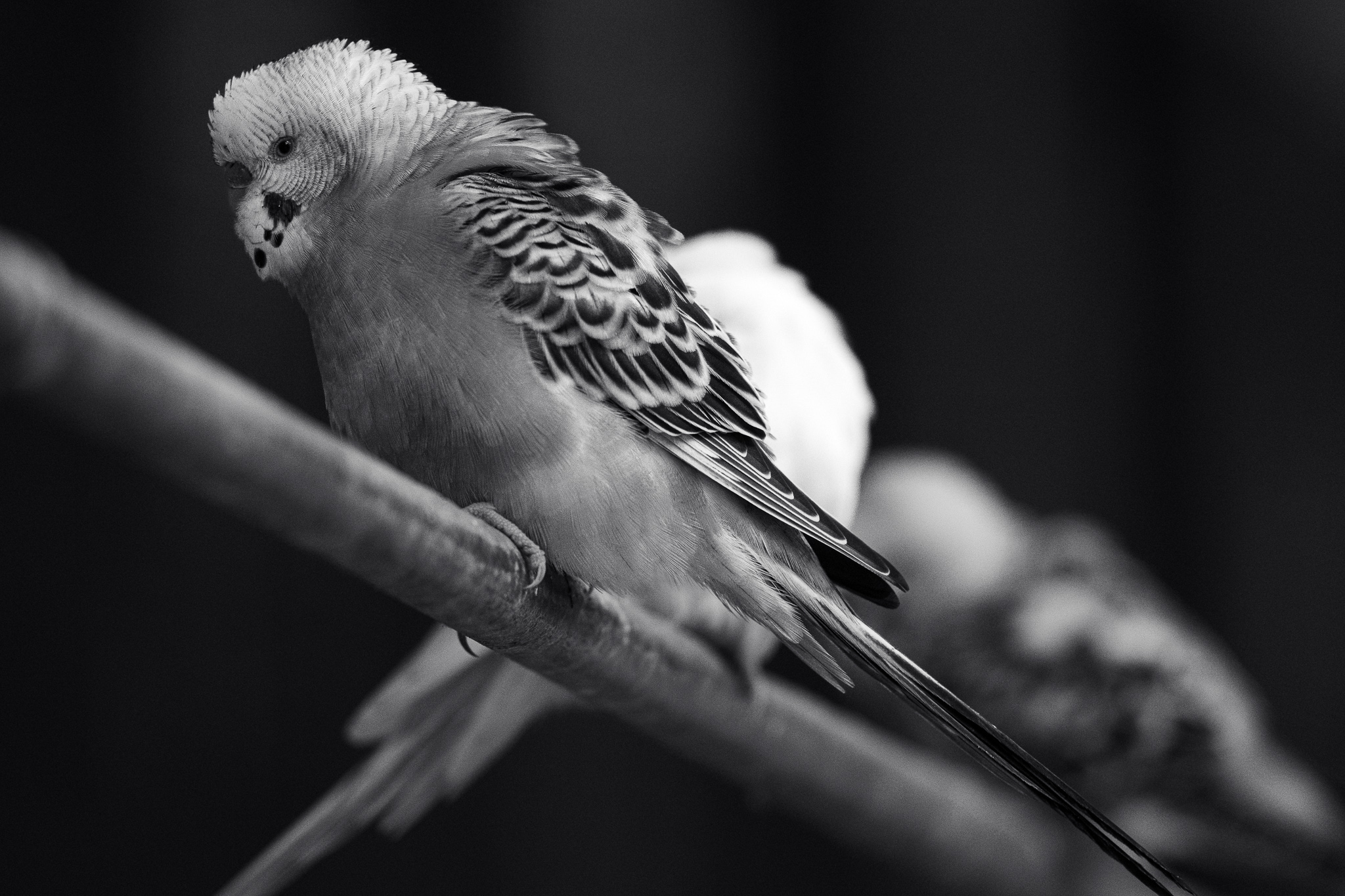
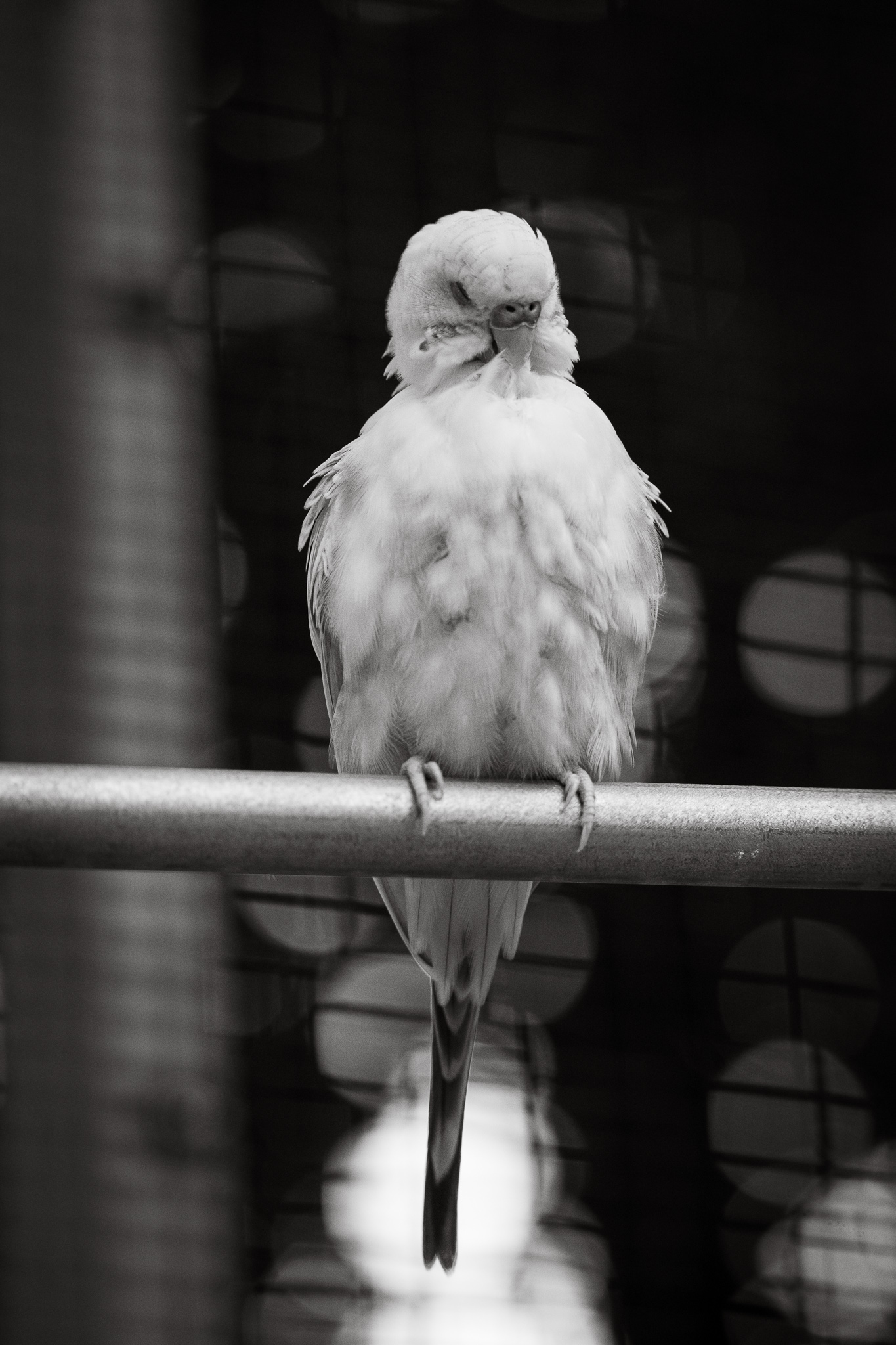
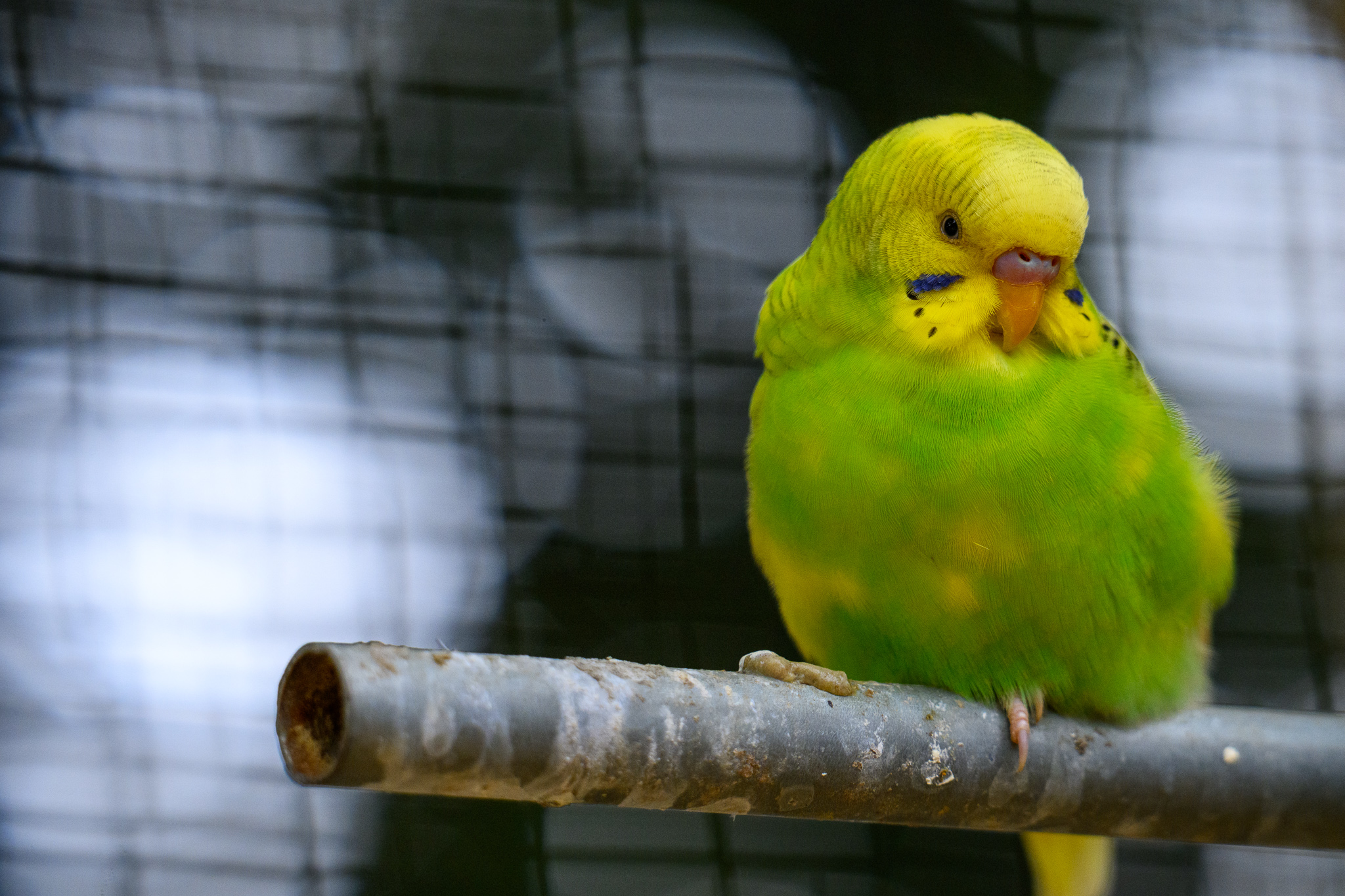
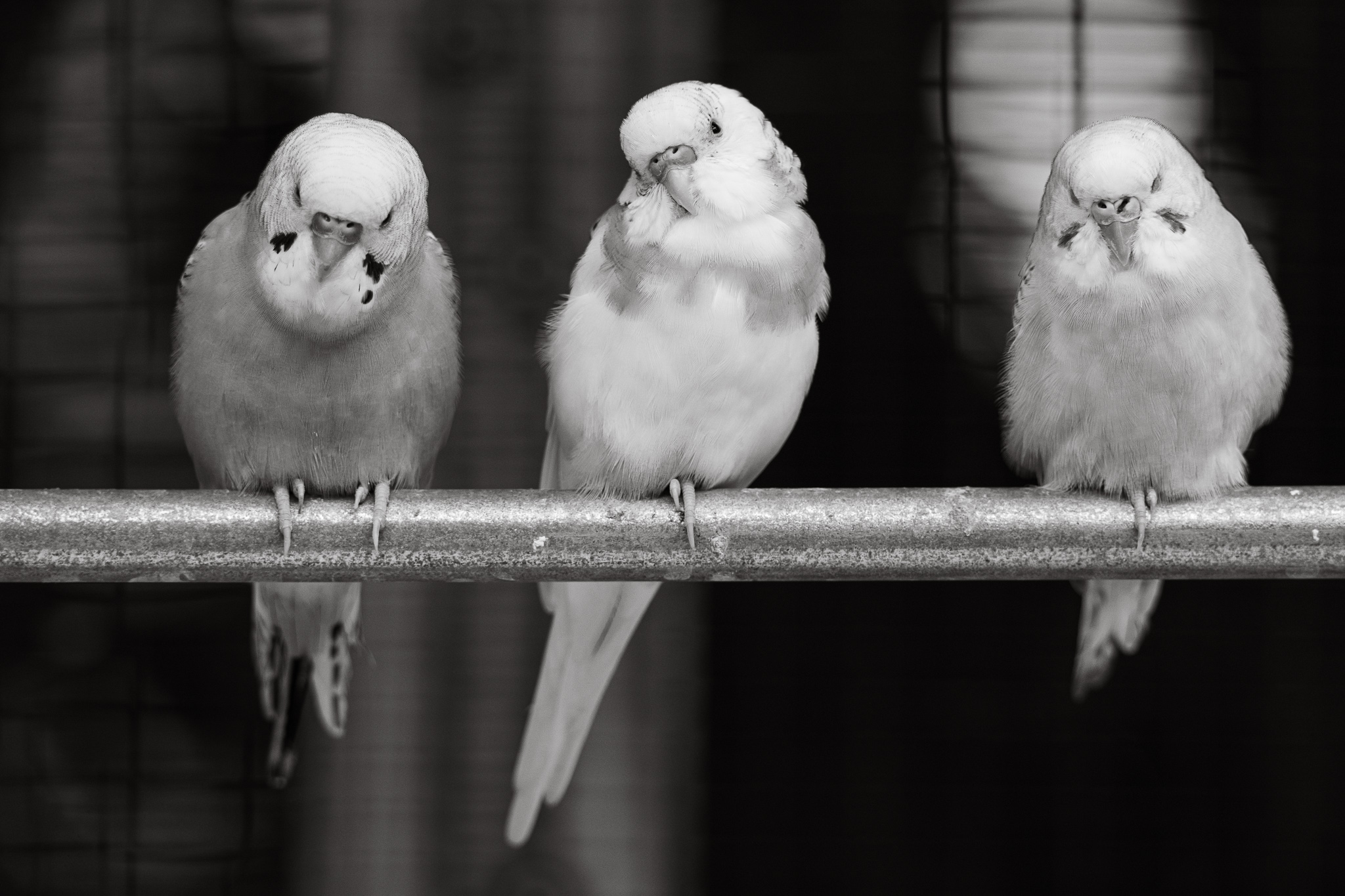
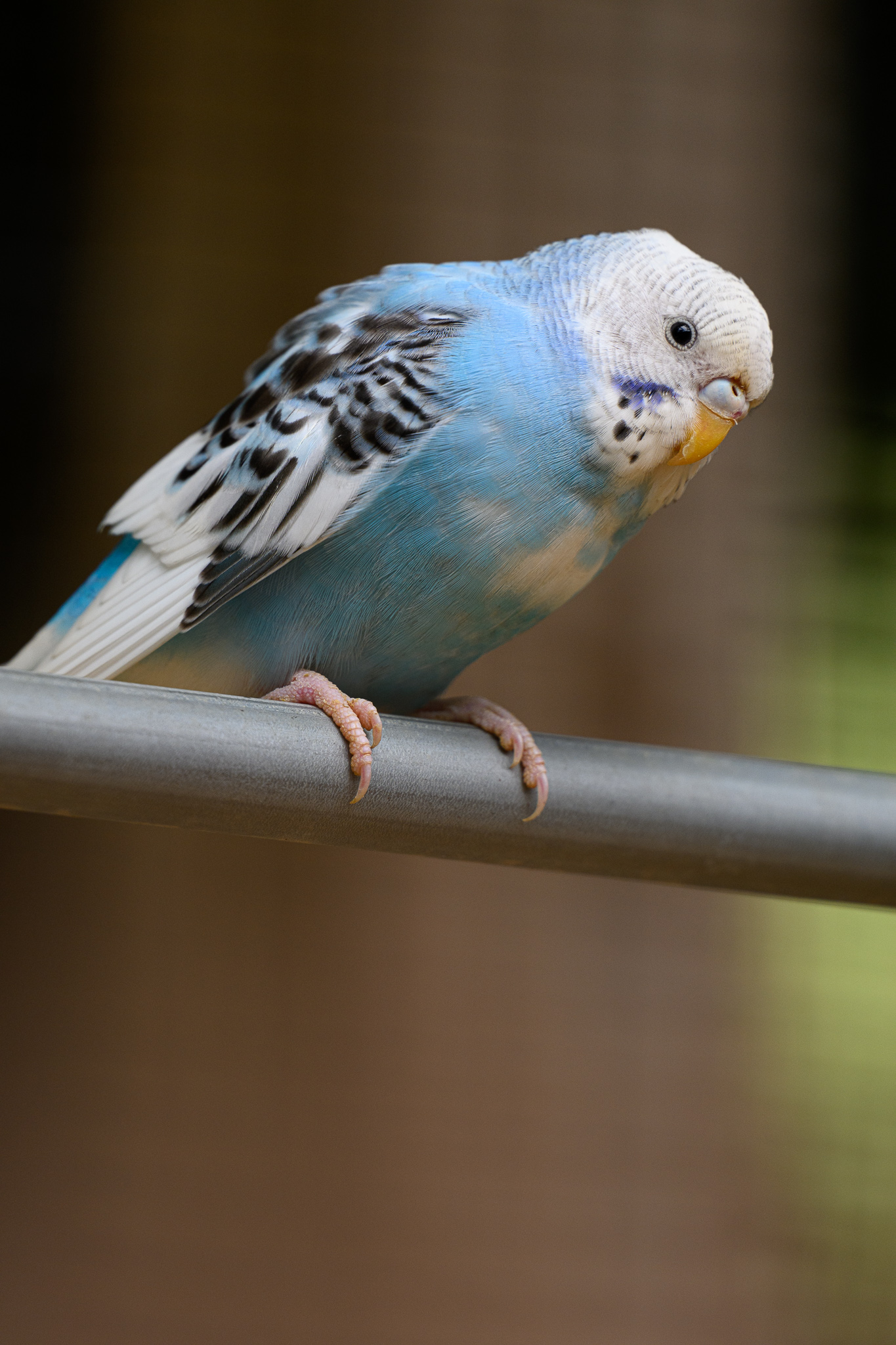
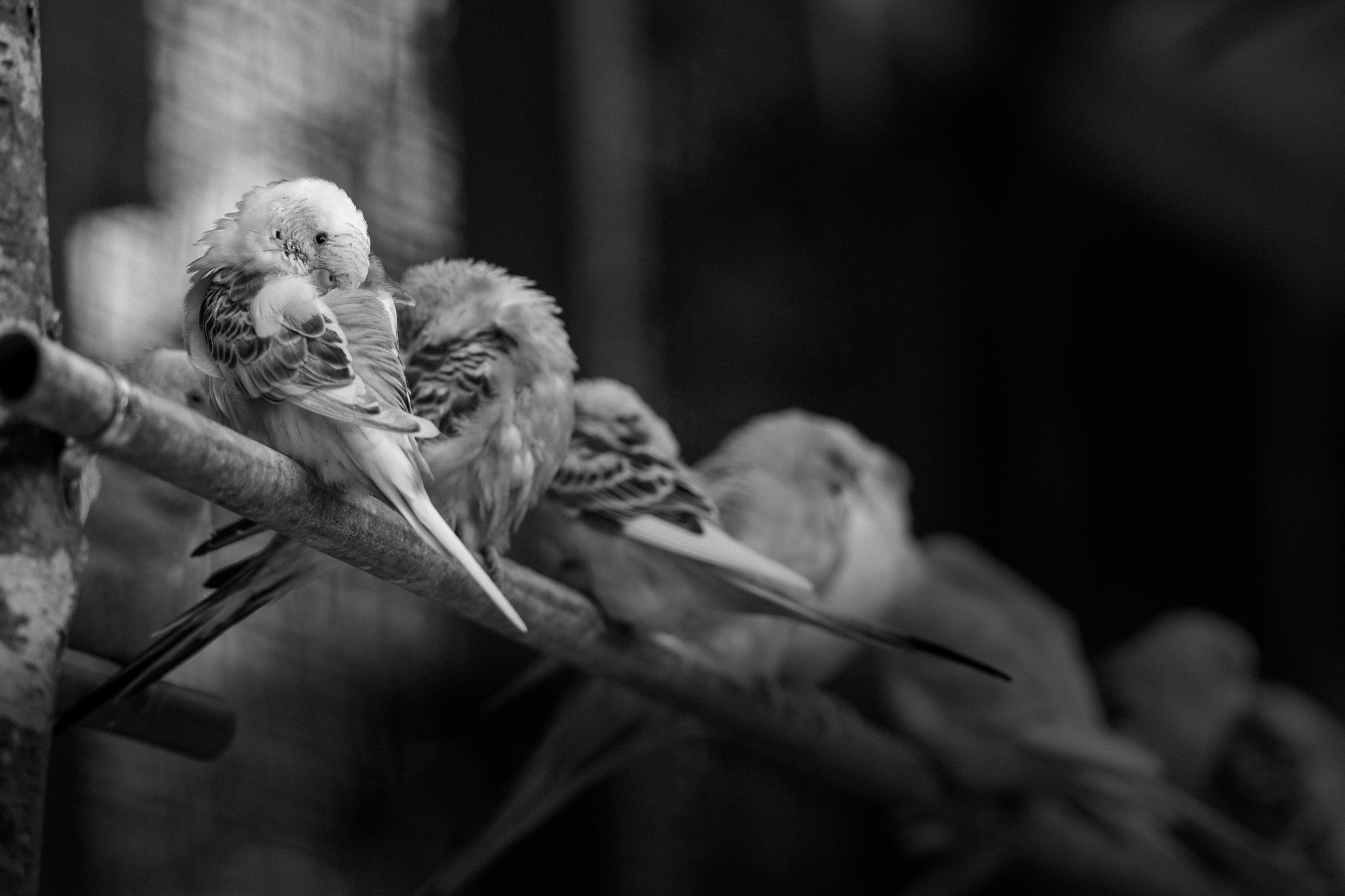
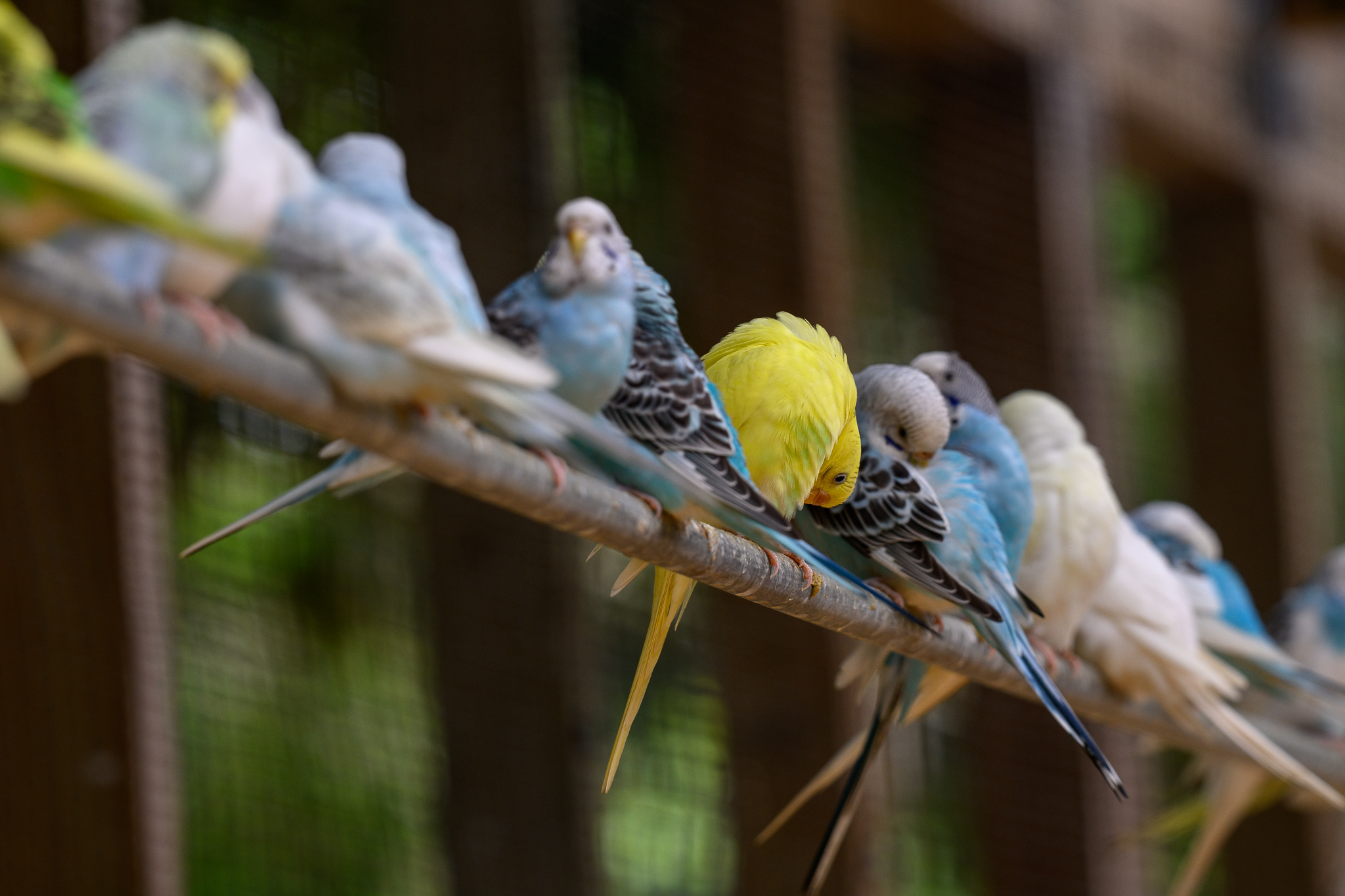
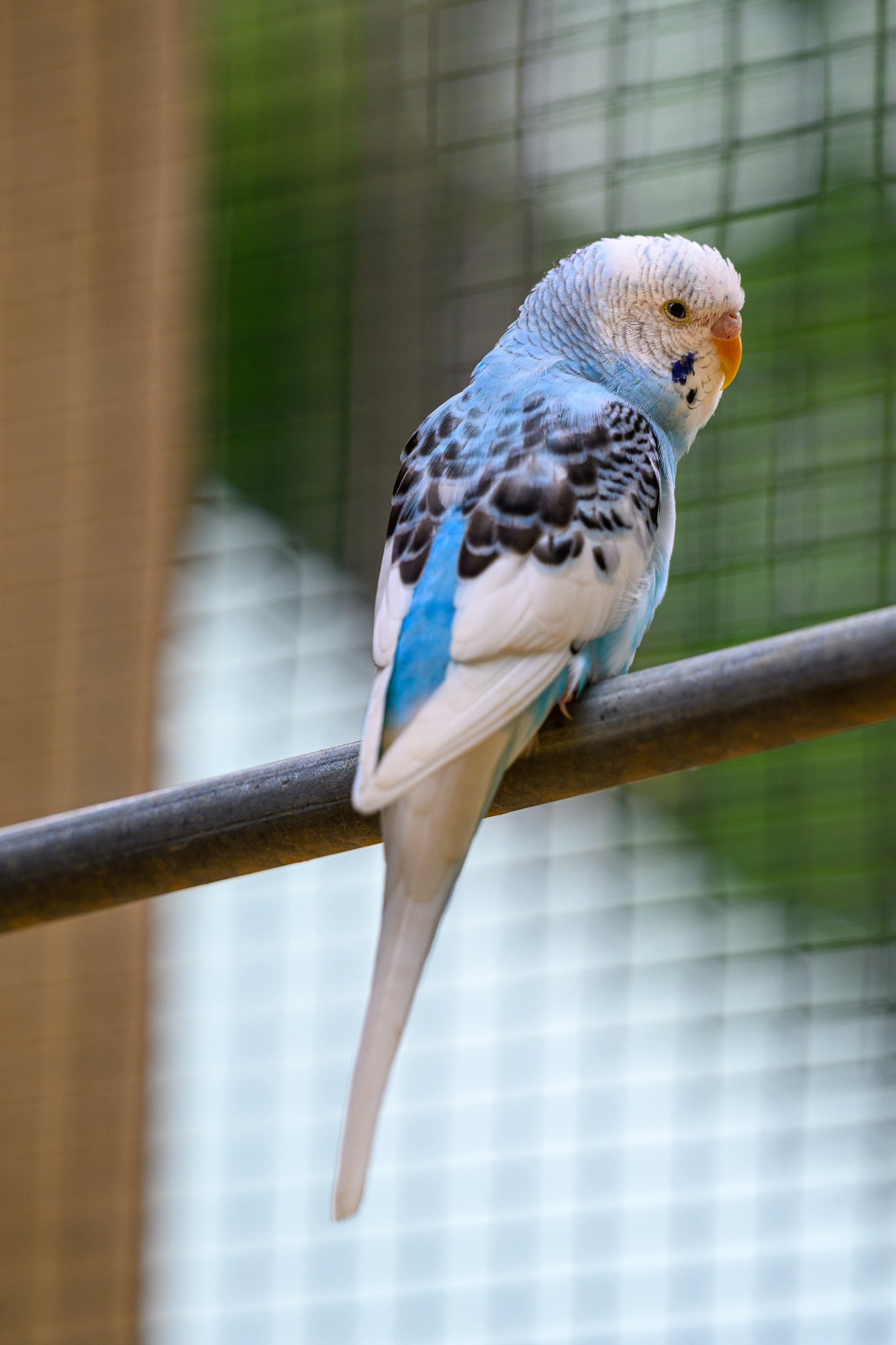
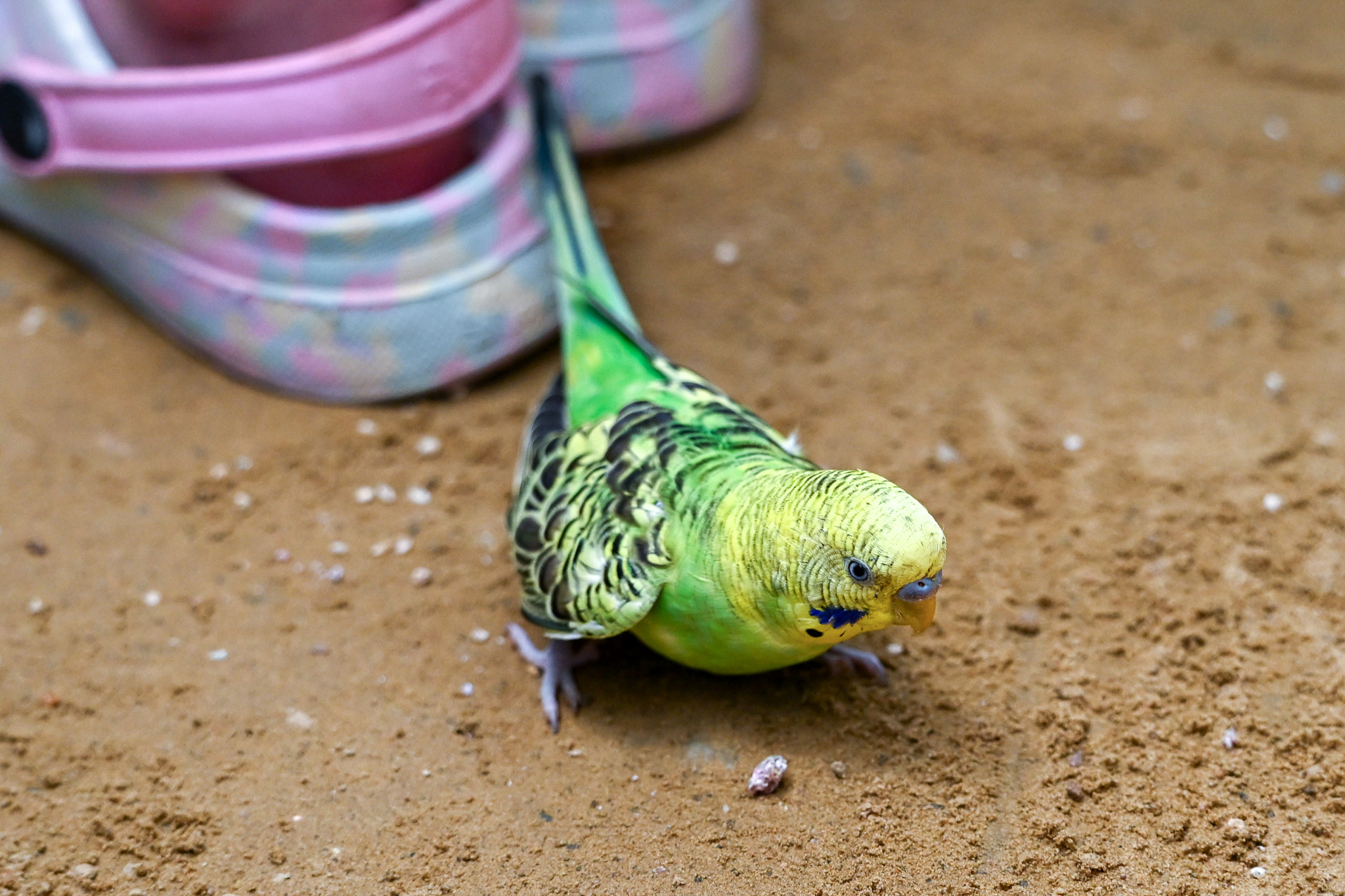
There were a couple of areas where I could get far more up close and personal than normal. The first was a small aviary full of parakeets, which are small and very friendly birds that fly around your head, land on your shoulders, and walk at your feet. There were so many that you were only allowed to shuffle as they could easily get trapped under your shoe and crushed. People fed them seed from popsicle sticks, but even a pair of shoe laces that looked like good nesting material (in my case) attracted them. They were colorful and quite abundant, making a great set of subjects. The aviary was a little bigger than our living room, actually making it difficult to zoom out enough in some cases. I enjoyed it so much that I visited twice.
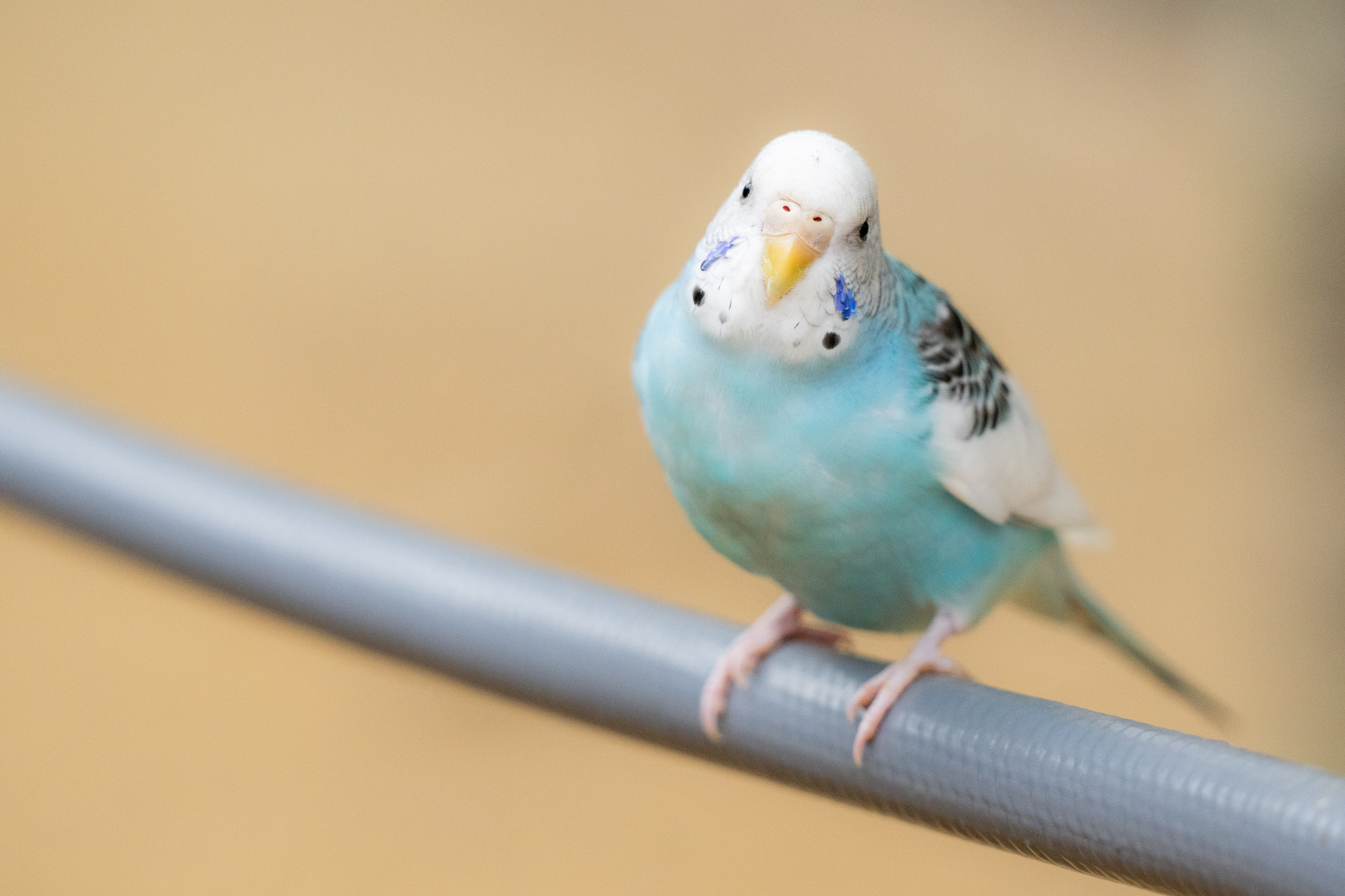
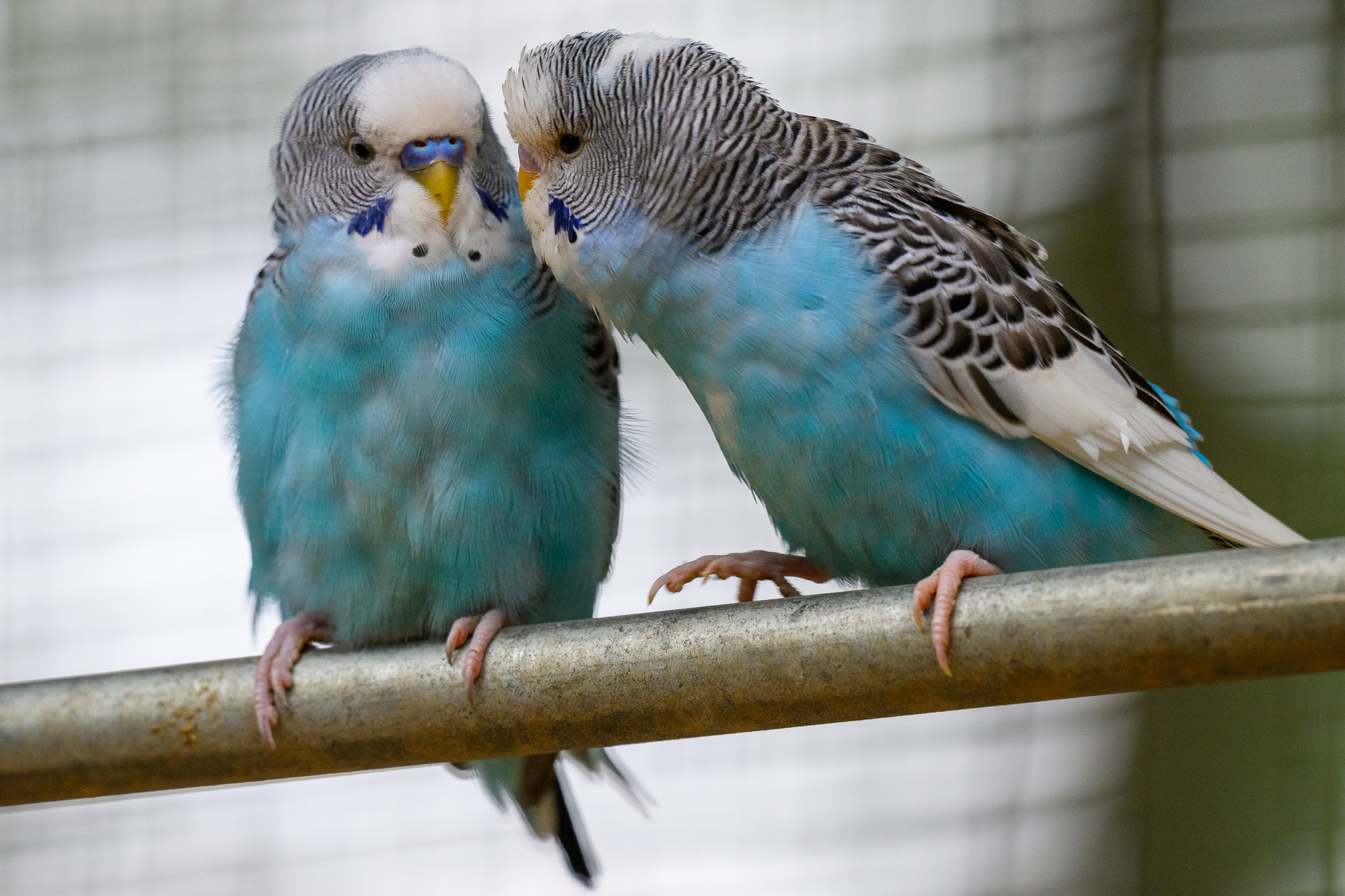
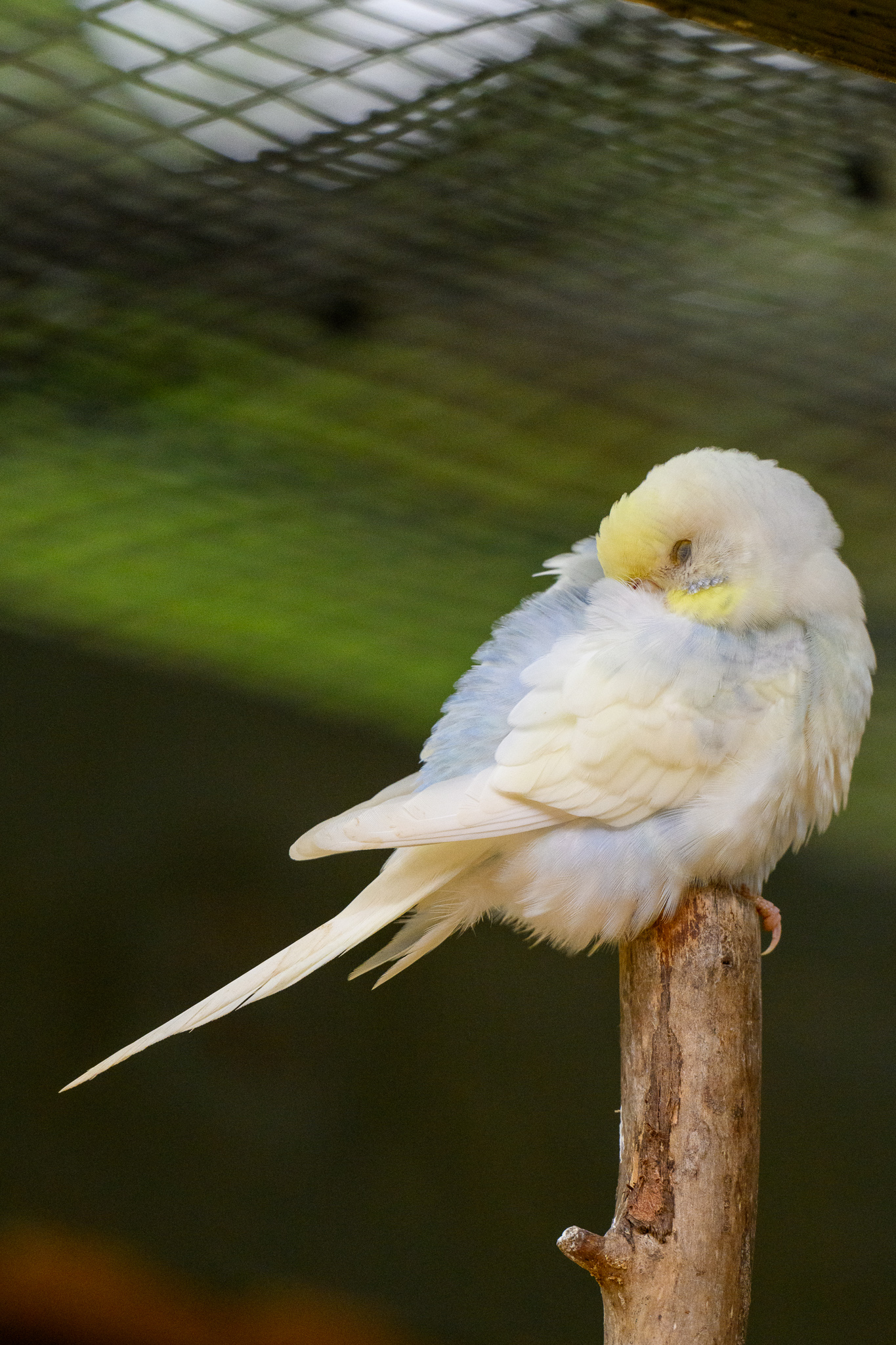
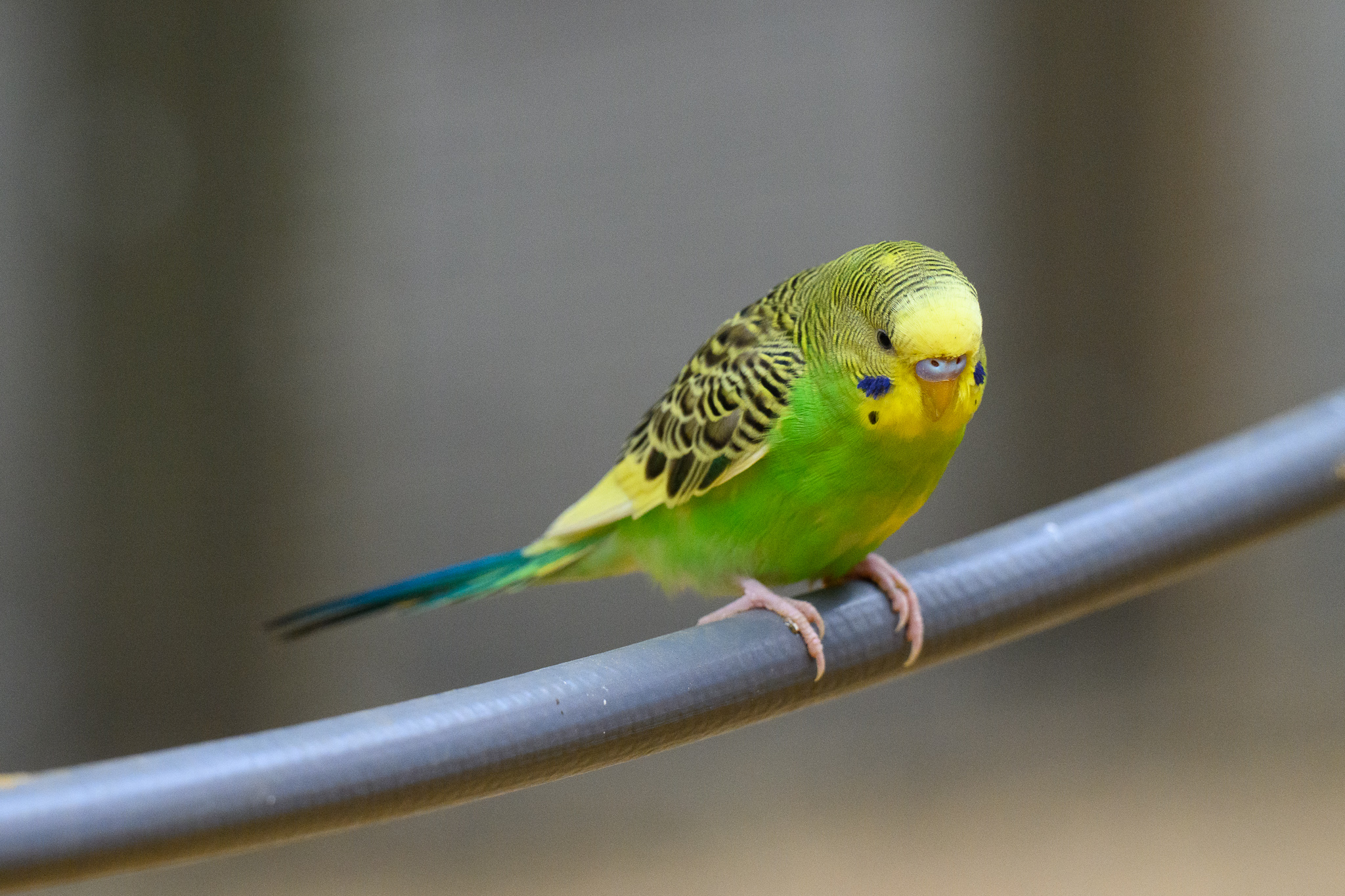
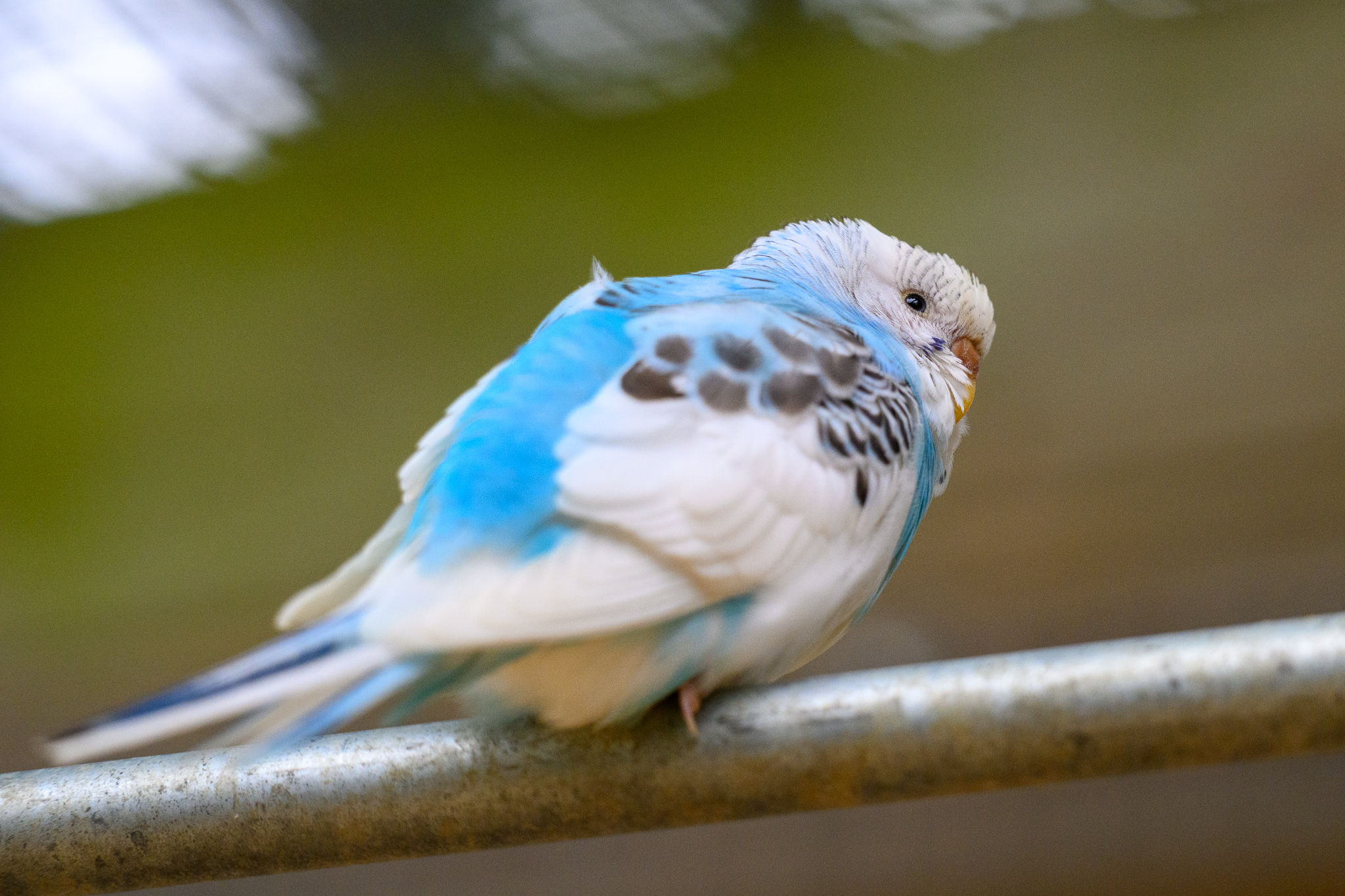
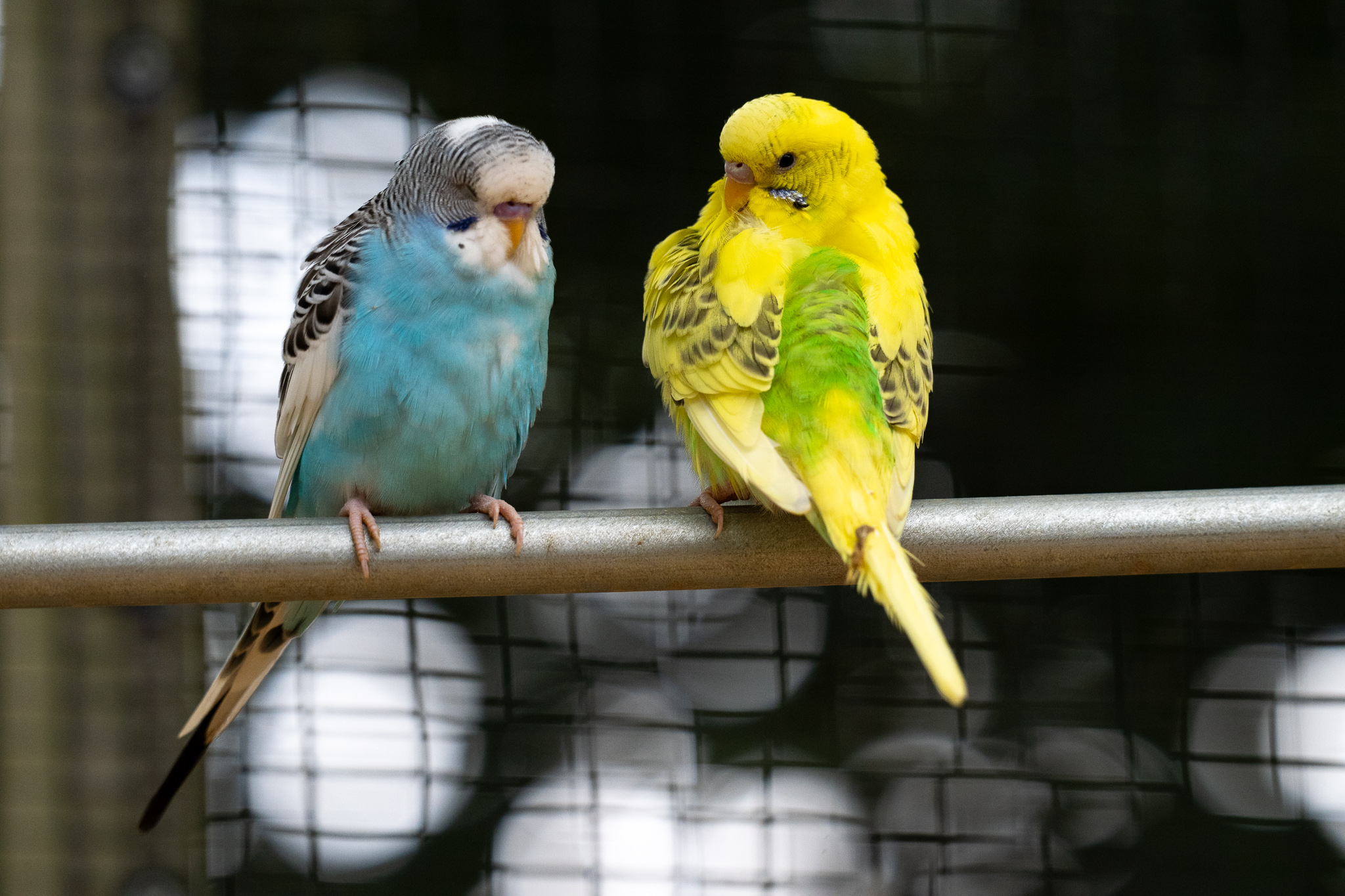
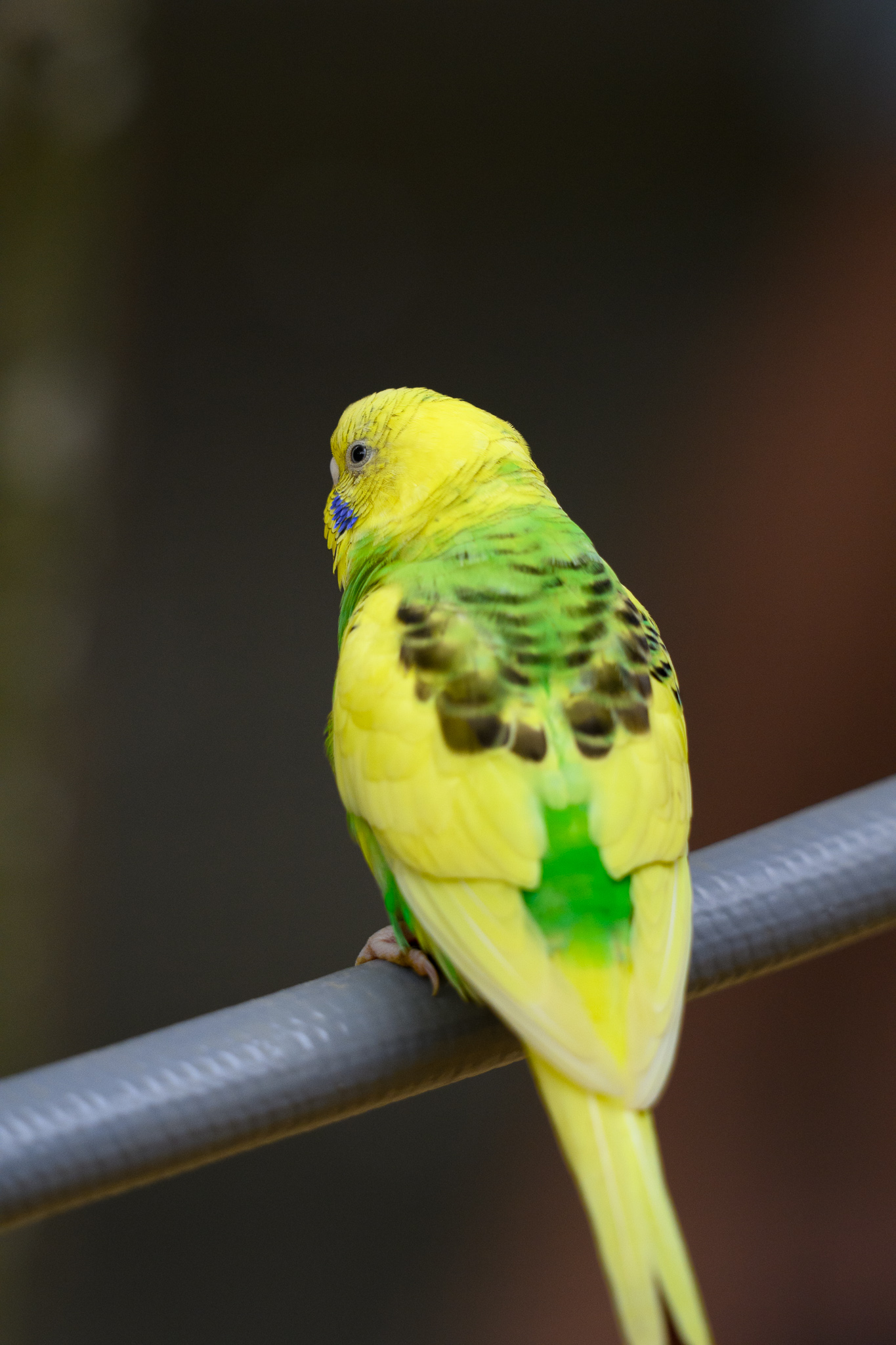
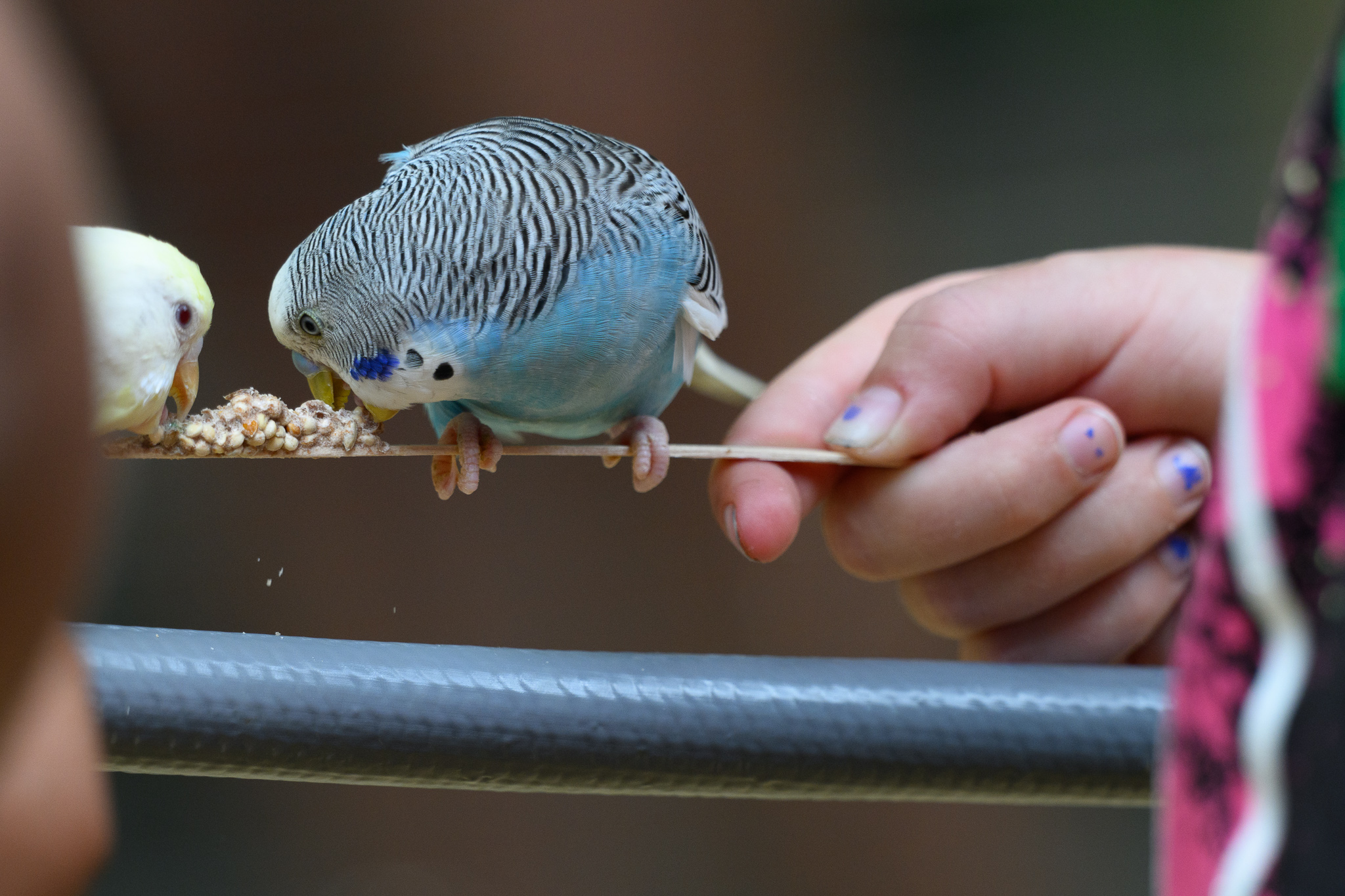
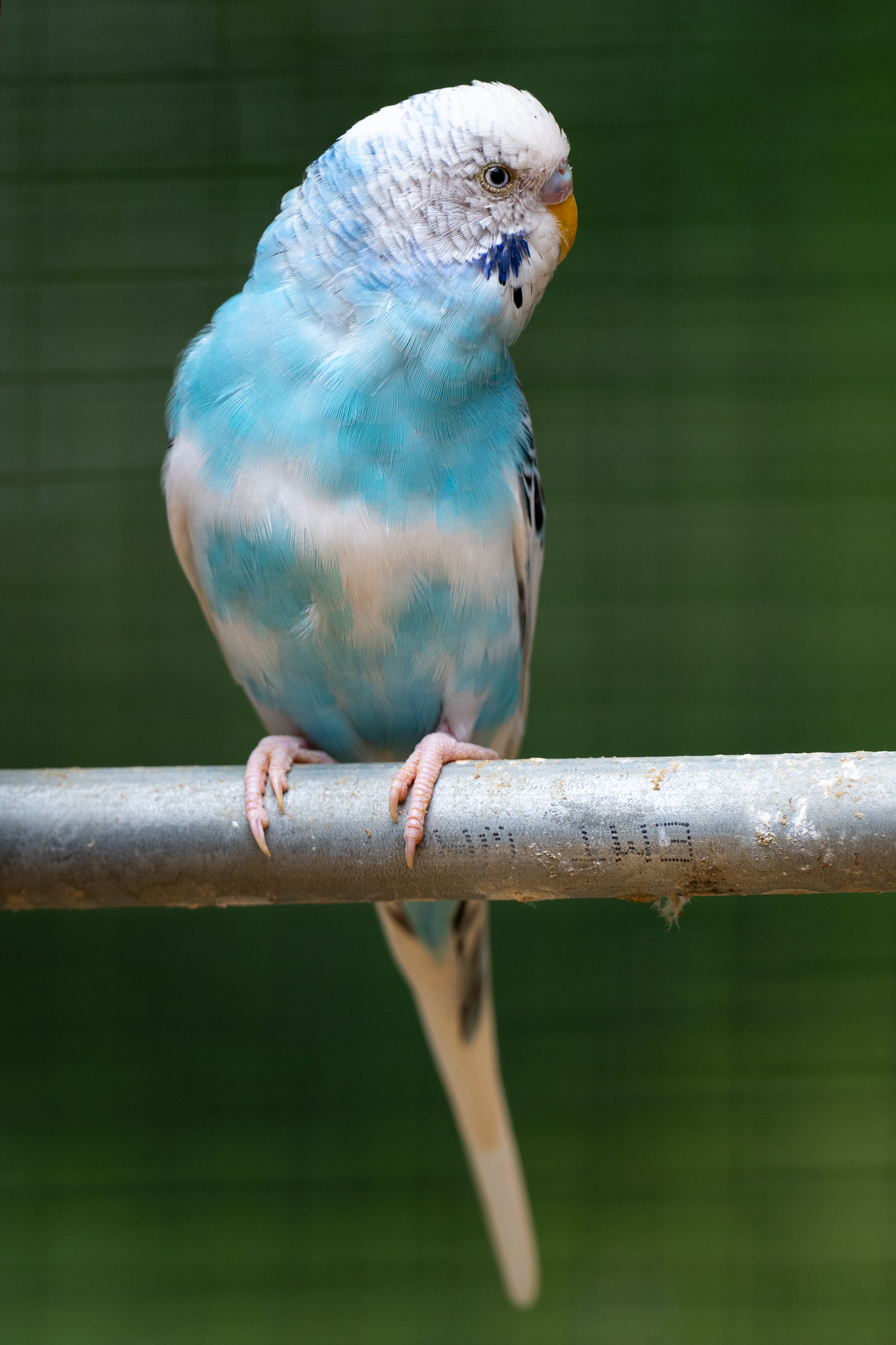
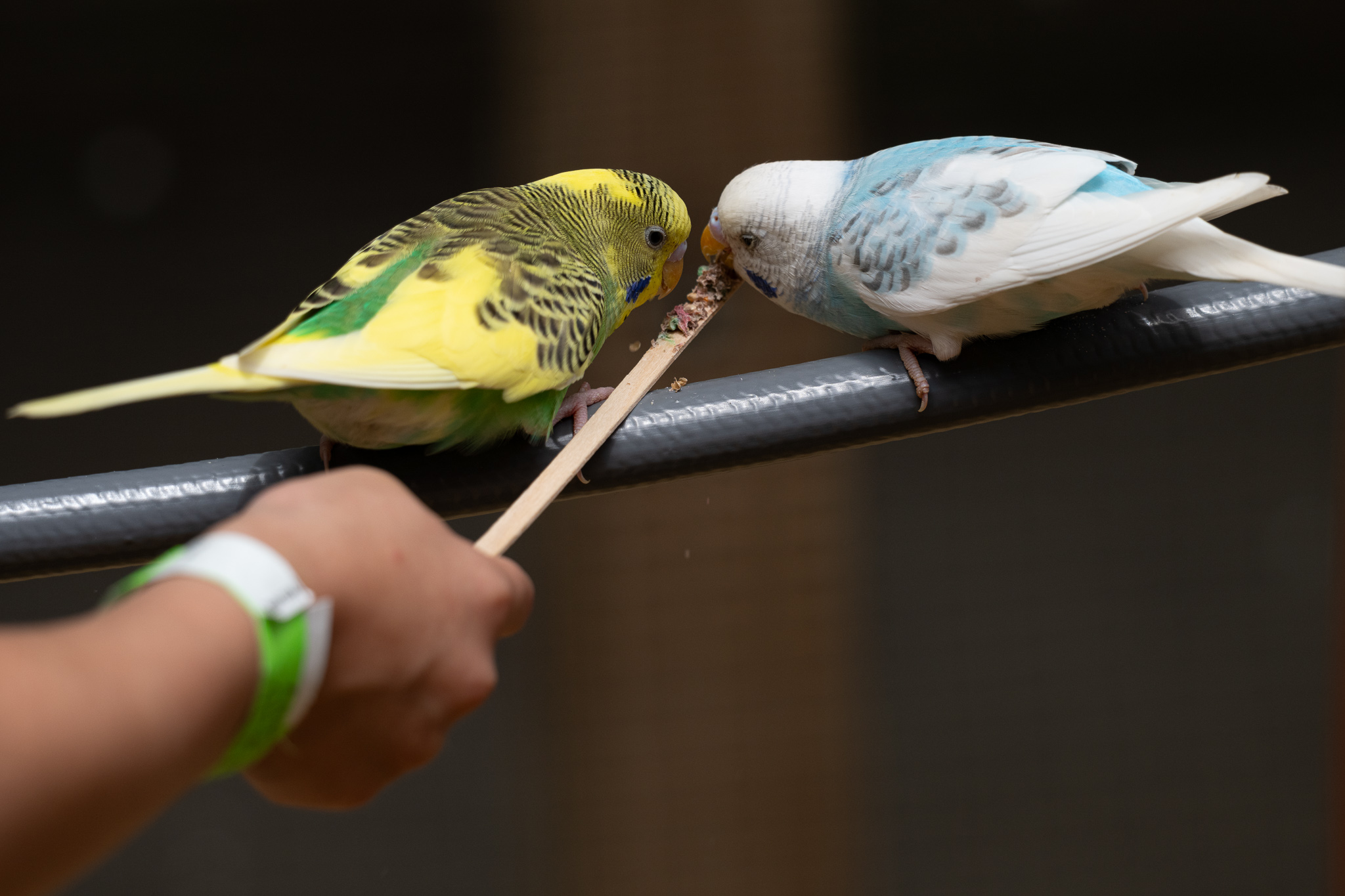
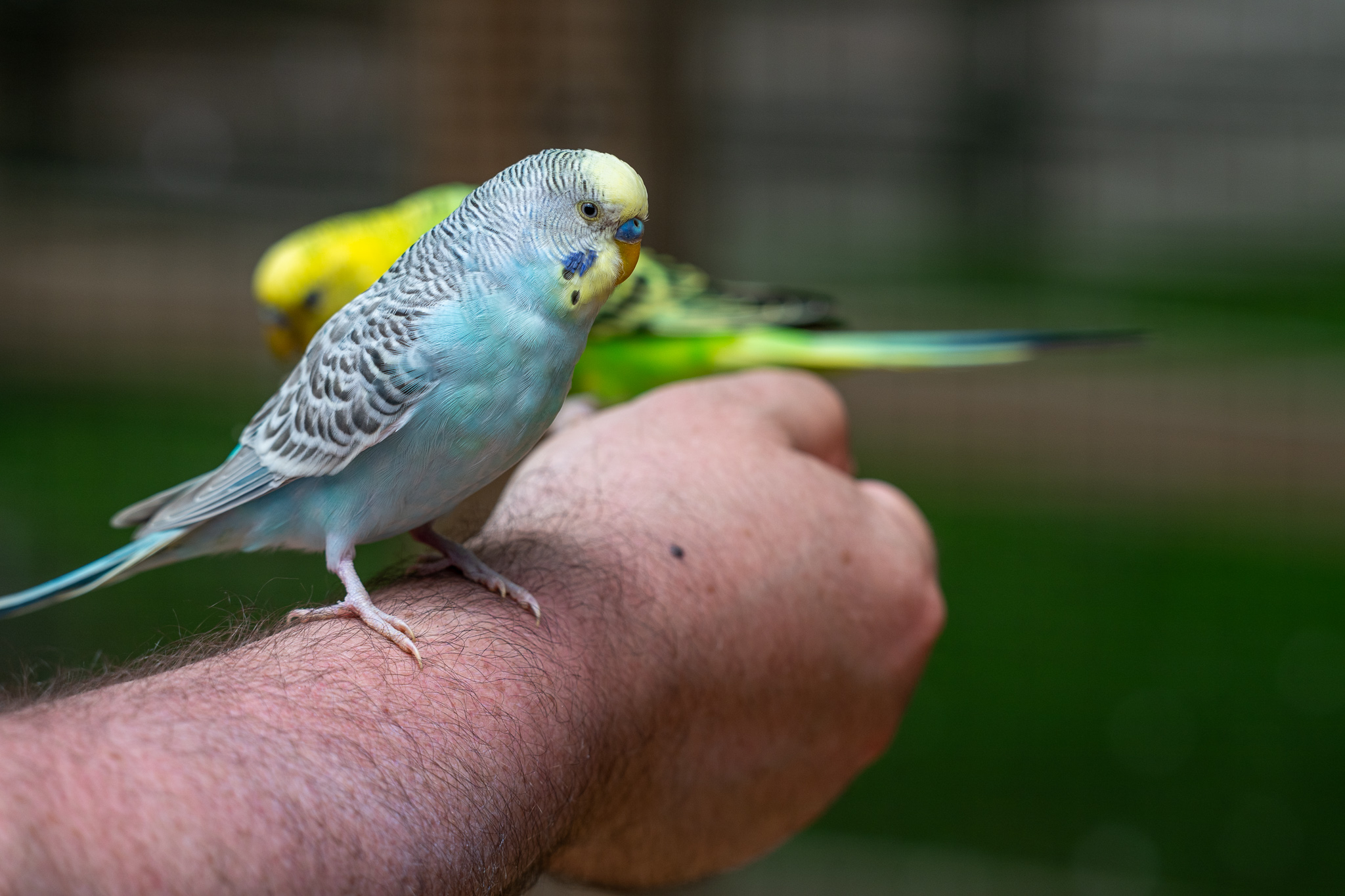
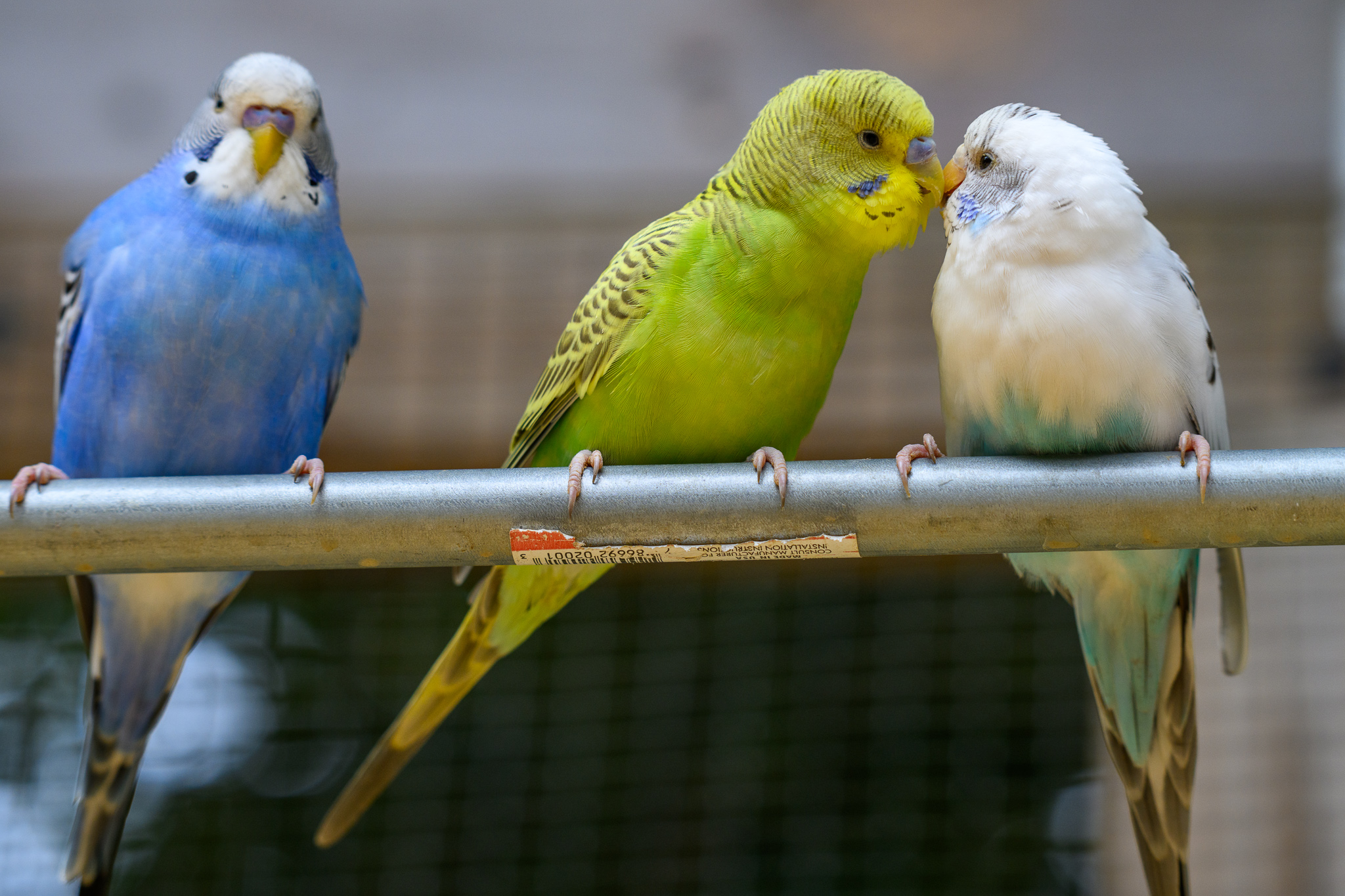

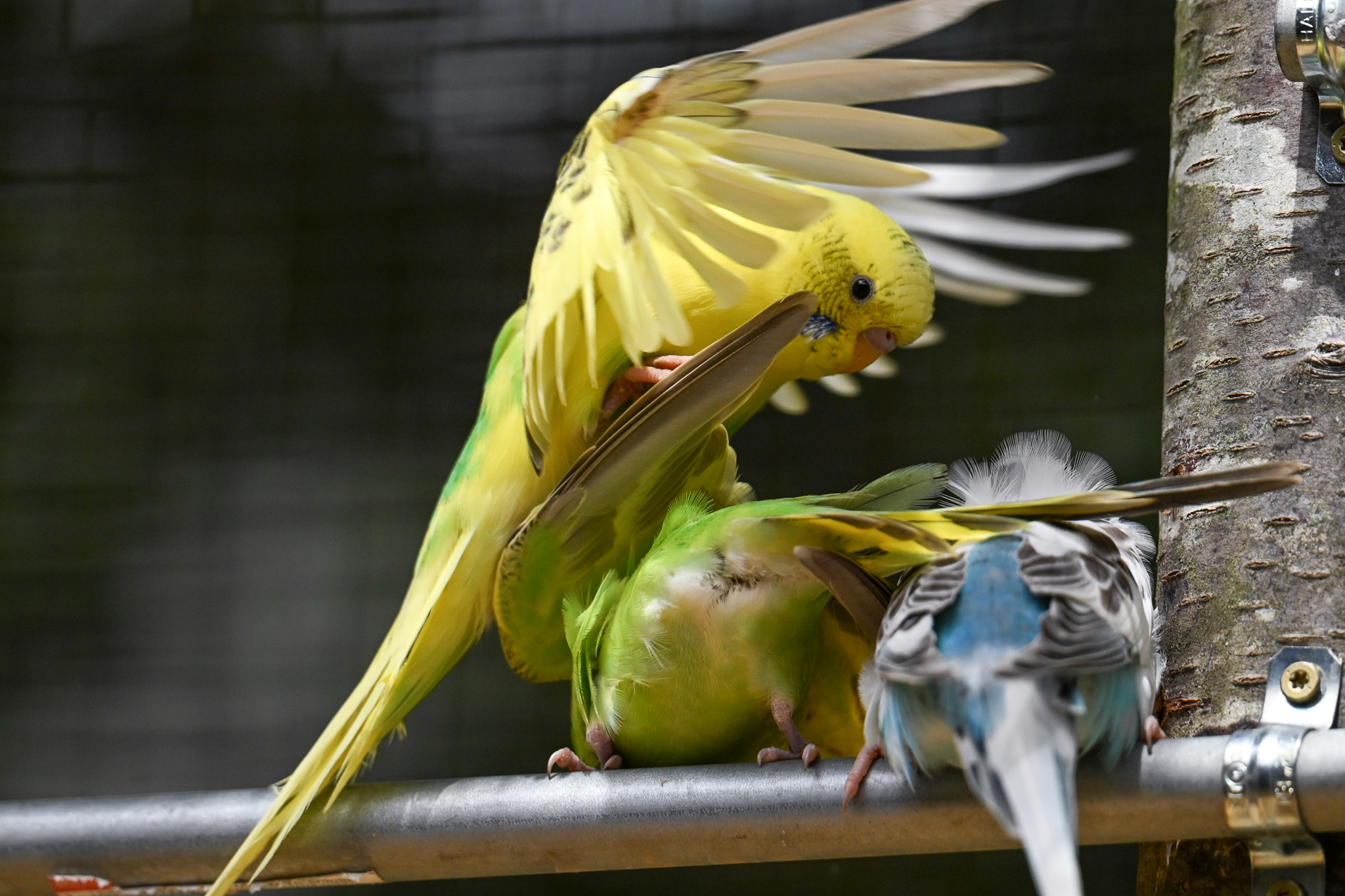
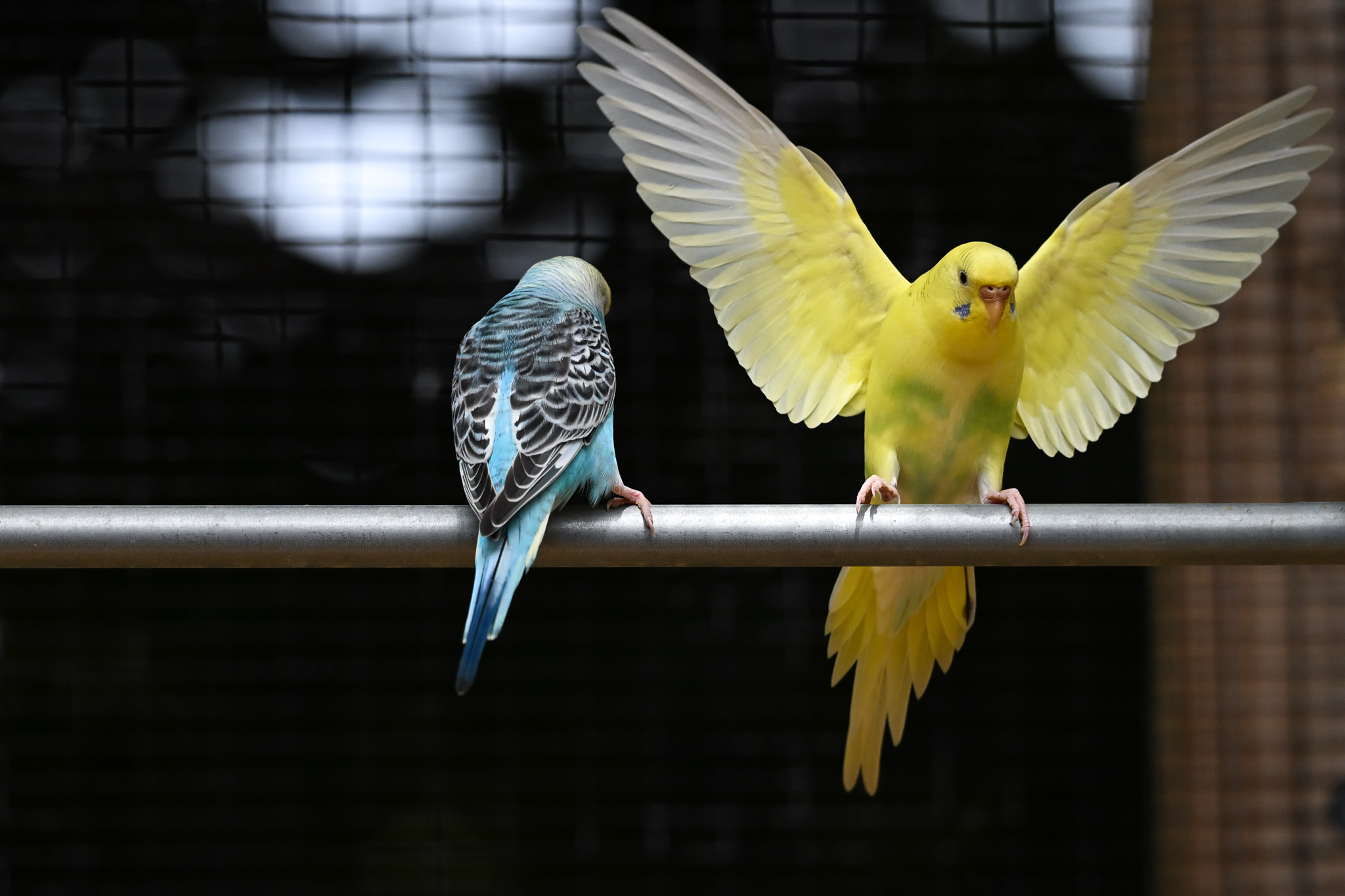
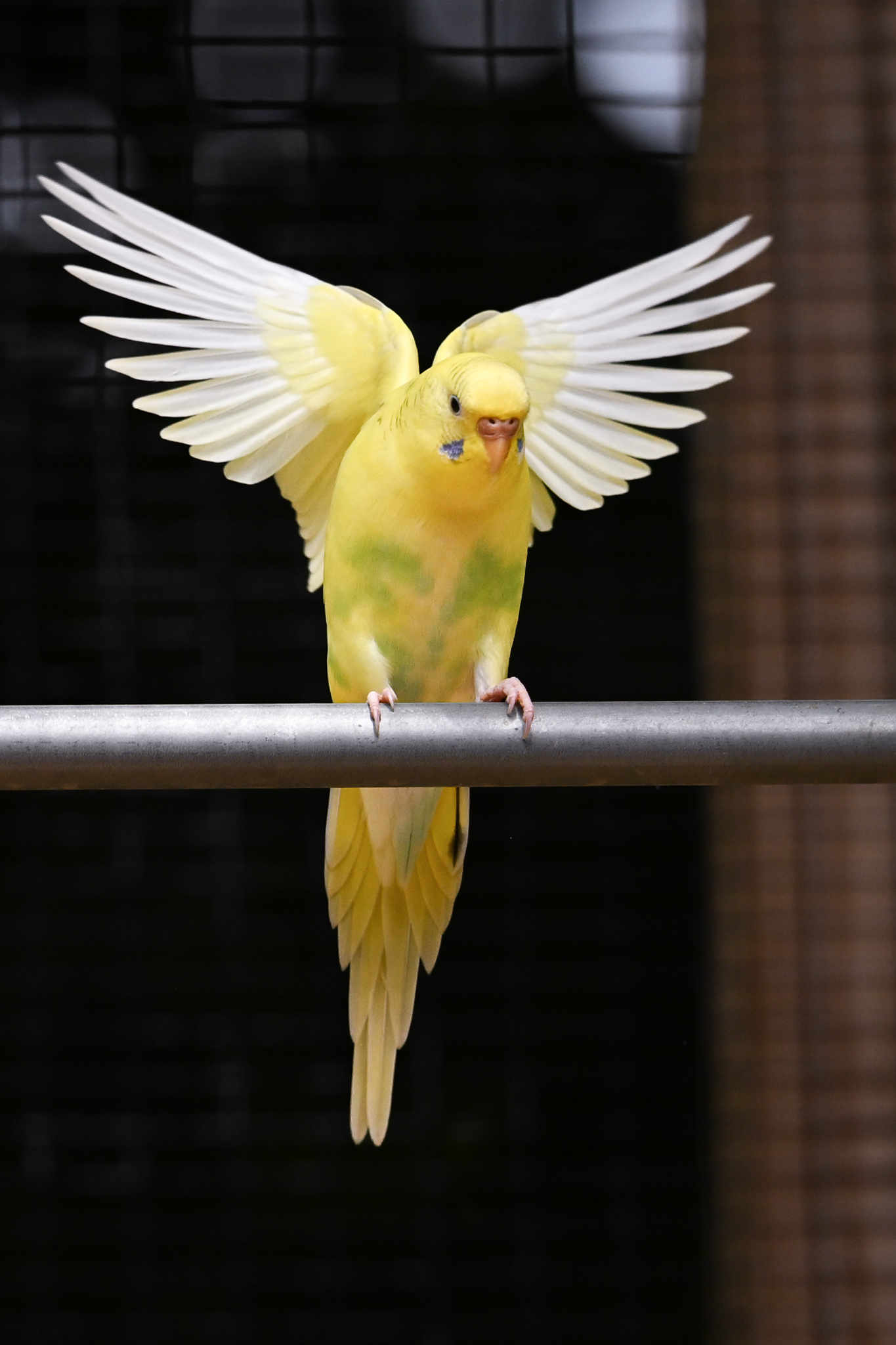
The second area for close-ups was the butterfly garden. I visited at the end of my day, the weather was warming up, and it was quite humid inside so I was sweating bullets. There wasn’t a huge variety of butterflies around, but there were plenty to photograph. Butterflies are fast and difficult to catch and these were no exception. I’ve tried photographing them with my 90mm macro in the past but you just have to get too close. Trying my 180 – 600mm instead was much more successful.
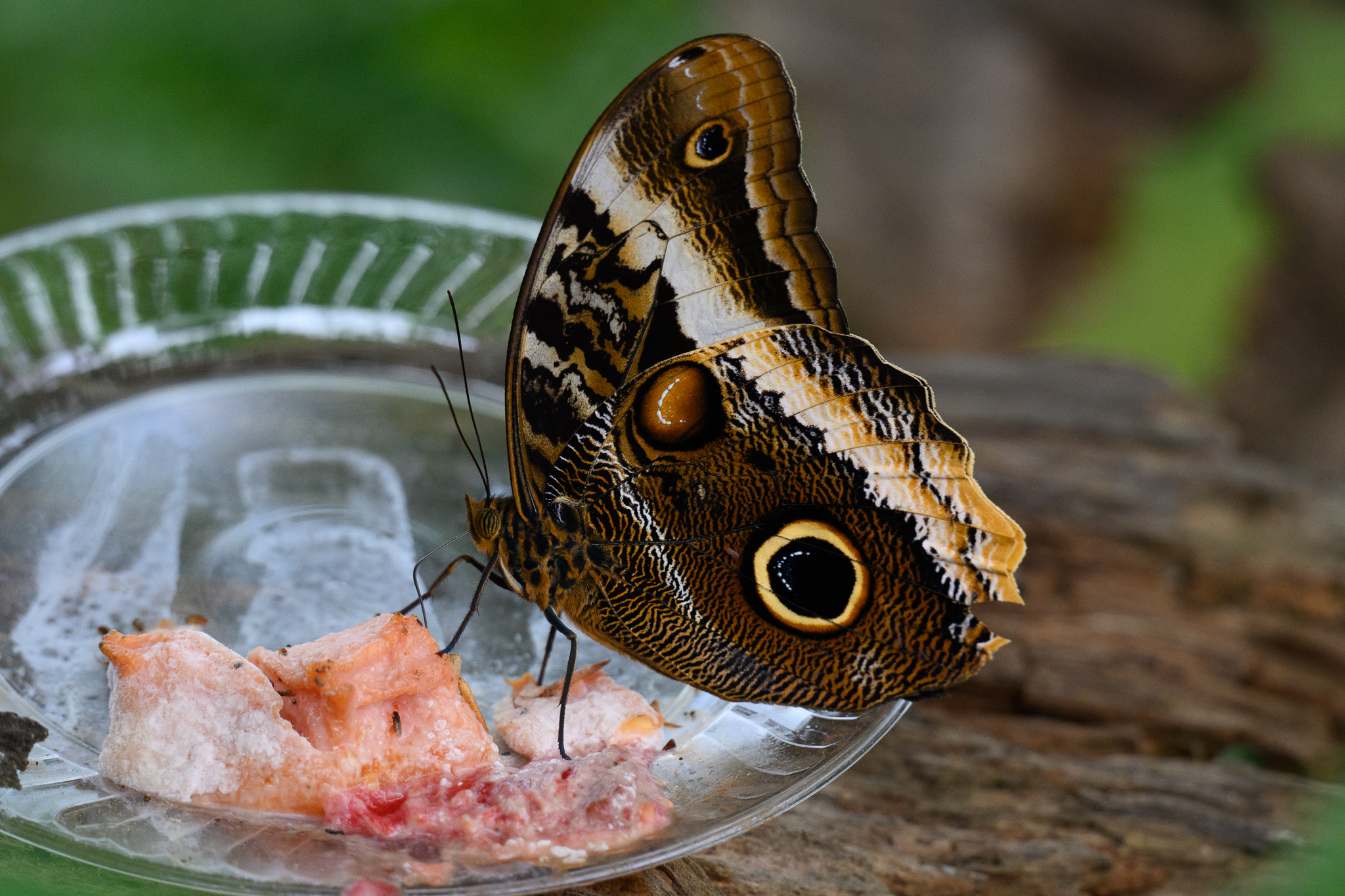
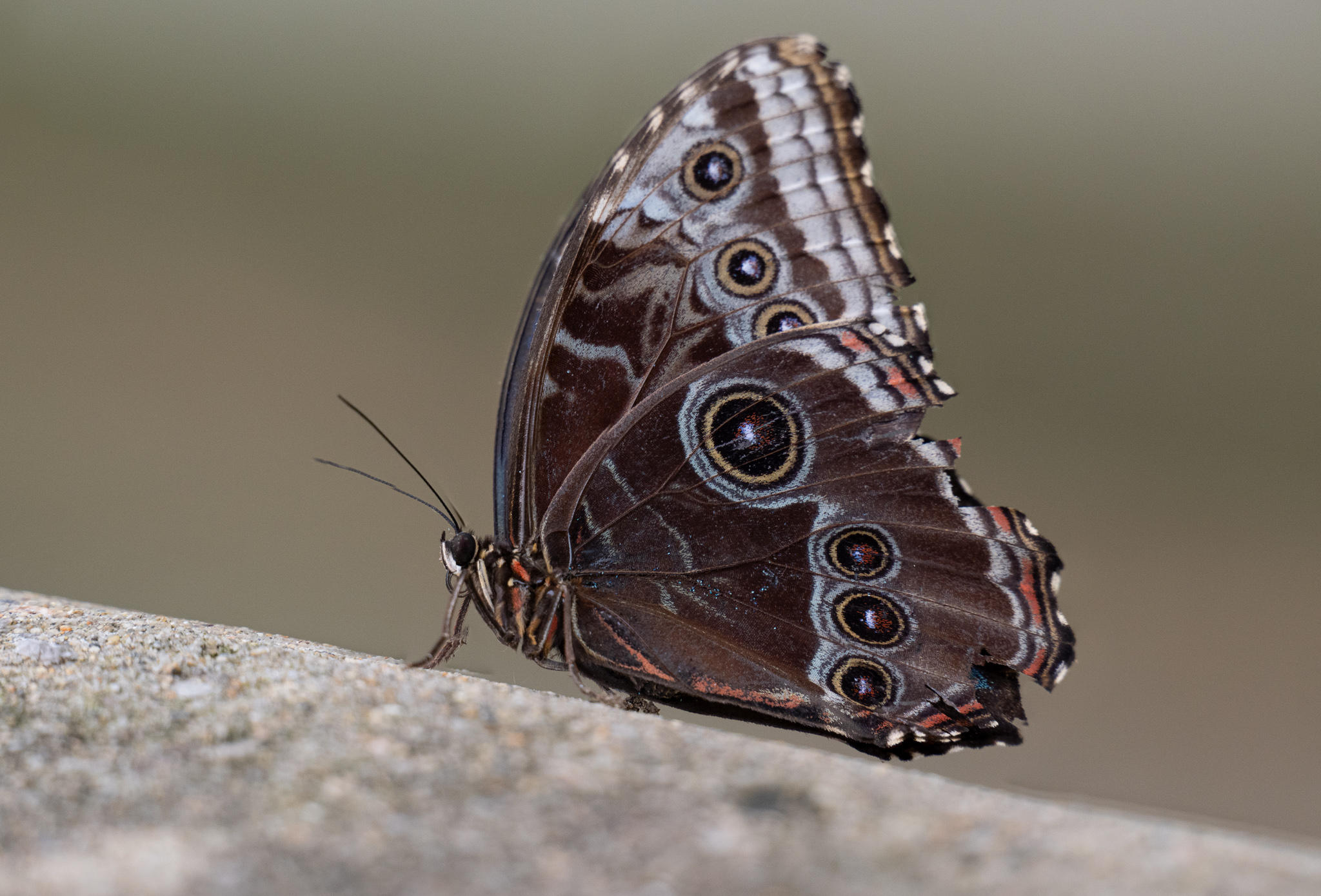
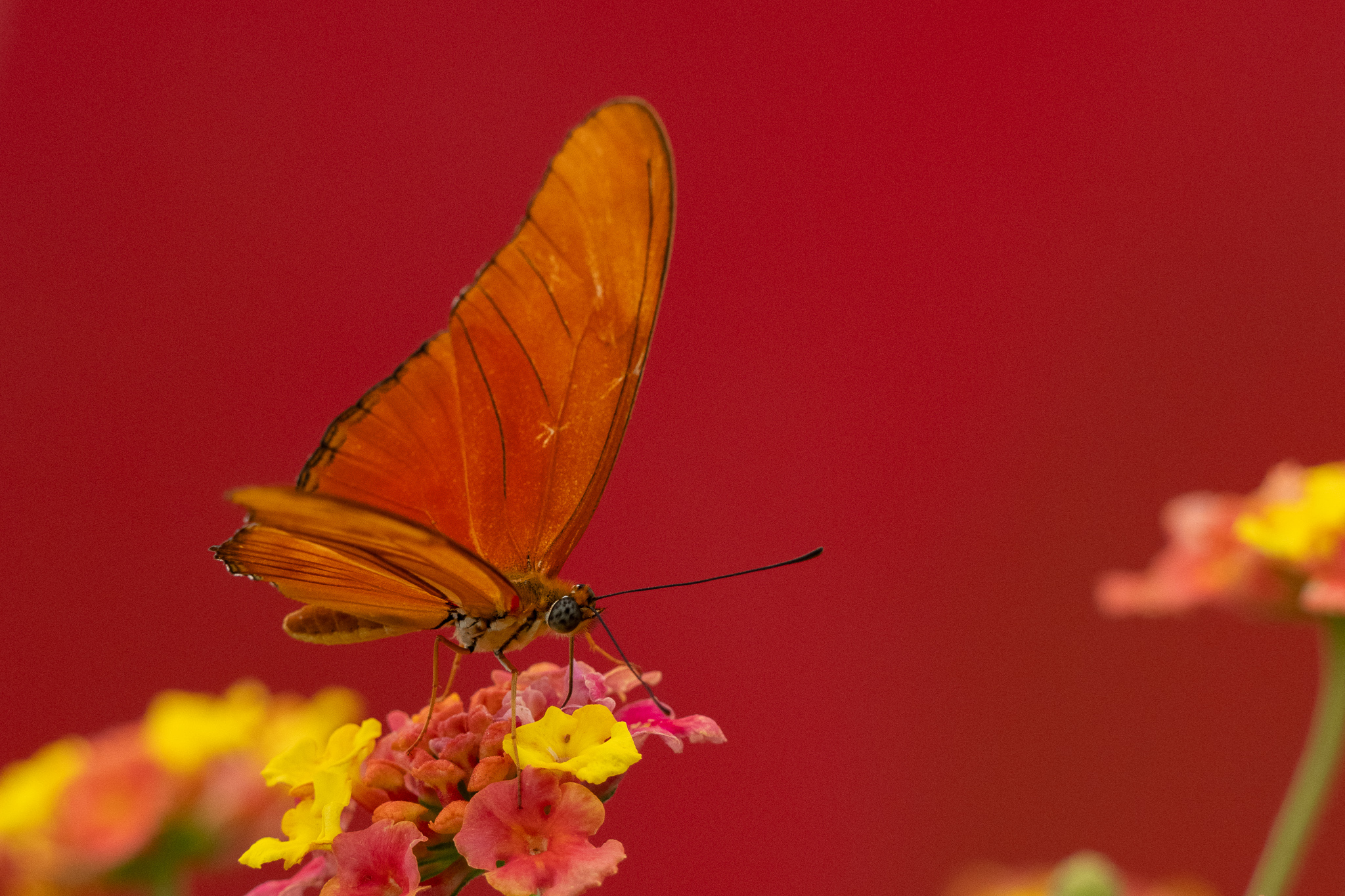
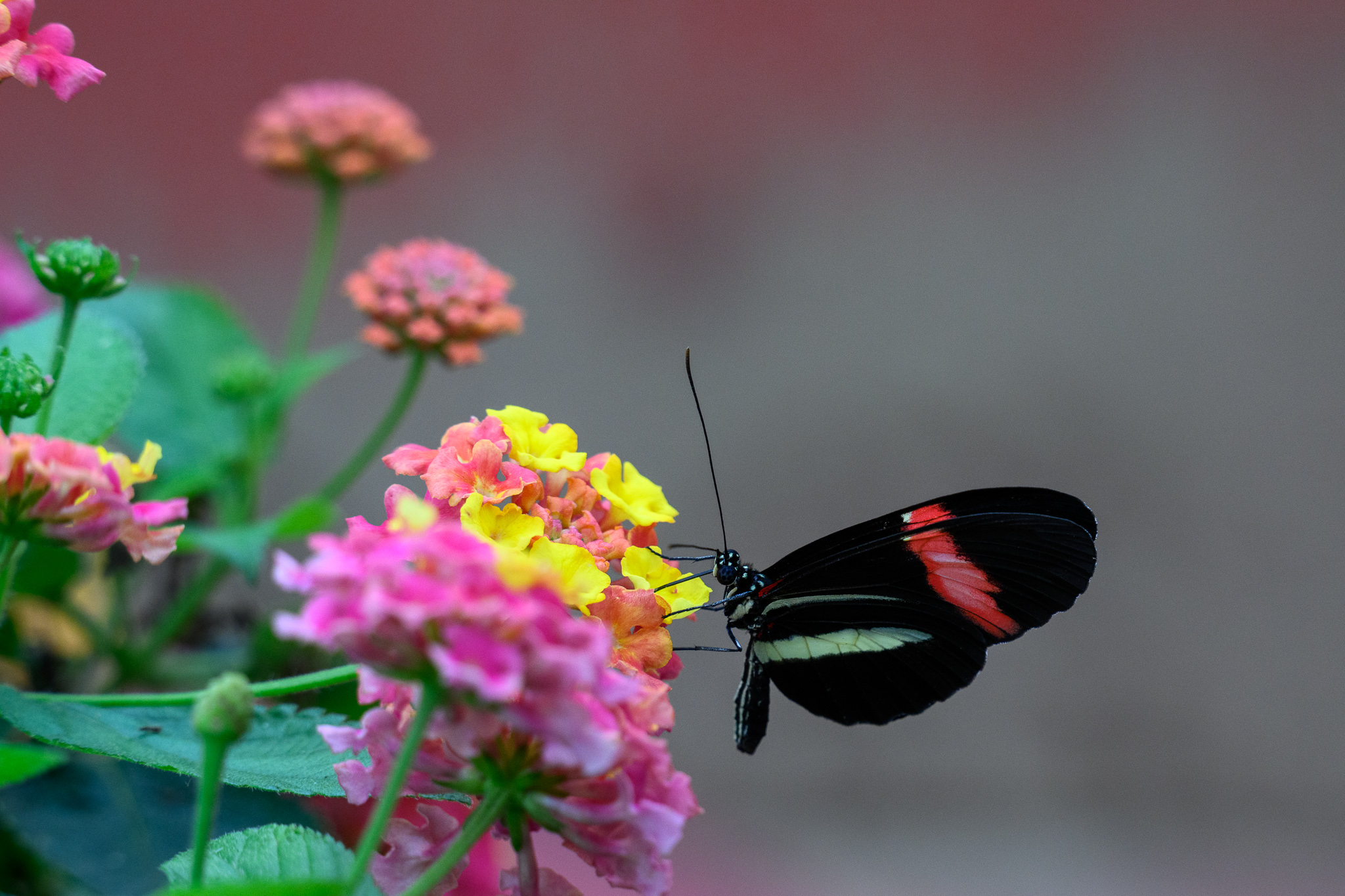
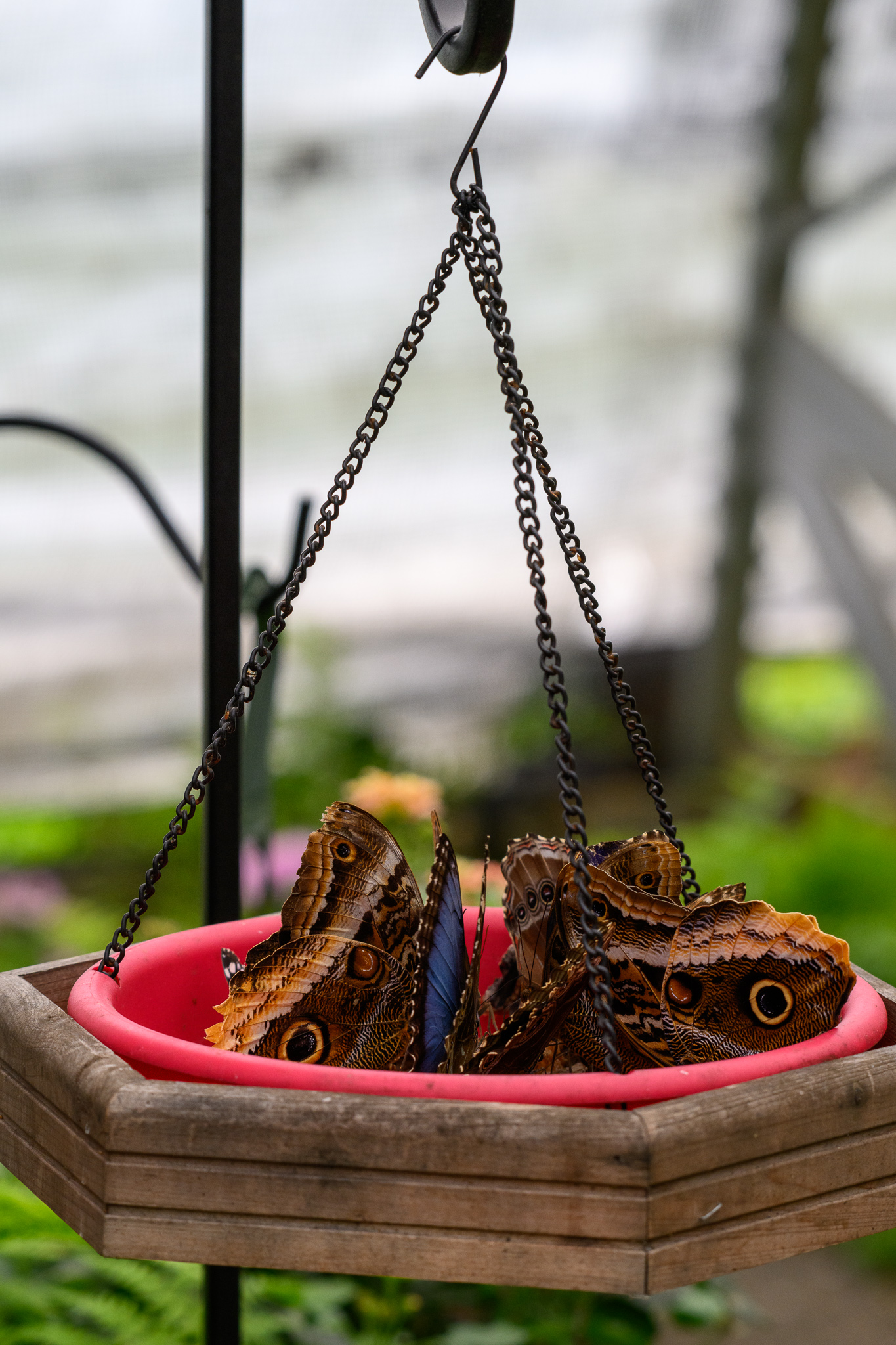

I didn’t end up with many images from the butterfly garden because they moved so fast and most of them looked the same. I spent a lot of time waiting for one of the butterflies in the hanging basket to open its wings and show a flash of blue.
The Edits
From an editing perspective, these images took some work: partially because there were so many of them and partially because I had taken so many through glass and fences. I’ve also been really into retro styling lately, using a set of Kodachrome presets in Lightroom as well as DXO Nik Collection and DXO Film Pack.
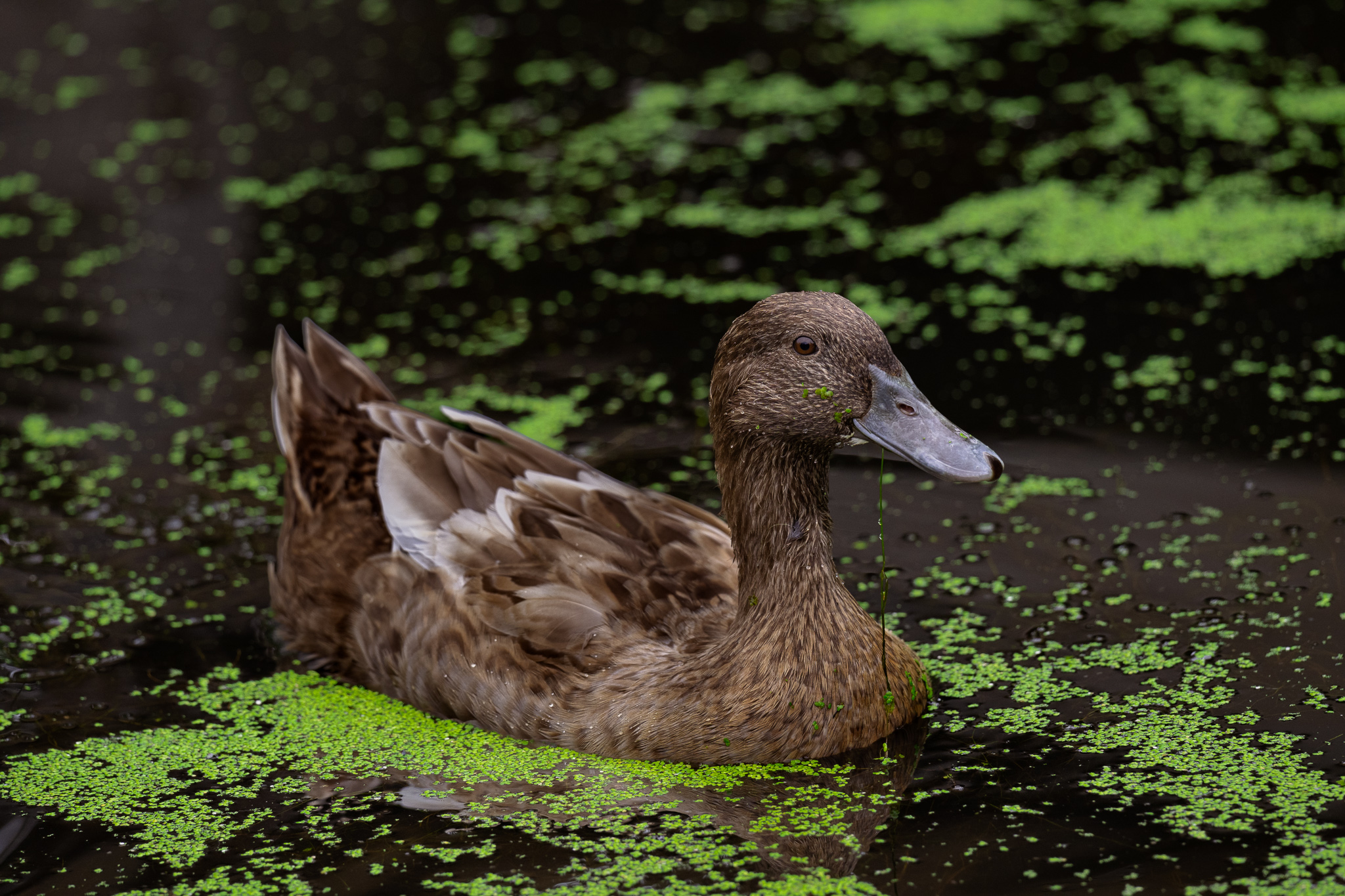
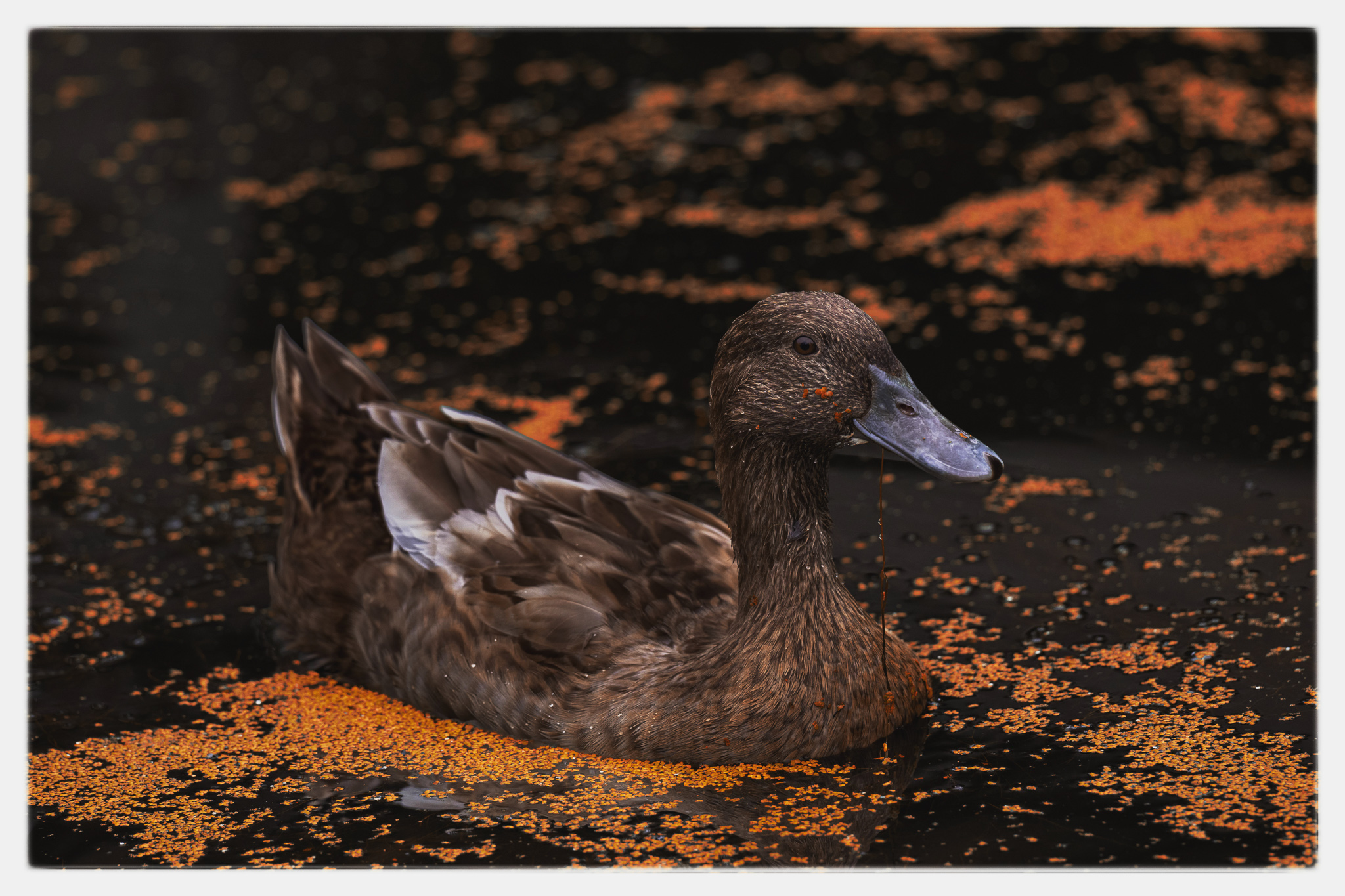
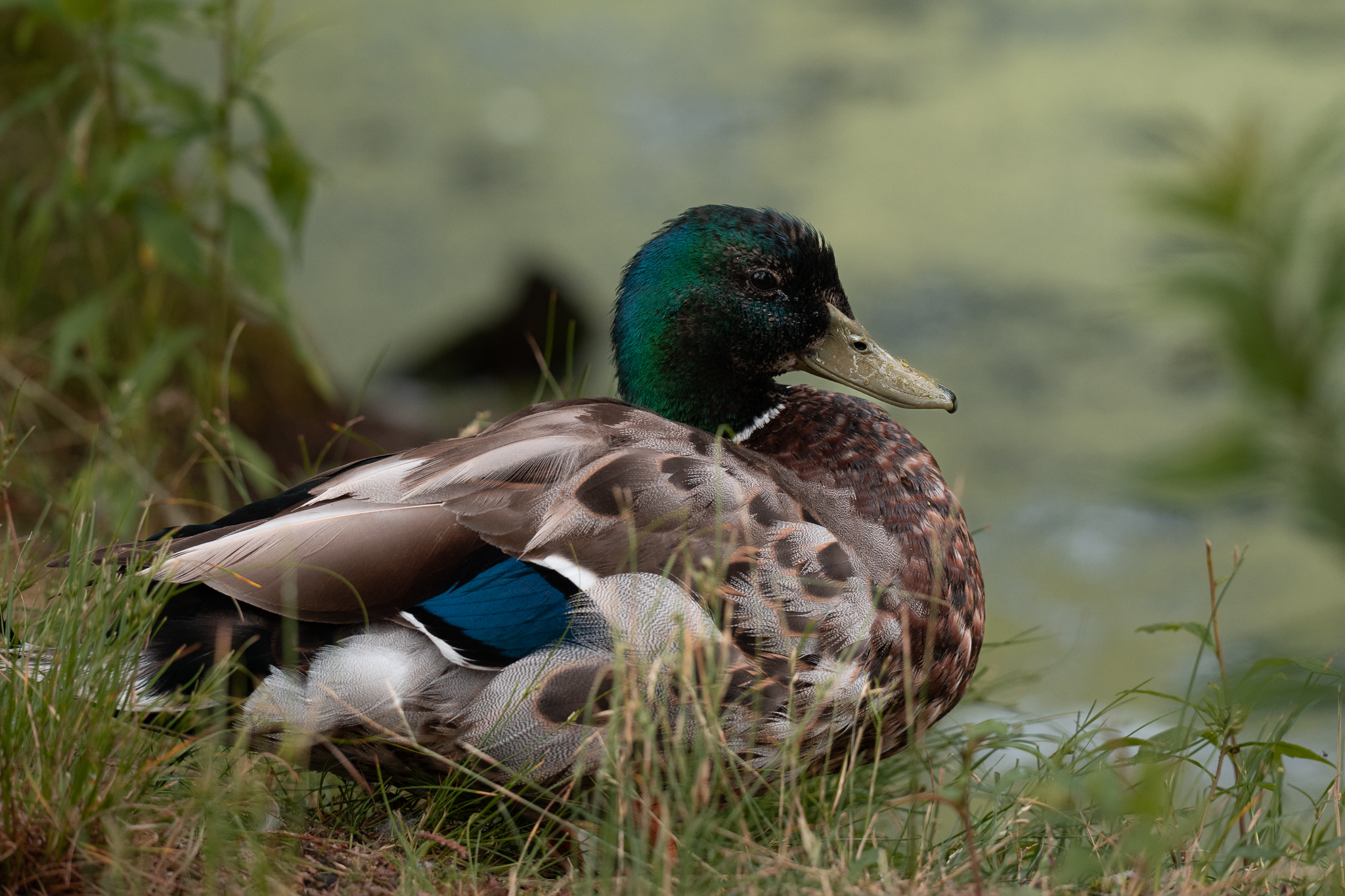
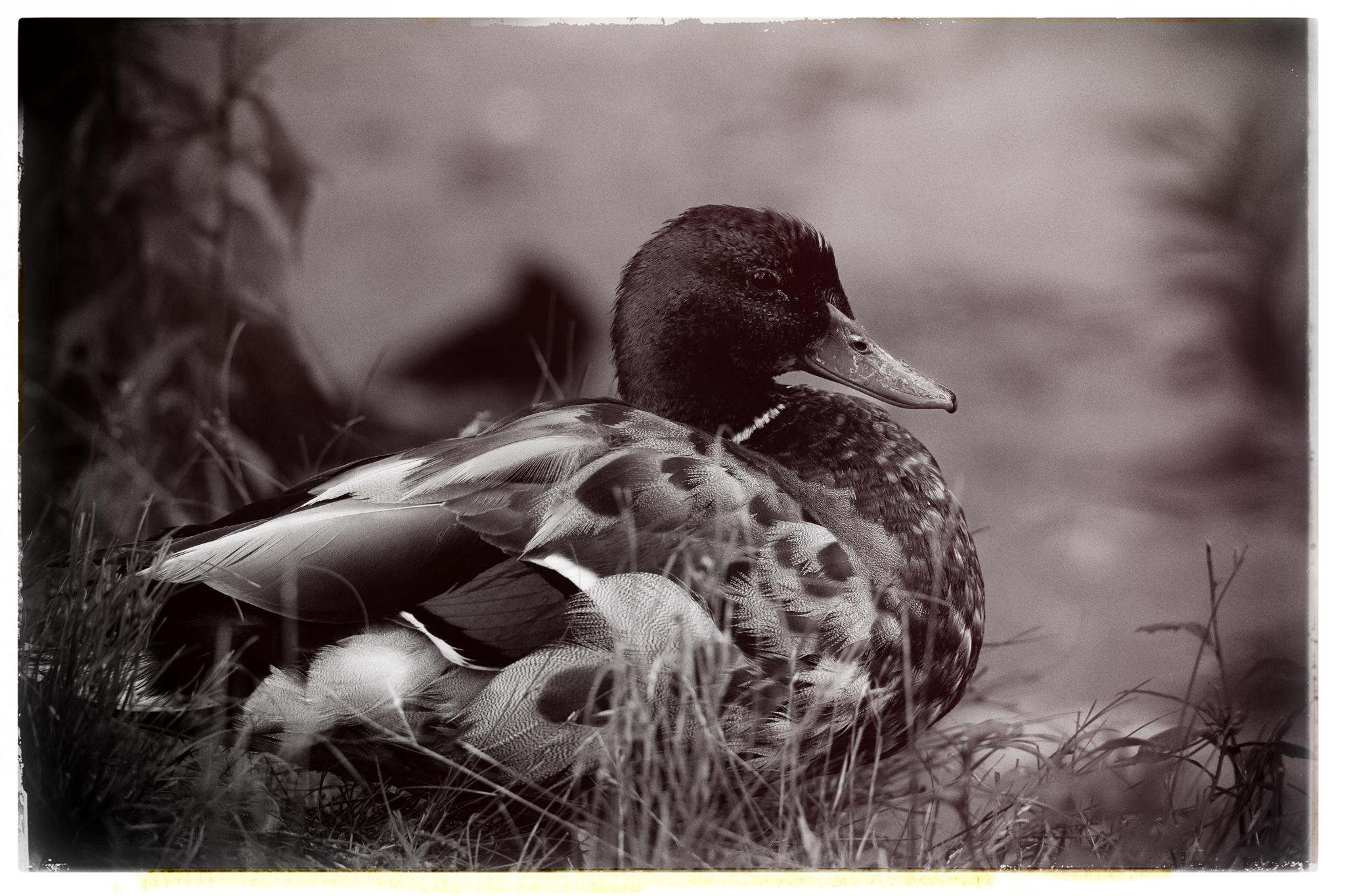
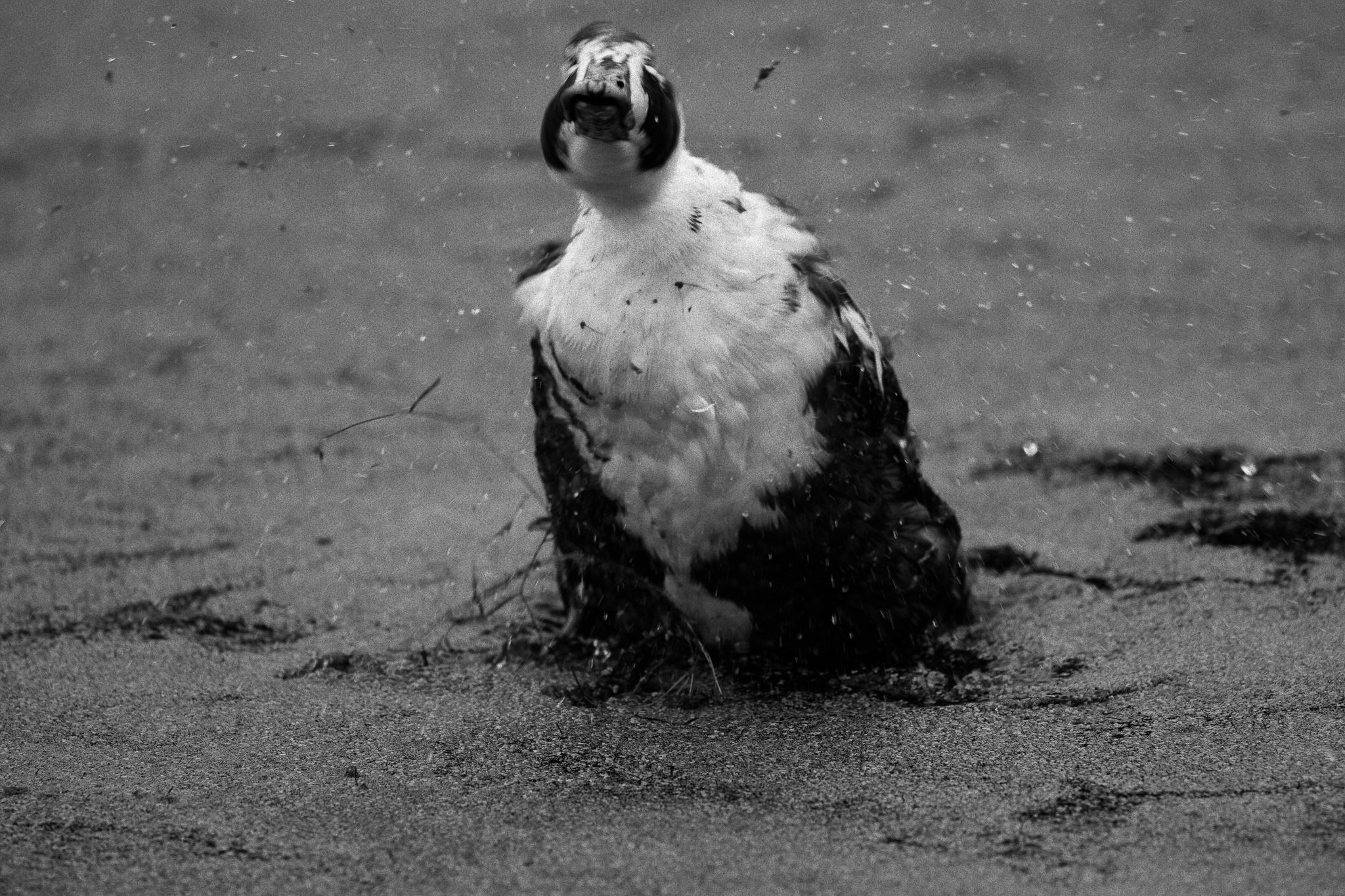
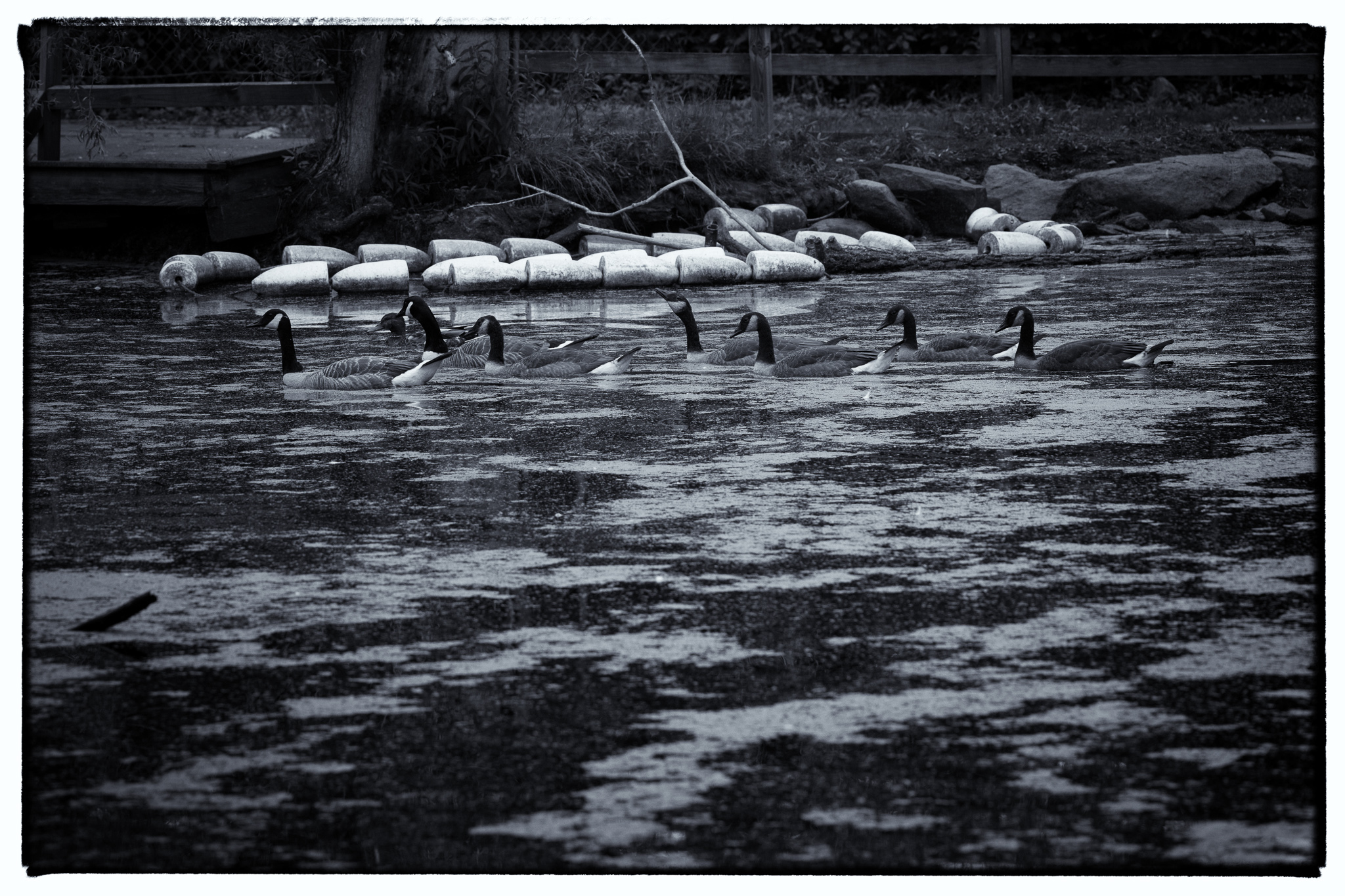
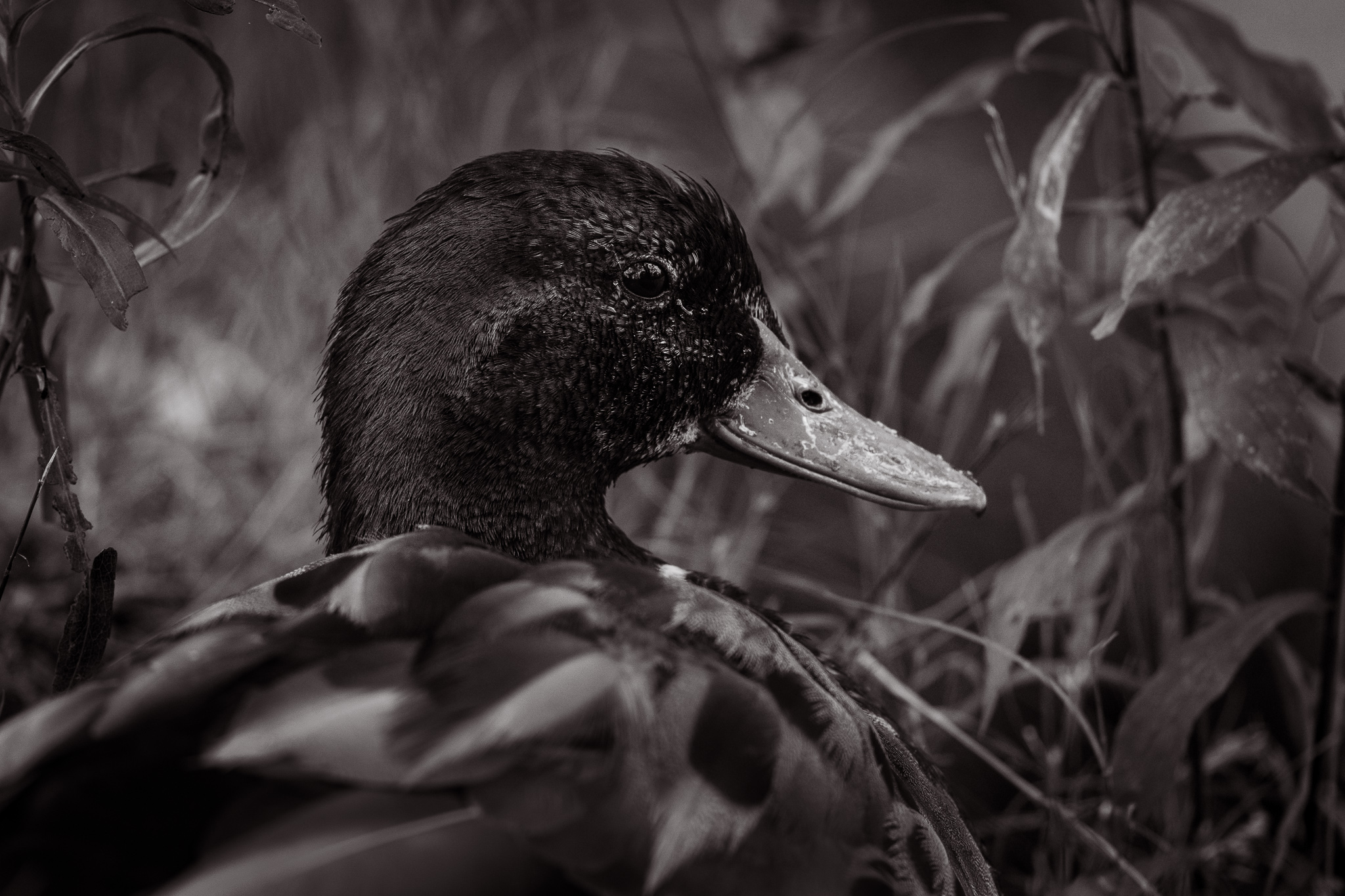
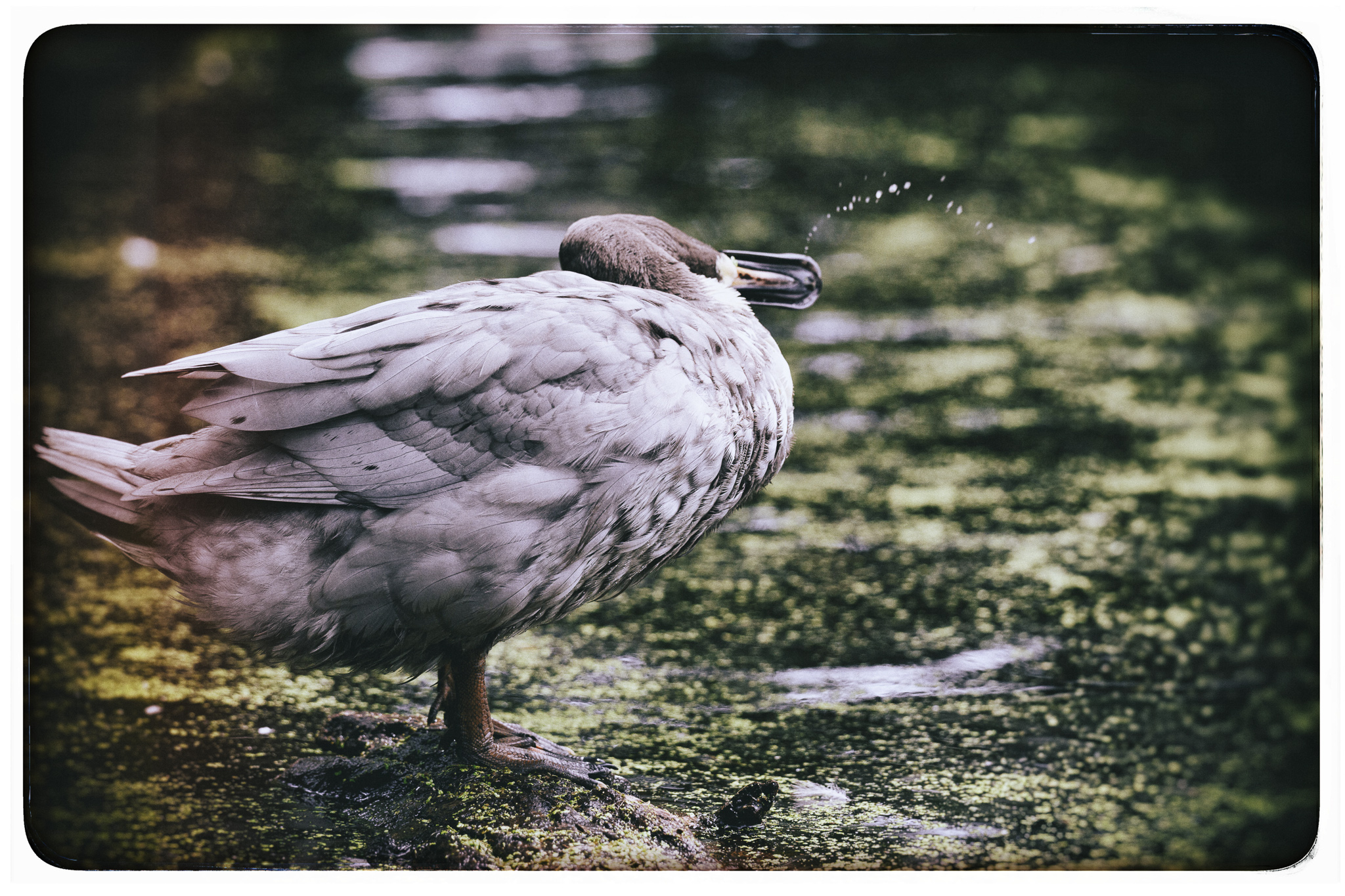
Finally, a selection of images processed in different ways to close things out. The third image of the duck leverages a Lightroom preset with color grading, while the last has been processed in Analog Efex with a color bleed and frame.
The End
Overall I’m very happy with the images I captured at the zoo. It’s taken me a while to process them all, but they’re finally done and ready to share! The next time I do this, I’ll pay more attention the backs of the animals as much as their heads – if you notice most of my images from the back have a crisp head but blurry backs. I can increase depth of field or composite some focus stacks to take care of that in the future.
 Relatively Ambitious
One Reply to “”