
I recently got into Sony MiniDiscs based on a couple of great videos about the format and its hardware by This Does Not Compute. I recall the MiniDisc as a competitor to the iPod during the MP3 era, but never knew much about it. It was always on the periphery as yet another “proprietary Sony format” that I didn’t understand. It turns out that the MP3 era was MiniDisc’s second run. It started much further back and has a cool history.

The Brief History
MiniDisc (MD for short) was launched in 1992 as the successor to cassette tapes. Looking like the offspring of a CD and a floppy disk, MiniDisc offered the best of both the CD and cassette: near CD-quality sound and recordability. It achieved this using magneto-optical technology that used lasers for reading data (like a CD) and magnets for writing it.
Recorders and players were released throughout the early 90’s but failed to catch on in the U.S. due to their high prices, comparatively expensive storage media, and lack of support from music labels. The format was much more popular in Japan where high album prices drove a music rental and personal copying industry for which it was far better suited.
As MP3 players gained popularity, Sony capitalized on their limited and expensive storage capacity by introducing MiniDisc players that could transfer multiple hours of audio over USB. By then, MiniDisc media cost only a few dollars and could store as much or more audio than flash memory many times its cost. The new players were moderately successful until being obliterated by the iPod and other hard drive based audio players a couple years later.
The Hardware
Sony released MiniDisc hardware in many forms – shelf units, stereo units, car units – but the majority were portable. About the size of a Walkman, they came in both recorder and player-only designs. The recorders were robust with digital, analog, and microphone input as well as headphone and line output. Some allowed manual adjustment of input levels while others could automatically split a recording into tracks when silence was encountered.
Playing an MD was very similar to playing a CD: pop it in, navigate to the track you want, skip or fast forward as necessary, and enjoy sound that was close to CD quality and far better than tape. An added bonus: take the player jogging and enjoy skip-free music thanks to MiniDisc’s built-in memory buffer1.
Recording to an MD was similar to recording to a cassette: just pop in the disc and press Record. But it was infinitely better at the same time. Due to its optical nature, recording could continue where it left off without fast forwarding and disc could be erased with a button push. The sound quality was far better, allowing it to capture near-perfect audio from digital devices and re-record almost infinitely on the same disc without any quality loss. Some devices could even record from CD at faster-than real time speeds.
The MiniDisc format was flexible. It allowed recordings to be broken into multiple tracks by pressing a button on the recorder during recording or even after. Albums and tracks could be titled and those titles were visible while the disc was playing. Tracks could be reordered or even deleted after recording without rewriting the entire disc.
This was all available in 1992, at least 5 years before rewritable CDs were commercialized and before write-once CD burning became economical.
When the MP3 era arrived, Sony added a USB port to its recorders and branded them as NetMD. Sony software would convert MP3s to ATRAC format and load them onto discs that could hold up to 80, 160, or 320 minutes of audio depending on the selected audio quality. Track information would automatically transfer, saving time naming tracks manually on a recorder. Many recorders were USB only, but a few also included analog and digital input for real-time recording as well.
My Hardware
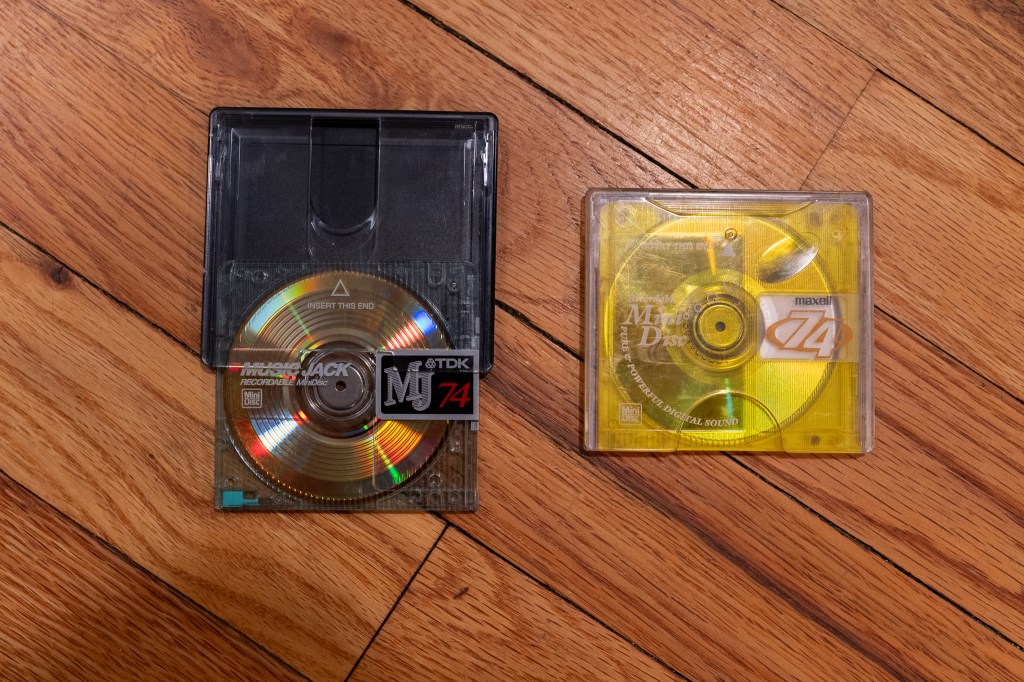
An aside about MiniDisc themselves: they are very decorative, coming in a variety of transparent colored plastics and unique designs. They are completely collectible on their own, which I’ll cover in another post.
I own a variety of MD recorders and players and one NetMD device. Many of my devices were purchased from Japan and have Japanese labeling on them. I own several duplicates due to the age of the hardware as they often have quirks and don’t function completely.
MZ-R3
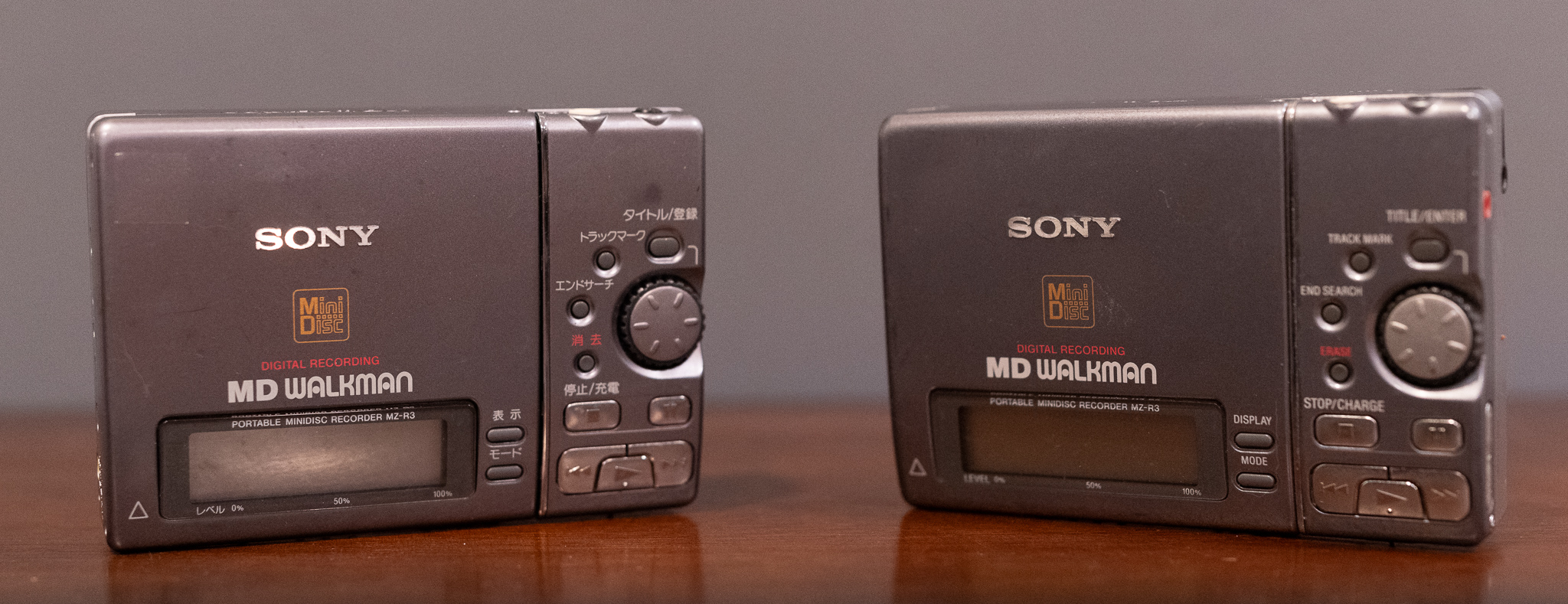
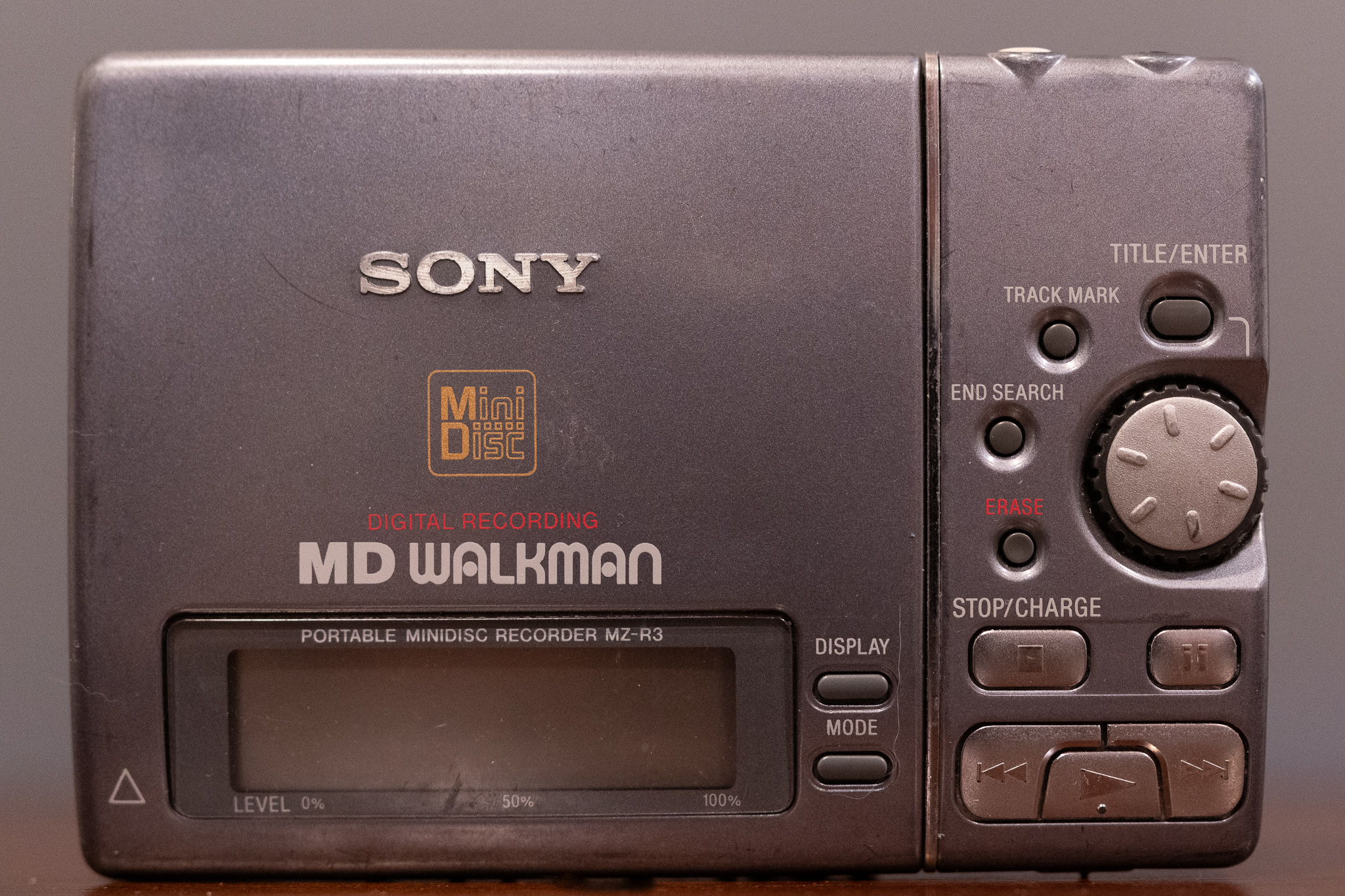
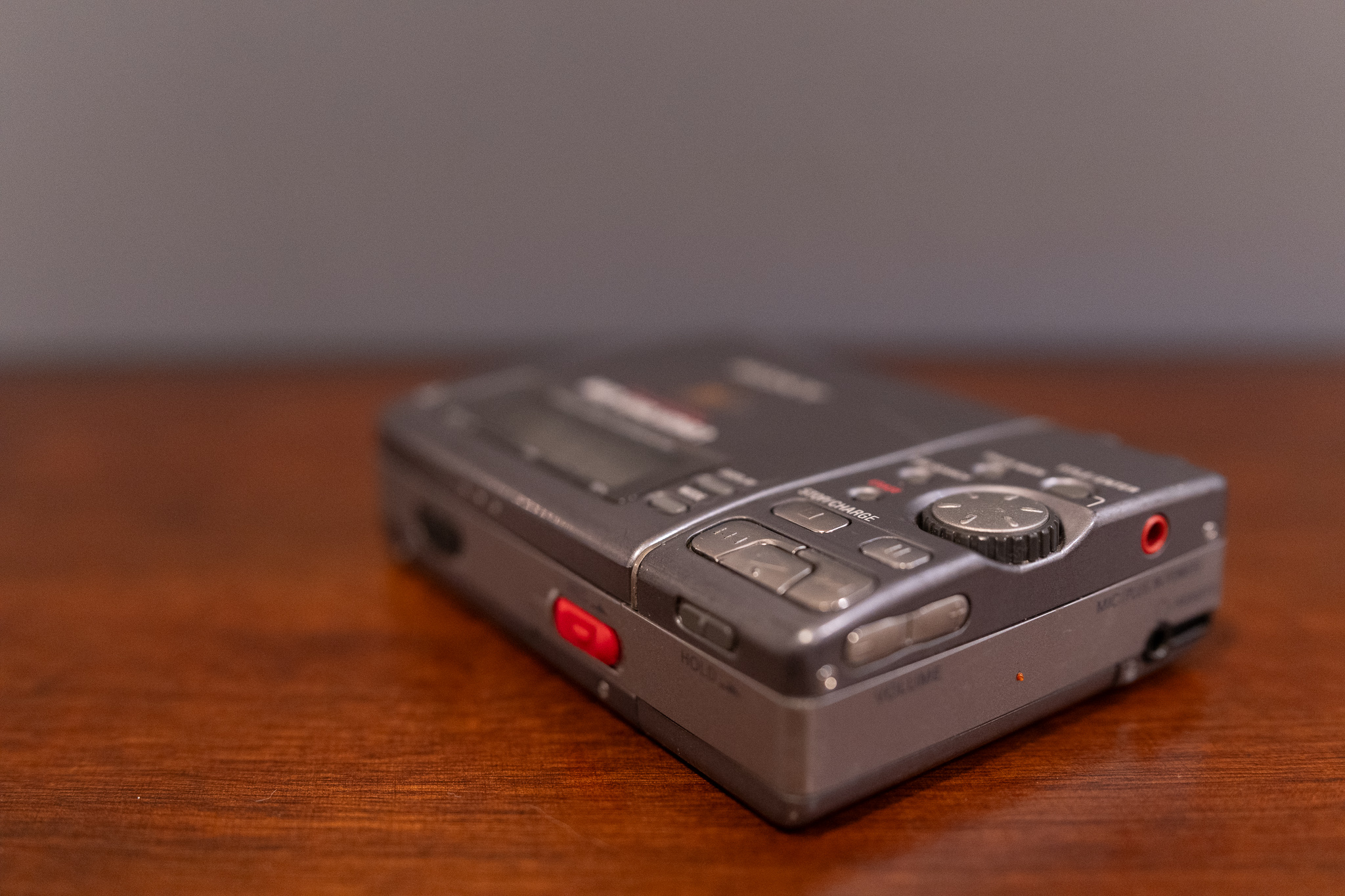
I own two of these. This was my first MiniDisc device, a recorder purchased directly from Japan. It’s from 1995 and was part of Sony’s third generation. It has an all-metal body, full recording and track titling controls, a remote, and runs on two AA batteries. It even has Japanese labeling on the buttons! I also own an American model R3 because my Japanese one is finicky and shuts off if it gets bumped. Turns out the American one is only a tad more stable. I really like the look, design, and hefty feel of the R3 and wish that mine were a bit more functional. I successfully recorded from the Japanese model twice but now it refuses to stay on. I’ve had better luck with the American model, but it has an issue with the headphone jack that distorts audio playback.
MZ-E40

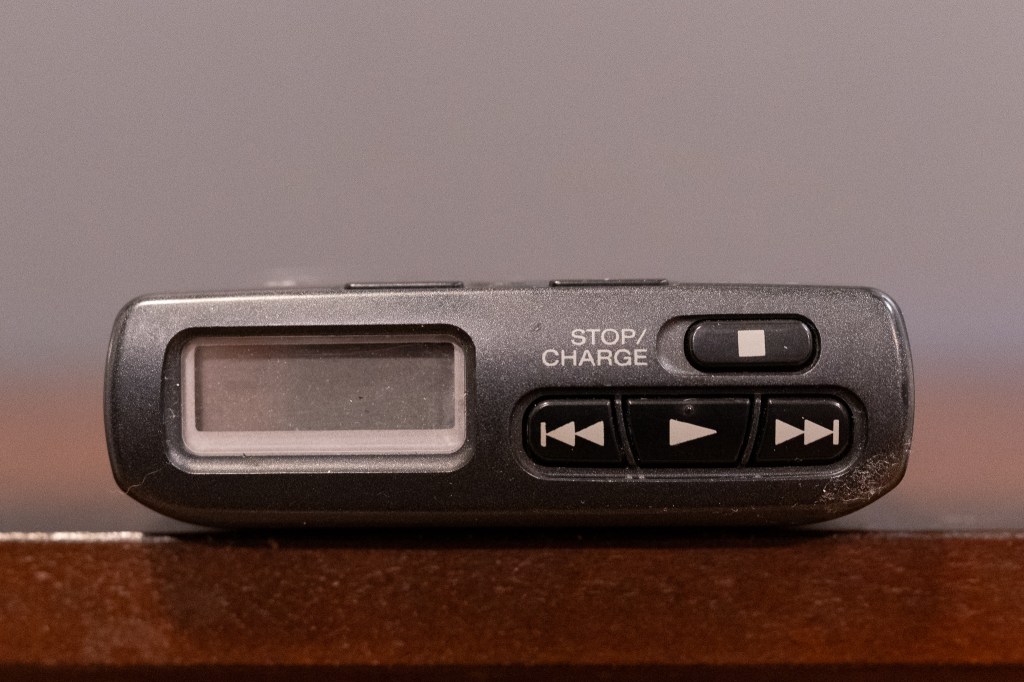
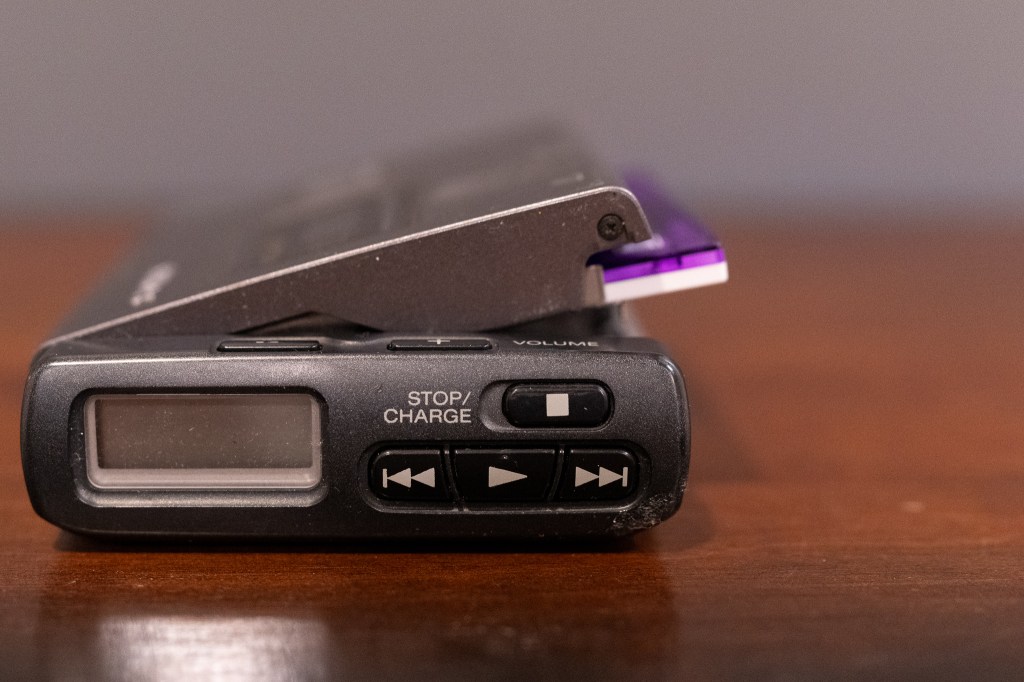
This is a player-only model from 1997. It’s simpler than the R3 since it doesn’t record but is in good condition. It has more plastic, but it’s gray like the R3 and works like a charm. It plays back MiniDiscs and can be moved around without dying. It also runs on AA batteries which makes it very easy to power. I like that the screen and controls are on the side so they face you when it’s in your pocket. I’ve brought this to work and walked my floor with it in my pocket connected to my classic white Ear Pods.
MZ-NE410
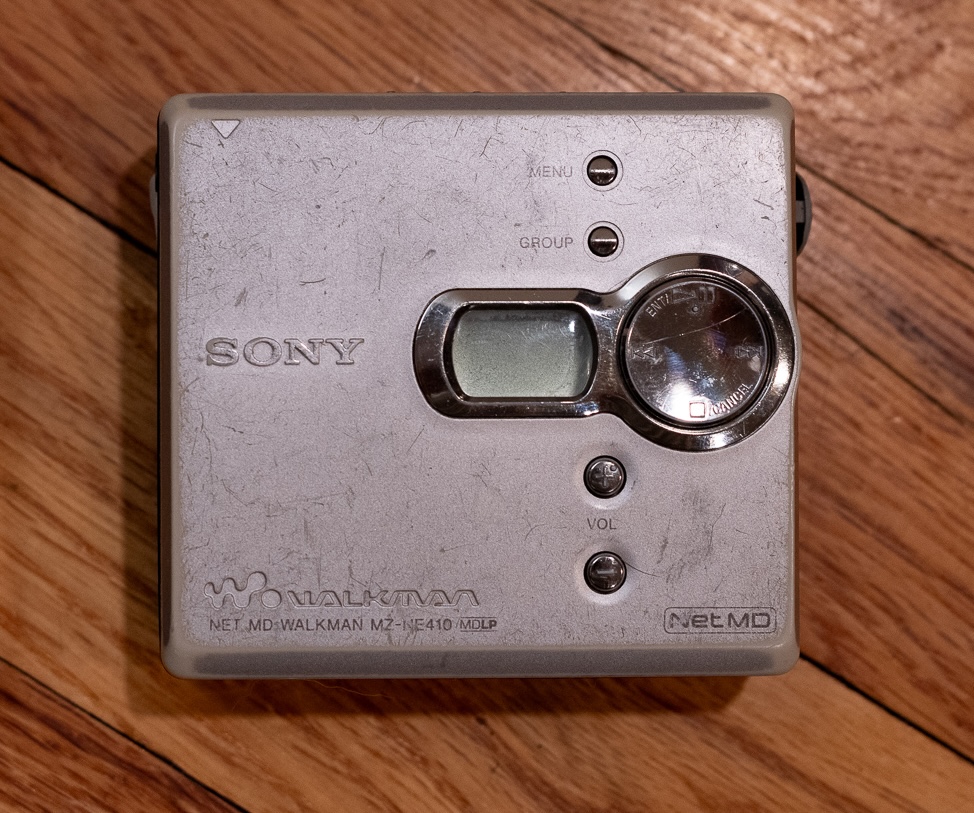
The NE410 is a budget NetMD player from 2003. It doesn’t have audio input to record in real time, but it has a USB port to transfer music from a computer. Mine is all scratched but works well and has successfully written several albums of AAC files through Web MiniDisc Pro on my Mac. Its use of AA batteries makes it easy to deal with too. It loses its USB connection occasionally, but otherwise it’s solid and can be carried around without skipping. It’s kind of crazy that I can write audio to a 20 year old device on a 2024 MacBook Pro through USB-C.
MZ-R55
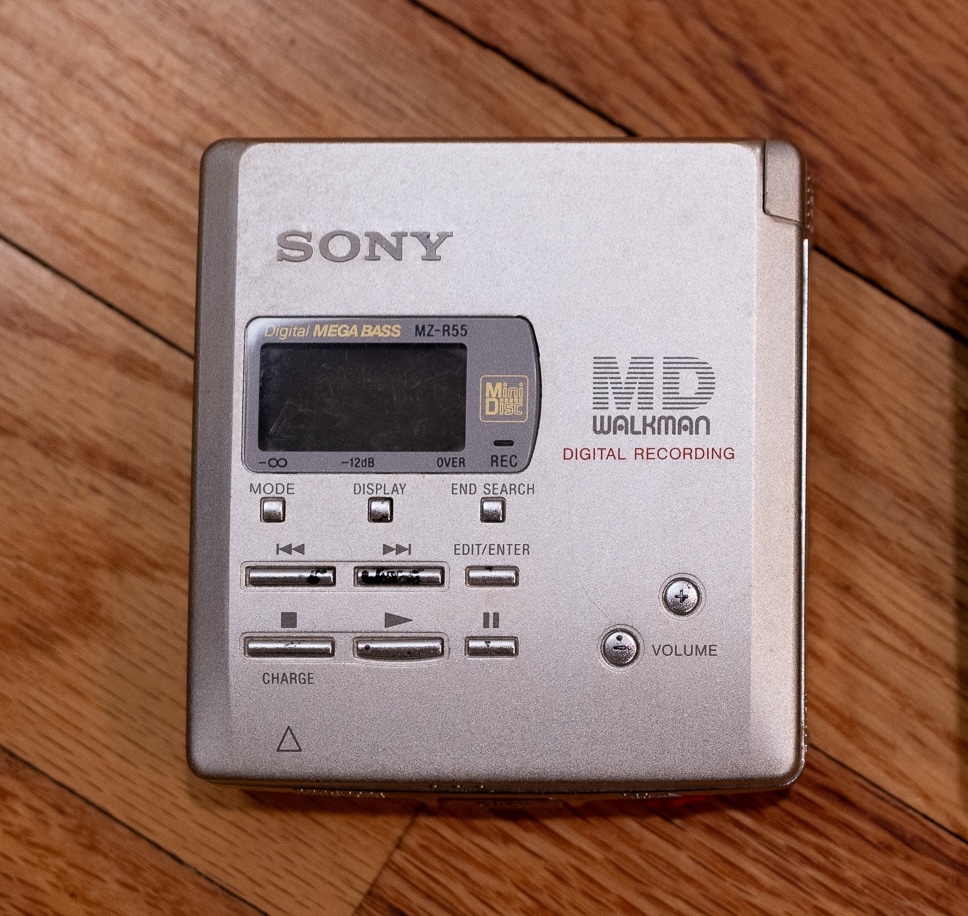
I bought this from Japan, but the labels are all in English. These were released in 1998 and came in different colors but mine is a more boring silver. I was hoping to get a compact and reliable recorder, and according to the listing I should have, but it makes a horrible grinding sound when trying to play an MD. I’m hoping it just needs some grease on the laser track, but I’ll have to disassemble it to find out.
MZ-R30
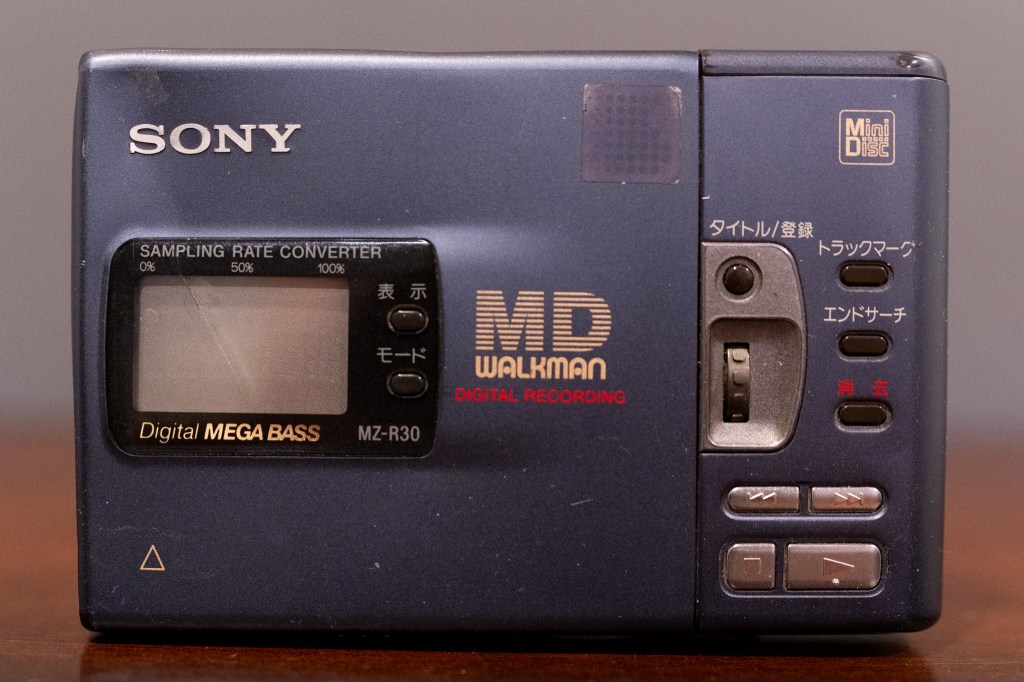
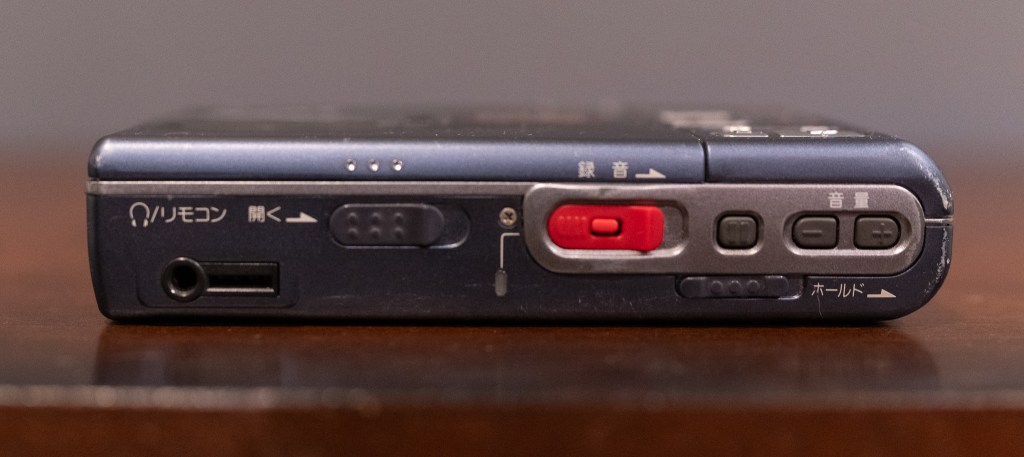
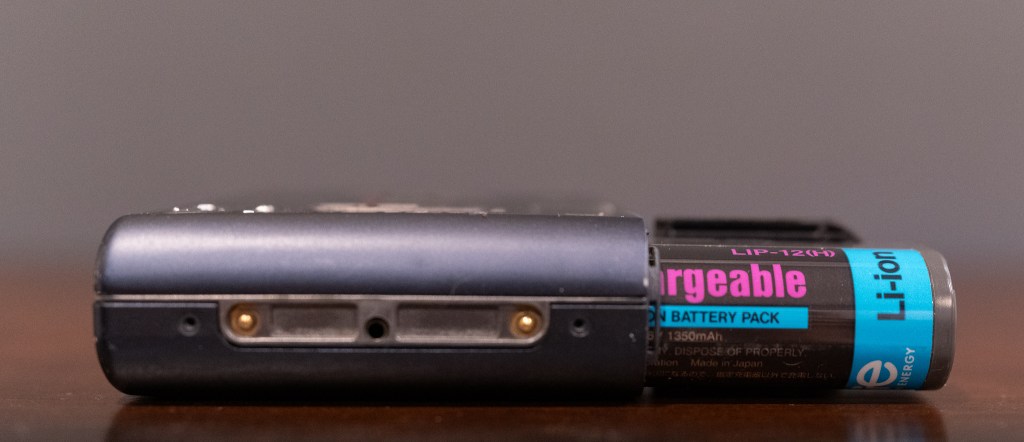
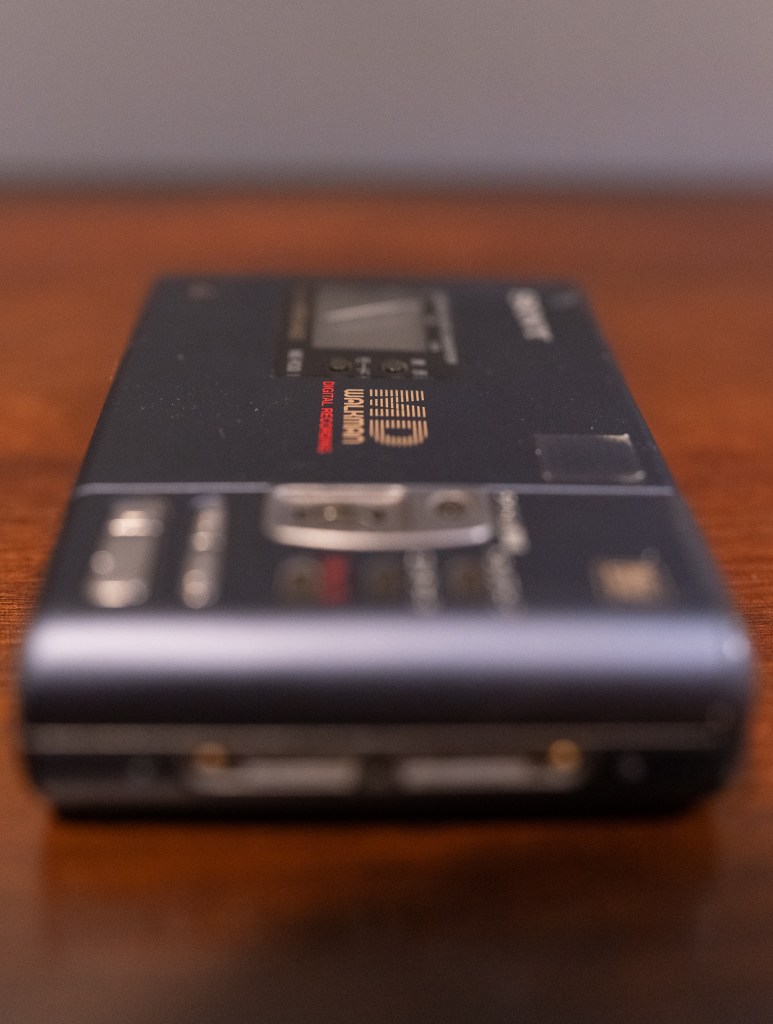
Released in 1996, the R30 is the successor to the R3. It has a similar layout with a screen on top of the MiniDisc door and controls on the right, but replaces the scroll knob with a scroll wheel. I own two of these: a silver model and a blue one. Both are from Japan, with Japanese labeling. The silver one functions correctly but has an issue that makes the LCD screen visible only from an angle. It includes a charger and a battery that’s beyond its life. The blue one was a “junk” listing that I picked up for $13, hoping that it worked. It has a great LCD screen but is finicky with MDs, attempting to eat one and then unreliably playing another. It includes a rebuilt battery that holds a charge but is stuck in the battery compartment. I’m going to continue working with them and may eventually use their parts to make one fully functioning recorder.
Strength in Numbers
Between my seven MD devices, I can record in real-time, transfer MP3s, and listen to skip-free audio. I don’t have one device that can do it all yet, but maybe I can fix some of my issues and narrow it down to one or two reliable devices. There’s also always opportunity in those NetMD devices with audio in 🙂
- Because MiniDisc required a buffer, MD players had skip protection years before CD players did. ↩︎
 Relatively Ambitious