
The Canon EOS 30D I bought from eBay for $60 was a great deal not only for the camera, but because it included two lenses. They weren’t the fanciest lenses in the world, but not owning any Canon equipment, I needed them to use the camera. I knew that they weren’t in the best condition, but I was more surprised than I expected.
Hazy 35-80
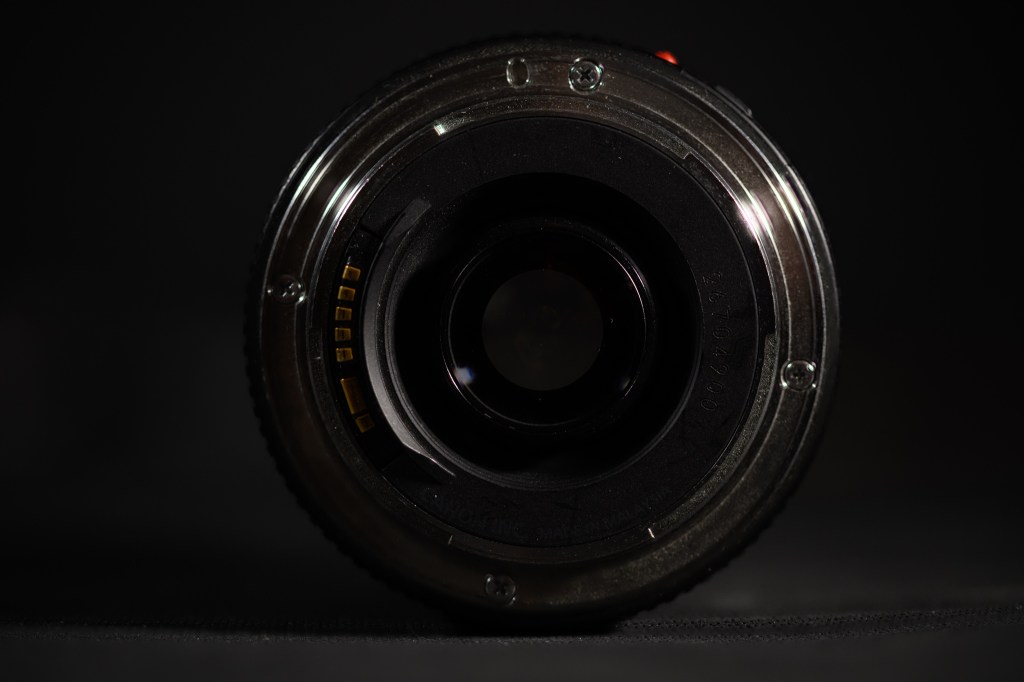
Spec-wise, the lenses aren’t great – they’re pre-digital, non-stabilized, variable aperture consumer zooms – but they work. The smaller lens is a 35-80mm, which is a standard focal range for the film-era (it was released in 1995), equivalent to 48 – 128mm on the 30D and other crop-sensor cameras. It’s light and cheap – all plastic (including the lens mount) with a loosey-goosey zoom ring and barely there focus ring. It has the most basic micro motor autofocus, which is loud and slow, similar to a screw drive AF-D lens from Nikon but louder.


It’s in terrible condition, with no lens caps and scratches on the front element. I take care of my own lenses pretty well, so I’m not used to dings in the glass or moisture and fungus inside. But this isn’t one of my lenses. It has such significant moisture on the interior lens elements that images taken in any bright light look like hazy senior portraits from the nineties. They’re completely robbed of contrast with an ethereal misty quality. If you think some of the photos look like that because of the weather, I assure you they don’t – the images from the 75-300 in the next section were taken at the same place on the same day and are far clearer.
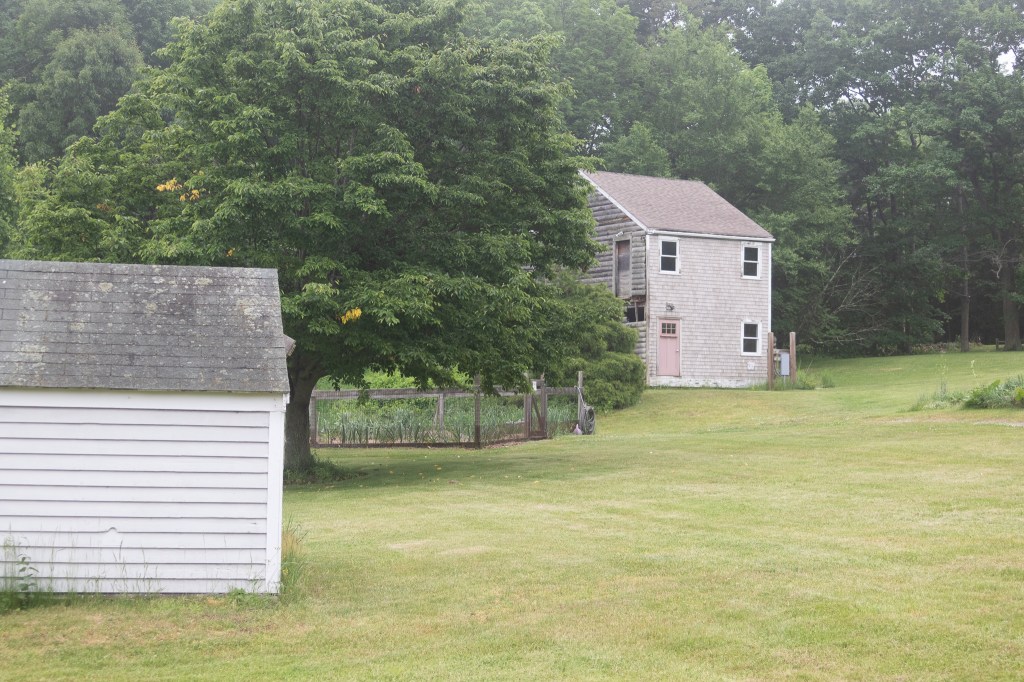

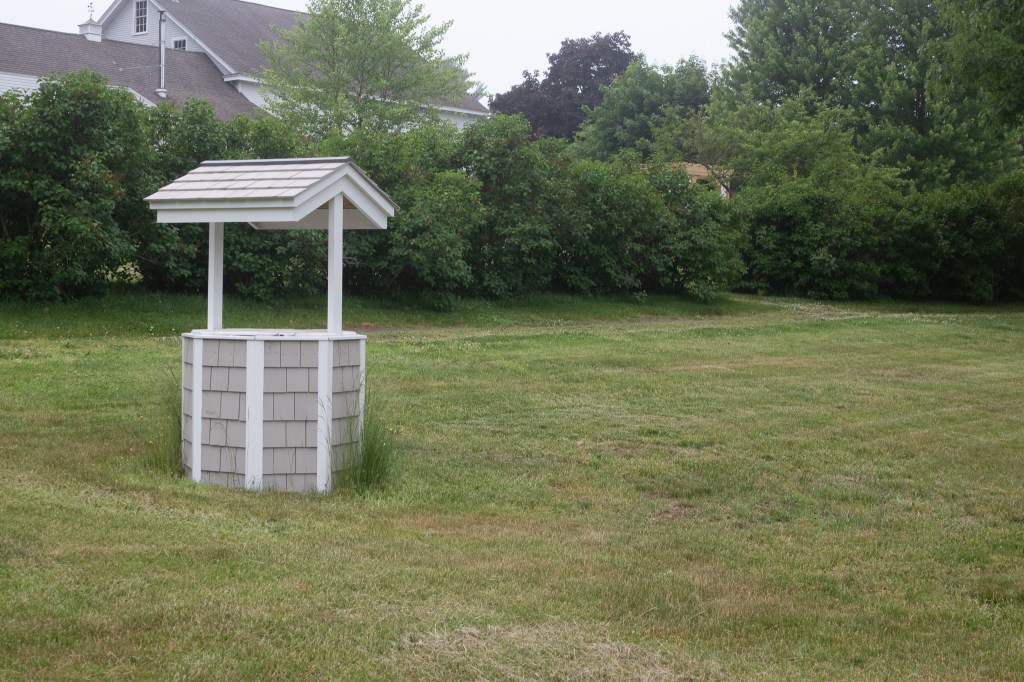


That said, images taken in less bright lighting are more normal looking and this lens is actually pretty sharp even on a 20 MP body. They still show some haze and robs some sharpness and contrast at times (see cat in window). This can be addressed partially by increasing contrast and playing with the texture slider in Lightroom, but I wouldn’t recommend this kind of equipment for daily use. Unless you’re going for an airy, artsy, offbeat look, this lens is useless (at least outdoors). Focus and zoom are fine, it’s just the optics that are terrible.




Unsteady 75-300
The second lens is better: a 75-300mm (120-480mm equivalent) with an ultrasonic motor. Ultrasonic motors are faster and quieter than the micromotor in the 35-80mm, and in good light, that seems to be the case. I’m actually very surprised at how fast and quiet it is for a cheap lens. It’s similar to my much more expensive Nikon AF-S lenses.
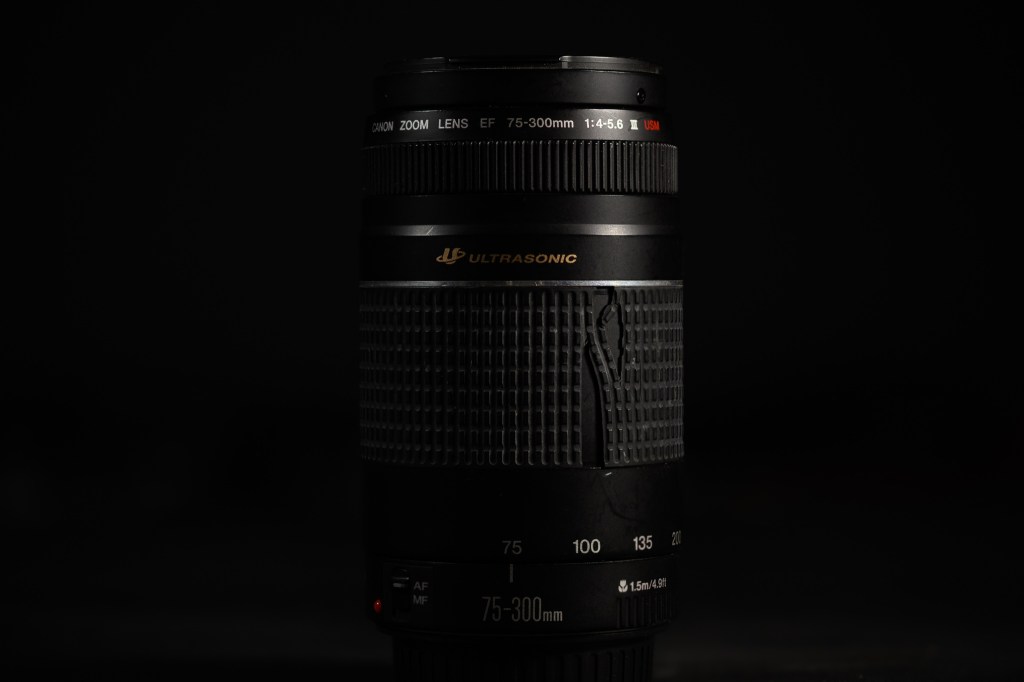
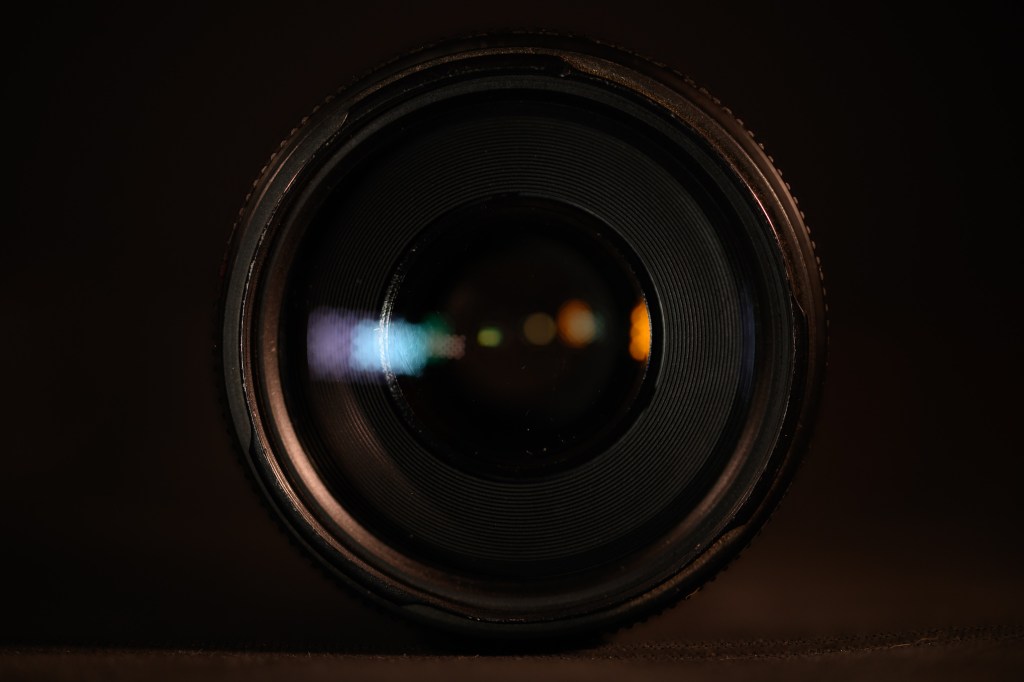






I haven’t used a telephoto lens without image stabilization in almost a decade, and I’ve never used one at 480mm equivalent, so I forgot how shaky they are when zoomed all the way in. It’s very difficult to frame an image when it’s moving around and I had to use high shutter speeds of 1/500 or 1/1000 to have any chance of getting a sharp image. I now appreciate how spoiled I’ve been by optical and sensor-based image stabilization.


Sharpness is definitely not good, even with a high shutter speed and short focal length. Despite my best efforts I could never get those flowers to show a high level of detail at 100%. This lens creates an interesting comparison with my Nikon 70-300 AF-P VR lens, which includes image stabilization and is far, far, sharper. It’s also far newer, being released in 2017. It’s targeted at the same budget audience, but the 18 years between them has a lot to do with it – I’d bet that Canon’s 2017 version of this lens is much closer to the Nikon quality. It’s still an interesting reflection on how far optics have come in 20 years.
Learning the Limits
I treat my lenses really well, always ensuring they are capped, keeping a hood on so they don’t get scraped, and handling them gently even if they are designed to take a beating. Lately I’ve purchased some lenses I intend to use as daily drivers that have scratches or dings in their front elements. It rarely affects image quality and delivers a significant discount. But these lenses are another story – an example of how bad things can get without care.
It’s surprising, especially for the 35-80mm, that reasonable images are even possible. It certainly ruins images in bright light, but assuming the lens was sharp to begin with, you could get away with using it in a studio if you had to. I would never buy a lens with known issues like the 35-80mm to use on a daily basis, but it makes me less concerned about a defect here or there. I’m not going to start treating my lenses like trash because “they can take it”, but I’ve certainly learned they are less fragile than I thought they were.
It’s also quite liberating to use equipment that’s already in such bad condition (and so cheap) because I don’t care about banging it around a bit. I have no issues beating the daylights out of this stuff and I can probably get some “creative” images out of them. For instance, I’m never going to buy a front or rear lens cap for the 35-80mm and don’t care if the front element gets even more scratched. I’d never treat my own lenses like this, but these are already the way they are, so who cares? It certainly makes me appreciate the good lenses I have and the capabilities they provide.
Despite their condition, I’m keeping these around simply because I don’t own very many Canon lenses to put on my small but growing collection of bodies. Maybe someday I’ll toss them, take them apart to see how they work, or both.
 Relatively Ambitious