
I went on vacation recently to Discovery Cove in Orlando Florida. It’s a really cool, all-inclusive park where guests can swim with dolphins, snorkel with fish, play in the water, navigate the lazy river, or just lay on the beach and relax. In addition to dolphins and fish it has a full aviary as well as flamingos, otters, and marmosets. With all of these animals I decided to bring a camera in case there were any good photo opportunities.
Typically I’d pack my Z8 and 180-600mm lens to photograph wildlife, but this was a family trip. I didn’t want to lug a huge camera backpack around, I didn’t want to bring a giant lens to what is intended to be a relaxing day, and I didn’t want to worry about keeping track of my equipment. Heck, I didn’t even know if there would be any images worth capturing. Instead of all that equipment, I packed my Sony a6100, a small mirrorless camera with an equally small set of lenses. The quality, ergonomics, and shooting experience aren’t as good as my Z8, but with some technique and post-processing I can still capture great images just as I did in 2024 on our family cruise to the Caribbean. That trip set my expectations and I did not anticipate anything different for this one. How wrong I was.
Flamingos

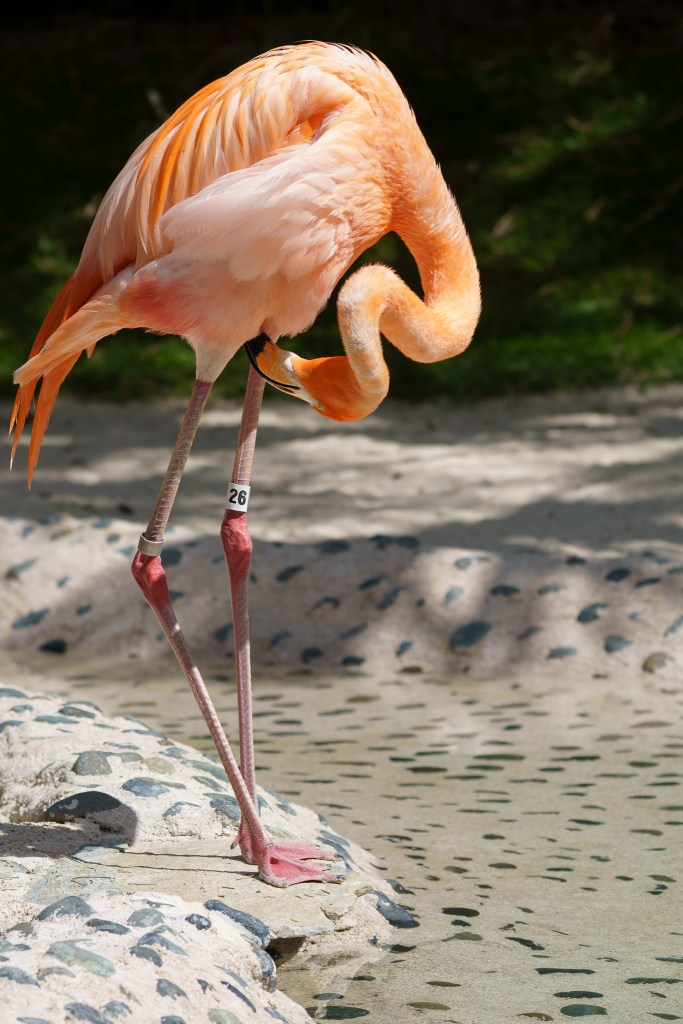
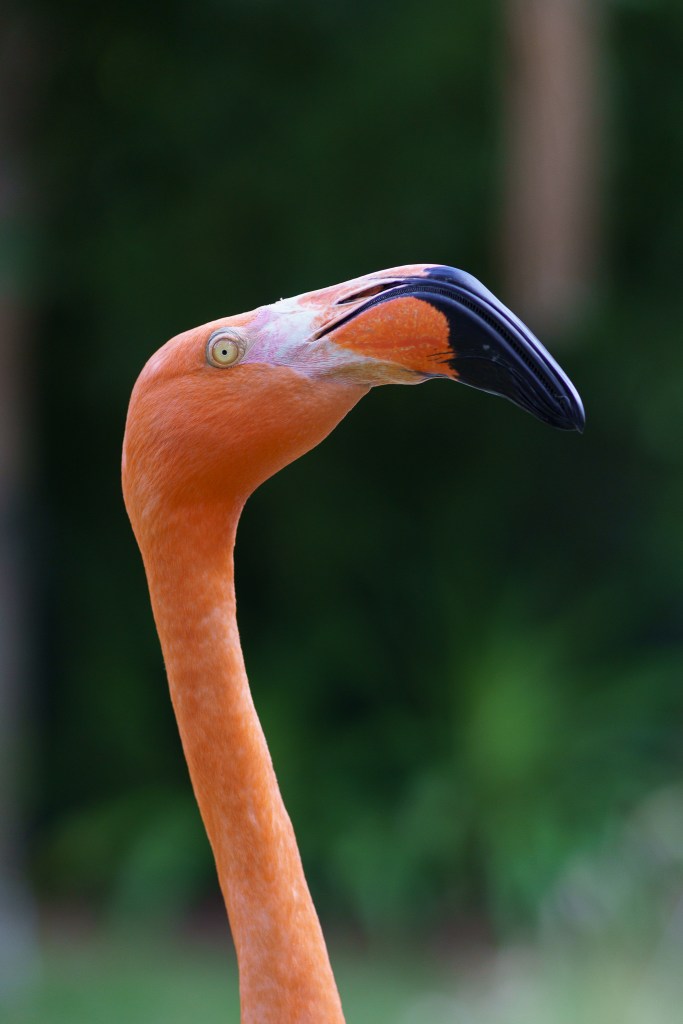
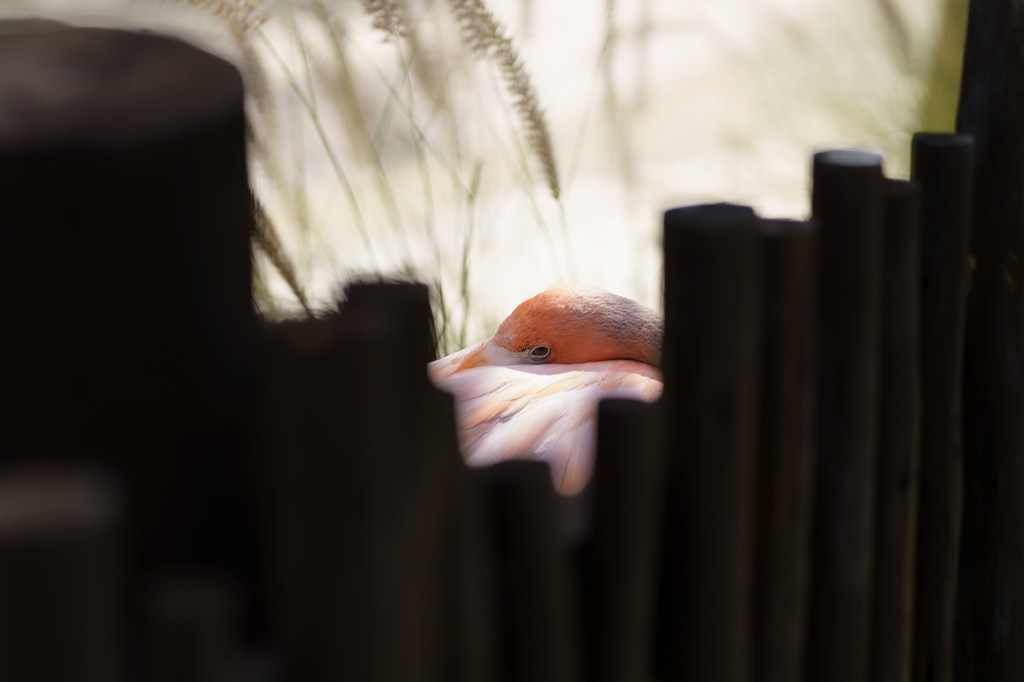
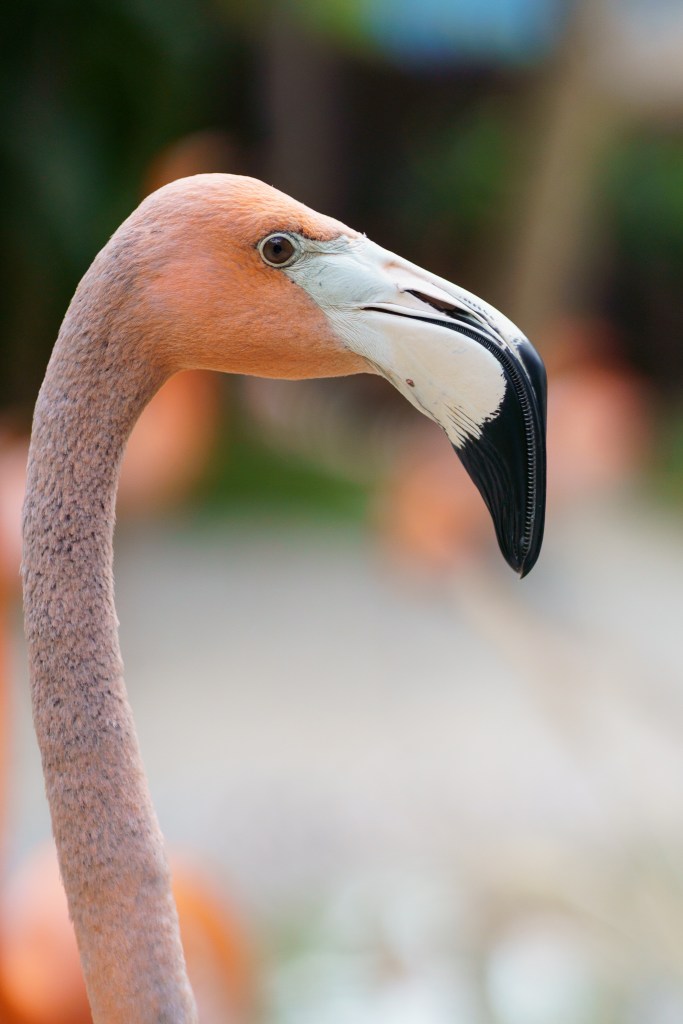
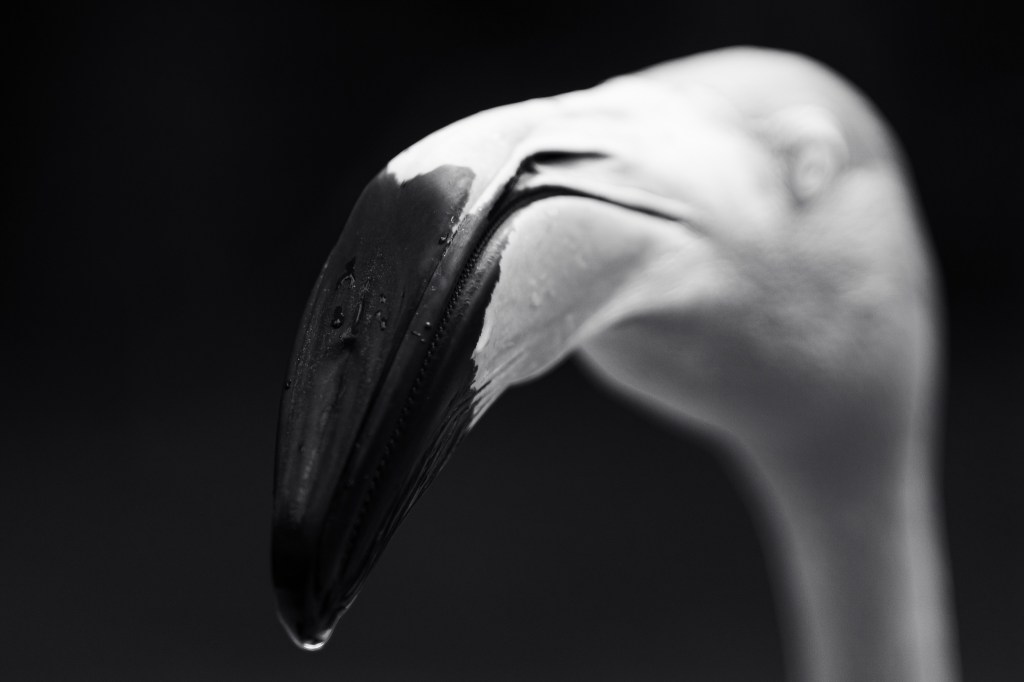
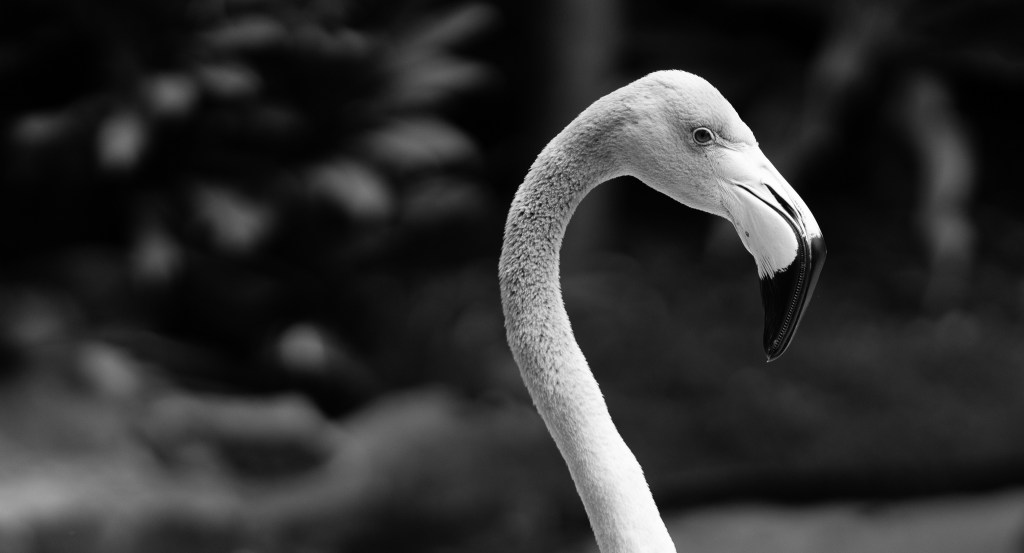
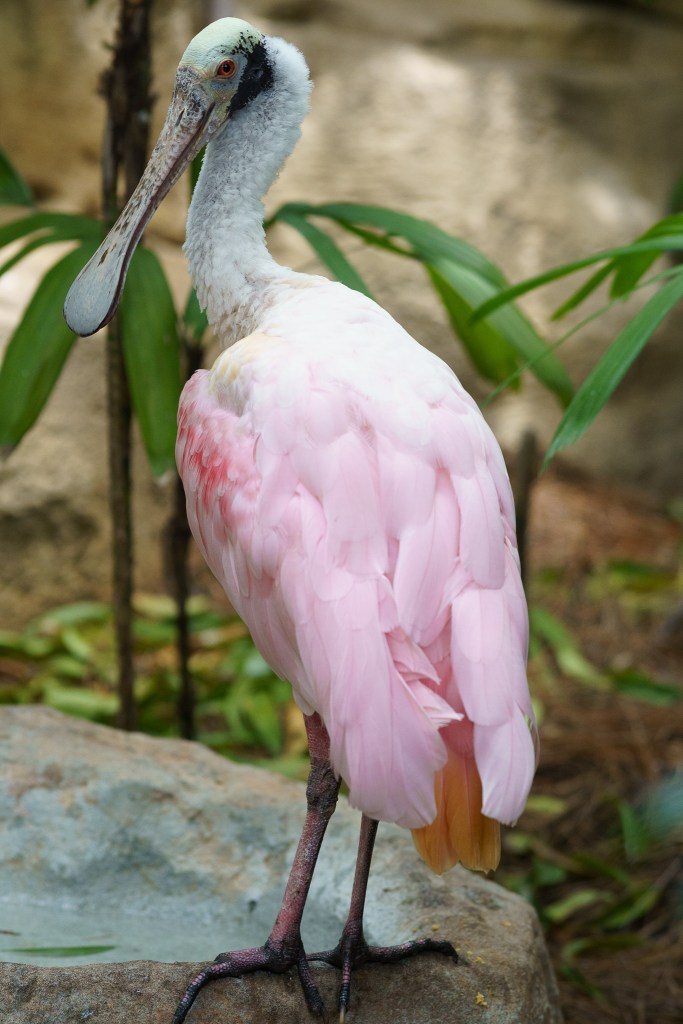
It all started with Flamingos. Discovery Cove has a flock that provides an up close and personal view, assuming you’ve paid for the tour. Luckily the entrance to the tour includes a picket-fenced area that’s only chest high, providing ample space to get close before going in. The Flamingos are completely visible over the fence and can even lean their heads over if they want. They’re very interested in visitors and come right up to the edge to investigate. As a result I got far closer than I expected, within inches of their faces at points. I had not expected to be at such a small distance and had to re-plan my lens choices.
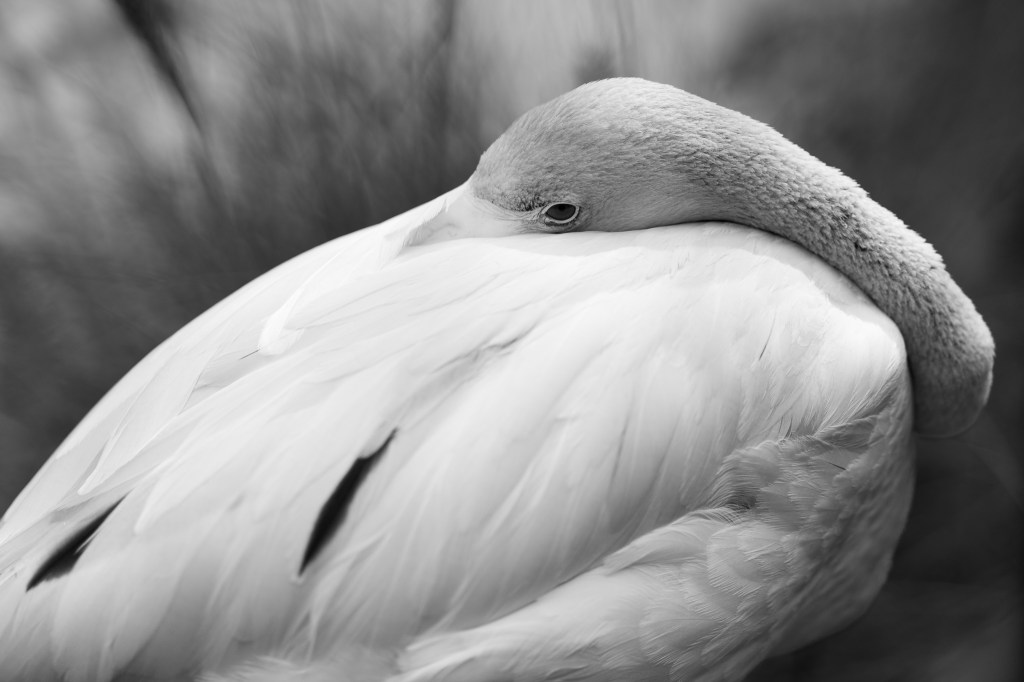
I had planned to use my Nikon 70-200 f/4 on an F to E mount adapter and did start that way, but the combination focused too slowly and they came too close to focus on anyway. Luckily I had packed the Samyang 75mm f/1.8 I bought several years ago. It’s the full frame equivalent of 112.5mm; not great for birds, but fine for flowers and still life.
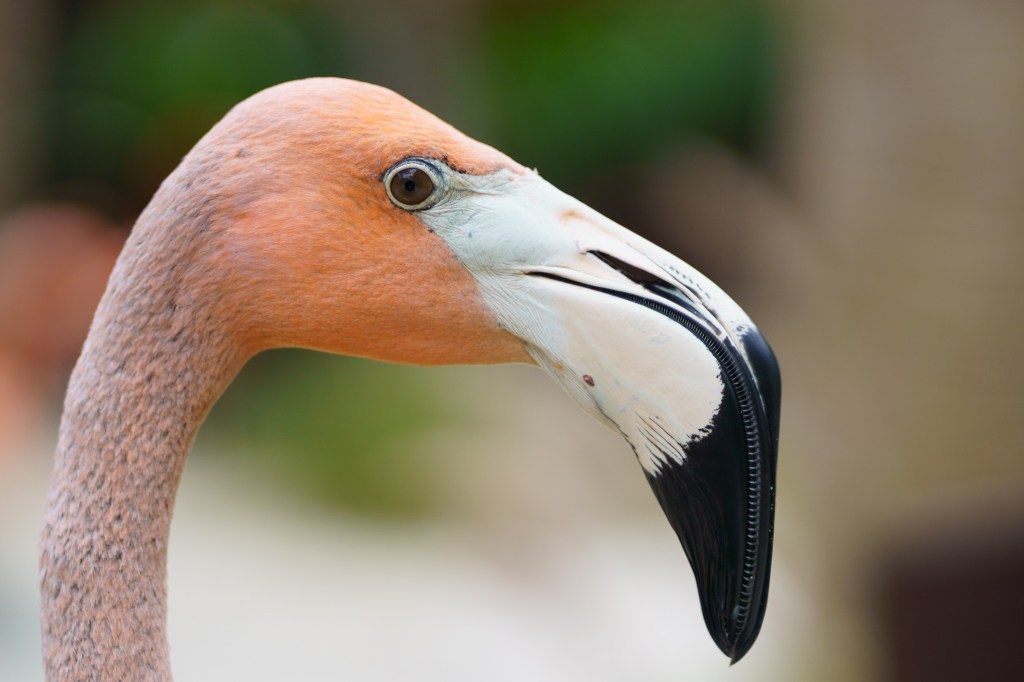
It turns out that the flamingos turned into the still life (at least their distances did). At some points they were so close that they still barely fit into the frame of the wider lens. While inexpensive, the 75mm is very sharp and provides nice background blur, especially at close distances. The images from this part of the day are sharp, detailed, and well-isolated. Noise is low due to the low ISOs the lens’s fast aperture enables. There were barely any people there either, making it easy for me to move around and take lots of images. I had a ton of fun taking image after image after image.
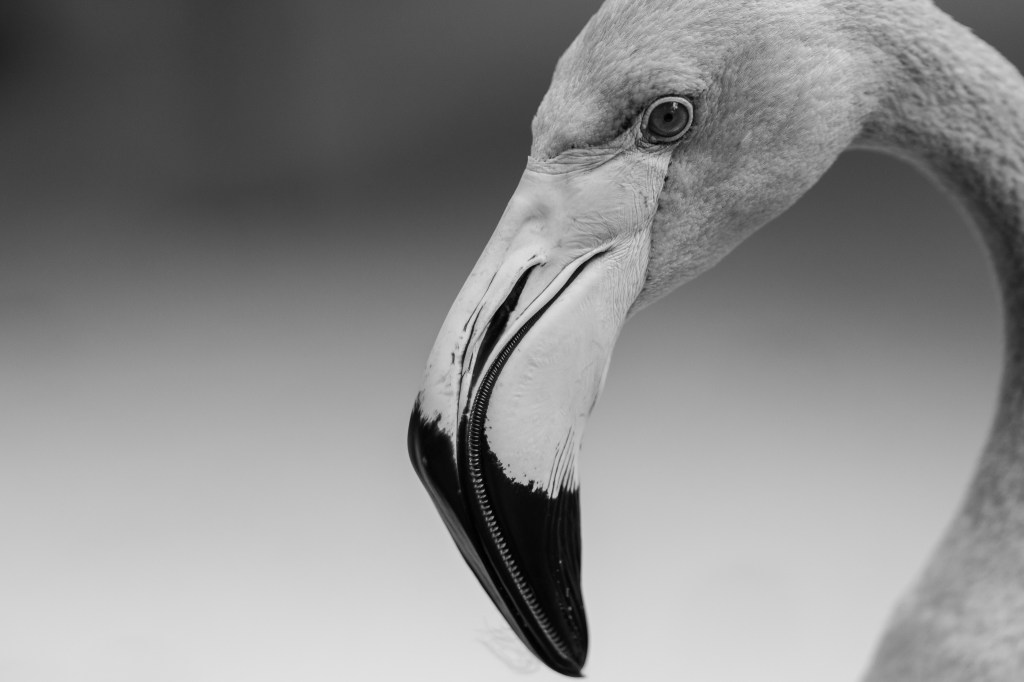
One of the Flamingos was so “friendly” that he kept bending his head over the fence almost touching the camera. At one point the staff had to verbally “remind” him to stay on his side. I think she was worried he would bite me or that I would get greedy and try to touch him. I was just happy to get so close! I never expected to have this experience and I never even paid for a tour!




Macaws
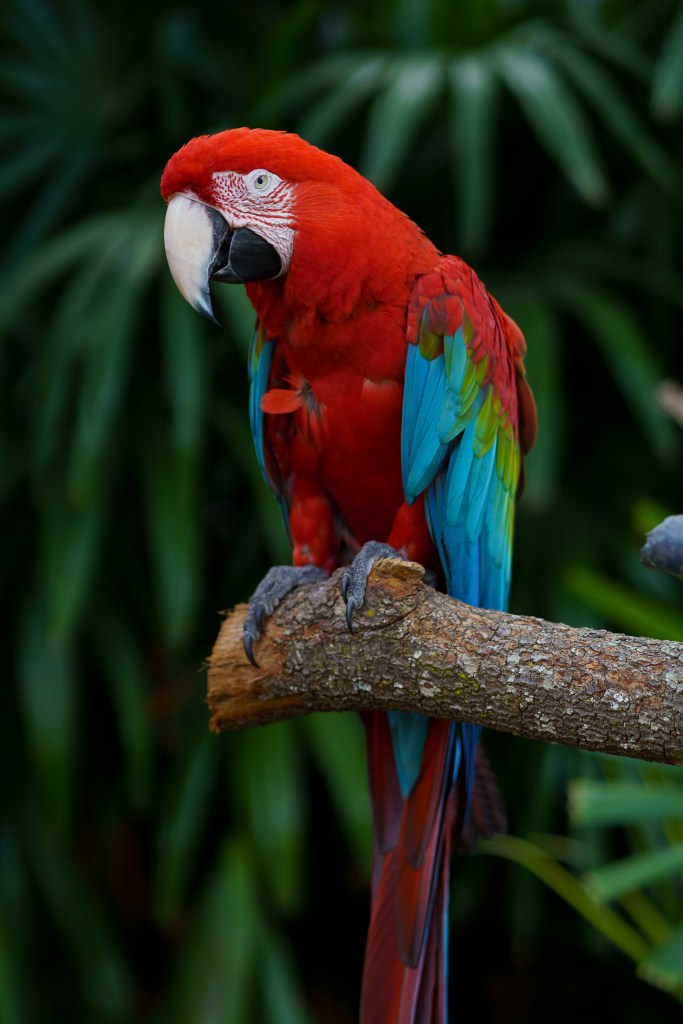
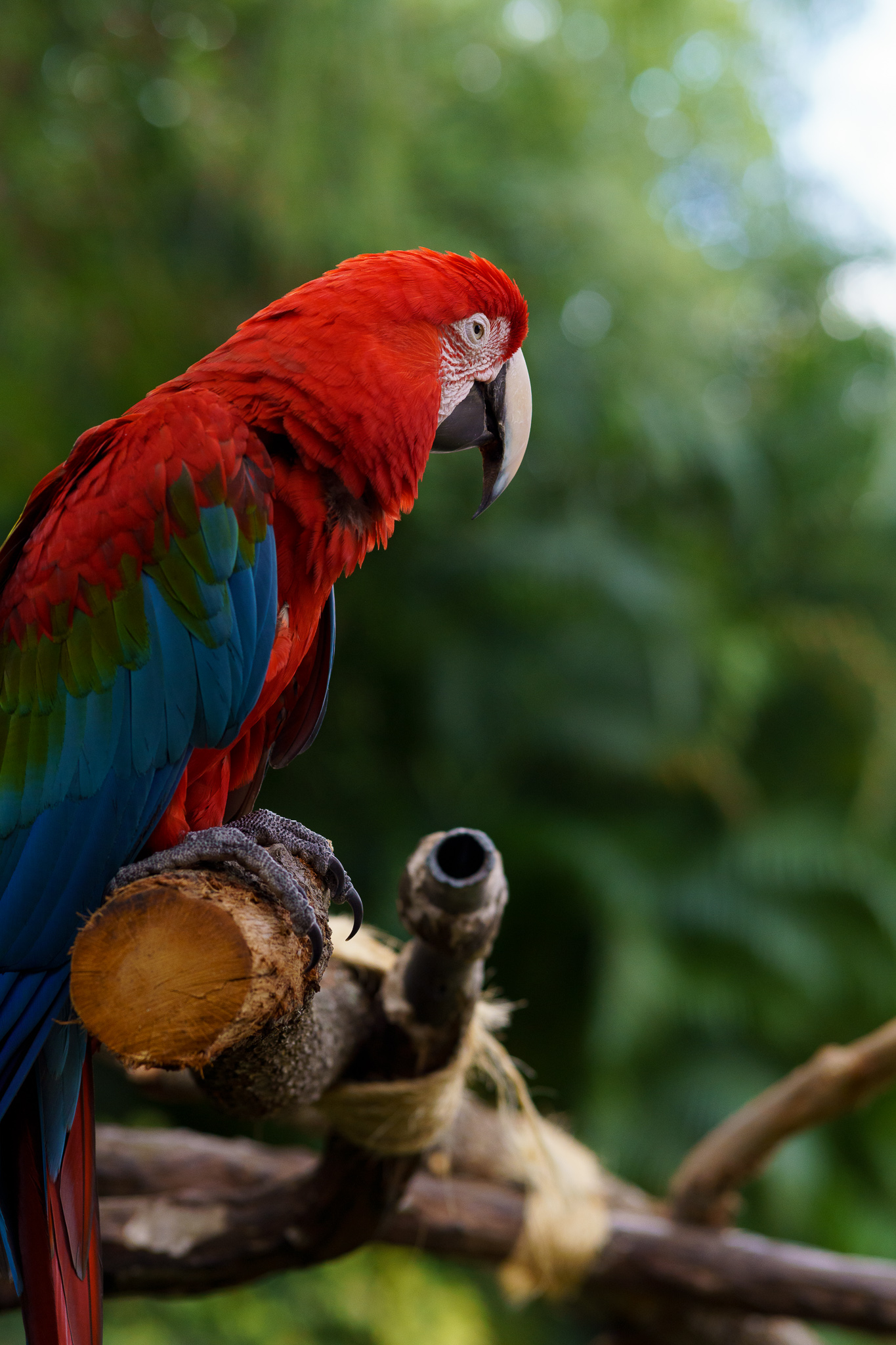
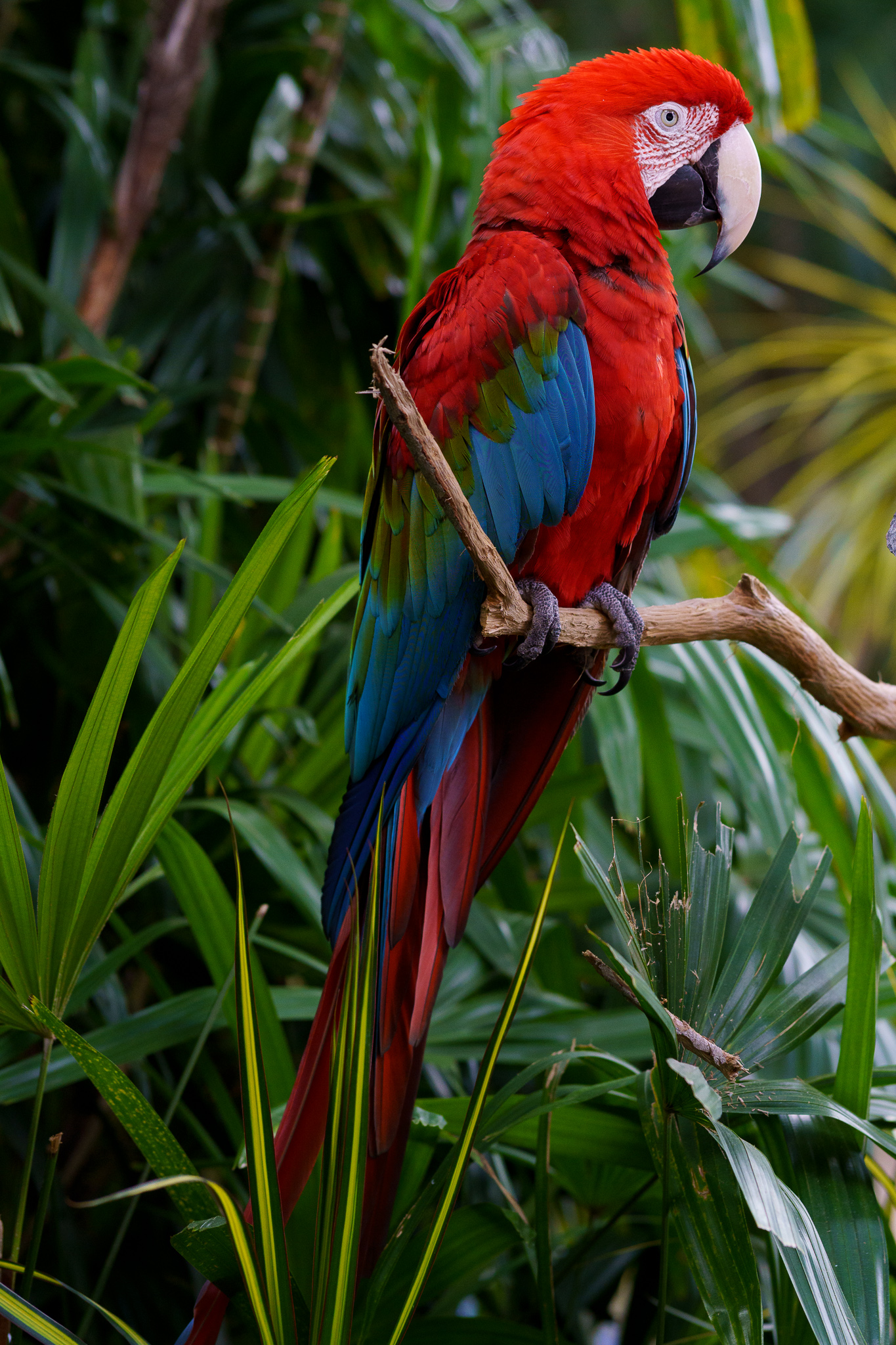
After my flamingo experience, I started moving towards the aviary. As I walked the main path I spotted the two colorful macaws we had seen on the way in. They were in an open enclosure with no annoying mesh or wire to shoot through. I was again able to frame them nicely with only my 75mm f/1.8. The images are sharp, detailed, and the backgrounds look nice.
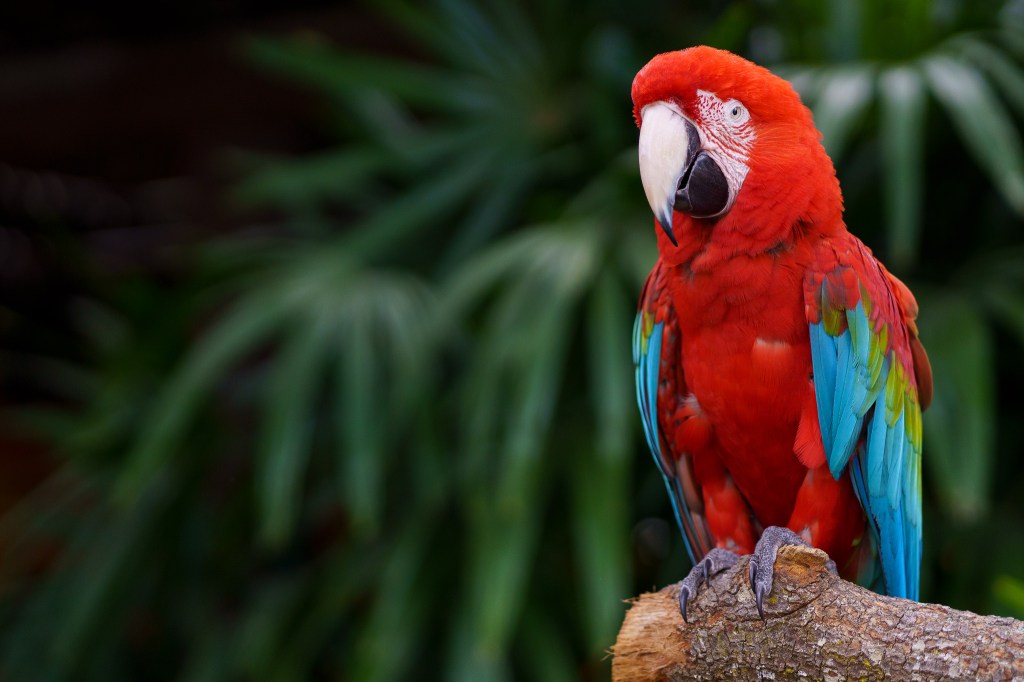
A continued lack of people made it incredibly easy to capture images without interruption. I’m glad I took the opportunity to photograph them early in the day as the macaws were gone by the time I came back later.


The Aviary
After success with the macaws, I moved onto the aviary. I’ve been to a couple aviaries in the past. The first was in Cozumel Mexico where the birds were a mix of small and large species, distributed throughout small huts, and didn’t come very close. This necessitated the Sony 55-210mm variable aperture lens I had packed. The huts were enclosed, which pushed up the ISO, and their small size made it difficult to position them against distant backgrounds. After post-processing I came out with some good images, but few were amazing.
The other aviary was at York’s Wild Kingdom in Maine, and while the birds came closer to me, they were small and erratic, not staying put for very long. The enclosure had better lighting and was a bit larger than the one in Cozumel, but it was still difficult to position for blurred backgrounds. It was also incredibly busy, forcing me to continuously shoot around people that were in the way. The aviary at Discovery Cove was completely different.

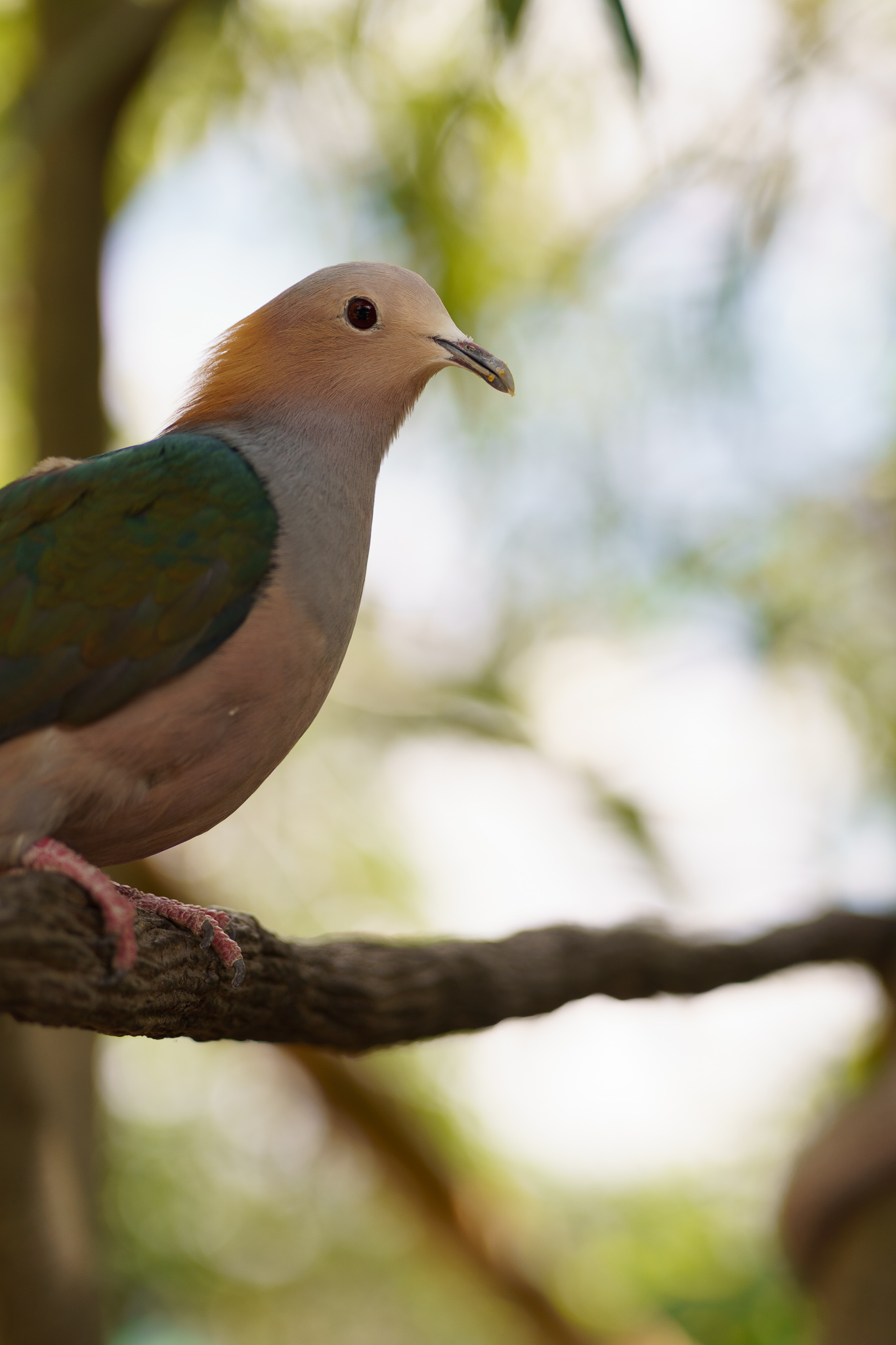
Spread across three large enclosed areas wrapped around the lazy river, there are plenty of trees, rocks, and brush for birds to land on. Outside of doors and netting at the edges of the spaces, there are no fences or meshes to get in the way of the birds. The spaces are large, the paths are wide, and the birds fly naturally throughout the area. It feels very large and reminiscent of their real habitat. A combination of fewer birds, a population with larger bodies, a lack of traditional caged enclosures, and a calmer habitat allowed me once again to get close and use that 75mm f/1.8. I never expected to be able to shoot with that lens so much and it’s responsible for over 70% of the images I took.
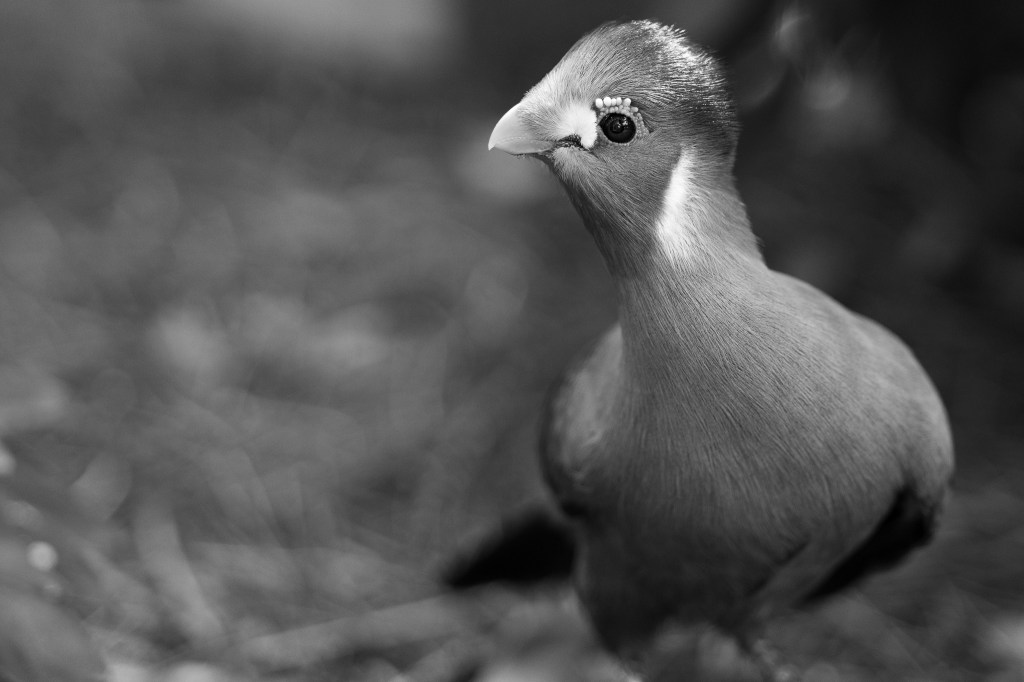




I visited the aviary twice, and toward the end of my second visit I popped my Nikon 70-200mm f/4 back on to grab some of the birds that were just out of reach. I got a few good shots out of it, but focus speed again became an issue and I quickly switched to Sony’s 55-210mm kit lens. The three best things about it are that it autofocuses quickly, it has image stabilization, and it’s incredibly small. The bad things are a variable aperture that bumps up ISOs and significant softness at the longest focal lengths. As in Cozumel, this resulted in noisy images with less detail than my 75mm. Luckily DXO PureRAW can pretty much erase the noise and address the sharpness a bit, while Lightroom can do the rest. The images are not nearly as good as those from the 75mm, but with some editing they are usable enough.
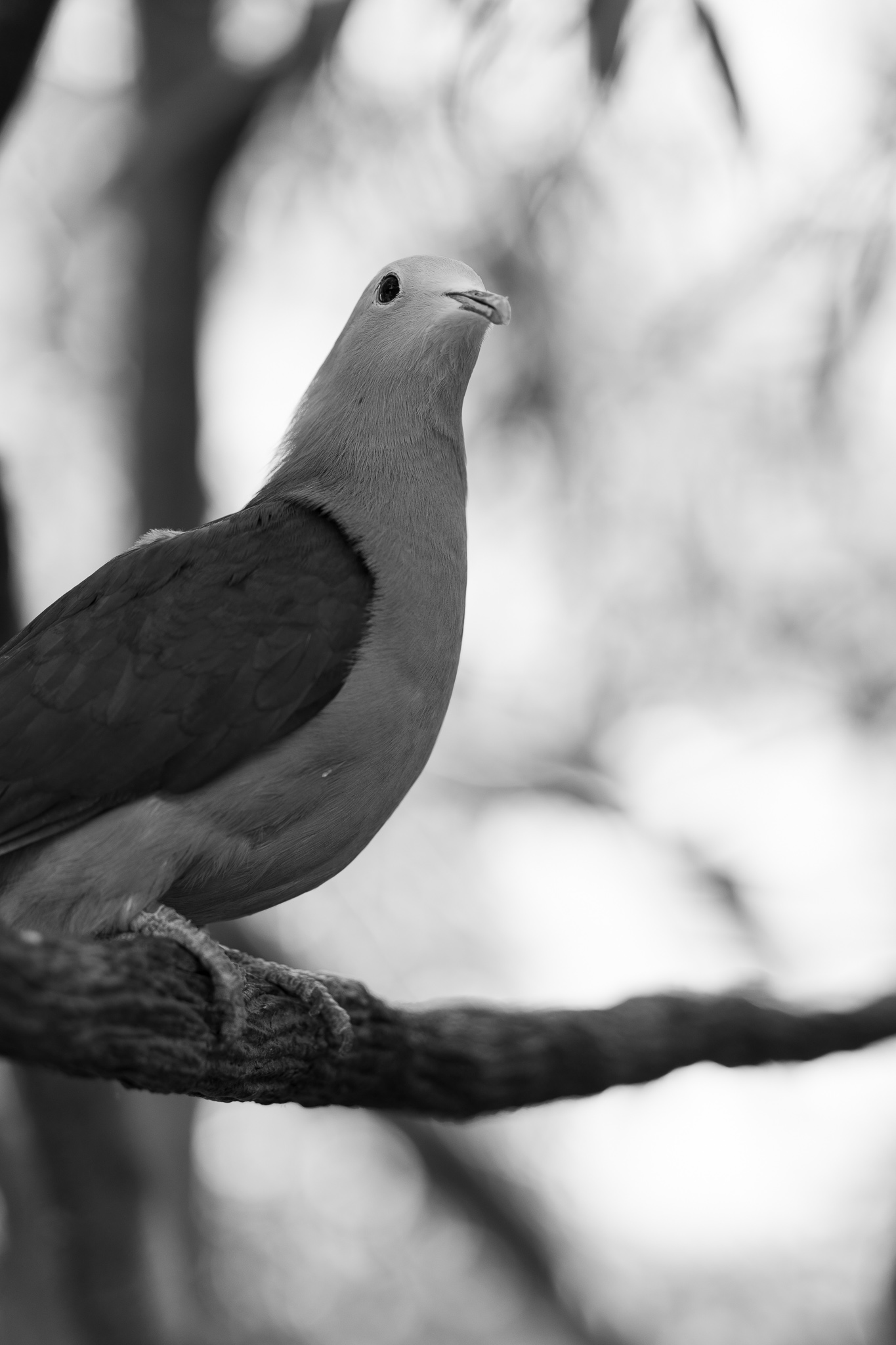
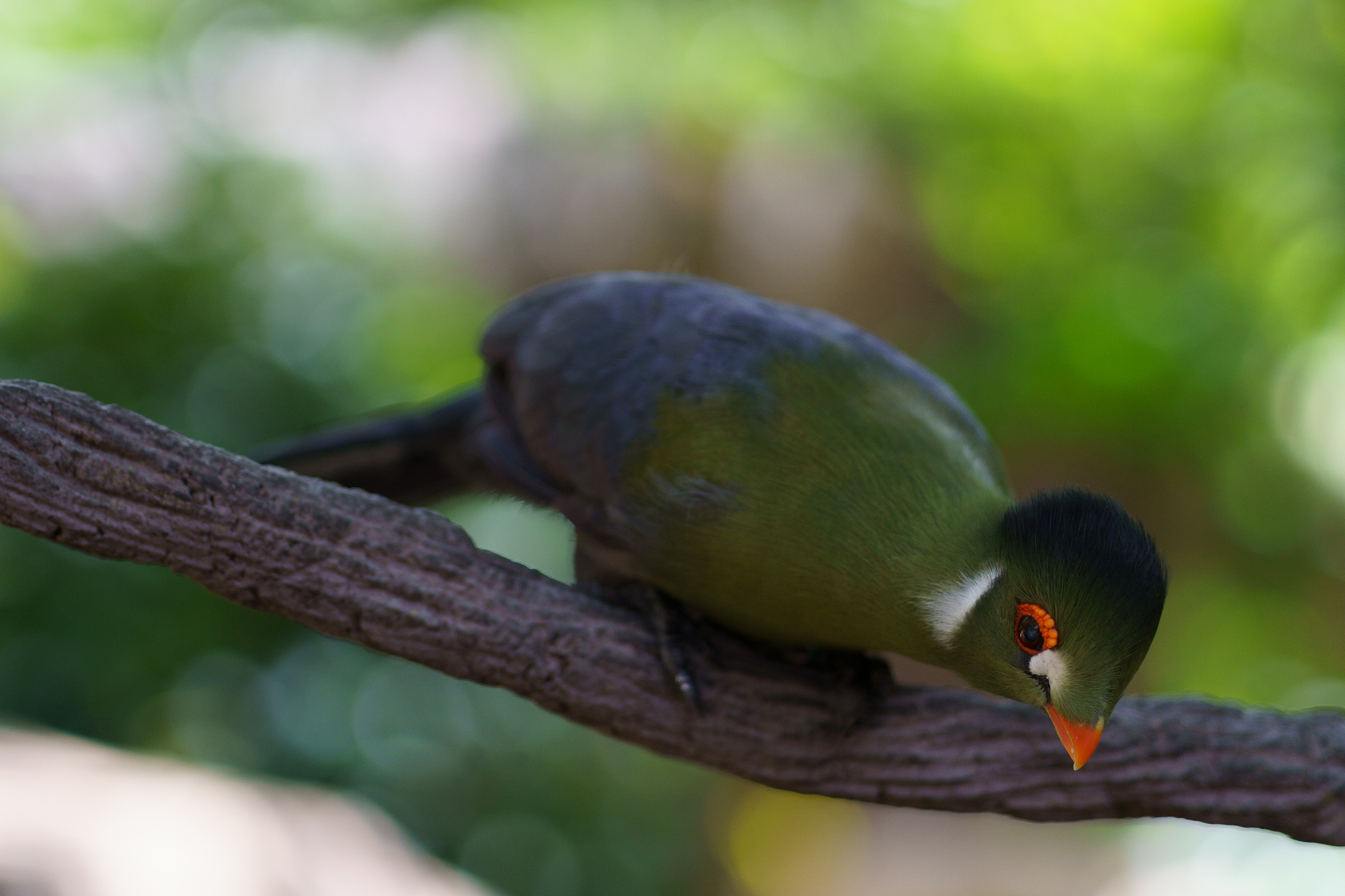
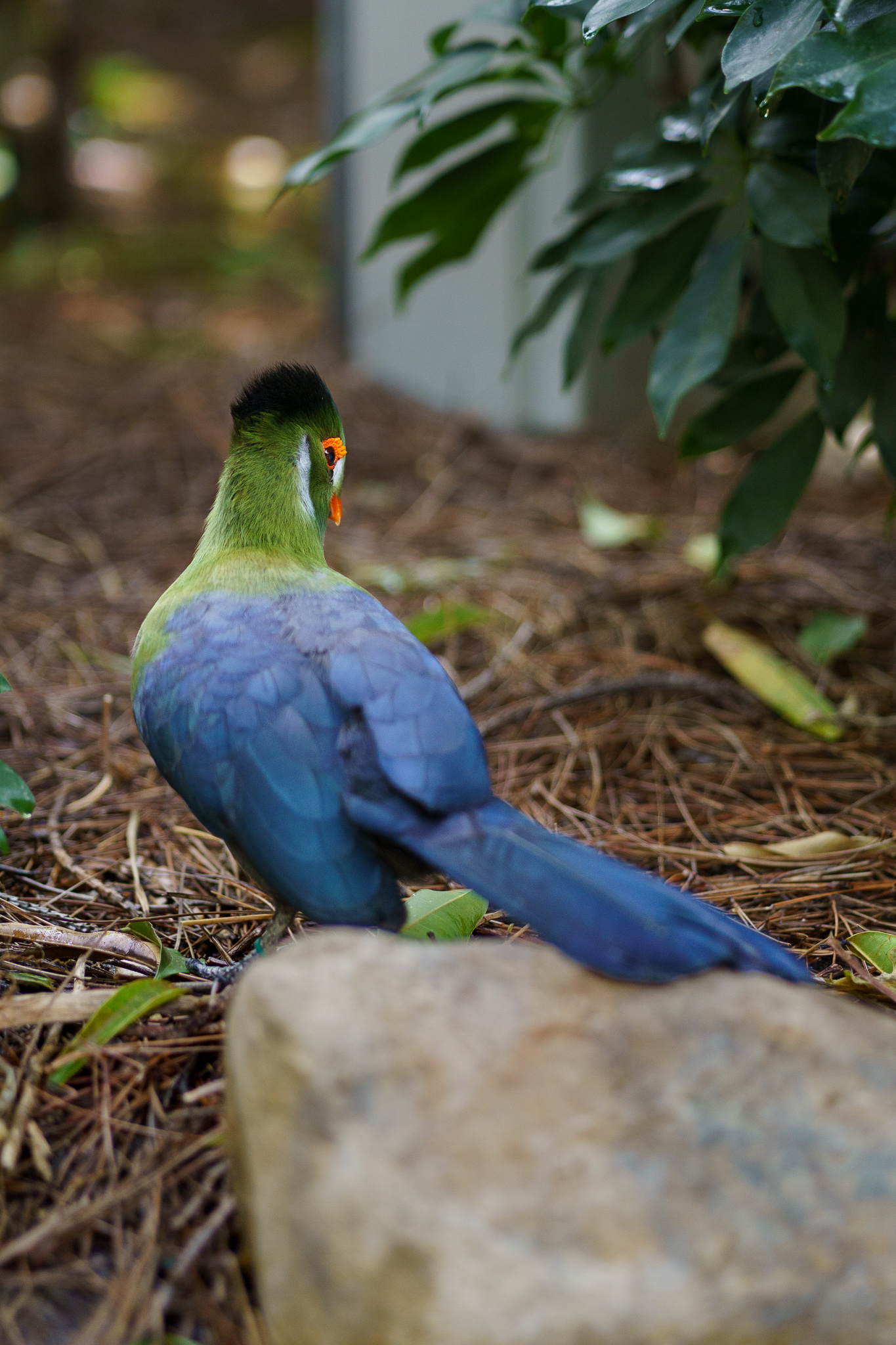
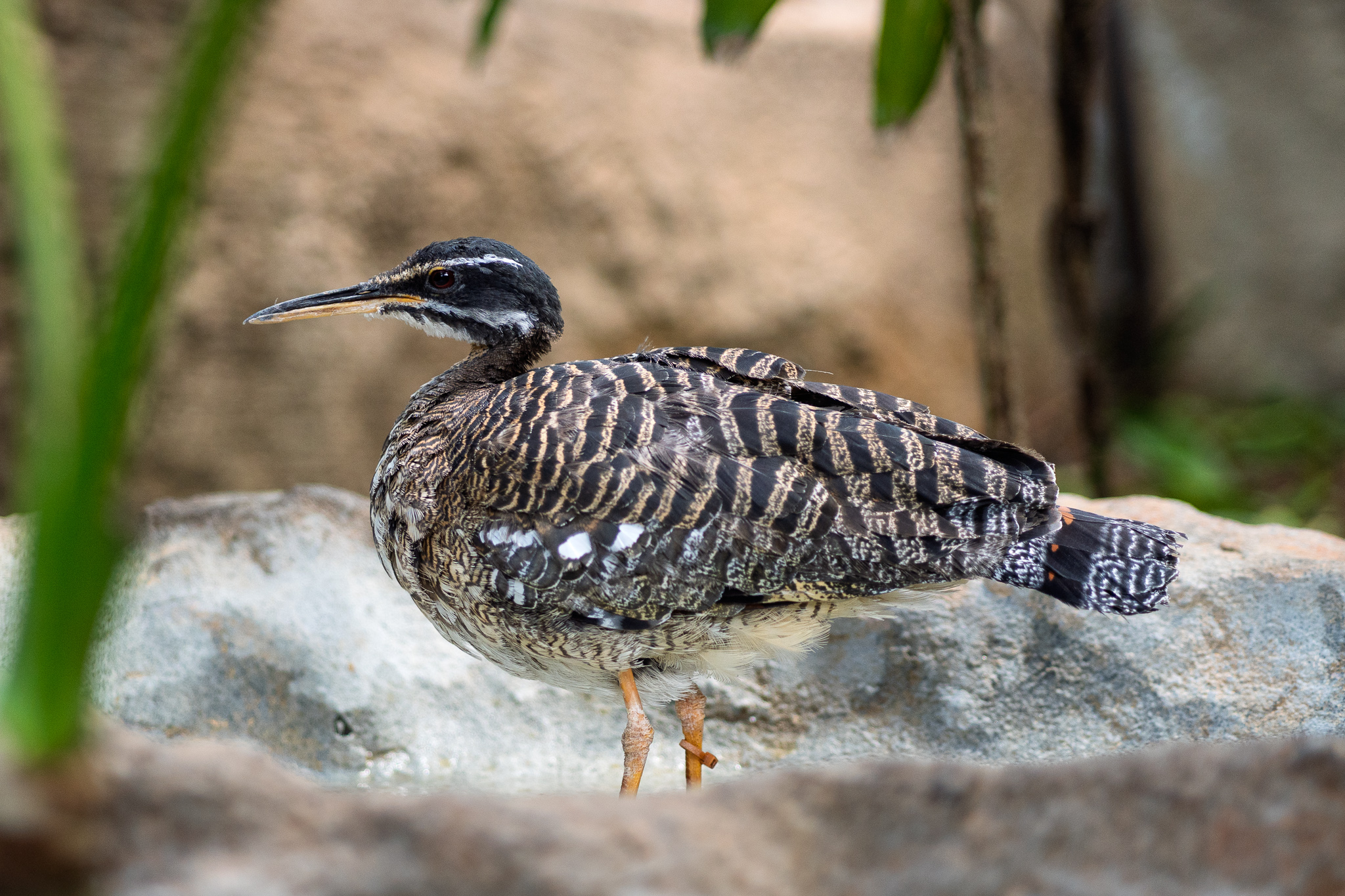
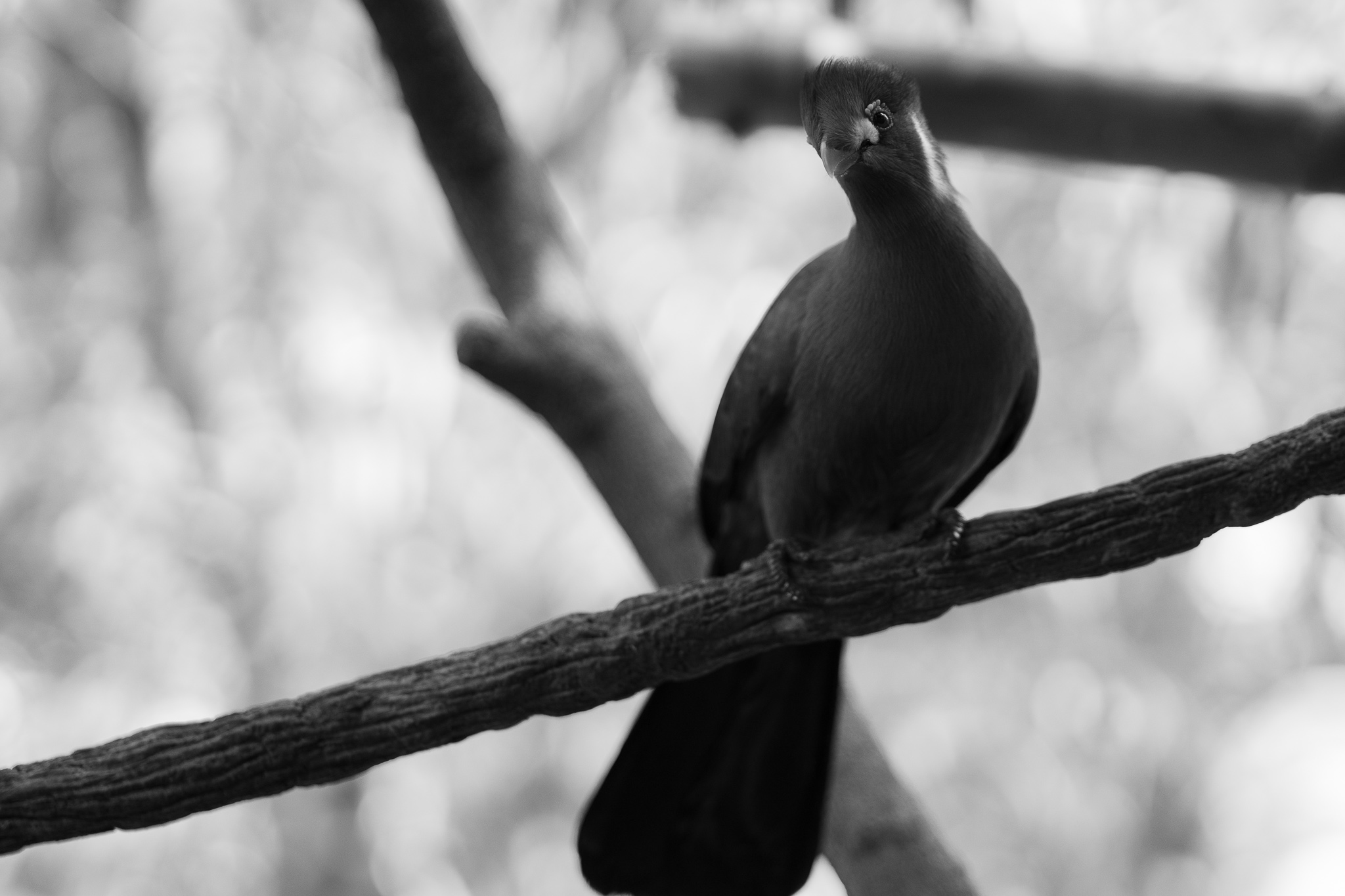
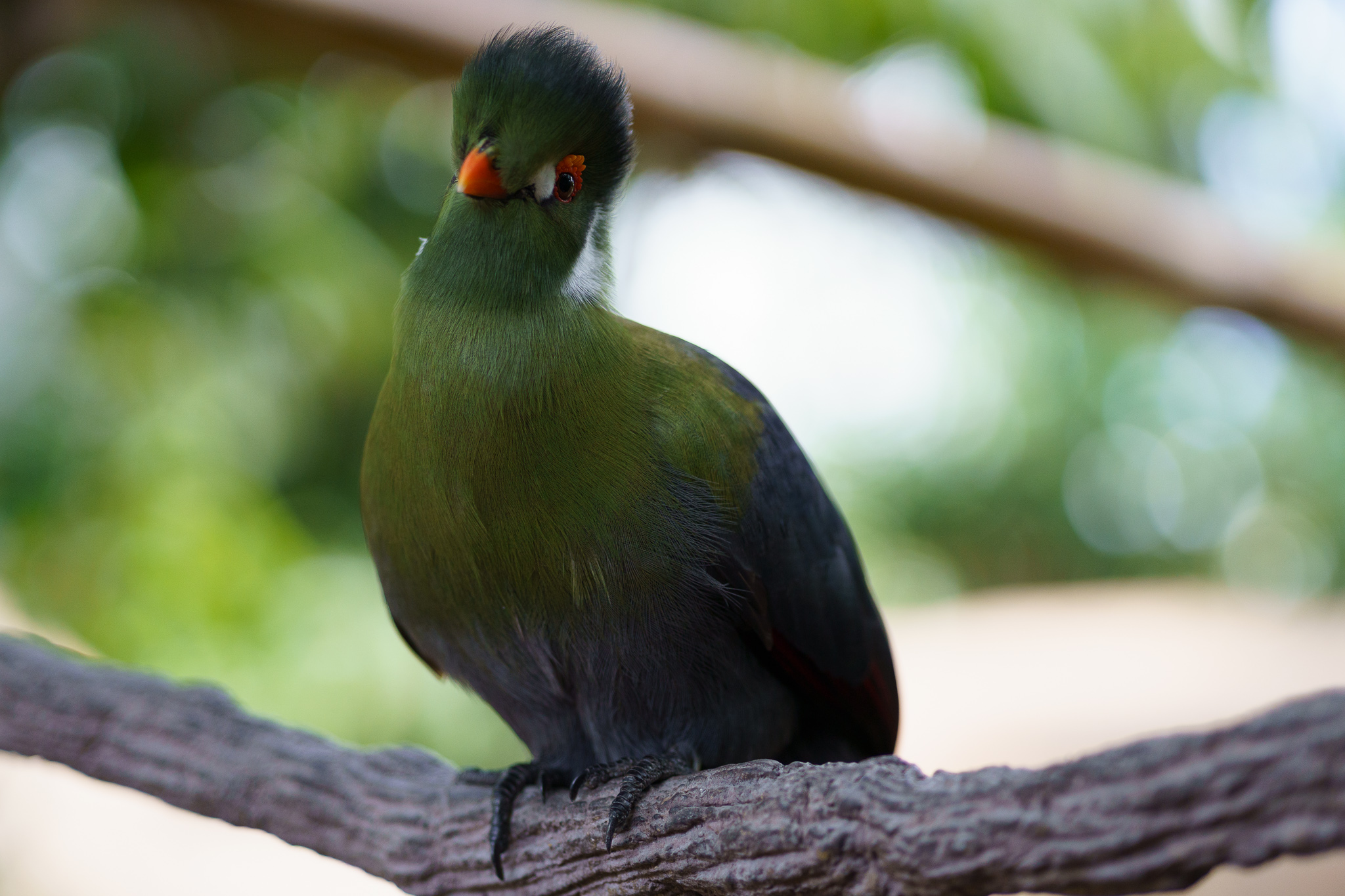
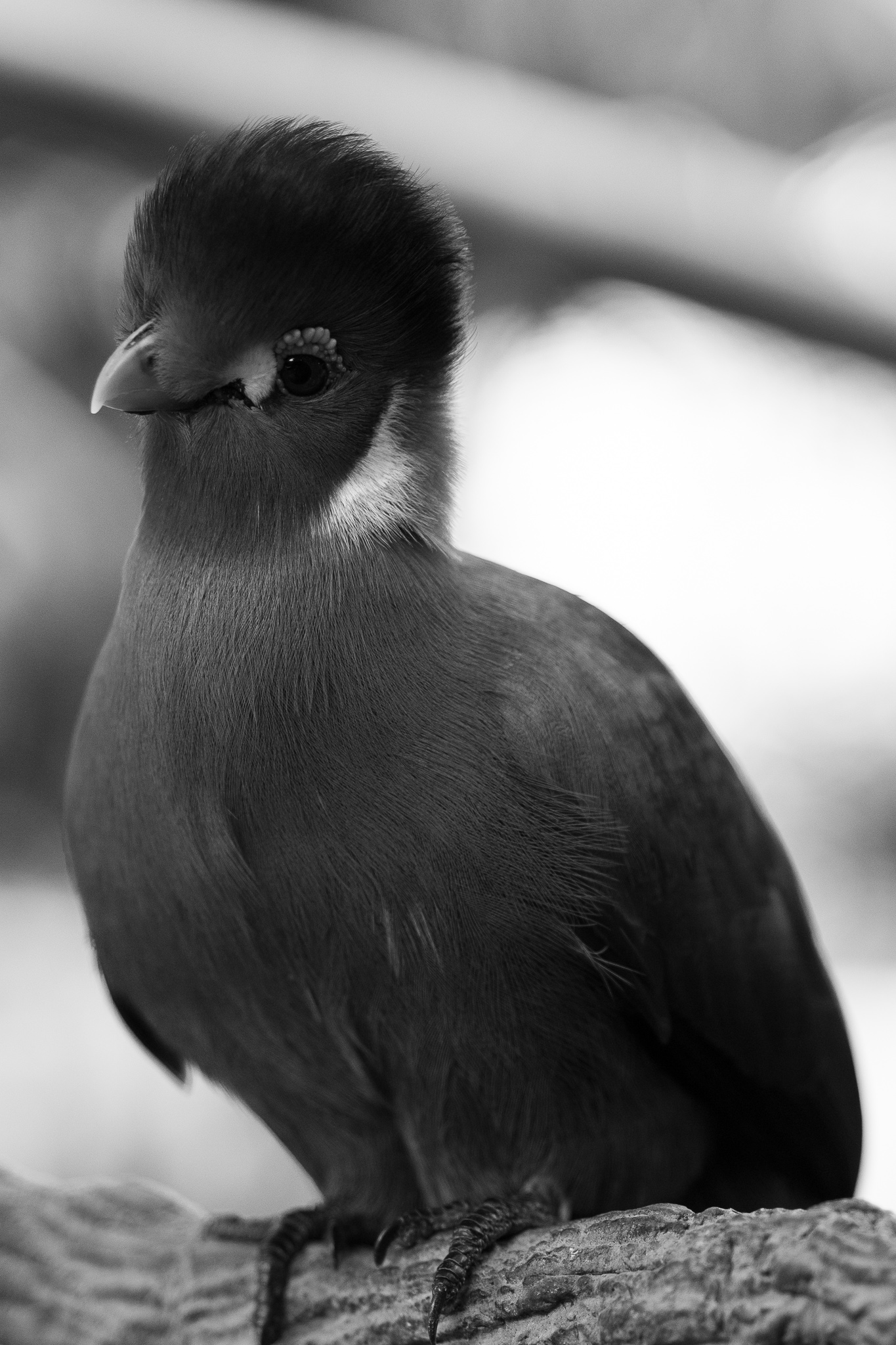
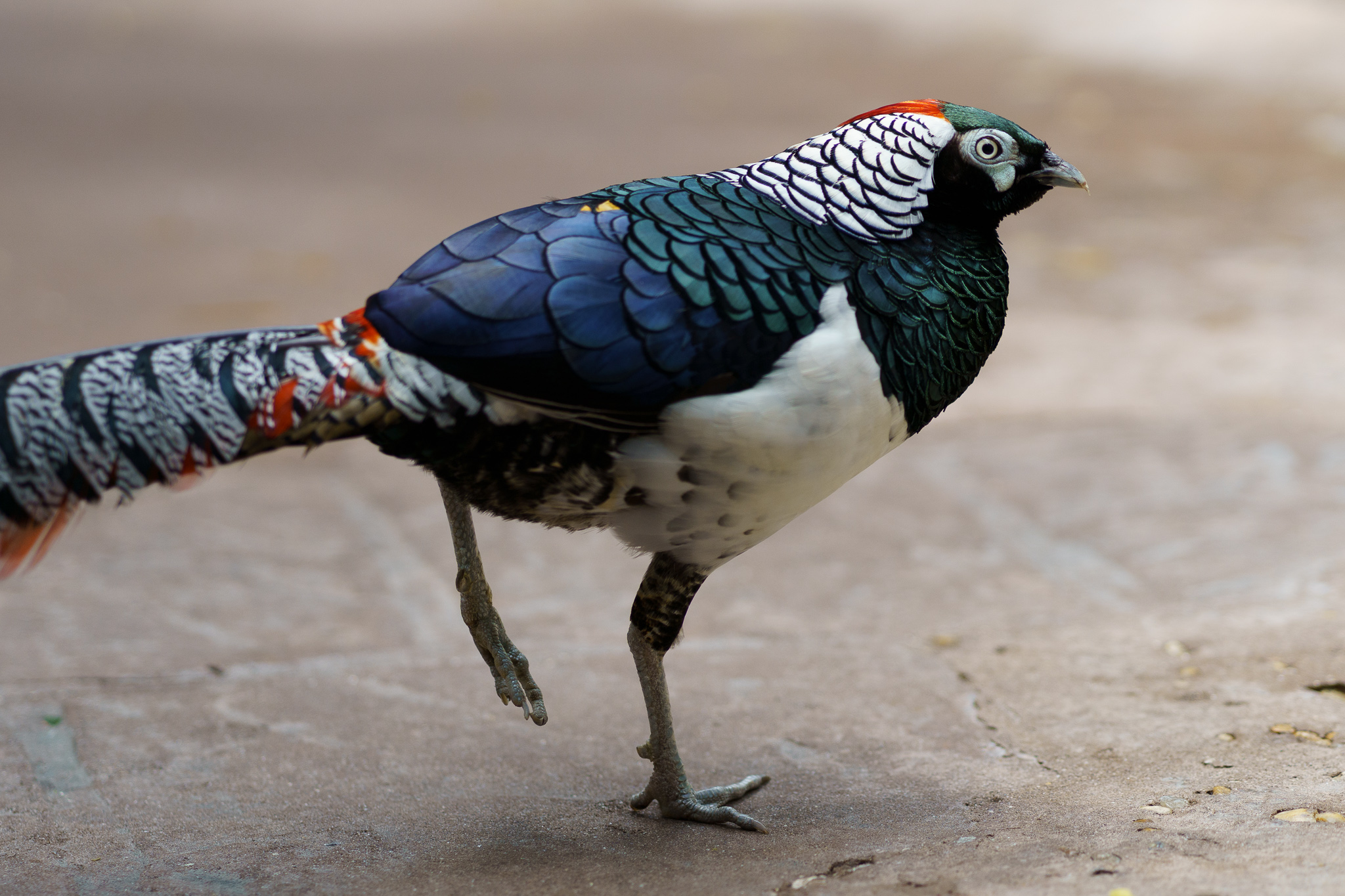
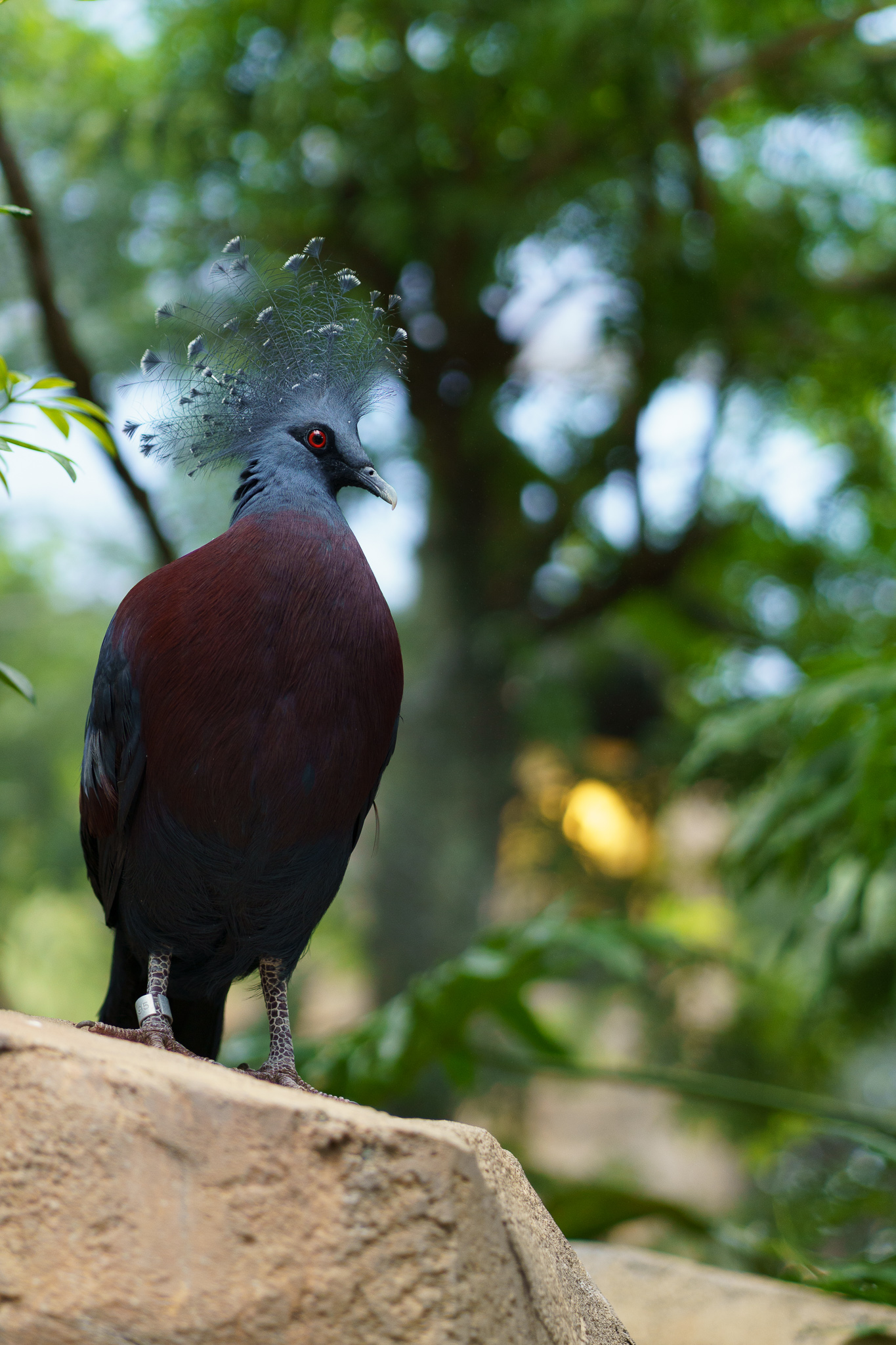
Below are images of some the other birds I captured in the aviary, including a blue-and-gold macaw, scarlet ibis (pink one), red-billed hornbill (black and white), sunbittern (kind of striped), nicobar pigeon (dark, green, and greasy looking), red-legged seriema (plume on head), and a laughing kookaburra (black and white closeup of face).











I Would Visit Again!
I had a fantastic time at Discovery Cove. With a very small and easy to carry kit I took some absolutely stellar images. I’d go all the way to Florida just to take pictures there again!
 Relatively Ambitious
One Reply to “”