
Superzooms are often a must for animal and sports photography. They make small animals larger in the frame and help keep a safe distance from larger but more skittish or dangerous ones. They help isolate players on the field and capture critical moments in the game. I bought a Sigma 150-600mm lens second hand in 2017 for $700 and it’s been great. After I learned how to properly use it, I made great images on my D750, then D500, and adapted on my Z8. Over time I started to hit some of its limits and its drawbacks became more clear, so I started keeping my eye open for something a little bit sharper with better background blur.









As stated in other posts, after purchasing my Z8 I wasn’t in any rush to replace all of my F mount lenses with Z mount versions, only doing so if they provided an advantage. The updated Sigma 60 – 600mm lens is one such lens. It’s the successor to the 150-600 with a wider focal range, sharper optics, and faster autofocus, but it’s only available for Sony. When I bought my Z8 in May 2023 there was no native Z mount lens in that focal range, but Nikon addressed that a month later with its Z 180-600mm f/5.6 – 6.3 VR.
Reviews of the lens were incredibly positive, praising its sharpness wide open and throughout the focal range. The biggest drawback was its size: because it’s an internally-zooming lens, it’s nearly as large as an extending lens at its longest. This makes it more challenging to tote around (more room in the bag) and initially more difficult to balance on the camera. The advantages are that the balance never shifts once established, it’s easier and faster to zoom, and it doesn’t pull in dust as it zooms.
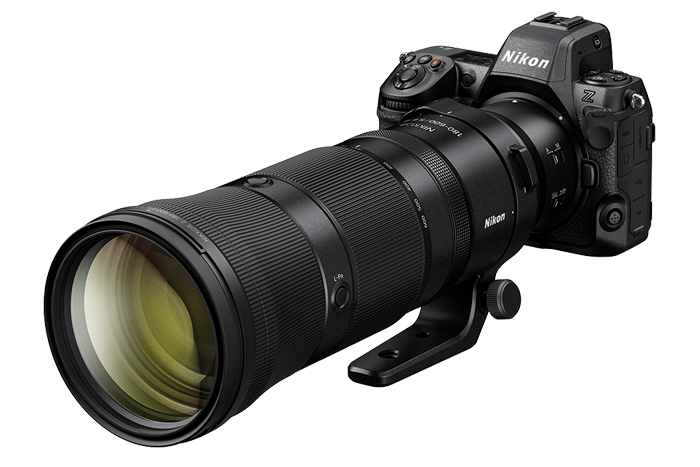
It was incredibly popular and was backordered for its first year on the market. When supply started to ease, stock generally sold out in a day or two. I saw an article in May 2024 noting that supply was finally catching up and only a few days later B&H had it in stock ready to ship. Having just received a refund for my $1,200 24 – 70mm, I was already ⅔ of the way to buying the 180 – 600, so I decided to go all in.
I used this lens to shoot the spring 2024 soccer season (surprise!) as well as birds and a zoo trip. I’ve posted a lot of photos from it, even mentioning it by name on occasion. Now, after a year, it’s time for a full review.
In Comparison to the Sigma
My Sigma served me well. I bought it on a whim, used and on sale, knowing I wanted closer shots of birds, but not knowing how to leverage it to its fullest. With some dedication, I learned how to make beautiful images: how to focus best, how to manage the image stabilization system, how to track subjects, which apertures to use, and which focal lengths performed well. It’s still a good lens and paired well with my D500.
The 180-600 is a step up in many ways. It’s larger, internal focusing, has better optics, faster autofocus, a sturdier build, and more customization. It also has a much higher price at $1,700 versus the Sigma’s $1,100 (new). This was my second Z mount lens (that I kept) and is the most expensive lens I’ve ever purchased. In hindsight I got a great deal on it – Nikon raised the price to $1,900 a few months after I bought it and now it’s $2,050 due to tariffs. Lens prices tend to decrease over time rather than increase, and the 180-600 was unique in that many reviewers considered it underpriced in the first place.
Cons
Atypical for a review, let me start with the cons, because for me, there is only one con: size, and it’s less of a con than a characteristic that needs to be planned around.
This.
Lens.
Is.
BIG.
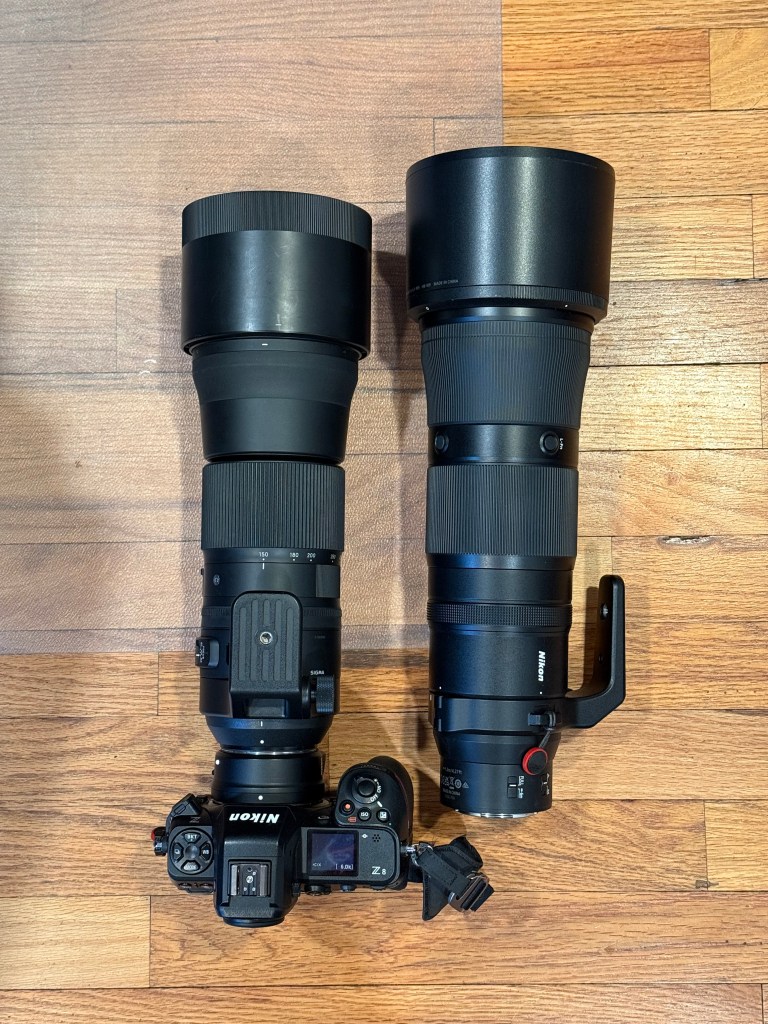
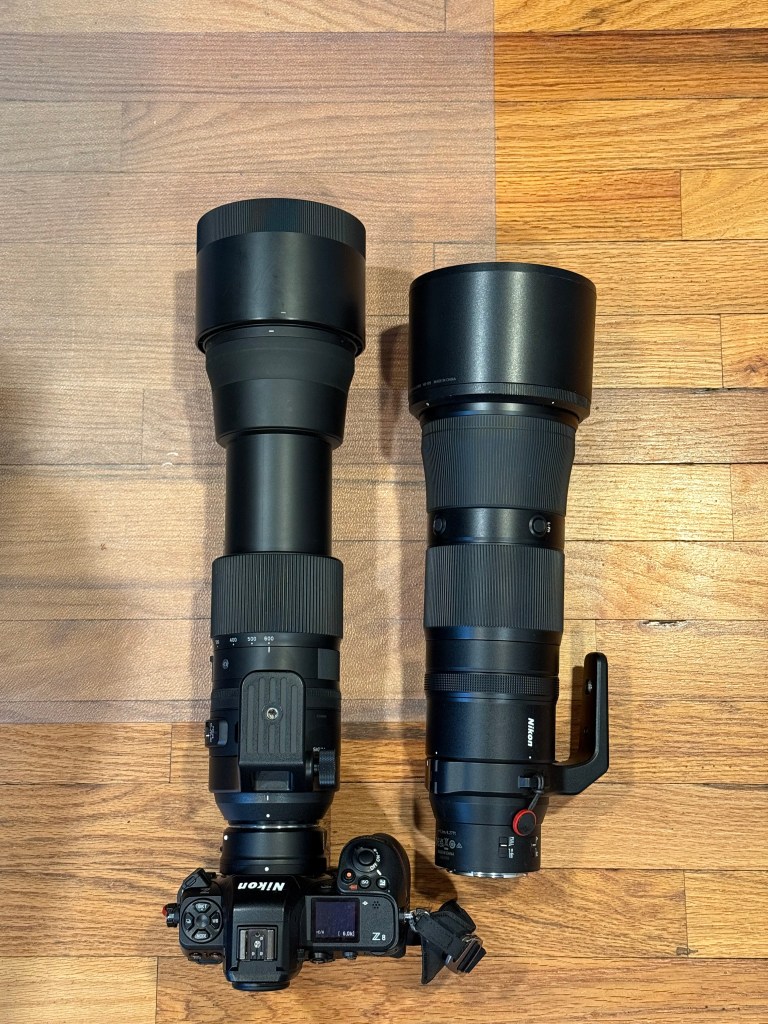
It’s 12.5 inches long; 2” longer more than my Sigma when collapsed all the way. Insert joke here about 2”, but that’s actually a big deal in terms of storage. Where my Sigma could fit in one of my backpacks with my camera or in the padded case that it came with, my Nikon needed almost an entire backpack to itself. I’ve been using the Lowepro Flipside 300 I bought for my Canons (and almost threw away) as a case.
I ended up buying a really big backpack that I saw in 2010 Popular Photography ad in order to fit it with more than just my camera body. It doesn’t ship with a padded case or even a bag so there’s no other way to transport it without taking up a backpack, attaching it to the camera, or buying a separate case for it. It also takes up a lot of space in my camera closet, but I recently bought it a dedicated lens case that offers both transport and removes it from my photo shelf by hanging on a wall hook.
The size issue disappears once it’s mounted on the camera, however. With the FTZ adapter the Sigma is only ½” shorter than the Nikon, and that’s zoomed out to 150mm. Zoom all the way to 600mm and the Sigma is 2.5” longer than the Nikon. The hoods for each lens are 3-4” each, making both setups look even more ridiculous.
Once attached to the camera the Nikon balances very well and because it zooms internally, the balance never changes. While it is big initially, it never gets bigger. Once you figure out how to transport it and attach it to the camera, it’s smooth sailing. Now let’s get to the good stuff.
Pros
- Zoom Throw
- Because it zooms internally, the zoom ring only needs a quarter turn to go through the 180-600mm range. It’s smooth and consistent, short enough to be fast, but not too short to prevent fine tuning. I can easily hit 200, 300, 400, and 500mm without going under or over. It’s a lot easier than my Sigma, which extends significantly and requires nearly a half crank to zoom. In practice this makes active reframing while following a soccer player as they come toward the sideline far easier. The Sigma requires enough force that it literally twists the camera and ruins the shot.
- Faster Focusing
- Even though dual autofocus motors are all the rage nowadays, the 180-600mm’s single motor works well. It focuses quickly on moving subjects and racks in and out reasonably fast. My Sigma wasn’t bad but the Nikon locks faster, and keeps up at even 120 fps. The Sigma’s autofocus motor is also a bit loud.
- Image Stabilization
- I haven’t noticed any major differences in image stabilization performance between the two cameras. The Nikon does it more quietly with less disruption in the viewfinder. The Sigma was more configurable through its dock and had a few settings to change the way the viewfinder reacted when stabilized, but I rarely used them.
- Image Quality
- I considered my Sigma sharp, but it pales in comparison to the Nikon. The Sigma performed best at f/8 and no more than 500mm, so I usually treated it as a 150-500mm f/8 lens. The Nikon is tack sharp at 180mm f/5.6, 300mm f/6.3, and fully zoomed into 600mm. While f/6.3 is only ⅔ of a stop faster than f/8, it provides a bit more light which means either faster shutter speeds or less noise in my images. I also don’t have to worry about whether I’ve set the right aperture and whether I’m going beyond 500mm.
- Better Magnification
- The Nikon focuses at 4 feet at 180mm and 8 feet at 600mm versus the Sigma’s 9 feet throughout the range. This allows better framing when zoomed out, but also provides a slightly higher magnification ratio of .25x versus .20x. Not that I’m taking this lens out to photograph flowers, but it can create a more pleasing image if the opportunity presents itself while I’m photographing animals or sports. I have a great image of Zach throwing the ball in at soccer that I couldn’t have achieved with my Sigma’s 9 foot minimum focus distance.
- Well Positioned Strap Loops
- The Nikon has strap loops on either side of the lens, which I can use to better balance my setup. They’re very visible and well placed. I didn’t think my Sigma even had any – apparently it had one, but it was located under the tripod collar so I never noticed it. I don’t think it would work as well as two on the side anyway.
- Better Materials
- Overall the build and feel of materials is more solid on the Nikon. That is to be expected as the Sigma is targeted at the consumer market. Sigma also made a “sports” version of this lens which cost $2,000 and provides slightly better image quality and a much better build.
- Better Lens Hood
- Both lenses have hoods, which work well to prevent stray light entering from angles while also providing protection for the front elements. The Nikon hood locks into place and must be release with a button, which provides extra security (though I’ve never had my Sigma hood slip off). It’s made out of a thicker material than Sigma’s and attaches much more smoothly. A hood is a hood so the material matters less than the attaching and removal experience, which is smoother and saves time on the Nikon.
- Function Button
- The Nikon has a function button, which can be programmed to a number of different actions on the camera. There are actually four of them spread around the barrel of the lens, but they all perform the same assigned function. They’re duplicated to make the action easy to invoke in landscape or portrait orientation and to provide options for the most comfort. I’ve assigned mine to single point autofocus to reset the focus system in case 3D or eye detect goes awry.
- Control Ring
- It also includes a control ring, which can be customized to control manual focus, aperture, ISO, or exposure compensation.











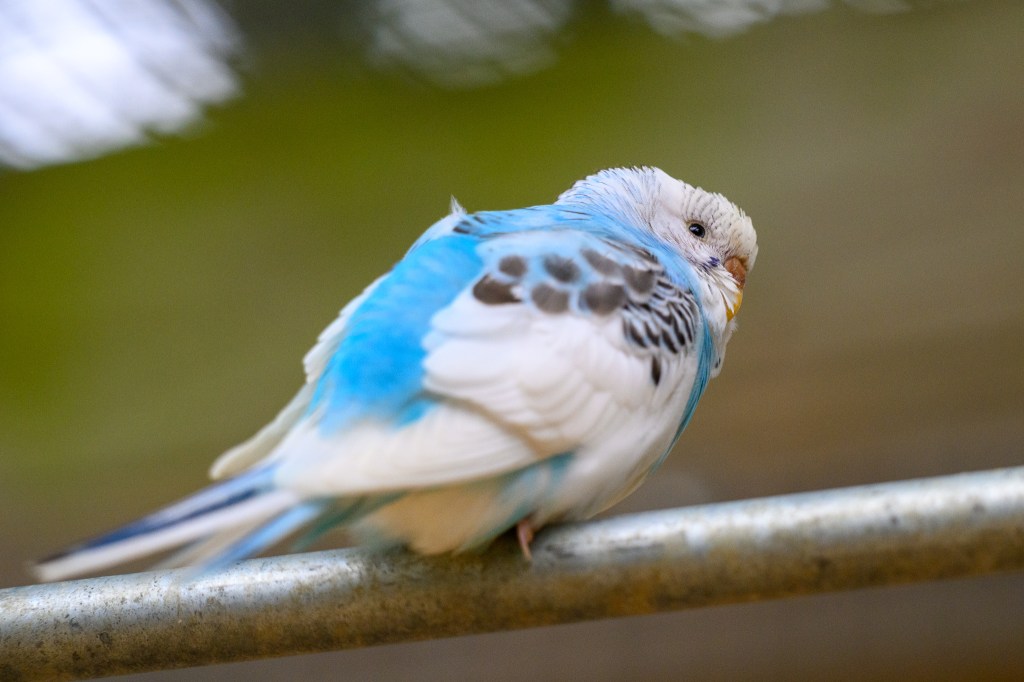









Minor Cons
OK, I guess there are some cons to this lens, but they are pretty minor for me. Here we go.
- Dust Attractor
- The plastic on the lens barrel near the mount has a fine texture that picks up dust and scratches easily. It’s entirely cosmetic, but my house is dusty so it looks dirty.
- Fake Focus Ring
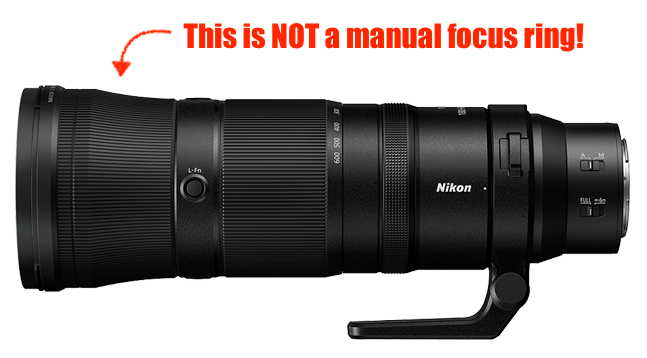
- The front of the lens has a rubberized grip area that’s as large as the zoom ring and uses the exact same material and pattern. I think it’s there to provide a convenient place to steady the long lens, but it’s so similar in feel and location to the zoom ring that I keep mistaking it for a manual focus ring. I’ve literally tried turning it and wondered why the focus wasn’t changing. Just something to get used to I guess.
Non-Issues
Compared to other lenses, these might be cons for other photographers, but they don’t bother me.
- Slightly Narrower Focal Length
- The Nikon starts at 180mm whereas the Sigma started at 150mm. While it’s great to have more range, in practice this hasn’t mattered at all. Typically this only matters to me when a subject is moving towards me and comes so close that they crop themselves out of the frame. The difference in this case between 150mm and 180mm results in a more badly cropped image up close but it’s not like the extra 30mm would save the composition either. Now the 60mm minimum focal length of Sigma’s E-mount version would make a positive difference, but that’s not available for Nikon anyway.
- Slightly Loose Mount
- The mount has a tiny bit of play in it that doesn’t affect image quality. It wiggles a bit once mounted and I’ve seen people worry about it online but it’s normal variable between copies and hasn’t caused me any issues.
In Use & Results
Once mounted on my Z8, the 180-600mm is a joy to use. It’s well balanced and zooming in and out is easy, making it easy to frame and reframe subjects. The shorter minimum focus distance at 180mm is a plus too. I take a lot of photos of my son playing soccer, and I often lost players when they came close to the sideline. If they didn’t get cropped out of the frame awkwardly they’d instead be unfocused. The Nikon still has the cropping problem but not the focus.






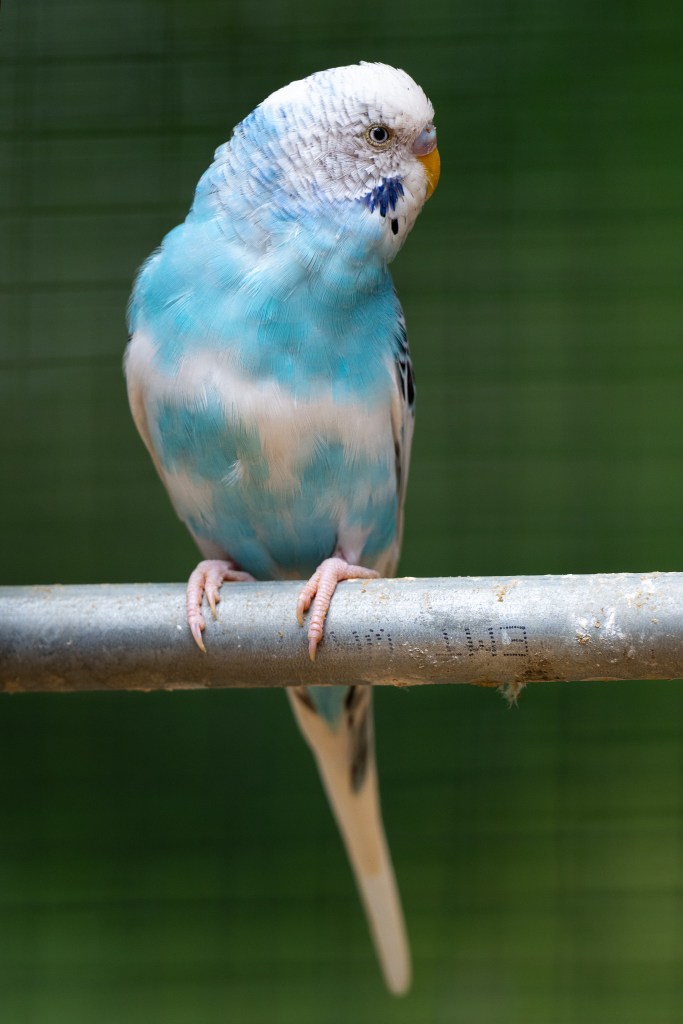

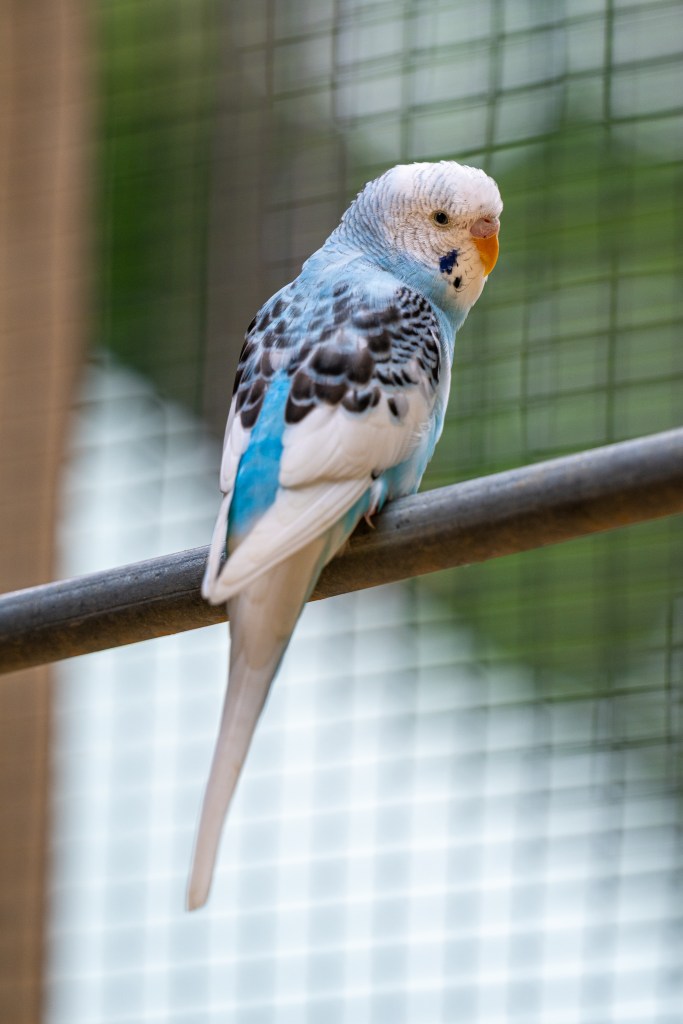














The fact that I can get sharp images at wide open apertures and at 600mm is a huge benefit too. It was always a chore to try to manage my Sigma into its best range. It could produce great images when managed well, but the Nikon makes it easier. I no longer have to make sure I’m at f/8 and avoid going beyond 500mm if I want the highest quality images.
The images out of the 180-600 are really sharp, with great detail. I’ve taken shots at 180mm minimum focus distance that show great detail wide open. I’ve taken shots at 600mm wide open with great detail too. I’ve used it for action shots of soccer games and it keeps faces sharp. I’ve used it for animals and I can get incredibly detailed images of feathers, fur, and eyes, even at long distances. It weighs ⅓ lb more than the Sigma, but it’s better balanced and feels lighter and easier to manage in practice.
This lens was a great investment for me and I’ve achieved far more with it than I would have with the 24-70 I had for a brief time. I’m keeping the Sigma around because I can still use it on my D500 and other F mount cameras. Who knows if I’ll need a backup some day 🙂
 Relatively Ambitious