
In the last installment we reminisced on the Intel era and the one time Steve Jobs was publicly yelled at by developers. In this edition, we’re looking at some photo books focused on Apple design and setting the record straight on the iPhone.
Designed By Apple in California
Simple Beep hosted two shows about Apple design books. In Episode 15, they interviewed Jonathan Zufi, author of Iconic. The book is a labor of love project that chronicles Apple’s hardware designs from 1977 through 2012, at least in the first edition. Zufi acquired the machines from the internet or borrowed them from collectors to take Apple-quality product shots of each and bind them into a beautiful coffee table book. I happen to own not one but two different editions of Iconic – purchased in 2013 and 2024. It’s simply a stunning book with full color photographs and a bit of historical information.
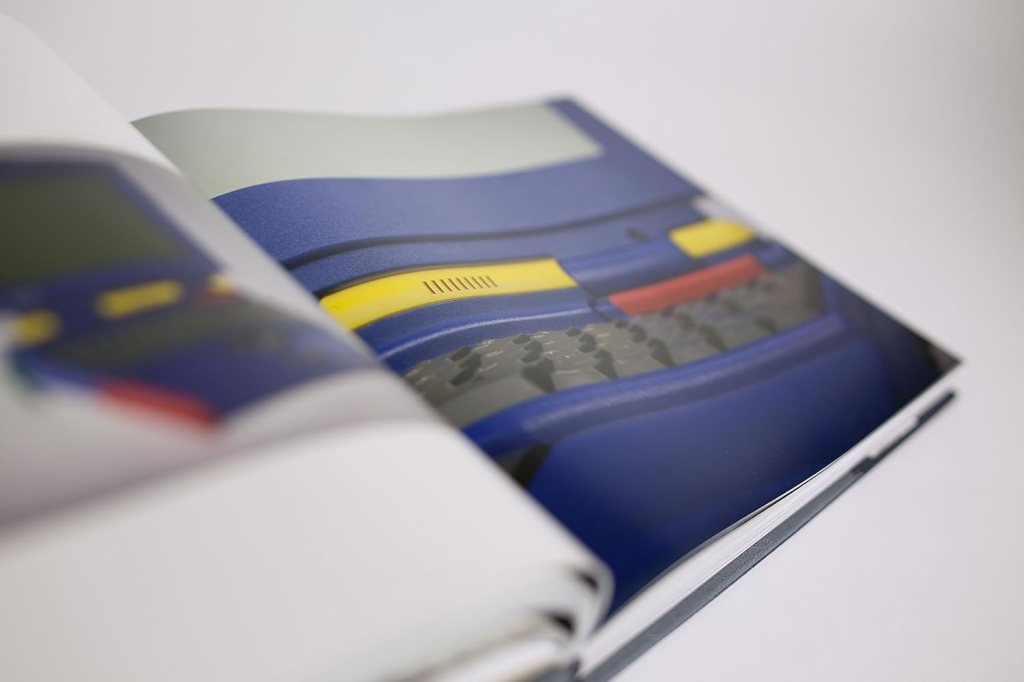
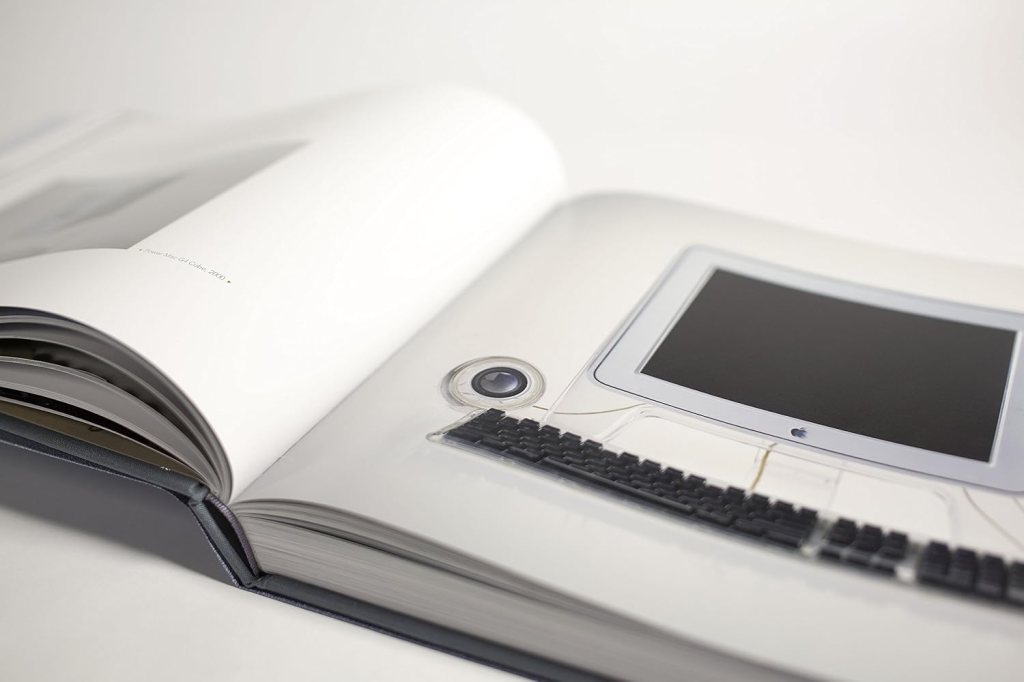
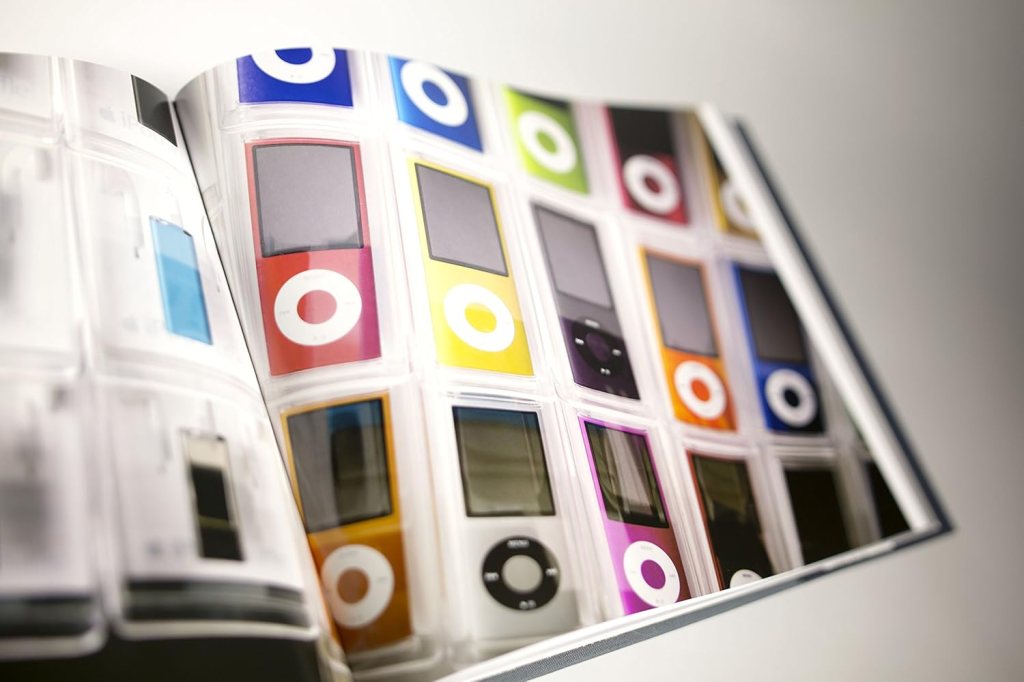
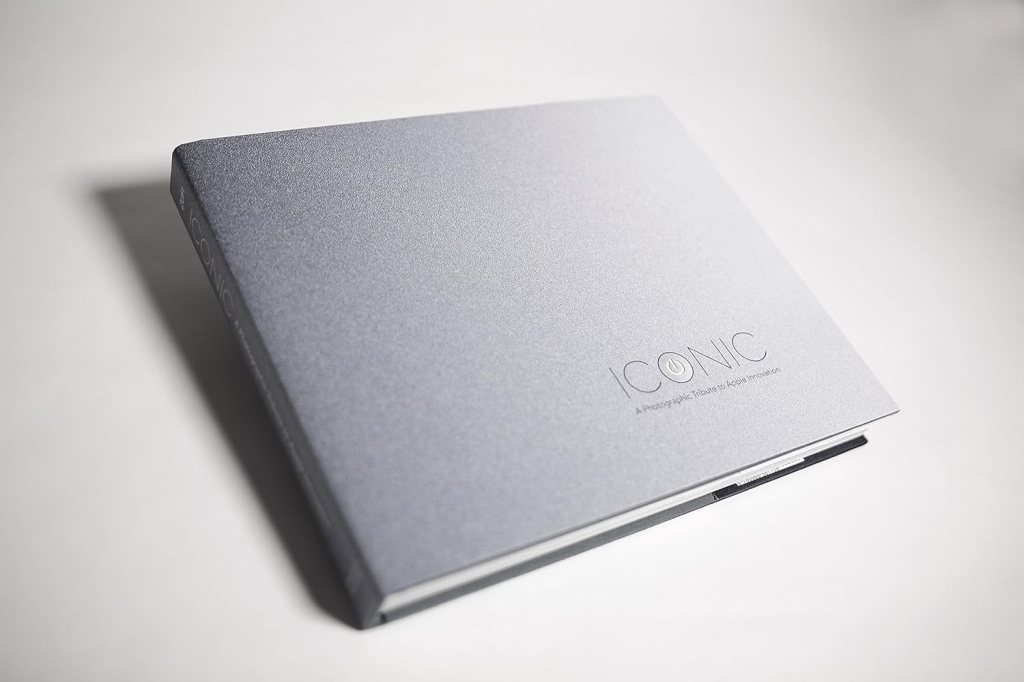
I remember being delighted a year later when I received a pamphlet of additional “pages”, completely unexpectedly and completely free, to update the to the 2014 edition. This added the trash can Mac Pro, the iPhone 5s, and additional prototypes. The pages are even numbered based on where they fit into the first edition content. I purchased the third edition of the book last year to catch up on models through 2021.
In Episode 51, the hosts interview Stephen Hackett about his copy of Designed by Apple in California, Apple’s own book on its design history, released in 2016. While Iconic chronicles Apple’s entire design history, Designed by Apple only covers the Jony Ive era. I don’t own this book, but remember it and its somewhat-astronomical asking price ($199 or $299). In hindsight I should have purchased one (or two) as it would turn out to be a bargain – they go for over $500 today.

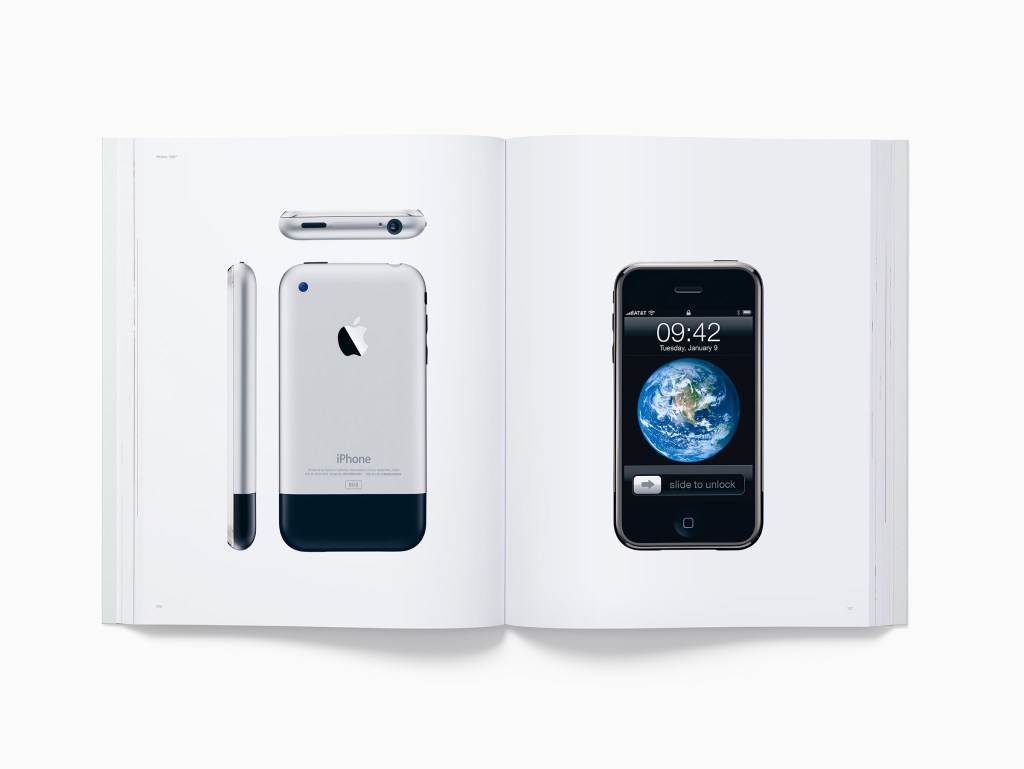
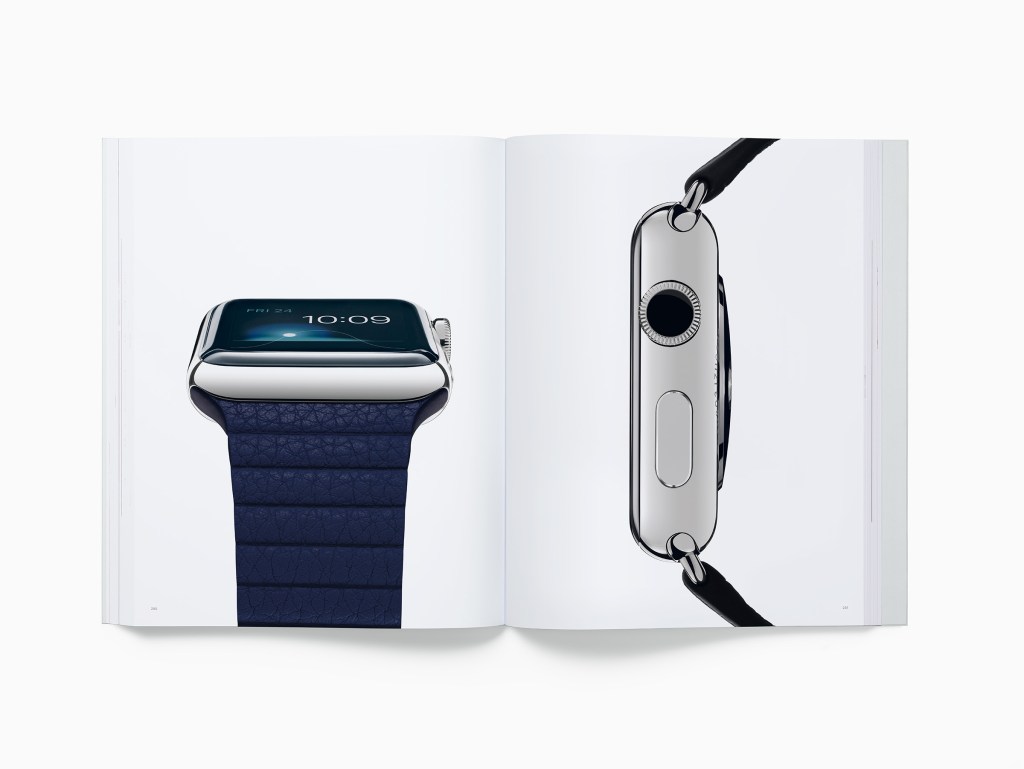
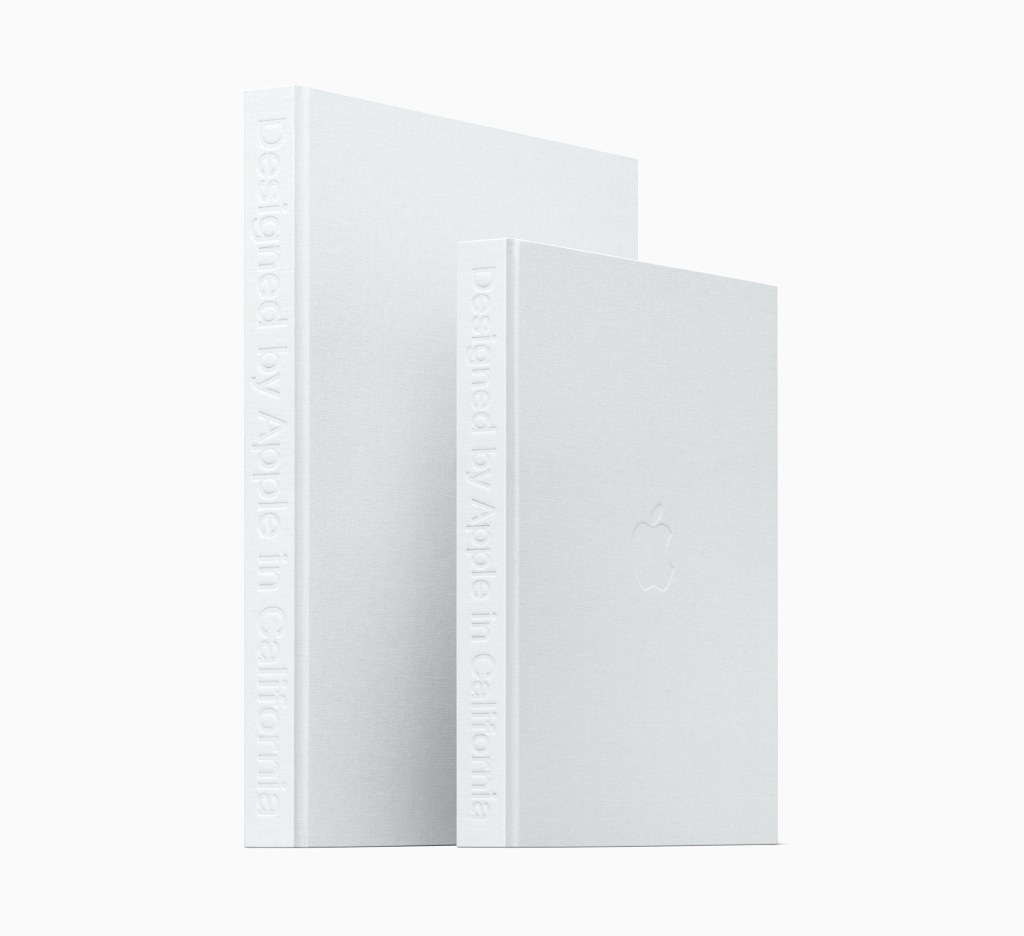
At the end of the episode the hosts discuss which book to recommend – Designed by Apple or Iconic. They recommend Iconic for its longer history and lower price. I can attest that Iconic is an amazing book, worth every penny.
iPhone
June 2017 marked the 10th anniversary of the iPhone’s release and the hosts used their 61st episode to look back on its development and the impact it had on technology. By the time this episode aired, Apple had moved iPhone releases from June to September, so this was recorded before the hosts knew about the iPhone X. There were rumors of the “iPhone 8” at the time that would include an edge-to-edge screen, lack a home button, and push the price of the iPhone up to $1000.
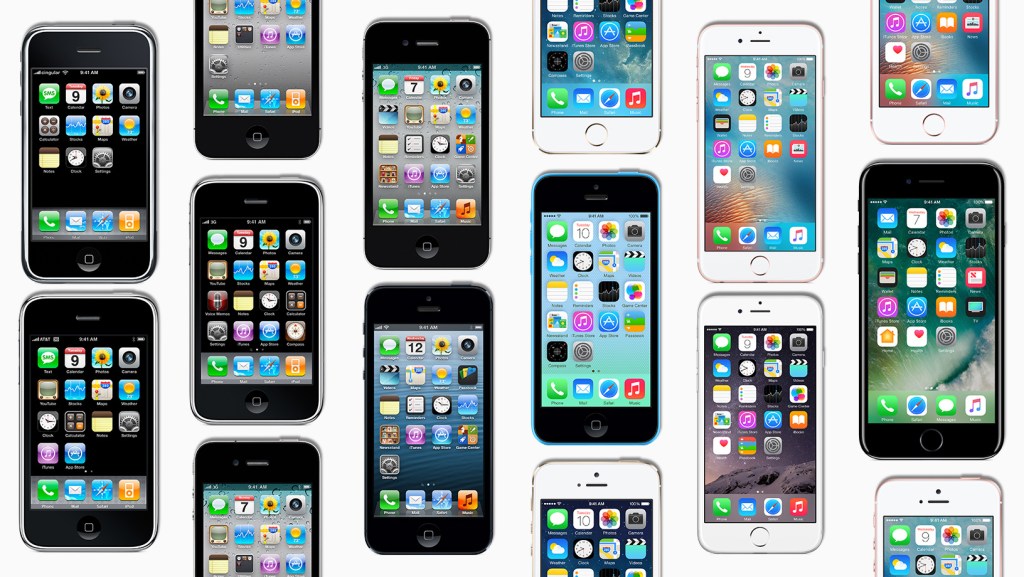
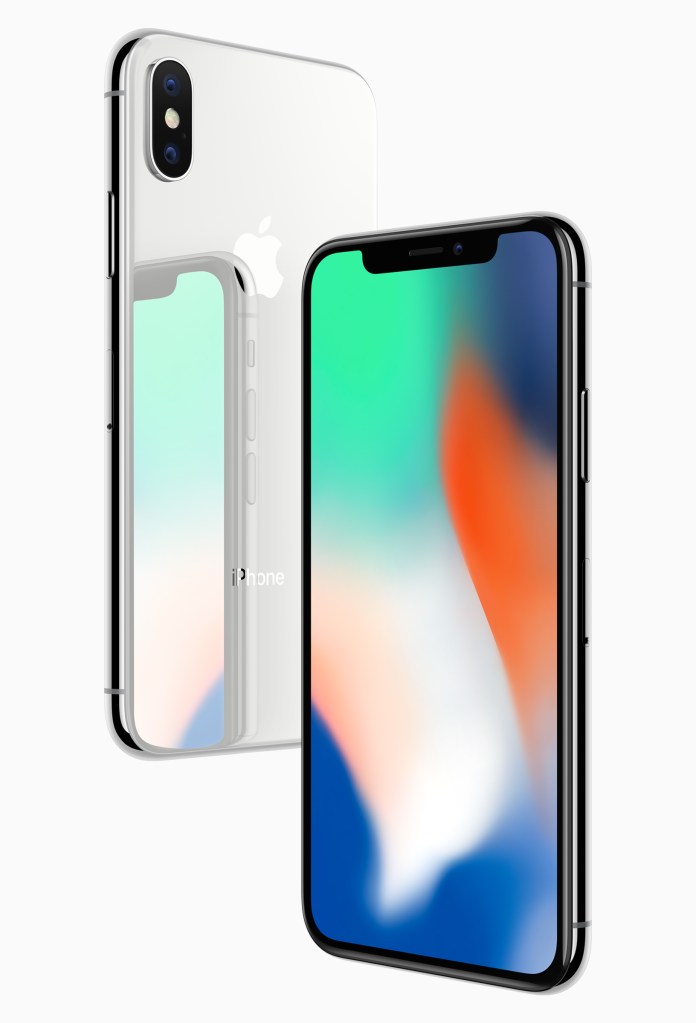
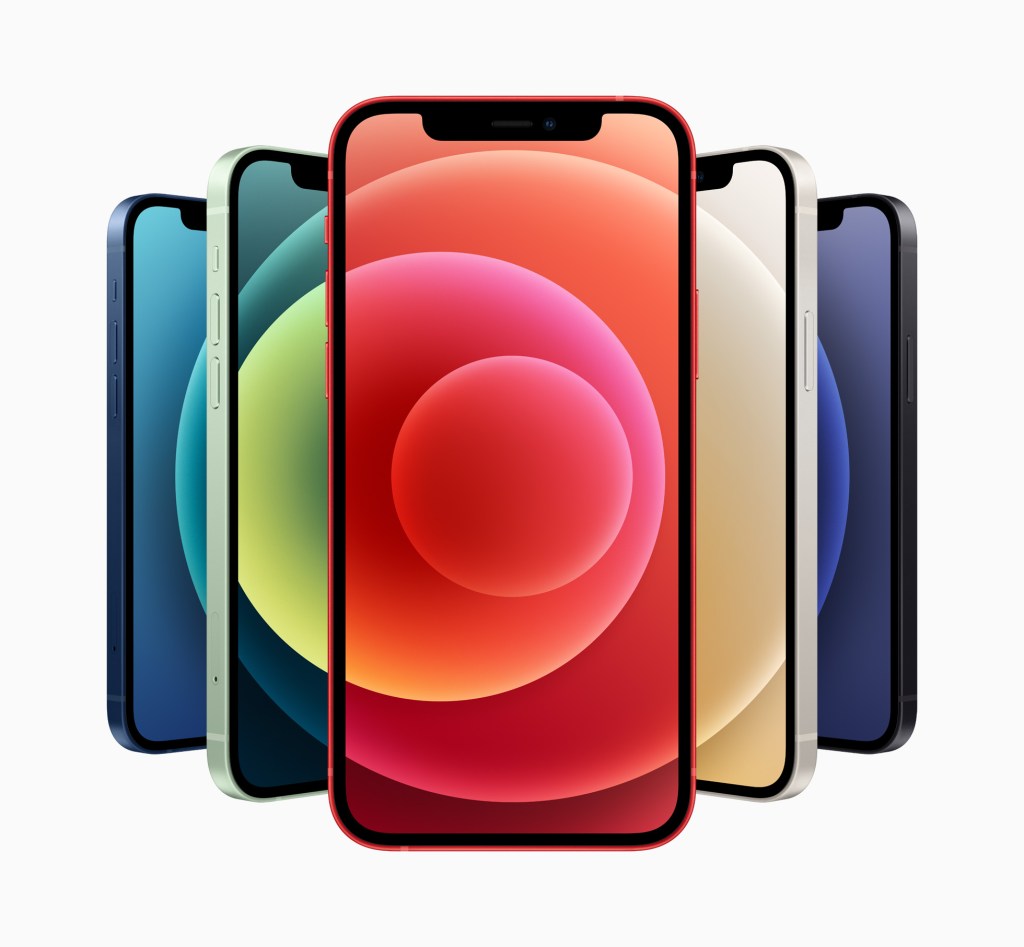
While the iPhone 8 turned out to be a different beast, the price of what was released as the iPhone X was correct – $999 with a whopping 64 GB storage. I remember it clearly: I was on a two year upgrade cycle and it was time to replace my iPhone 6S. With two models to choose from I had to decide if I wanted to dive into these new, untested paradigms with the X or stick with the comfort of the traditional experience in the similarly-spec’d iPhone 8. This was the first time I would buy a phone without a carrier subsidy, so the $999 out of pocket cost of the X also weighed on my mind. I ended up choosing the iPhone X and never regretted it.
At one point they discuss the iPhone’s initial price points – $199, $299, and $399 – accomplished through carrier subsidies. They remark that subsidies have gone away and a phone now costs $650, but the cell plans are cheaper and we won’t be paying $80 a month for them. Fast forward today and I have an $1,100 phone in my pocket on a plan that costs $80 a month…
They also mention holding onto their unlimited data AT&T plan, which I did for a very long time as well. AT&T would always try to “upgrade” me to a different plan and slowly added restrictions to how much “unlimited” data I could use or how fast that data would flow after a certain limit. I never hit the limits so I stuck with my traditional plan… until I wanted tethering. To get tethering I had to give up my traditional unlimited plan. In a world where all carriers now offered “unlimited” data plans anyway (with a thousand asterisks) it was the right choice for me.
As an Apple-focused podcast, the hosts occasionally miscredited Apple with innovations it didn’t make. In this episode they credited Apple with driving the industry towards flat design aesthetics with the release of iOS 7 five years prior. While Apple’s large market share certainly pushed it forward, Apple didn’t introduce flat design to the industry.
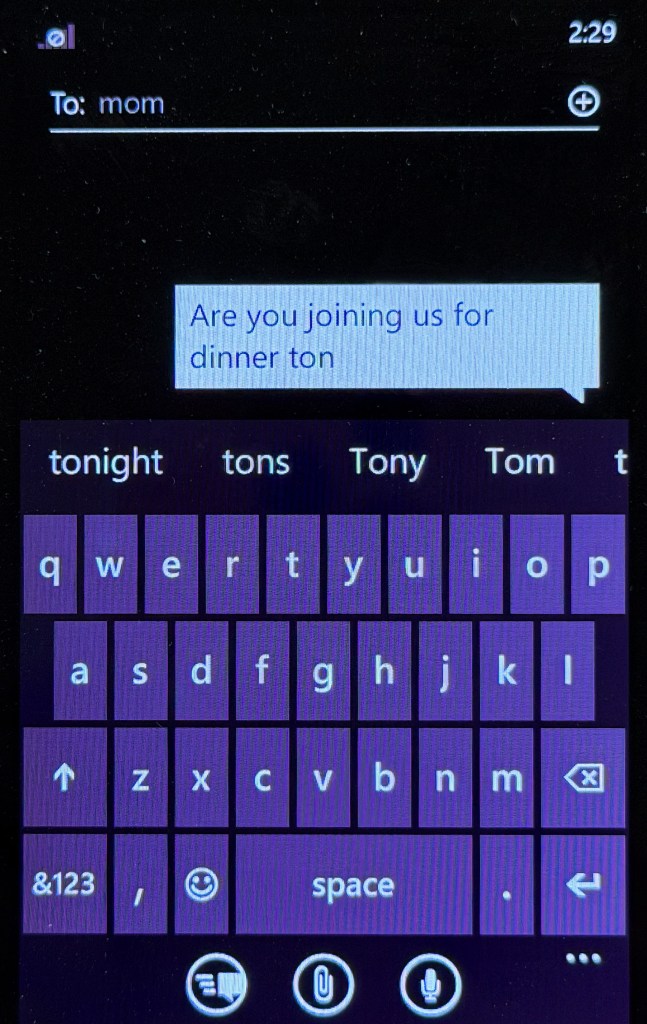
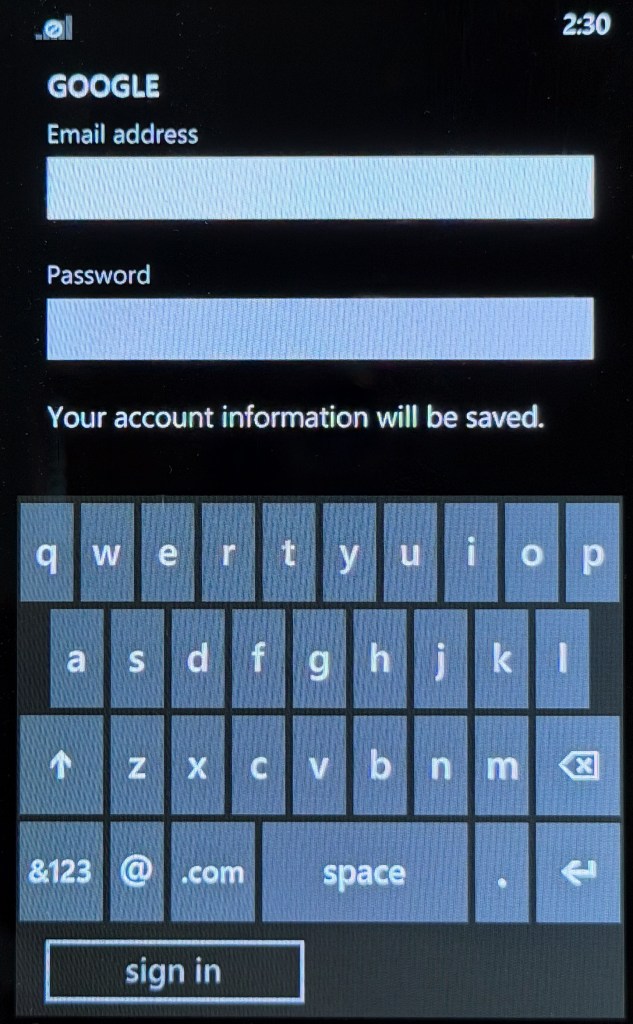
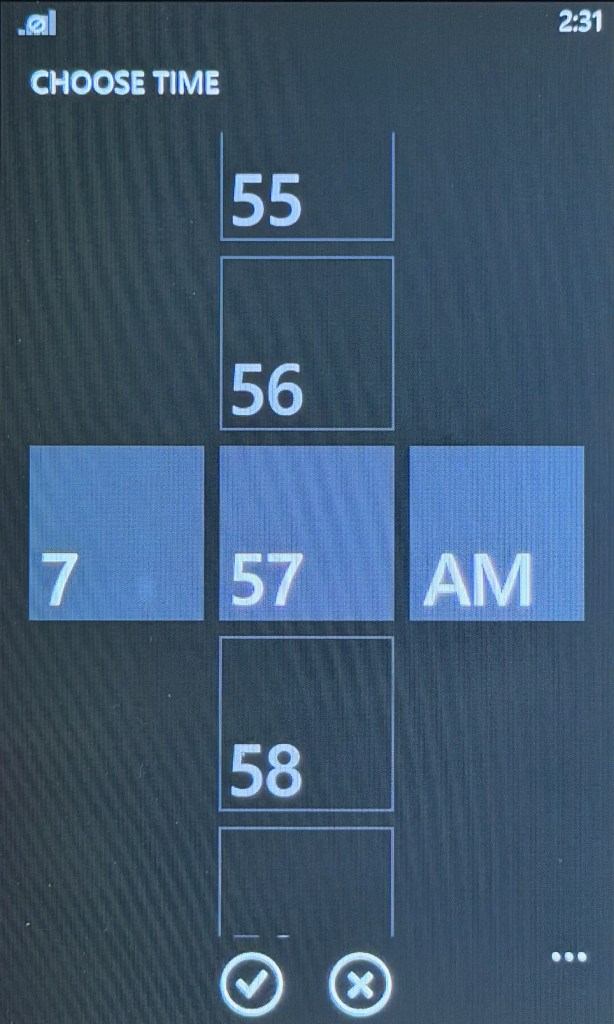
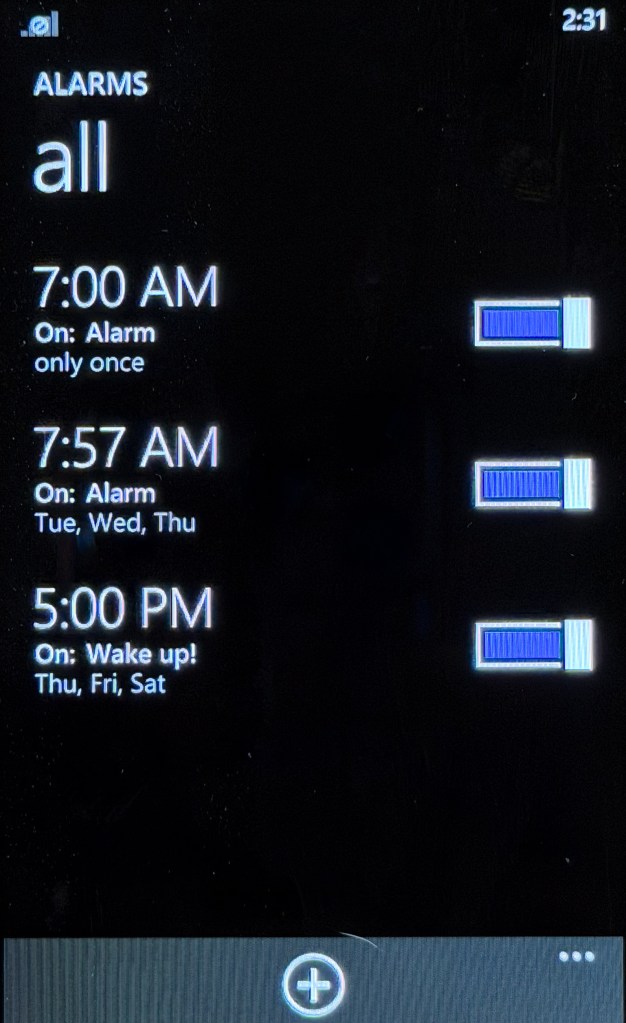

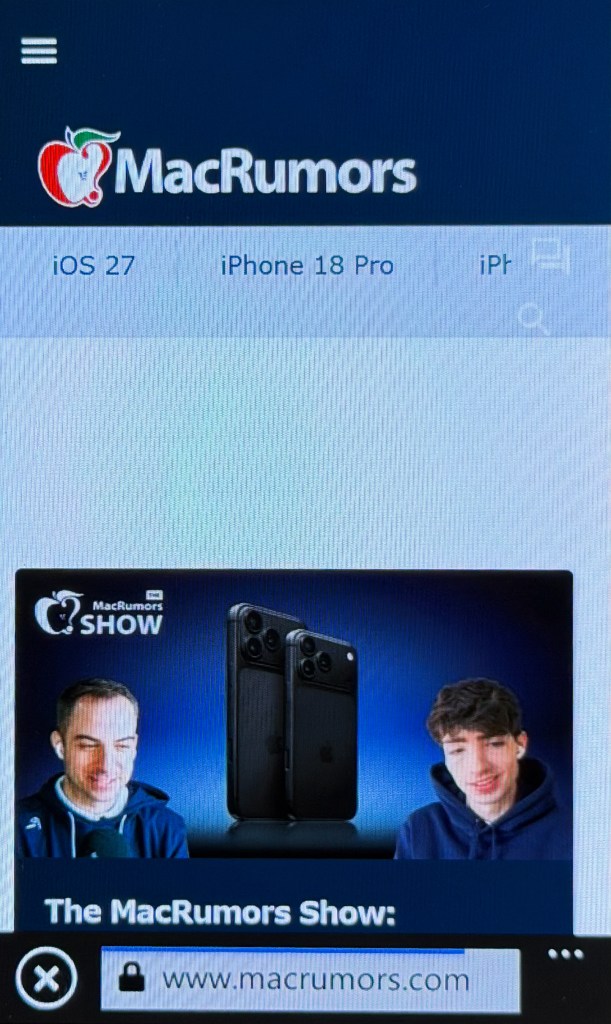
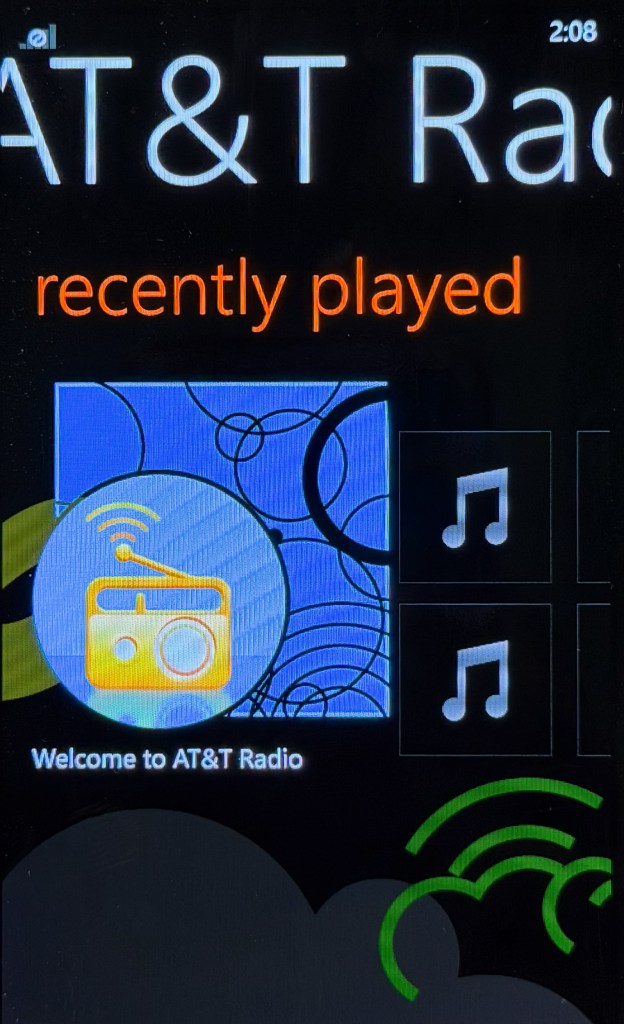
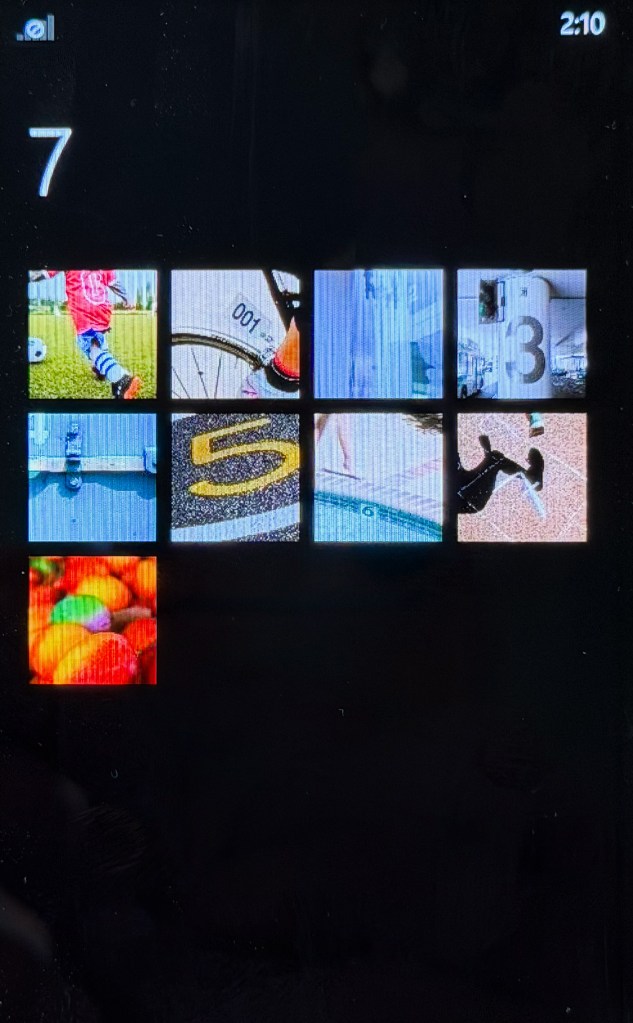
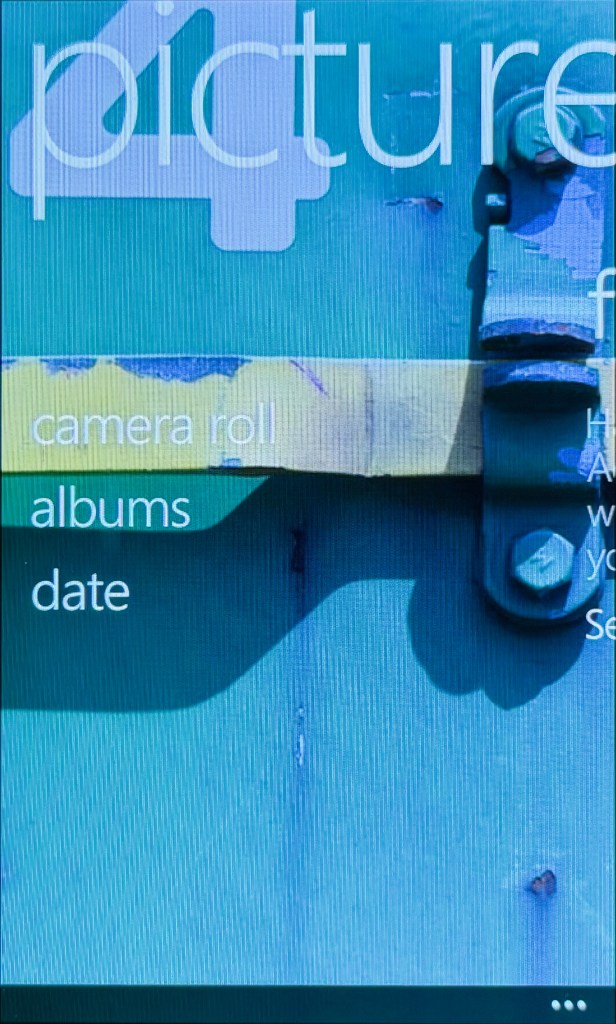
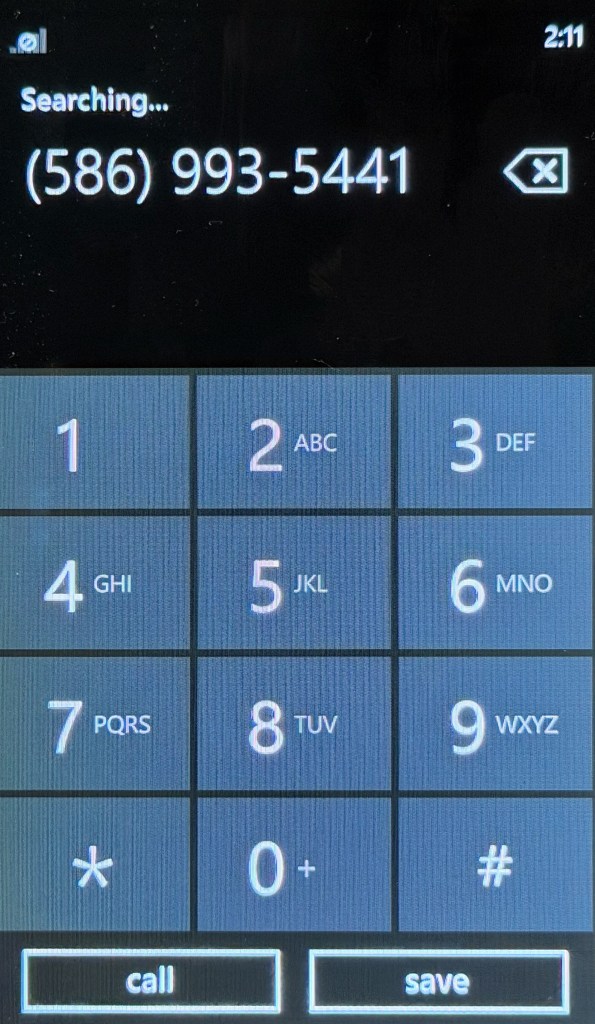
Microsoft did. With its Windows Phone 7 interface introduced in 2011. I was a mobile developer at the time and followed the industry very closely. We had Windows Phones with their flat, simplified aesthetic and their Metro UI that traced its roots to the Zune and even the Encarta Encyclopedia from the late nineties. We had Androids too, which weren’t as flat in their UI, but not as skeuomorphic as iOS either.
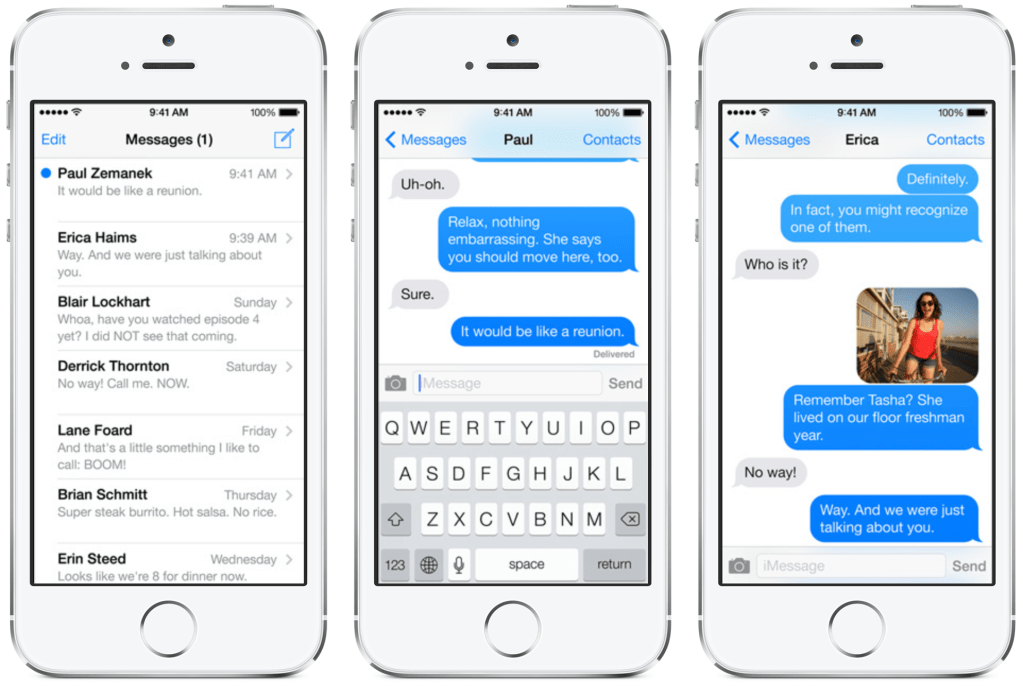
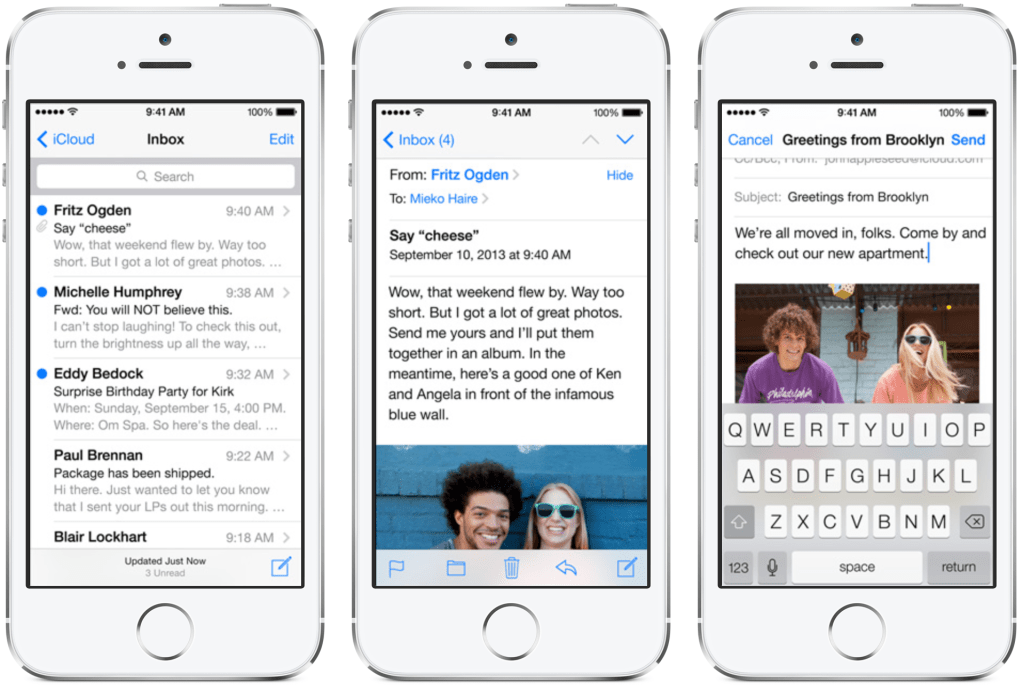
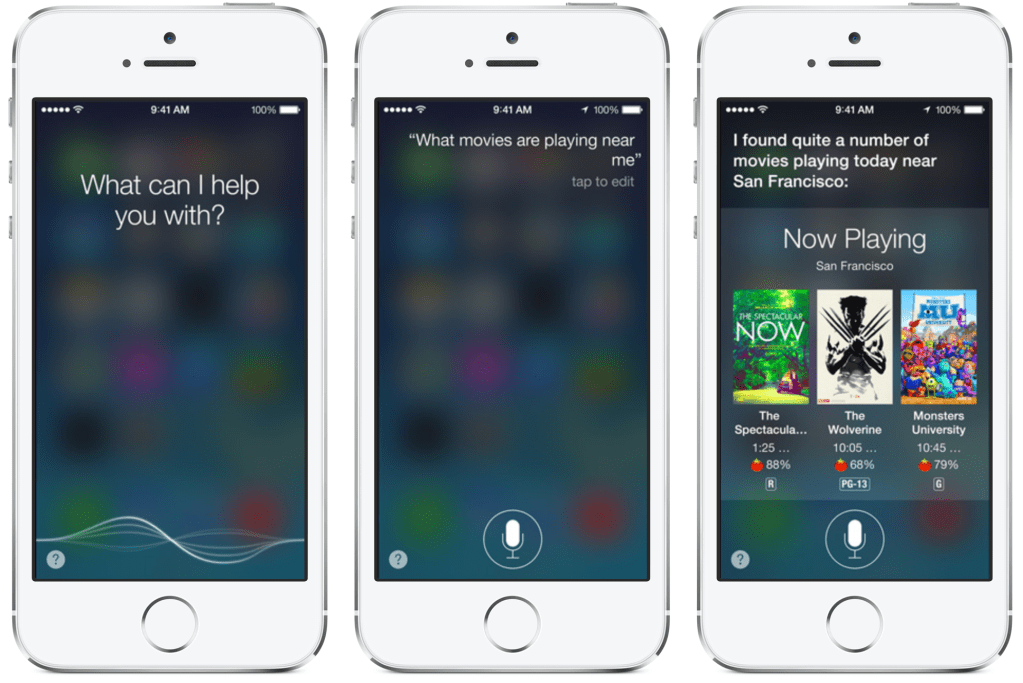
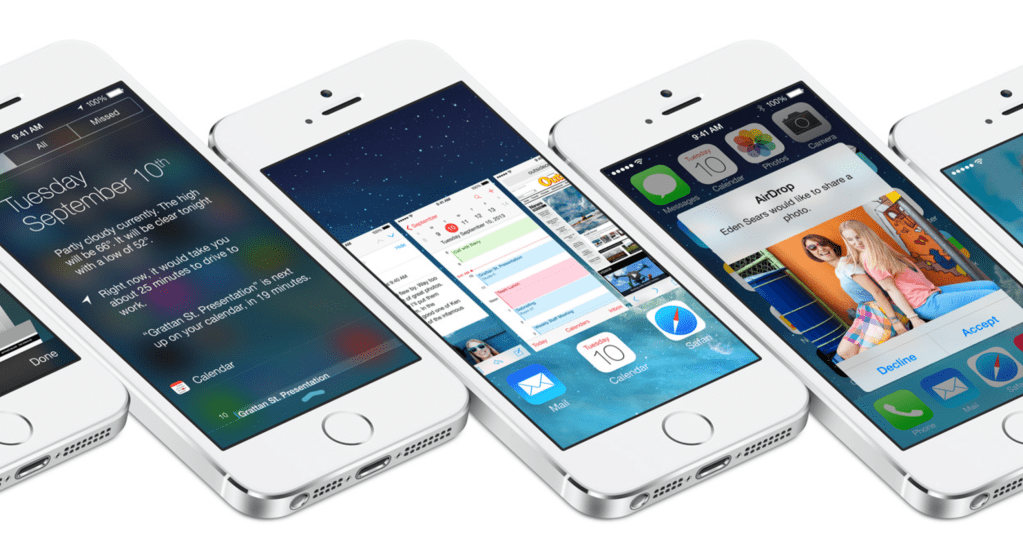
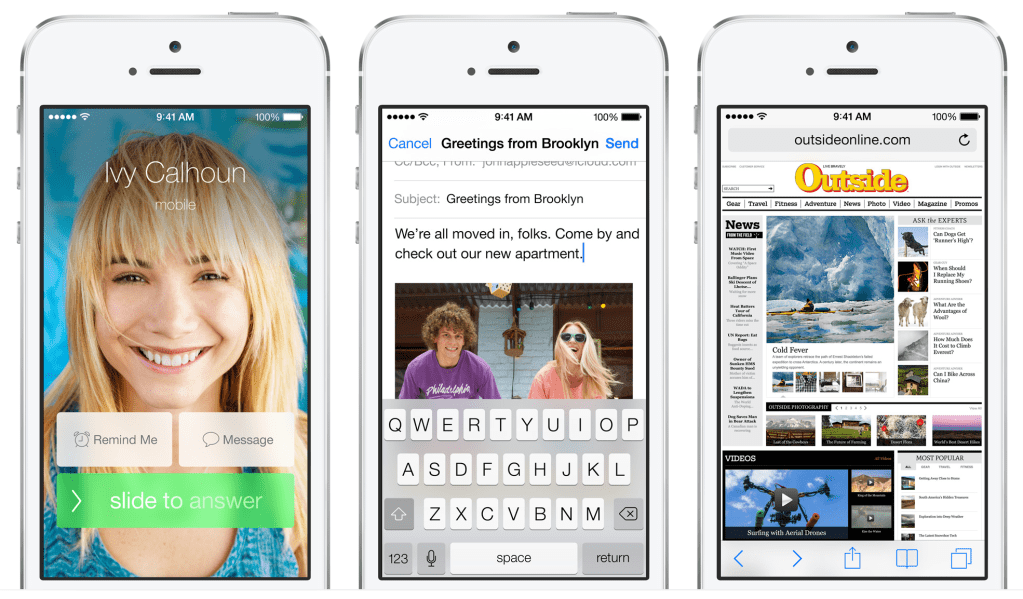
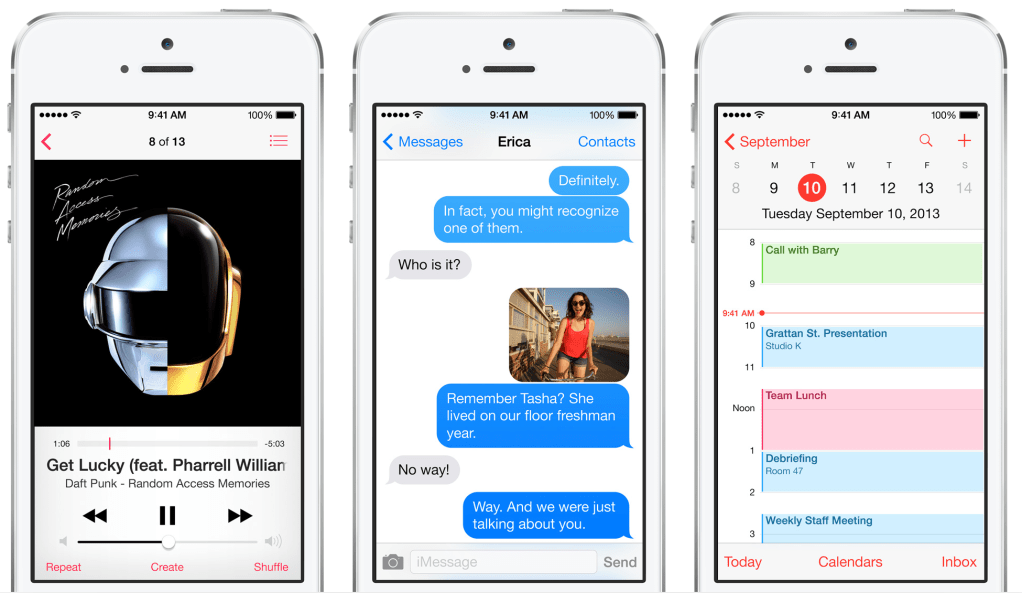
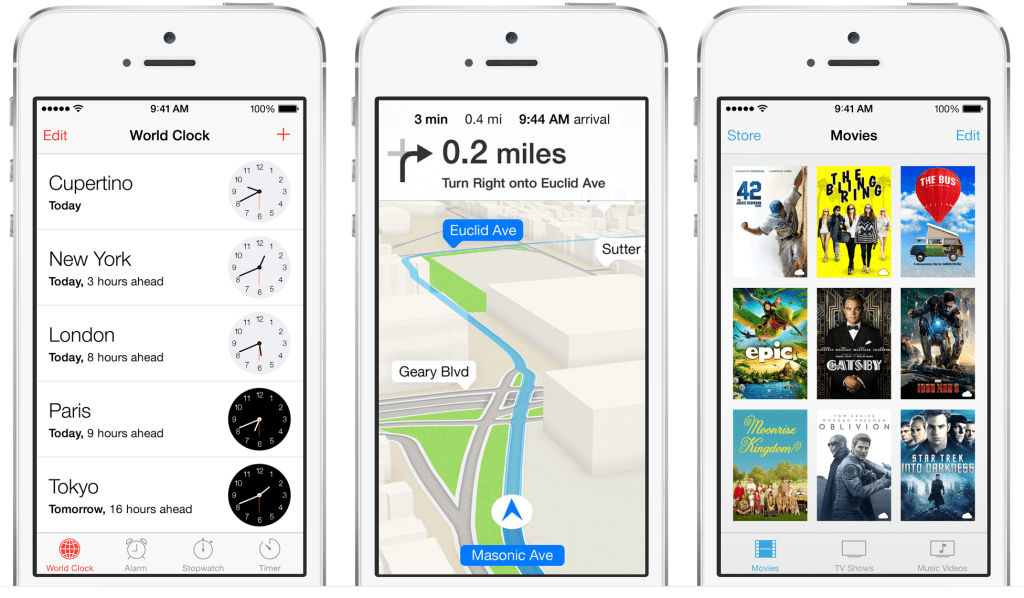
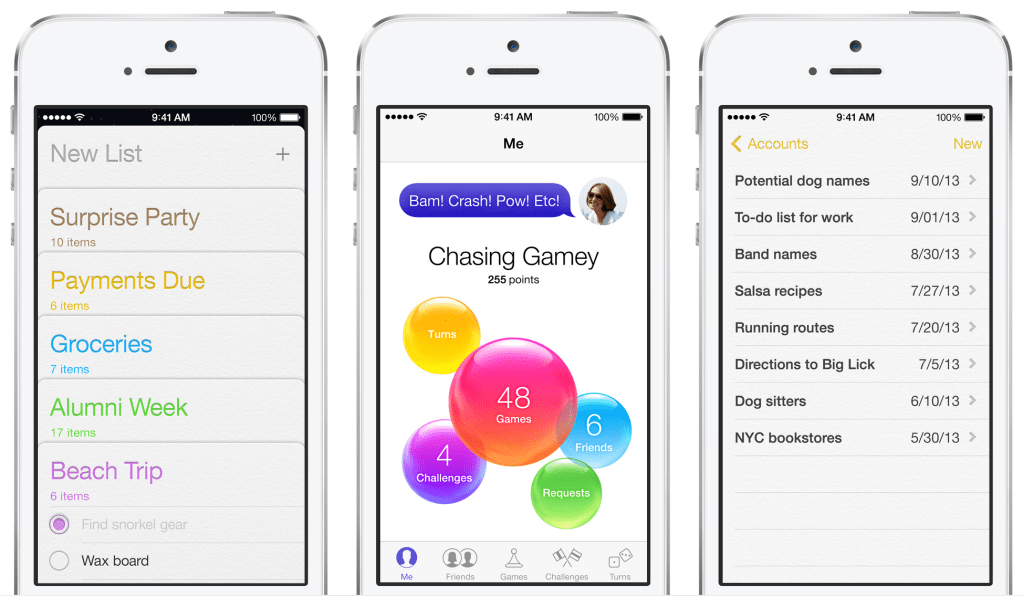
Apple simply did not invent flat design nor did it innovate it. The industry, spurred by Microsoft, was moving away from skeuomorphism at a rapid pace and iOS began to look dated. Apple was catching up with the industry. The lack of context in this part of the podcast was frustrating and I want to give credit where credit is due. Personally, I prefer the detail and craftsmanship that went into the skeuomorphic iOS 6 and earlier designs anyway, so maybe the pendulum will shift back again 🙂
With that out of the way, the last follow up from this episode is the upcoming twentieth anniversary of the iPhone. That’s right, in two years the iPhone will have been around for twenty years. With the expectation of a foldable iPhone next year, rumors are already swirling about a radical redesign for the twentieth anniversary.
More to Come
The final installment is on the way, covering a bunch of small notes about the rest of the episodes.


One Reply to “”