
We spent half a week in Charleston South Carolina last month. We’ve never been there before and stayed at an Airbnb on Kiawah Island. It’s about an hour drive from downtown, so we divided our time between the island and the city seeing the sights. The downtown area is beautiful with lots of architecture and history. It’s also super hot and humid in July 🙂
I didn’t want to fly a huge camera kit out, so I brought my Sony a6100 with a few prime lenses and a zoom instead. I used my iPhone for city shots and a house tour as well. All-in-all my Sony accounts for about ⅔ of these images; the majority taken with my Zeiss 16-70mm f/4. Though the images are not up to the quality of my Nikon Z8 + 24 – 120mm f/4 combo, bringing the smaller camera was the right choice.
Downtown
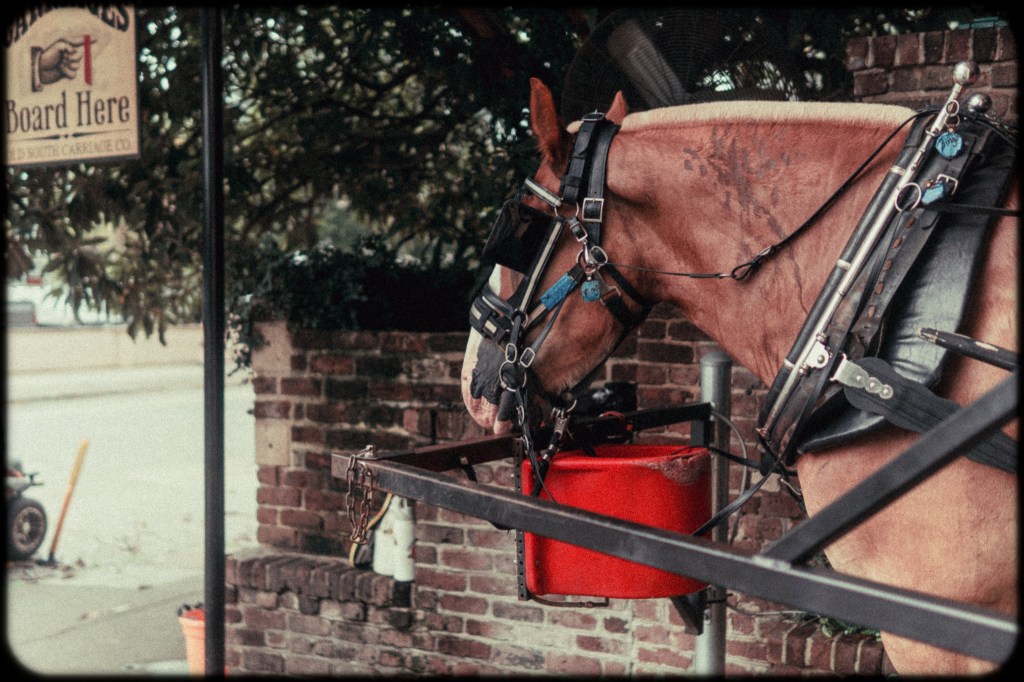
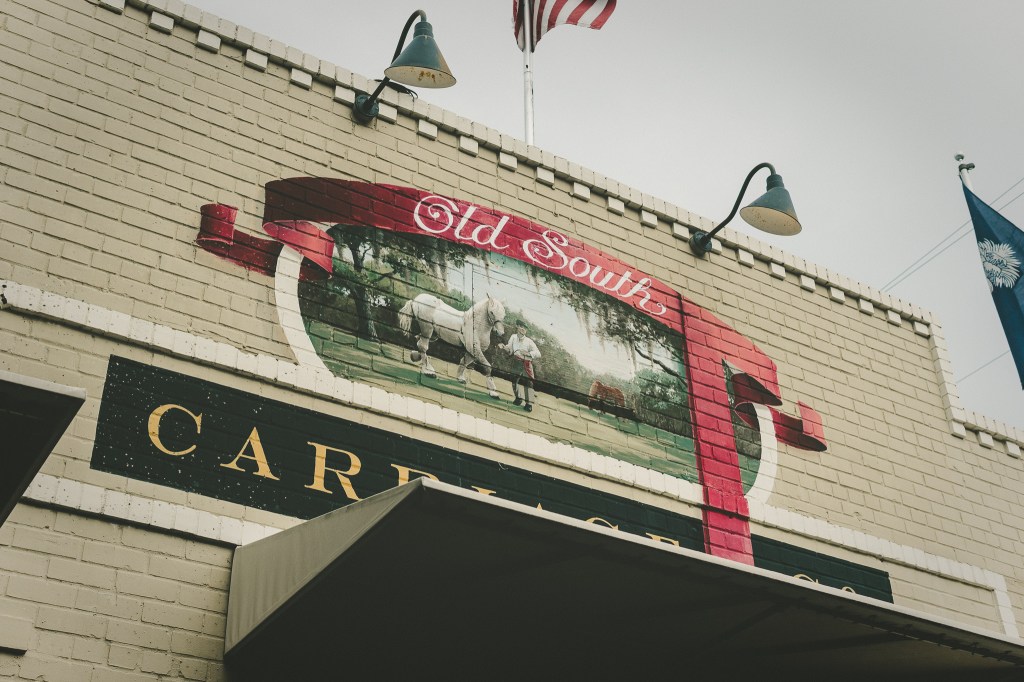
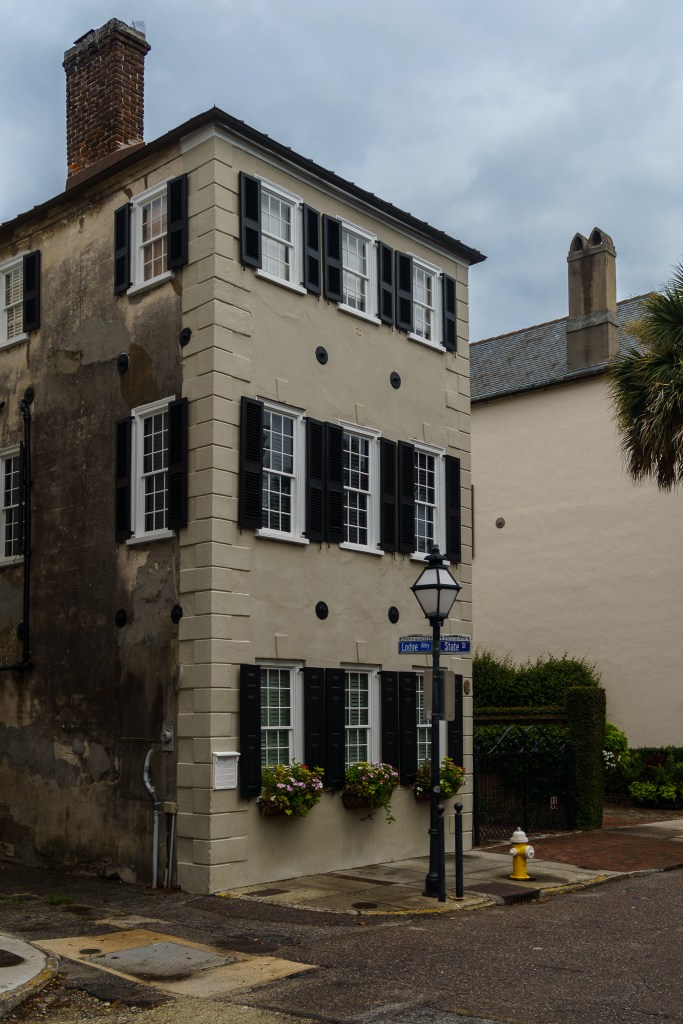
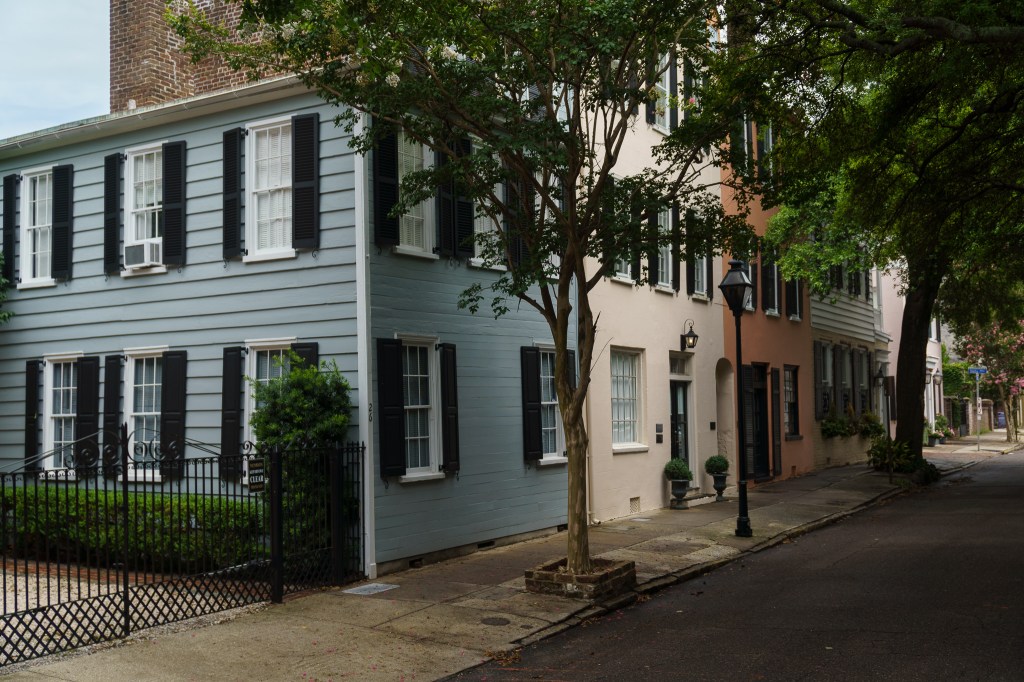
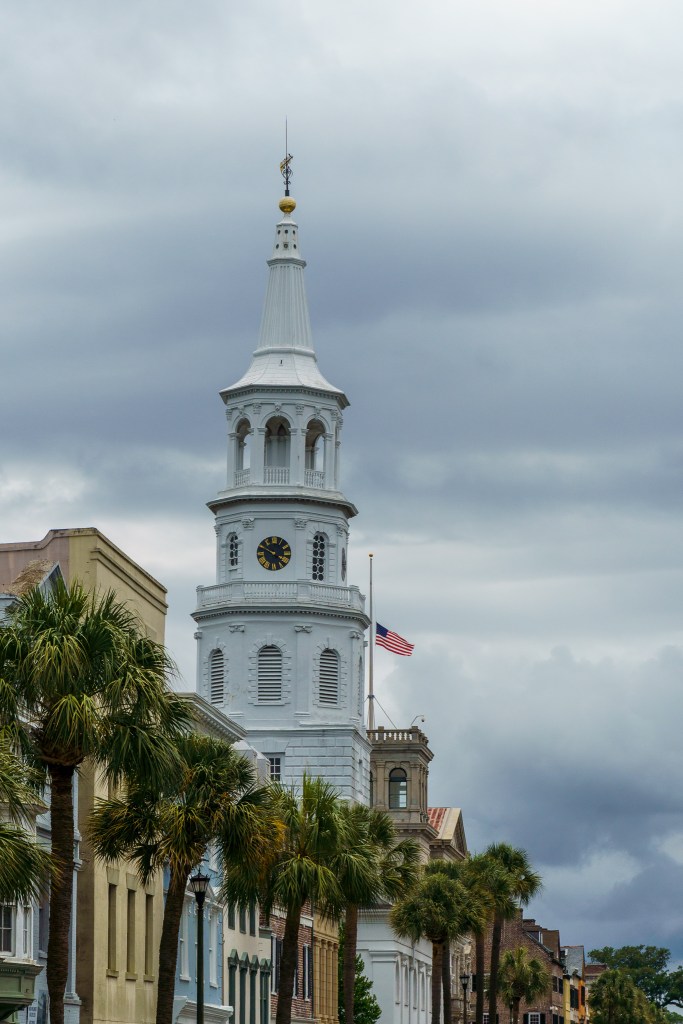
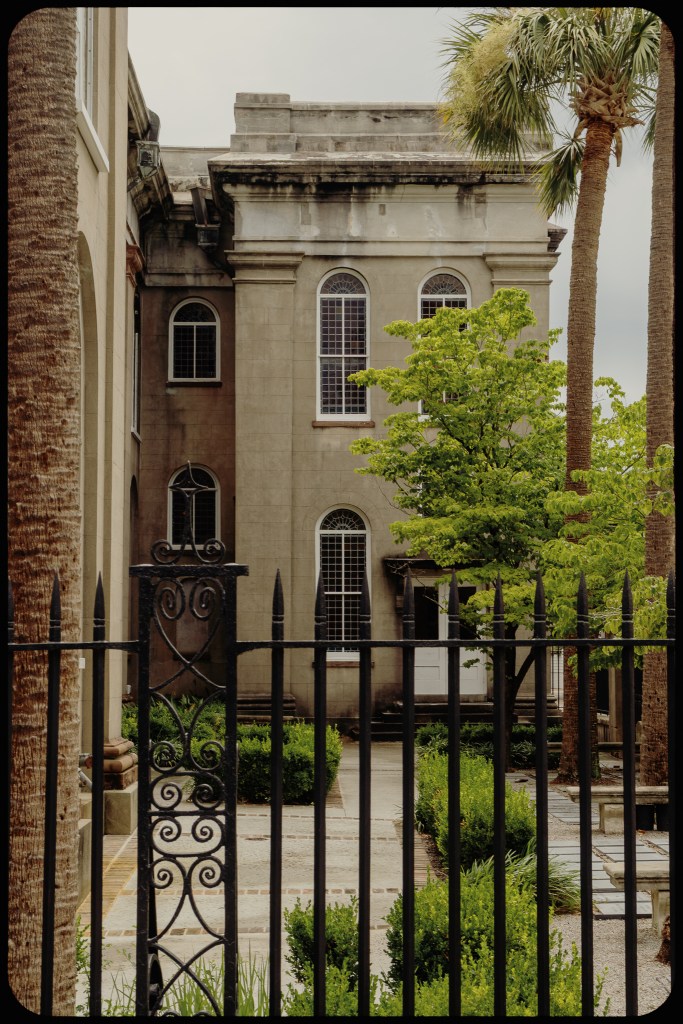
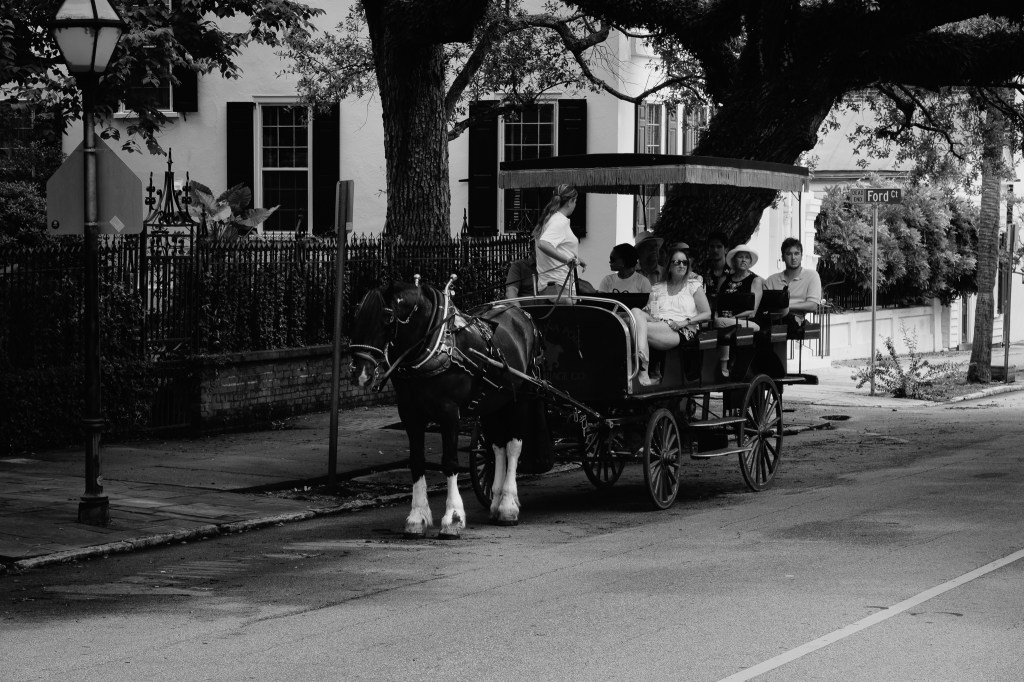
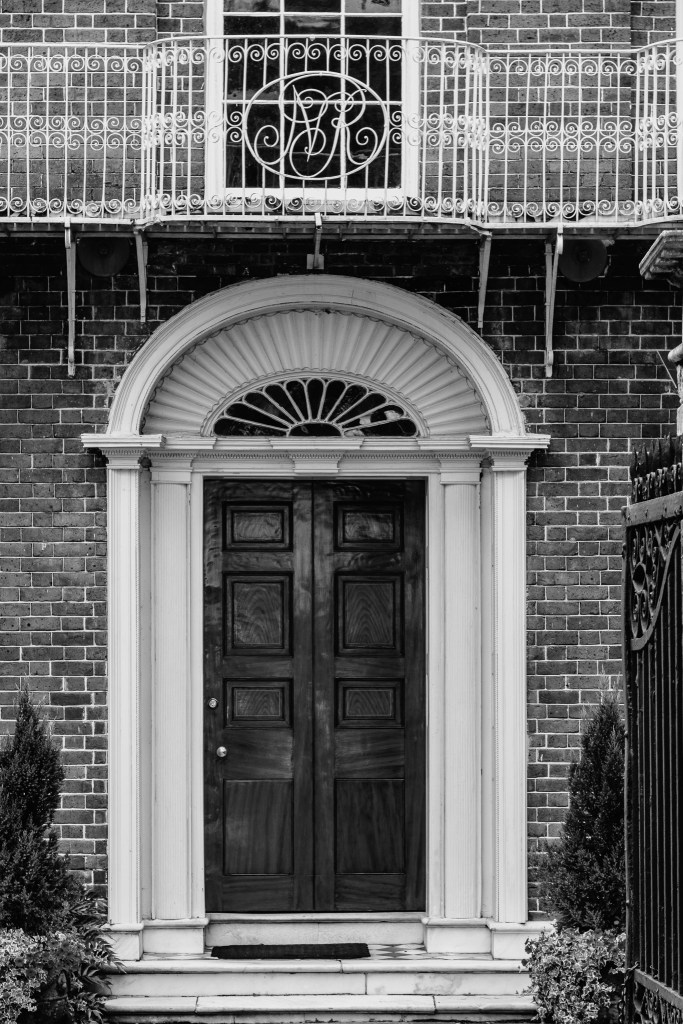
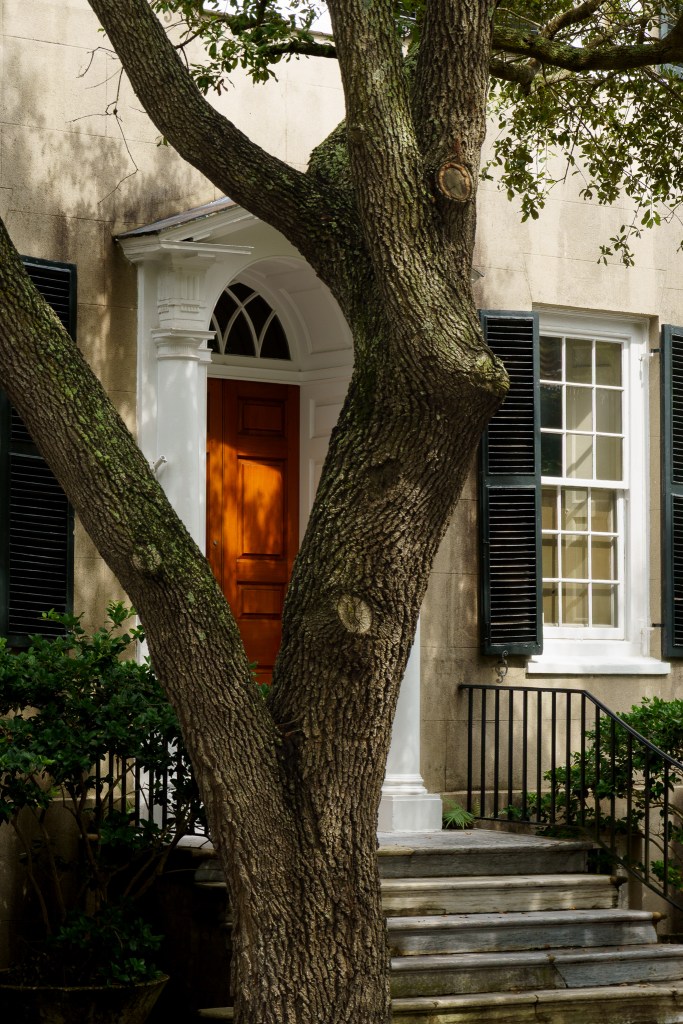
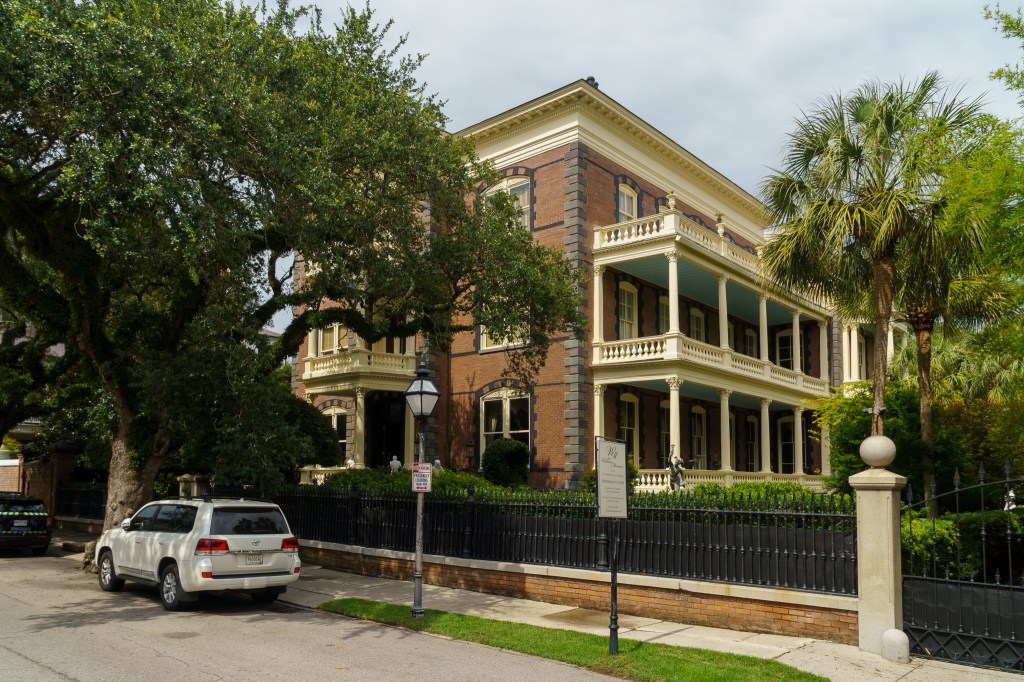
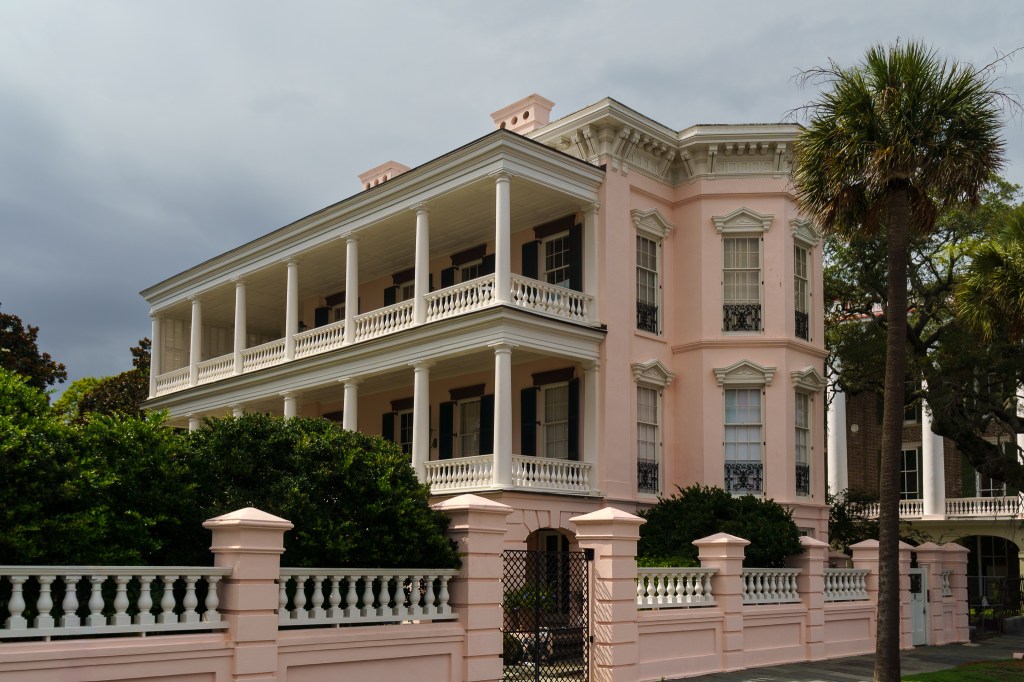
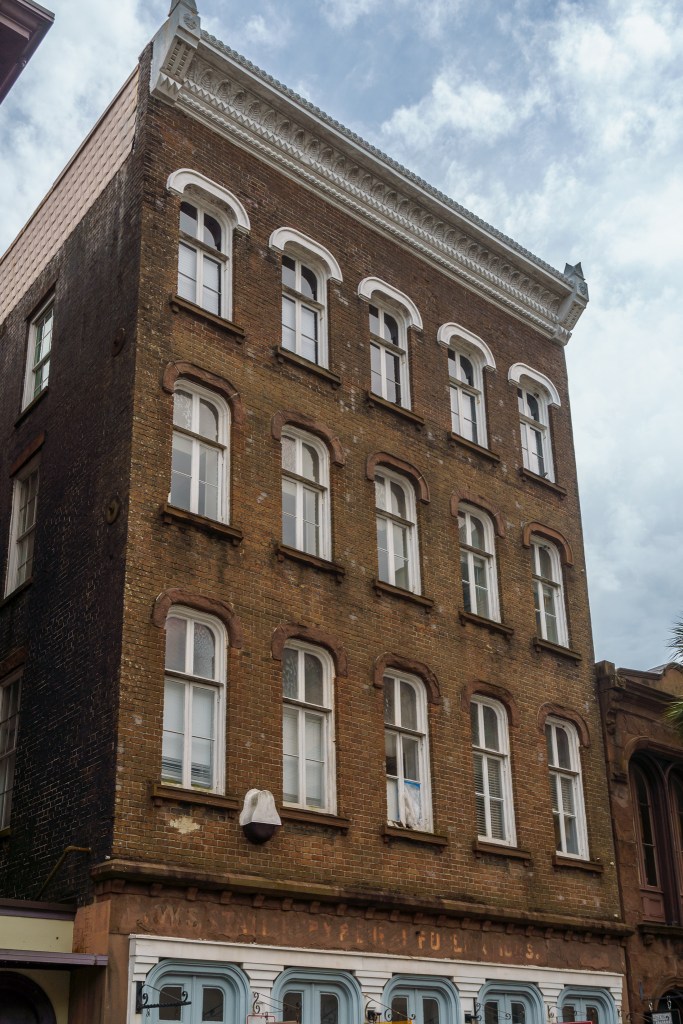
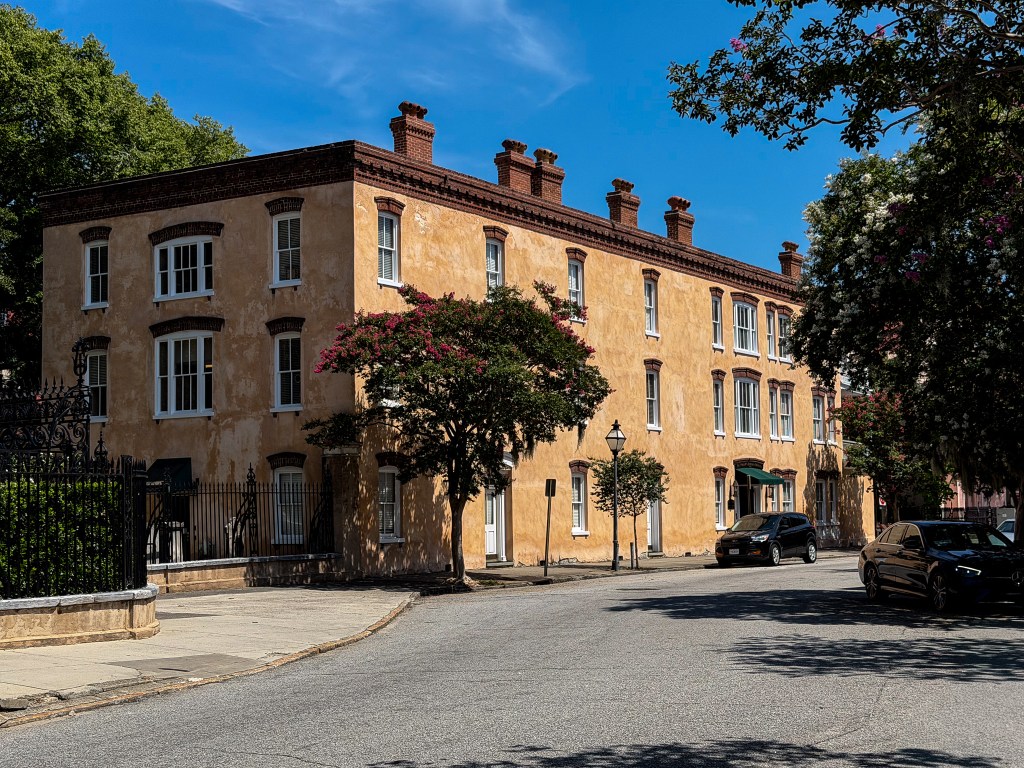
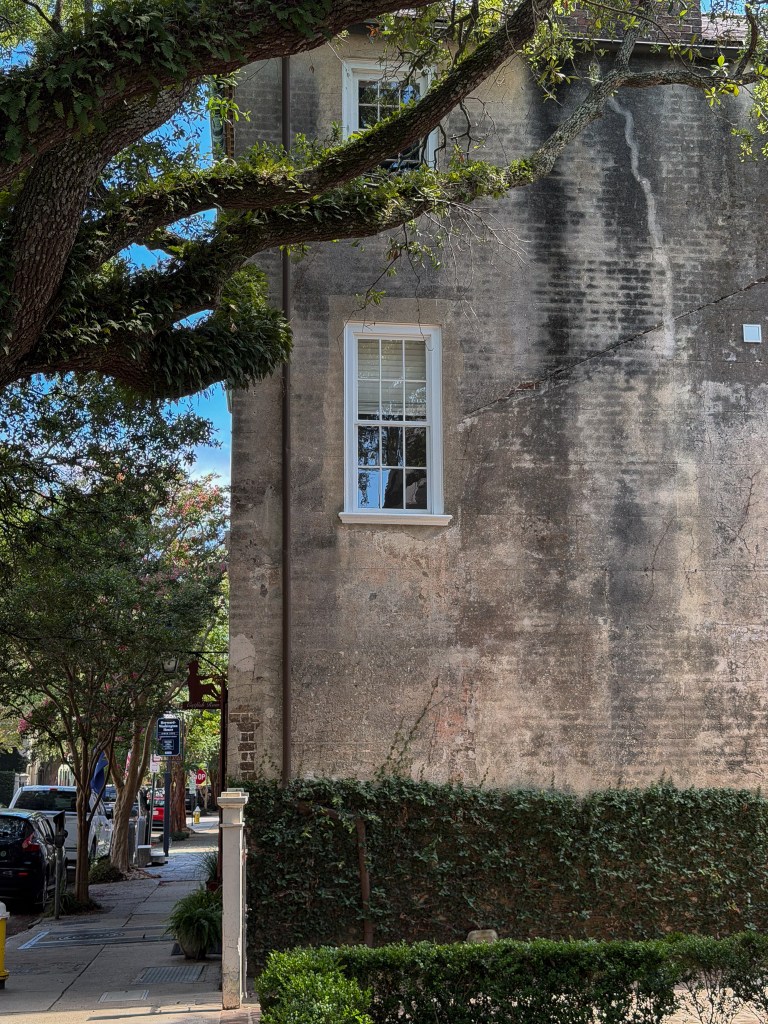
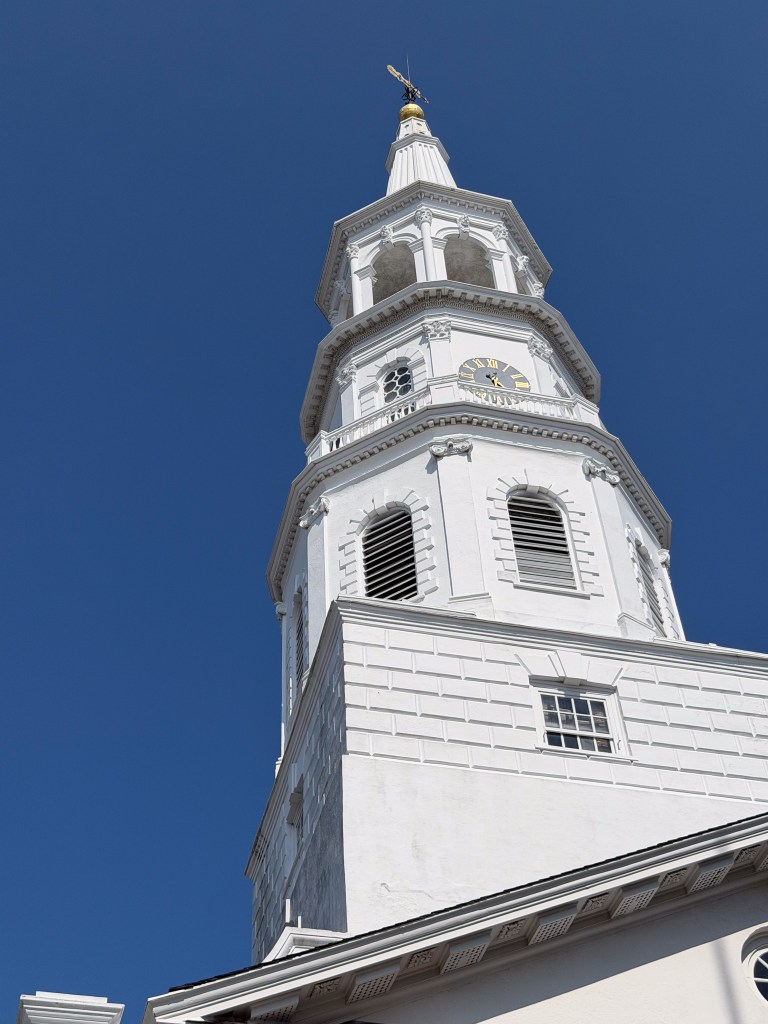
On our first full day we took a horse-drawn carriage ride through downtown as a way to see the sights and get acquainted. It was hot and humid, but the carriage was shaded. There are lots of carriage tours happening at all times, so many that each tour is assigned a random route to manage traffic. We had a great tour guide and I really enjoyed the colonial architecture of the city, the skinny buildings, and the piazzas. There was a mix of styles across the buildings and many were very ornate. Underlying all the grandeur is the knowledge that much of it was possible only because of slave labor.
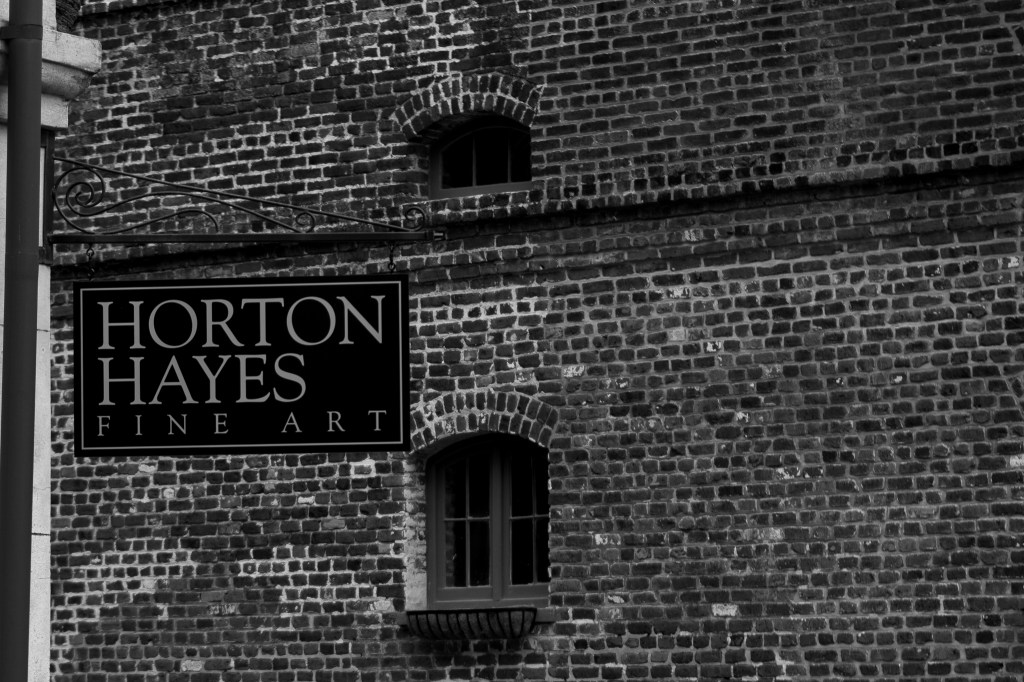
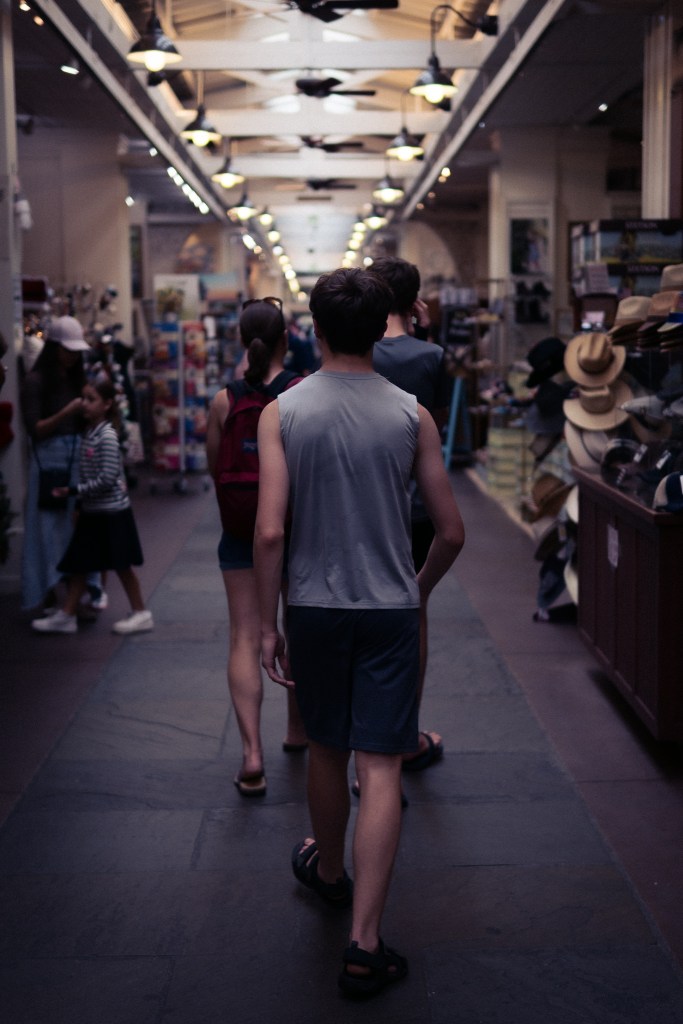
After our tour we roamed the downtown area a bit and stopped at the market to enjoy the air conditioning and light shopping. After that it was time for dinner, which we shared on the second floor of the Well Hung Vineyard in a beautiful historic building.
In Jail
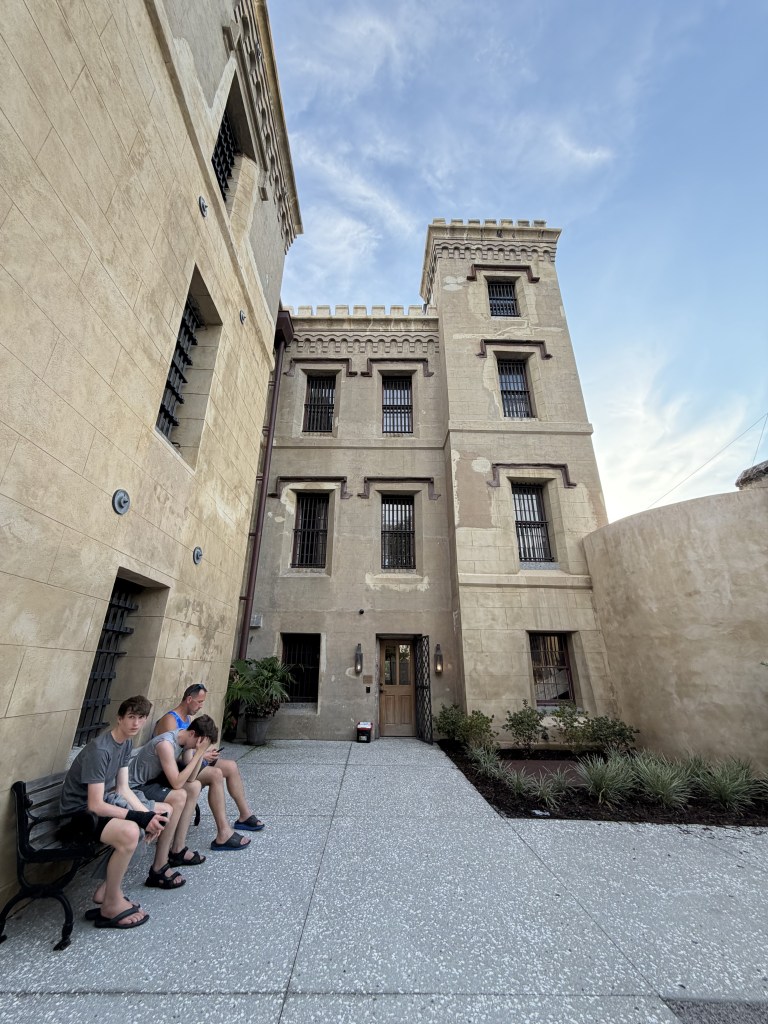
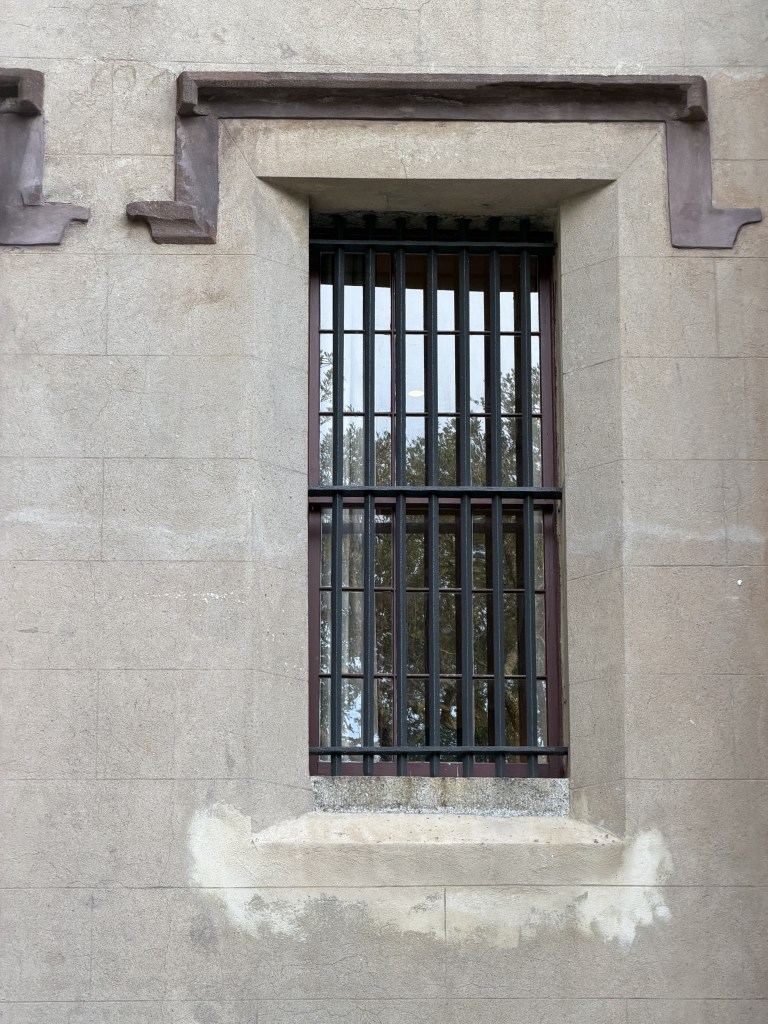
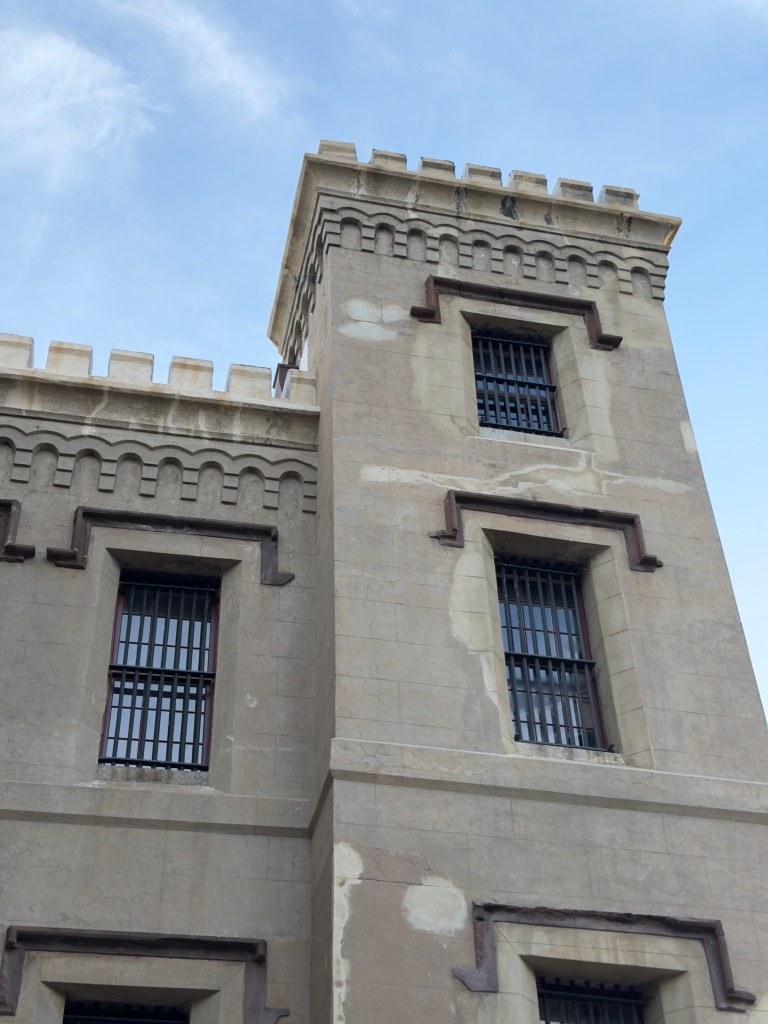
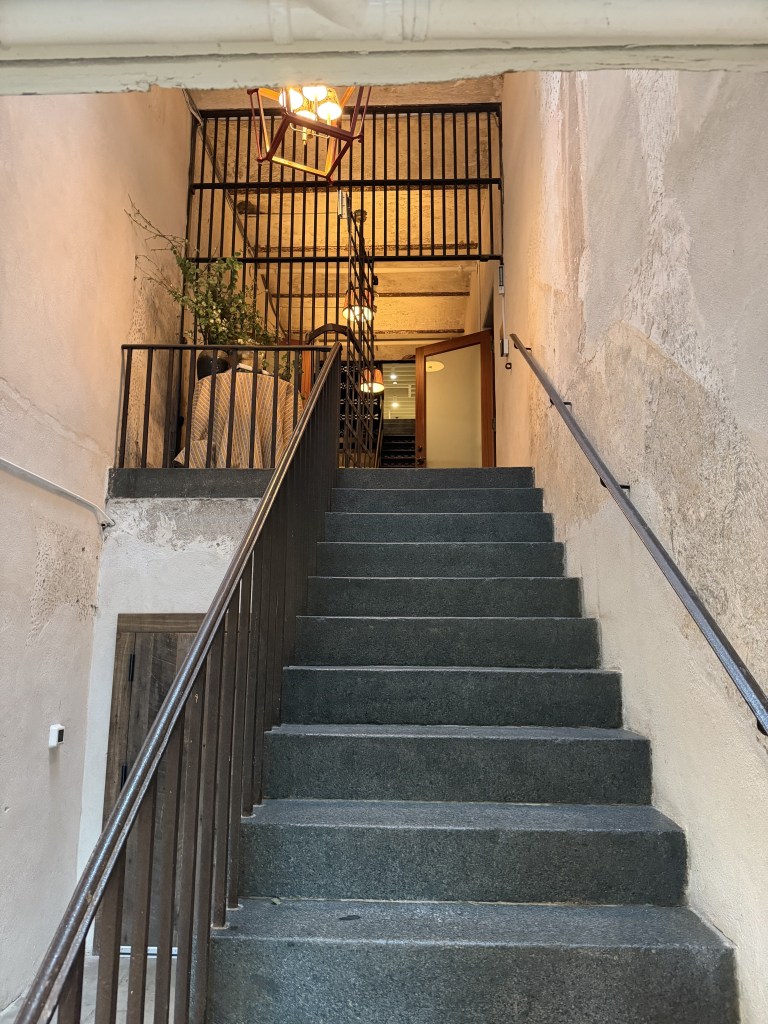
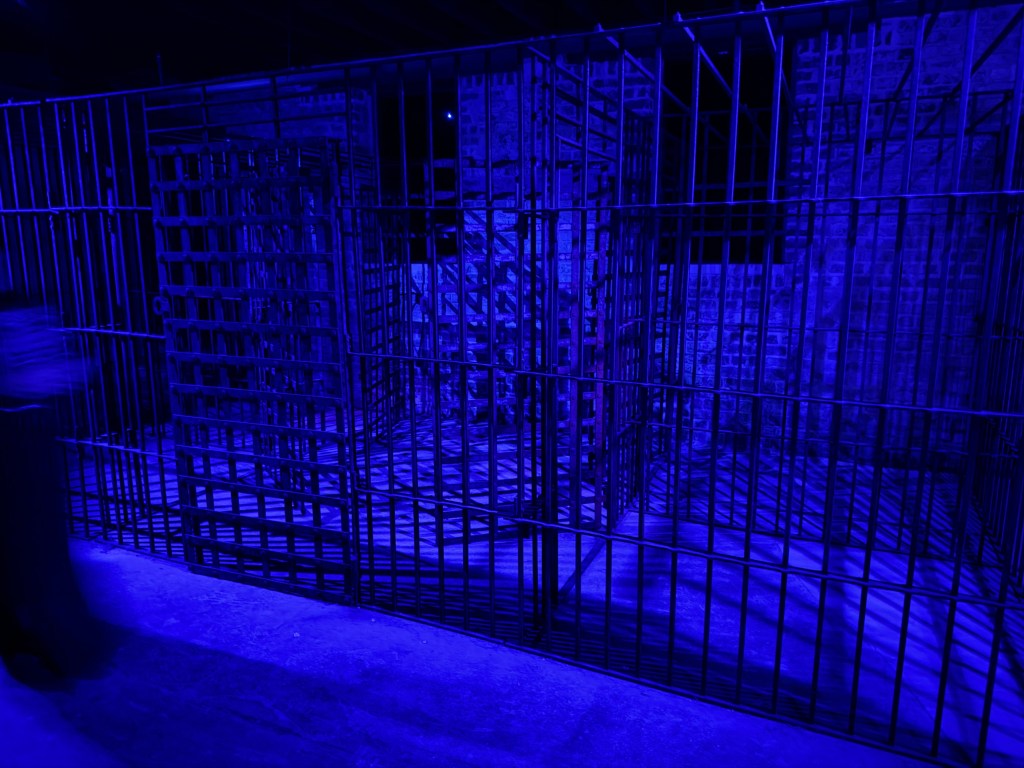
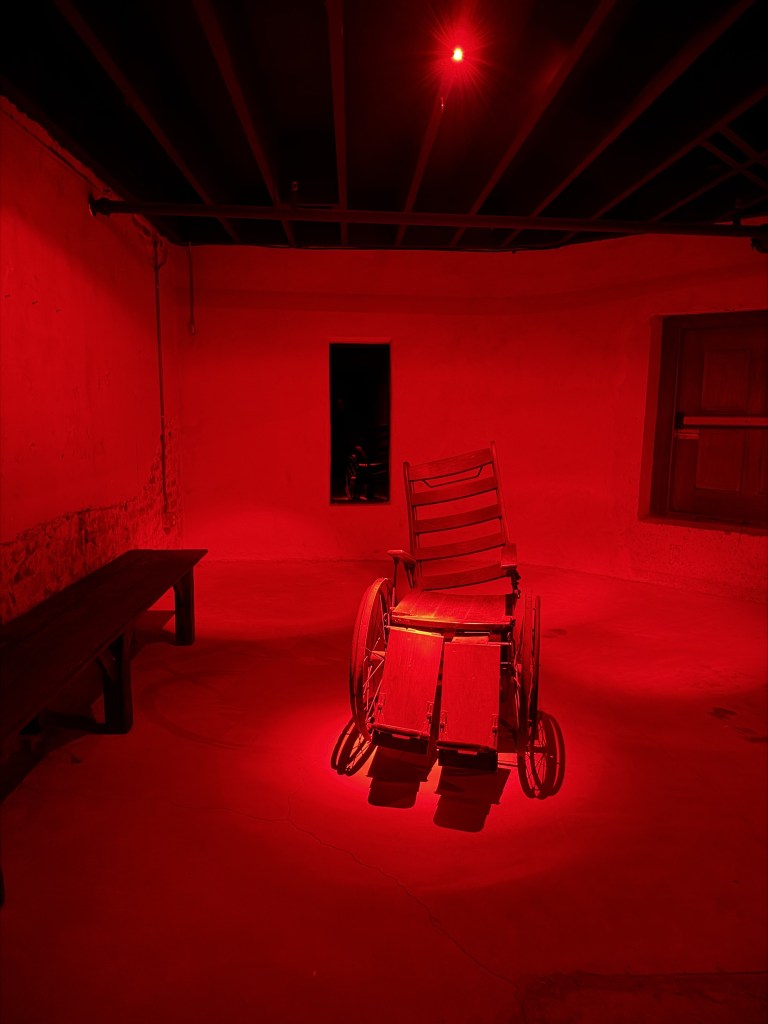
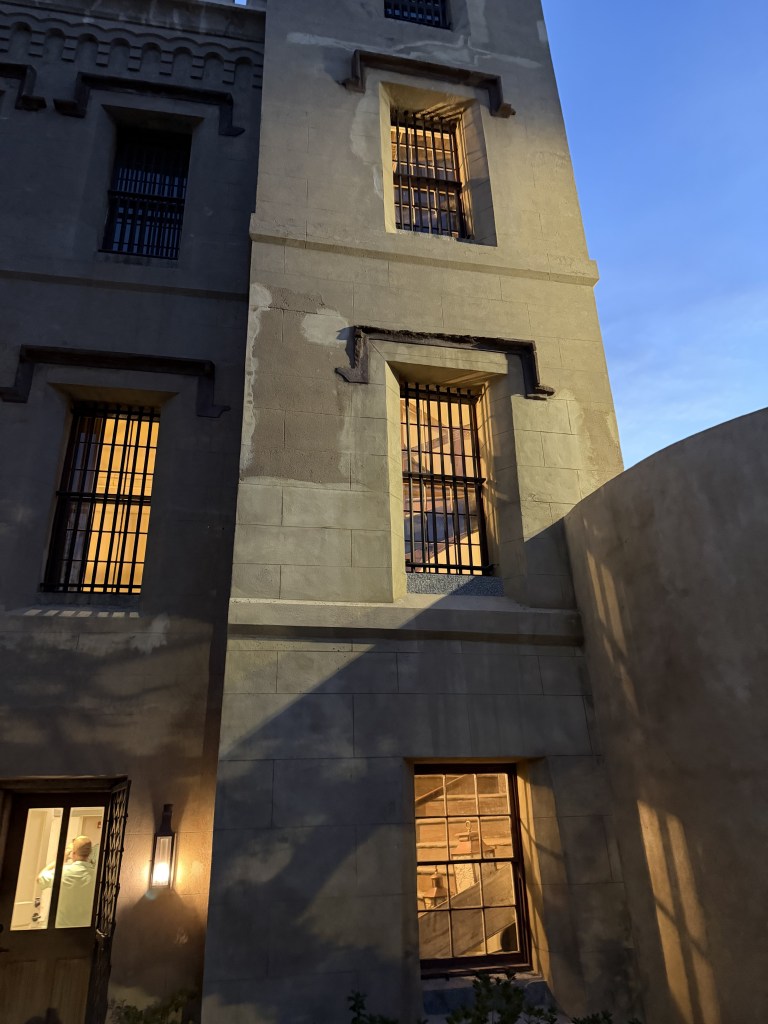
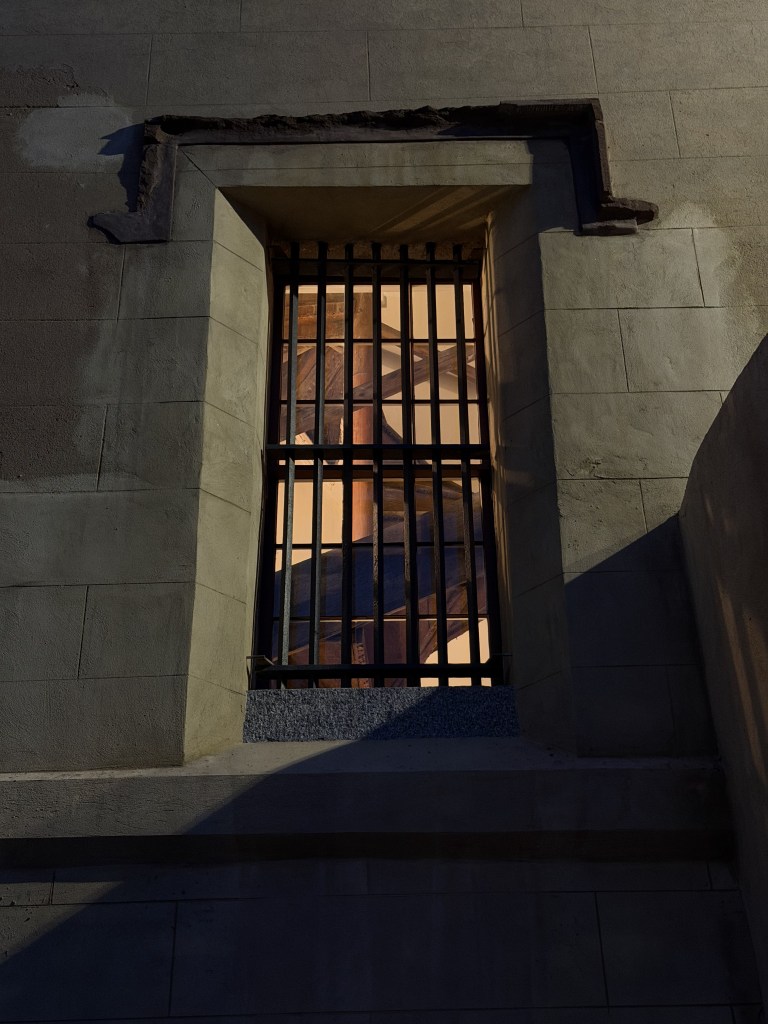
After dinner we headed to the Old Jail and took a haunted tour. It’s a castle-like building built during the 1800’s on land that was used for a similar purpose during Colonial times. Over its history it’s been used as a jail, a school, and now contemporary businesses. The ghost tour occurs in the basement as there are actual businesses on the floors above. These include the home office of Garden & Gun magazine and a reception space. You can still see the structure of the cells as you look up the stairs to these businesses.
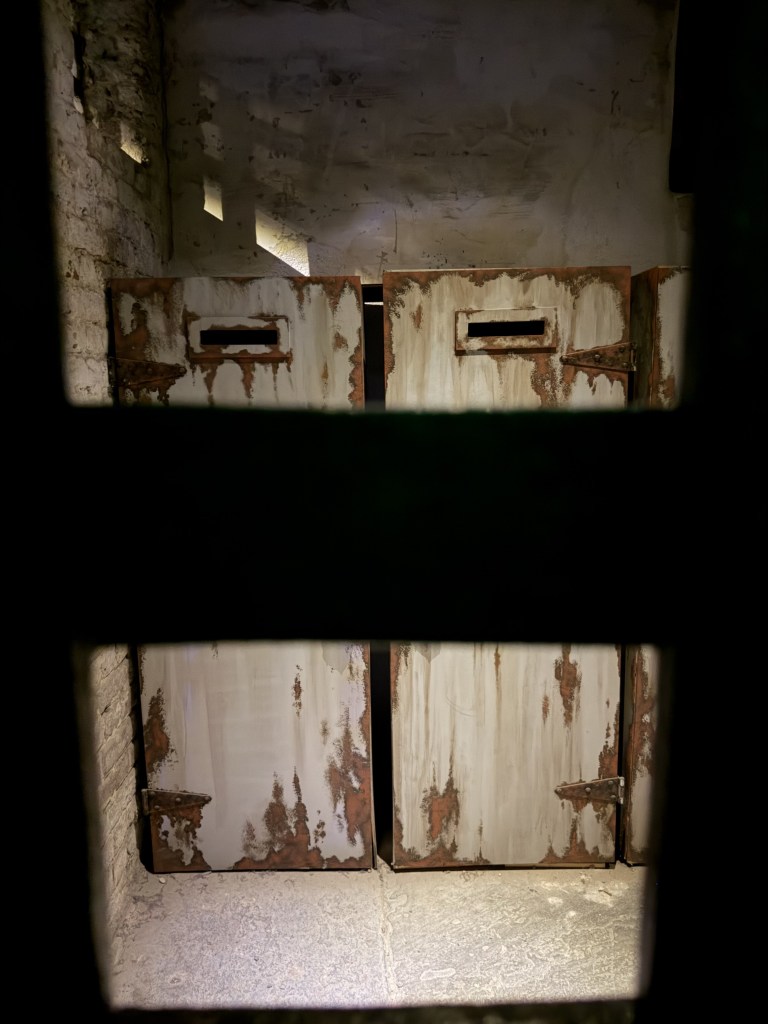
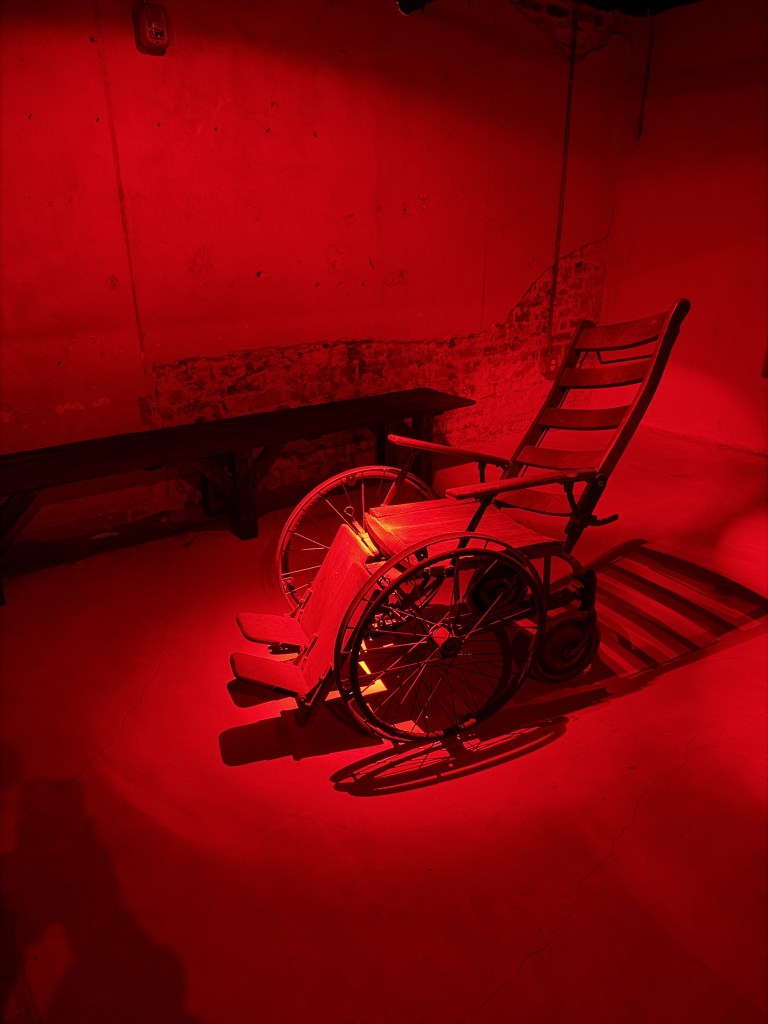
The tour itself was very good, covering the evolution of the jail and highlighting the significant differences between a jail and a penitentiary like Eastern State in Pennsylvania. Our guide was enthusiastic and took her time explaining the conditions, the punishments, and the kind of people who were often imprisoned. The building certainly had an eerie and heavy feeling to it. I used my phone for photos as it’s much easier to capture usable low light images without significant editing. I’m not going to lie: I was hoping for ghosts, but found none.
Magnolia Plantation
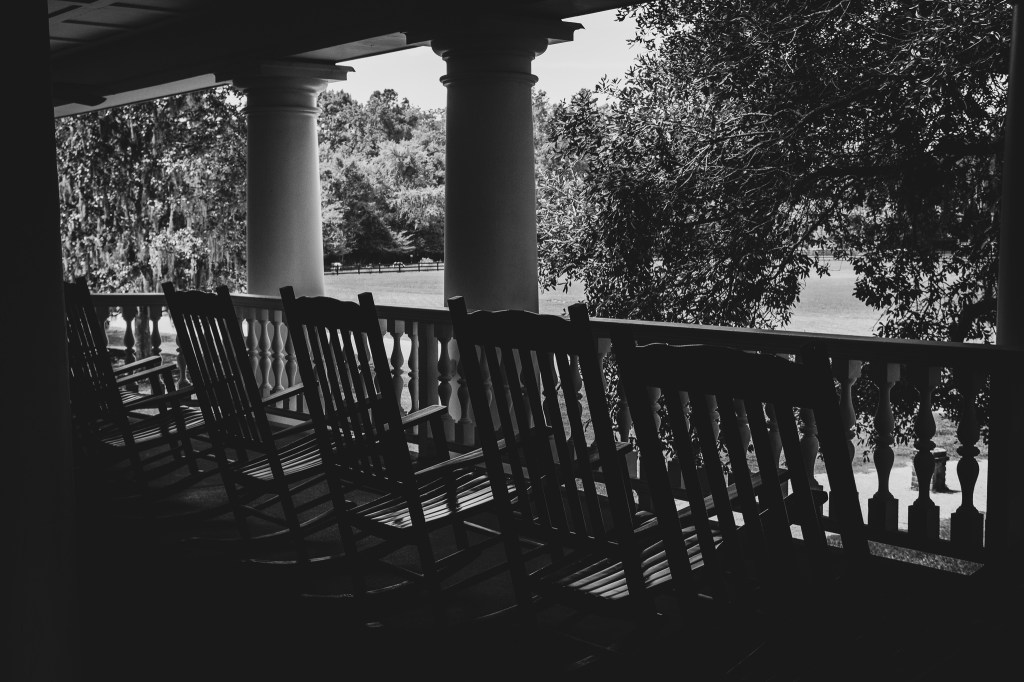
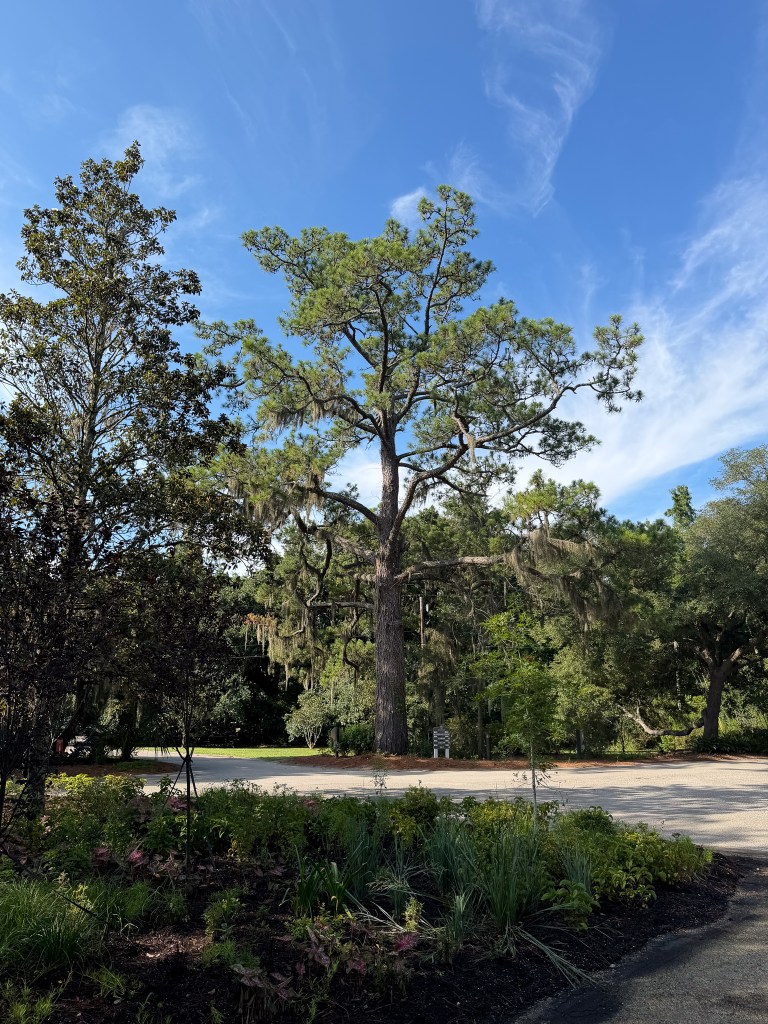
We visited Magnolia Plantation the next day, which has gardens, wildlife, a house, and slave quarters. The grounds were beautiful but the house was smaller and less ornate than we had expected. The gift shop, located in the basement of the house, was enormous and stocked several great books that I ordered afterward.
Magnolia offers a slavery tour, which we decided to do. It wasn’t really a tour; it was a lecture under a tent about 100 feet away from the remaining slave quarters on the property. It was very interesting and explained in detail how slavery made these plantations possible, the grueling work, and the meager living conditions. It was very somber. The speaker was very knowledgeable but kind of ironic as he was Irish and had a very thick accent that made it difficult to pick up the content.
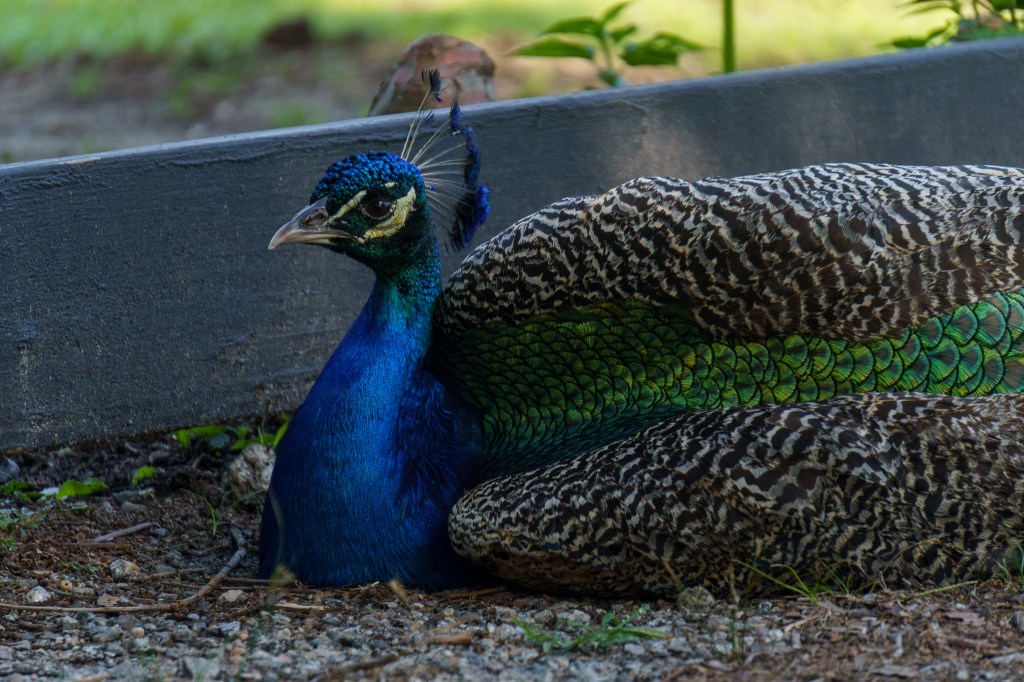
We didn’t make it to the gardens but finished our morning with lunch at the outdoor cafe. The free-roaming peacocks were very uhh… friendly here as they walked around your feet looking for food scraps.
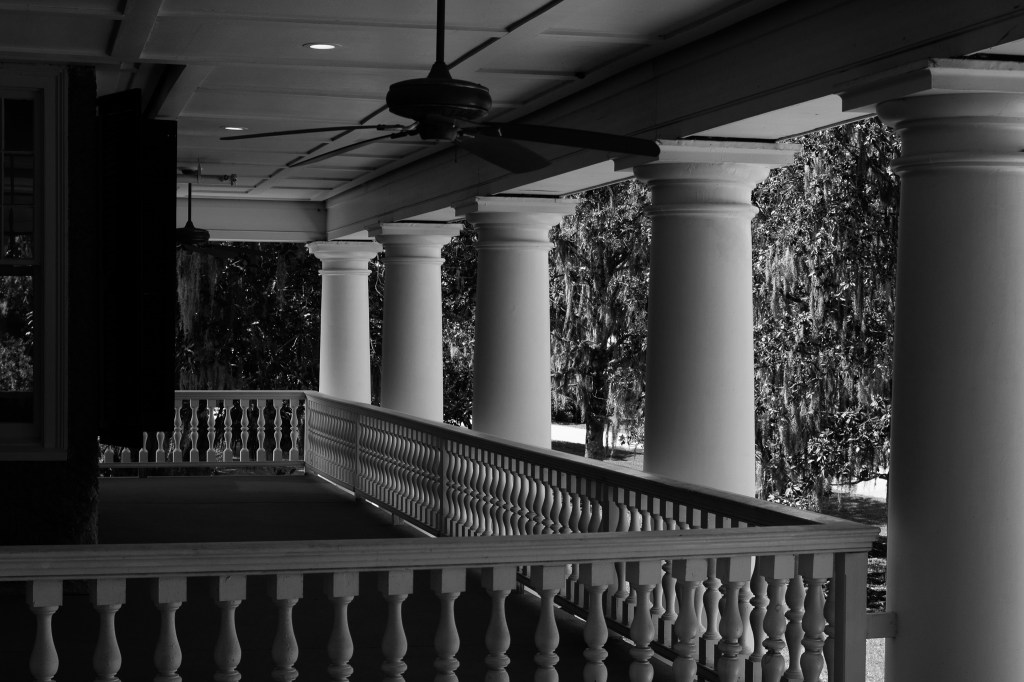
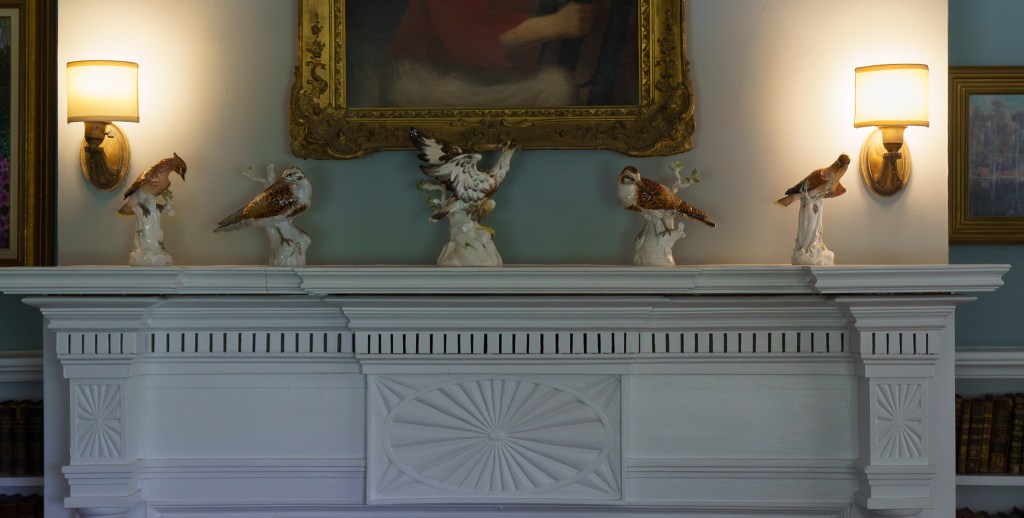
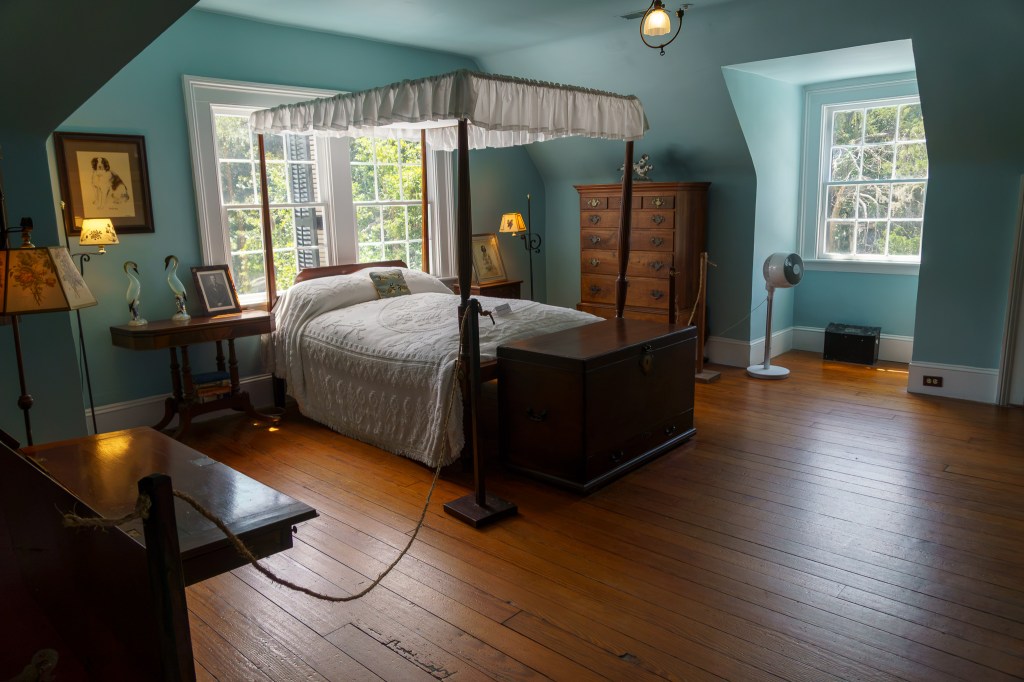
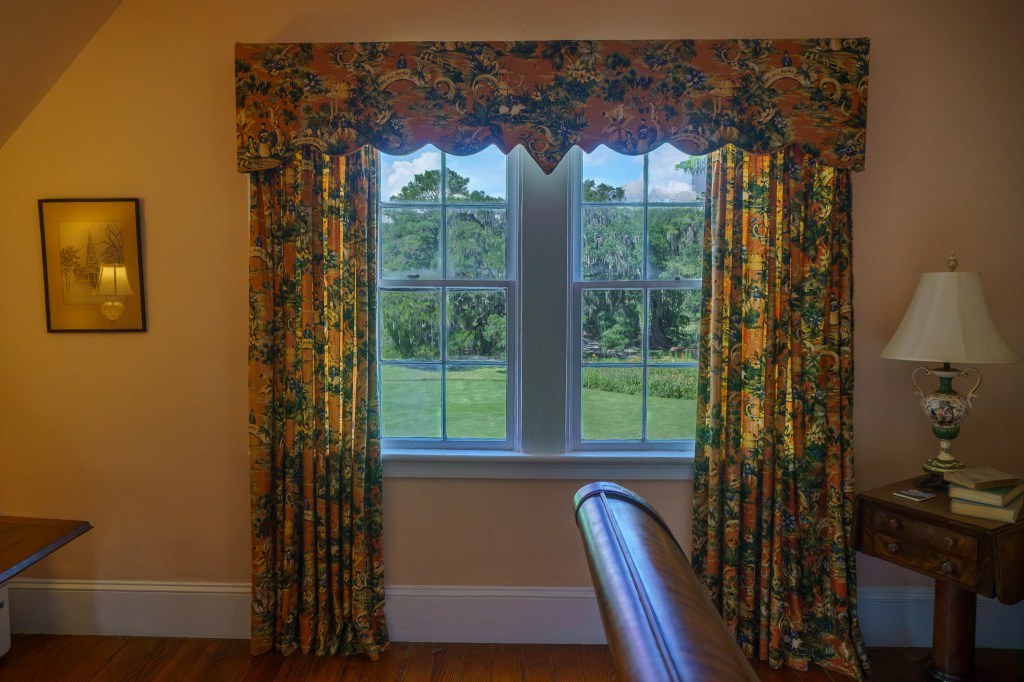
Aiken-Rhett House
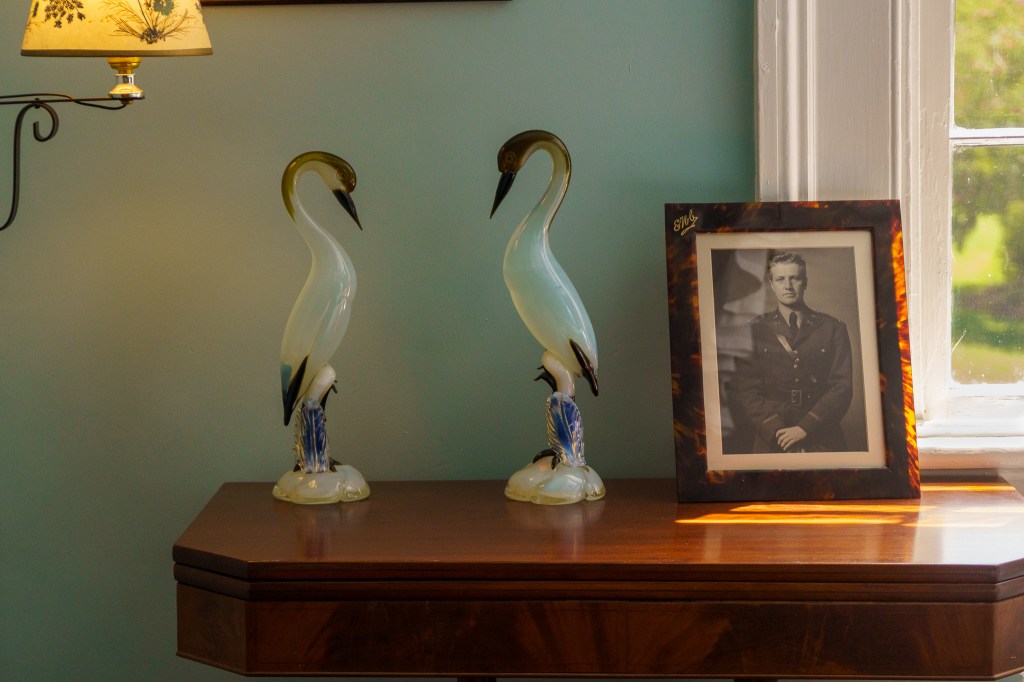
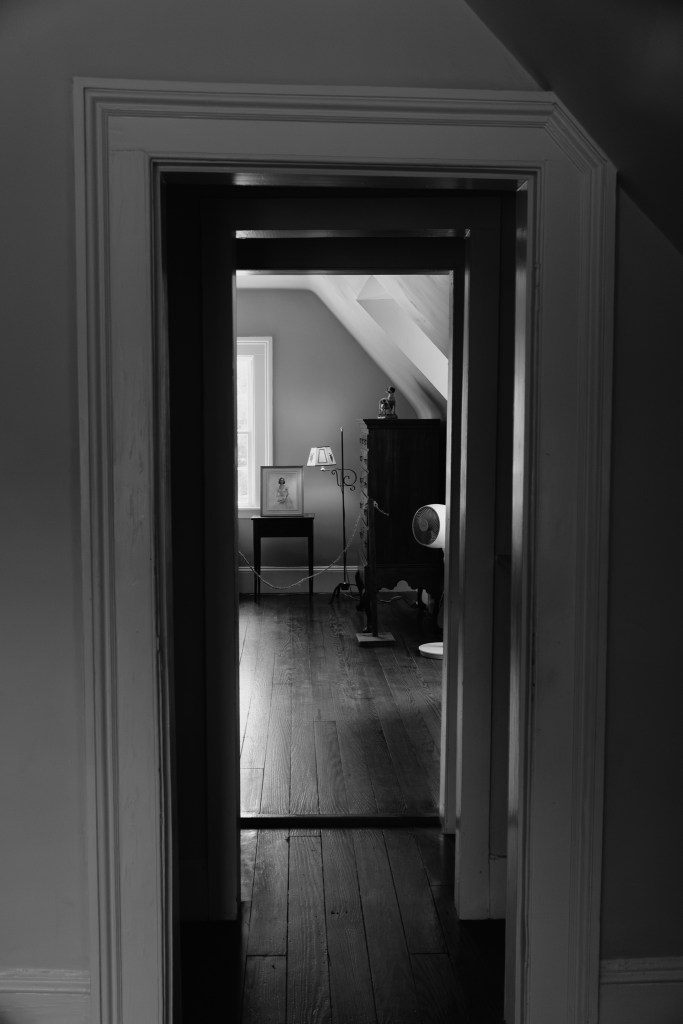
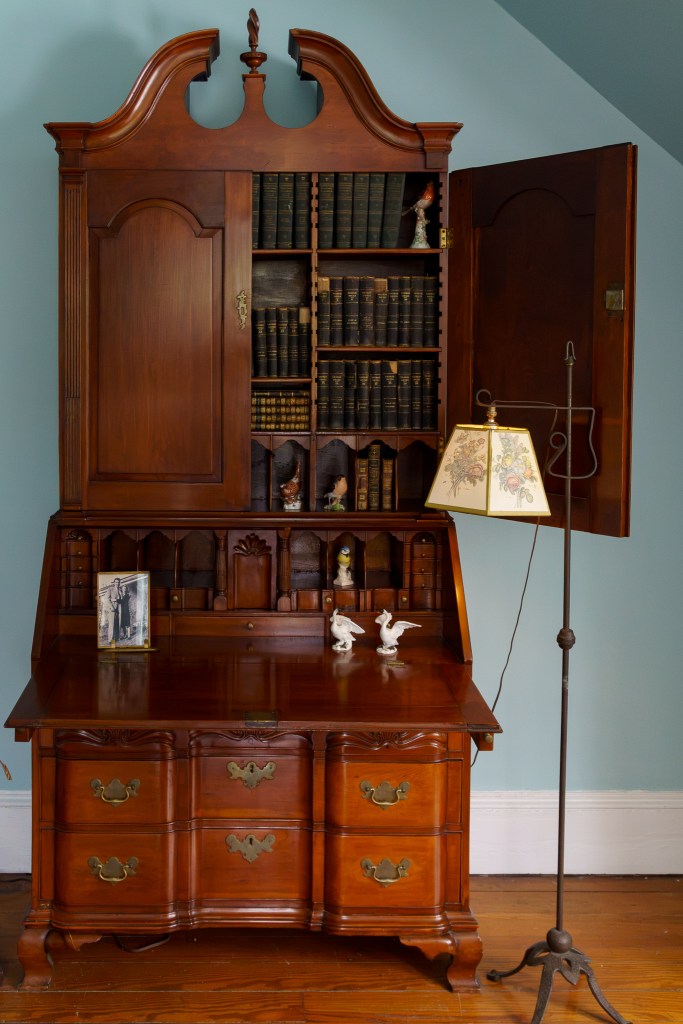
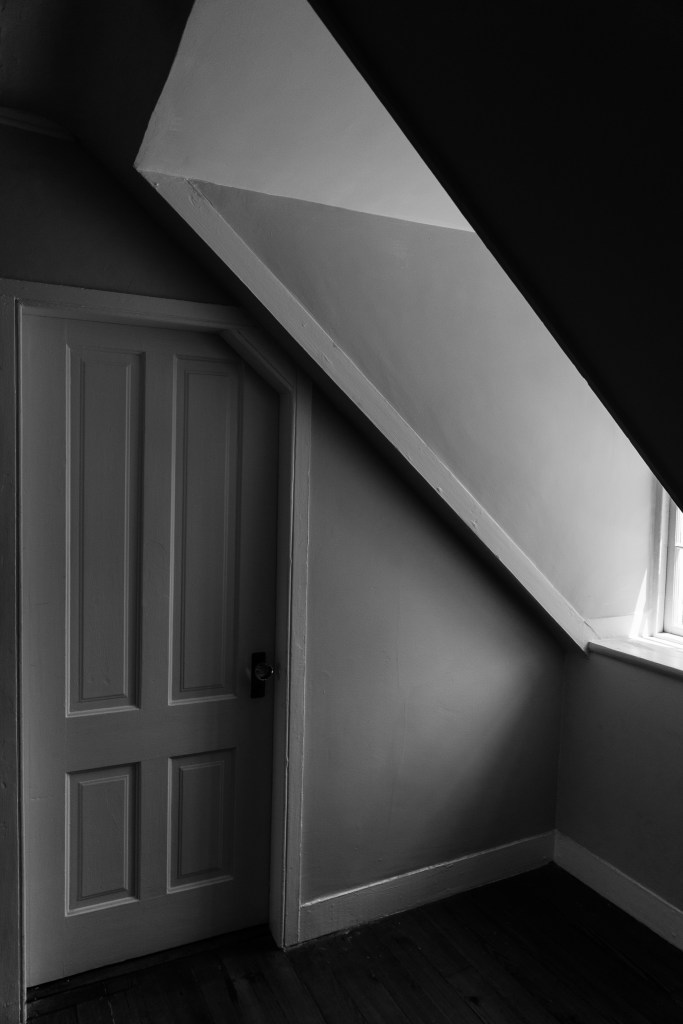
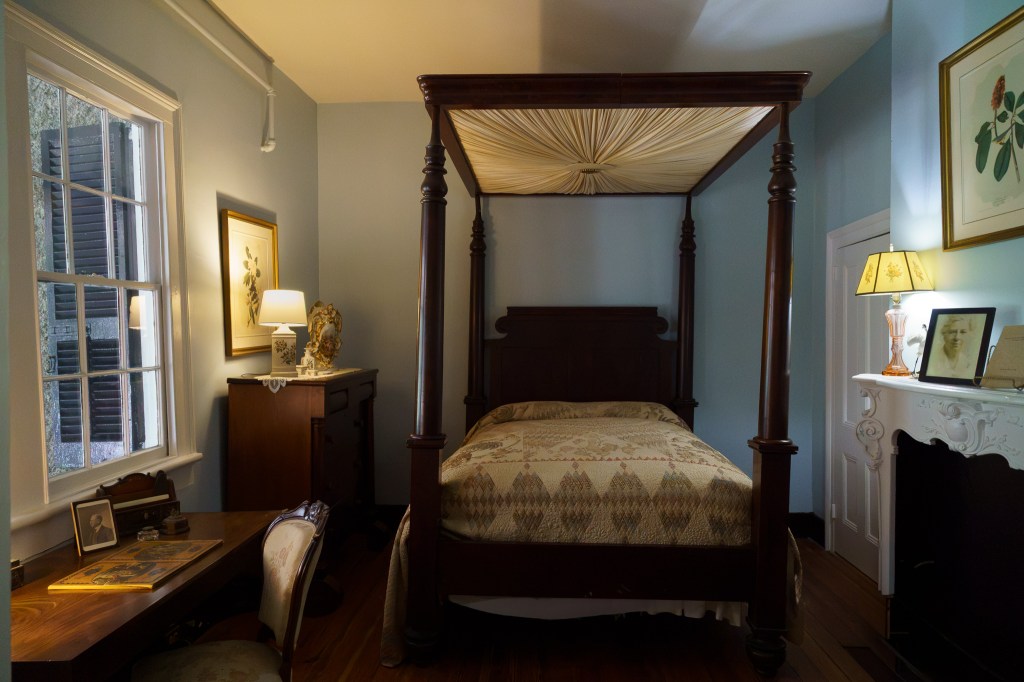
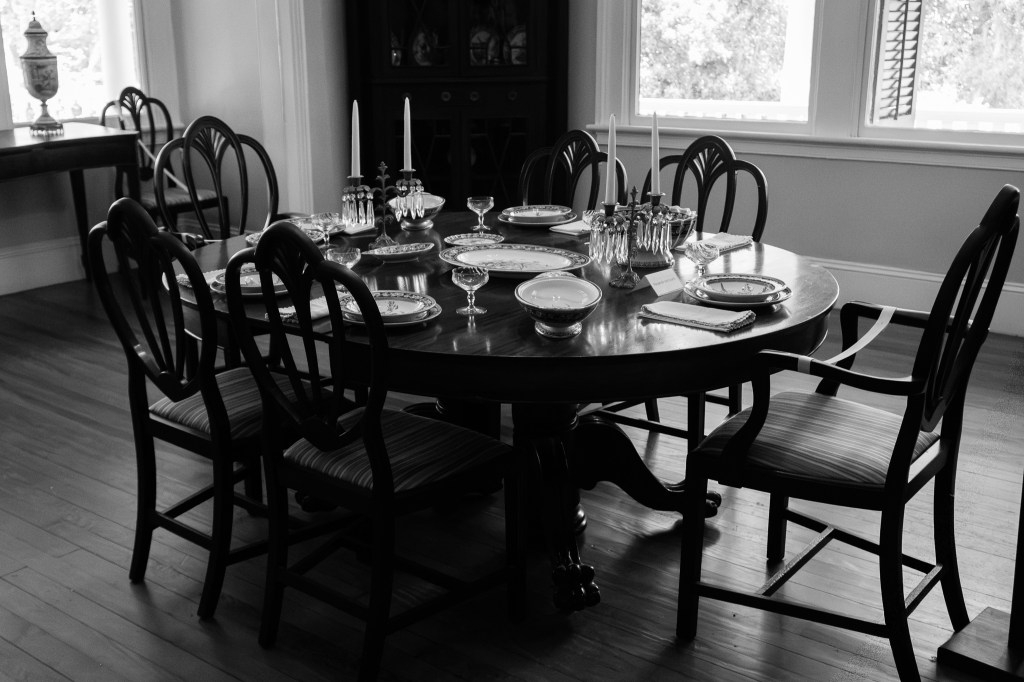
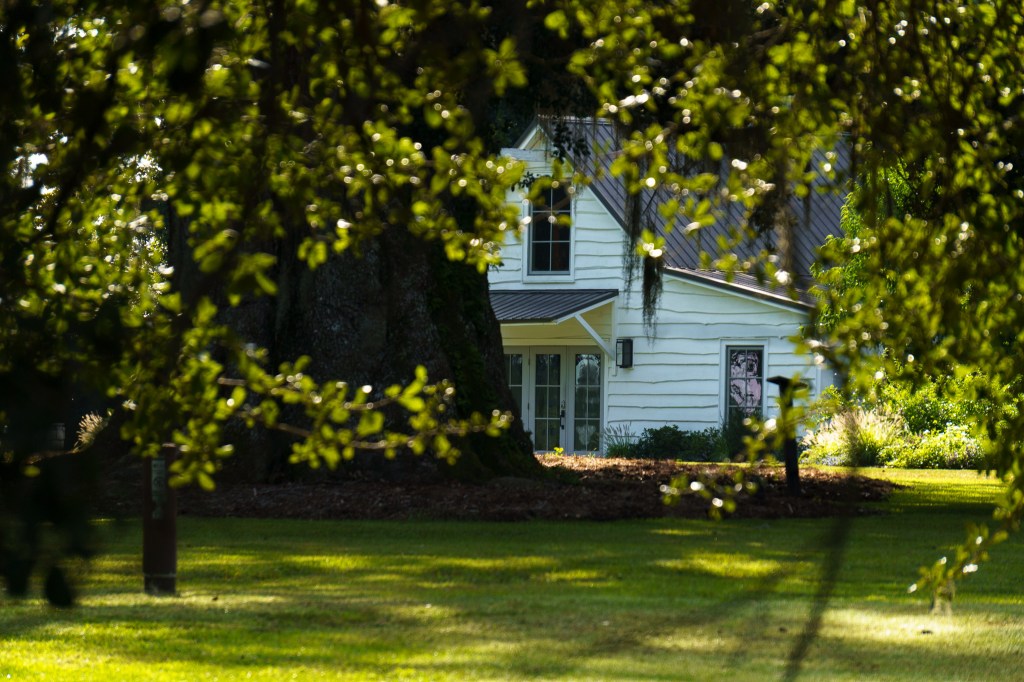
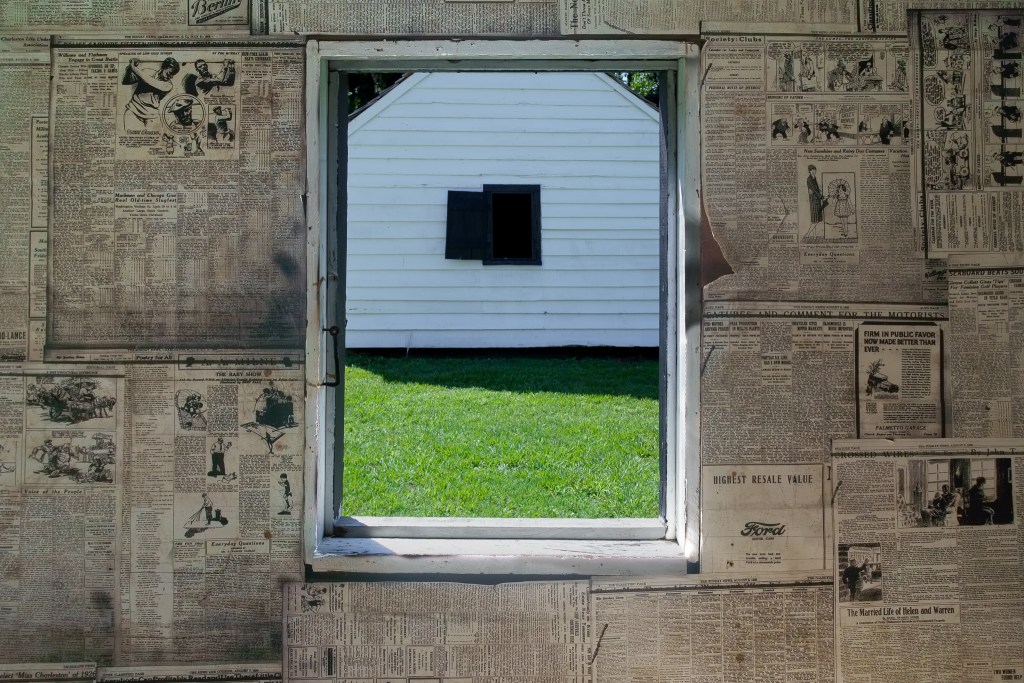
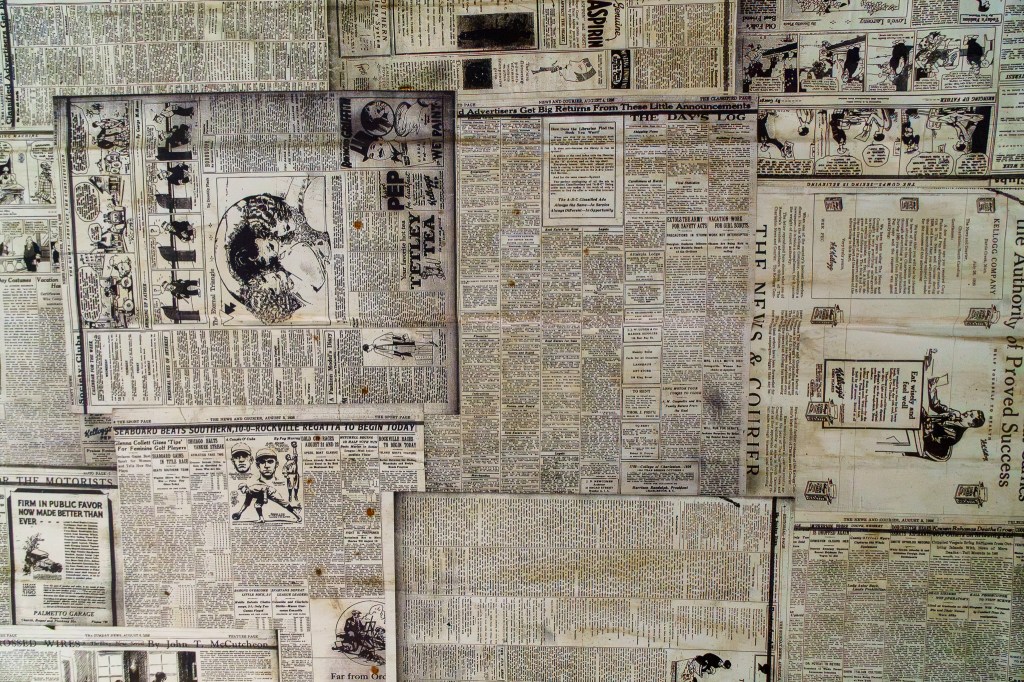
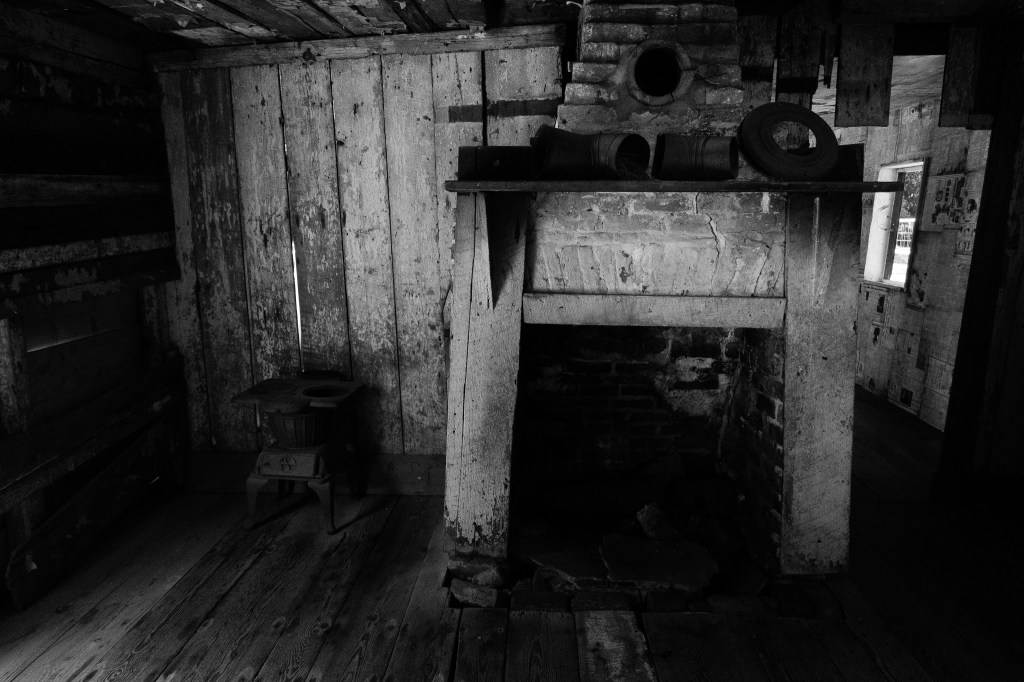
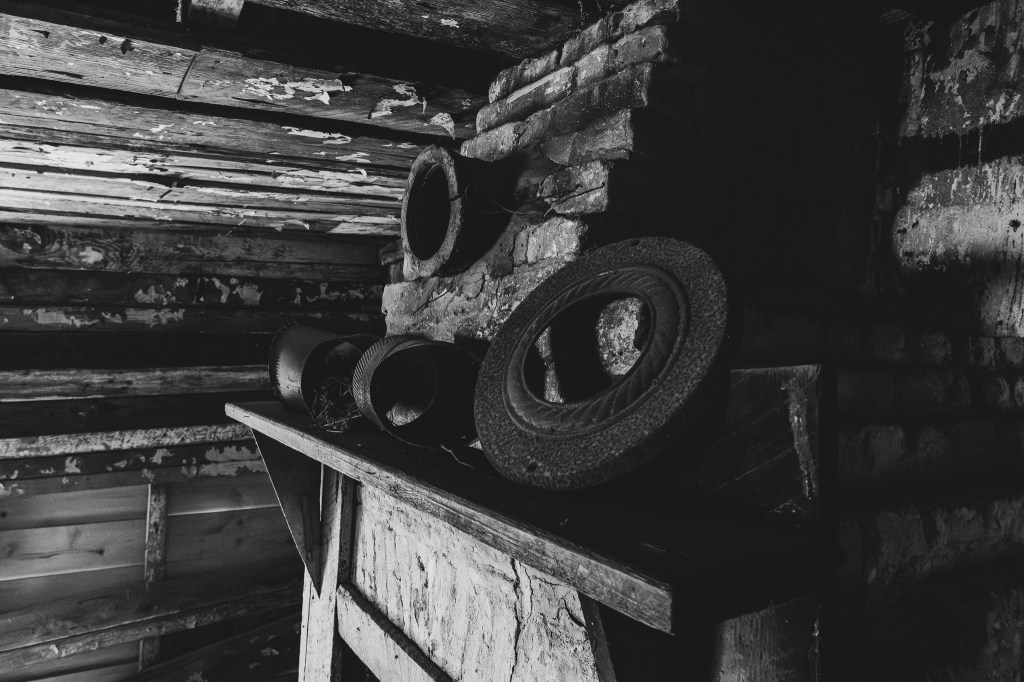
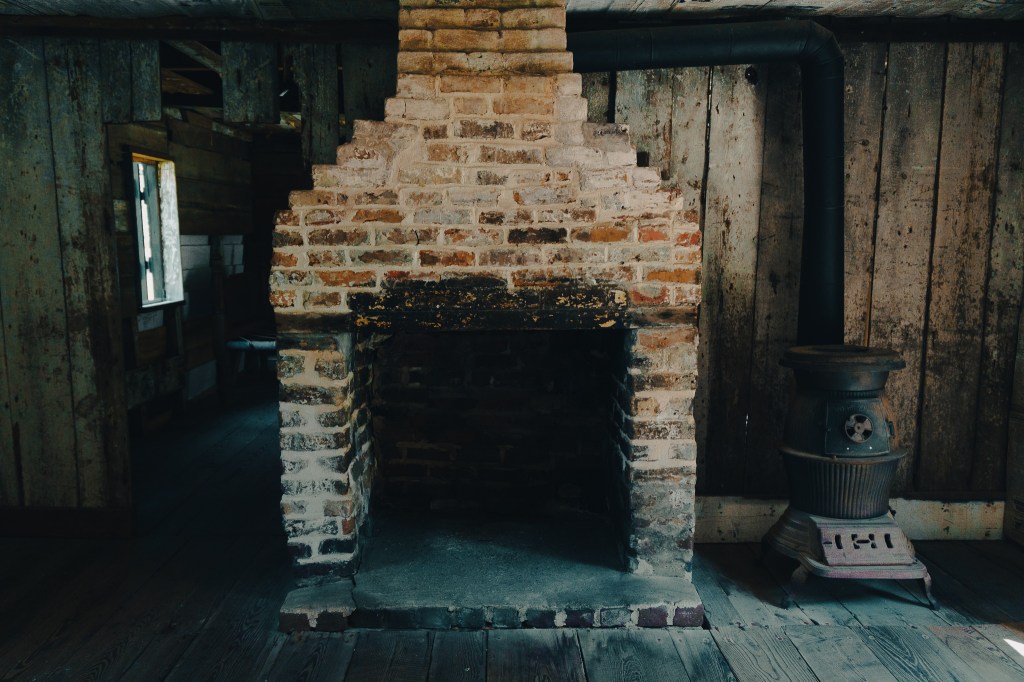
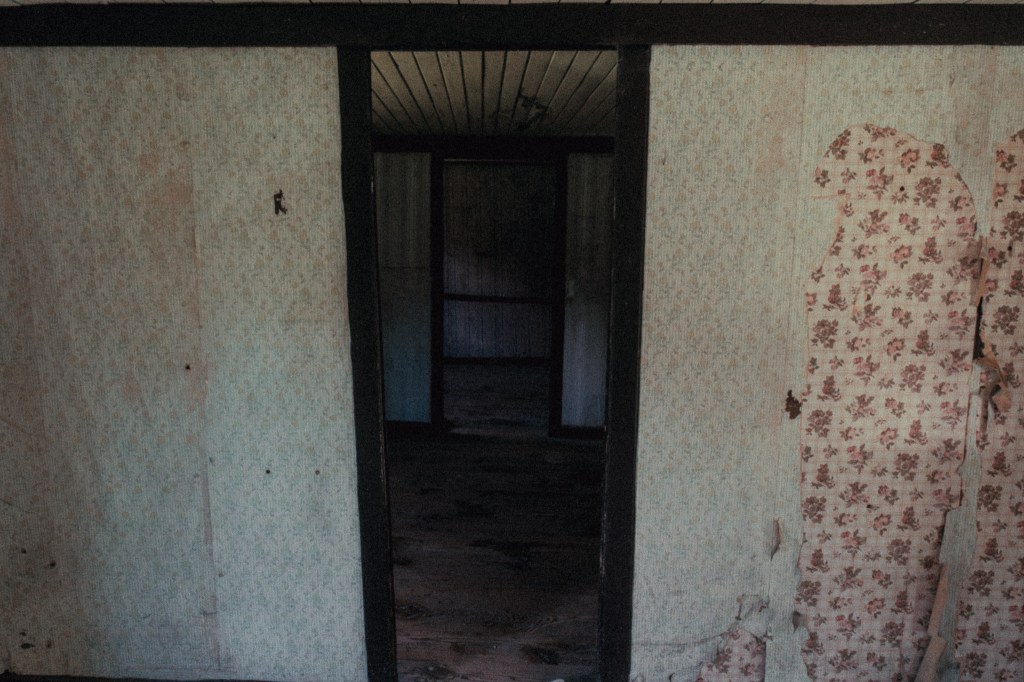
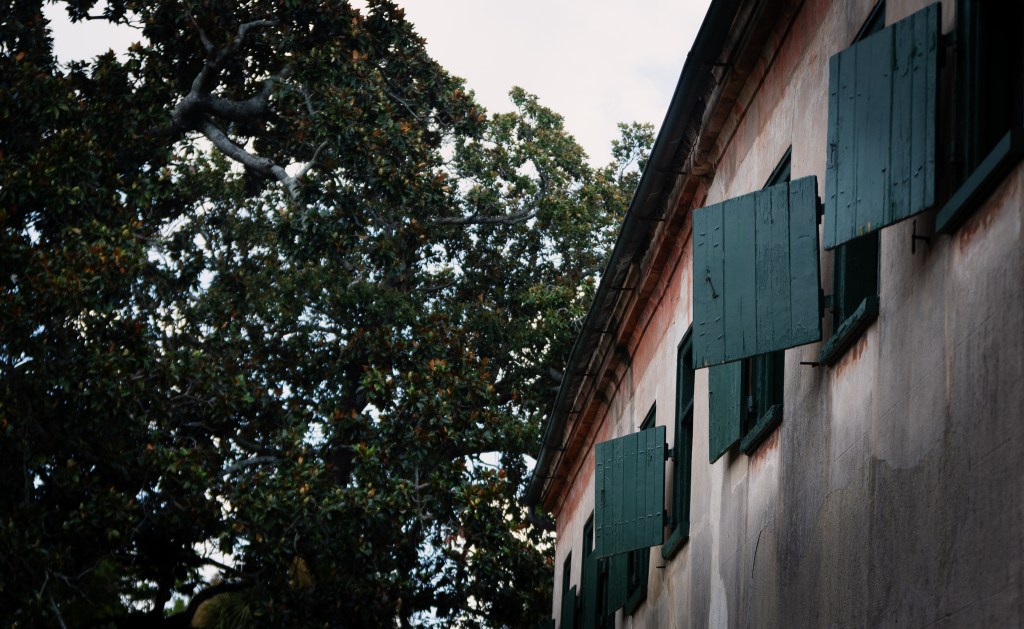
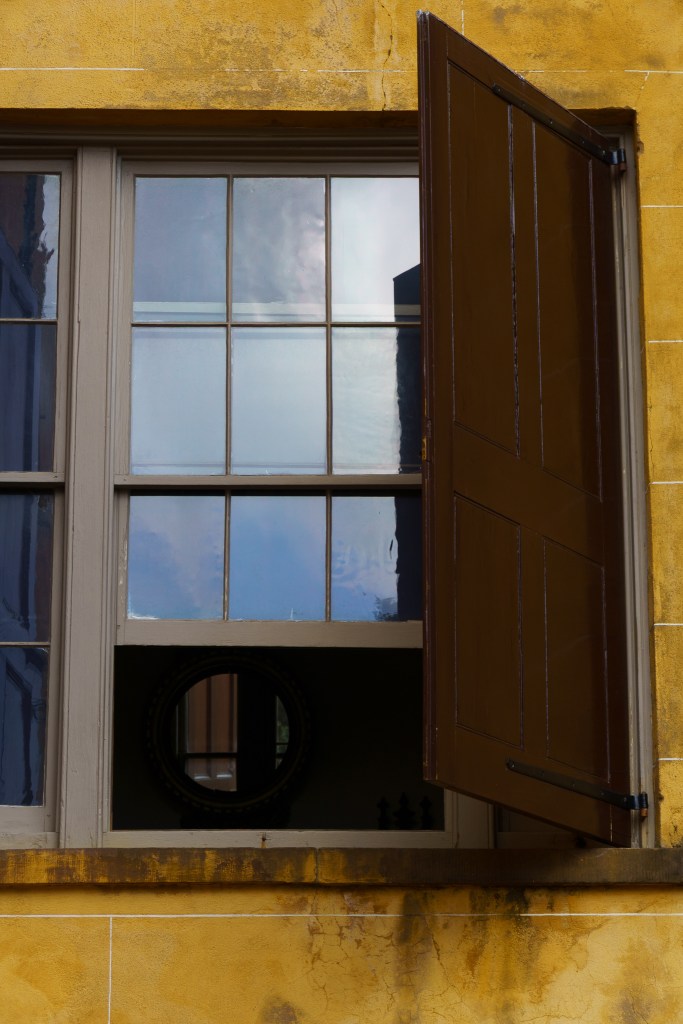
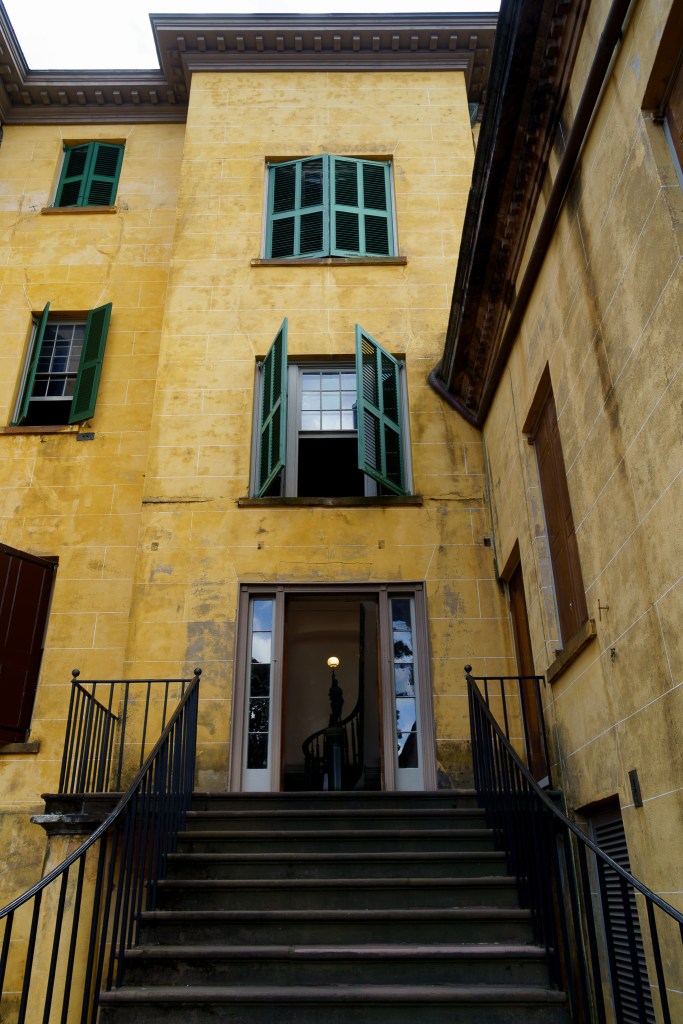
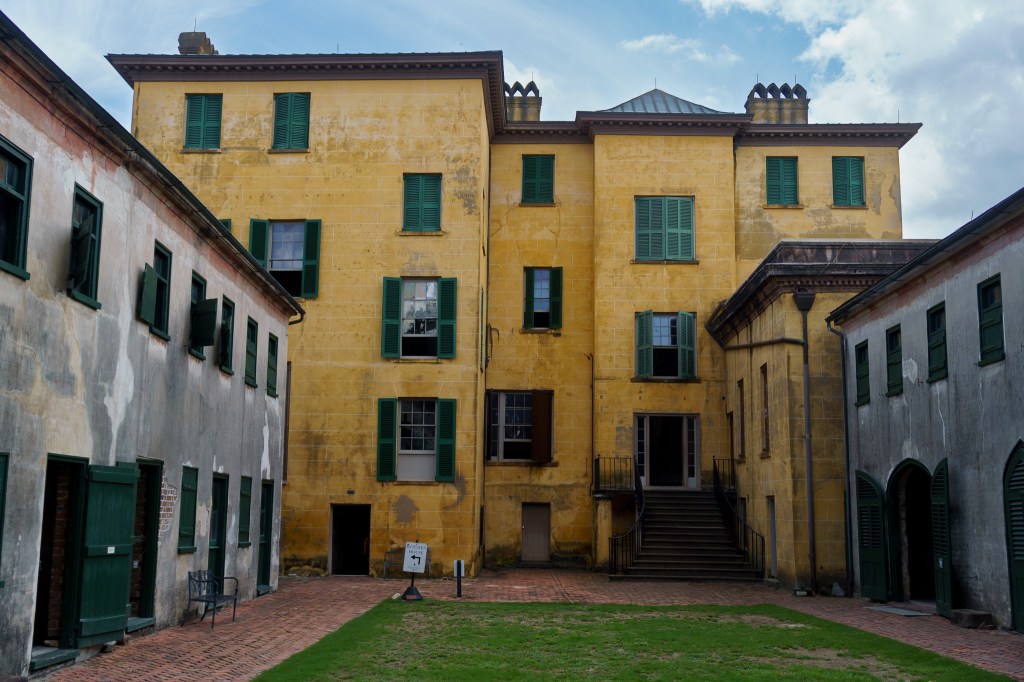
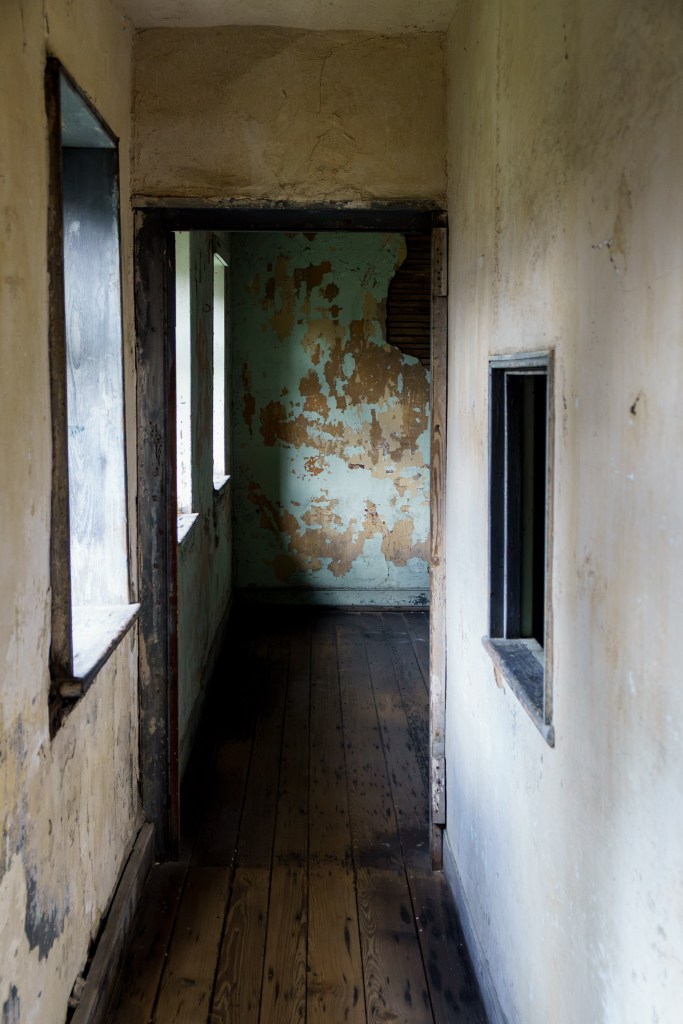
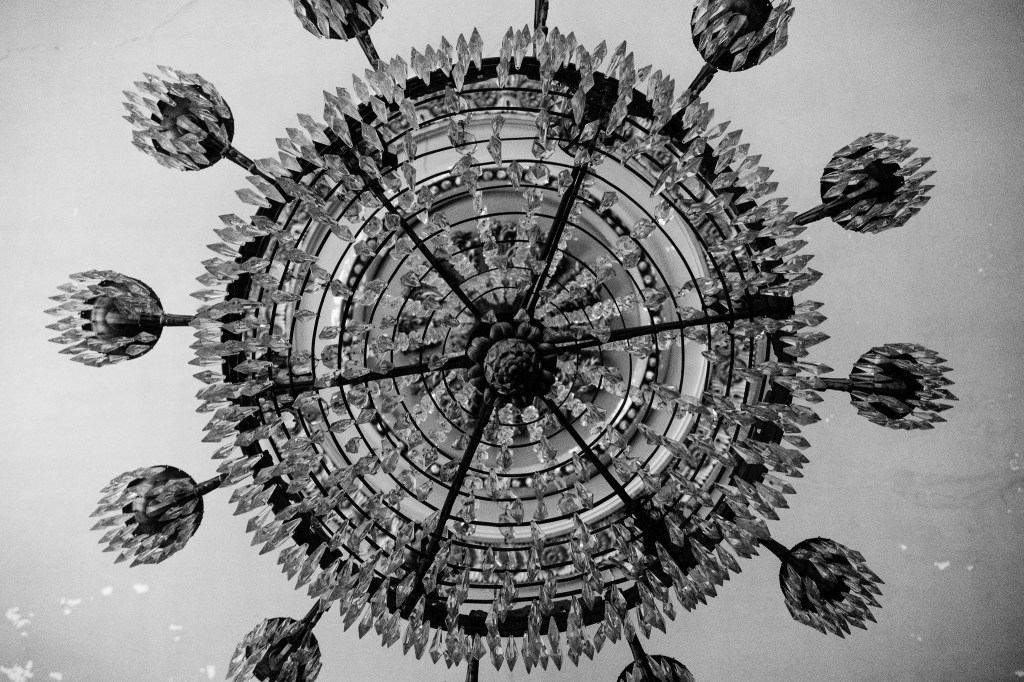
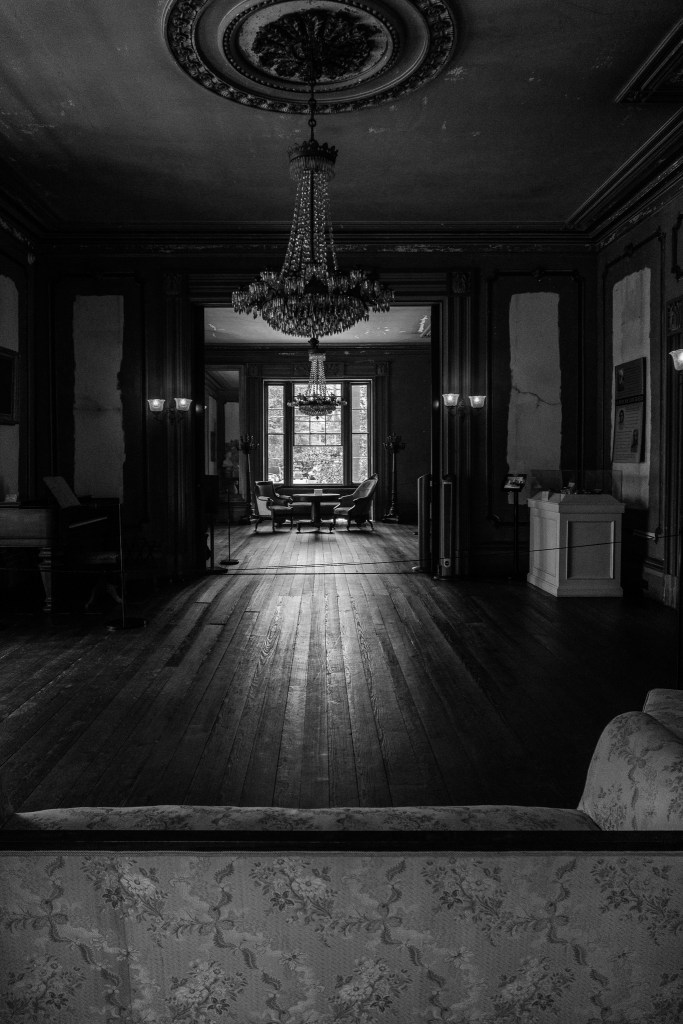
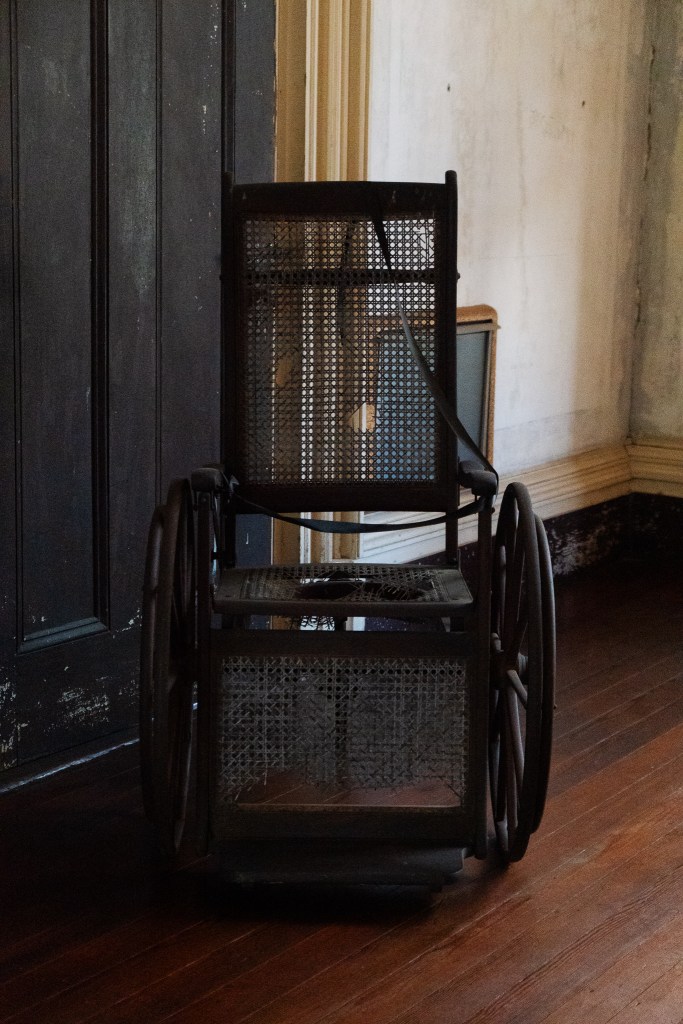
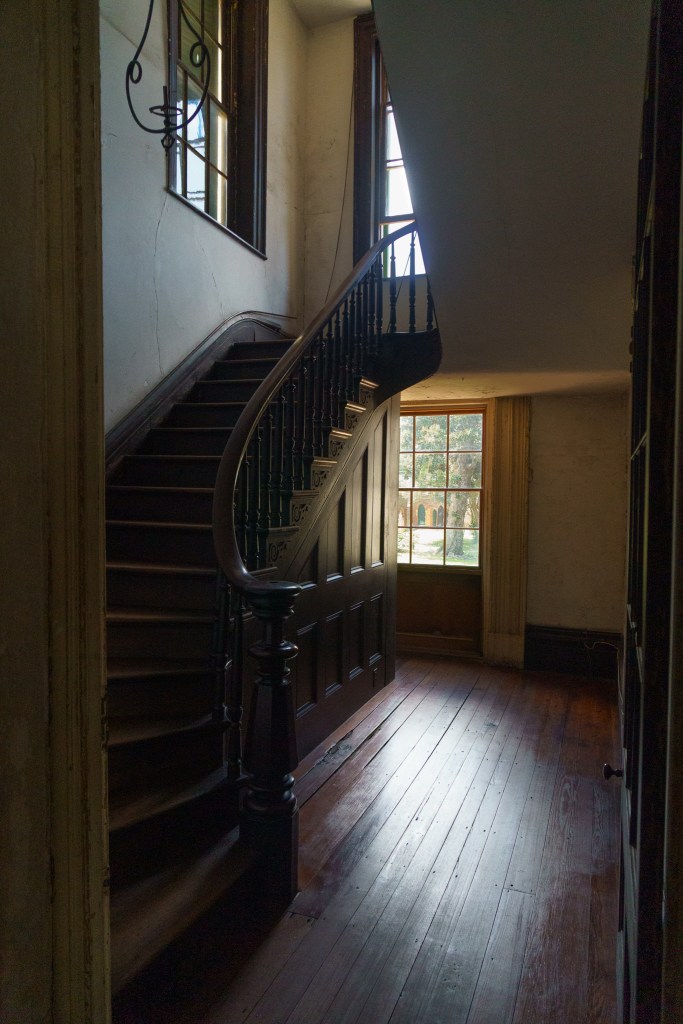
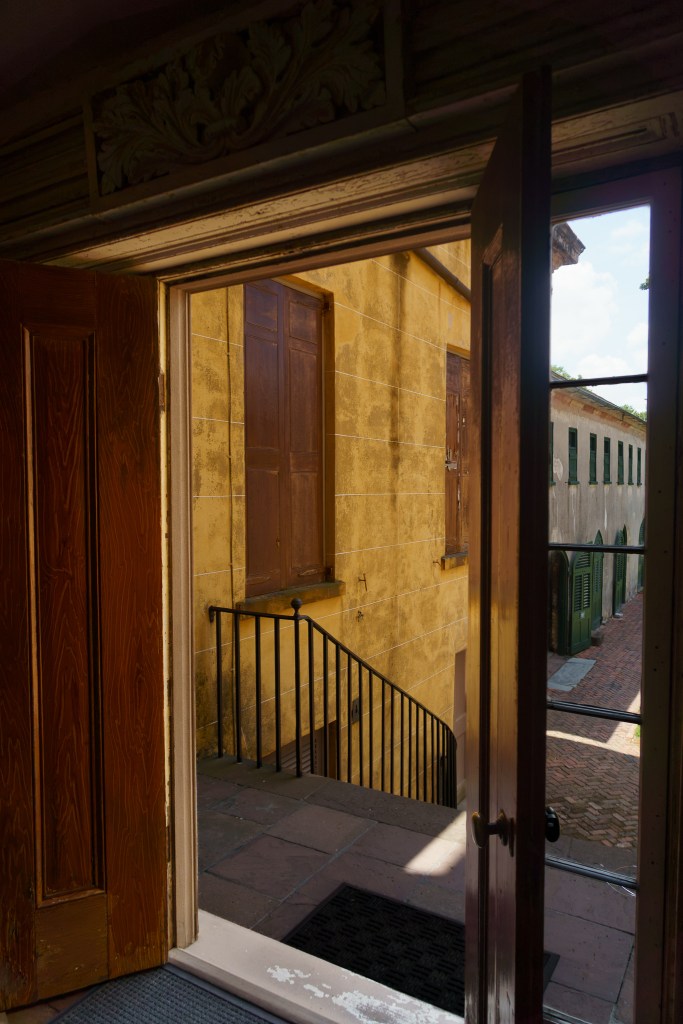
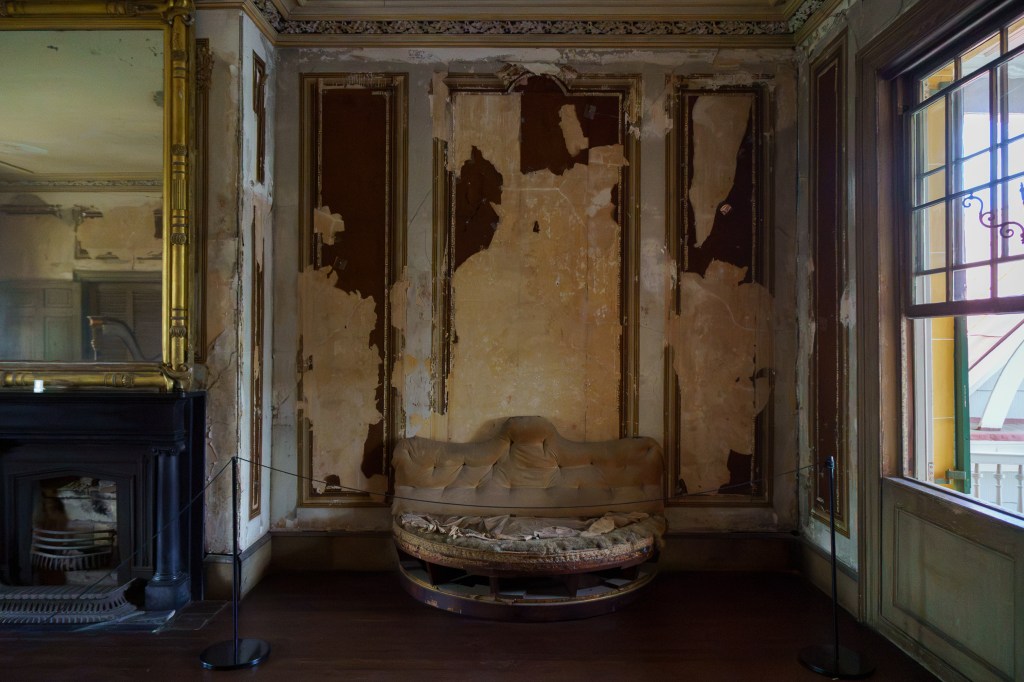
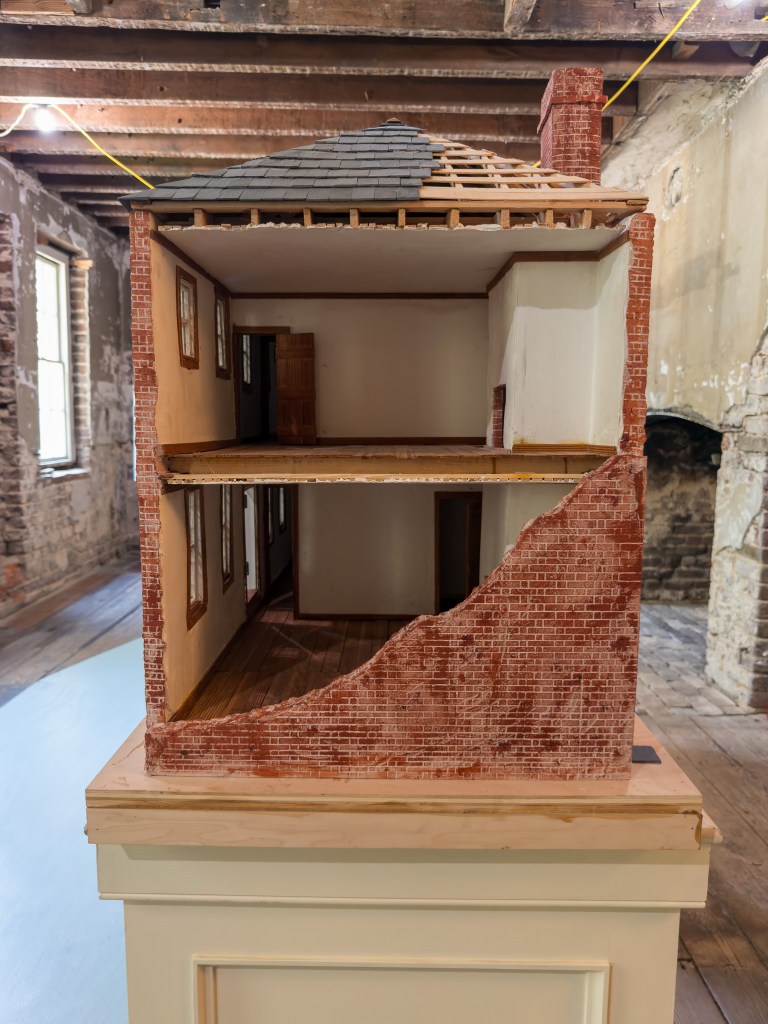
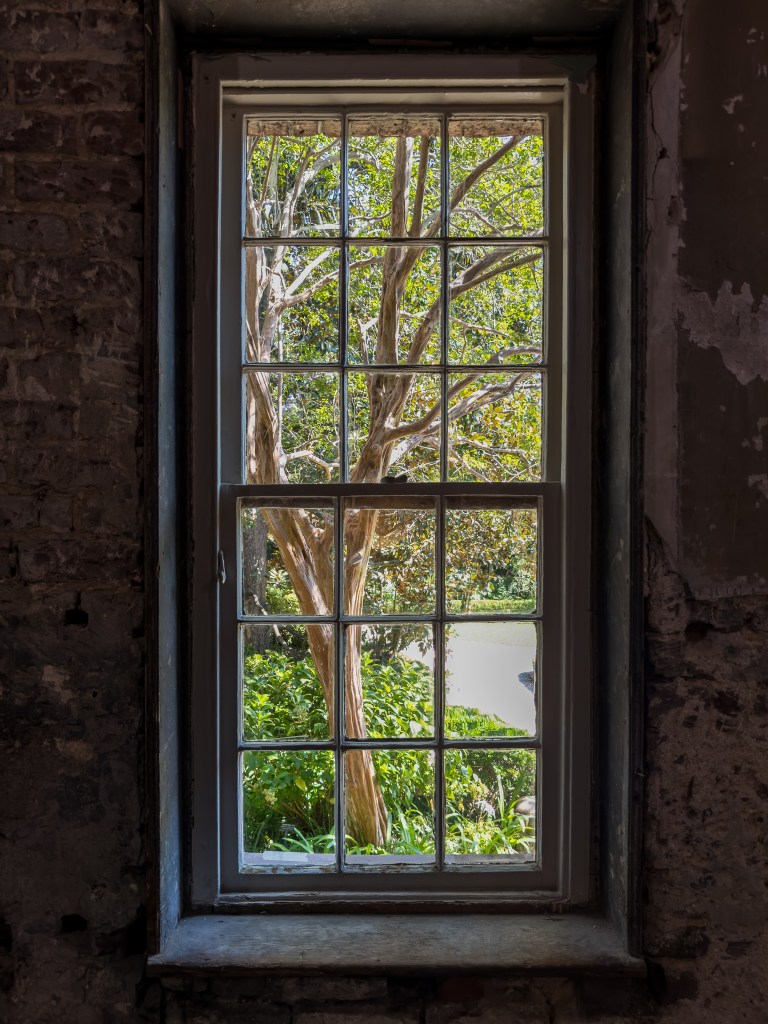
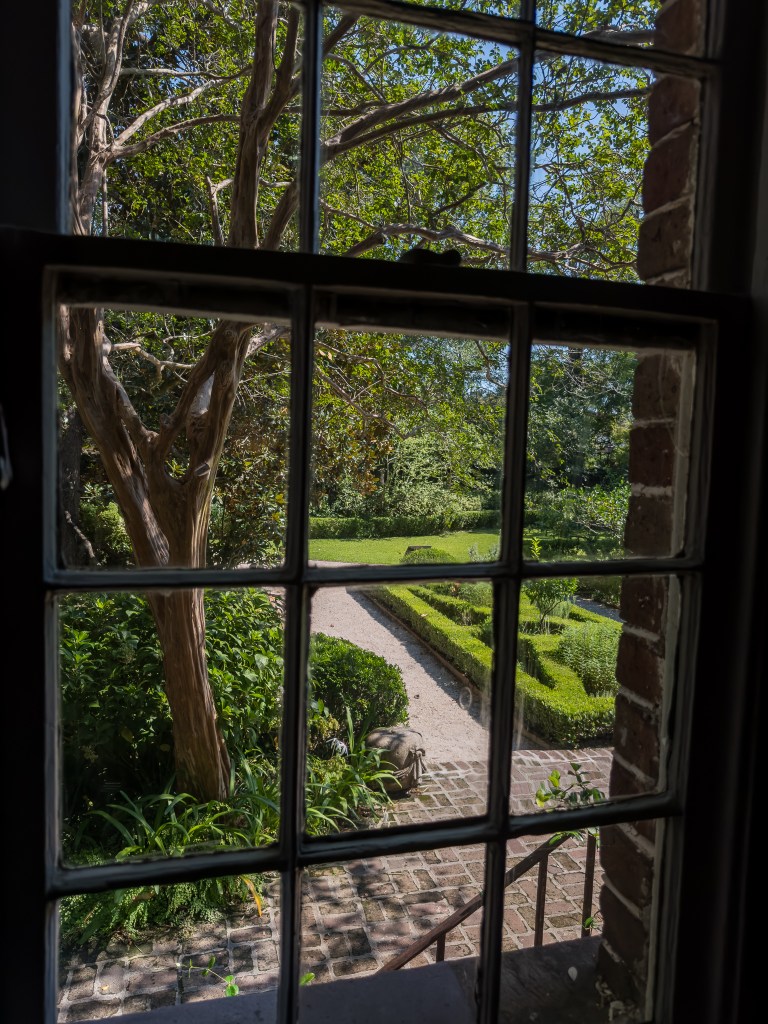
Aiken-Rhett is a mansion once owned by the Governor of South Carolina, complete with a walled-in yard, slave quarters, and a carriage house. It’s preserved in “as-found” condition, maintaining its 19th century furnishings and architecture. It hasn’t been restored, revealing layers of paint, wallpaper, and exposed plaster showing its evolution over time.
The audio self-tour is really good and focuses a lot on how the property was made possible through the never-ending effort of its enslaved residents. Contrasting the beauty of the house with the living conditions of those who kept it running is sobering.
Nathaniel Russell House
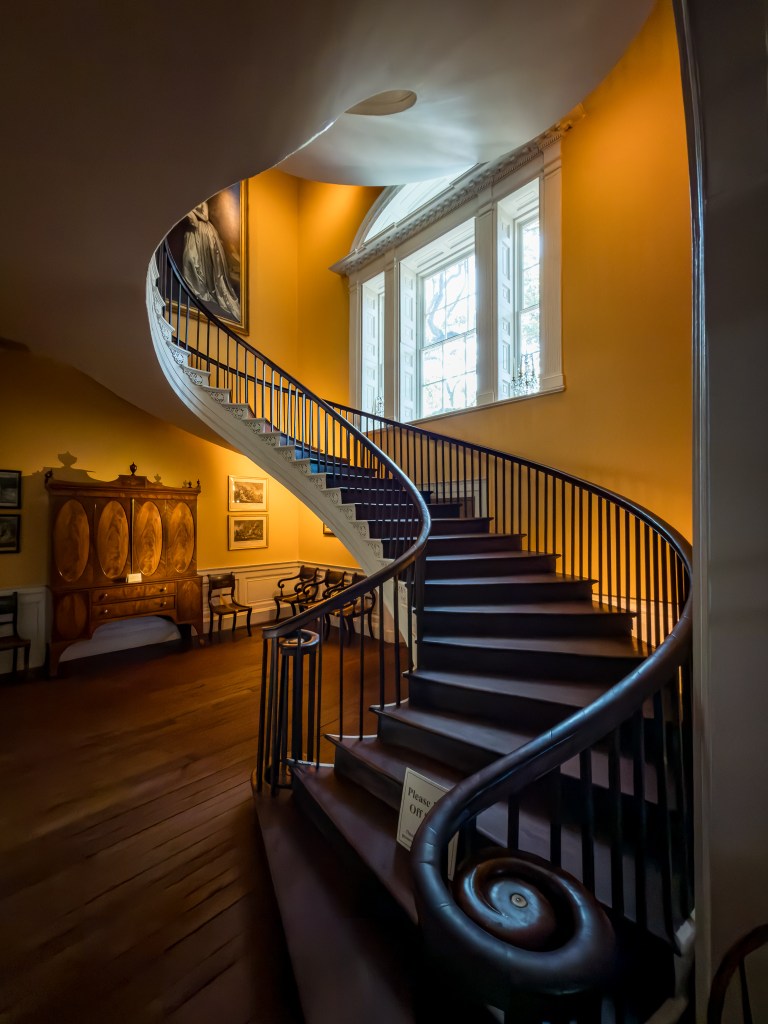
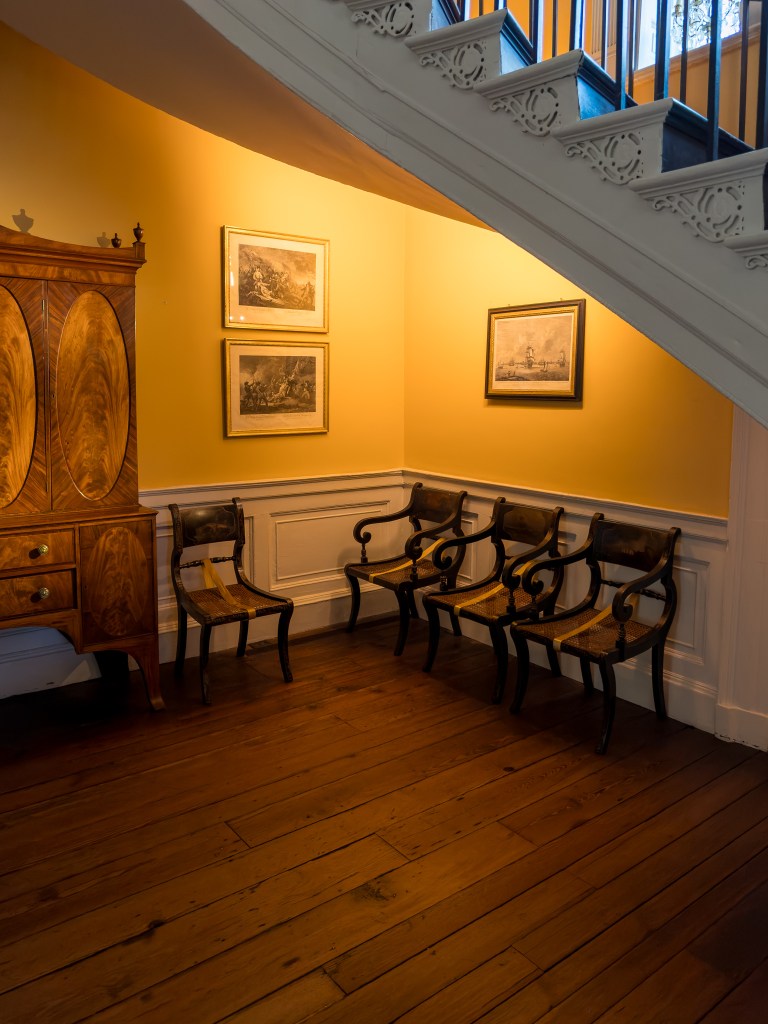
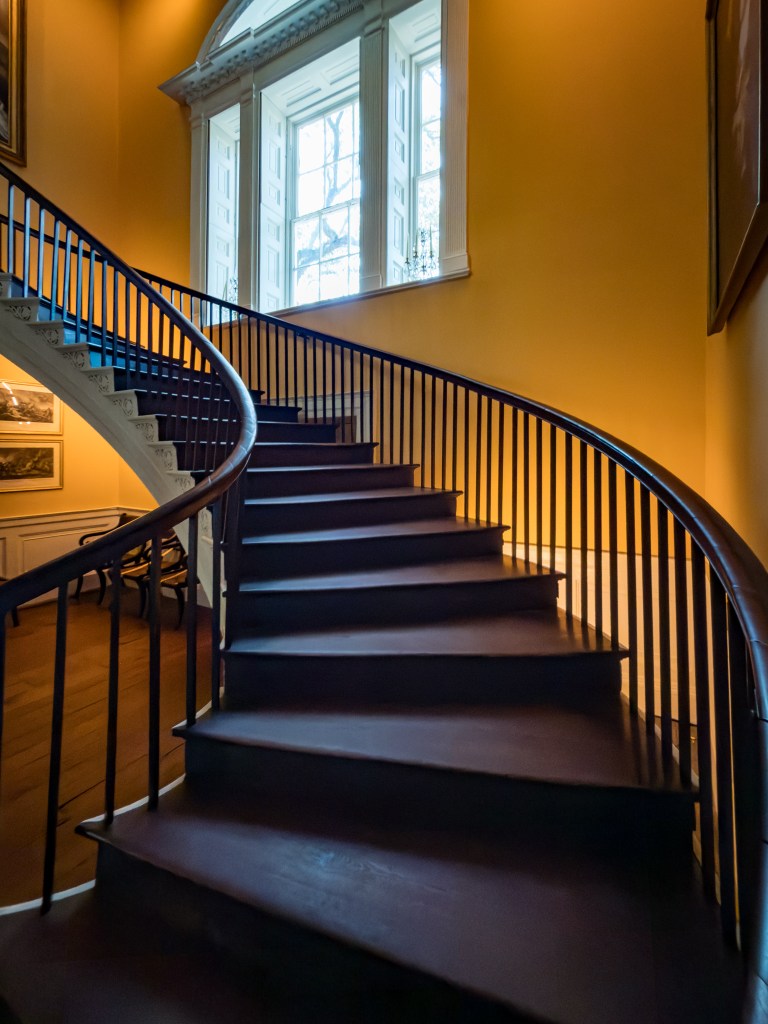
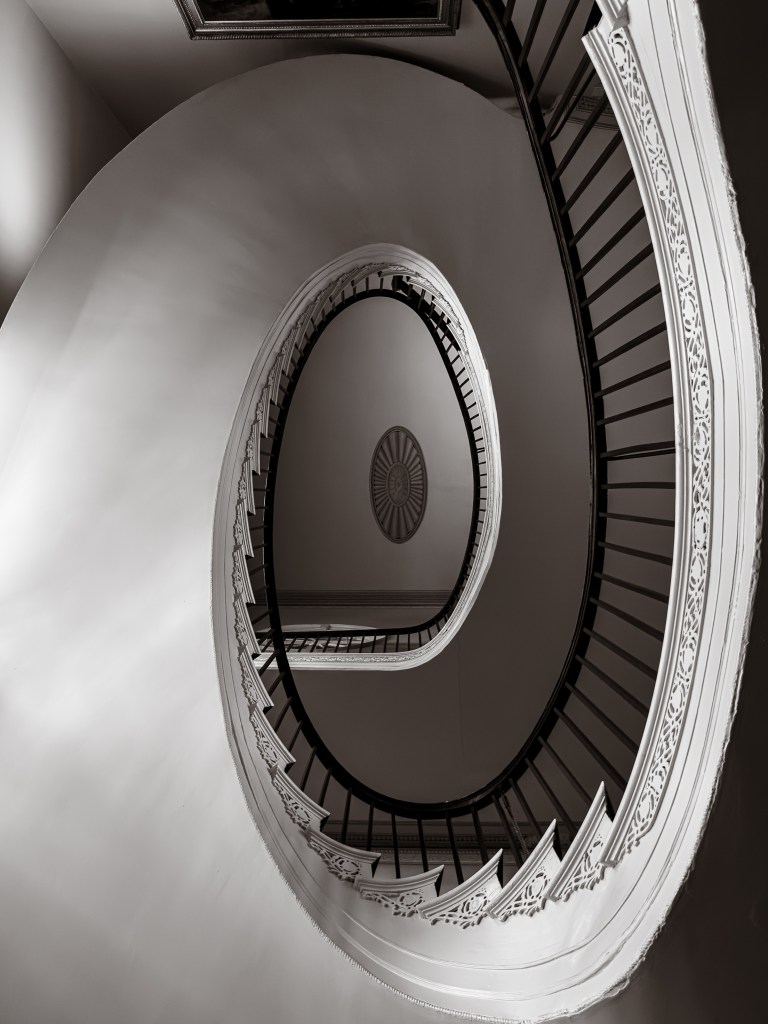
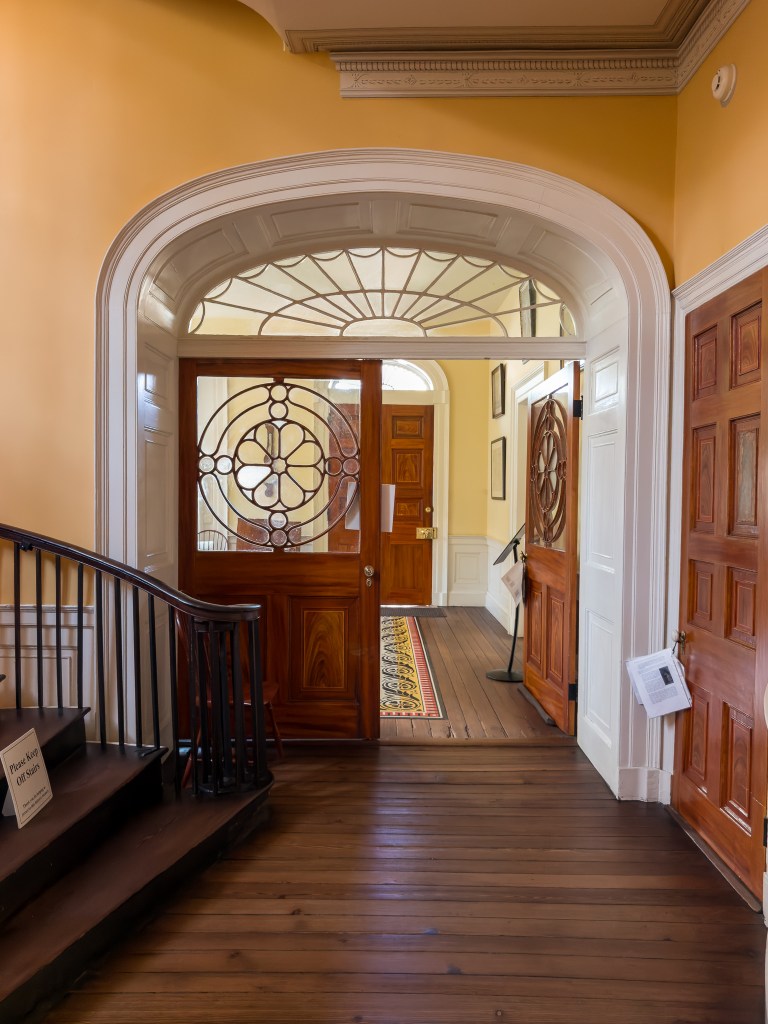
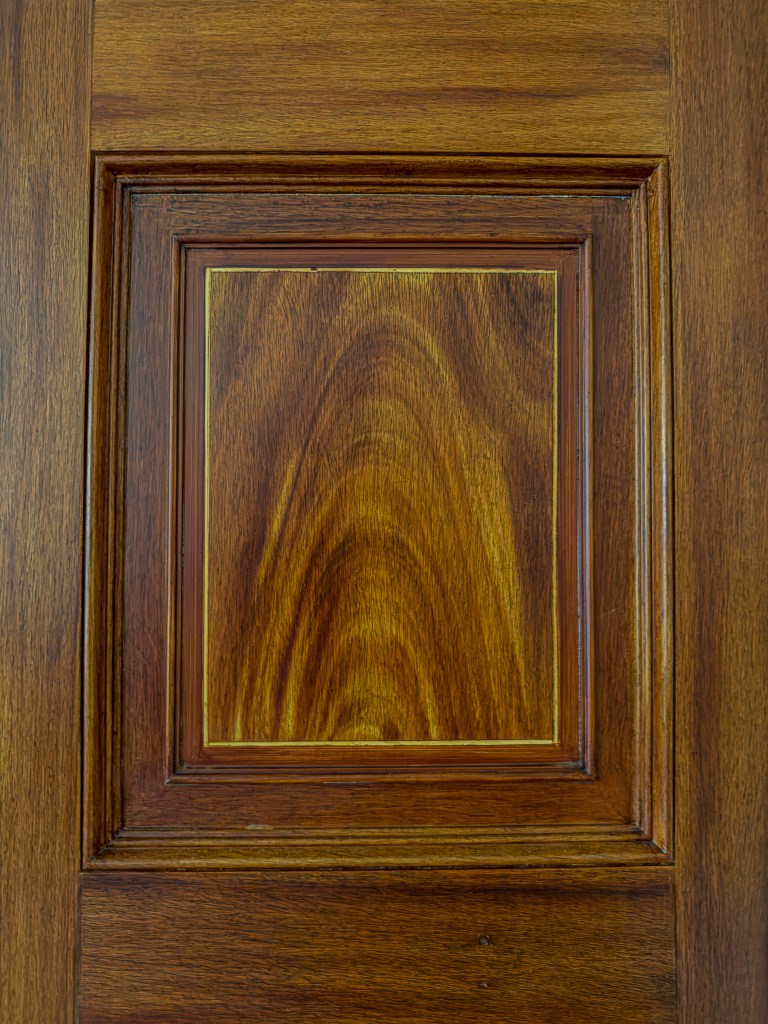
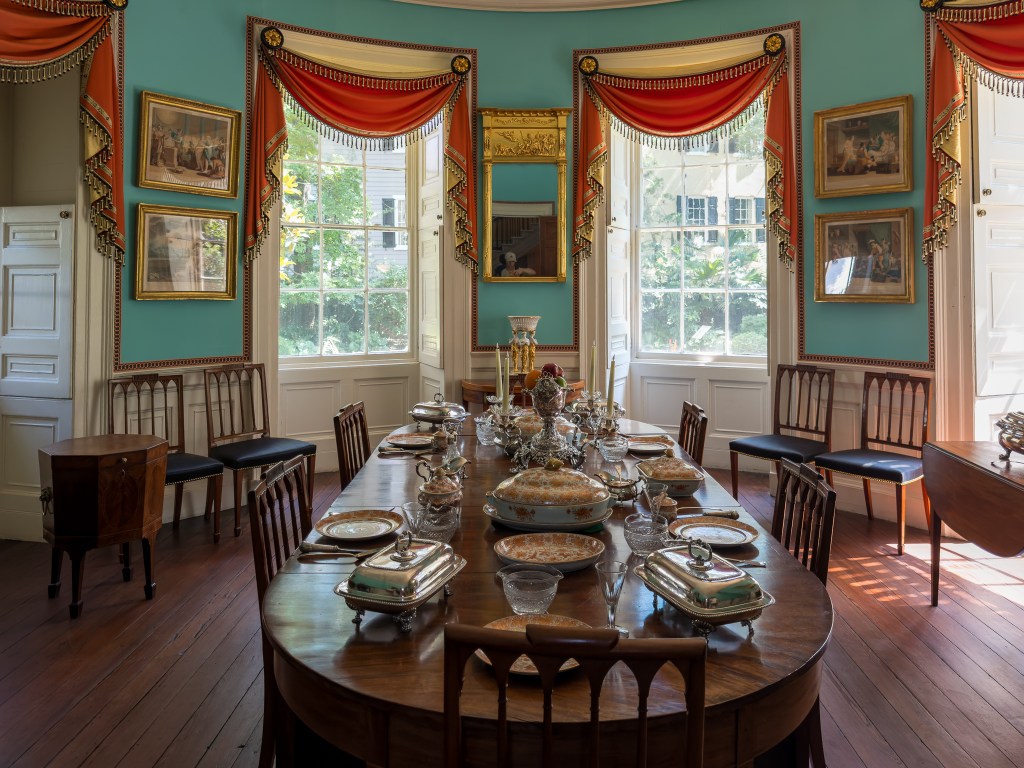
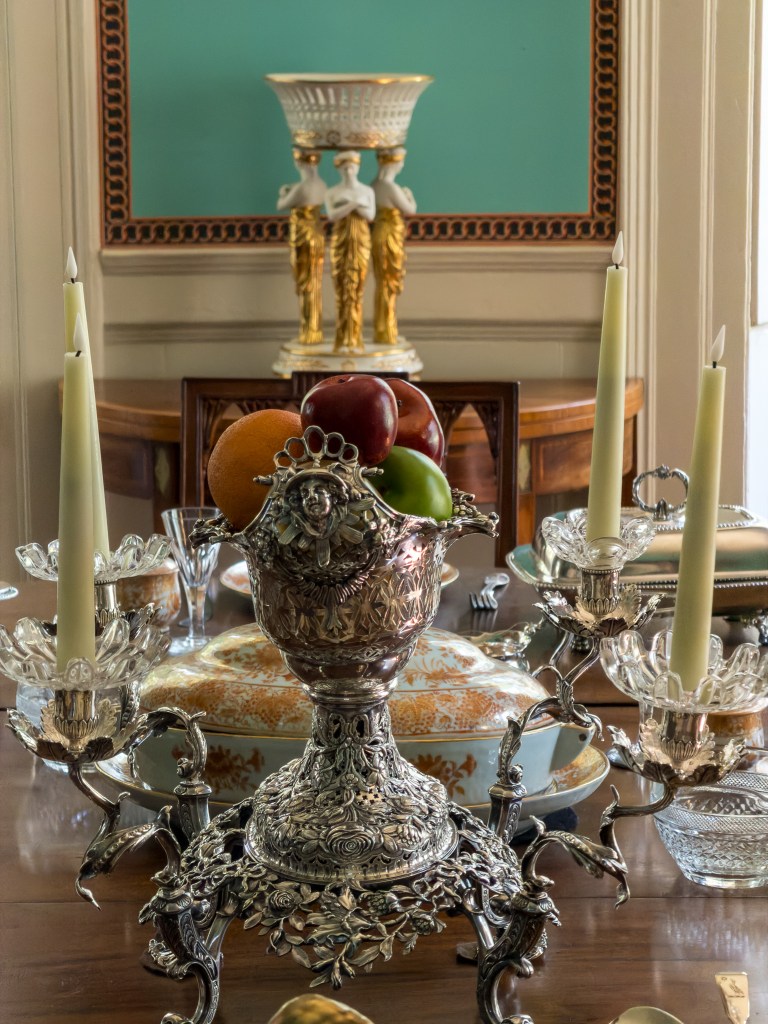
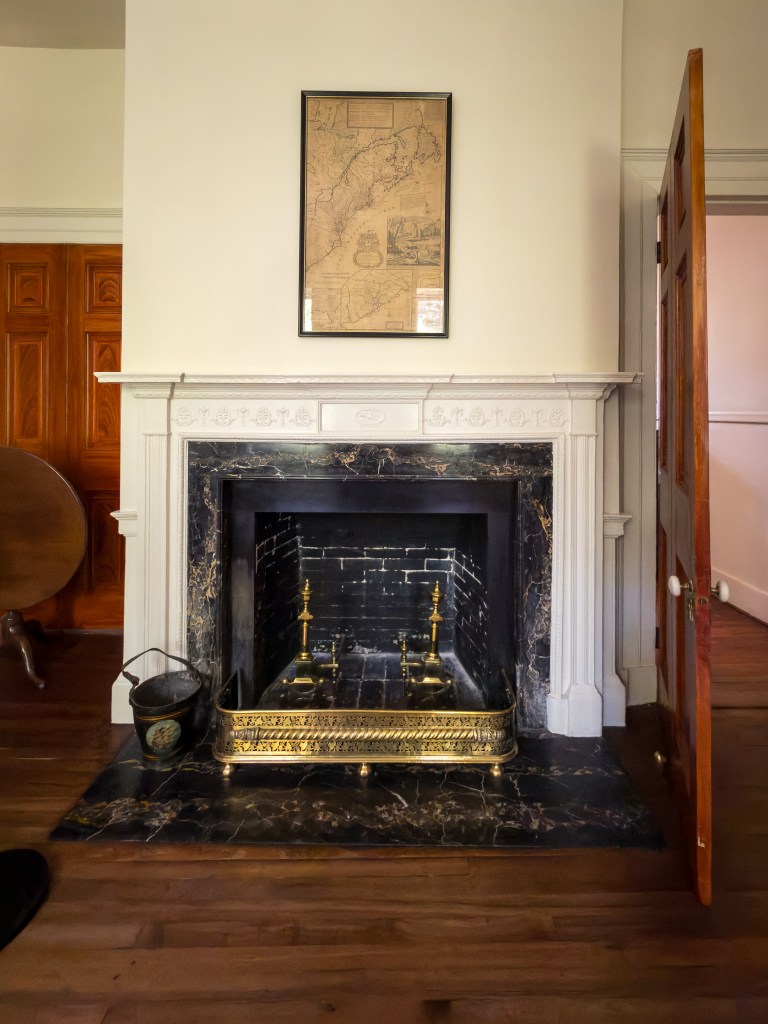
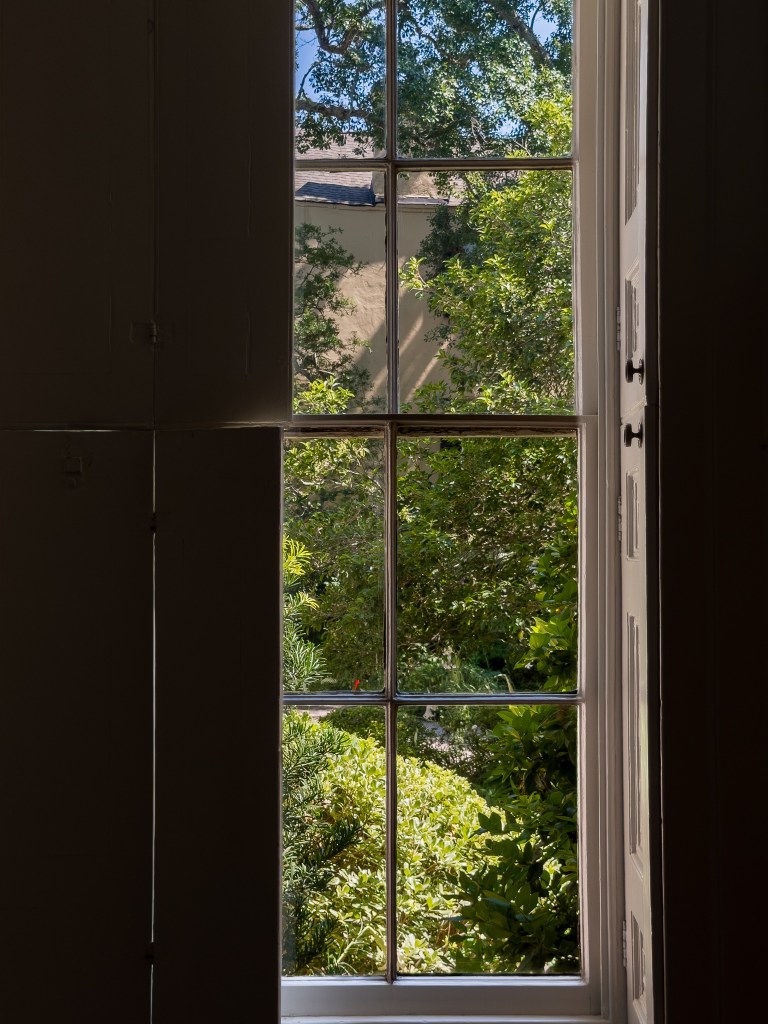
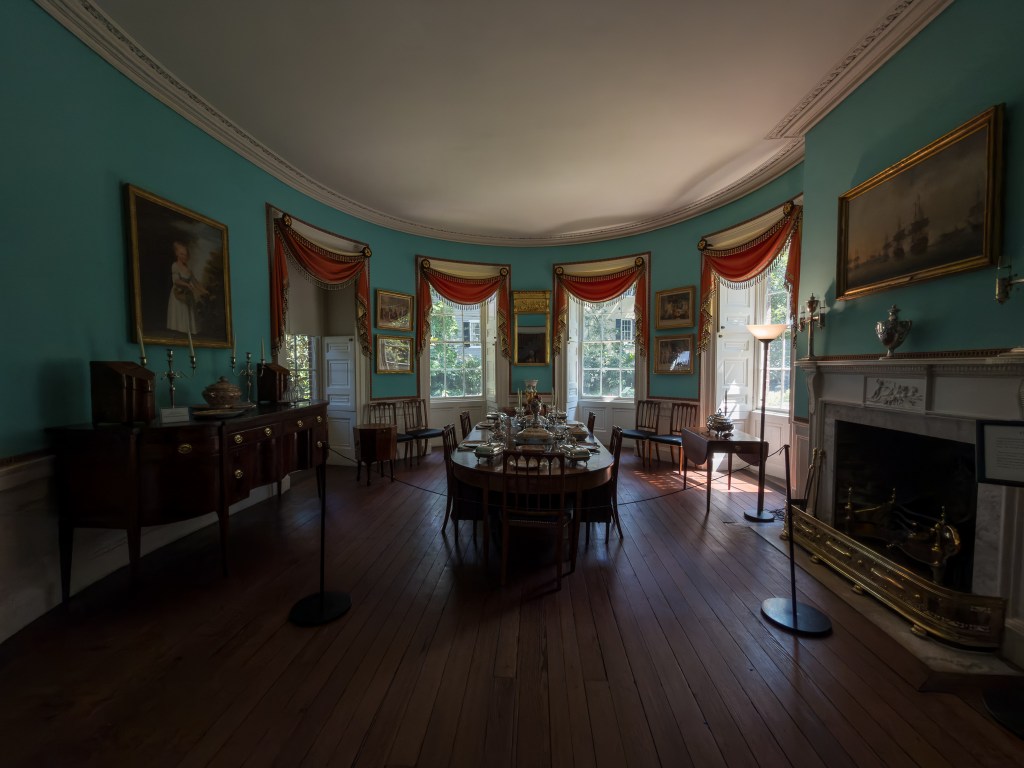
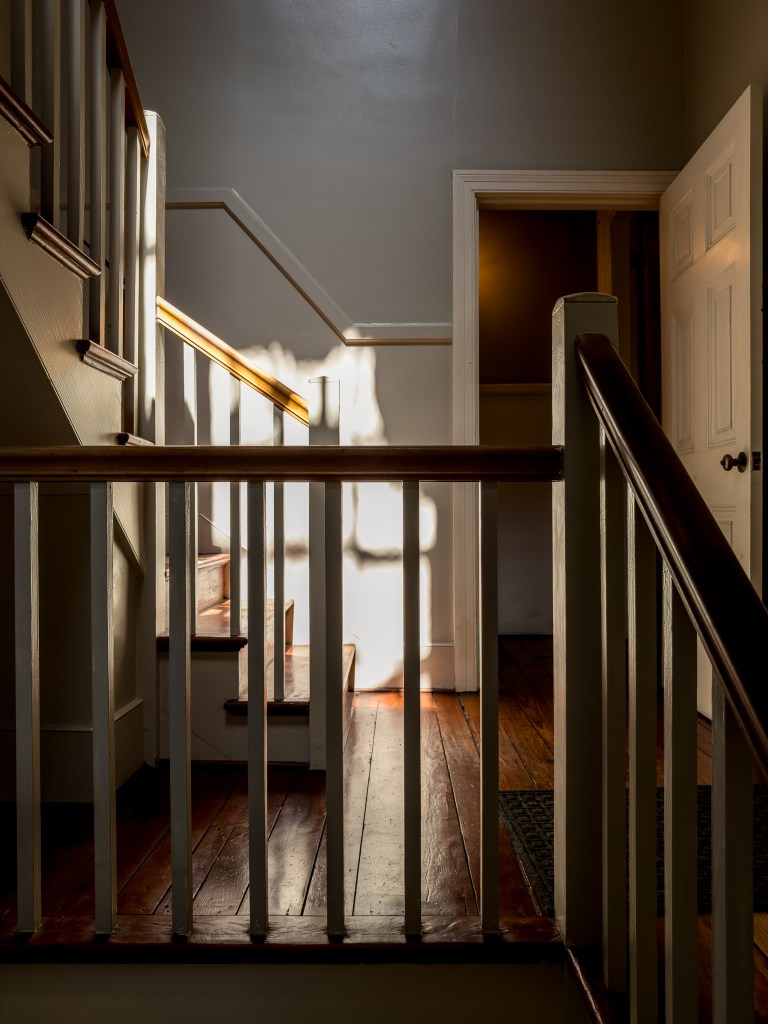
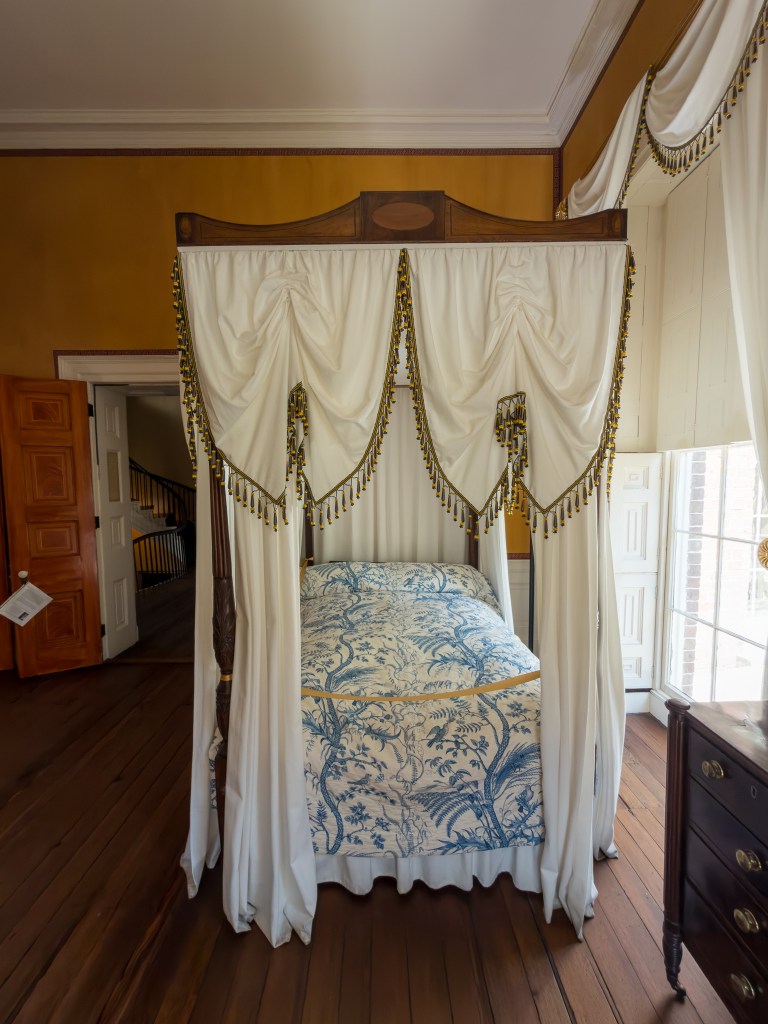
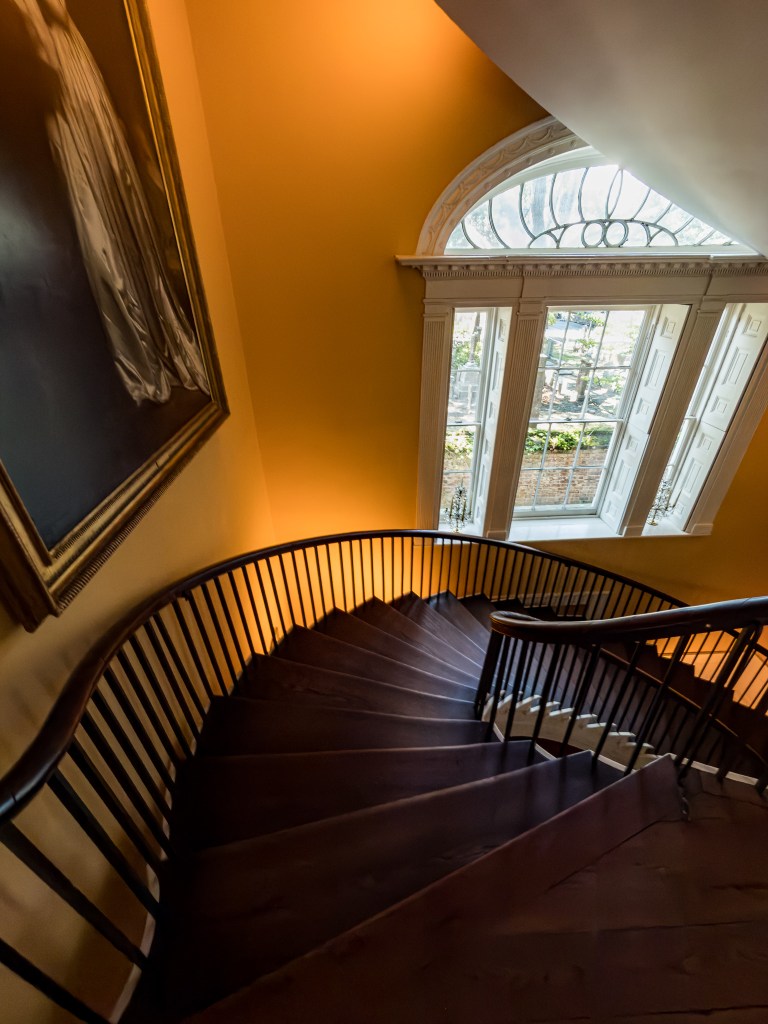
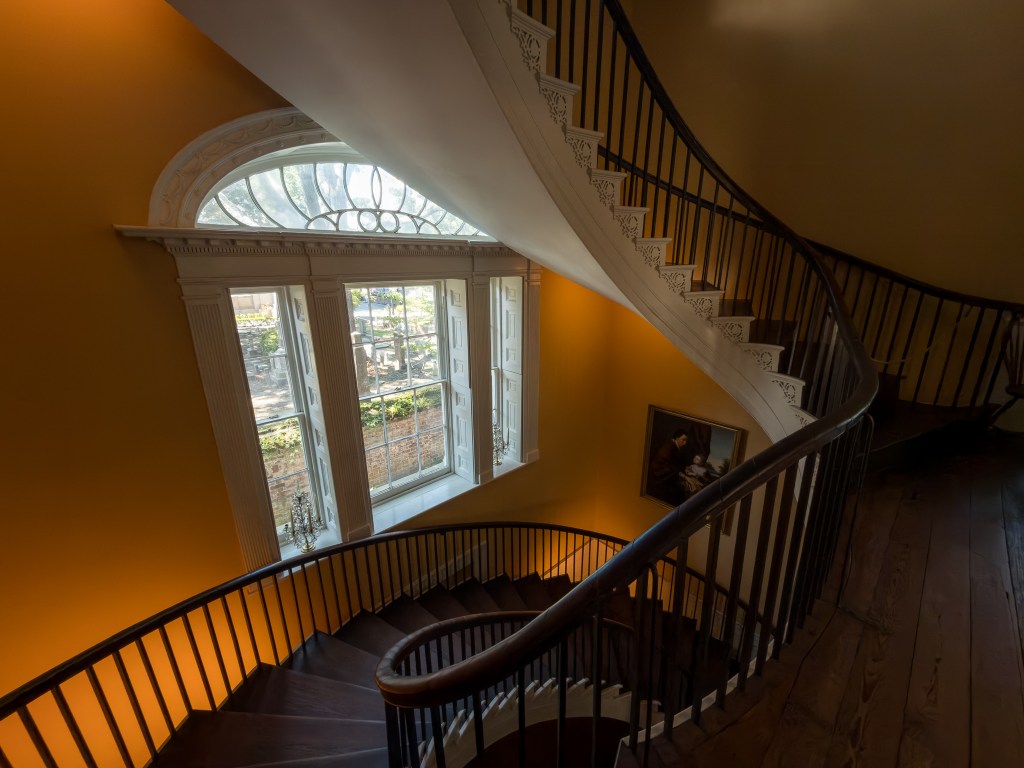
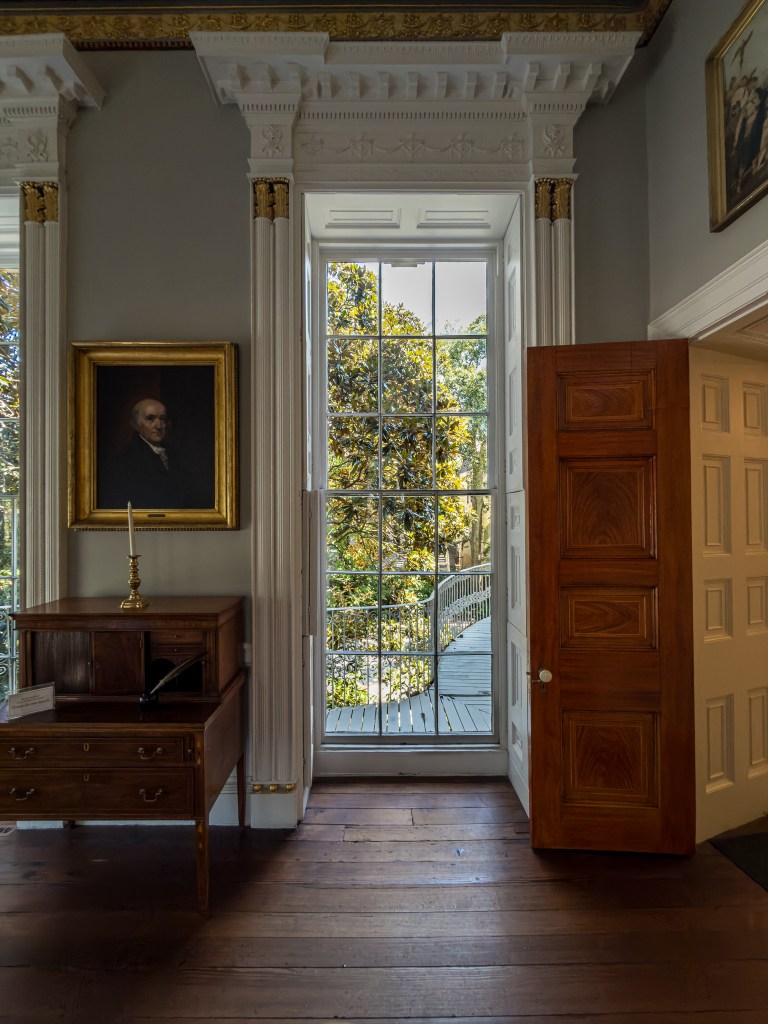
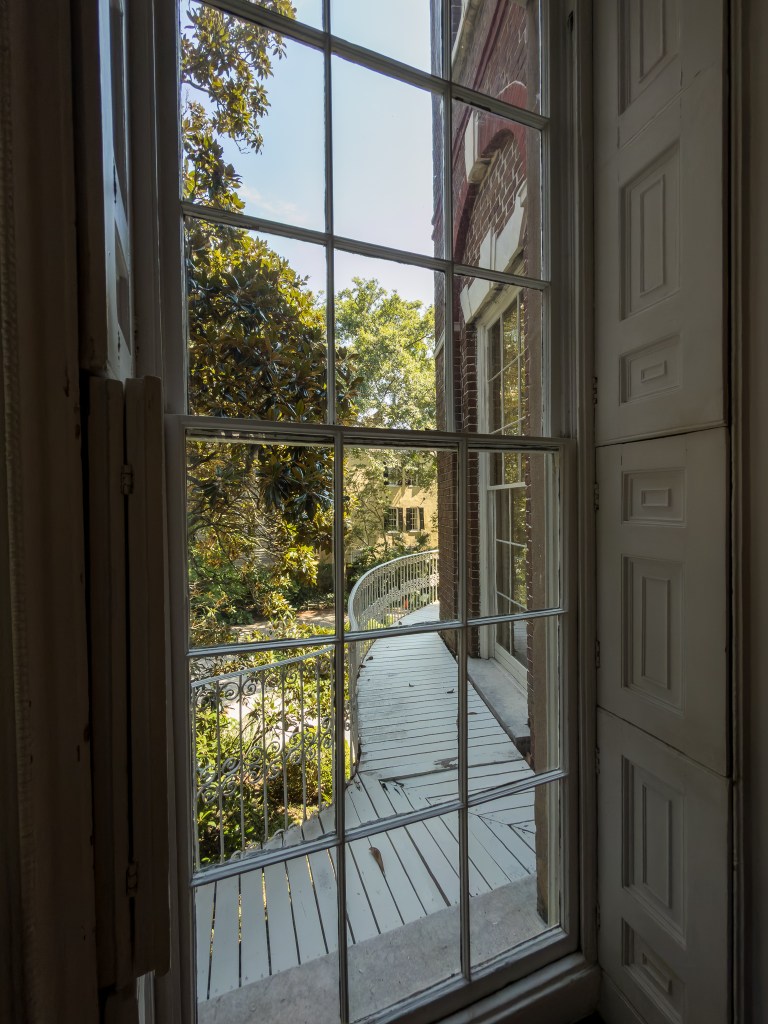
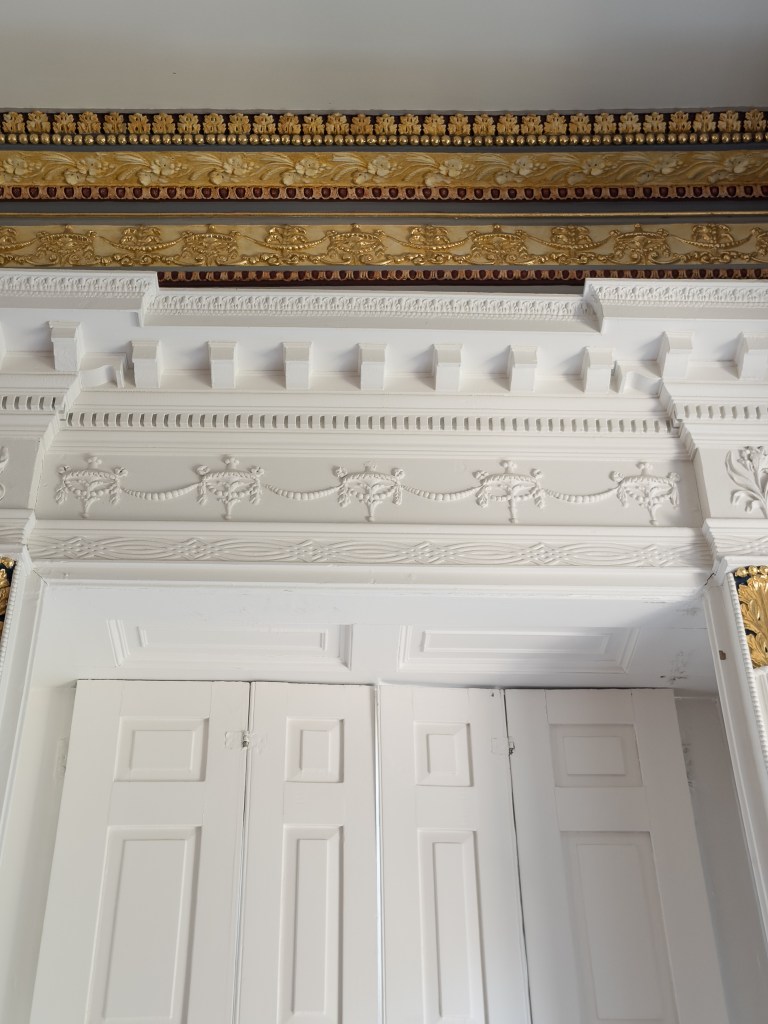
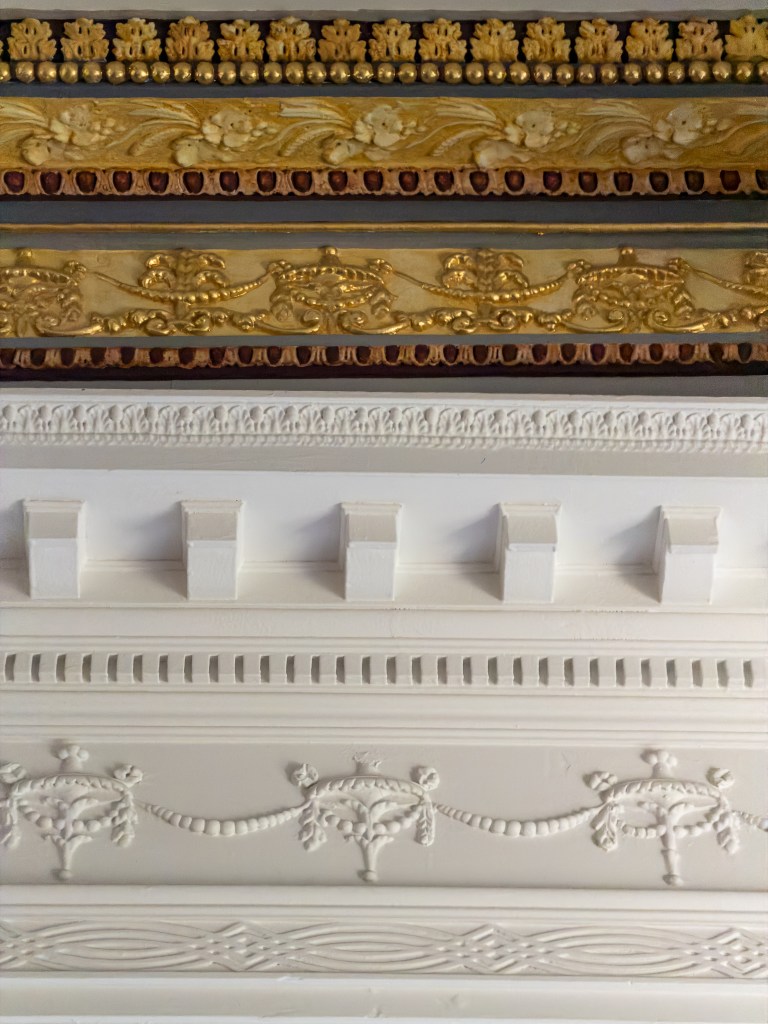
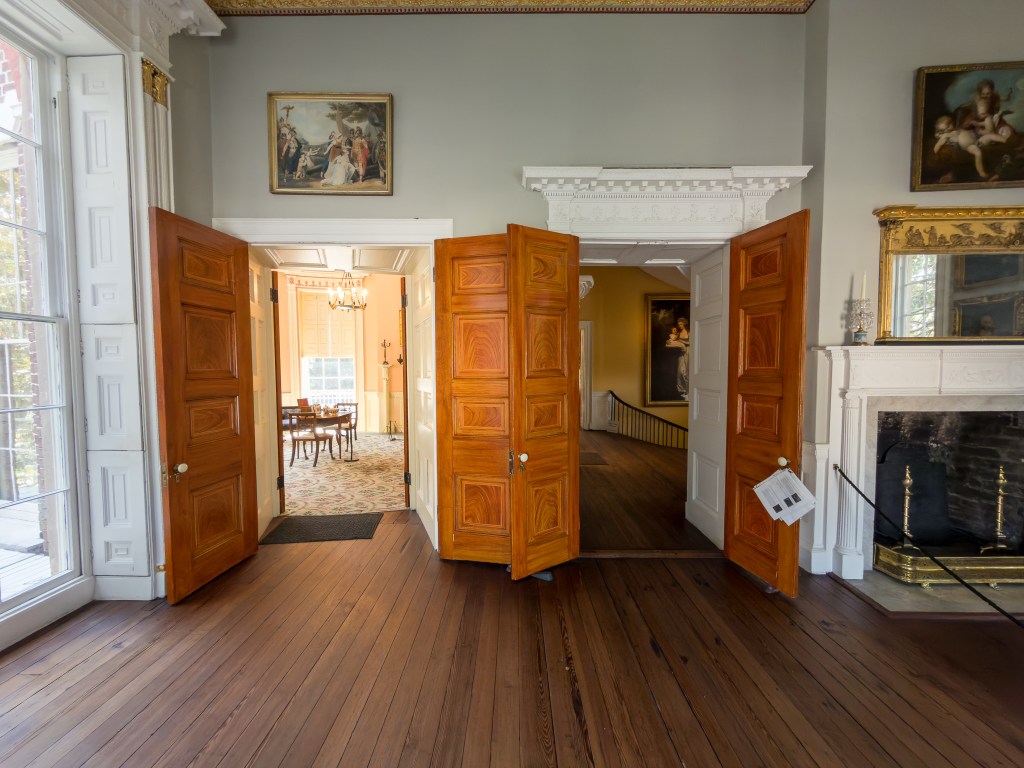
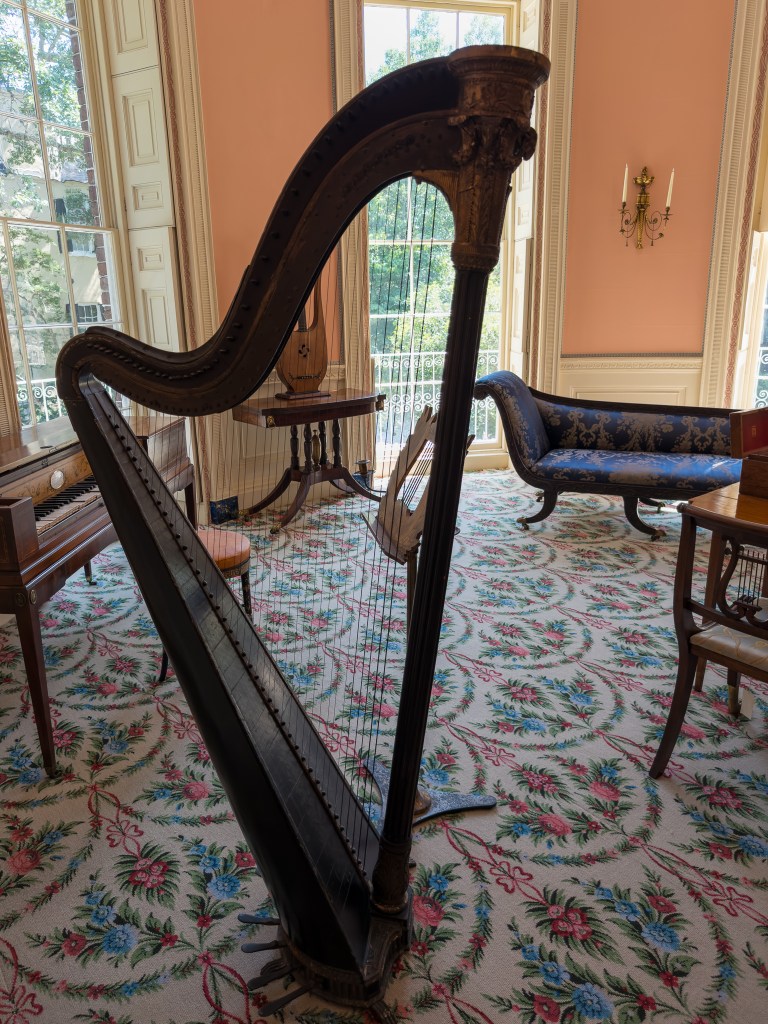
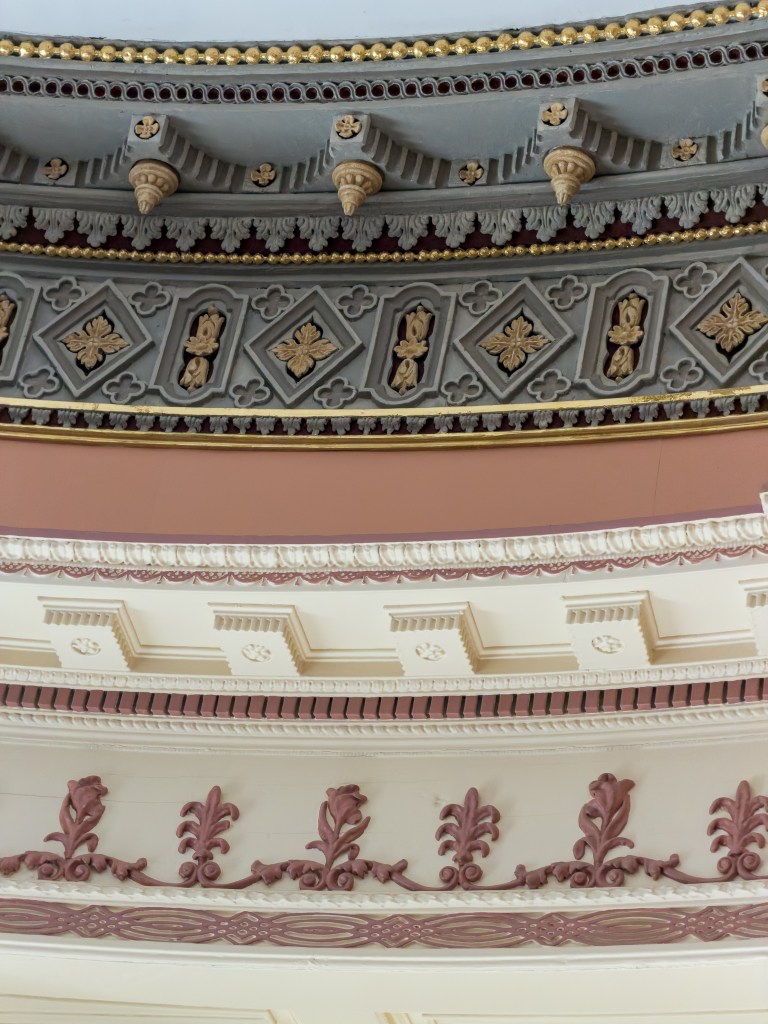
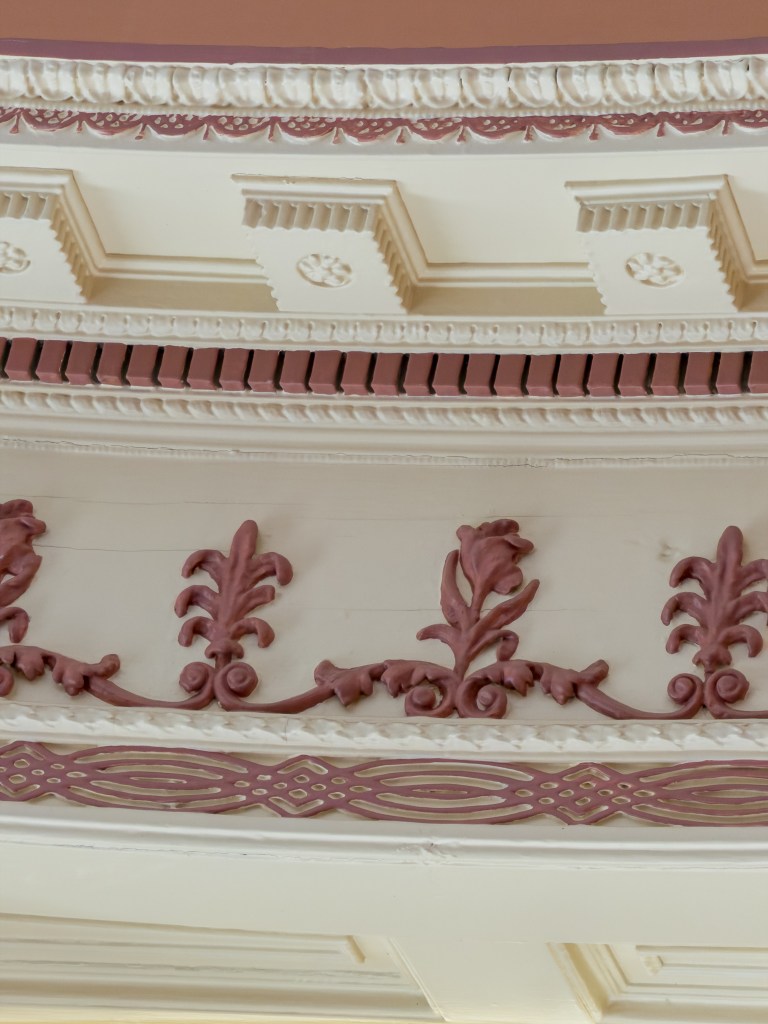
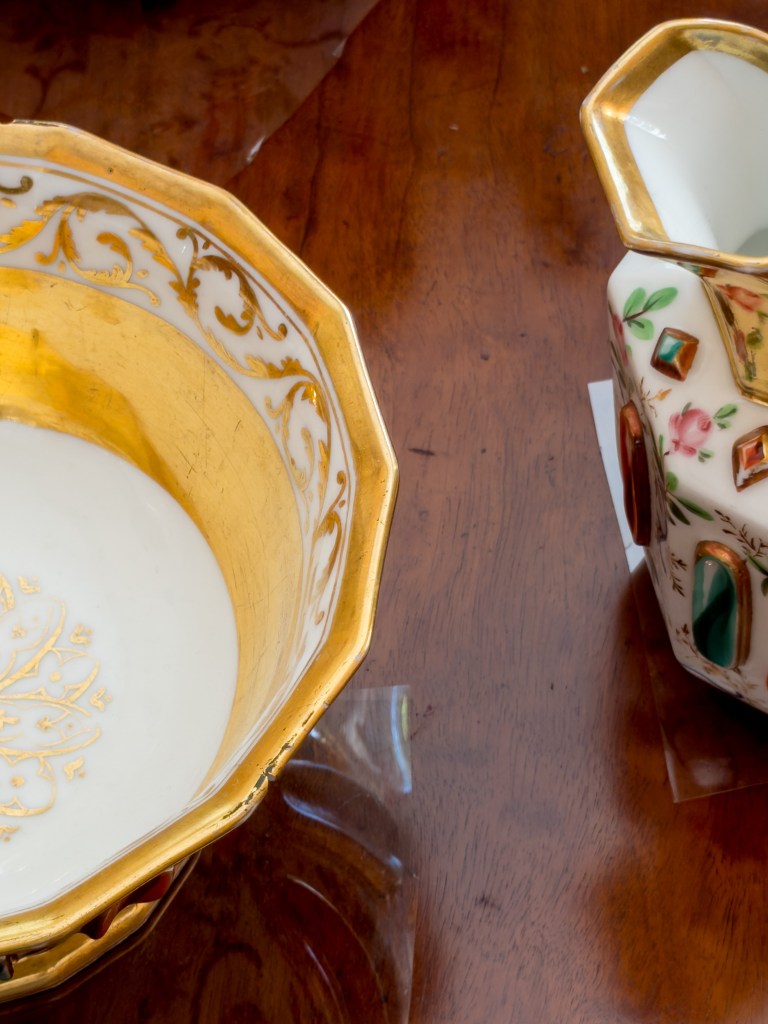
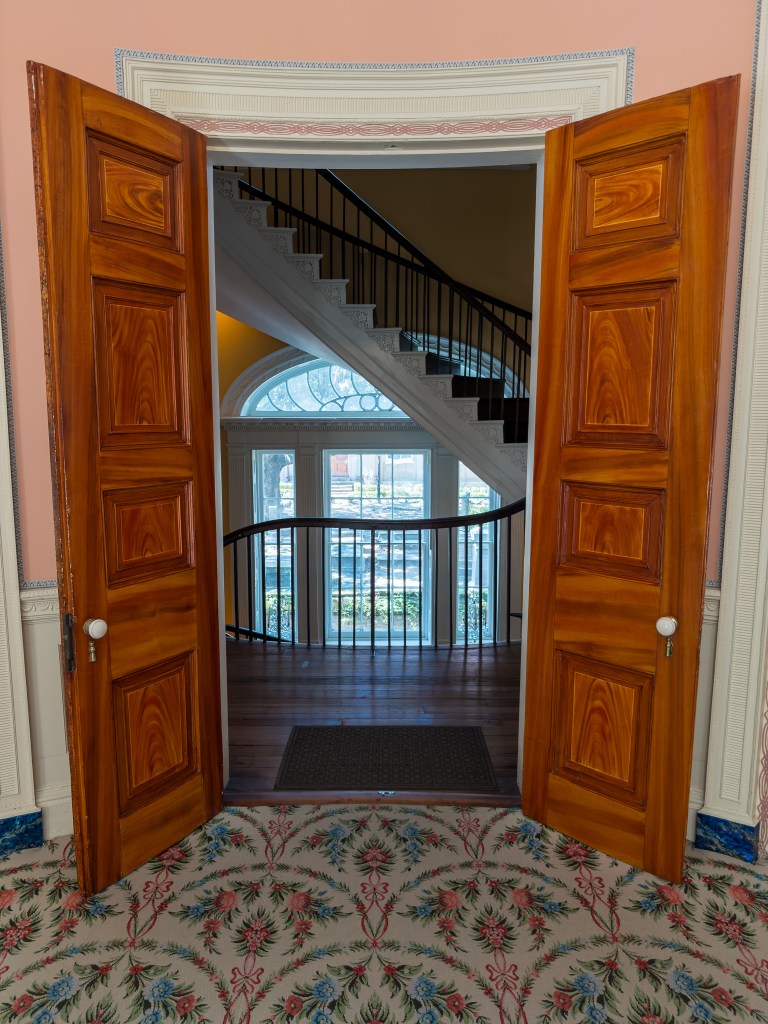
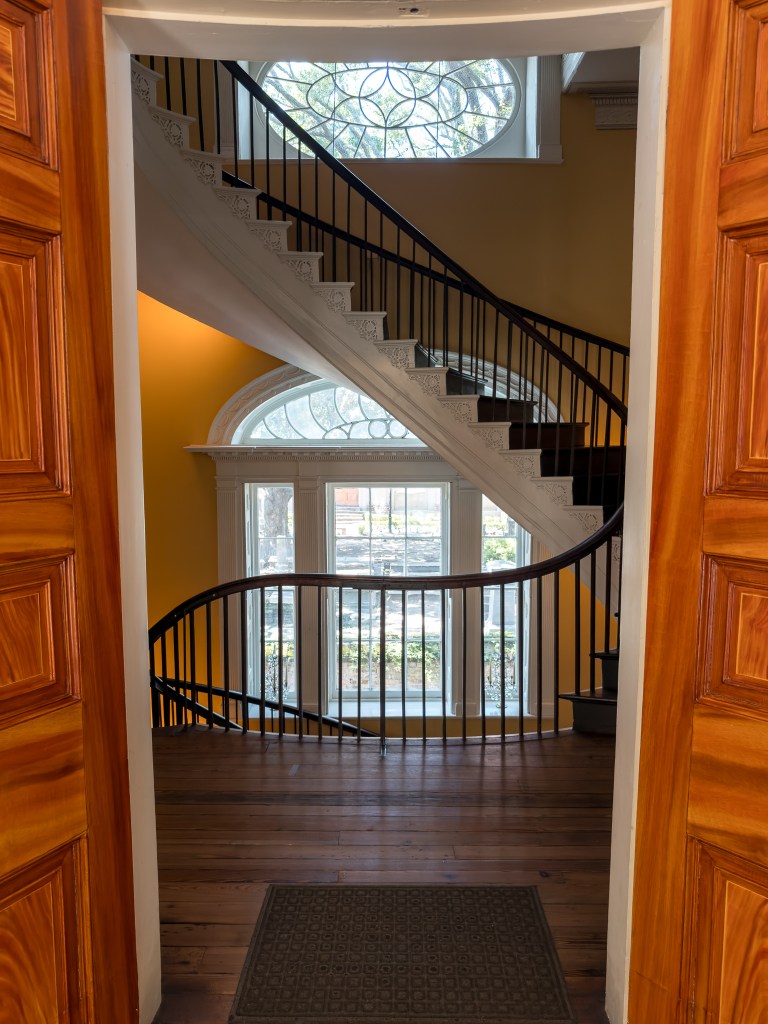
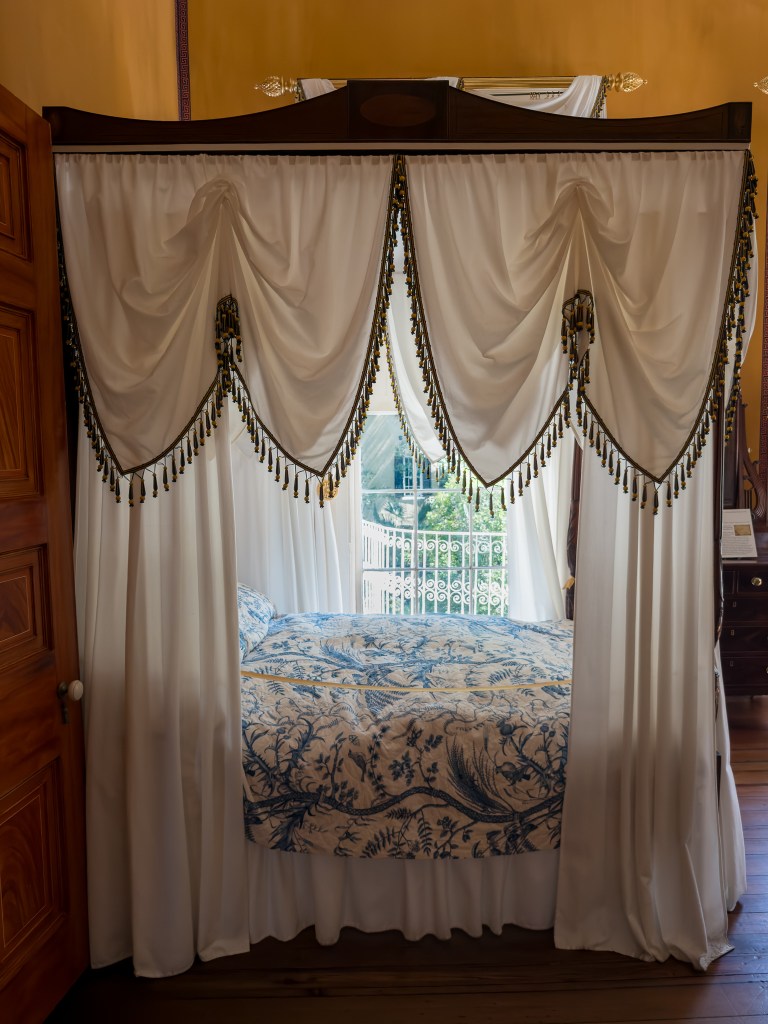
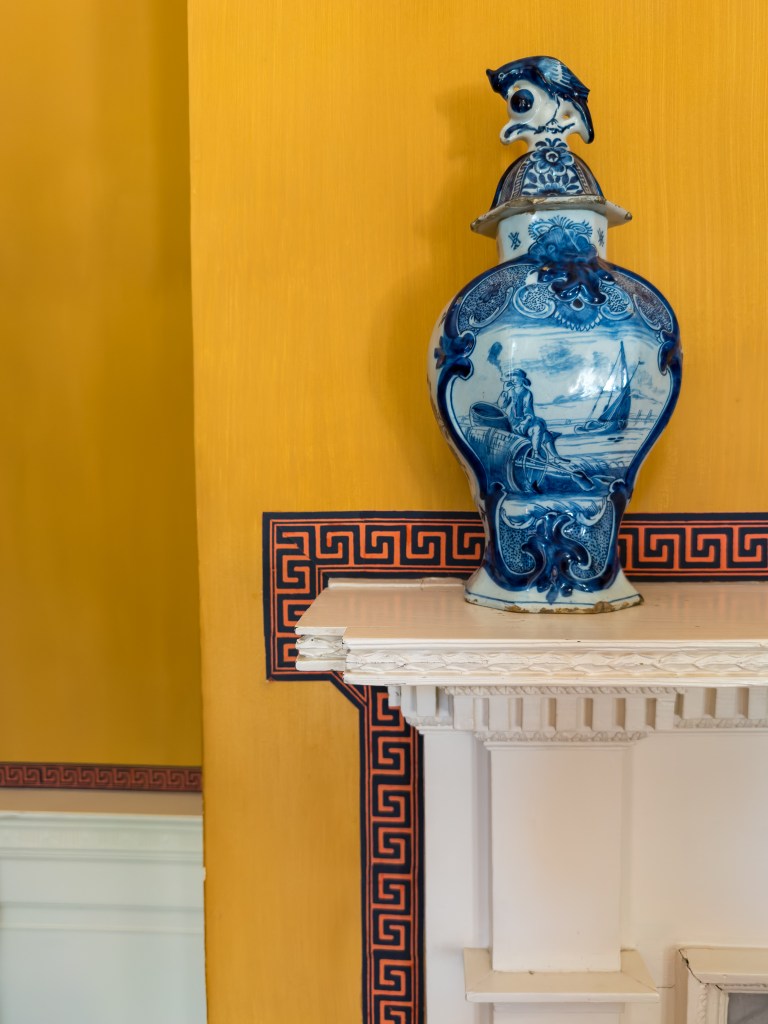
Of the houses we toured, the Nathaniel Russell House was the most ornate. It’s been fully restored and represents the pinnacle of ornate luxury. This is by far the fanciest historical house I’ve ever been in, making for some beautiful photos. It’s what we expected the house on the Magnolia Plantation to be – large, ornate, and built for entertainment.
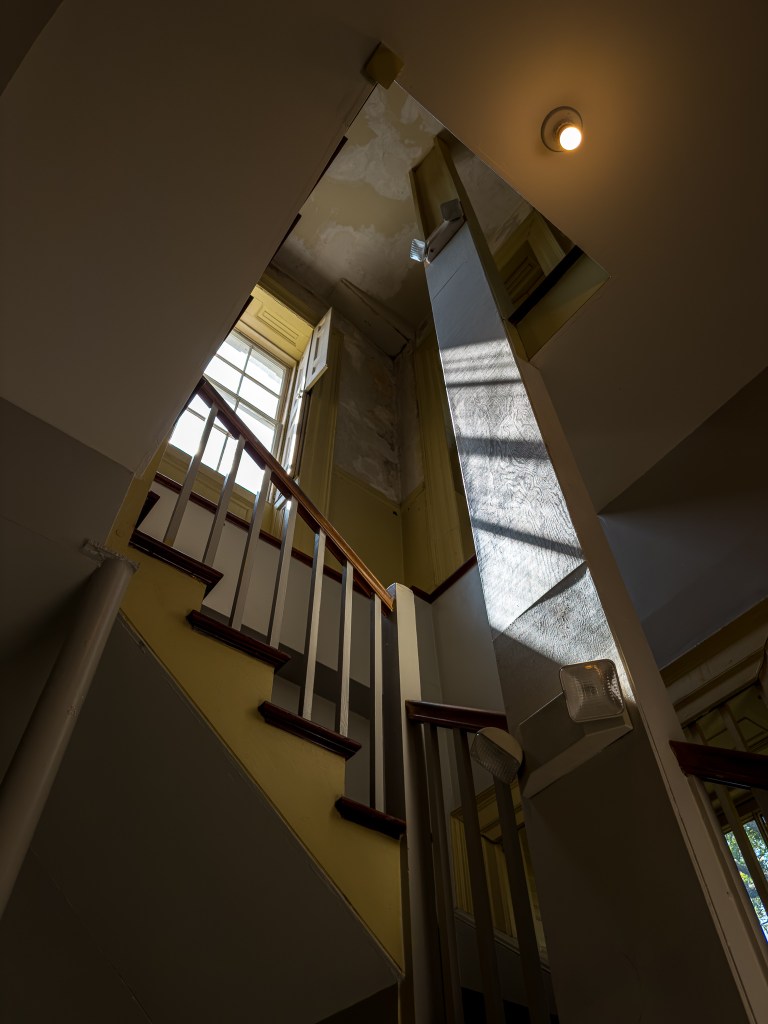
The most famous feature of this home is its free-flying spiral staircase winding up three floors from the hall. It isn’t open to walk, but can be seen from both the first and second floors. Absolutely everything in this house is ornate with hand-carved wood, multiple borders, and gilded accents. It was absolutely beautiful, but again tarnished by the foundation of slavery that made it all possible.
I didn’t want to carry my camera around for this visit so I took RAW photos on my phone instead. I’ve experimented with iPhone RAW images before and I’ve never been satisfied with them, but figured I’d give them another try. I regret my choice as the iPhone just can’t cope with low-light scenarios without smudging and blurring the details. The images are fine for snapshots like the ones I took at the jail, but fall apart when editing, providing very little latitude to raise shadows. The low light levels typical indoors result in underexposed images taken at shutter speeds that cause motion blur, making things even worse. In areas with more light the detail was much better and less editing was needed, but my Sony provides much more latitude in post and would have been a better choice.
These images look fine from afar, just don’t zoom in too much 🙂

Books
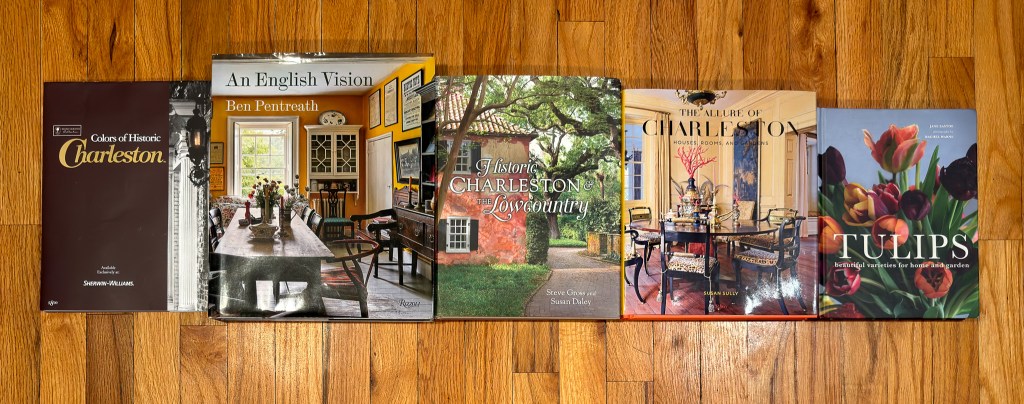
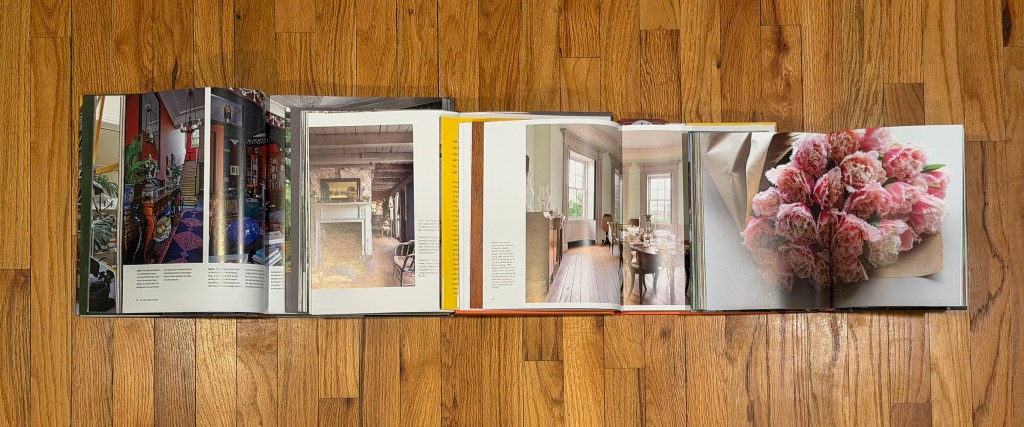
As mentioned in my last travel post, I like to pick up books that remind me of my trips, and Charleston was brimming with options! The Magnolia gift shop had a wealth of books, including two about Charleston houses, one about modern English architecture, and one about tulips. The two Charleston books included beautiful images and histories of the houses I toured and introduced me to houses that I had not.
The book about tulips was probably related to Magnolia’s garden, but I picked it up because it’s full of beautiful tulip images, information about each variety, and care information. It’s both a beautiful and functional book about my favorite flower. The English architecture book had nothing to do with Charleston directly, but was probably there because of its modern take on the designs that influenced the city.
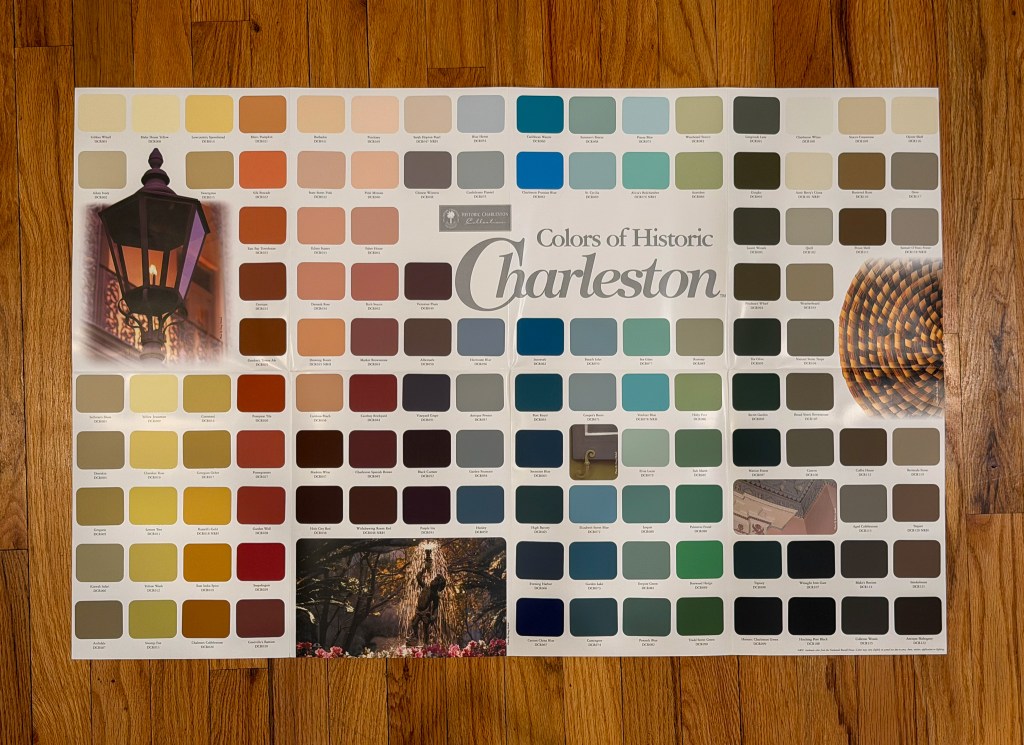
I even picked up an $8 color swatch set matched to the colors of Charleston if I ever want to refashion our house in them.


One Reply to “”