
After all that collecting and configuring, it was time to play some games.
Tetris
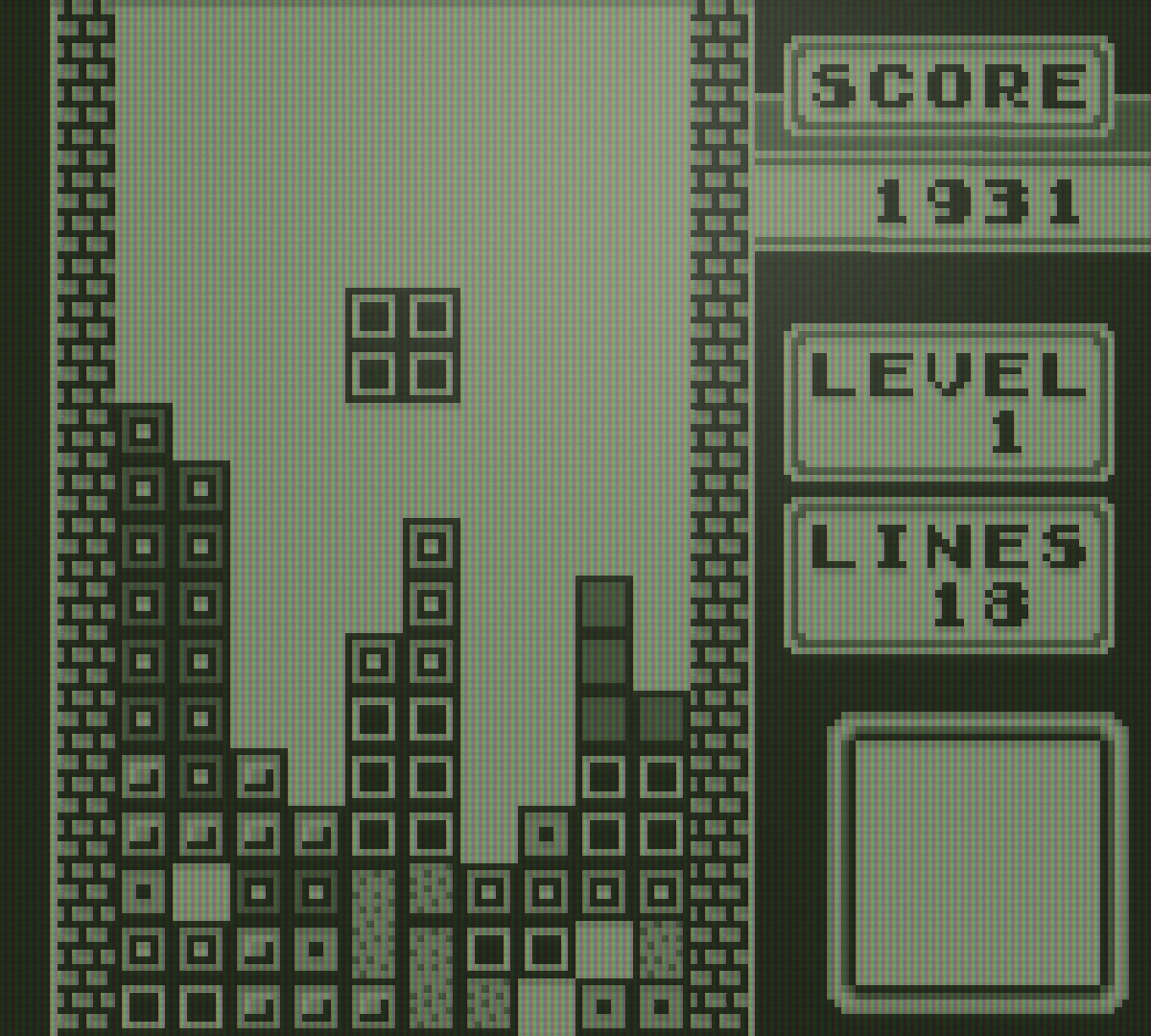
The first game I went back to was one that I enjoyed the most on my original Game Boy: Tetris. Since that time I’ve been a Tetris fan and it’s what I played the most on my Analogue Pocket. I also have a micro Arcade version that I played frequently when the Pocket was out of sight.
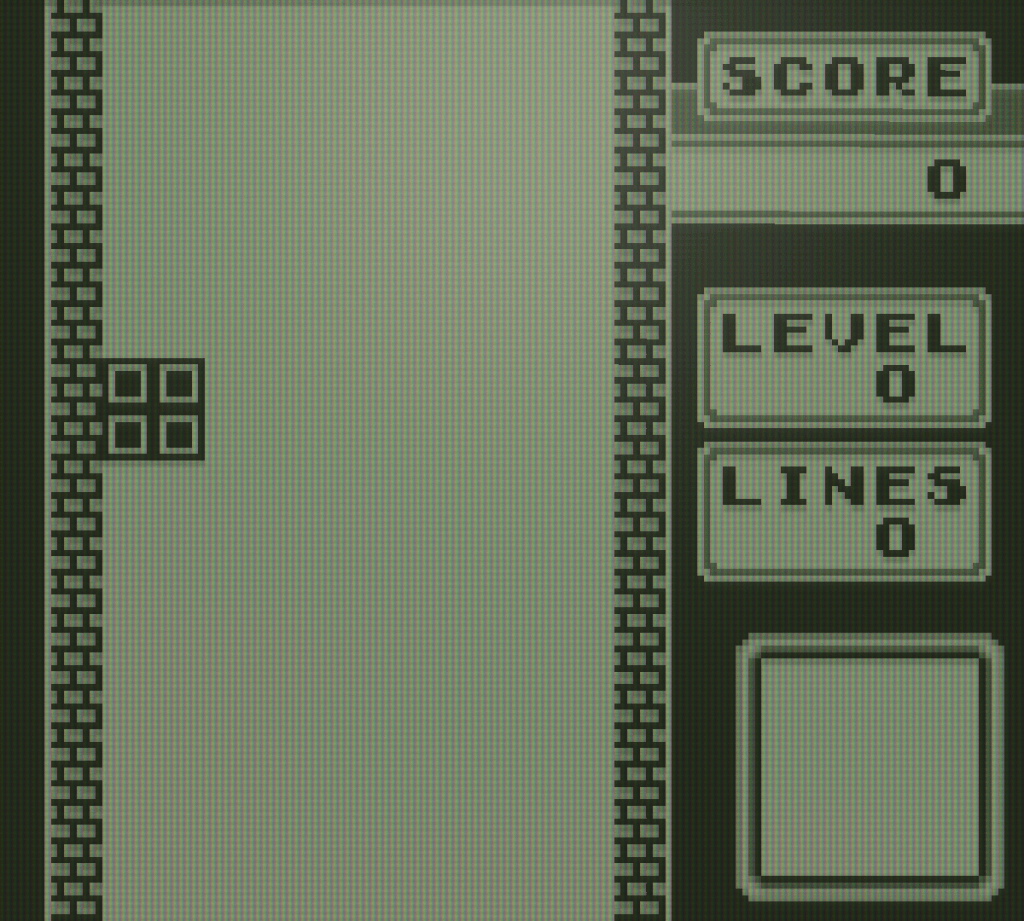
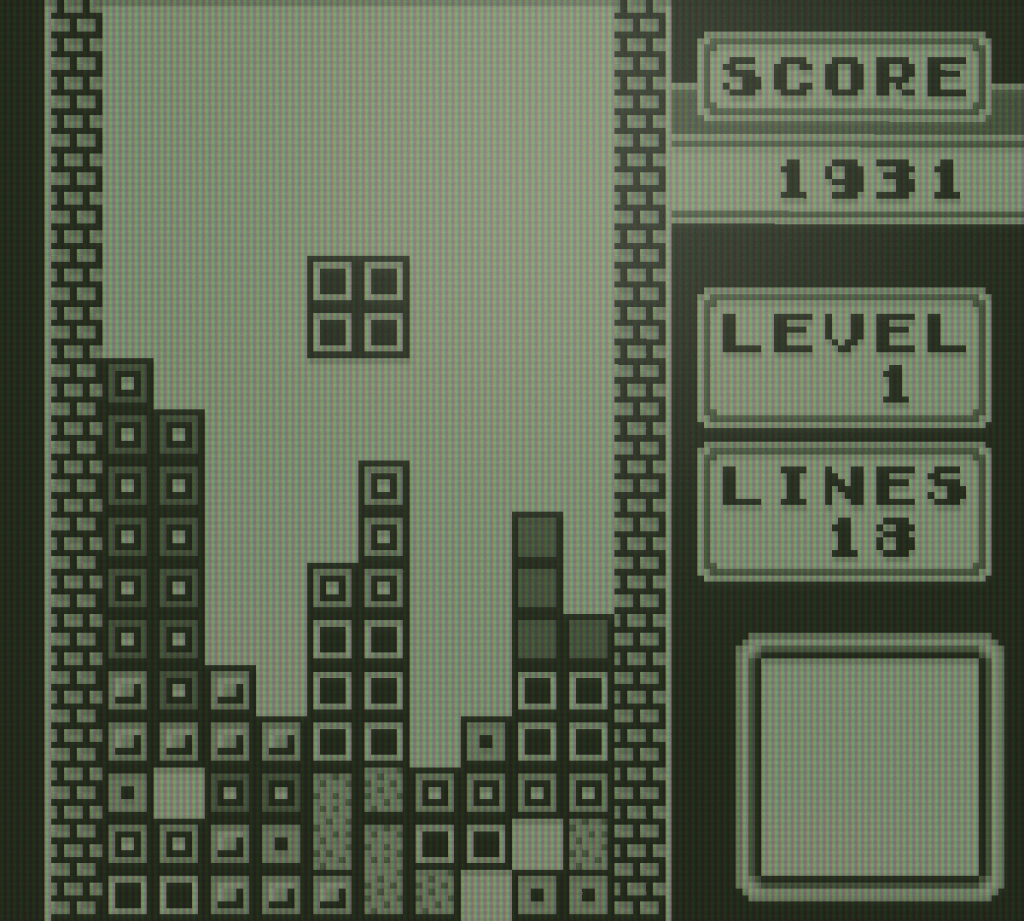
My play style is very basic: I always start at level 0 and play slowly. Sometimes I use the preview of the next block, but often ignore it and see what pops up at the top of the screen. If I’m lucky I’ll play until it reaches level 3 then I’ll fail and start over. I have no stress about it and enjoy watching the blocks fall and making small decisions. I’ve recently been experimenting with my gameplay and allow a few strategically placed holes in the stack that I match later.
The Game Boy version is perfect because it’s simple. I don’t need any color or any fancy modes; I just want to watch the tiny green pixel art meander down the screen. The music in this version (A-Type) is my absolute favorite music in any game. I don’t know if it’s because it was one of my first games or what, but I could listen to that music all day.
Super Mario Land
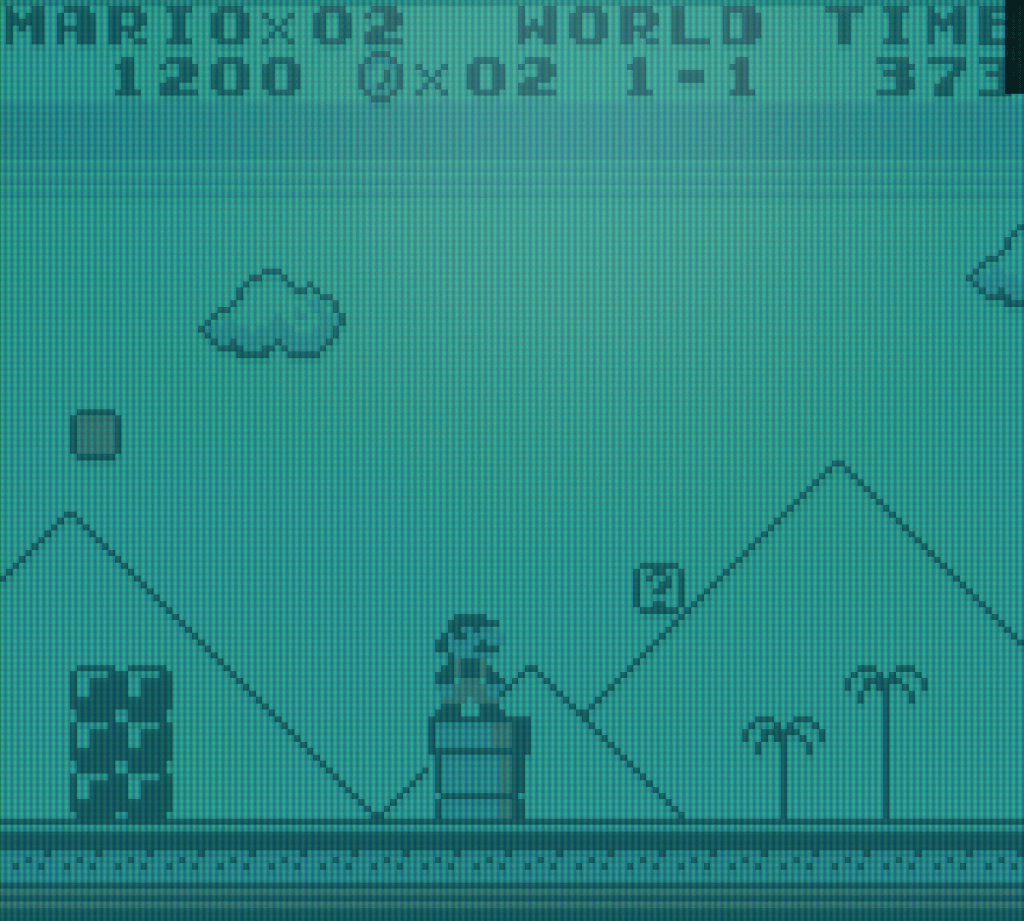
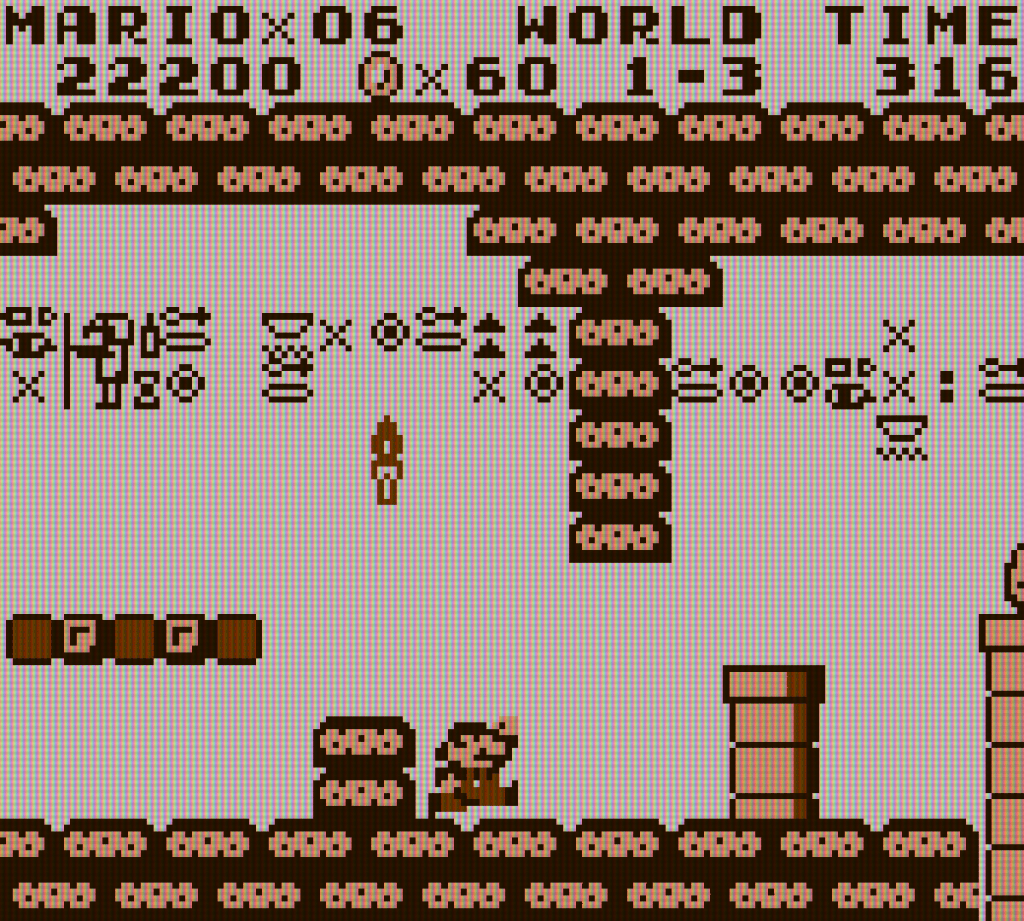
Super Mario Land is an odd little Mario game, but it has a lot of charm with its exploding turtles, flies, and batadons. As one of the first Game Boy releases, its graphics are very simple and its campaign is short, containing only 12 levels split across 4 worlds. The levels are not very difficult and even I could make it most of the way through the game on my original Game Boy. This was far less frustrating than Zelda or T2 Arcade.
Like Tetris, I really enjoy the music in this game. It’s simple, catchy, and entertaining. It’s something that I hum after playing that makes me want to go back. Again, not sure if it’s the nostalgia or the actual music, but I love it.
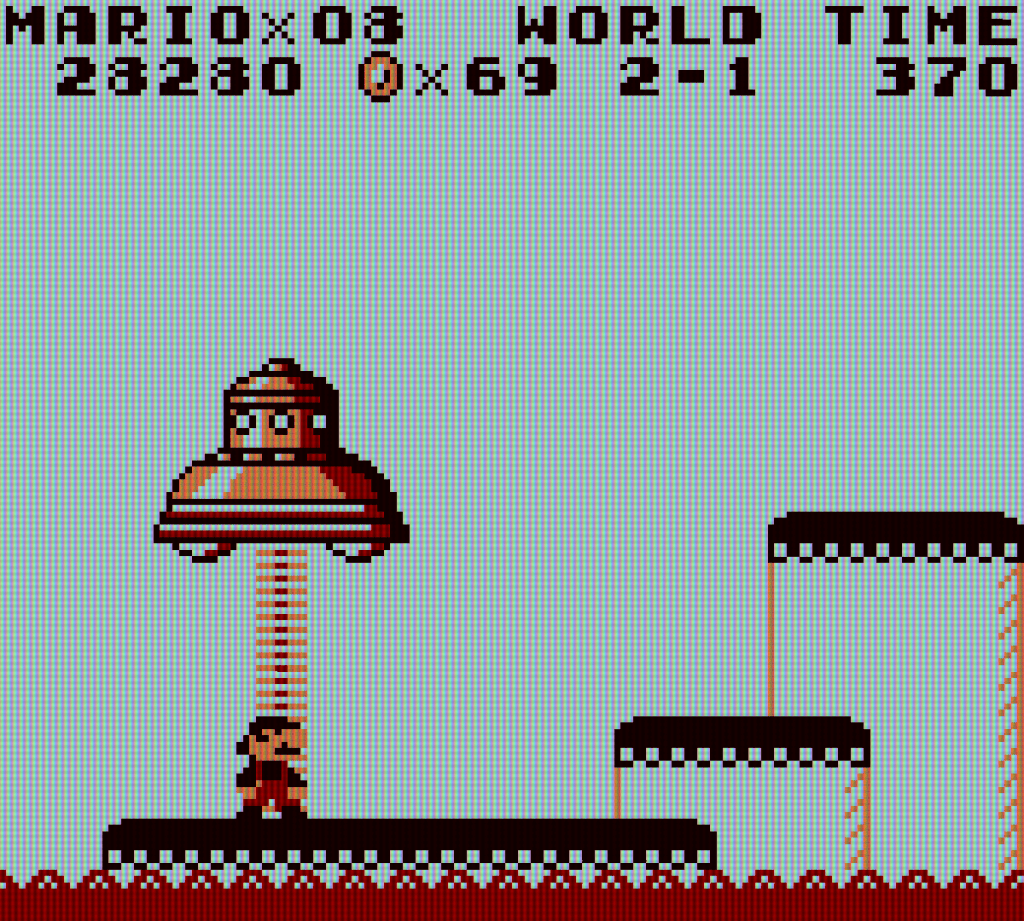
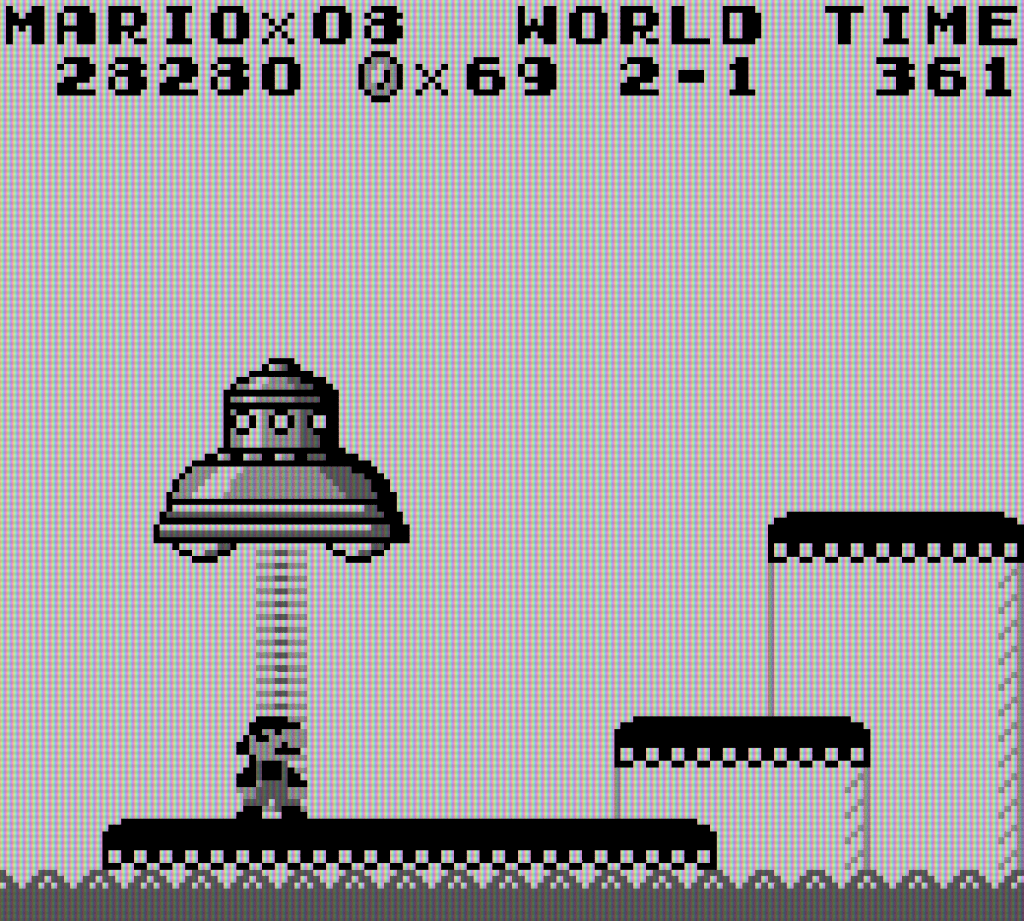
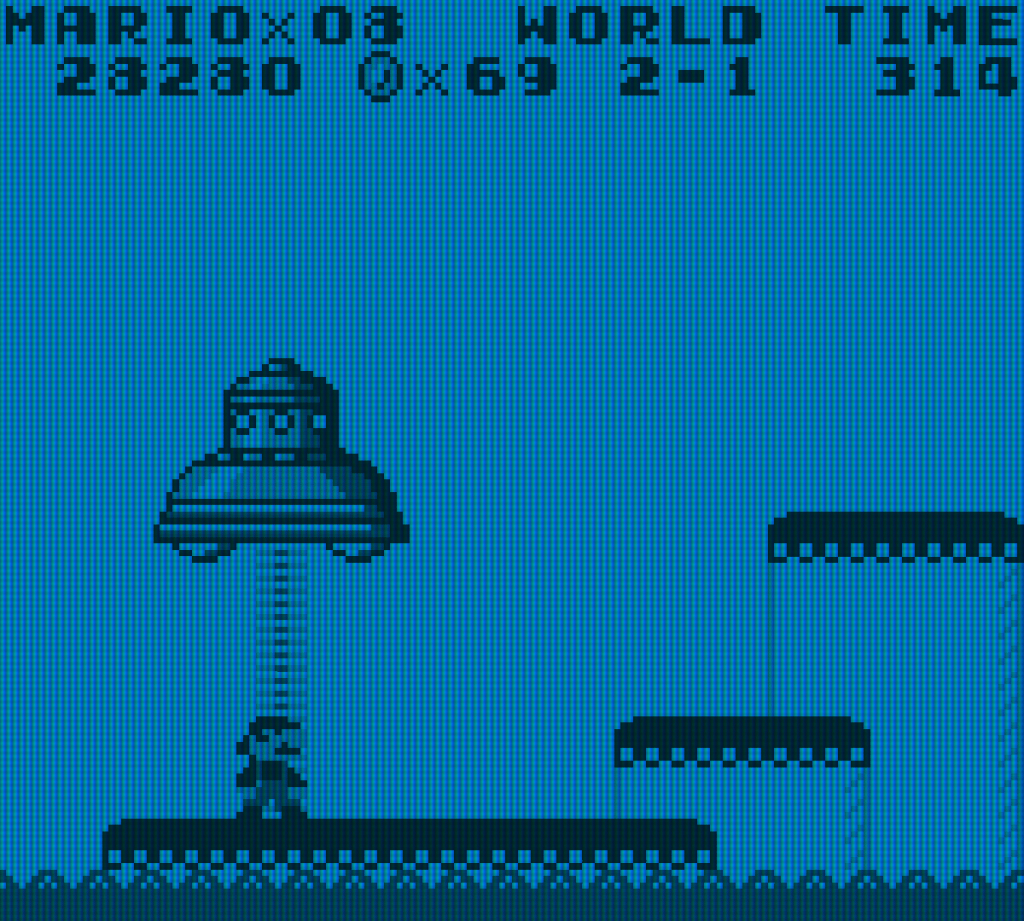
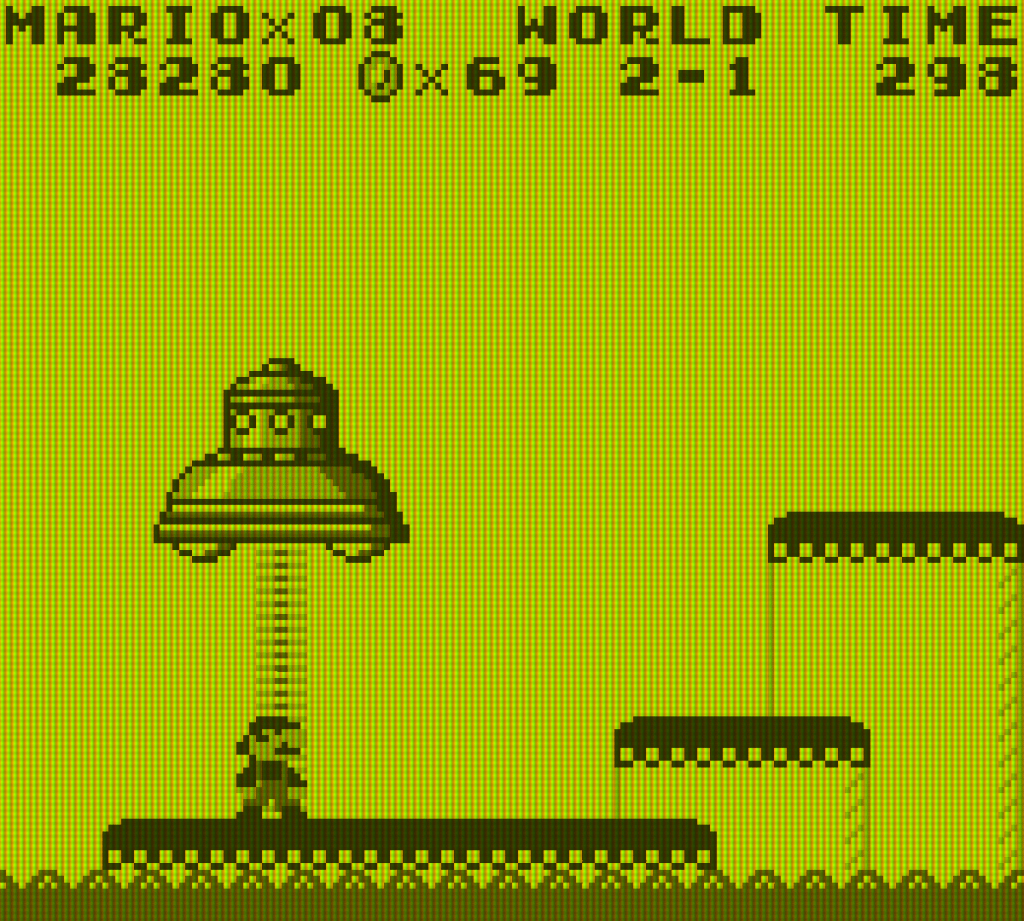
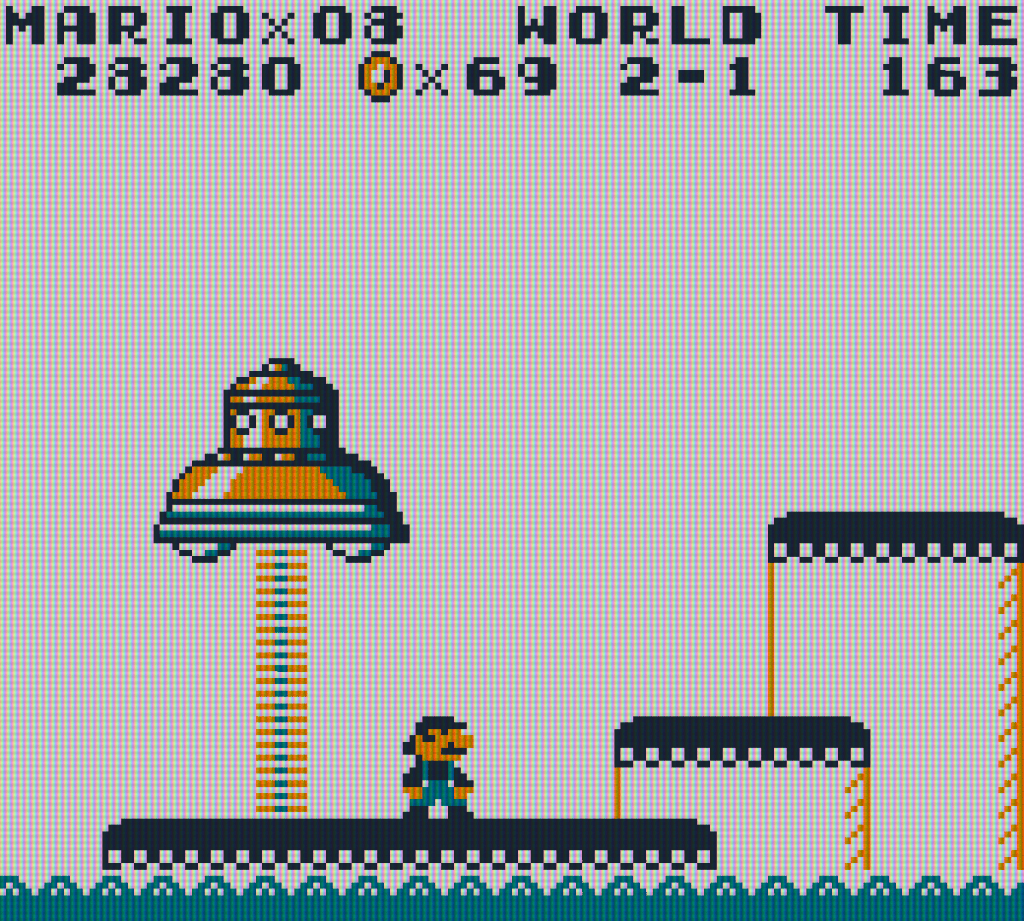
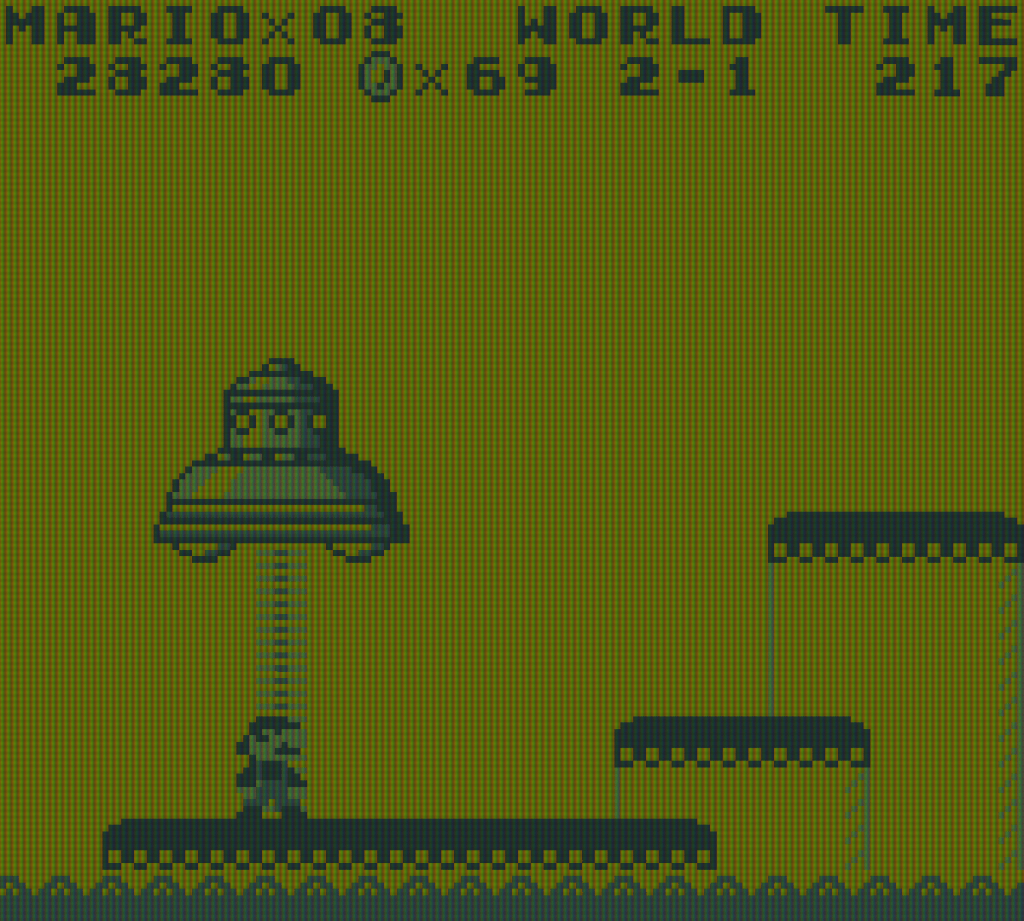
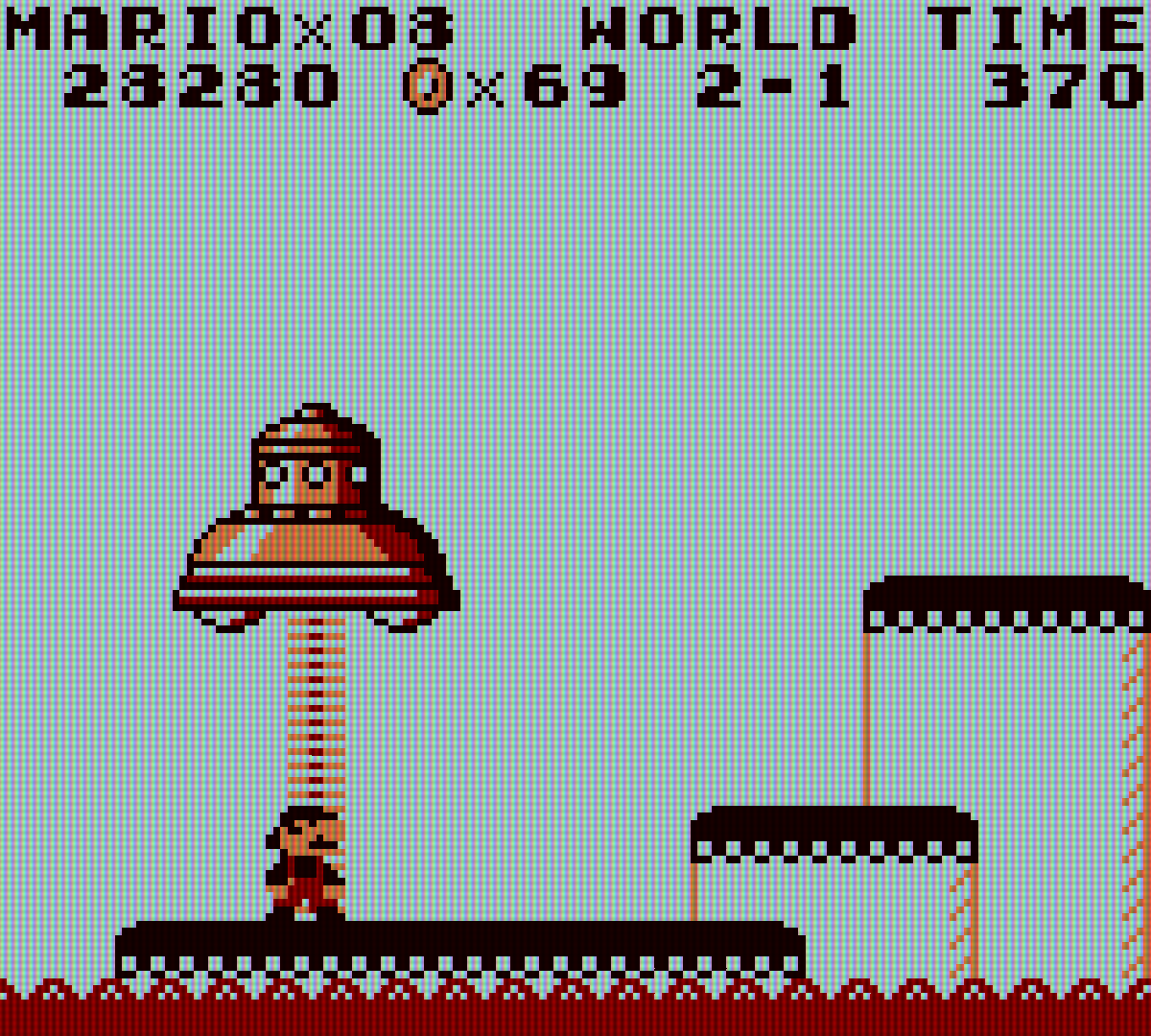
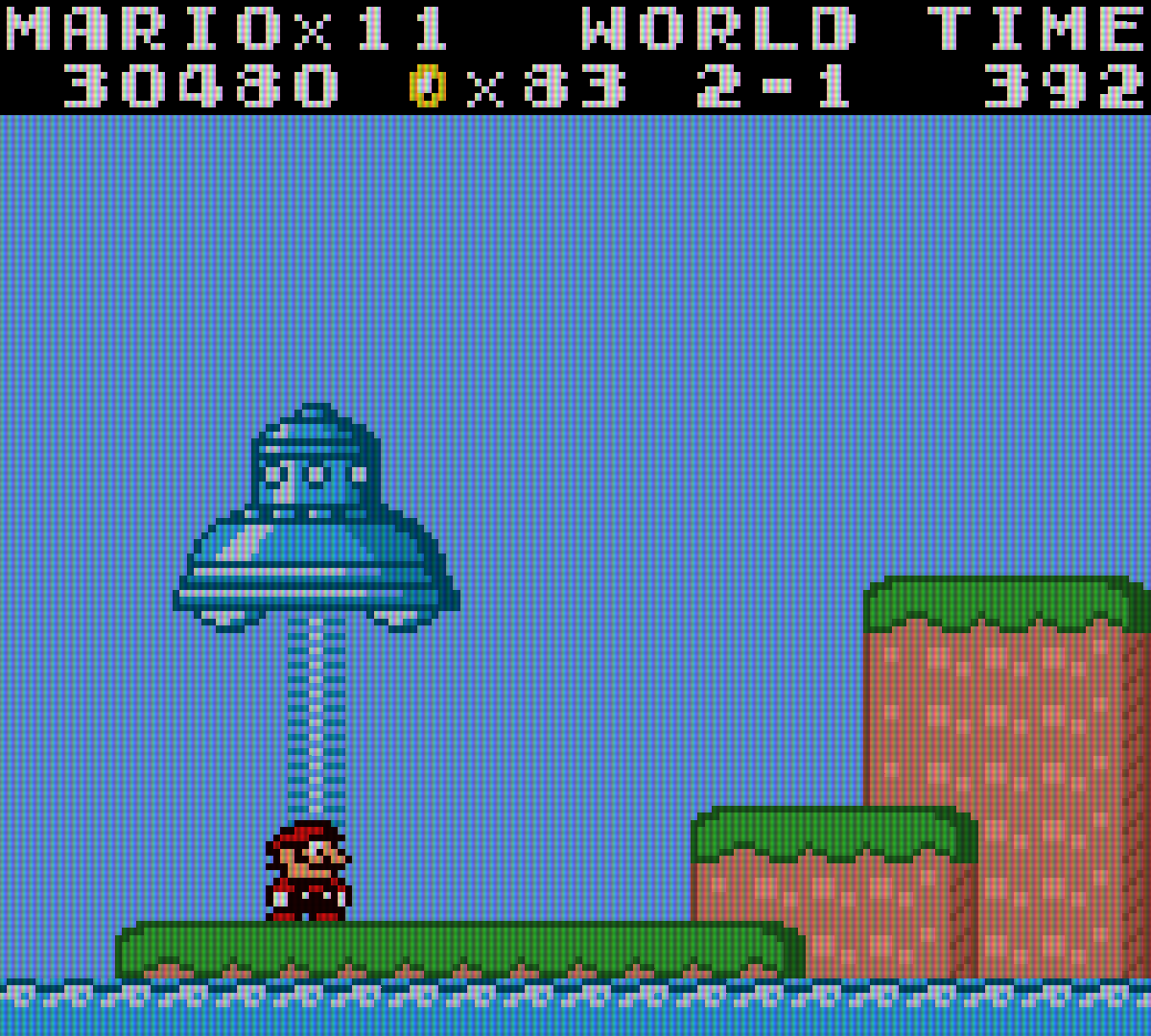
I also have the colorized, fan-made DX version, which replaces the small and simple graphics with larger and more detailed ones similar to those from Super Mario Land 2. The color and graphical upgrades are really well done and make for an extra enjoyable experience.
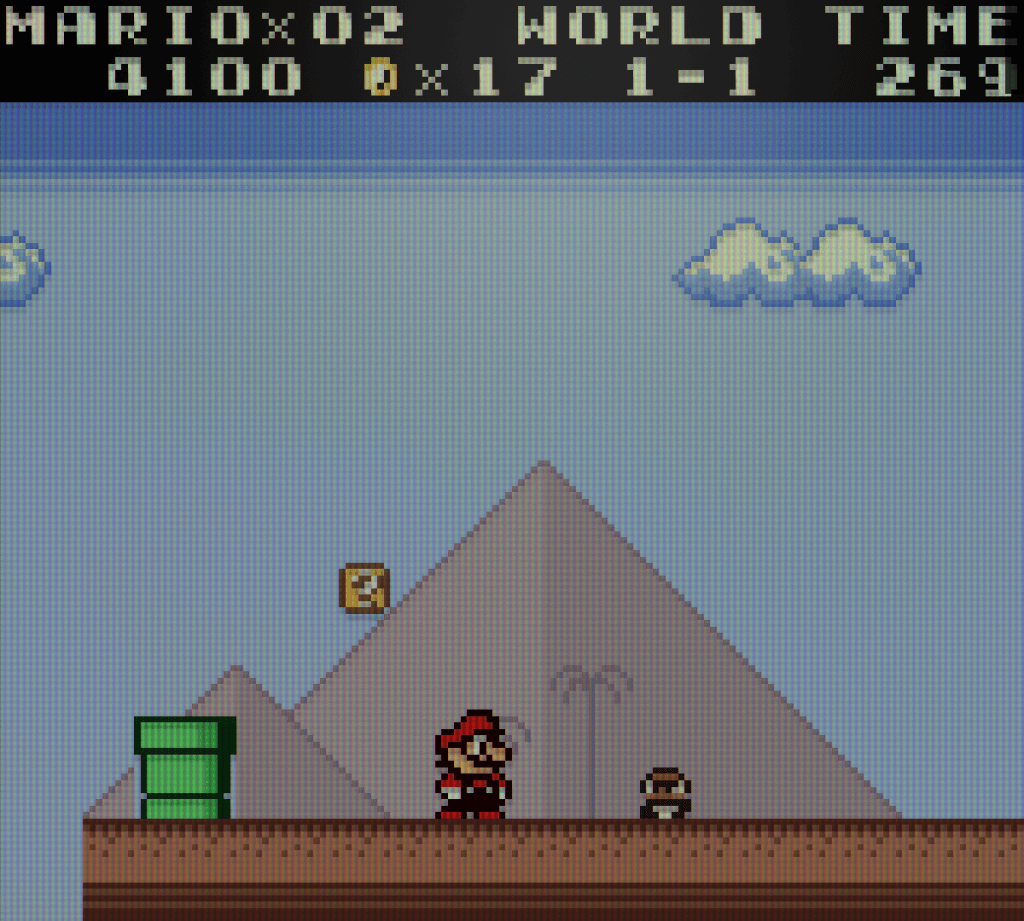
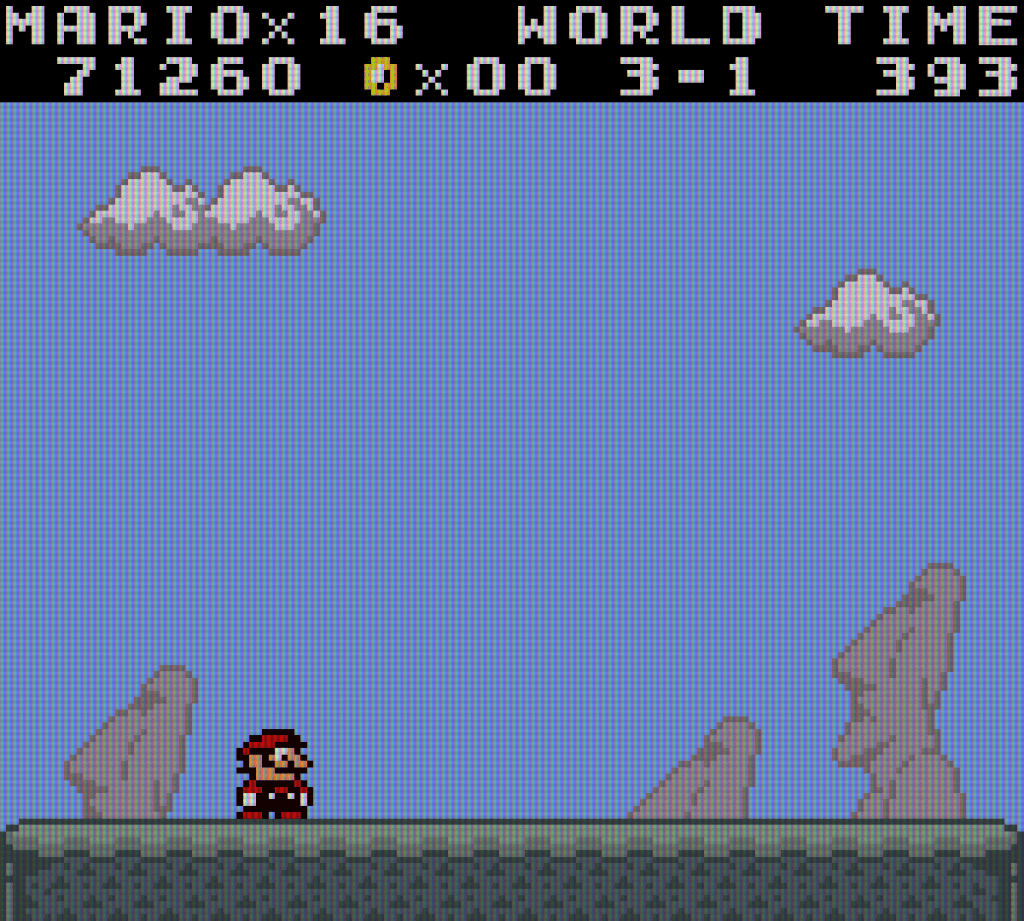
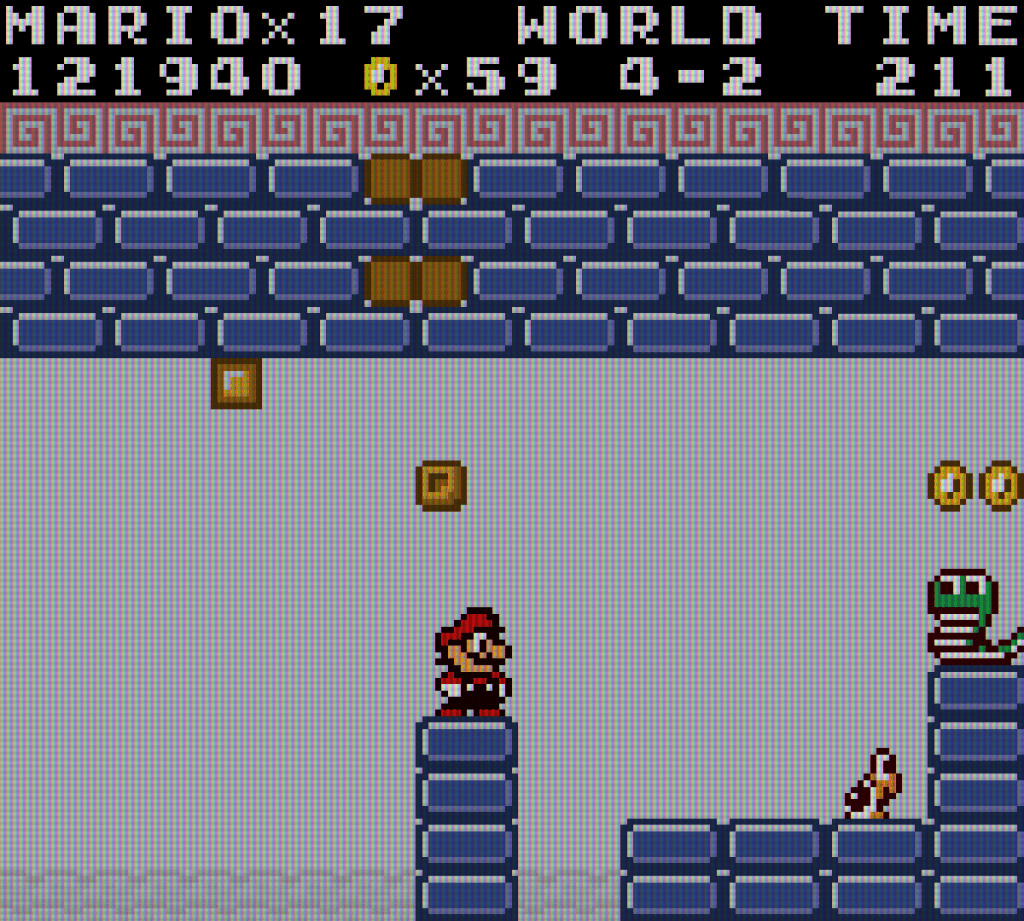
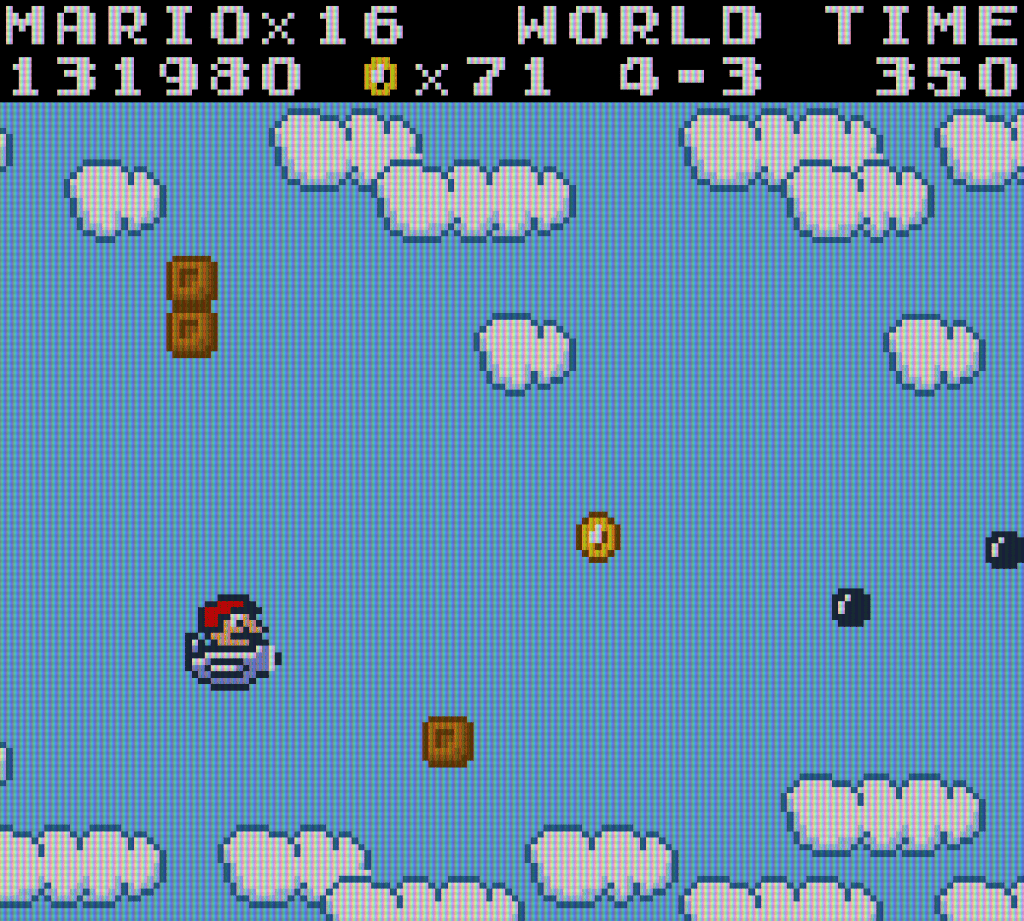
This is a classic Nintendo title without save slots and I was able to get into World 3 on original hardware back in the day. With modern emulator save states I’ve finally made it to the last level. Still working to beat it though 🙃
Link’s Awakenings
The next game on my list was The Legend of Zelda: Link’s Awakening, a game I had played for about five minutes a hundred different times in my youth. This time I started with the DX version, enhanced for the Game Boy Color and progressed all the way to Kanlet Castle (about ⅓ through the story) before switching to the 3D remake for Switch, which I’ve almost completed. I discovered the Android version of Link’s Awakening DX HD as well, which takes the Game Boy Color version, enhances the graphics, updates the control scheme, and adds the ability to zoom out and see more than one game screen at a time. It also includes a host of small quality-of-life improvements.
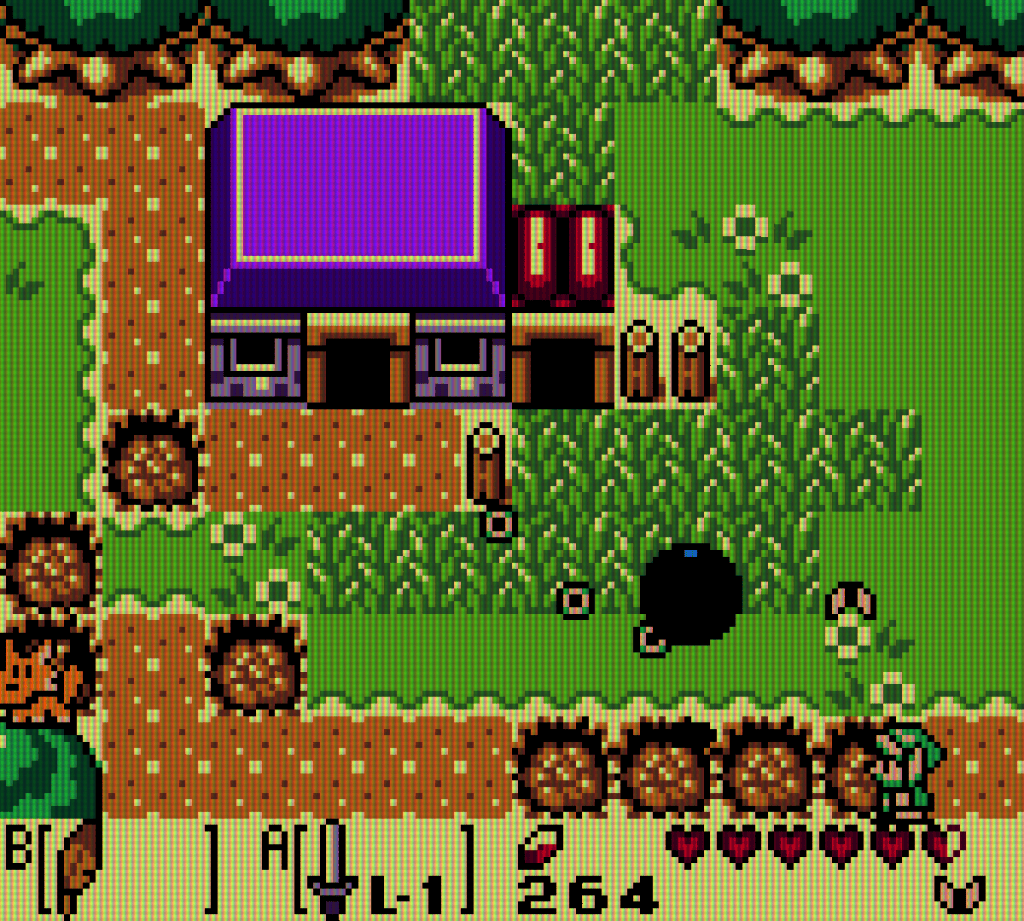
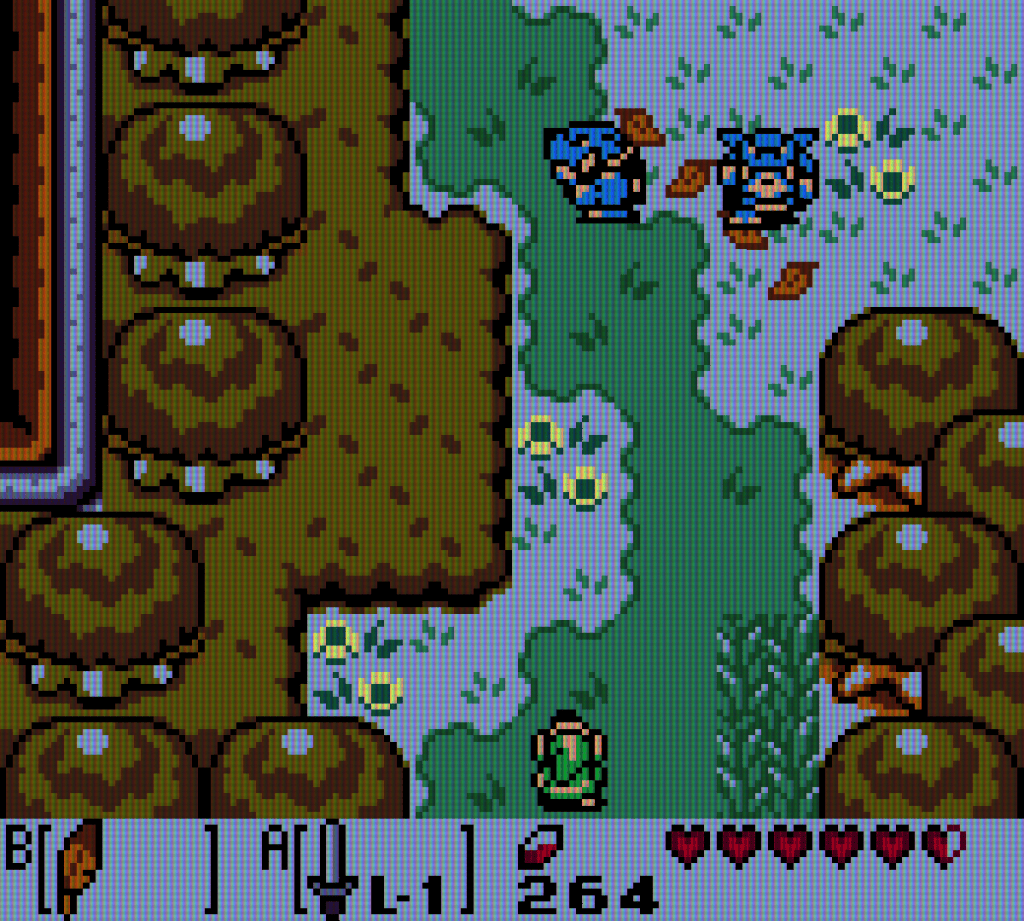
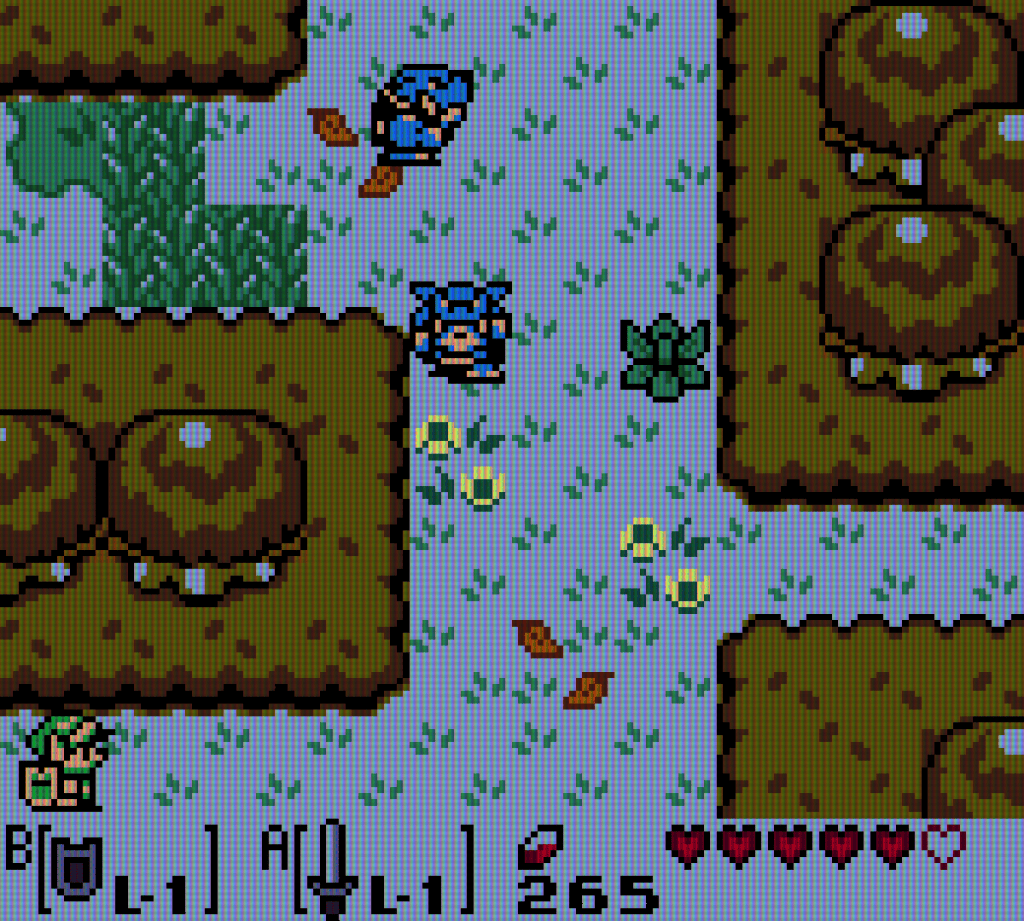
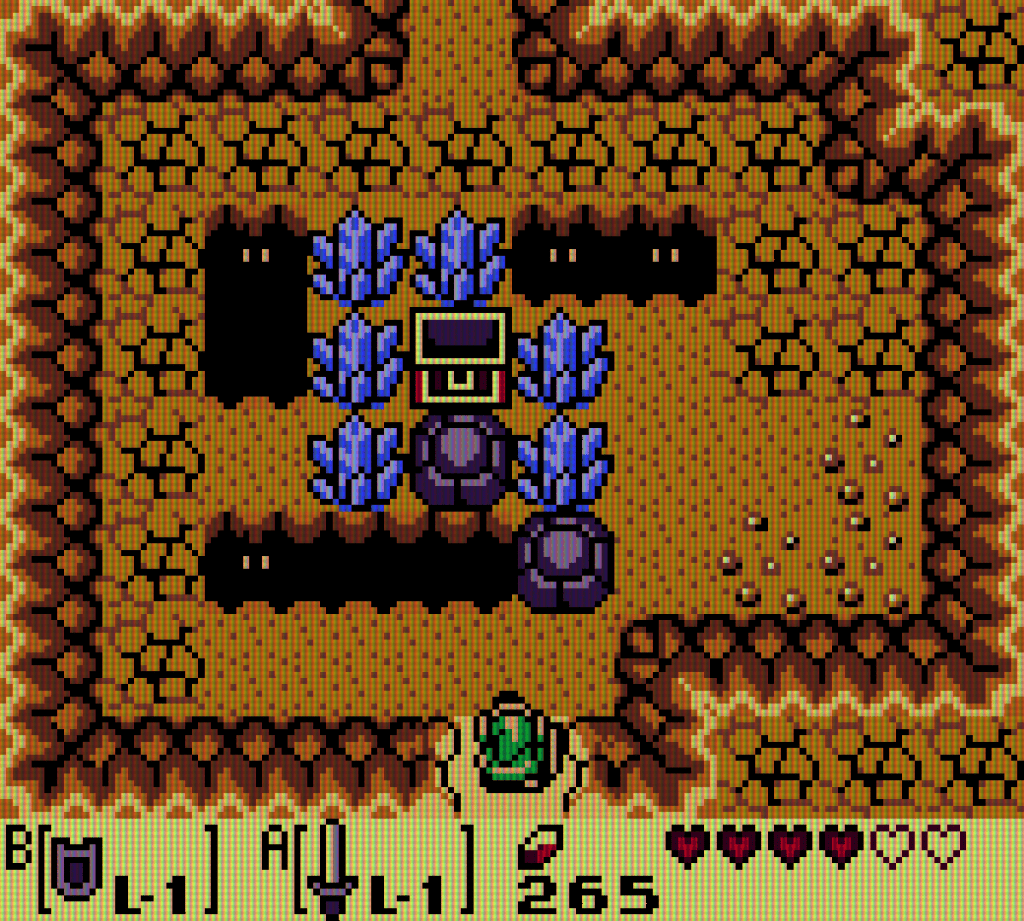
I’ve found all three experiences enjoyable but also unplayable without following a tutorial. I can play parts on my own, but I can’t get through the main story, let alone a dungeon, without following a script. Maybe I’m not observant enough but I just can’t figure out where the riddles from the owl are telling me to go or keep track of what some button in one room of a dungeon told me to do. With a guide it’s much better. If only I had bought one in the 90’s!
Each version has its own charm. The DX version is very colorful and looks great on my handhelds. I usually play it without color correction so that it’s nice and saturated, even if it isn’t accurate to the look on real hardware. Link’s Awakening is known for its limited weapon slots (a sword for the A button, and everything else swapped in for the B button), requiring frequent trips to the menu to switch out. It’s annoying for sure, but isn’t game-breaking. This iteration looks great in an emulator and plays perfectly.
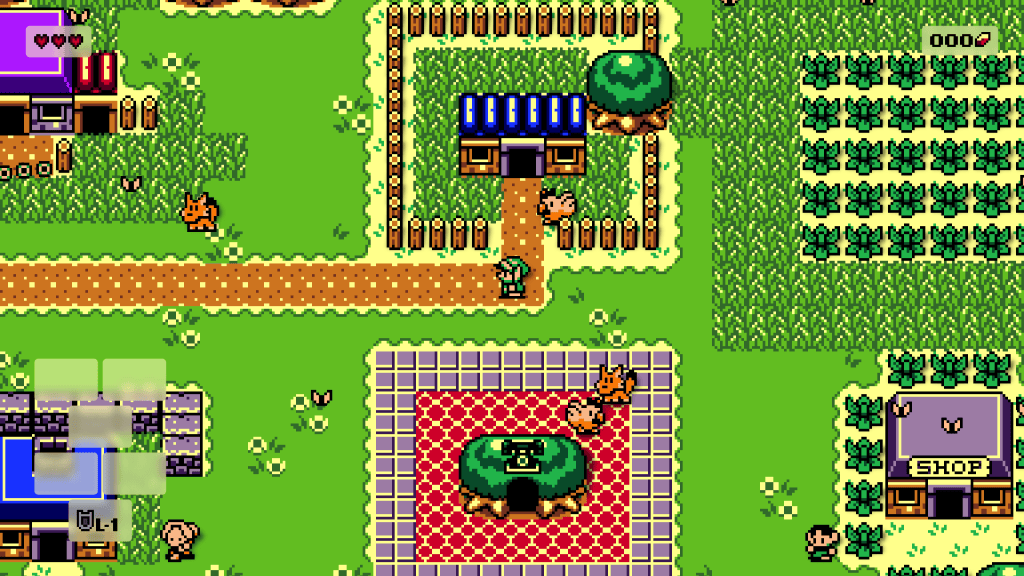
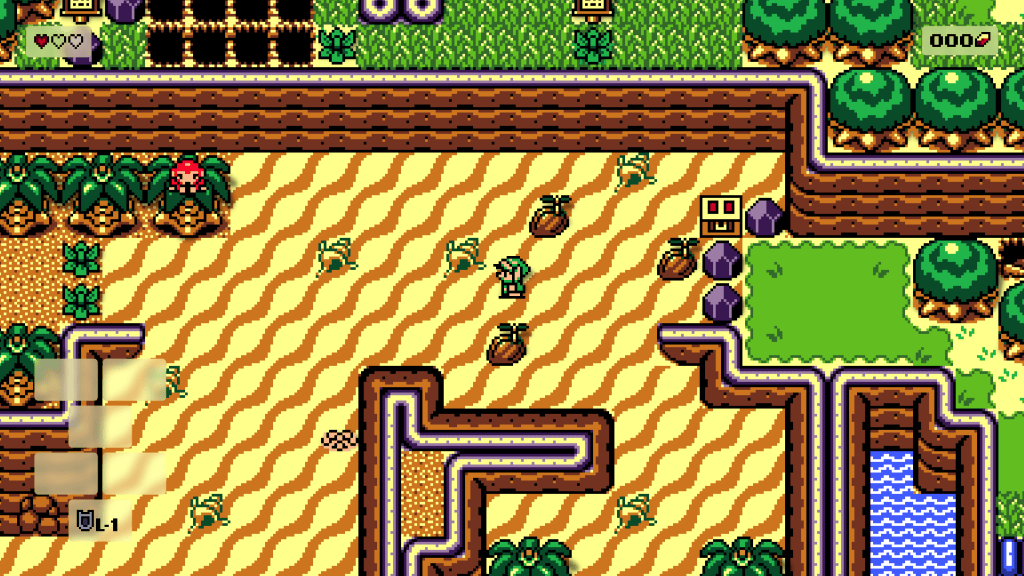
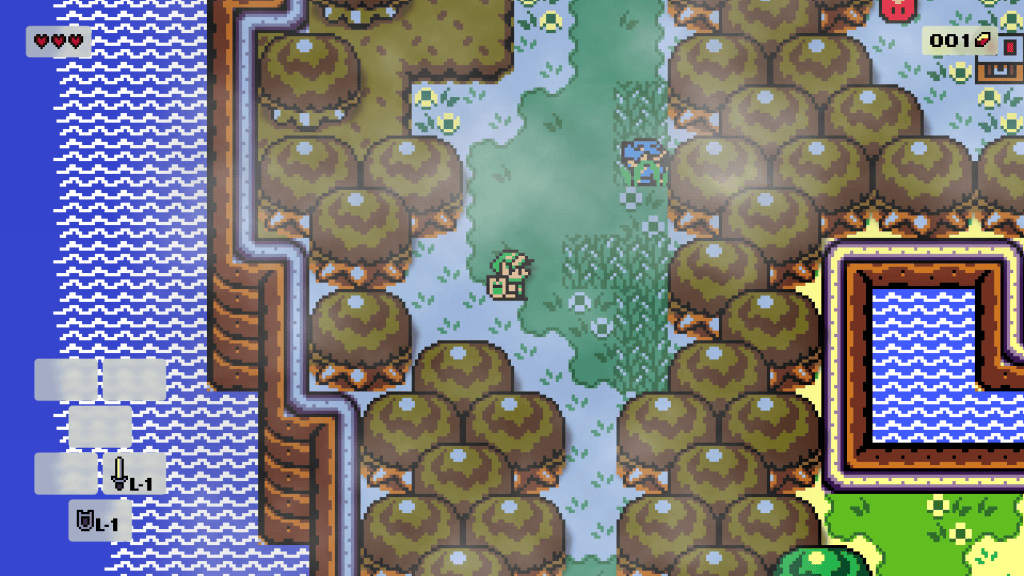
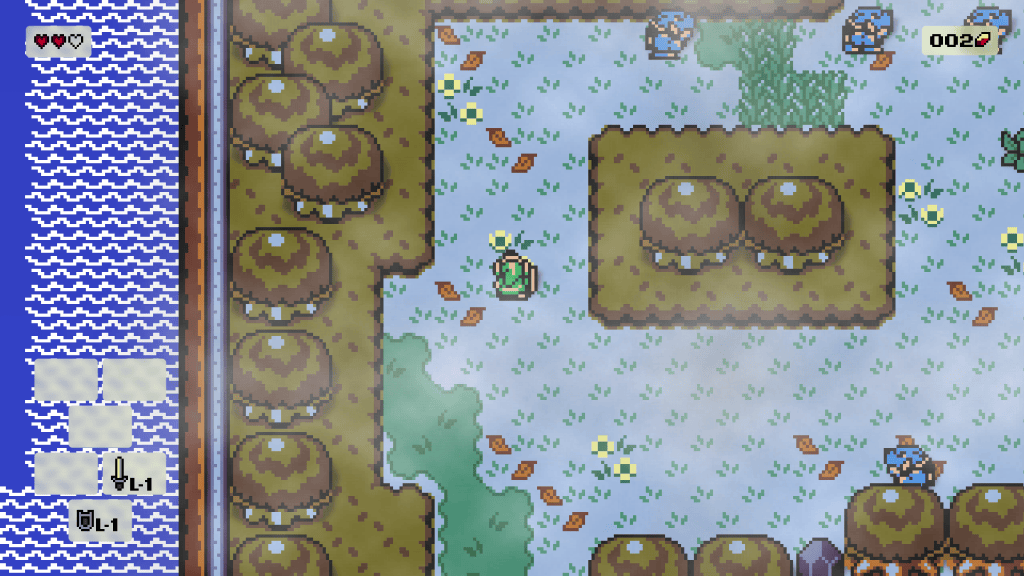
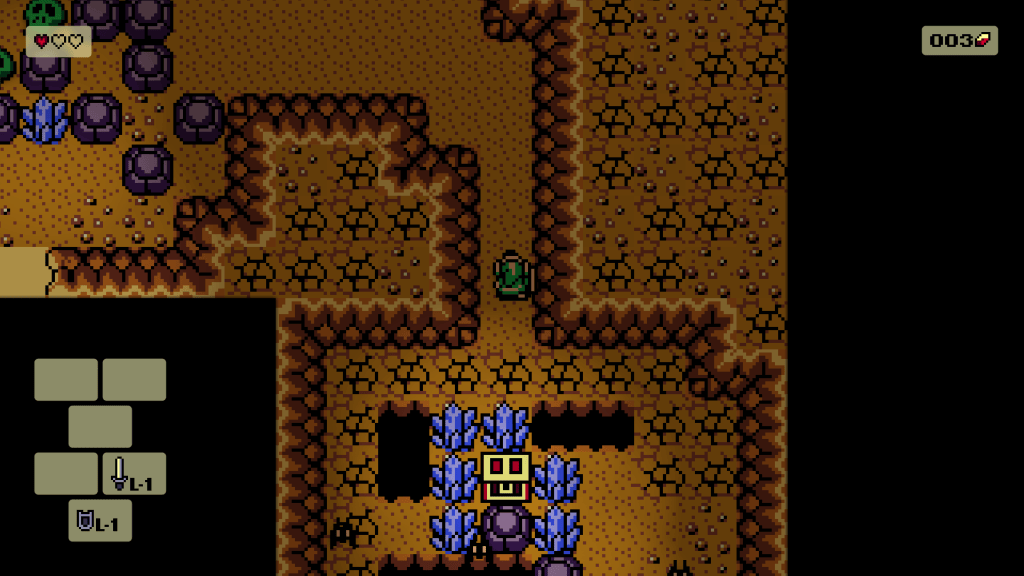
The DX HD version is available as a native Android app, so ther’s no emulation happening in the background. The assets are the same as the DX version but enhanced with subtle drop shadows and fog effects as well as its headlining feature: widescreen. That’s right, DX HD can show more than the single screen view at a time! Not only does it display the screens to the left and right of the “current” screen, it also allows arbitrary zooming out; you can see the entire game on one screen if you want. It functions almost identical to the original, but feels more dynamic. It’s a really cool contrast to the original game and the Switch version.
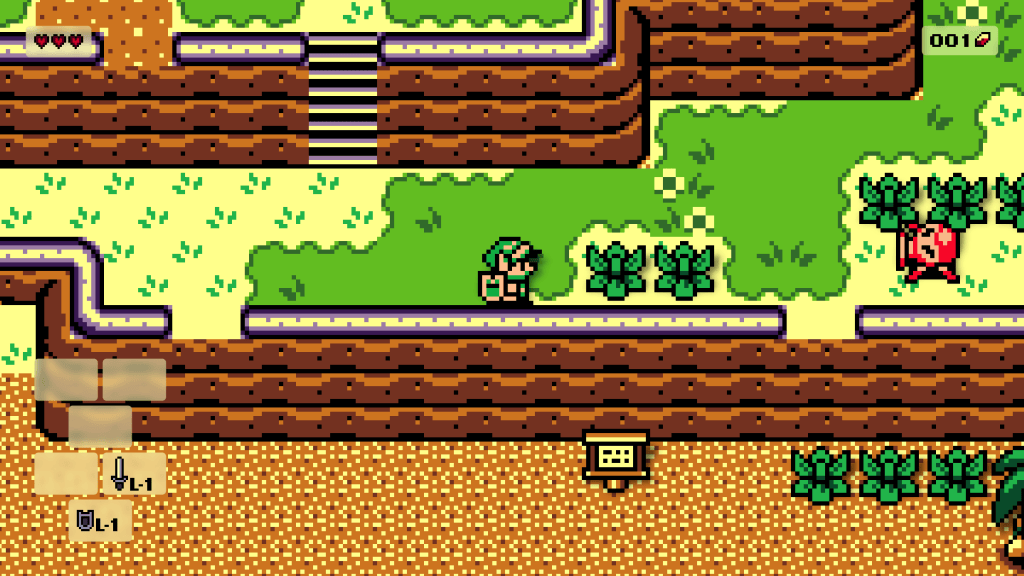
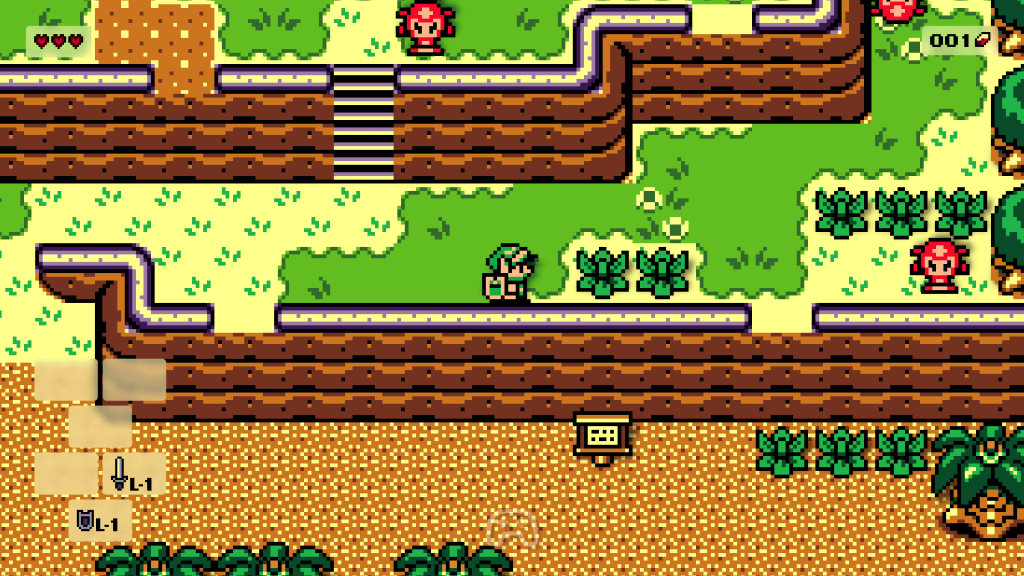
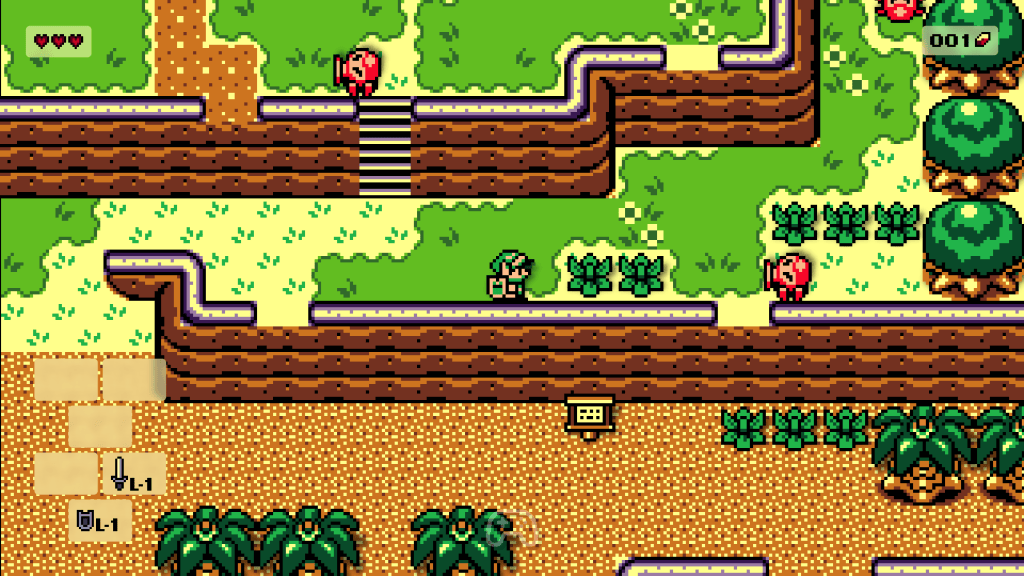
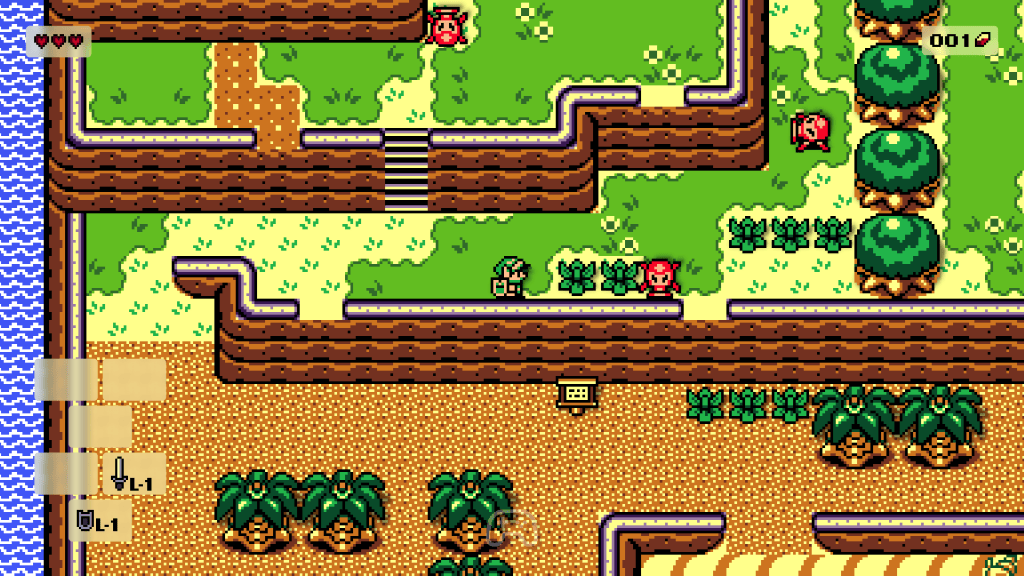
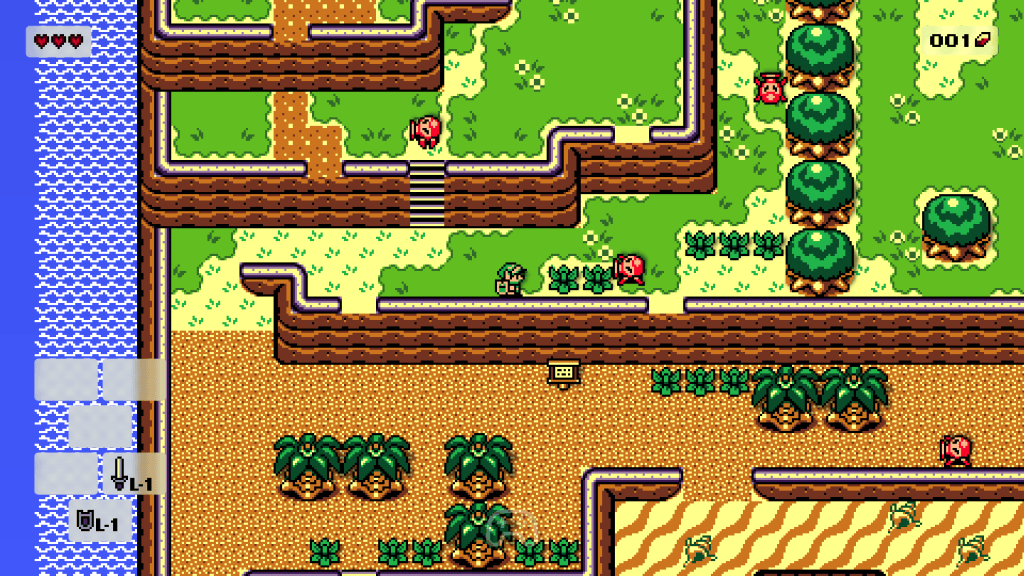
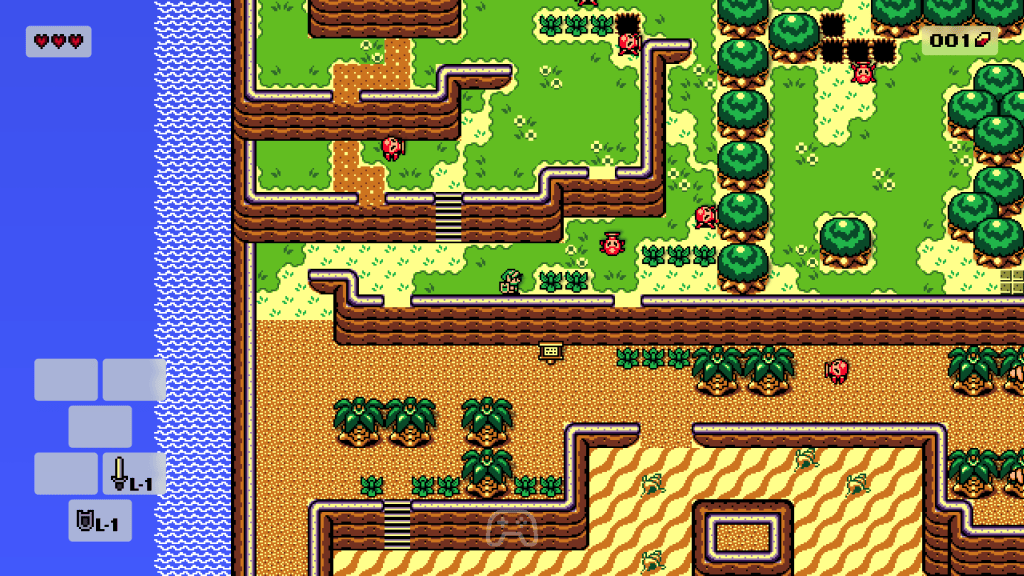
It also includes quality of life improvements like more accurate hit boxes, auto save, cheats, and lots of settings. Additionally there is an expanded set of item slots that can be assigned to additional buttons that modern handhelds have like x, y, and shoulders. The only thing I miss compared to the emulated versions is the LCD grid shader that makes it look like it’s on a real handheld. The most recent version of DX HD includes one, but it doesn’t scale evenly and looks pretty bad unless it is zoomed way in, which defeats the purpose. It also causes a flicker as the screen scrolls.
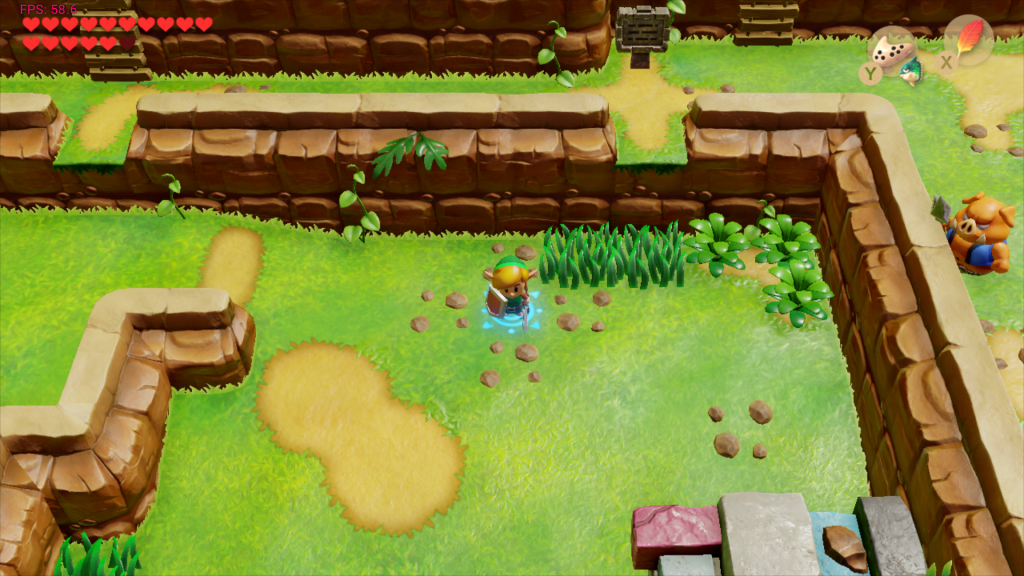
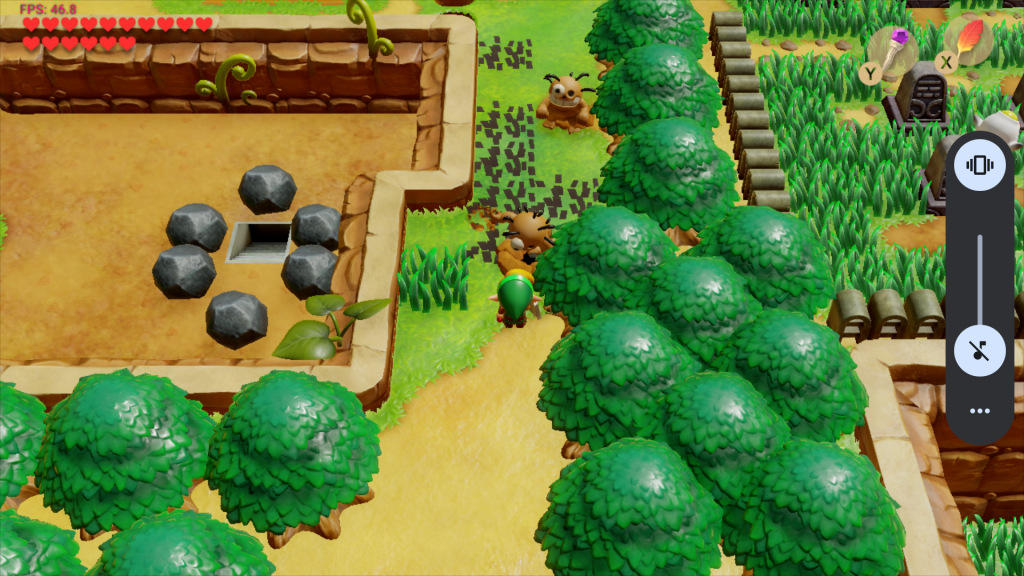
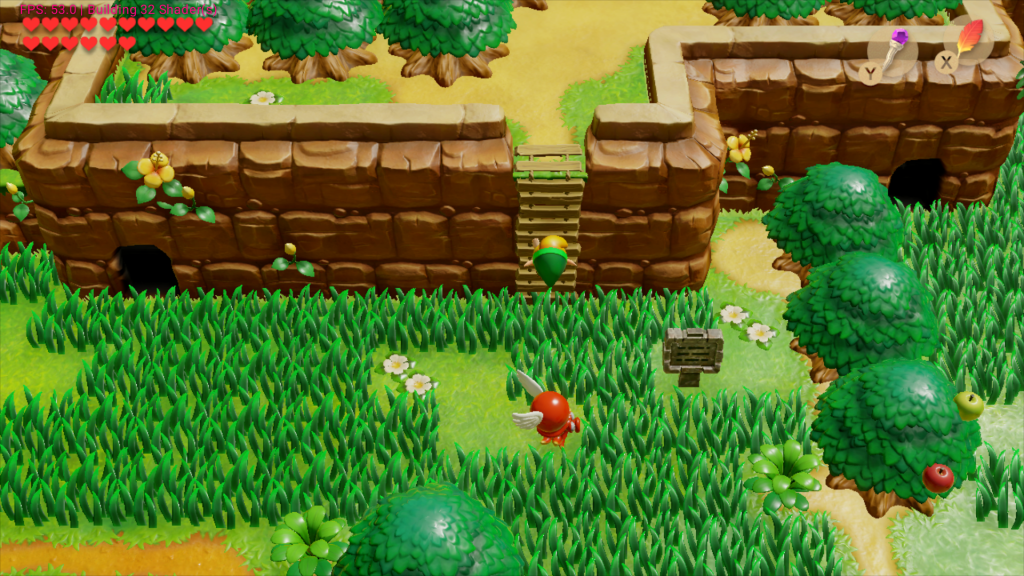
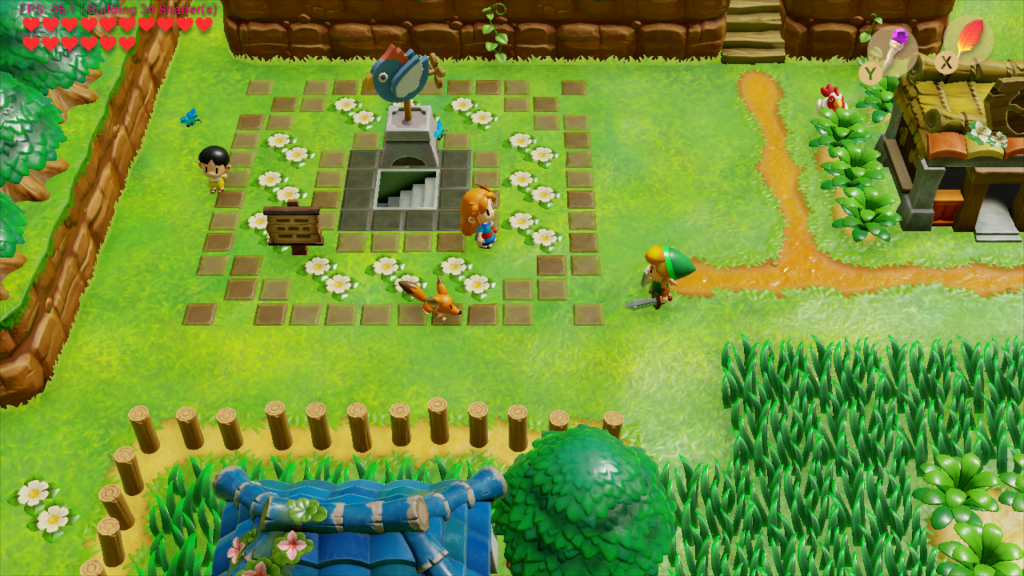
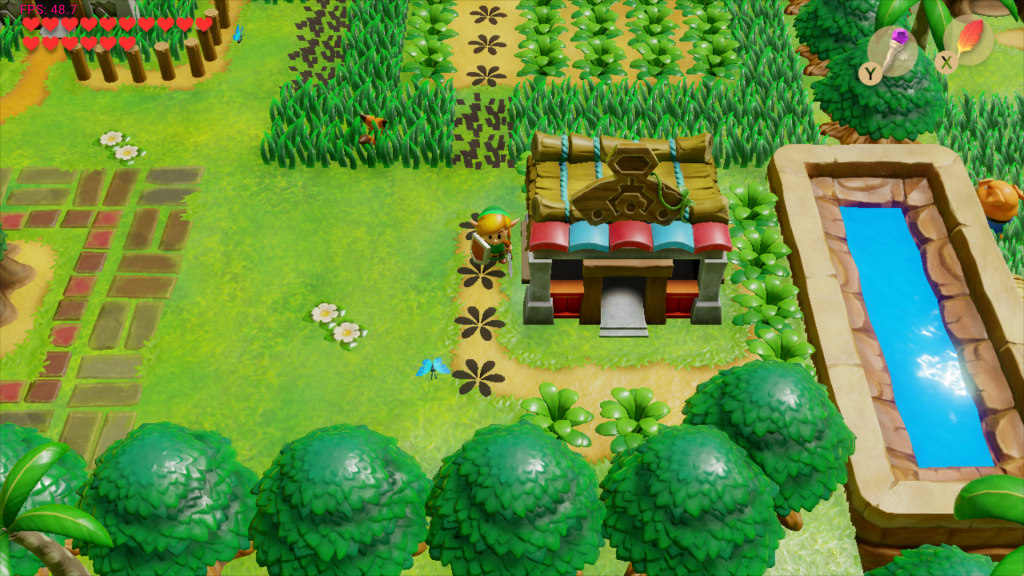
The Switch version is incredibly impressive. It maintains the same general game mechanics but renders the world as a colorful 2.5D diorama. The characters and environments are detailed in ways I wouldn’t have imagined, and in a good way. The controls are updated and save games are included. I enjoyed it so much that this is the first iteration I’ve made it (almost) all the way through. It runs reasonably well through Eden on my handhelds as long as the CPU interpreter setting is modified and the no-DOF and 60 fps mods are installed.
Super Mario World: Yoshi’s Island
This is the game that could have changed everything: the one I gave away with the Super Nintendo that didn’t work with my TV! It was cool, it was interesting, it had save slots! But alas, it was not to be, until now, that is.
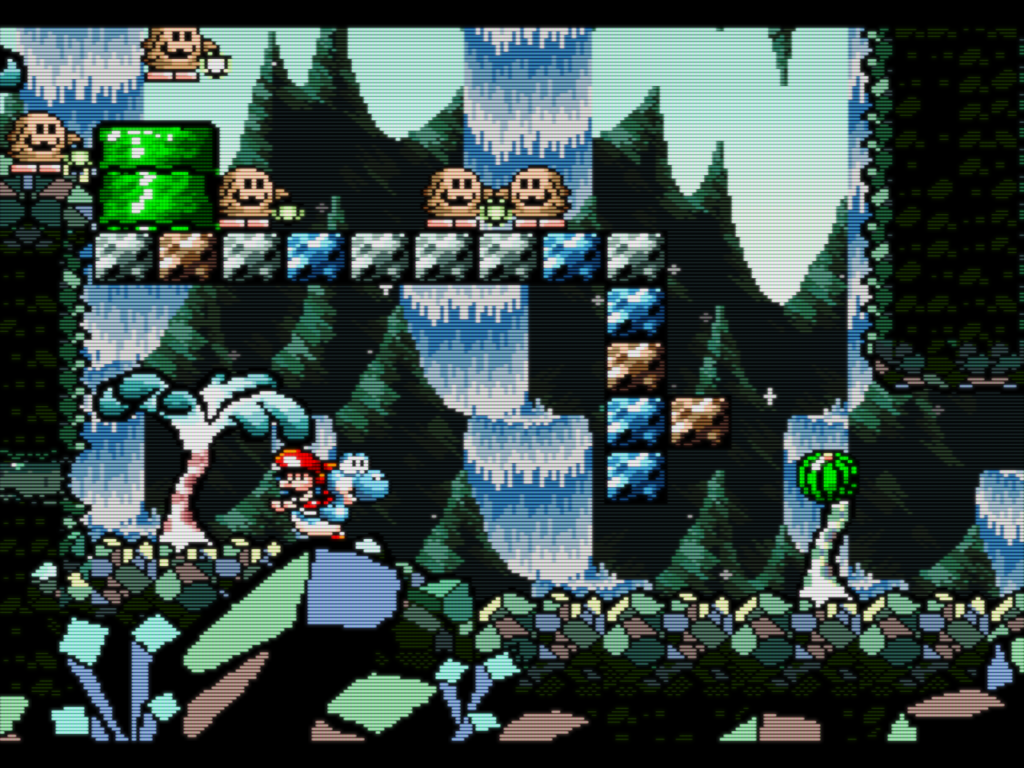
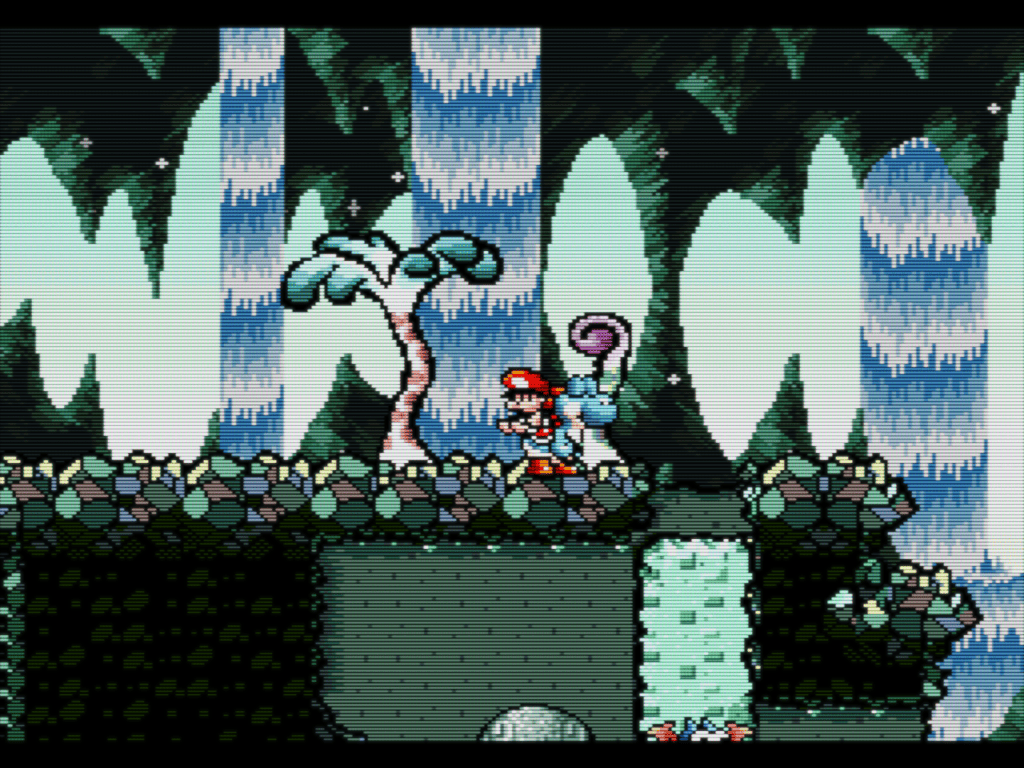
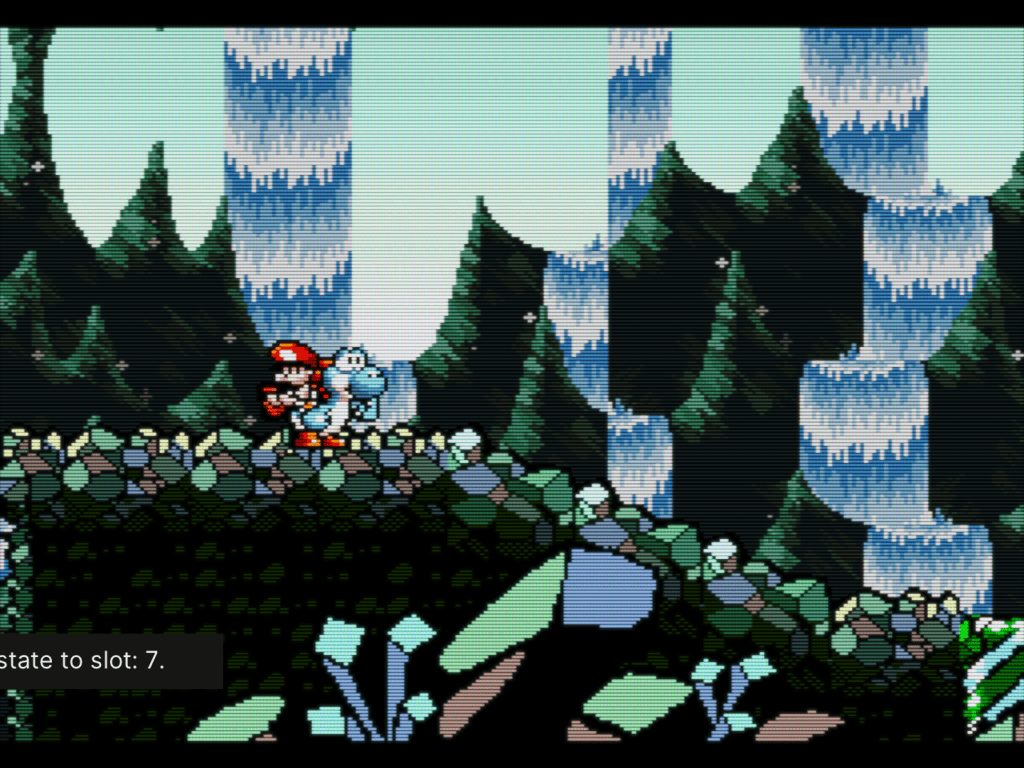
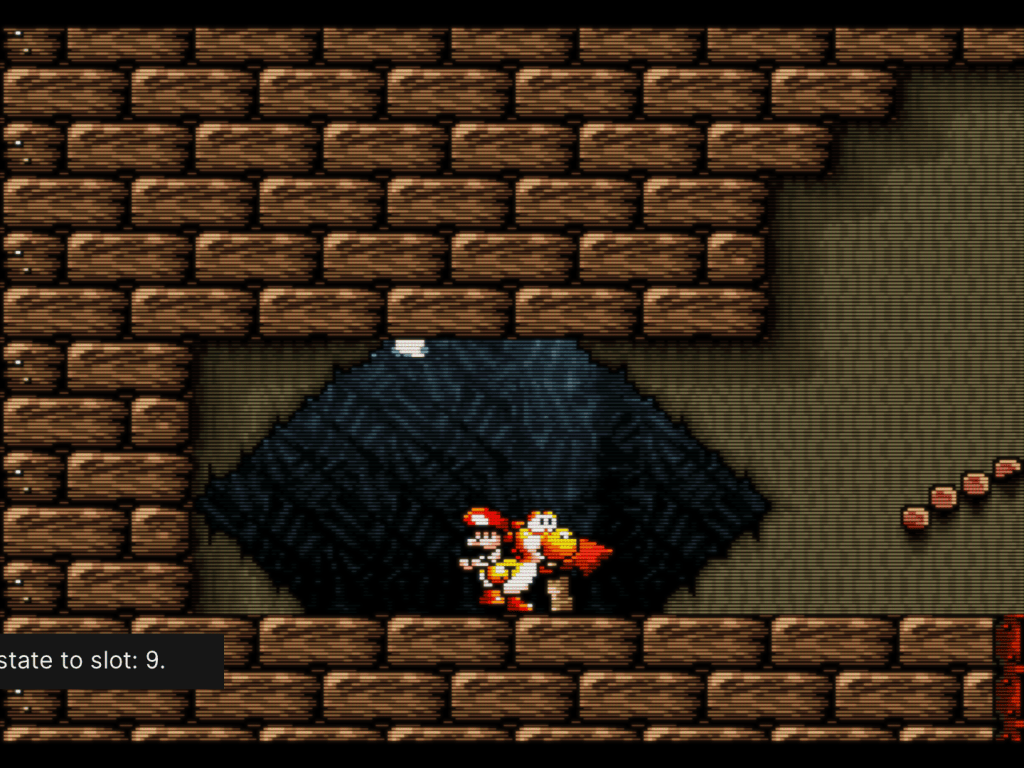
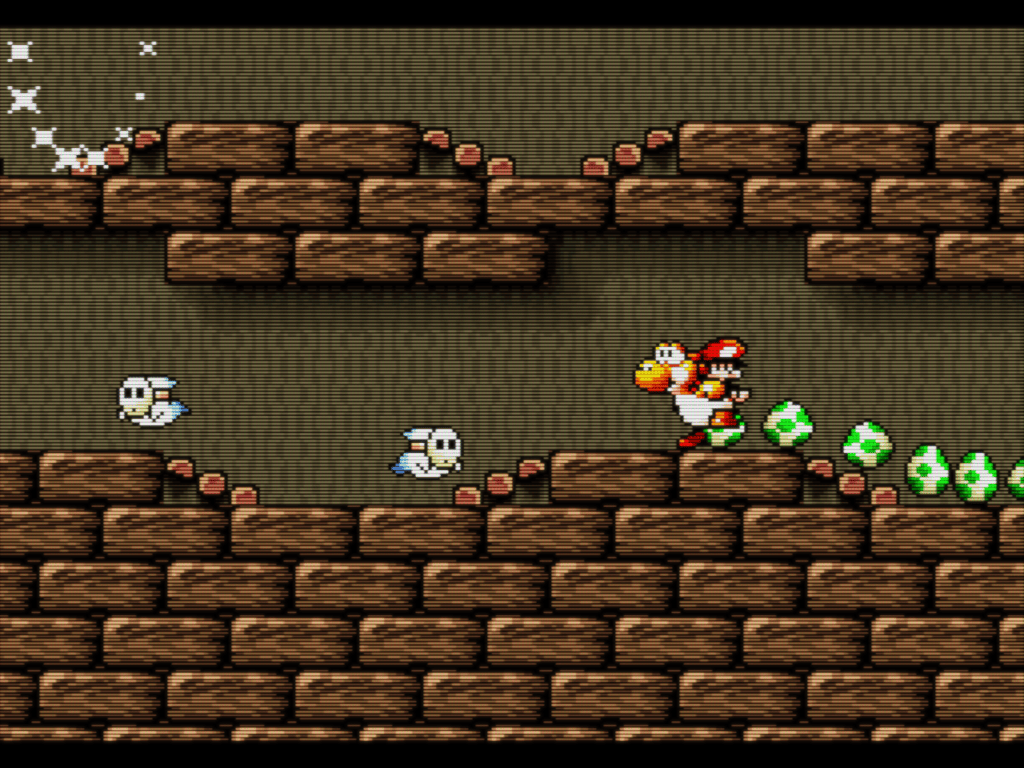
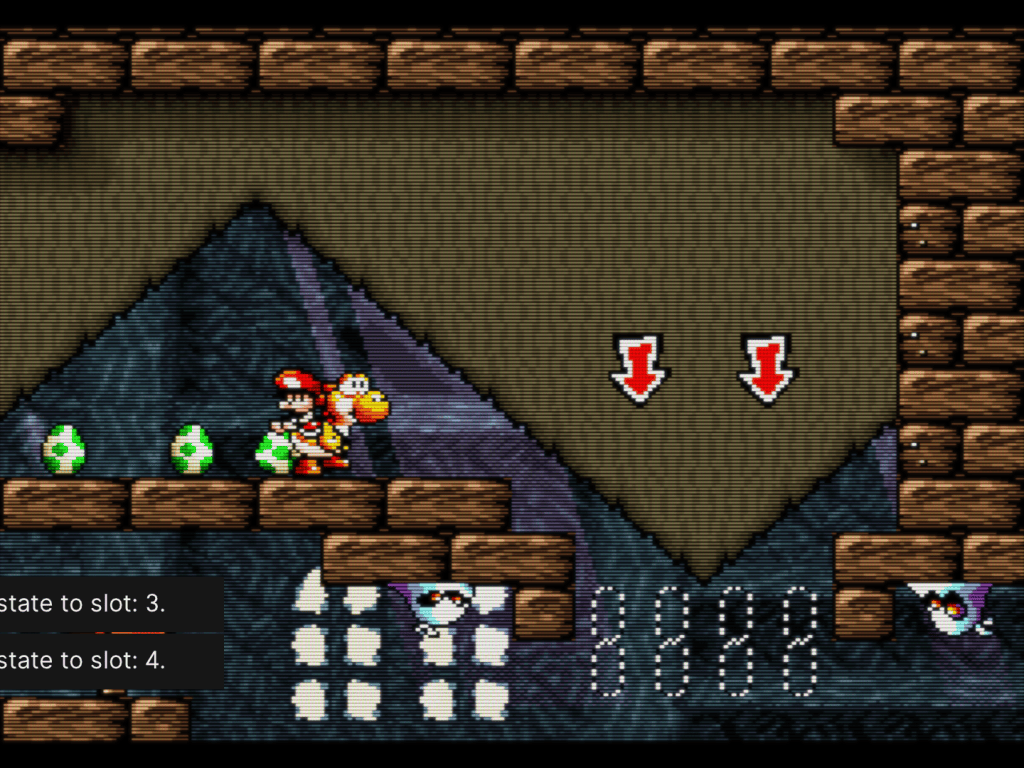
It turns out that it is exactly as cool as I thought it was and it’s a joy to play. It’s bright, interesting, and Yoshi’s mechanics are fun. I don’t like Baby Mario though – the crying he does when you lose him is ob-nox-ious. Though the game itself has save files, I still use save states in the emulator so I can restart at any part in a level. I still need that kind of security. I play my SNES games with a CRT shader (crt-aperture) to approximate the experience I would have had back in the day.
I’ve been enjoying this game on and off. I’m now finishing up Vanilla Dome, which is a bit less than half way through the entire game. I find that I’m generally able to figure out how to navigate through the levels without help, especially since there is no timer applying pressure. What can I say, I’m slow. Despite constant restarts I still enjoy the game, particularly its cartoon artwork style.
Super Mario All Stars
I can’t remember where I saw this for the first time (a store maybe?) but I instantly fell in love with it. I was familiar with Super Mario for NES and was drawn to the smoother, more colorful, better animated, and better sounding remake on the SNES. This is the first “remastered” game I ever encountered and I’ve been obsessed with it. It was the first game I installed on the emulators I ran on my Mac and one of the first I added to my handhelds.
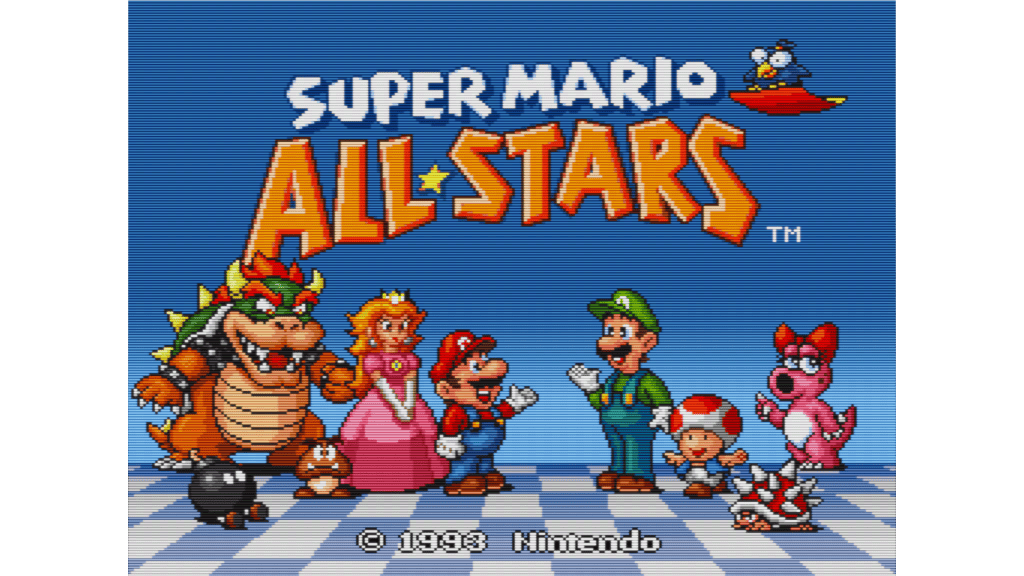
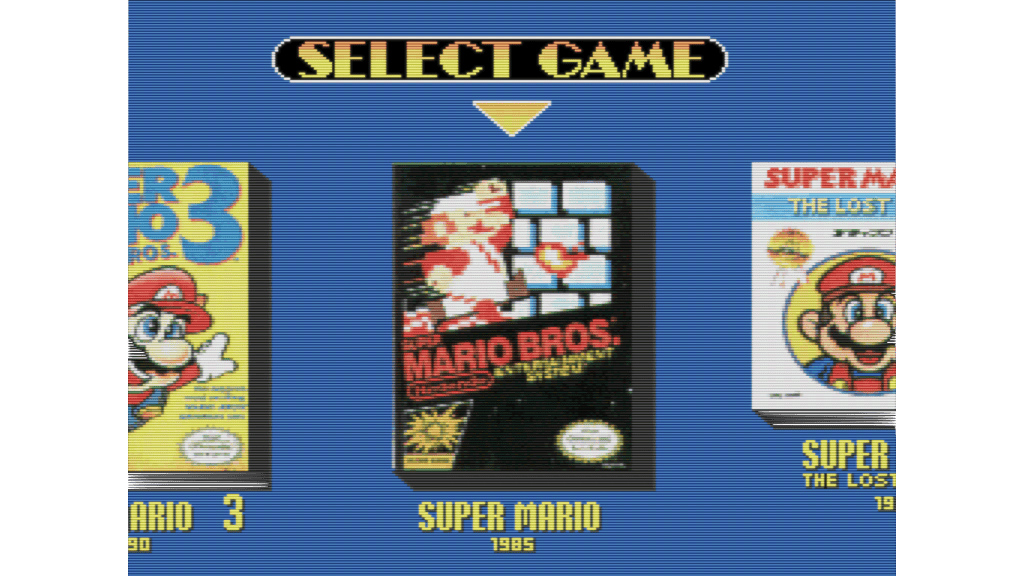
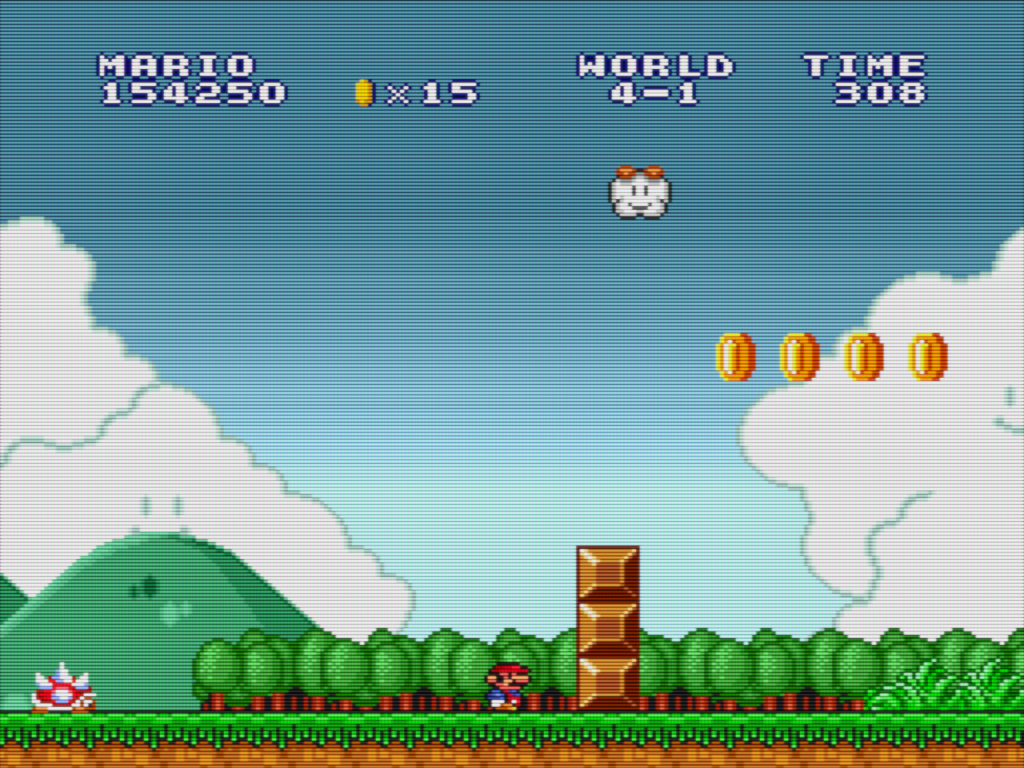
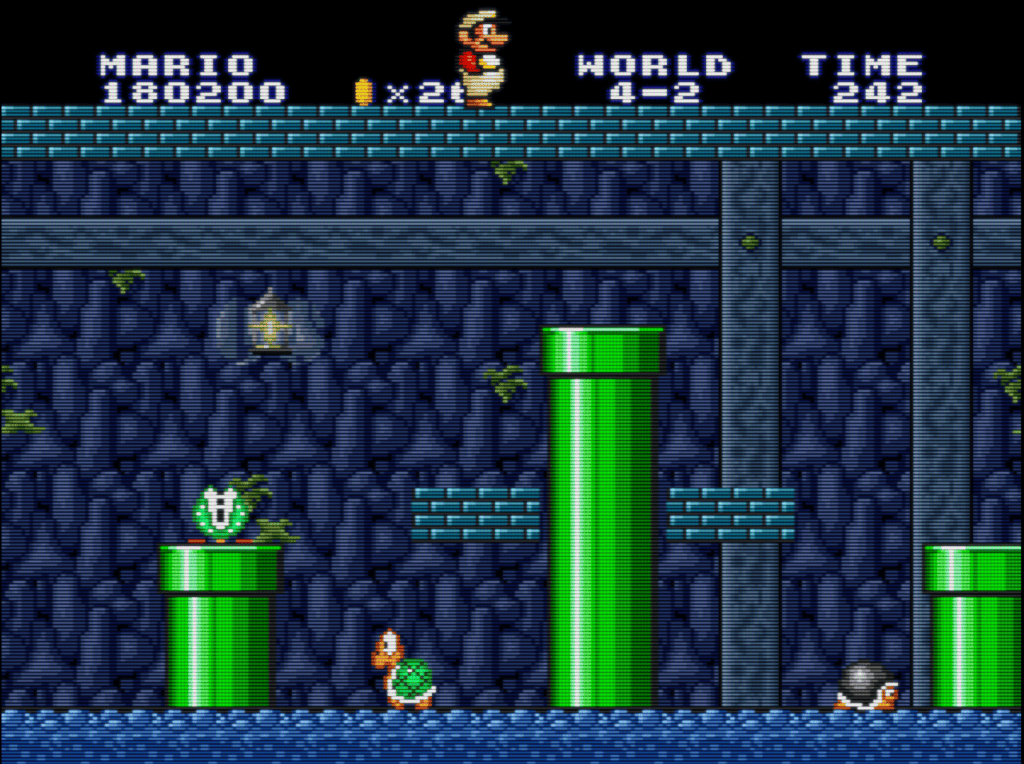
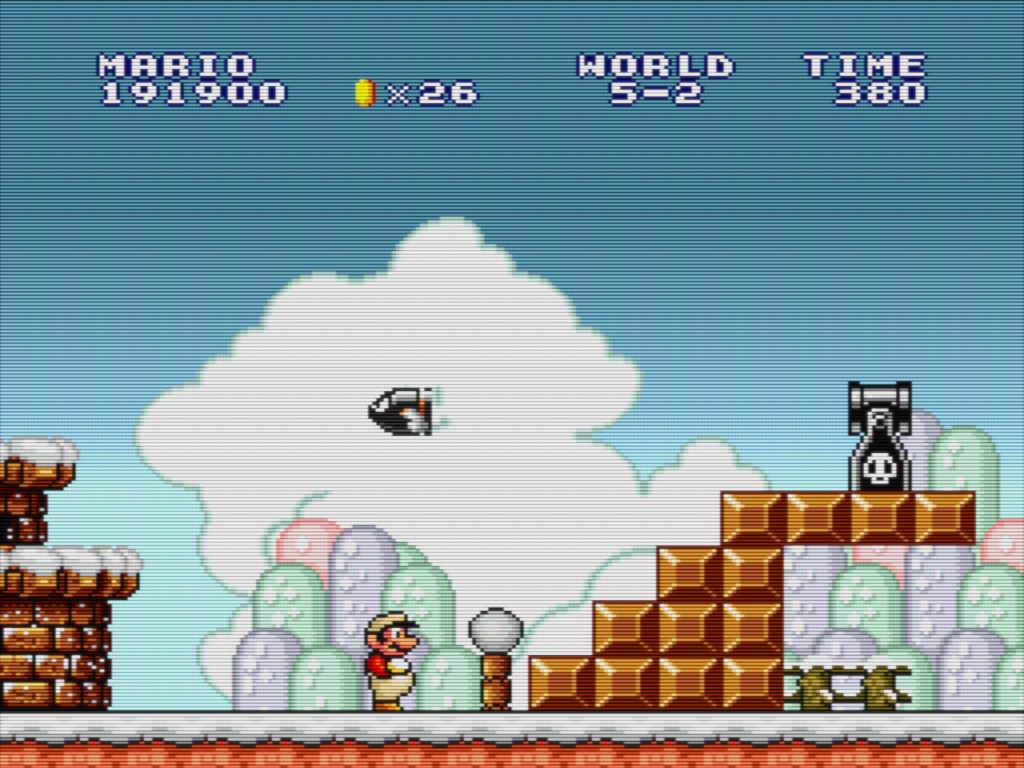
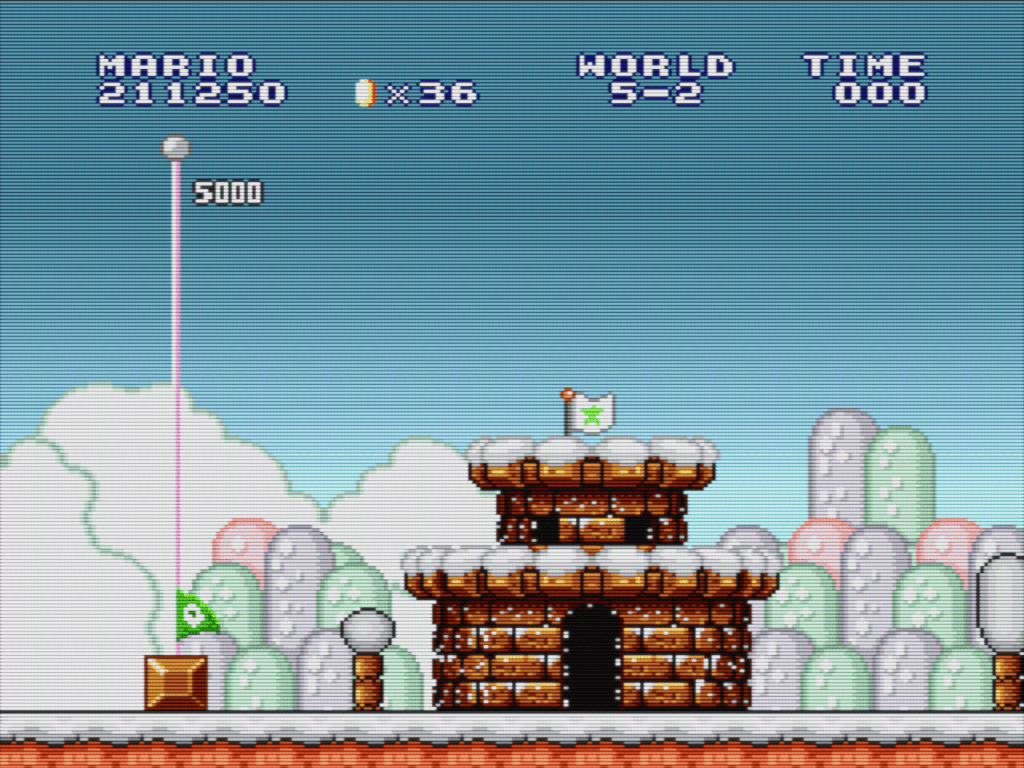
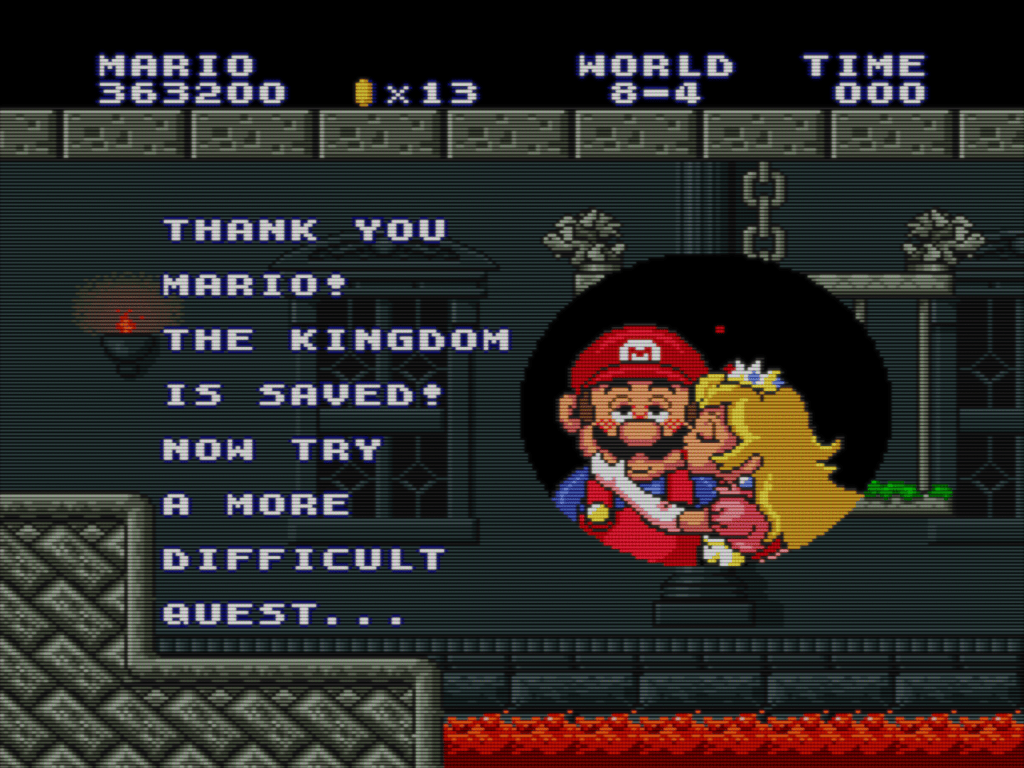
As I never finished Super Mario Brothers on NES, that’s where I started. I’ve dipped into the other games within the game as well, but Super Mario Brothers is the one I put the most time into. I absolutely enjoy the parallax scrolling, the rounded corners on the blocks, and the new soundtrack, especially the echo-y music in the underground worlds! In fact I recently surprised myself by completing it!. This marks the first childhood game I’ve finished!
Super Mario World
I never played this or really knew about it as a kid, but discovered it recently through retro gaming videos. The first Mario game for the Super Nintendo, Super Mario World introduced new game mechanics, smoother graphics, and the Yoshi that I loved so much from its sequel. Yoshi can’t turn enemies into eggs like he can in Yoshi’s Island, but he can still eat them and spit them out, and that’s just fun.
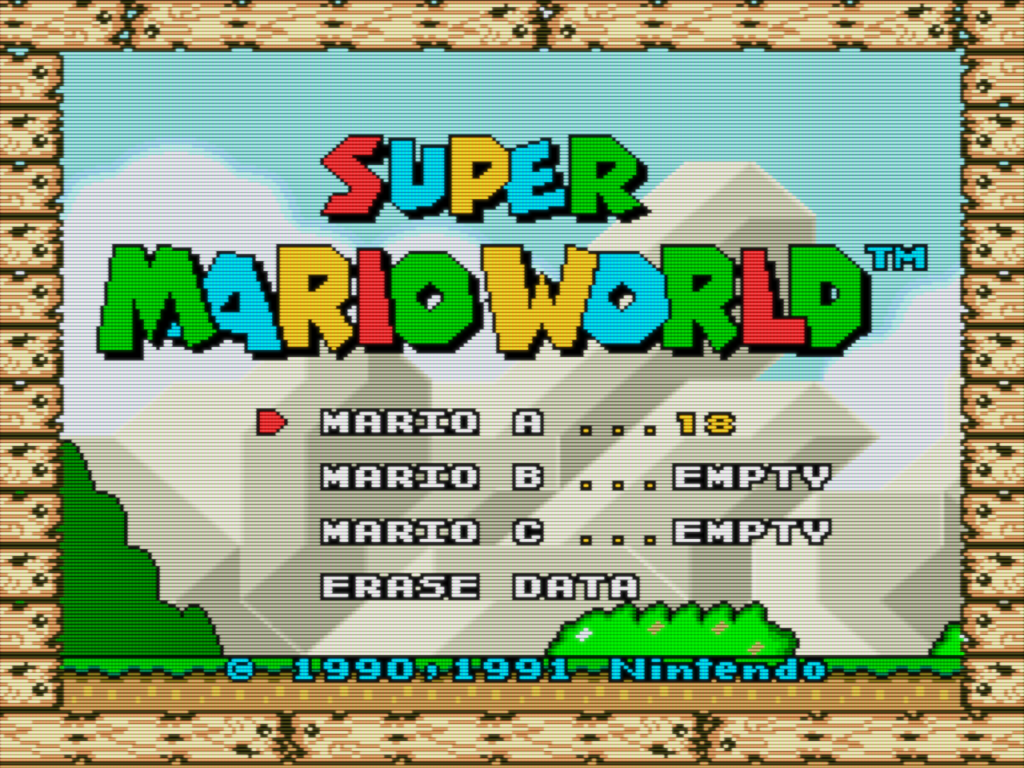
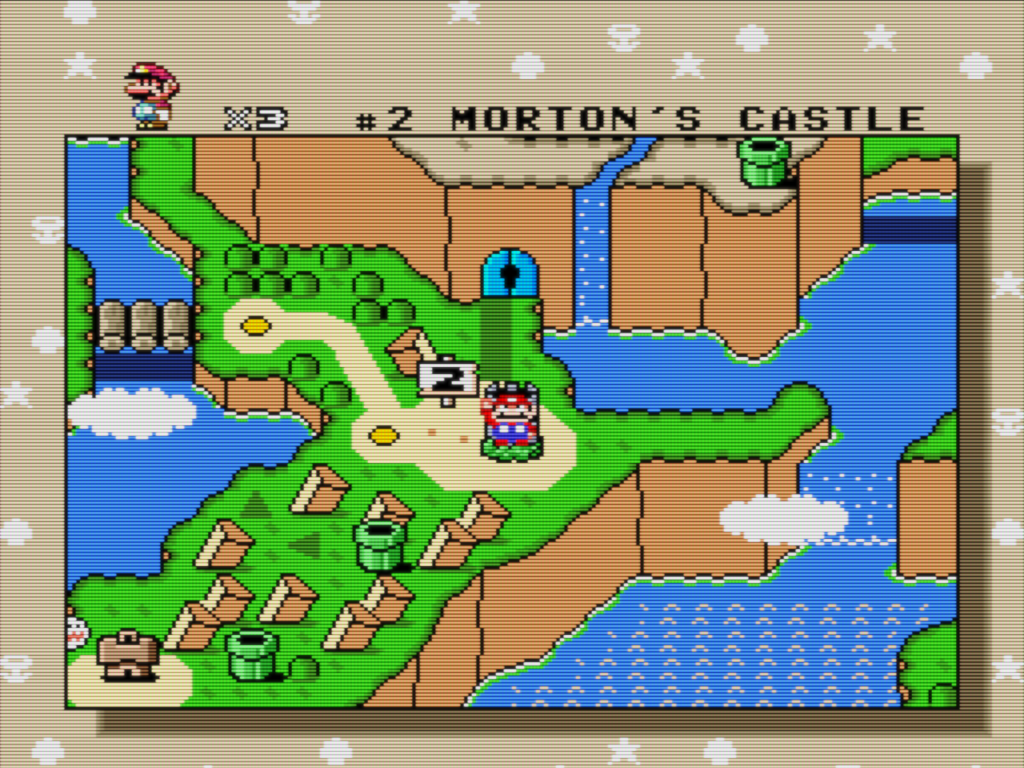
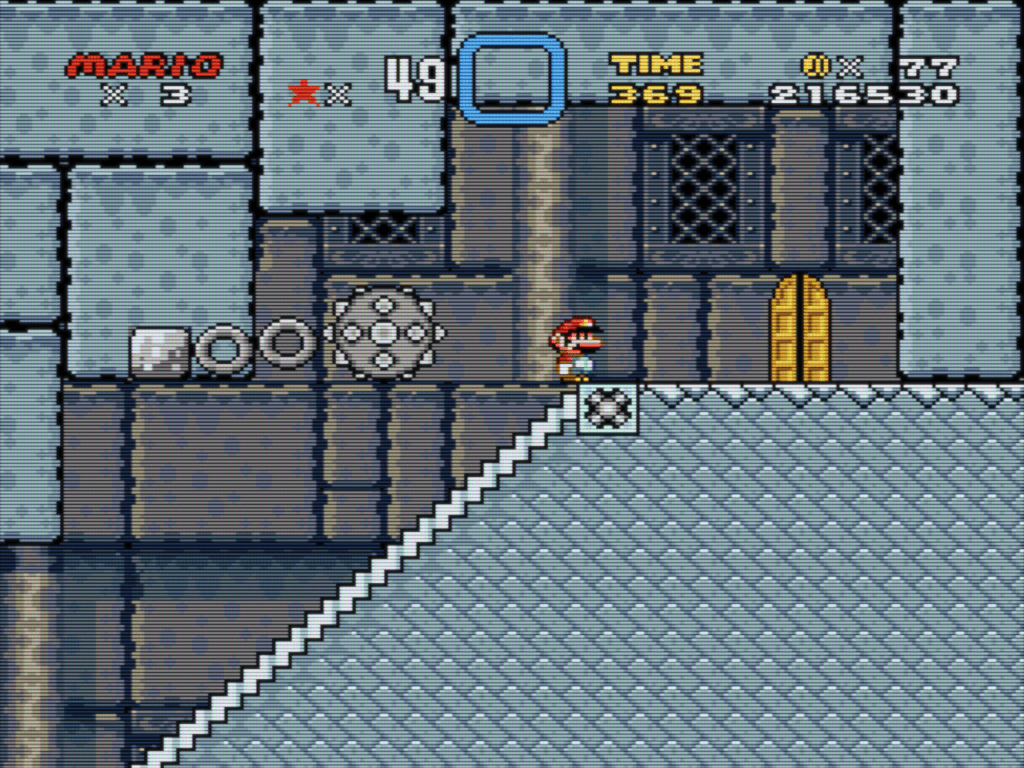
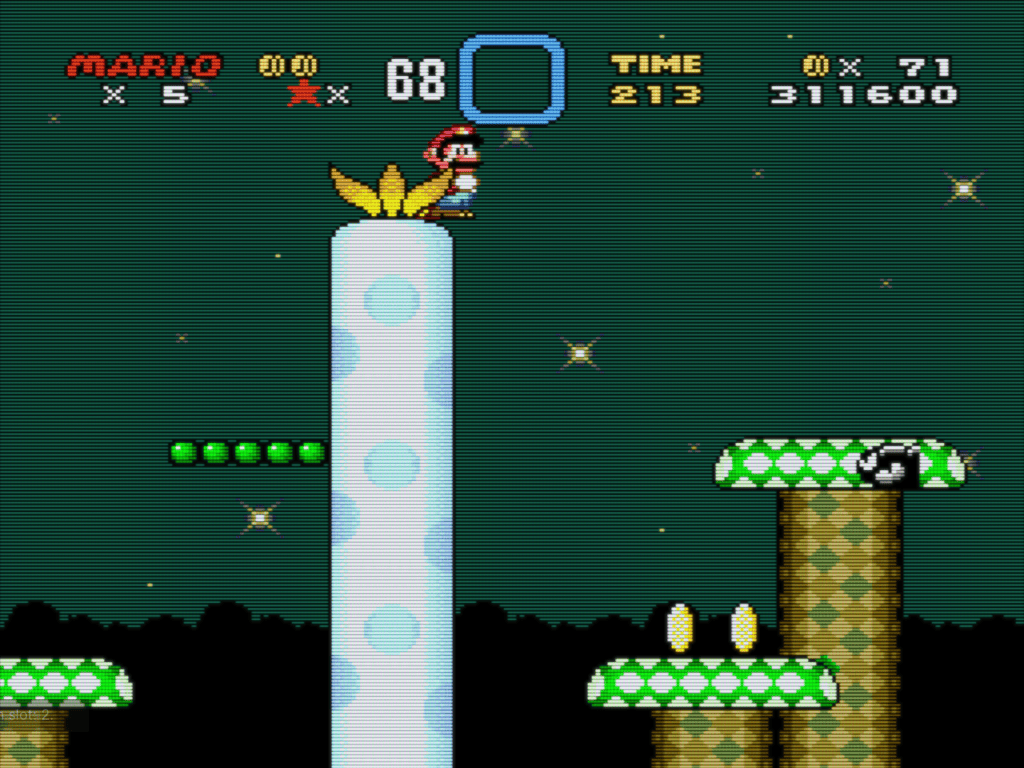
There are certainly differences between this and other games in the series, but I can’t pick them all out when I’m playing multiple versions across multiple platforms at the same time. Playing Super Mario All Stars brings the visuals up to par, making it even more difficult for me to tell the difference. What I can say is that I’m enjoying this and using save states quite frequently to keep it that way. At the moment I’d have to say that SNES is my favorite retro platform and Mario is my favorite franchise.
Super Mario Wonder
Super Mario Wonder is kind of like Yoshi’s Island mixed with New Super Mario Bros, made while on drugs. It’s bright, it’s trippy, it’s wild., and it’s fun.
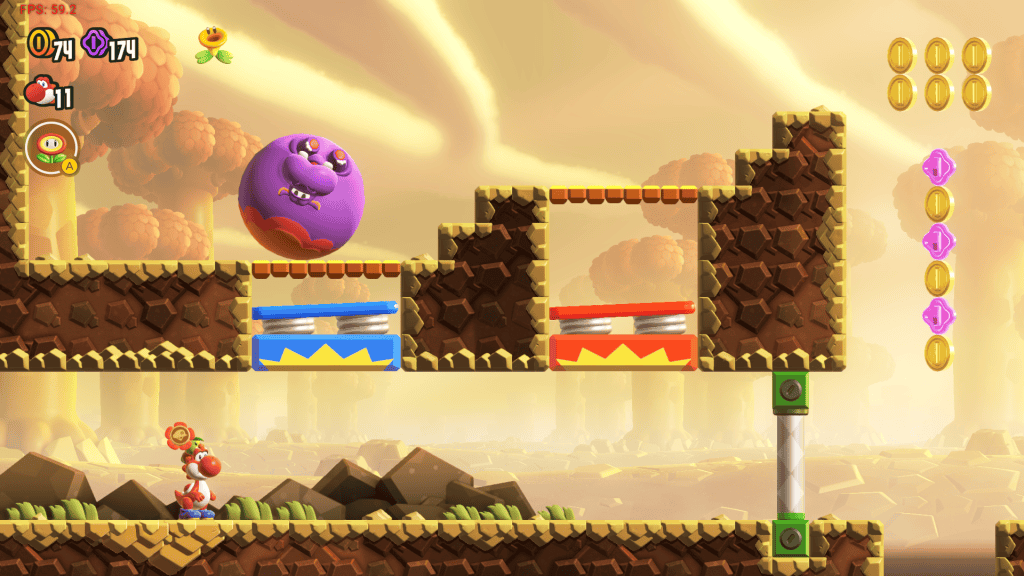
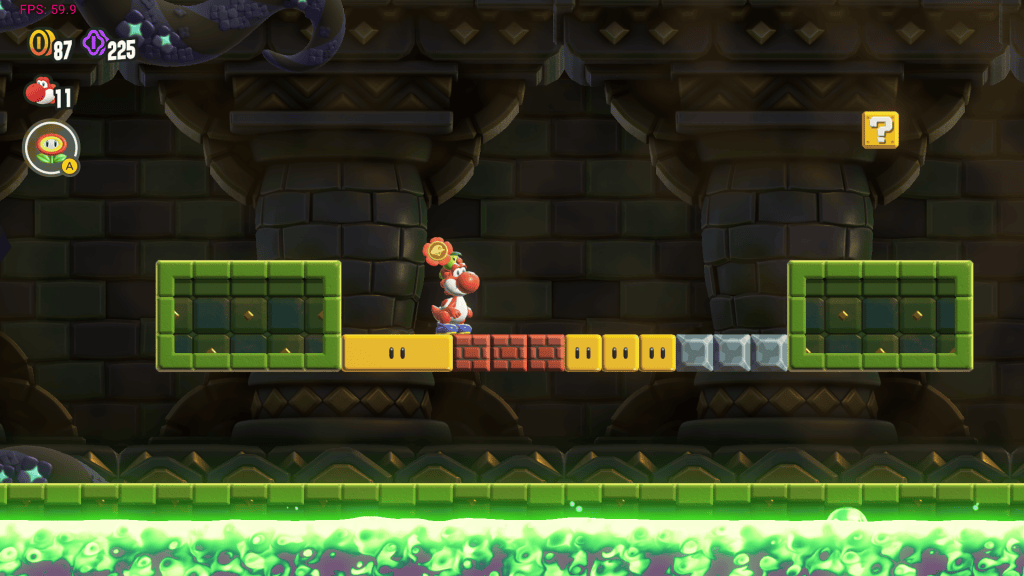
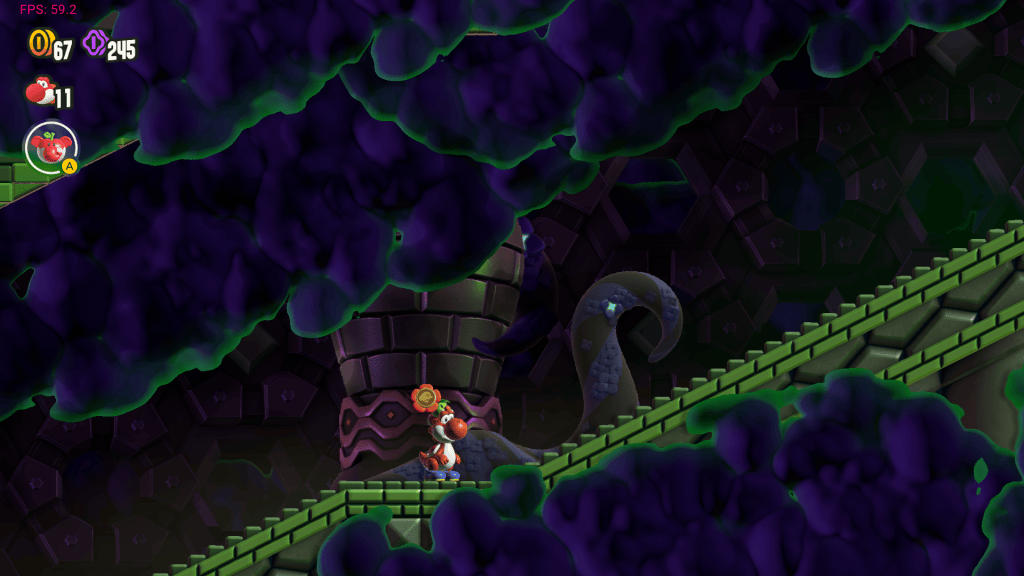
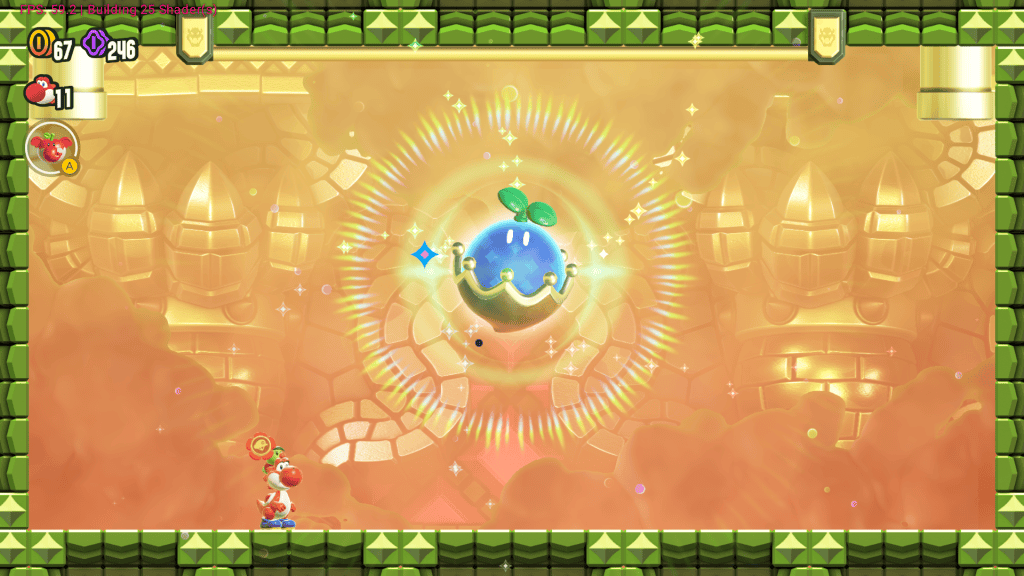
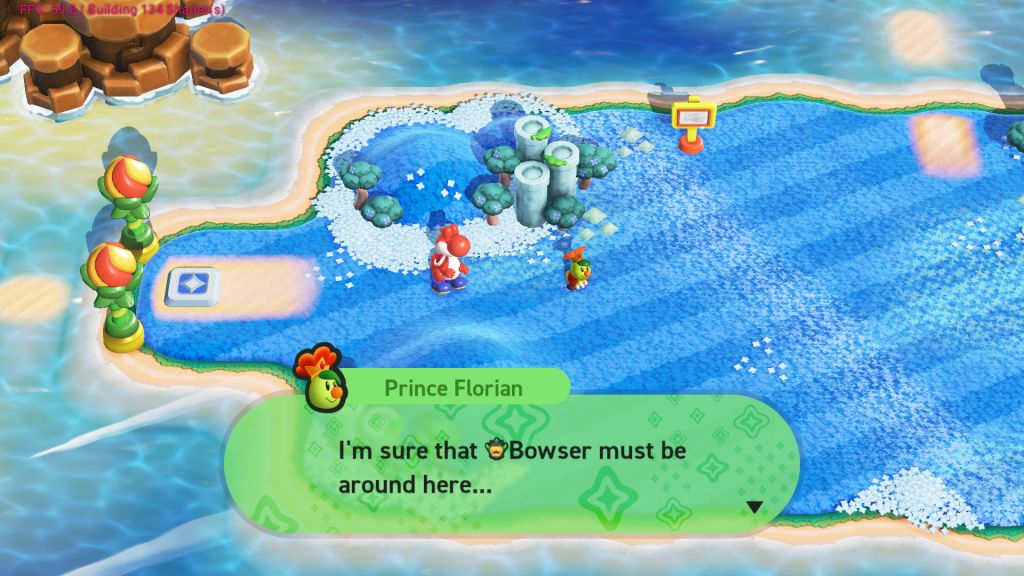
The graphics are really enjoyable, much like the Link’s Awakening remake. They’re high-resolution (comparatively), colorful, and pseudo-3D in a way that is both fresh and classic. The gameplay is where the drugs come in: you play as a number of characters in both regular, giant, and tiny sizes. There are Wonder Flowers that temporarily transform the levels in wild ways, changning the lighting, throwing you into the sky, or making the pipes come alive so you can ride them. The levels are wild, psychedelic, and colorful. You even have a weird, somewhat annoying, but also charming Talking Flower sidekick that shows up throughout each level to commenting and providing tips.
I find this game particularly enjoyable because it’s so odd and dynamic. It’s also one of the few in the franchise that doesn’t have a timer! I can take my time without any stress.
What’s Next
I’ve got a lot of games to explore, but I need to put some time into the ones I’m already playing first. Unlike PC games that I play for hours at a time day after day, I play these games casually, for maybe 30 minutes at a time a few times a week. At this rate it will take quite a while to finish my current list. As I finish one, I’ll probably start another. Those next games will probably come from this list:
- New Super Mario Bros. – Nintendo returned to its platfomer roots with the 2006 release of New Super Mario Bros. on the Nintendo DS. Sequels followed on the Wii, 3DS, and Switch, all of which I’ve just begun playing in one capacity or another. I’ll need to focus on one or two at some point.
- Luigi’s Mansion 2 – This Switch game juuuust started performing reasonably without hideous blue artifacts in Eden. It’s very popular and looks really cool.
- More Zelda – I want to explore some of the other Zelda titles including A Link to the Past on SNES and Breath of the Wild on Switch.
- Terminator 2 Arcade – Someday I will pick this up again and try to make it beyon the first level.
- Sonic the Hedgehog – I need to give this Game Gear classic another try so that I can complete my childhood.
After these specific games there are entire game libraries I haven’t explored, including Game Boy Advance, NES, Genesis, Playstation, and N64.
Reflections
It’s been a long journey to get here. From multiple misstarts in my childhood to a lack of preference for controllers, I haven’t had the best relationship with consoles. Through my handhelds I’ve been able to rediscover them and now I find myself chasing games instead of hardware. I can make the games as retro or as modern as I like, use tools like save states and fast forward to make gameplay convenient, and play them on hardware with great screens and controls in any form factor I want. It’s a great place to be.
This experience has impacted me in other ways I wasn’t prepared for. I’m not a very dexterous person, and while I used to play Clarinet, the only other thing I’m really able to coordinate is typing on a keyboard. I never felt comfortable with game controllers and struggled to manage my fingers across the different buttons. After playing these games for a while I’m starting to see a little bit of improvement, at least with the basic A + B + D pad configuration in Mario games. My ability to respond to game events and repeat patterns is still a challenge, but I’m slowly improving. Playing 3D games that require analog stick camera controls are still hugely frustrating though. I’ve got quite the library to play through. I’ll get there…

