
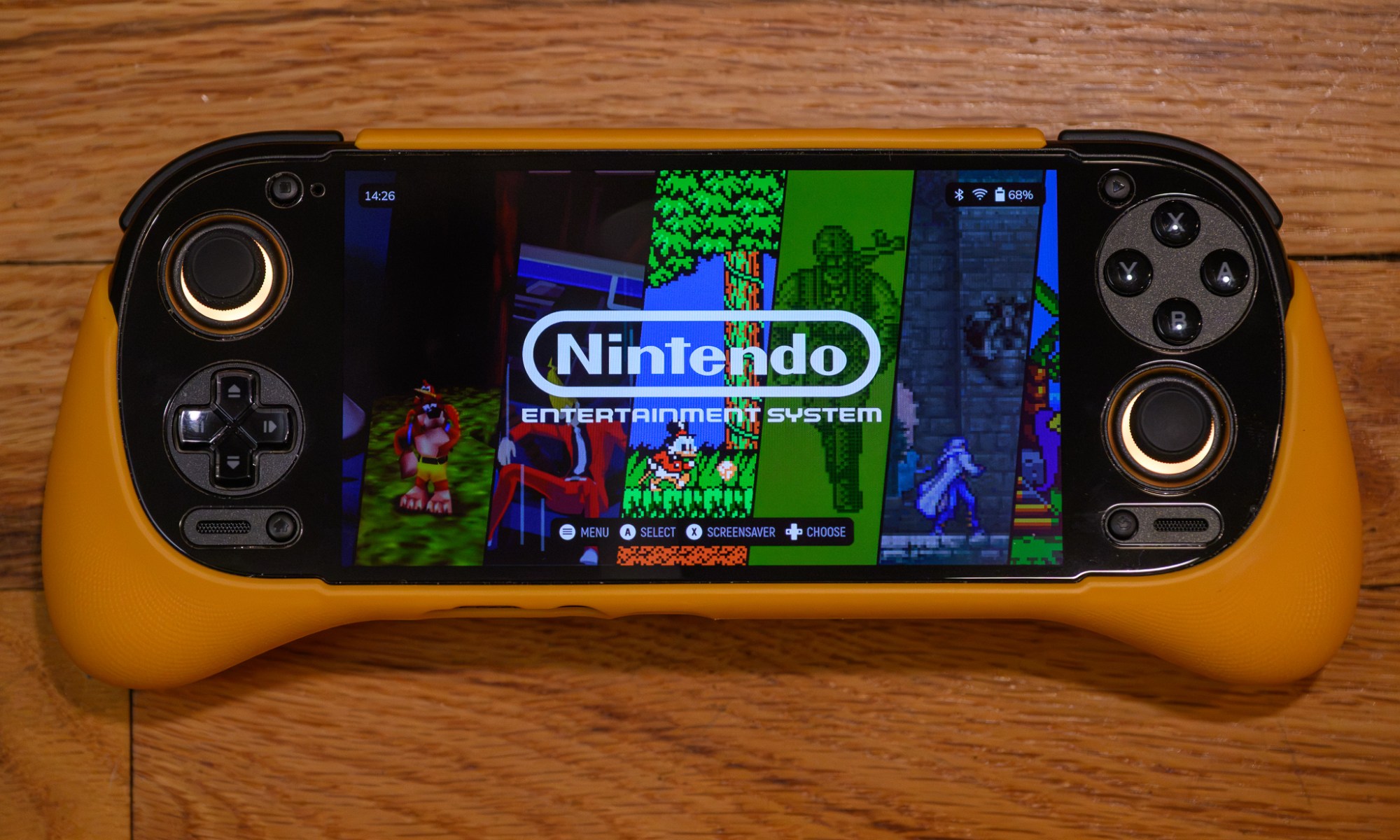
By the end of 2025 I had finished exploring sub-$100 handhelds and it was time to turn to the higher end. My 2022 Retroid Pocket 3+ was my most capable handheld, and it was fine, but I didn’t love the ergonomics and it couldn’t play Switch games. I already owned an OLED Switch that I didn’t use, but the idea of playing Switch games as well as all the other systems and Android games and some PC games on one device was appealing. Retroid had just released the Pocket 6, which included a Snapdragon 8 Gen 2 chip, up to 12 GB RAM, a 5.5” OLED 120 Hz display, and hall effect RGB joysticks starting at $230. It was very well-reviewed.
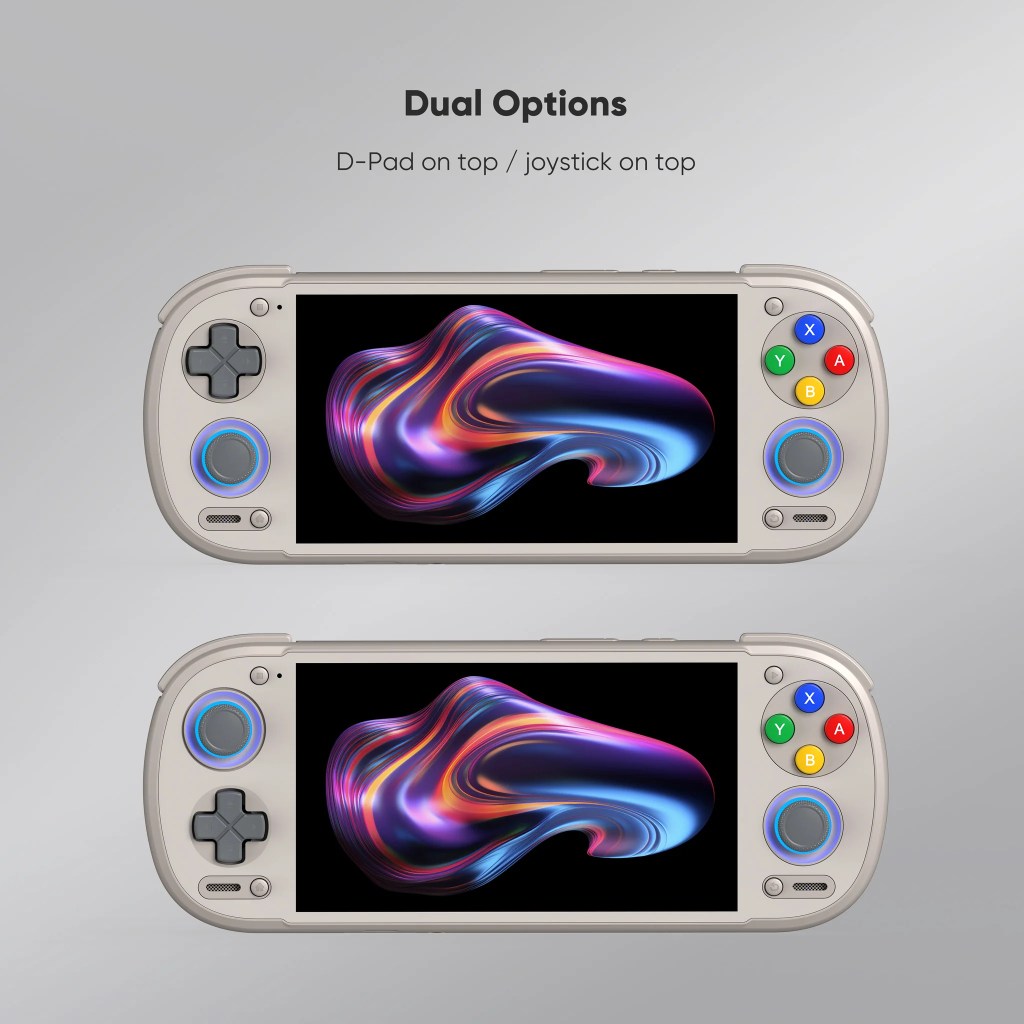
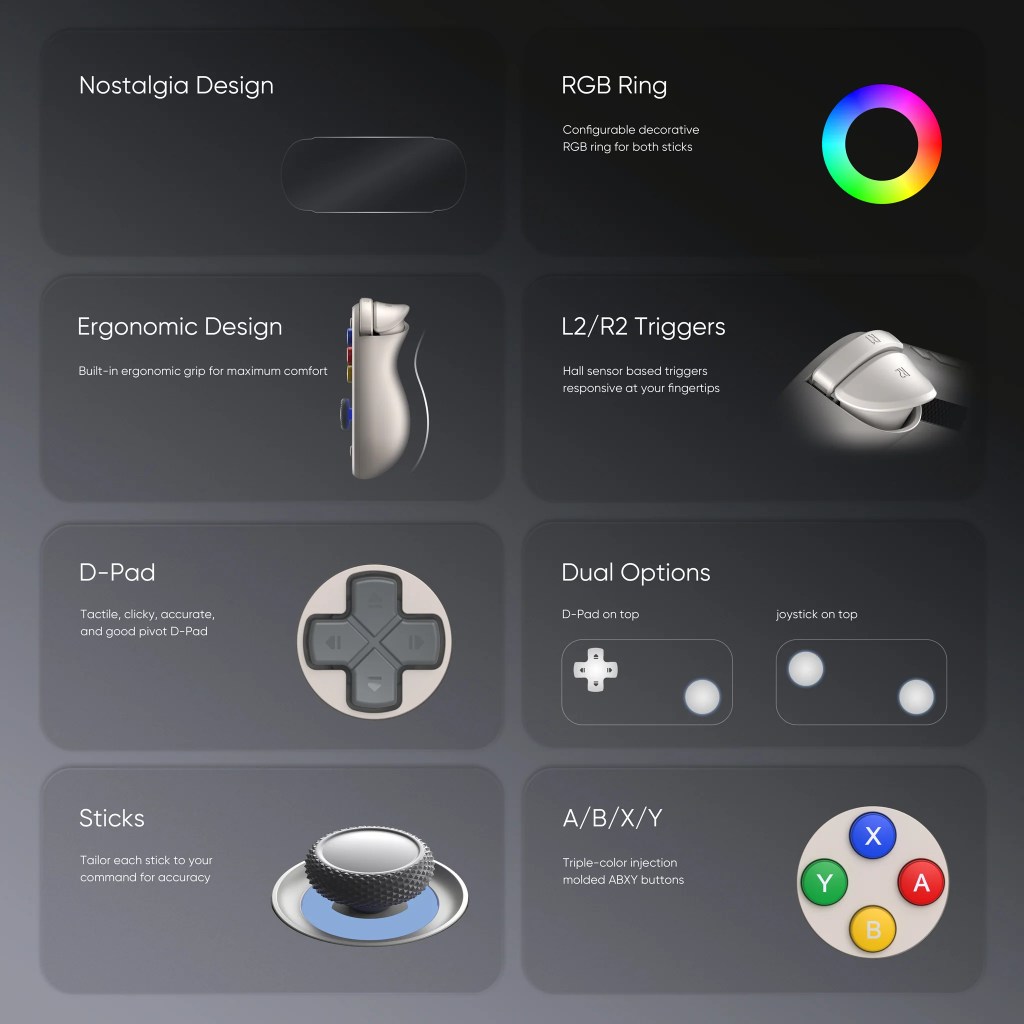
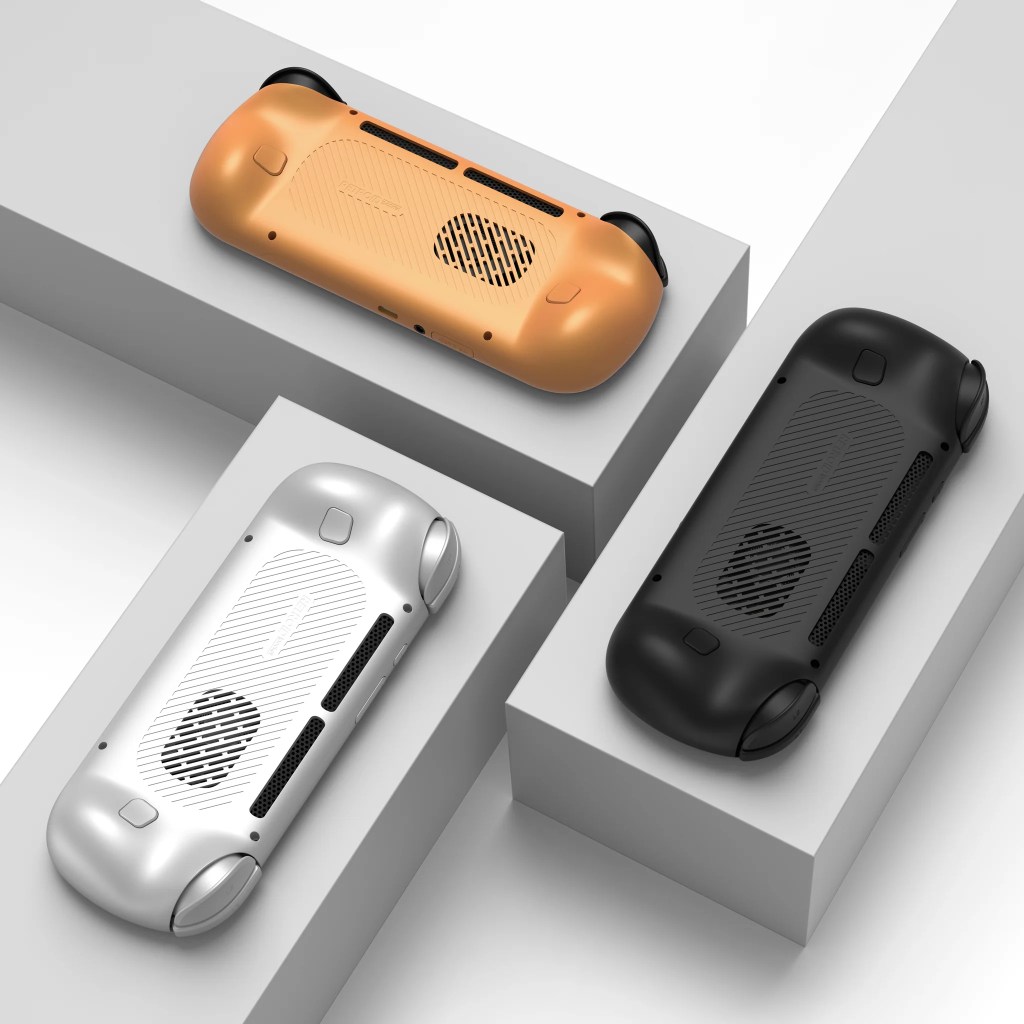
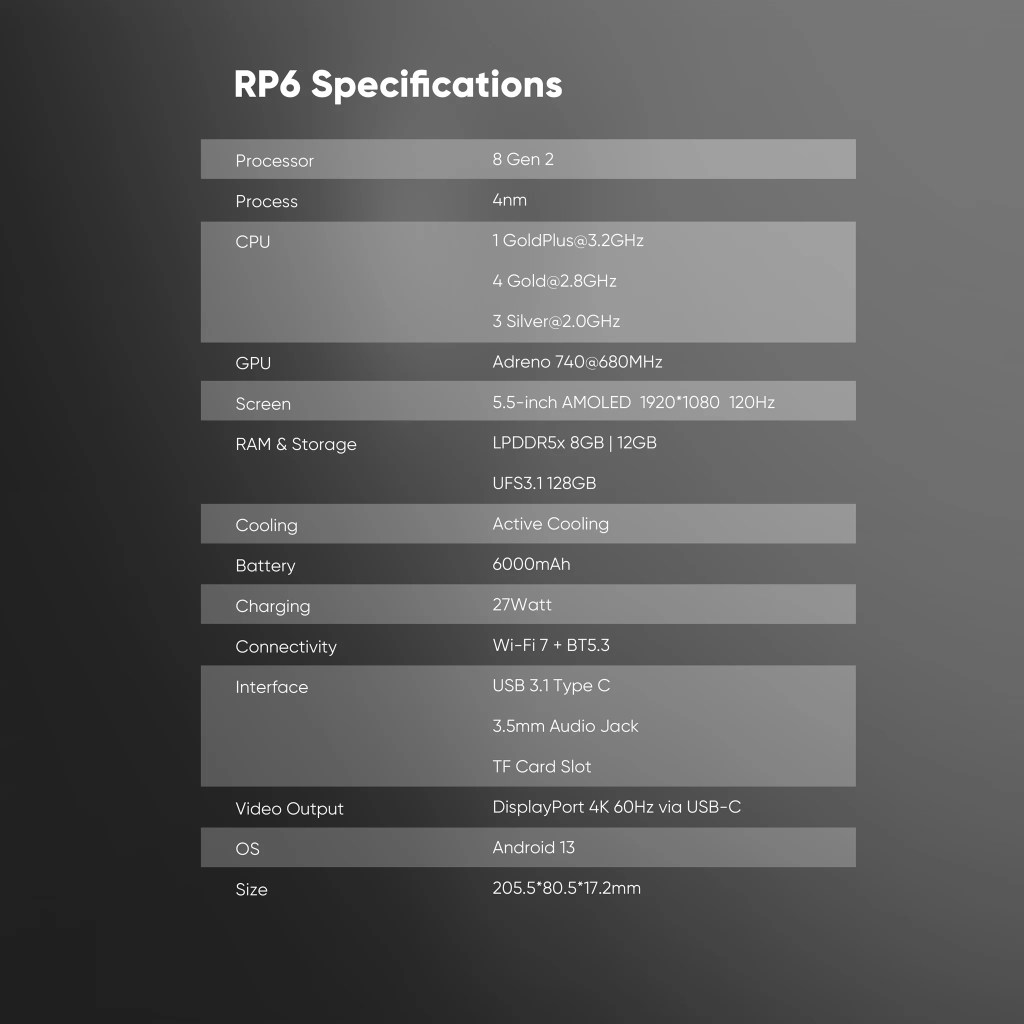
I ordered one in late January 2026 and sprung for the higher-end model with 12 GB RAM and 256 GB storage. These were part of the “second batch”, which was supposed to ship the same month, but didn’t. I paid $279 for the handheld and another $55 for the official grip, screen protector, shipping, and purchase protection for a total of $334. I heard nothing for a couple weeks, then Chinese New Year shut assembly lines down through February, delaying delivery to mid-March.
As had happened with my car that I purchased less than 4 weeks before COVID, I lucked out purchasing the Pocket 6 when I did. Due to RAMaggedon, Retroid canceled the 12 GB model early into March, prior to mine shipping. Luckily they honored existing orders, and mine shipped a few days later. Other handheld manufacturers followed suit, either canceling high-memory models, reducing storage, or increasing prices, sometimes significantly. As a result, I’m one of the few who own the 12 GB configuration with 256 GB storage1.
I bought many of the handhelds from Part III of this series while waiting for the Pocket 6 to arrive. In fact, I ordered another high-end handheld, one with nearly the same specs, as well. AYN2 introduced the Snapdragon 8 Gen 2 to its products in 2023 and those are starting to reach end of life. One such product is the Odin 2 Portal, which is nearly identical to the Pocket 6 except for its massive 7” display.
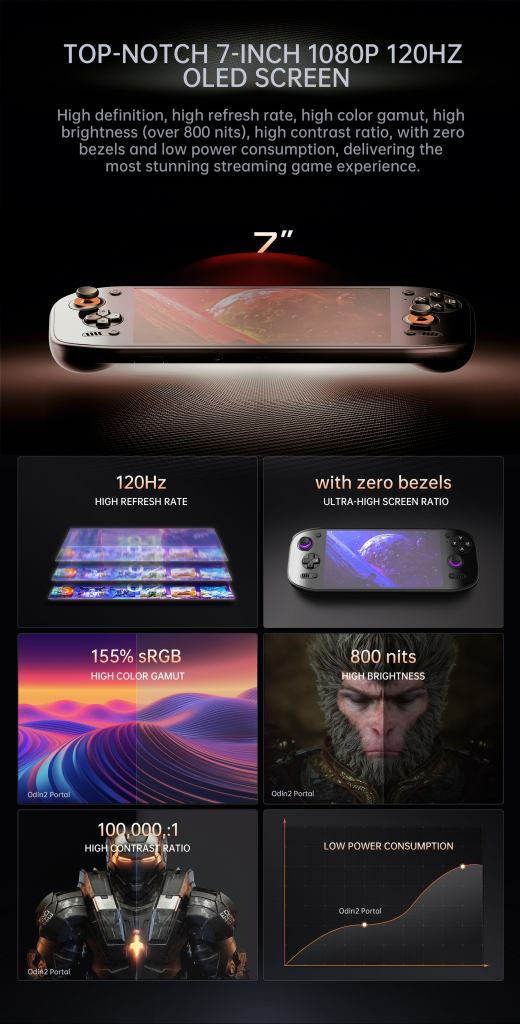
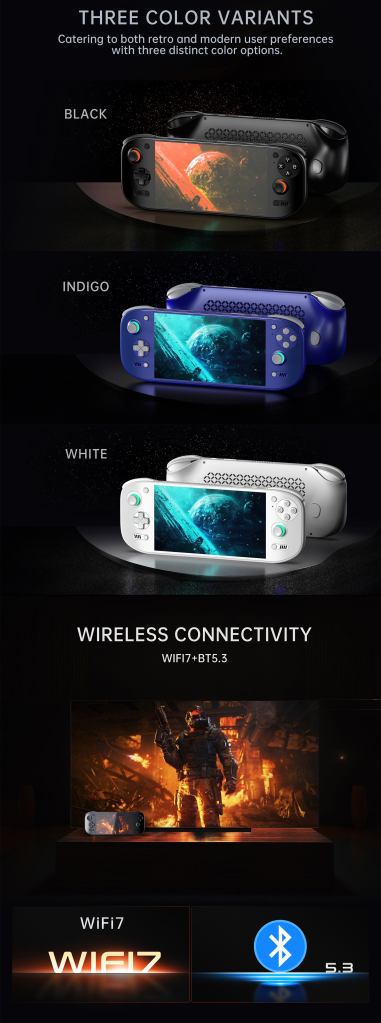
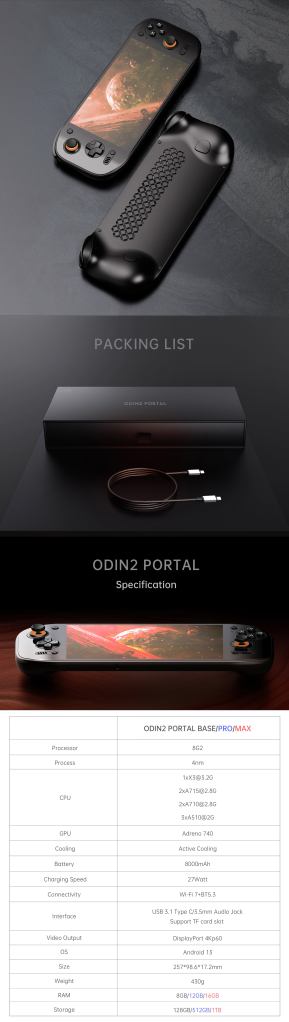
This model is being discontinued3 and was discounted in February. As I wasn’t hearing anything about my Retroid at the time I decided to pull the trigger on the Odin 2 Portal. I hoped to get the Portal earlier since it was listed as “ready to ship” and have it to compare against the Pocket 6, ultimately sending one device back or reselling it.
During the sale, the Portal cost $249 and its carrying case, grip, extra sticks and buttons, screen protector, and shipping brought the total to $325. When discounted, the handheld itself is cheaper than my Retroid by $30, has the same chip and a larger screen, but has less RAM (8 GB) and storage (128 GB). At the time a similarly configured Pocket 6 was $100 less expensive than the non-discounted Portal. With RAMaggedon’s price-adjustments the Portal’s discount makes them exactly the same at the time of writing.
I was now eagerly awaiting not one, but two, high-end handhelds.
Just Can’t Stop
One would think that I’d finally be done collecting. But I let oooone (or two) more sneak in. While enjoying my handhelds, I kept an eye on eBay for an Anbernic RG353M in teal. I didn’t need it, but it looks so cool that I wanted to pick one up if the price was fair. In the process I came across the Anbernic RG300x, a 2021 handheld with a 3” screen styled like a GameBoy Micro. It’s actually larger than a Micro, but it looks so cool with its metallic red and gold ultra-gloss paint and single panel of glossy plastic across the front. I had to get it.
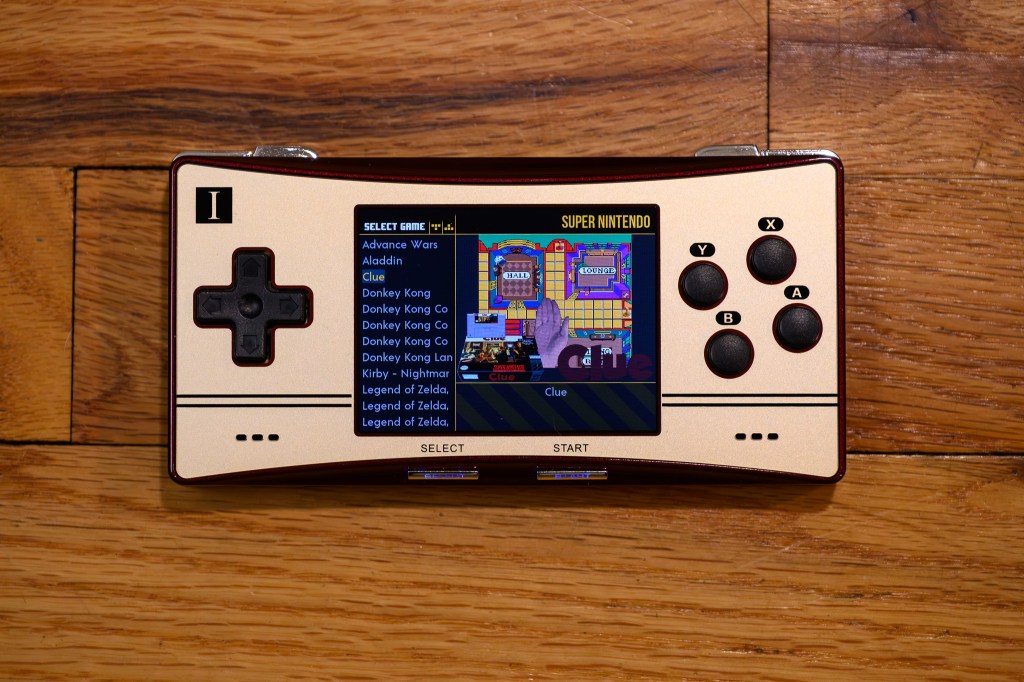
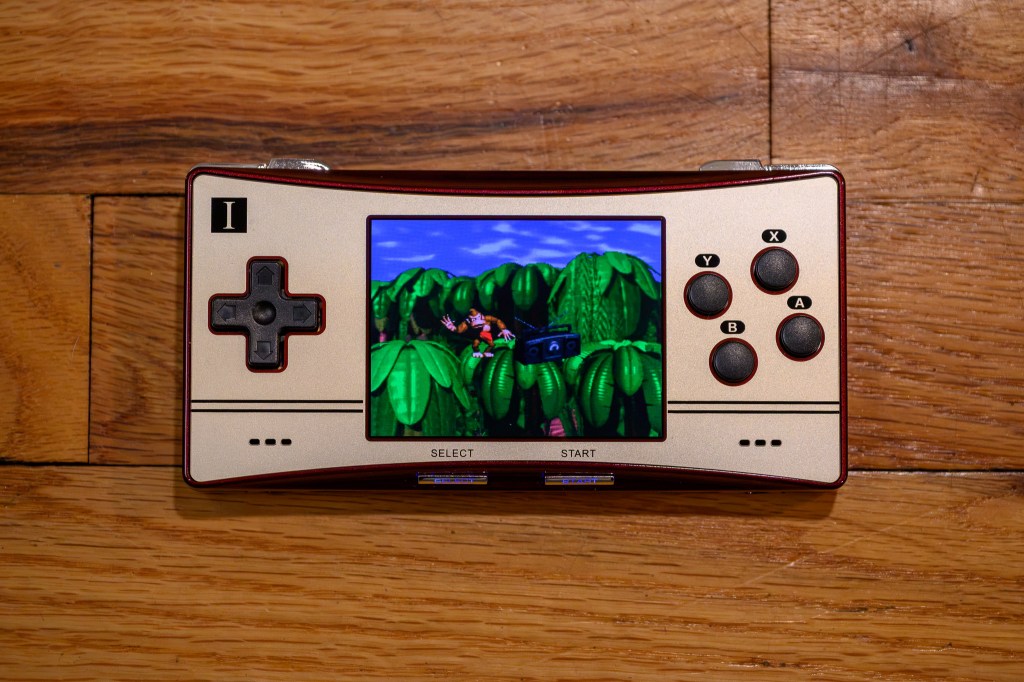
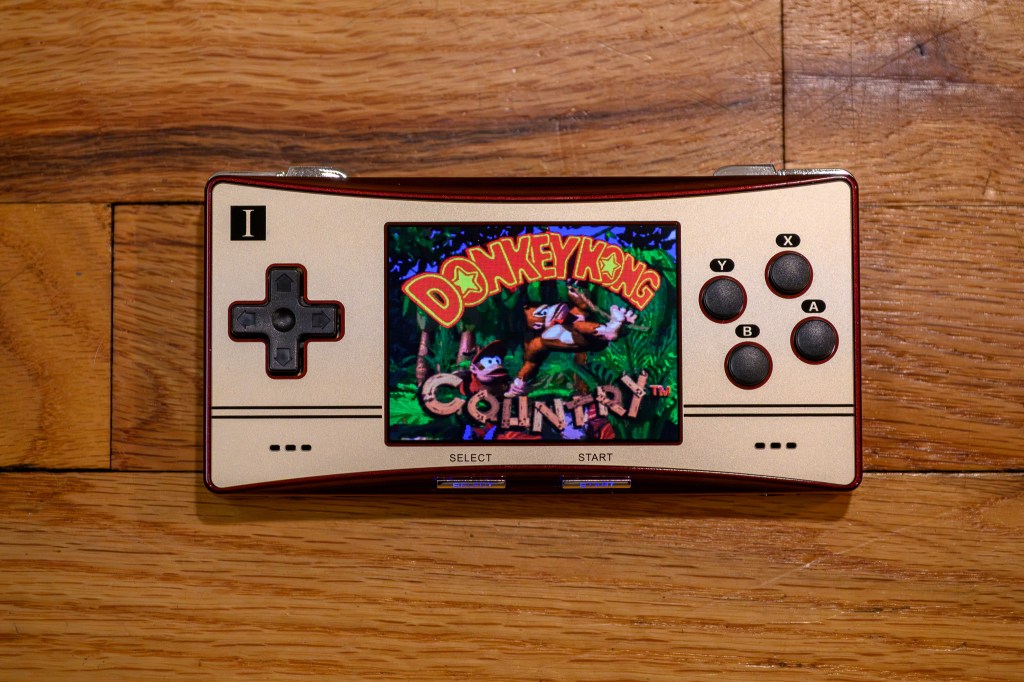
The 300X is one of Anbernic’s older handhelds, based on the RG350 generation. These are built around a MIPS processor instead of ARM and run a Linux distro called OpenDingux that hasn’t been developed since 2022. The stock UI reminds me of a janky Android phone with bad fonts, but a custom image running Simple Menu and RetroArch provides an approximation of what you’d see in a current handhelds. This device is frozen in time with no networking, fancy launchers, or future updates. It lacks a GPU, so it can’t provide CRT efffects for TV consoles, but can simulate an LCD grid for Game Boy games.
Out of the box it can run 8 and 16-bit games up through SNES, with some basic PS1 as well. While it’s bigger than a real GameBoy Micro (and my MagicX Mini Zero), the controls are comfortable. The lack of analog sticks provides extra room, so the buttons are larger than typical and are well-spaced out. The case feels really good; the paint is glossy and smooth, almost under a clear coat. It’s really satisfying to hold in the hand even if it doesn’t do anything different than my other handhelds.
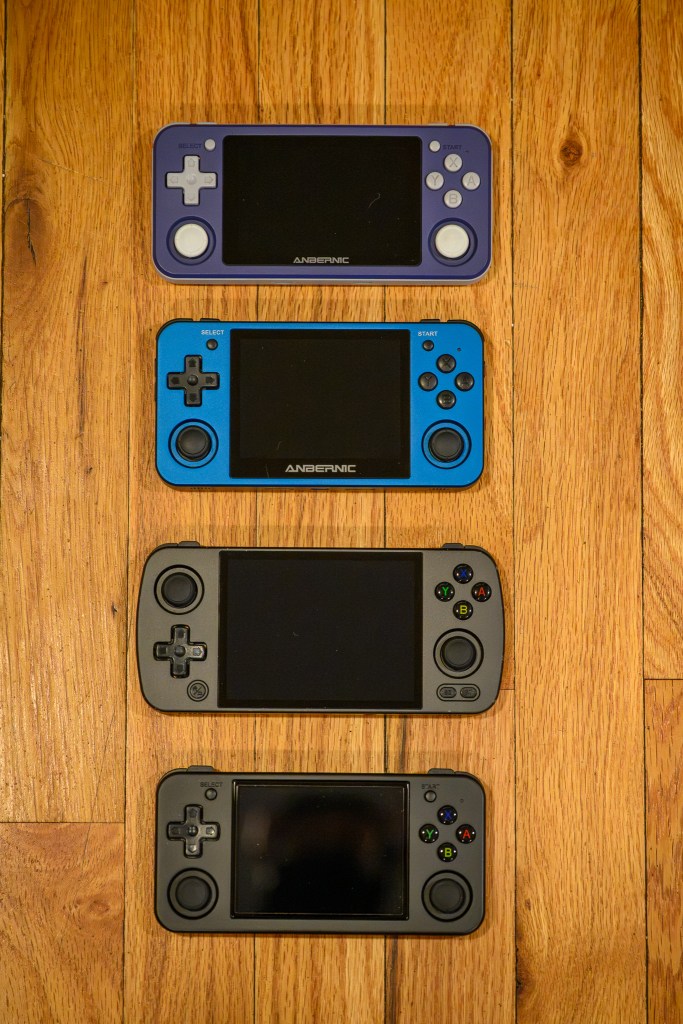
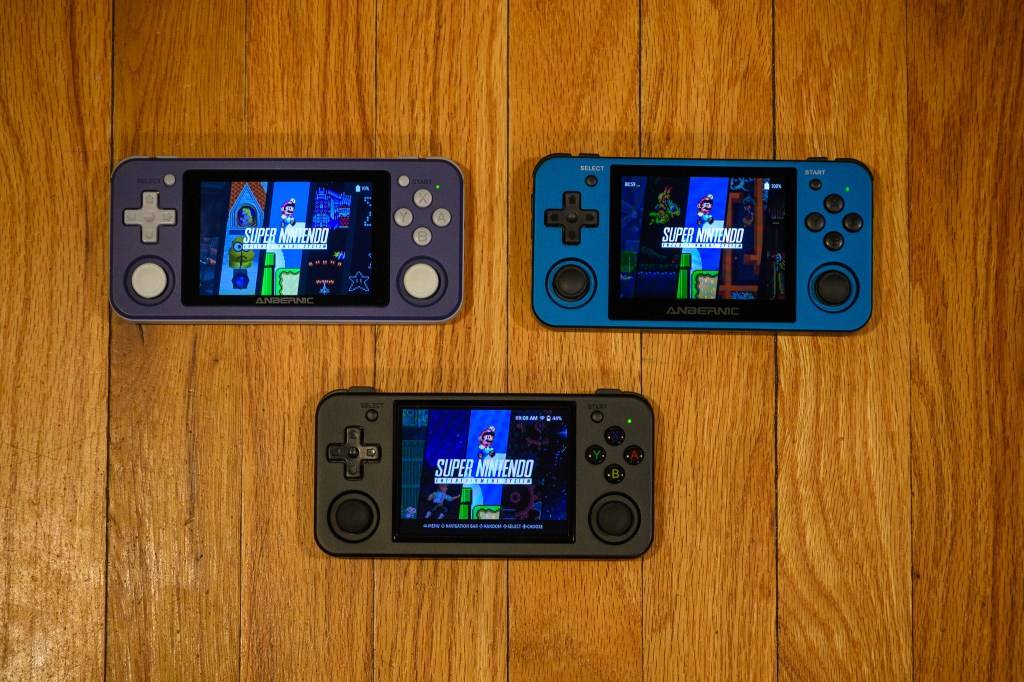
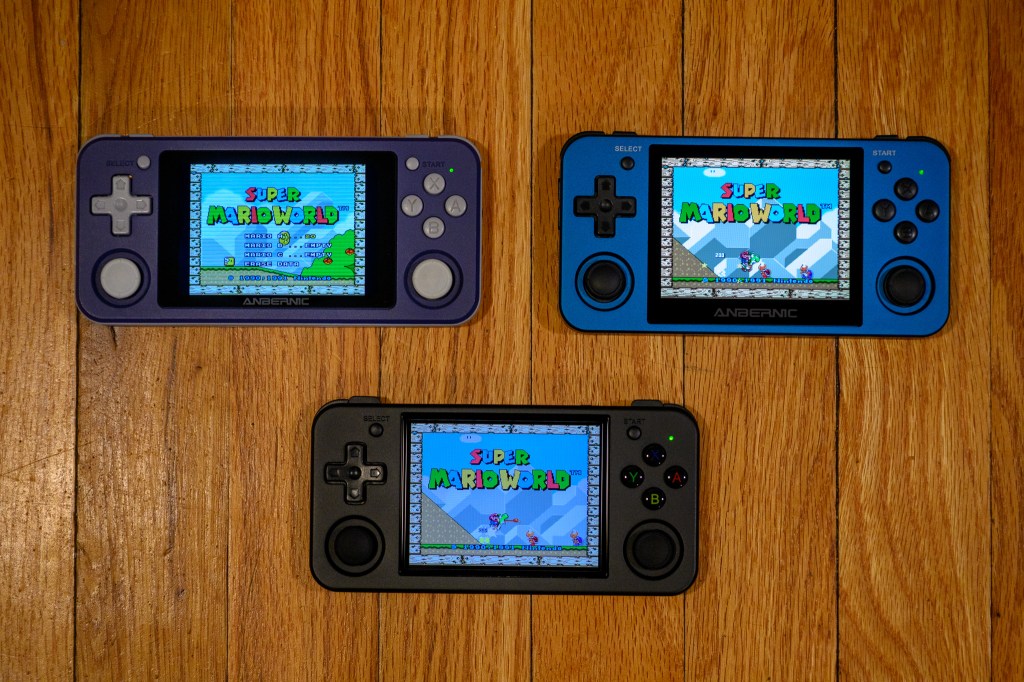
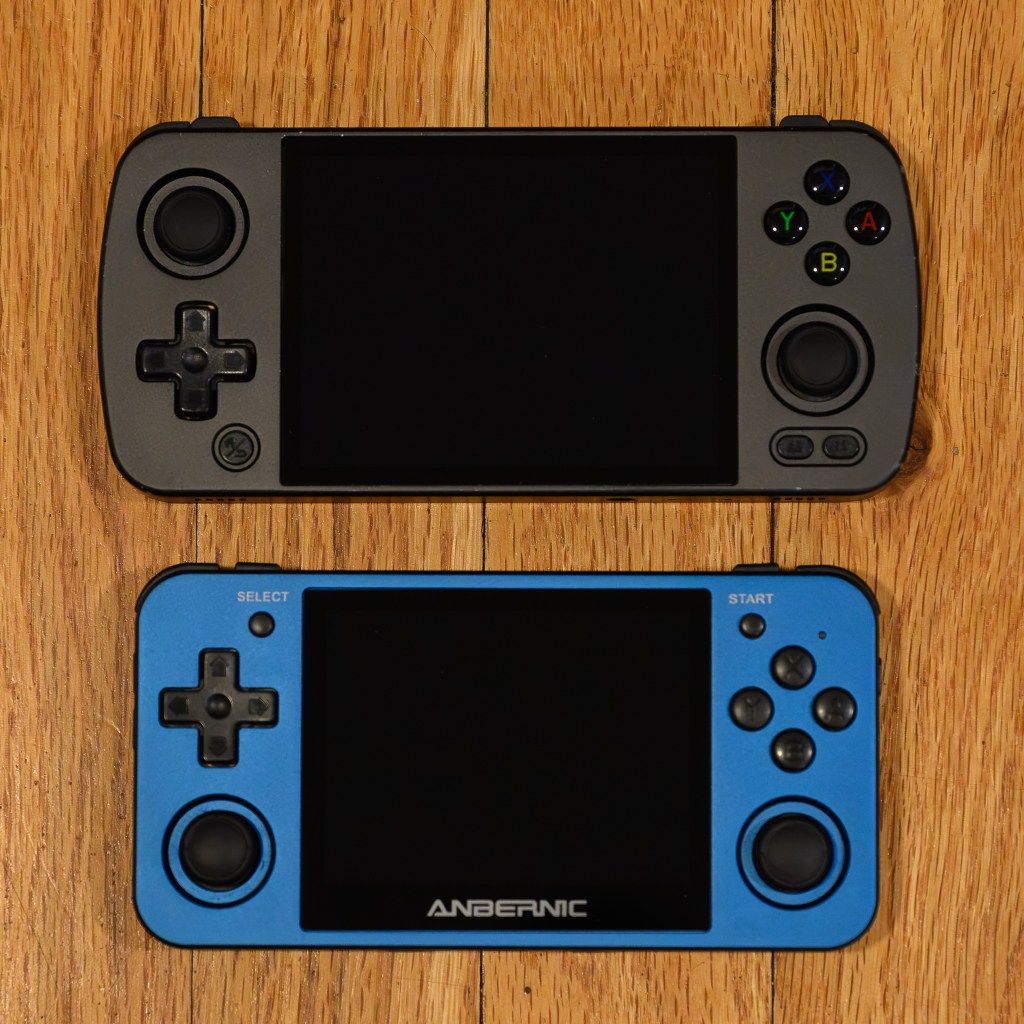
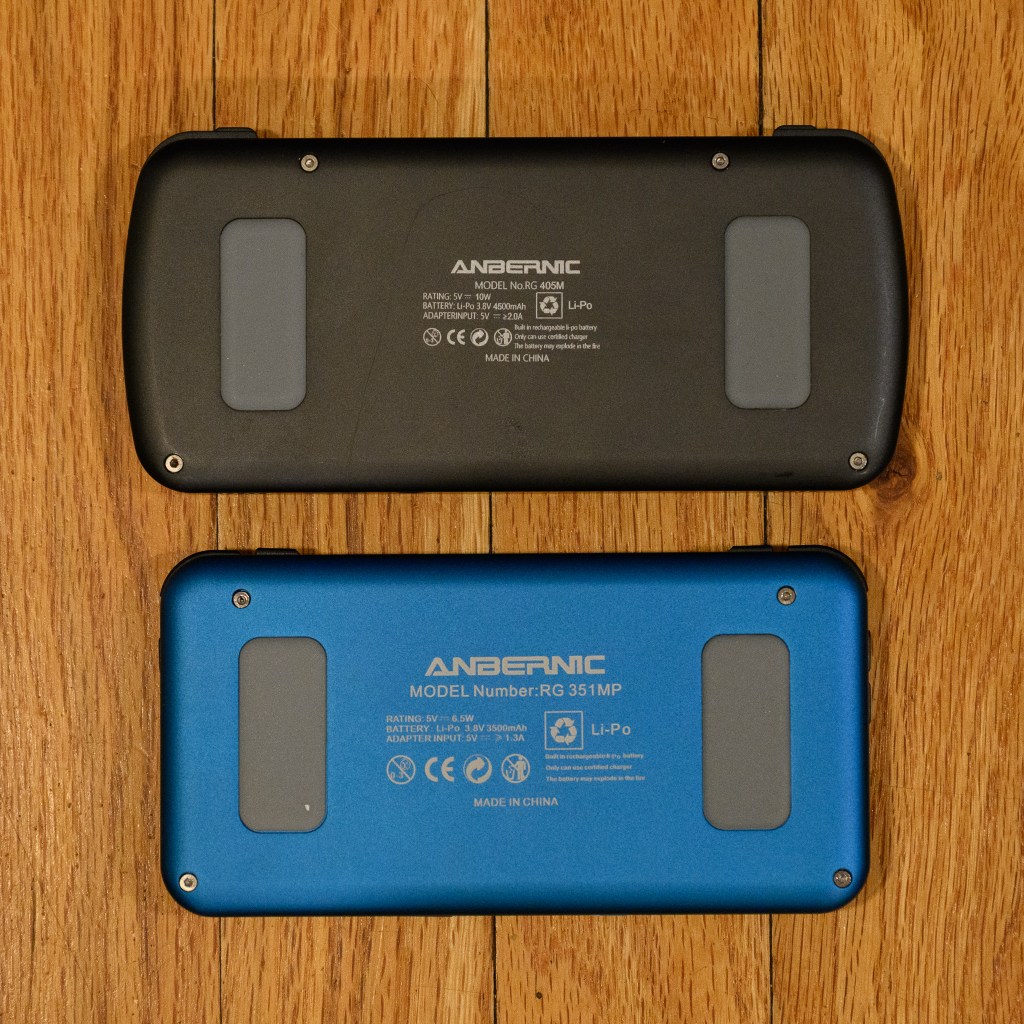
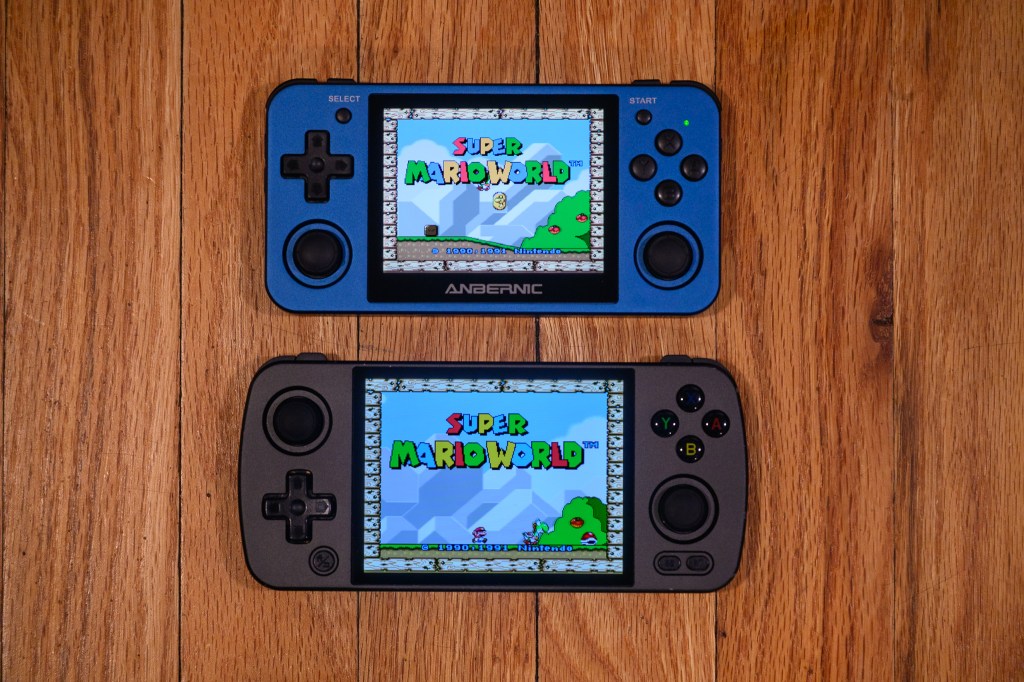
The 300X is great, and after a bit of waiting I also found that teal 353M I was waiting for. The teal is so vibrant and different than anything on the market that I just had to buy it even though it’s only marginally more powerful than the 351 series. This is flat-out a handheld that I won’t use often, but I wanted to have. It looks so great and feels good as well. It was only $51 shipped, so it was an easy purchase.
The Future Arrives
After several months of waiting and some teeth-gritting, my Retroid Pocket 6 finally arrived. I’ll do a more detailed review later, but it was everything I had hoped it would be. The screen is saturated and crisp, the buttons feel good, and it runs everything well, including Switch titles. I purchased the black model so that the bars on the side of 4:3 content fade into the case and I have to say, it all looks magnificent. Game Boy content appears way larger than it ever did on a physical device and it looks great.
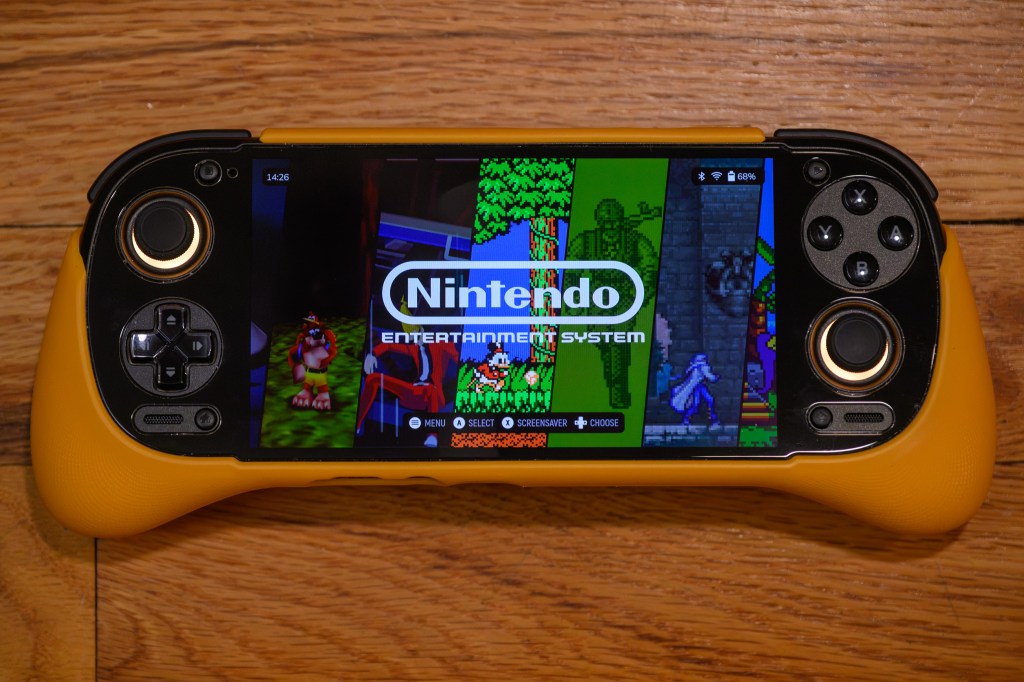
For games that require the use of the thumb sticks I purchased Retroid’s flexible plastic grip that provides more shape to make gaming more comfortable. I deliberately bought a yellow one to provide some contrast and get a feeling for the yellow model I had originally considered.
The Odin 2 Portal arrived a couple weeks later and was exactly what I expected it to be – a larger version of the Pocket 6. Performance is exactly the same, and the controls, while a little bit bigger, are just as comfortable. The buttons are more clicky but not in an obnoxious way, just different. The screen is just as saturated and crisp, but a bit larger, which does make it more comfortable to play.
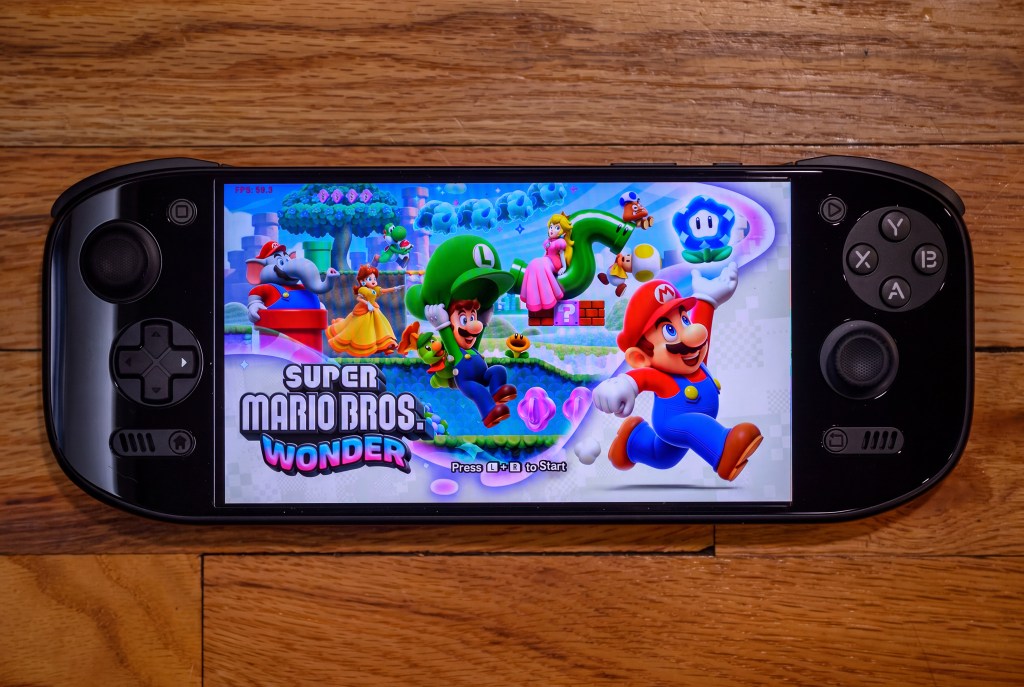
I’ll write up a more comprehensive review at some point but I treat the two handhelds as interchangeable. The extra RAM on the Pocket 6 hasn’t yet set it apart from the Portal in my use; storage has been the only adjustment. The Portal has less on-board so I’ve mitigated that with a larger memory card. I keep both synced through Syncthing so that they have the same emulators, ROMS, utilities, and save games. As long as they’re charged they’re pick-up-and-play.
Collection Complete (for now)
At this point my collection is pretty much complete. I have plenty of handhelds in plenty of form factors to keep entertained. There are a couple devices that I might want to pick up in the future (looking at you RG Rotate) but with tech prices what they are, I’m in no rush. Now it’s time to actually play those games I outlined in the first post of the series.
- Technically I’m the few that own the original configuration of the 12 GB model. Retroid re-introduced the 12 GB model in early June for $279 but paired with only 128 GB internal storage. In the end I still lucked out. ↩︎
- Which is owned by the same parent as Retroid ↩︎
- Slowly apparently – it’s still available and discounted at the time of this writing) ↩︎

