
It’s 2020, I’m a PC gamer, and had long since discarded every console except my Wii and PS3. The Wii is plugged into our TV “just in case” but we never play it and the PS3 is up in our bedroom as a Blu-ray player that I use twice a year. Everybody has a Switch, the PS5 and XBox Series X can deliver 4K gaming to the masses, and my far more expensive PC with an RTX 2070 still blows them all away with higher quality graphics and frame rates.
The Retro Handheld
I’ve always been interested in miniaturization, optimization, and emulation. I find it absolutely fascinating to do the same thing faster, with fewer components, in less space, and using less power. I find translating something that was built for one environment into something that will run in another intriguing. For classic console gaming, all of these come together in something called a “retro handheld” – a portable device the size of a Gam Boy or Game Gear that run console and arcade games through emulation on smartphone-class hardware.
Emulation software exists for computers and phones, but retro handhelds are portable and include dedicated physical controls. They don’t need to be plugged into a monitor or a TV and you don’t need to experience the horror of touch screen console controls. I could have purchased used copies of my old consoles, but retro handhelds were much more enticing due to their portability and support for multiple game systems on a single device. It’s like having a Game Gear with a better screen that can play everything from my childhood without burning through a set of batteries every hour.
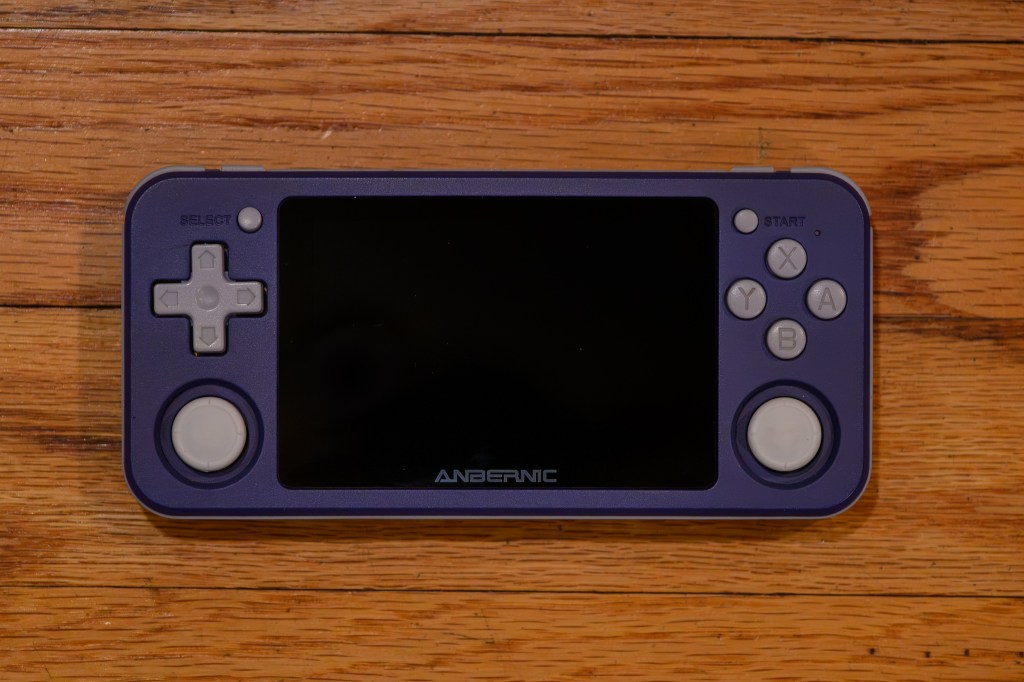
One of my favorite things about retro handhelds is that they’re highly configurable, providing fine-grained control of emulation performance, display output, and physical controls. Most support GPU shaders, which can simulate the pixel grid of an LCD or the scan lines of a CRT to add authenticity to the experience. It may seem odd to deliberately downgrade the quality of a modern screen, but it creates more immersion by representing the games the way I remember them.
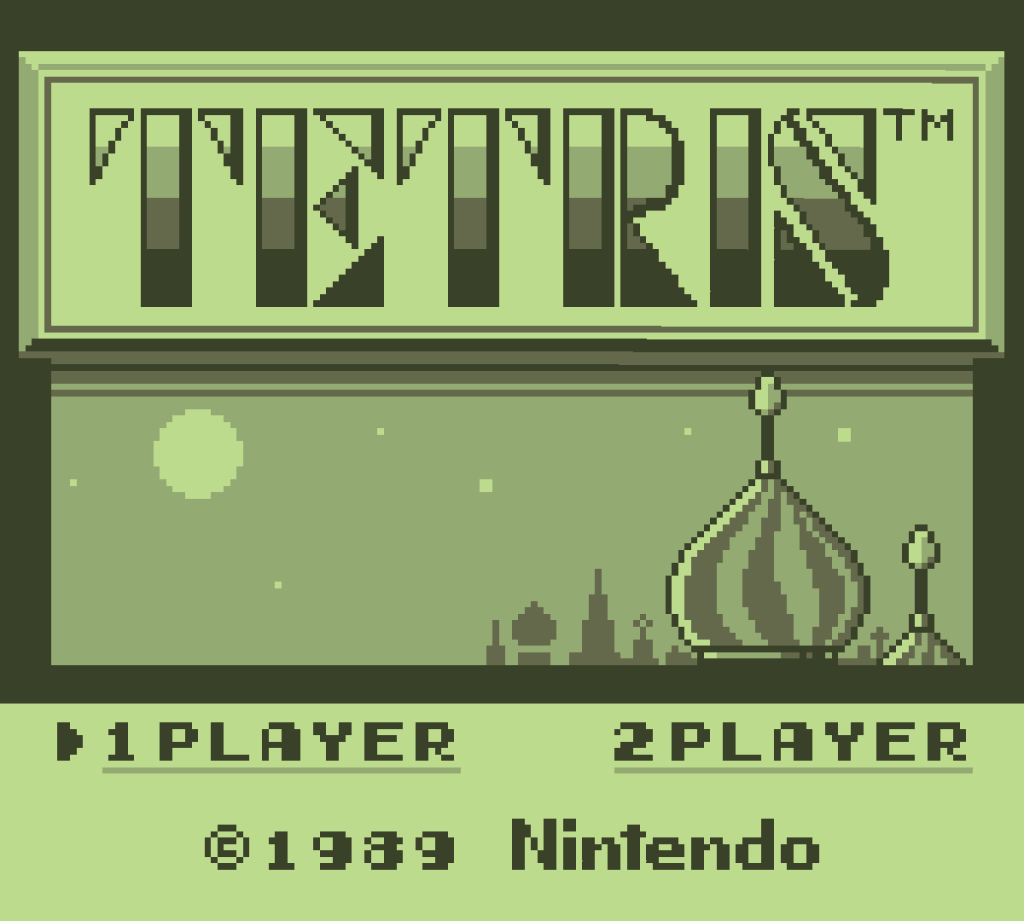
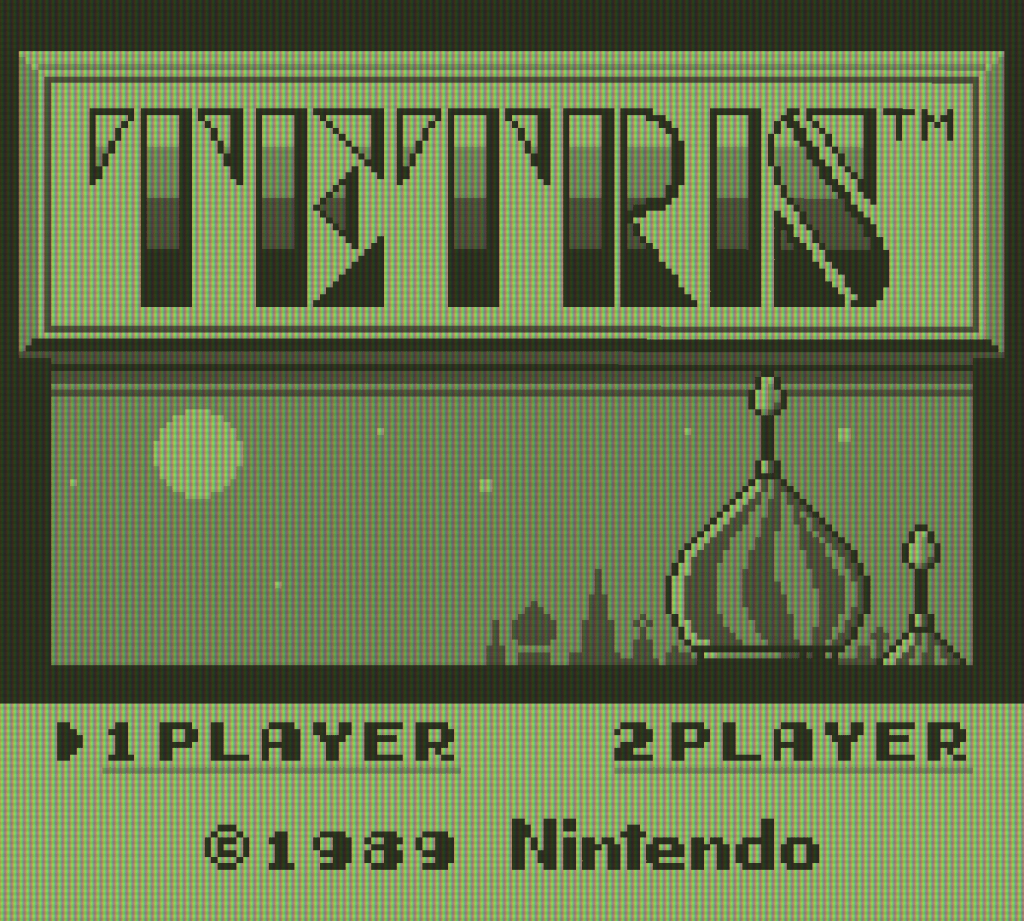
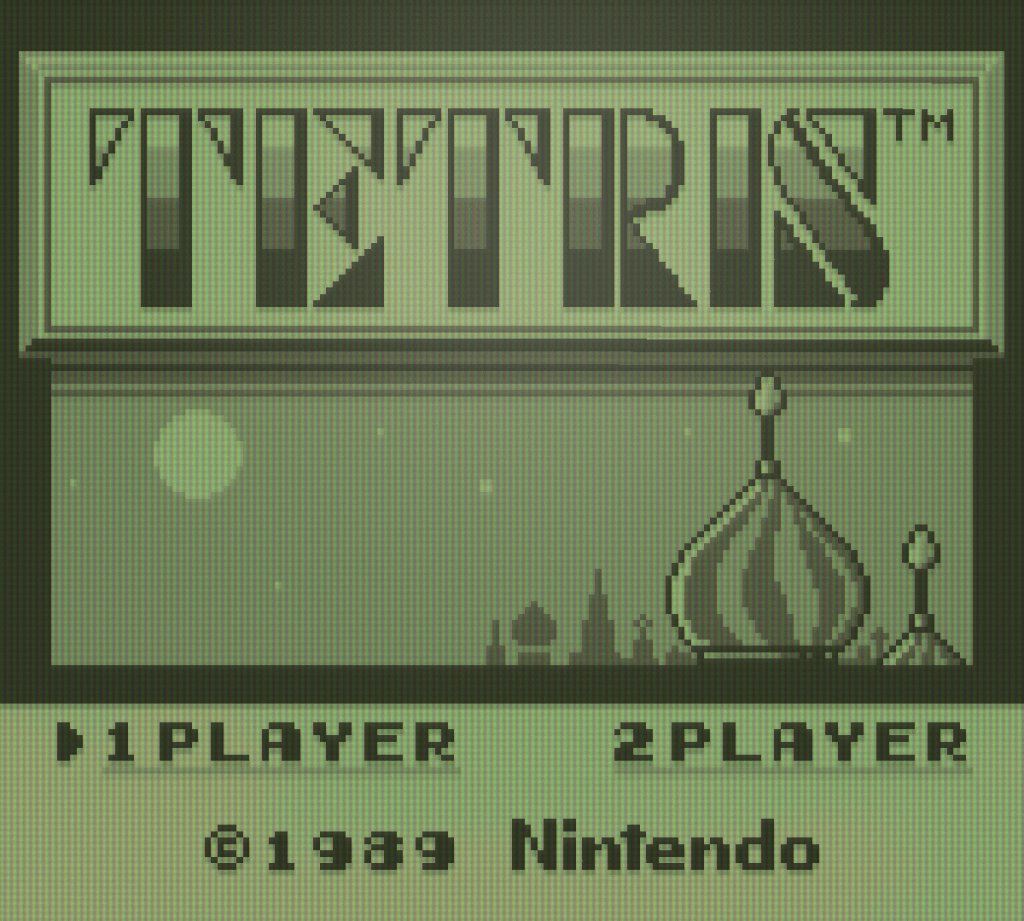
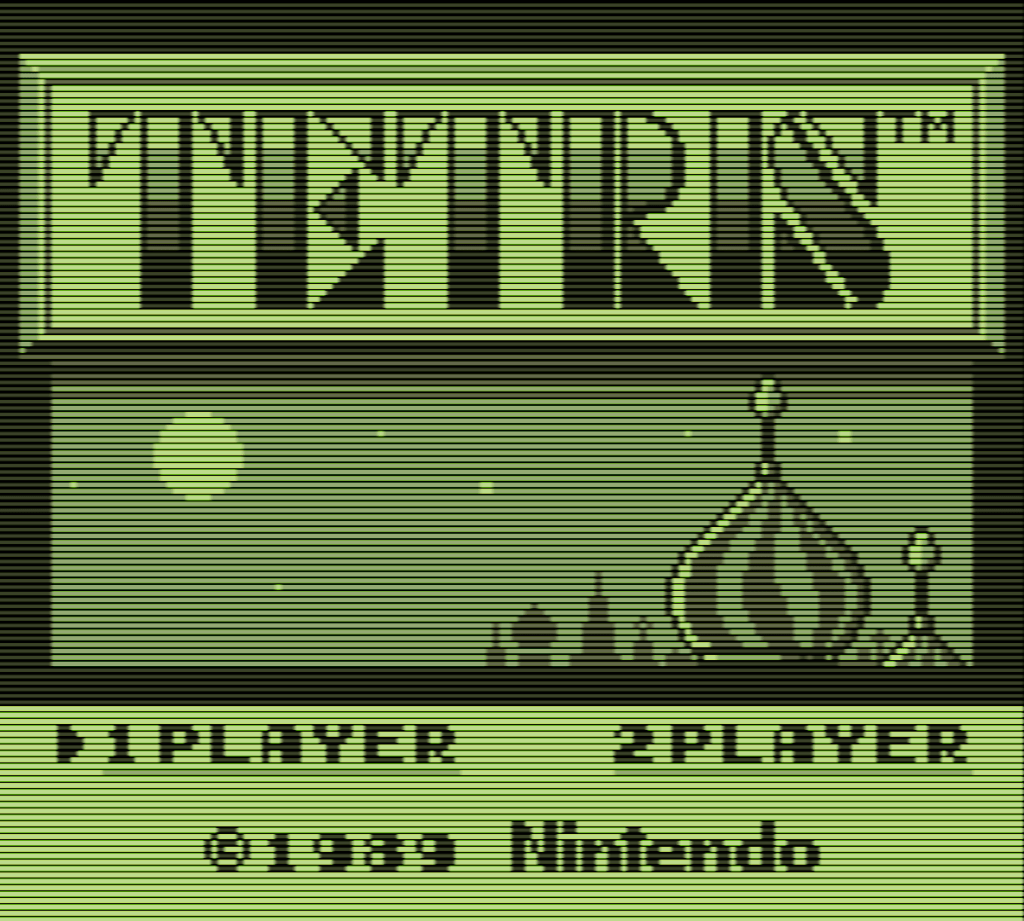
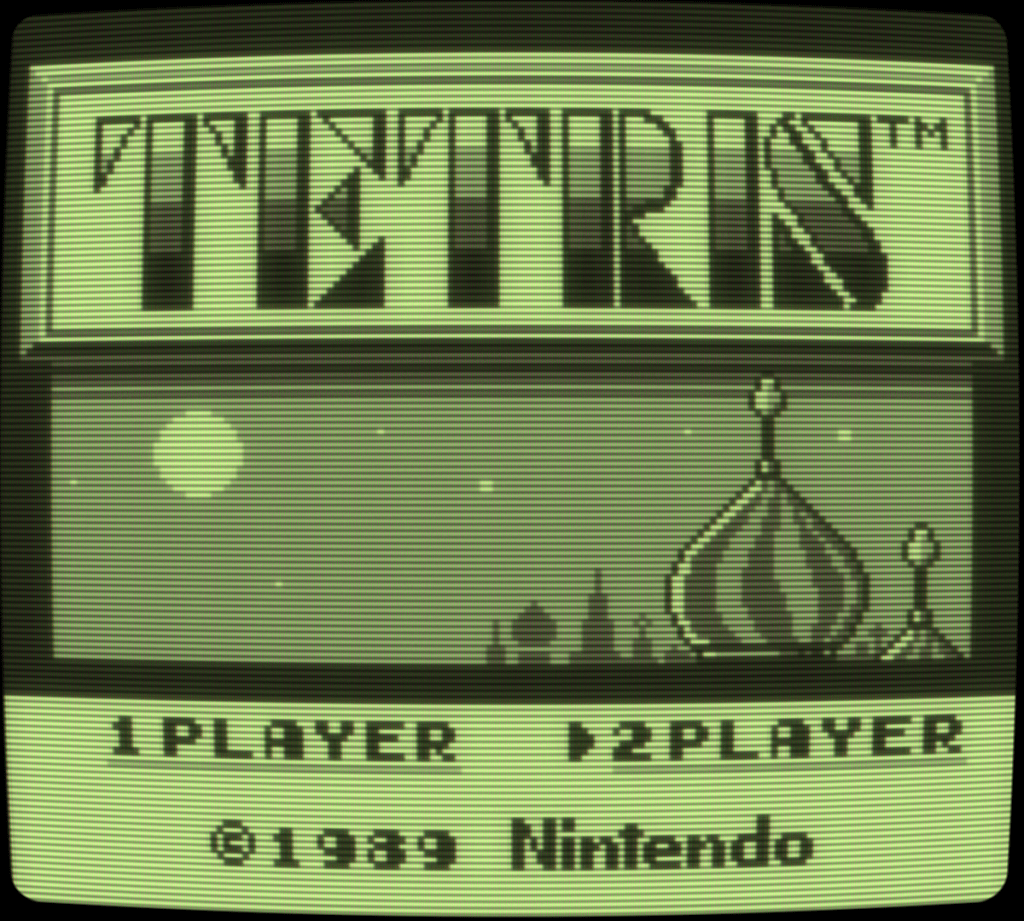
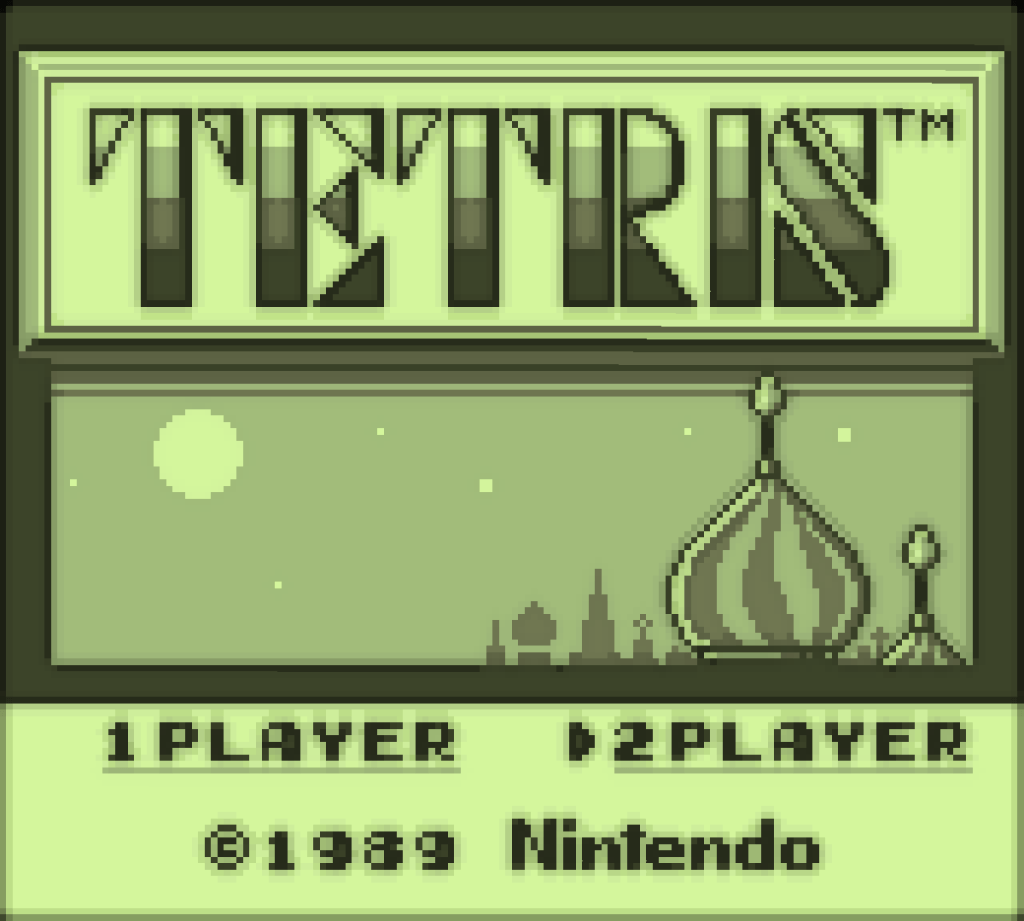
Like many others, I discovered retro handhelds during COVID when they were just starting to take off. Chinese companies had started releasing them a couple years prior and the extra time during quarantine resulted in a bit of a market boom. Typical retro handhelds included 3 – 4” screens in wide or classic aspect ratios with enough horsepower to emulate 8 and 16-bit consoles at 480p on embedded Linux. Wifi, high resolution, and Android were starting to appear as well. You could count on playing thousands of arcade, Nintendo, Sega, and Sony games from the 70’s through early 2000s on a handheld costing about $100.
My First Handheld
I purchased my first handheld in December 2020 from eBay for $90. It was an Anbernic RG351P, only a few months old at that point, and provided a great intro into retro handhelds. It includes a 3.5” display at a polarizing 320 x 480 resolution and 3:2 aspect ratio1, a quad-core ARM-based Rockchip RK3366 with 1 GB RAM, and runs a custom Linux OS. This configuration supports all the classic 8 and 16-bit systems as well as some N64, Playstation, Nintendo DS, PSP, and Sega Dreamcast games. It has no internal storage, but accepts a Micro SD card up to 256 GB for the OS and games.
It’s a great handheld, about the size of a cell phone, with built-in buttons and D-pad. The screen is big enough for Gameboy, SNES, and Genesis games. The controls are comfortable and responsive. The user experience of the included OS was manageable, but it wasn’t great, and luckily open source alternatives were available. I installed one called 351Elec, recommended in a setup guide from a new retro website called Retro Game Corps.
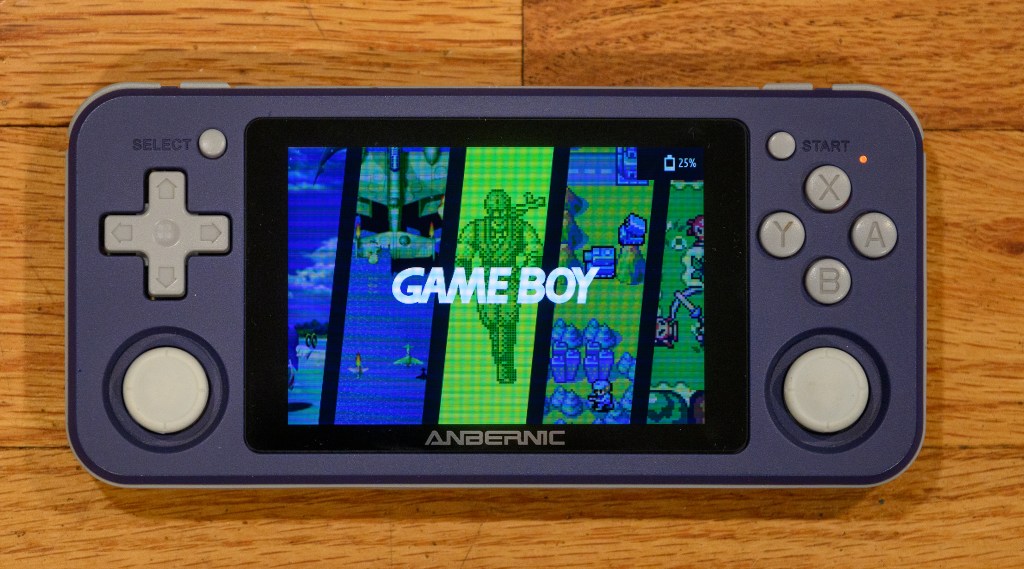
I appreciated the depth and attention to detail in those guides and returned to them many times. 351Elec was a big upgrade over the stock software and provided a clean and enjoyable way to organize, navigate, and play games. It included all the necessary emulators and pre-configured many settings to make it a pick-up-and-play experience, but provided access to settings for additional customization.
This 351P introduced me to so many of the basic concepts of retro handhelds: scaling factors and to make games look good, shaders to make them look retro, save states to save anywhere in any game, and scraping to download beautiful box art, screenshots, and videos for each game in my library. Save states in particular were a revelation and were the only way I could make it through classic Mario games.
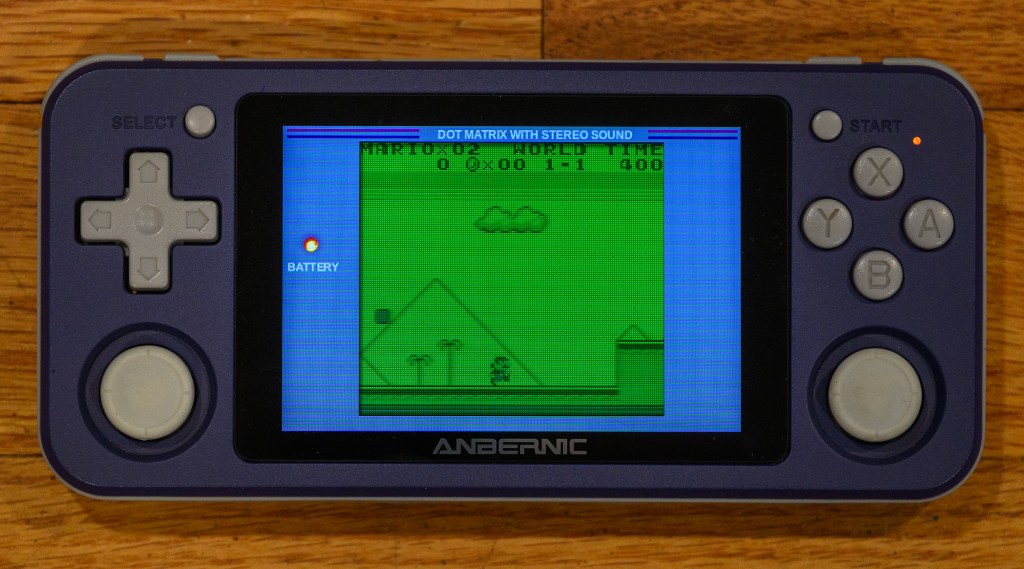
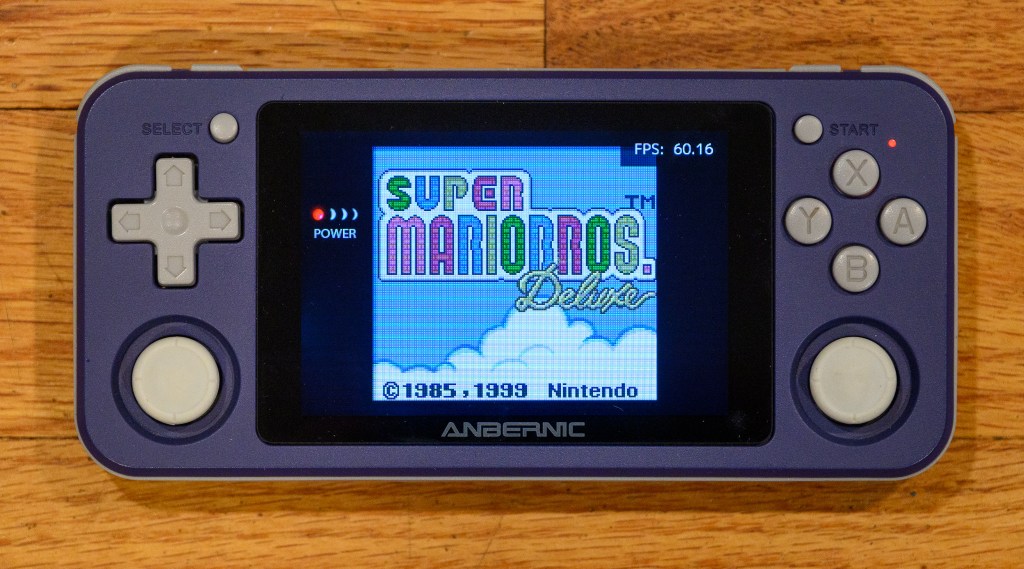
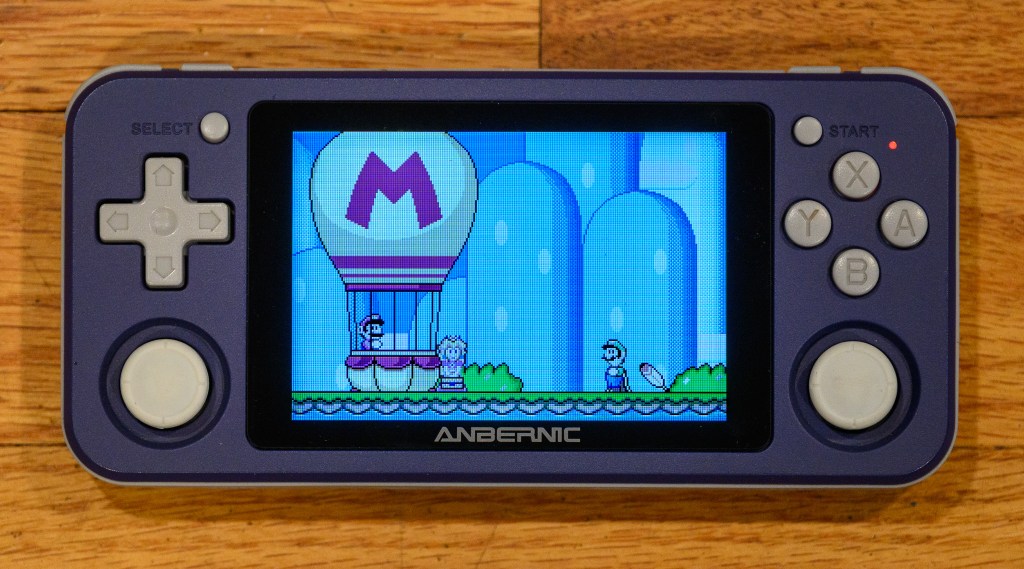
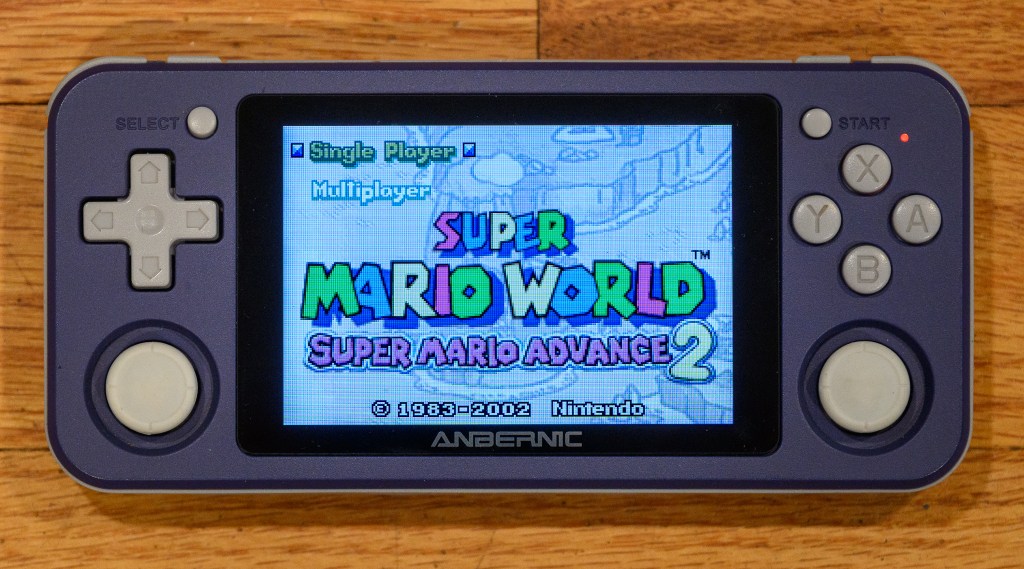
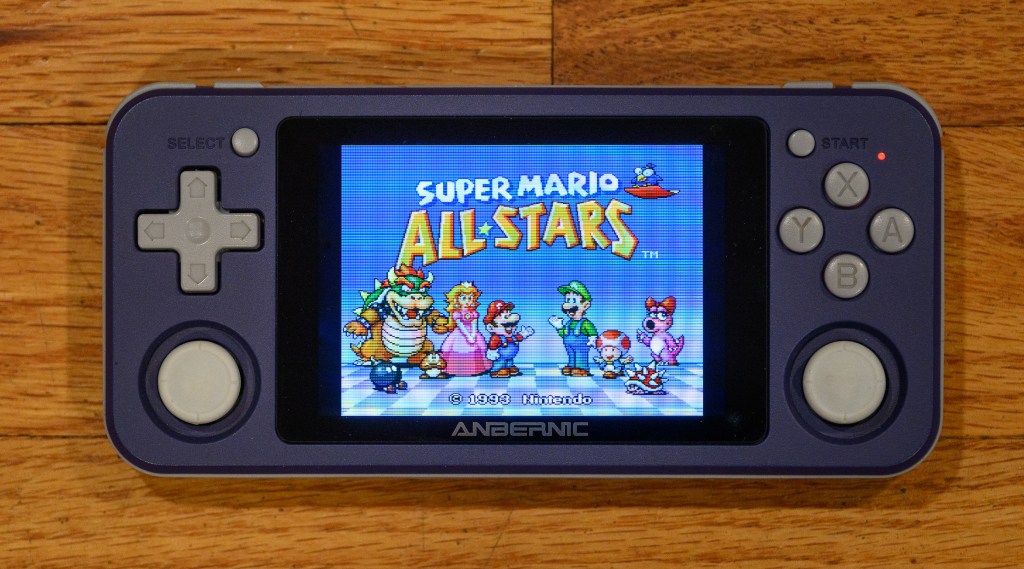
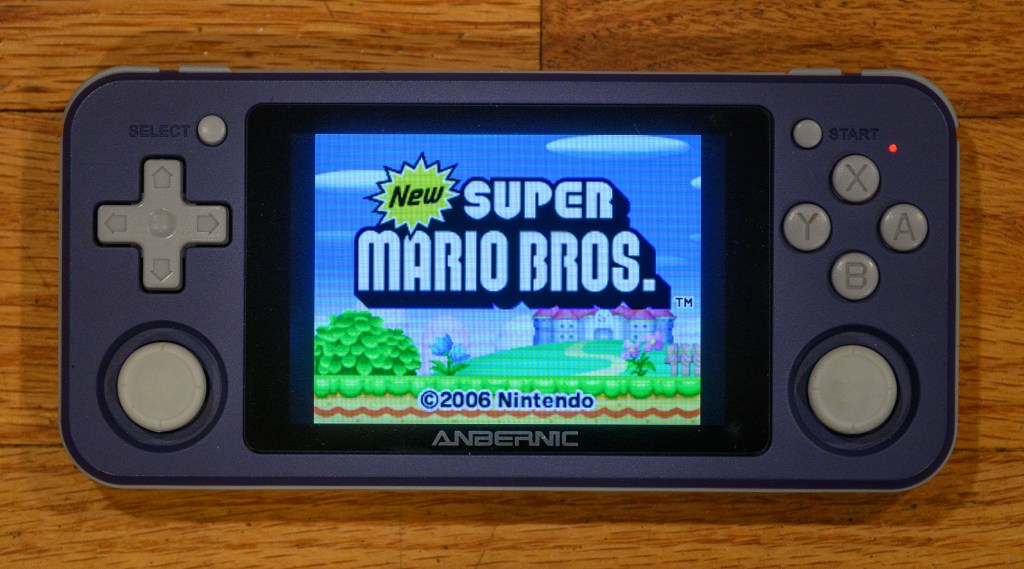
Without having to buy a bunch of separate devices, sit tethered to a TV, and drown in cartridges I was able to start revisiting those games I wished I had spent more time with in my childhood. Tetris, Super Mario Land, and Zelda were back. I could finally play Yoshi’s Island and Super Mario All Stars. I also had an opportunity to discover systems I had never played, like Gameboy Advance and Nintendo DS. There was no pressure and I could spend time learning them and actually progressing through. The ability to customize settings satisfied my curiosity while still allowing me to dive into a game when I felt like it.
As I played the 351P I got into the retro gaming scene, reading hardware reviews on Retro Dodo and following tutorials on Retro Game Corps. This exposed me to the wider world of retro gaming and prompted my next device purchase.
PowKiddy V90 & Retroid Pockets
Having been enamored by the 351P, I made my next purchase the same month: a brand new but inexpensive handheld called the PowKiddy V90. For $43 shipped, I got a Gameboy SP styled clamshell that reliably played 8 and 16-bit games. It has a 2.8” screen and runs Linux, but it’s a world away from the R351P, including only 32 MB of RAM and lacking a GPU. It can’t do fancy things like shaders, has no wifi, and has a slow and limited OS that I replaced with a community-built alternative. While it doesn’t have the highest build quality or control feel it’s still a good device. It plays games up through most of the SNES library, it’s tiny, and it’s easy to tote around.
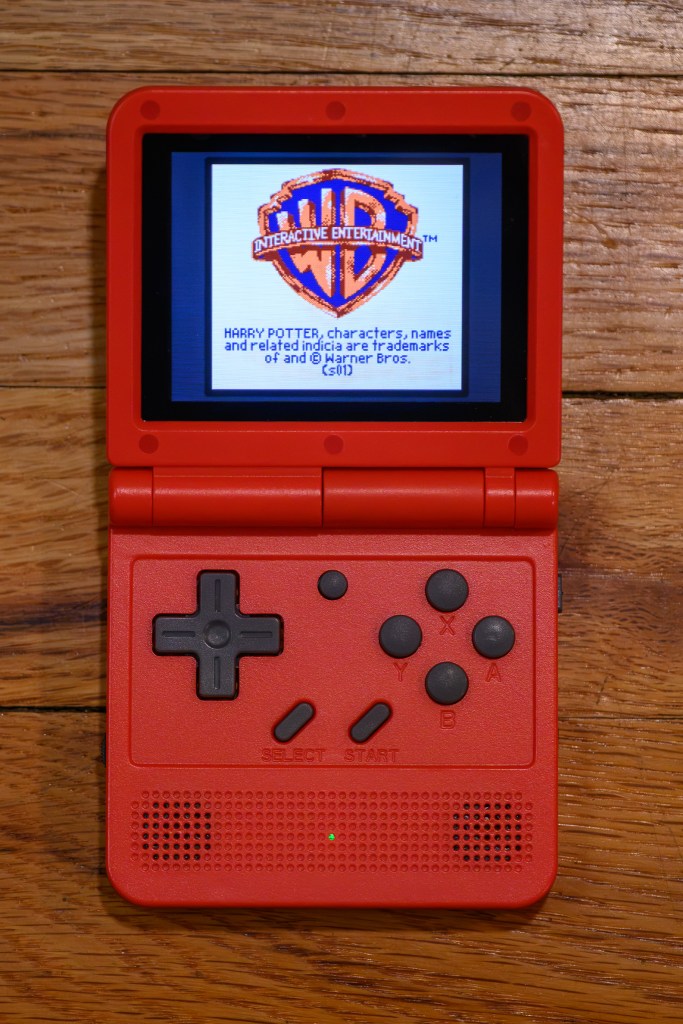
At this point I was enjoying my RG315P and V90 while keeping up with retro news. We were still at home and the handhelds kept me busy. At that time Android devices started coming to market in the form of the Retroid Pocket 2. It was well-reviewed for its performance-to-price ratio and offered a 4:3 screen that was better suited to console content than my 351P.
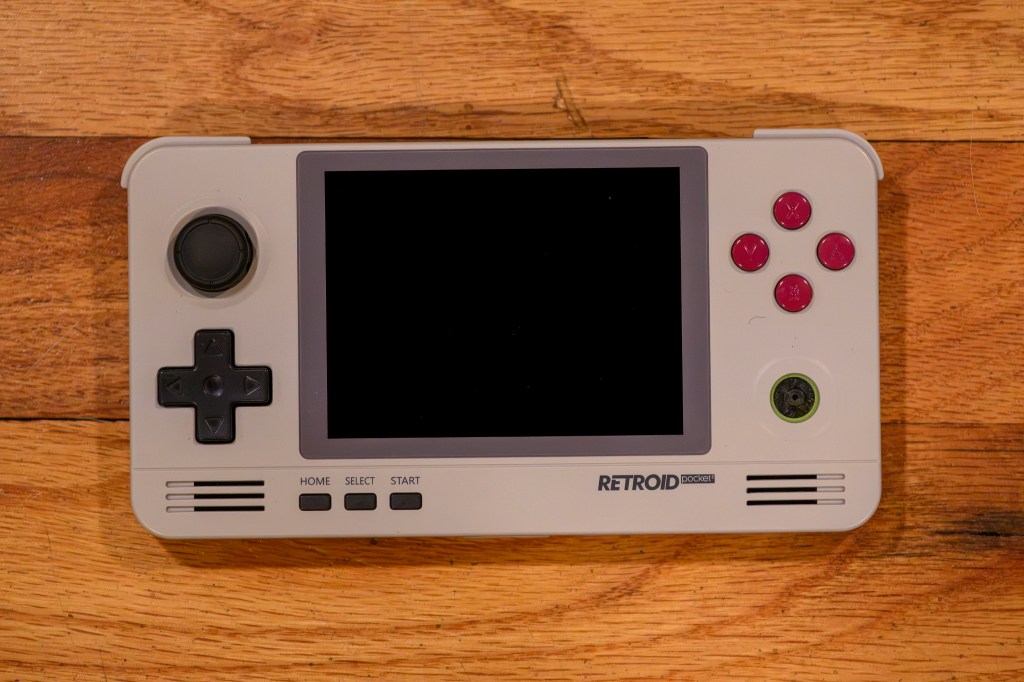
When the Pocket 2+ was released in November 2021, I jumped on it. I was excited to get it, but was moving into a PC gaming phase again and found Android to require too much setup. I was used to my Linux-based handhelds which were already setup and configured – all I had to do was drop in my ROMs. For Android I had to individually install and configure each emulator for each console before I could play them. If I wanted a streamlined game-browsing experience I had to install and configure a launcher as well. For that reason, the 2+ ended up in storage with barely any games on it.
The Analogue Pocket
The next month preorders for the Analogue Pocket went live and I was enamored. The Pocket is a GameBoy-styled handheld that can play the entire GameBoy library up through the Advance. It does this with a large, bright, high resolution, screen and modern connectivity. Unlike my handhelds, which emulate systems at a software level, the Pocket emulates them at a hardware level using a programmable chip called an FPGA.
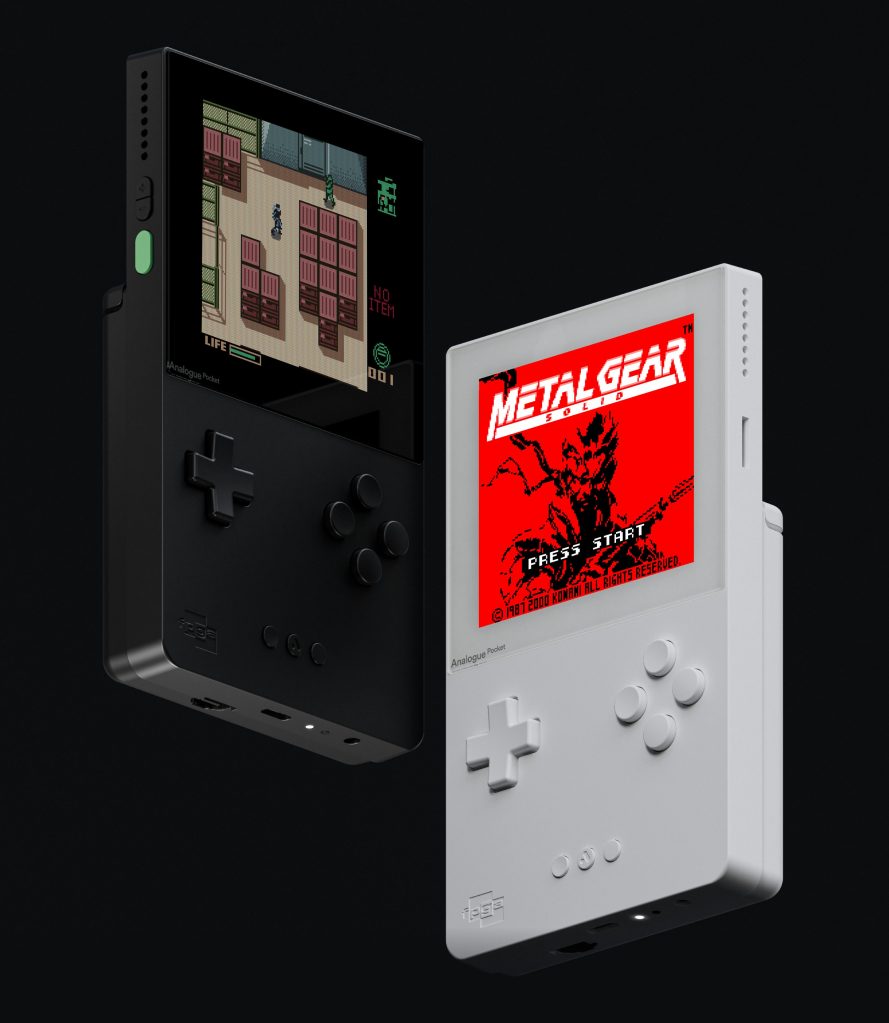
It accepts physical GameBoy and Gameboy Advance cartridges and supports adapters that allow it to play Game Gear, Neo Geo, Atari Lynx, PC Engine, and other cartridges. While it doesn’t play games off of an SD card, it supports third party FPGA cores that do, allowing it to play additional systems like Nintendo, Super Nintendo, and Sega Genesis. All of this is done at the hardware level with period accurate timing. The screen is high resolution and includes high-quality simulations of classic LCDs and CRTs, complete with ghosting if desired. It’s an amazing product… which didn’t ship for almost a year.
Another Retroid (Pocket)
In the interim 2021 became 2022 and I played PC games, went outside when spring arrived, and stopped using my retro handhelds. In August, Retroid announced their Pocket 3 with a larger wide-aspect screen, more powerful chip, more RAM, and more internal storage than the Pocket 2+. The price was barely higher than what I paid for the 2+ and it represented a significant upgrade in features and ergonomics, so I bought one for $144 in yellow. It was my second Android-based handheld and it was a well-reviewed device, but my interest was waning and once again and Android still required too much configuration. Into storage it went.
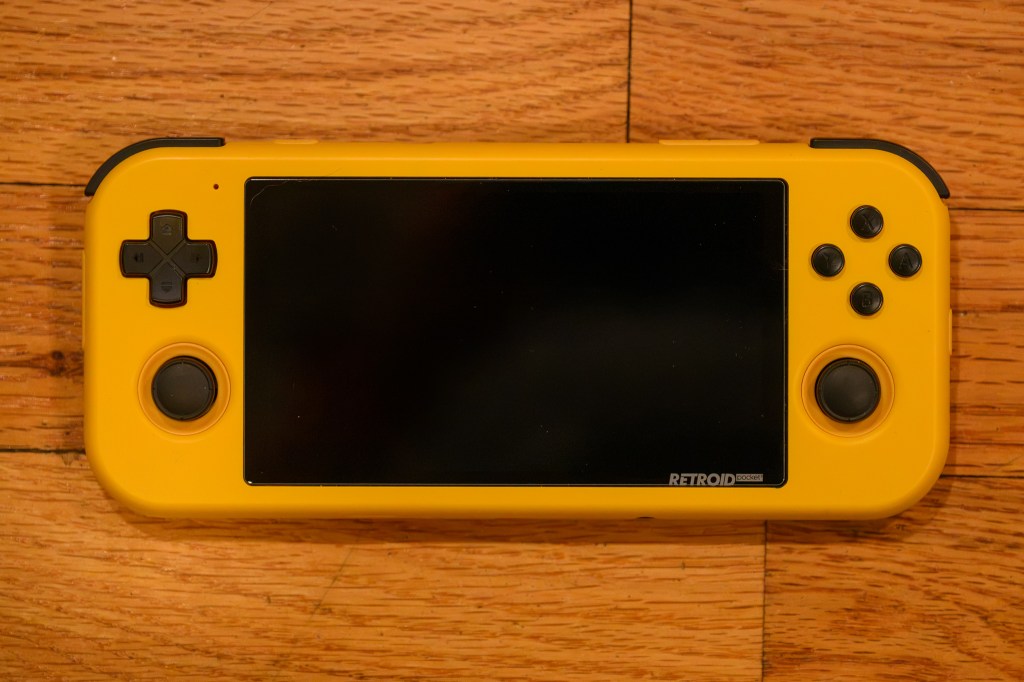
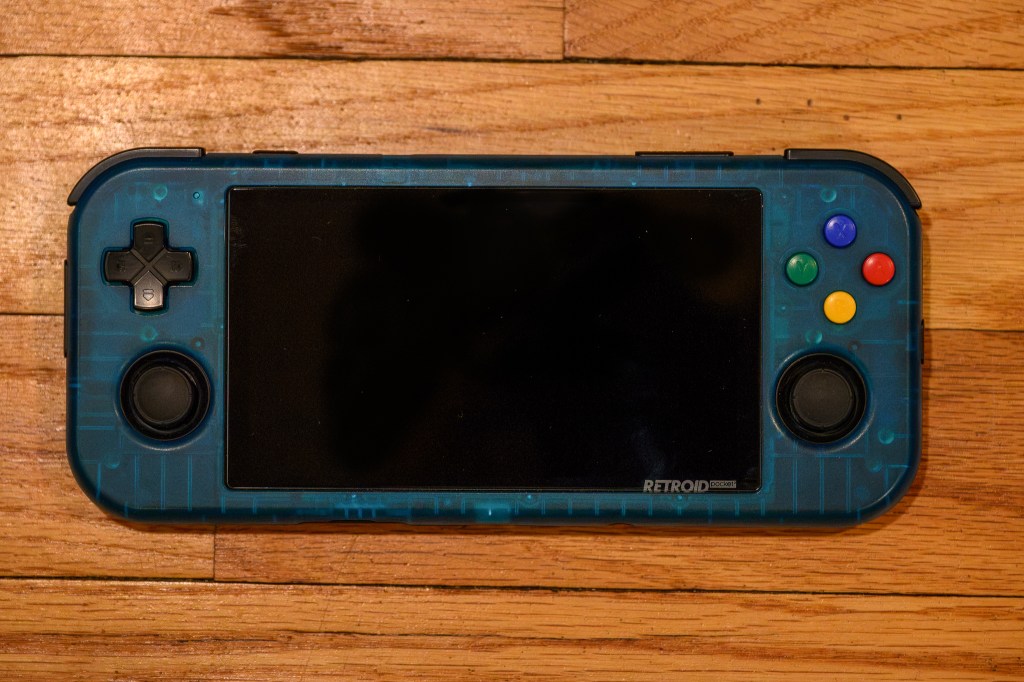
Three months later Retroid infamously released the 3+, which used the same form factor but included a yet more powerful chip, double the memory, quadruple the internal storage, and came in transparent teal. Many were outraged that Retroid would obsolete the prior model so quickly but I fell for it and bought the 3+ in November 2022. I didn’t sell the 3, even though it was basically brand new, telling myself that maybe the boys would want it some day.
FPGA is Here!
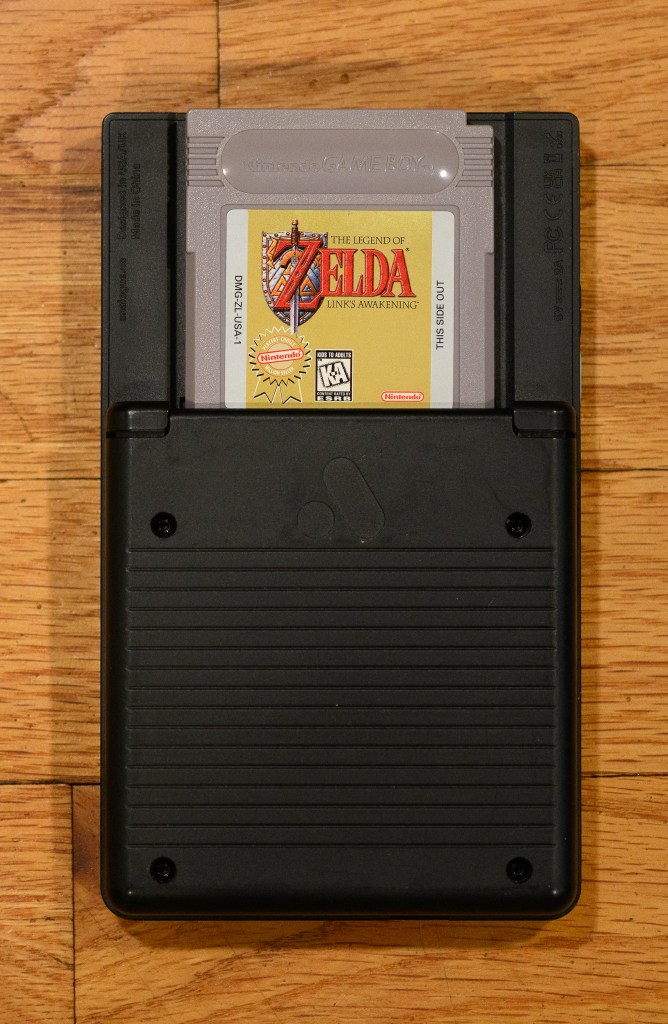
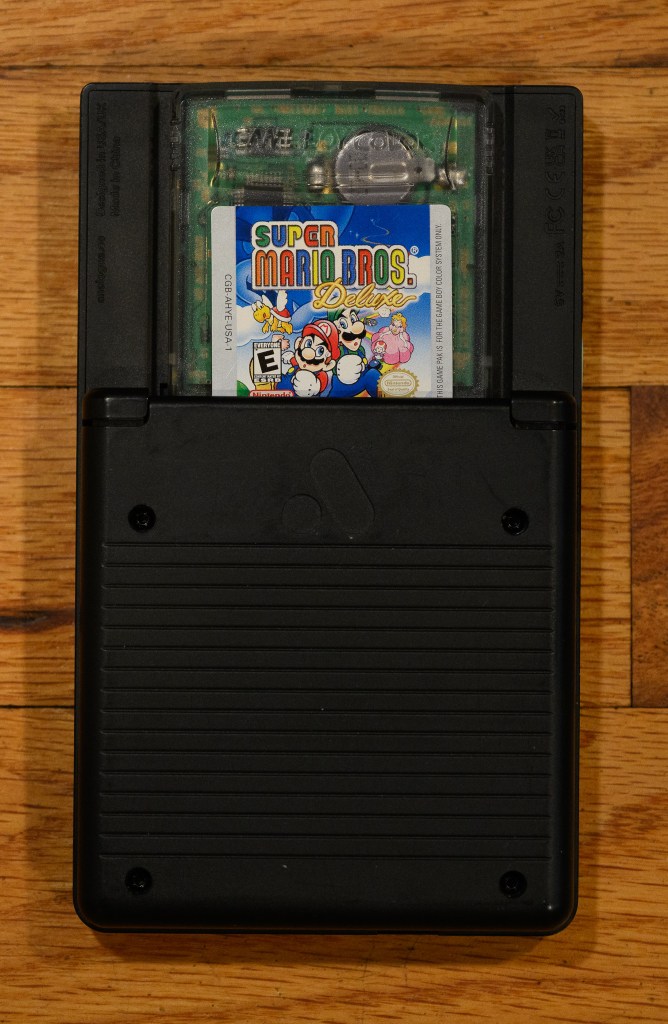
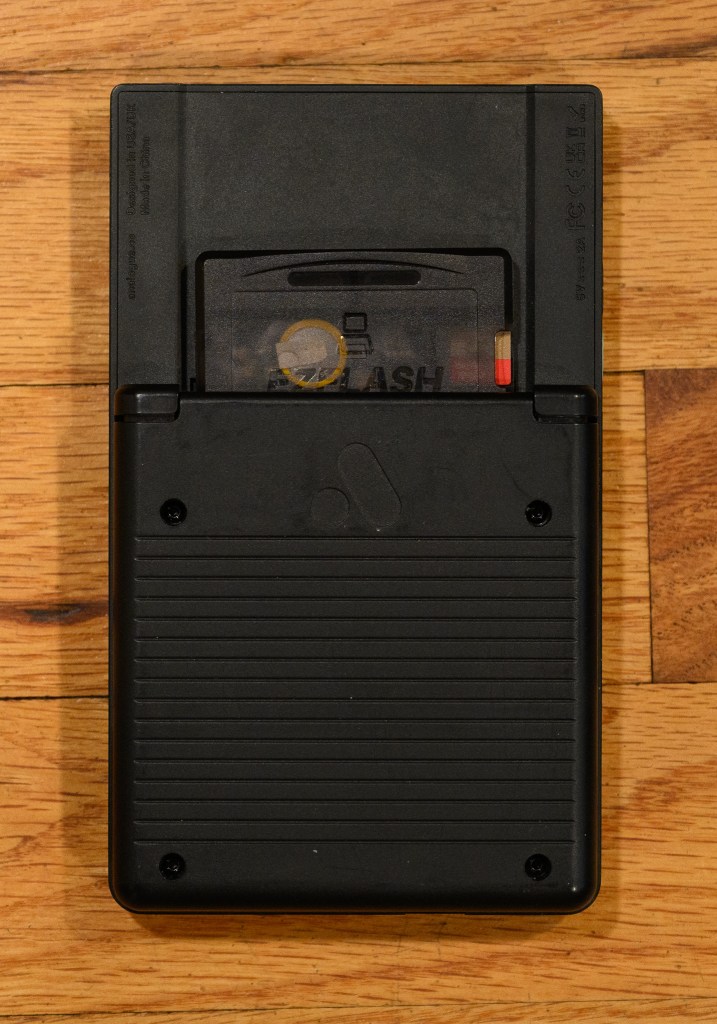
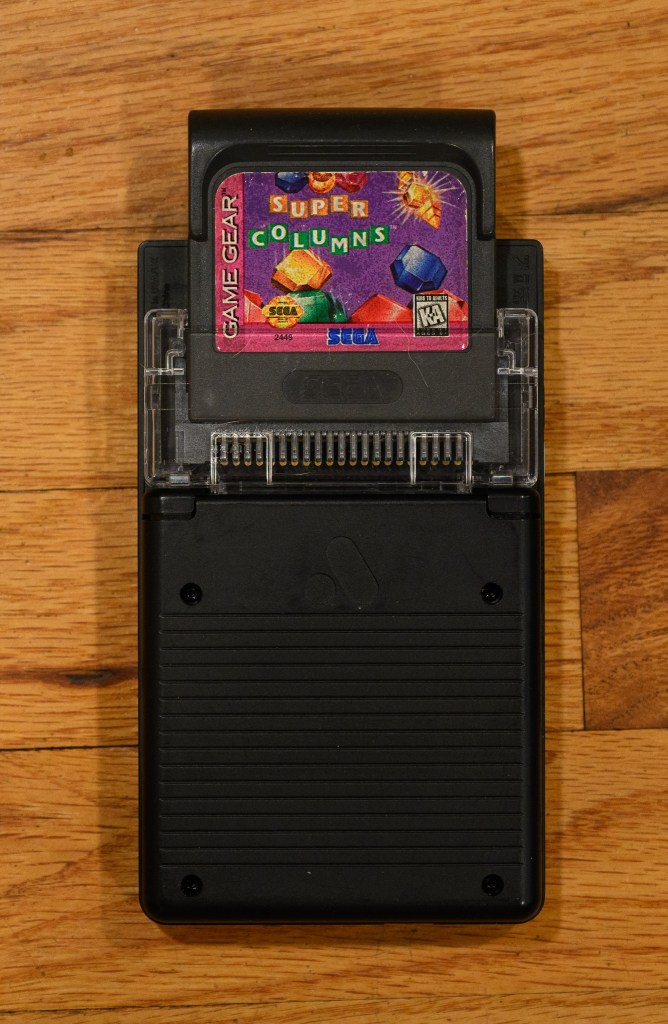
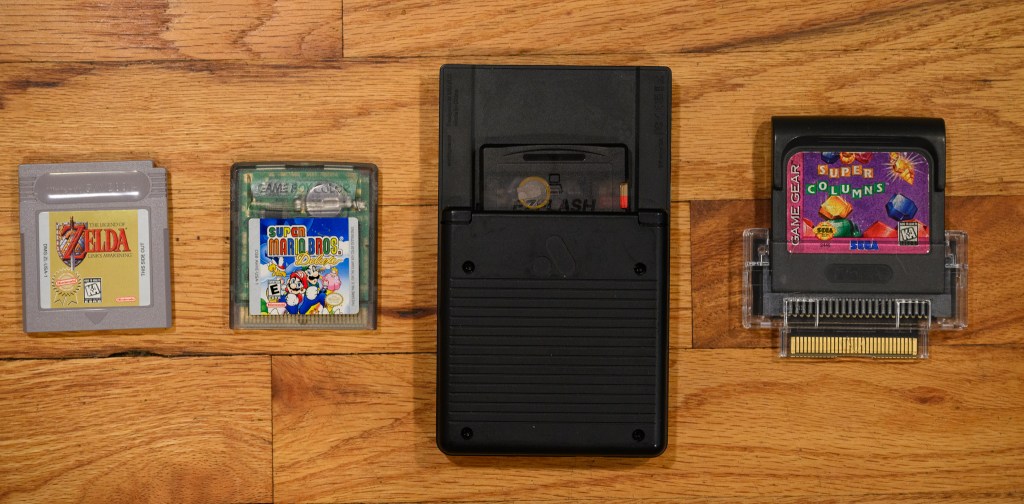
In that same month my Analogue Pocket finally shipped. It was cool to play games from a cartridge, but I wanted the flexibility to select from multiple games like I could on my retro handhelds. I bought a flash cart that stored games on an SD card so I could choose from a library of GameBoy, GameBoy Color, and GameBoy Advance games. I also installed a series of FPGA cores to play Genesis and Super Nintendo games from the internal SD card slot. The performance was great and the LCD and CRT screen simulations were fantastic, but my interest in the hobby continued to fade so the Analogue Pocket, along with my other handhelds, ended up in a box.
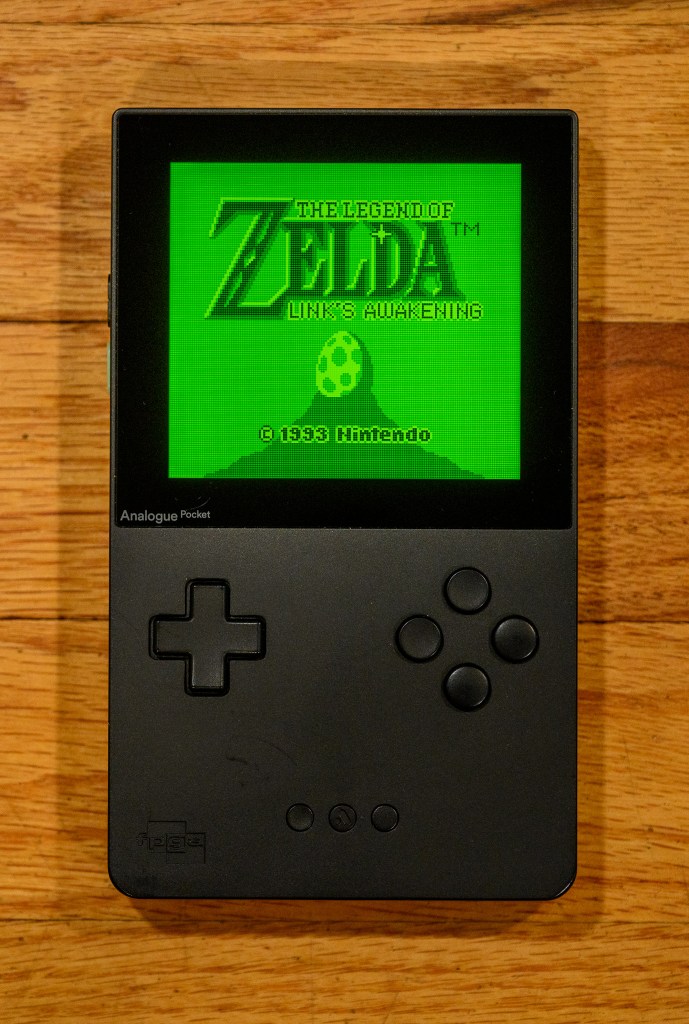
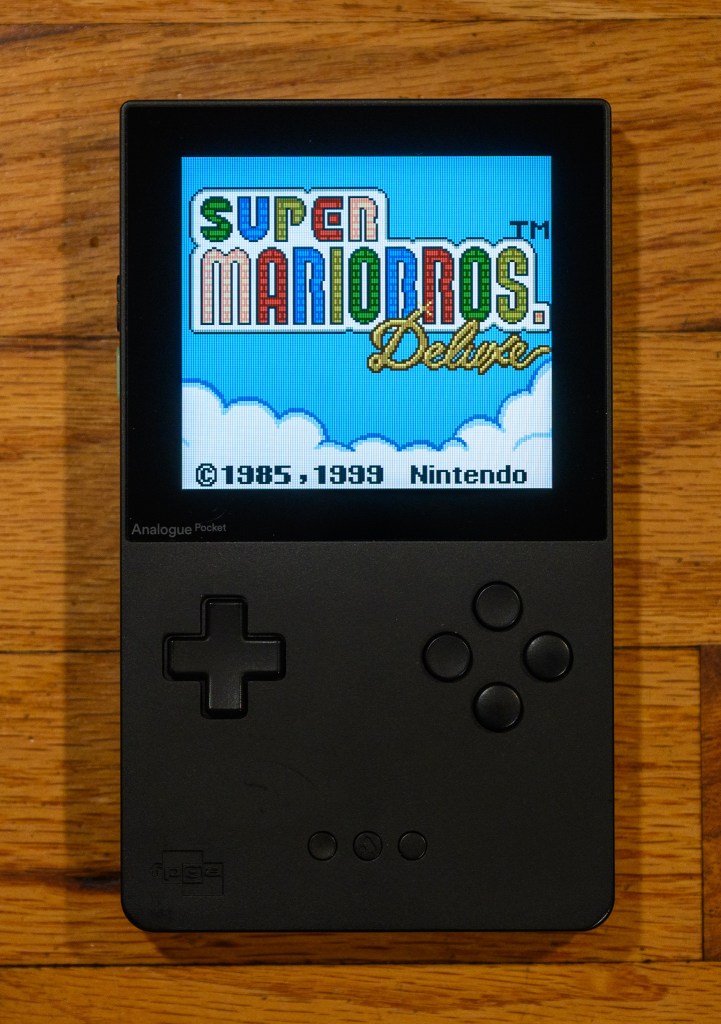
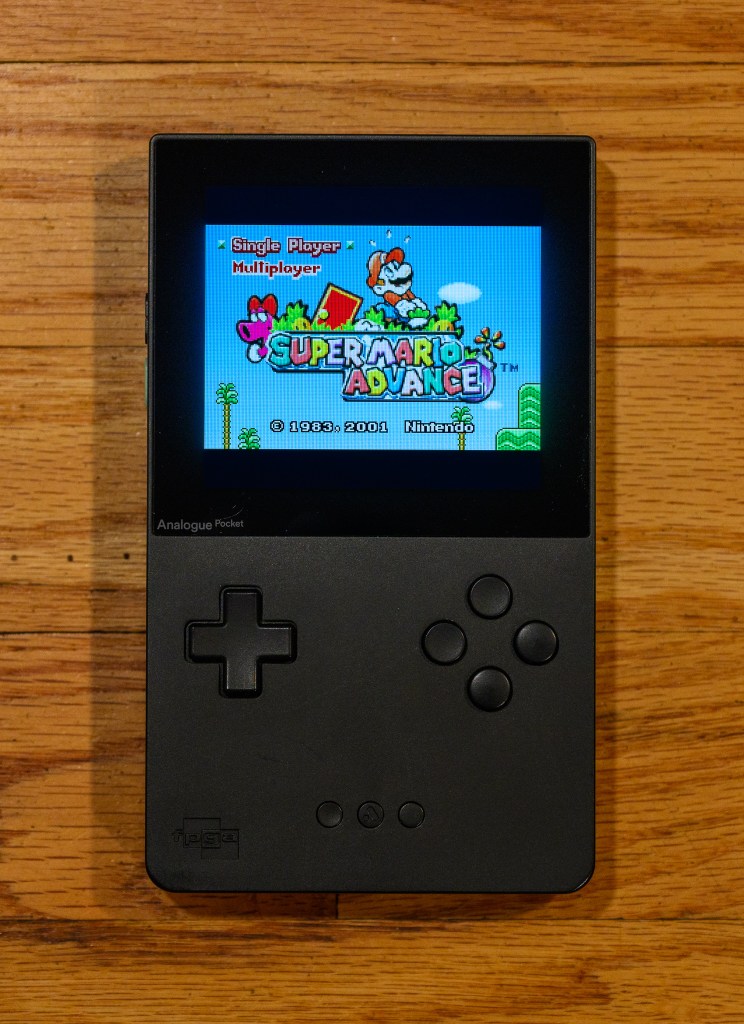
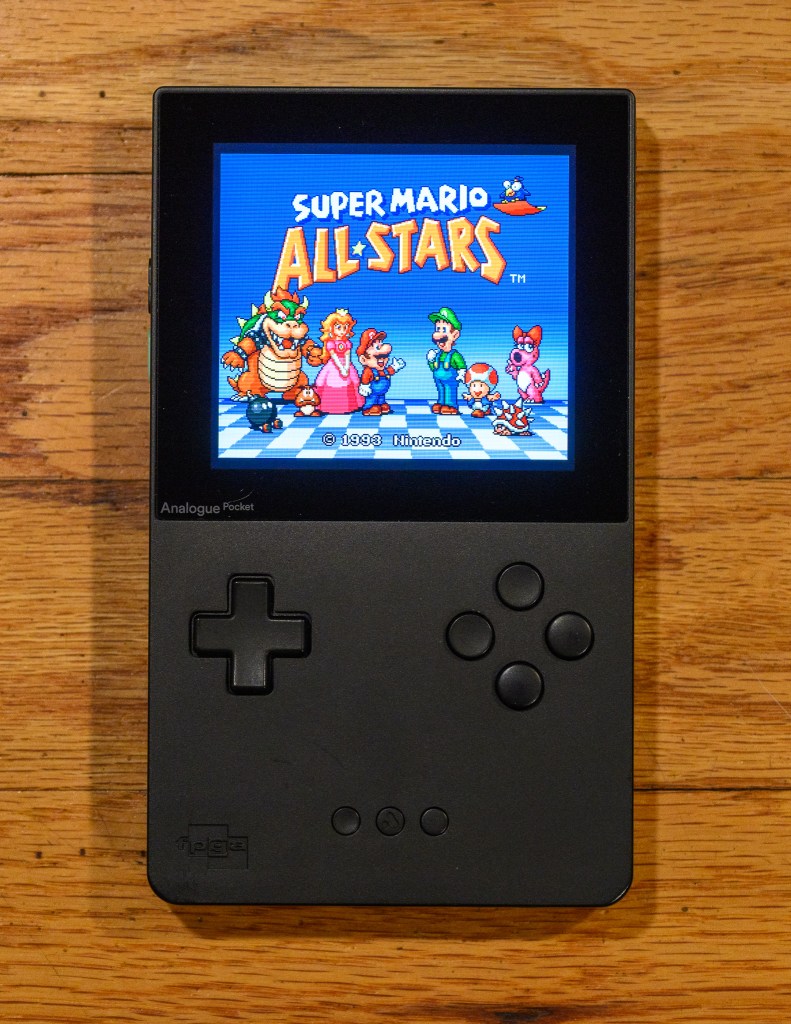
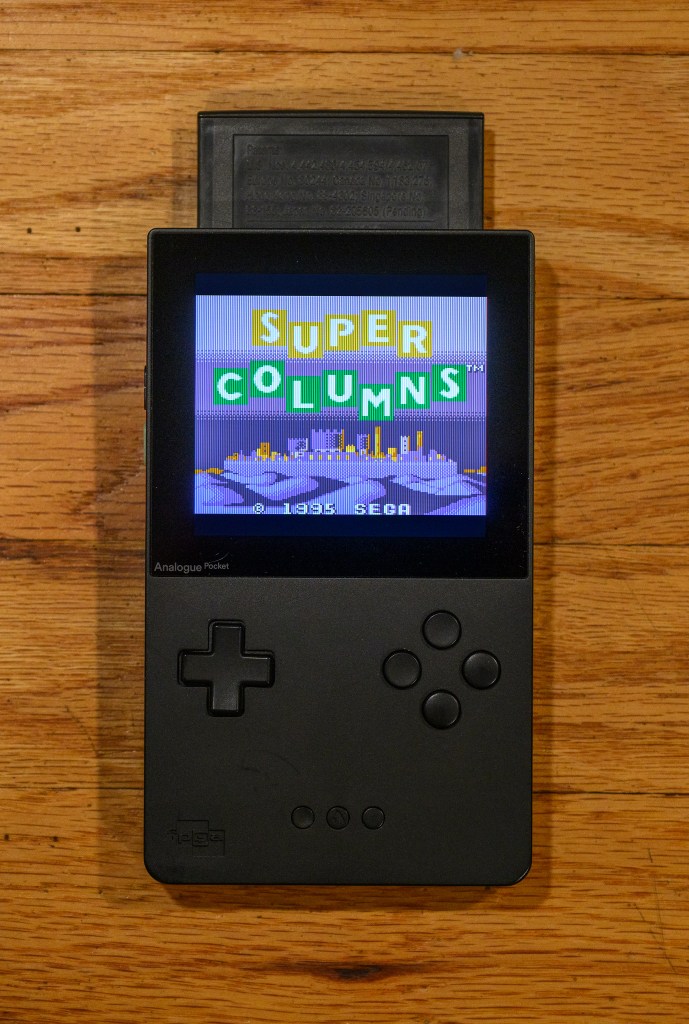
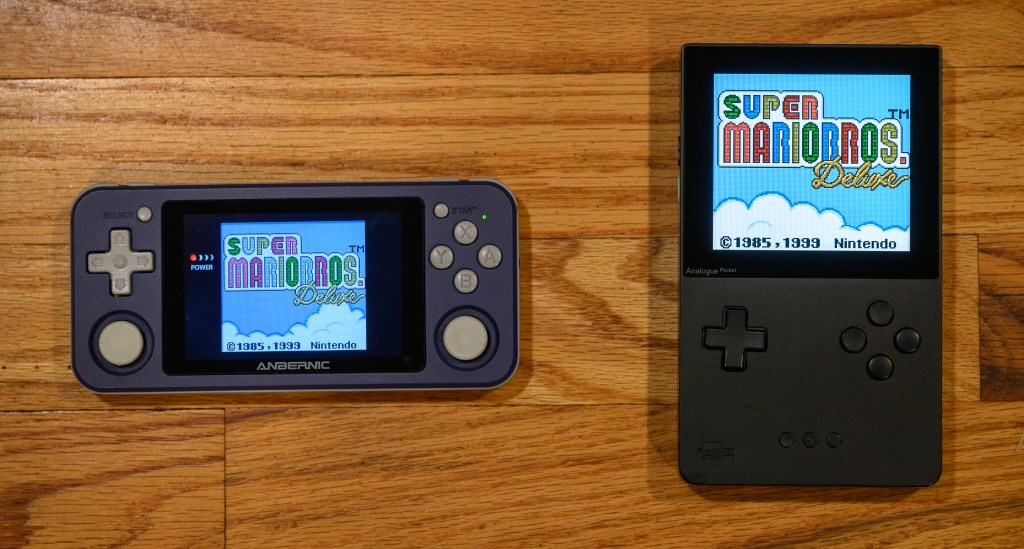
As the year closed, I owned six retro handhelds, as well as a GameBoy Color, a Chinese GameBoy Color clone, a Game Gear, a Nintendo DS, and several credit-card sized Pocket Arcades. My son had a 3DS that eventually found its way into my possession too. It was quite a collection, sitting in a box.
- That perfectly scaled to fit GameBoy Advance games but not much else ↩︎


One Reply to “”