
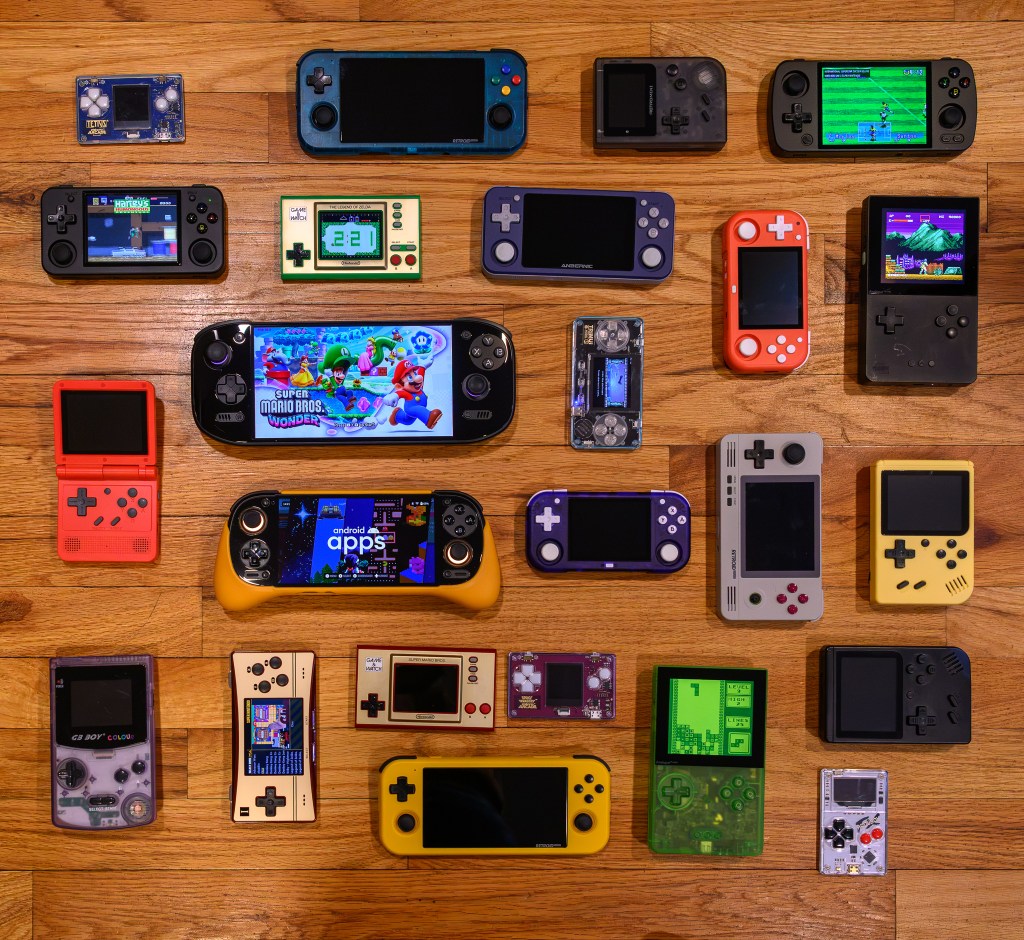
Most of us who grew up in the nineties remember the pop-culture products of the era: the Super Soakers, the Nerf guns, the Micro Machines, and the video game devices: the Nintendo, Super Nintendo, Sega Genesis, Game Gear, Game Boy, PlayStation, etc. These products are part of our childhoods, part of our identities, and they shape our adulthood. This series tells a story about childhood, nostalgia, and exploring the things we missed. In them, I’ll chronicle my experiences with gaming, my rediscovery of consoles, and what I’m catching up with now.
Part One: Gaming Growing Up
My family was not wealthy when I was growing up. We had a single income and my father worked hard to keep us fed, pay the bills, and give us what we needed; there was little left over for much else. We rarely ate at restaurants, we never went on a vacation, and we didn’t go to museums or other experiences. I didn’t have many toys and rarely got new ones outside of birthdays and Christmas. I didn’t own a Starter jacket or name brand clothes, but had a slowly growing collection of Legos that kept me busy. I cherished what I had and channeled my energy in to creative tasks: drawing, writing, building, and imagining.
My circumstances meant that I got started in gaming later than most kids of my generation. I never owned anything early in its lifecycle and didn’t have a lot of friends to share with anyway. My sister was quite a bit older than me and was the first in our household to have a console. She had an NES and Sega Genesis in the early nineties when the NES was current and the Genesis was still new. This was my first exposure to games outside of Frogger on our TRS-80. I watched her and her boyfriend grind through the worlds of Super Mario, zip around Sonic the Hedgehog, and try to survive Jurassic Park. I even took a shot at it occasionally, but was too shy to ask to for a turn frequently enough to build any skill.
The Green Screen
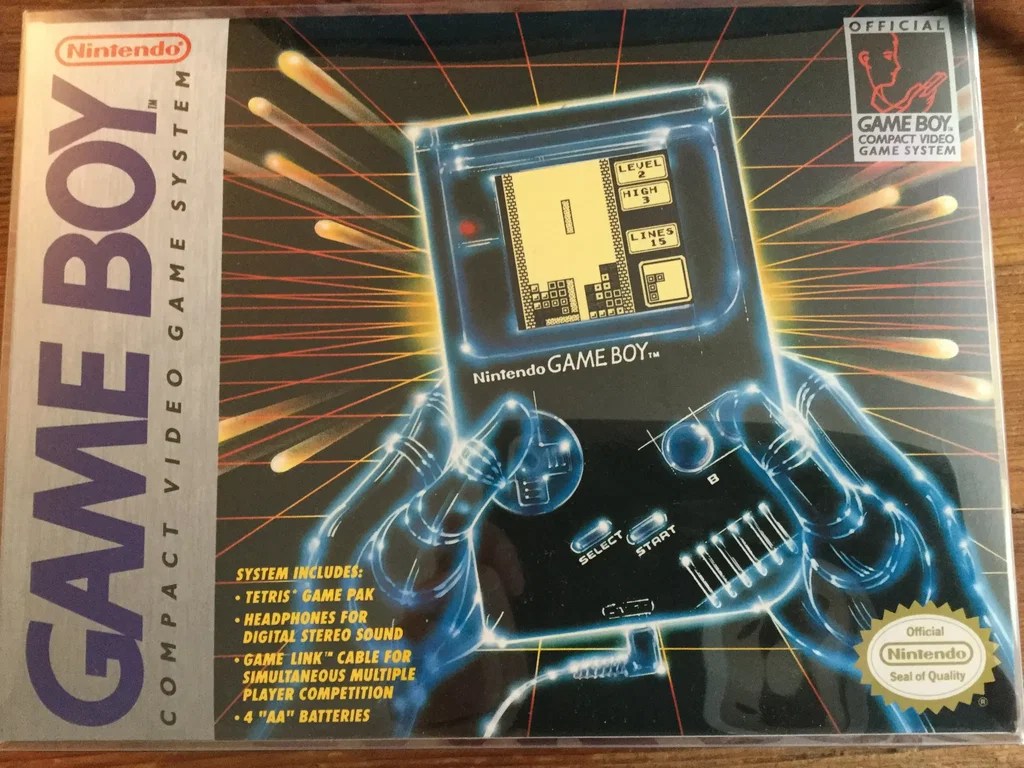
I received my first gaming device, a Game Boy, for Christmas or a birthday several years after it had come out. It was the DMG model with the non-backlit green LCD. I had four games for it: Super Mario Land, Tetris, Zelda: Link’s Awakening, and T2: The Arcade Game. I also had that magnifying glass / light attachment that attempted to make the screen visible in less-than-bright conditions.
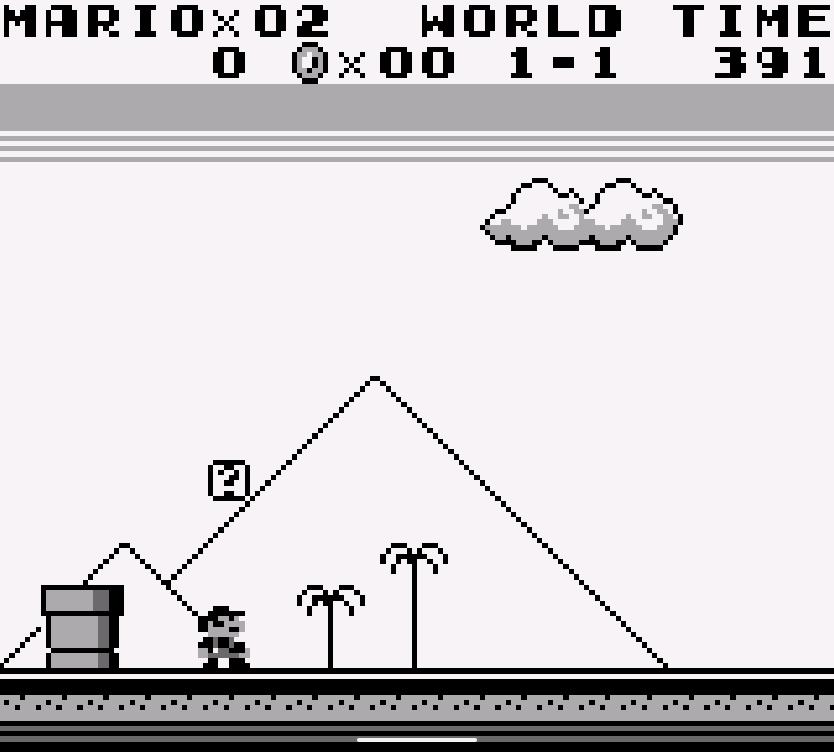
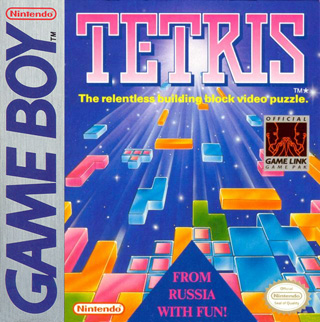
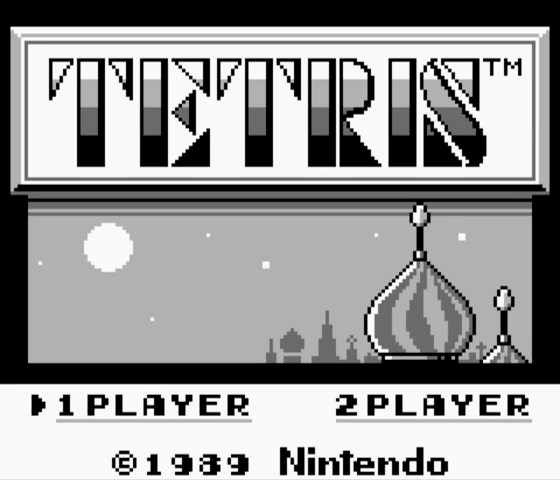
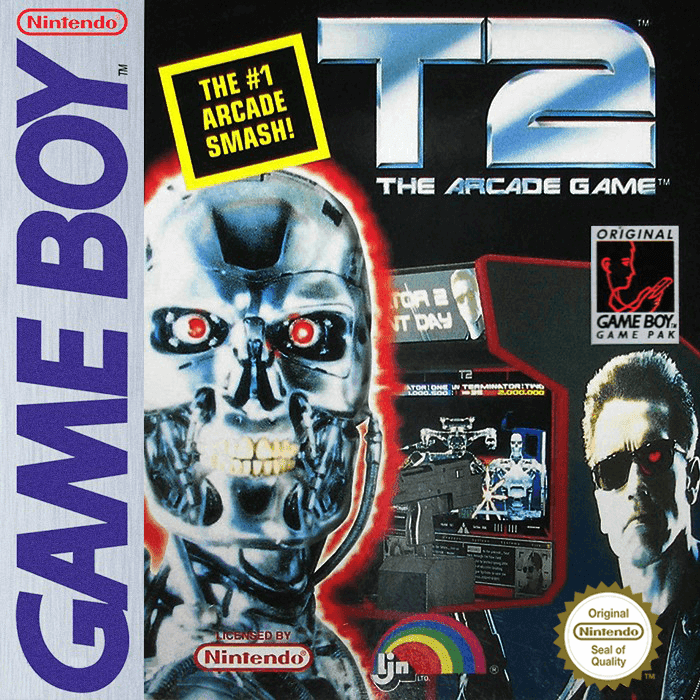
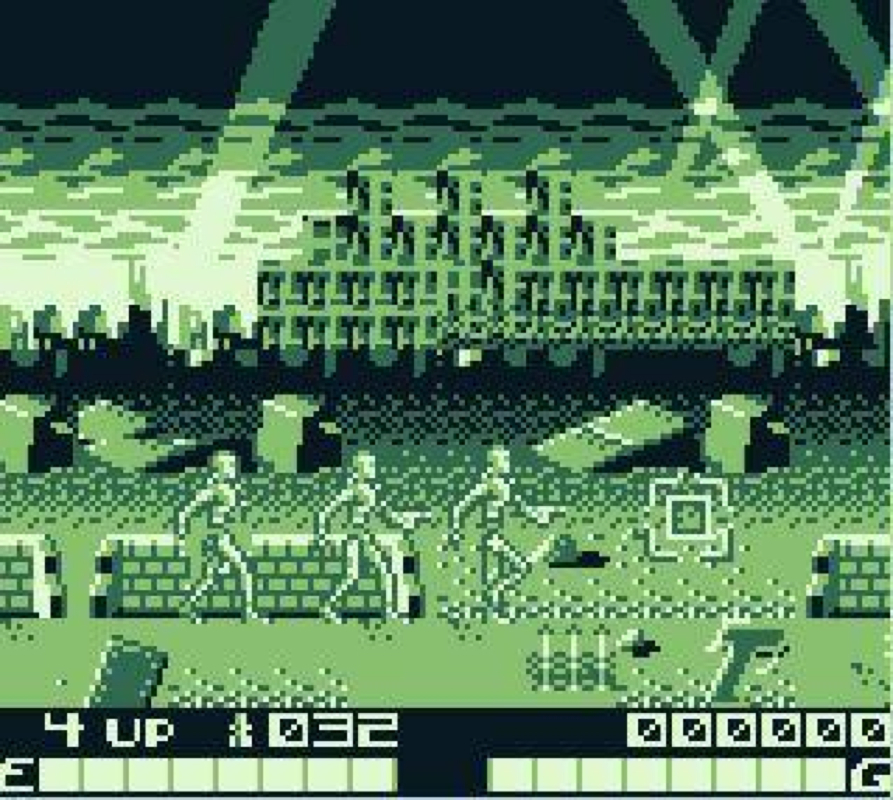
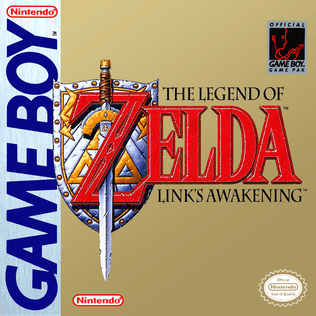
I was OK at Super Mario Land, able to make it to the third or fourth world before running out of lives. I liked the music of Tetris but I don’t think I really understood the puzzle part. I didn’t understand Link’s Awakening at all and could never get out of Mabe Village. I didn’t know what I was supposed to do and wandered the map until I got bored or was killed by enemies. I never even picked up Link’s sword, which is literally the first task in the game! Terminator 2 was much the same: I played the first level set in the future until Terminators and Hunter Killers took me out.
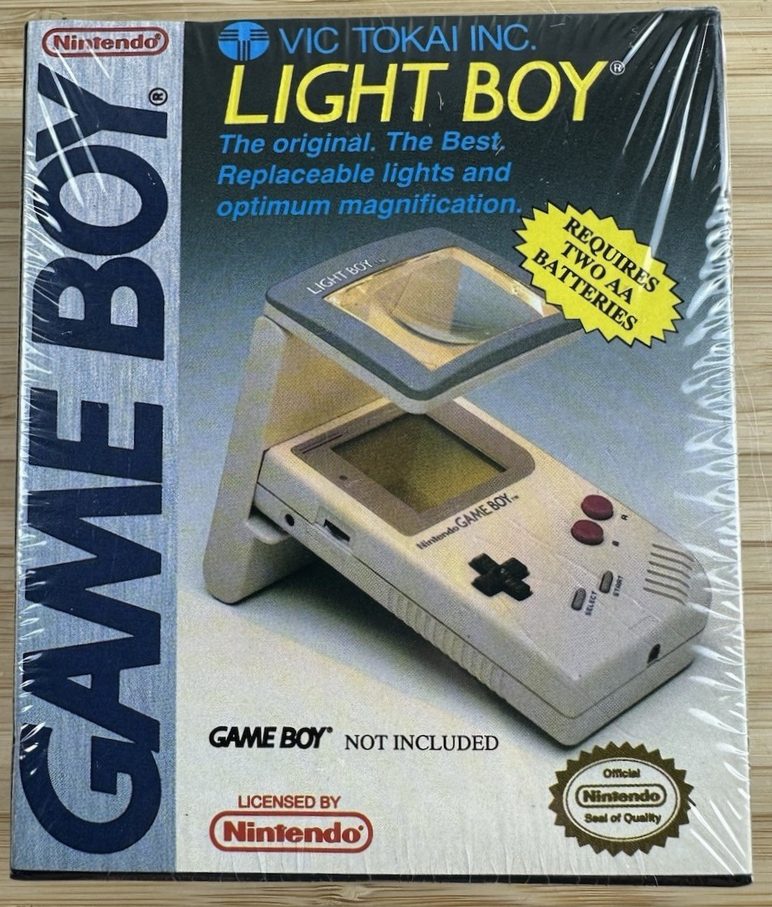
I used the Gameboy occasionally on car rides but preferred listening to music on my Walkman. I never purchased any additional games for it or asked for them as gifts. The Gameboy ended up in a drawer and I eventually threw it out or gave it away. This pattern of getting rid of things is something I’d come to regret as an adult.
The Battery Eater
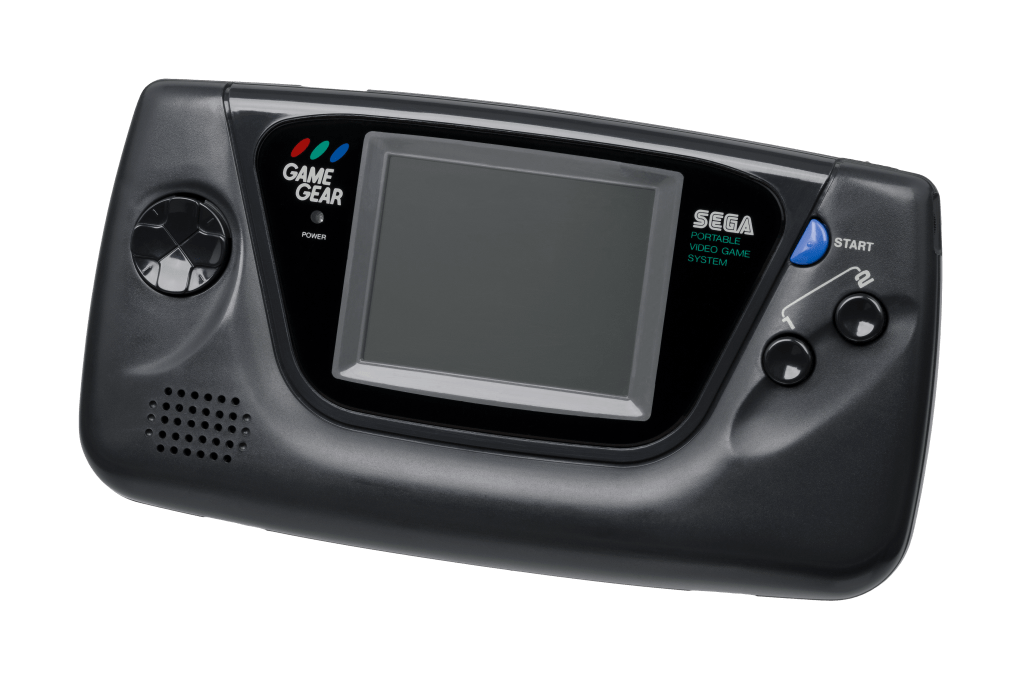
I got a Sega Game Gear a year or two later and I remember being excited about this color backlit handheld. It was going to be so much better than that Gameboy! It included a Sonic game and I marveled at the backlit color screen. Unfortunately new hardware didn’t solve my problem: Sonic was too fast-paced for me and the Game Gear burned through AAs so quickly I’d need to get a job to pay for them. Thus the amazing color Game Gear ended up in the same drawer as the Gameboy with no additional games and was also eventually tossed out.
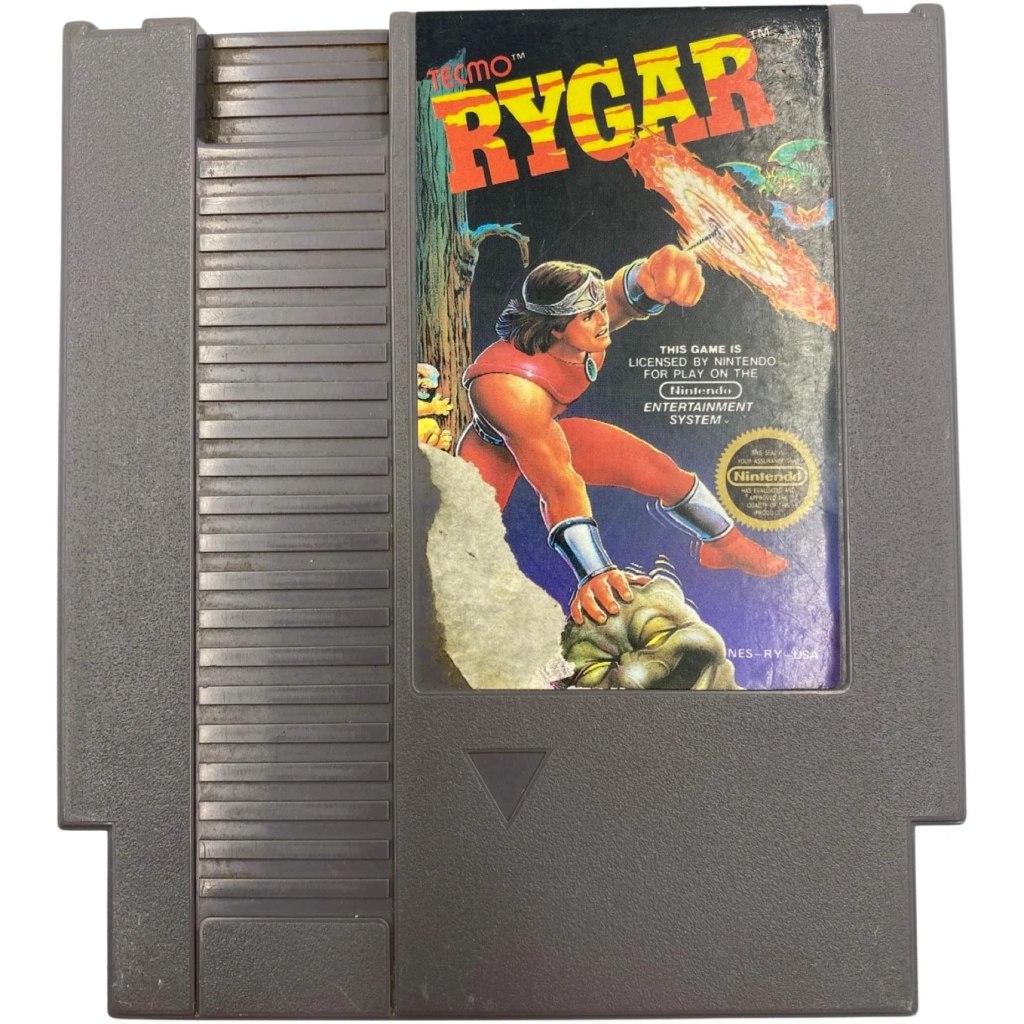
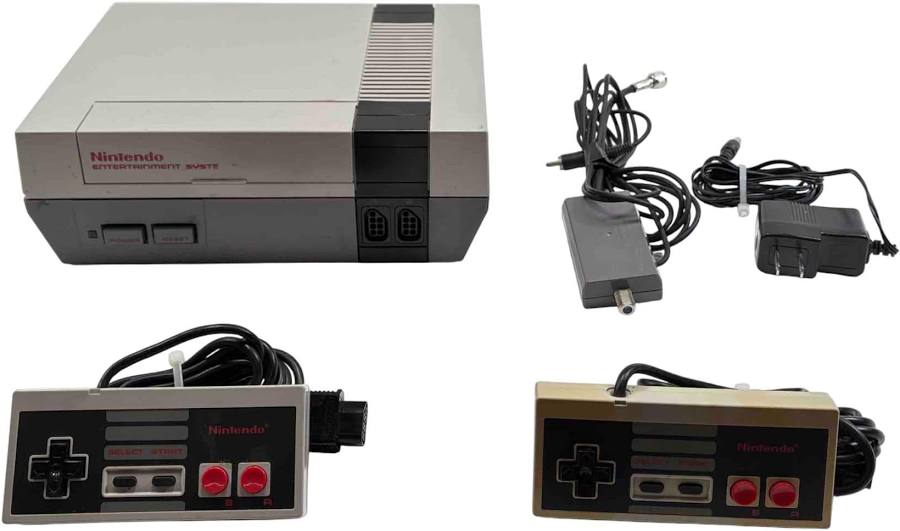
I fared no better with consoles. I picked up an original Nintendo at a yard sale for $15 or $20 when I was in elementary school. It included two controllers and some games, but nothing familiar. No Super Mario, Duck Hunt, or Disney. It included some obscure games and I only remember playing Rygar hooked up to our spare TV. Shyness prevented me from asking to borrow my sister’s games, I never looked for additional games, and I didn’t progress in the ones I had.
The Final Throws of SNES
My second full-sized console was a Super Nintendo, and this one was brand new.. technically. It was around Christmas 1997 when Nintendo released a smaller version that looked more like the Super Famicom. The N64 was the new hotness and the SNES was long past its prime, but I was largely unaware. I was super excited for the SNES because it was bundled with Super Mario World 2 Yoshi’s Island, which I had played in stores. It was such a cool game with its hand drawn animation style and I liked that Yoshi could eat enemies and turn them into egg bombs.
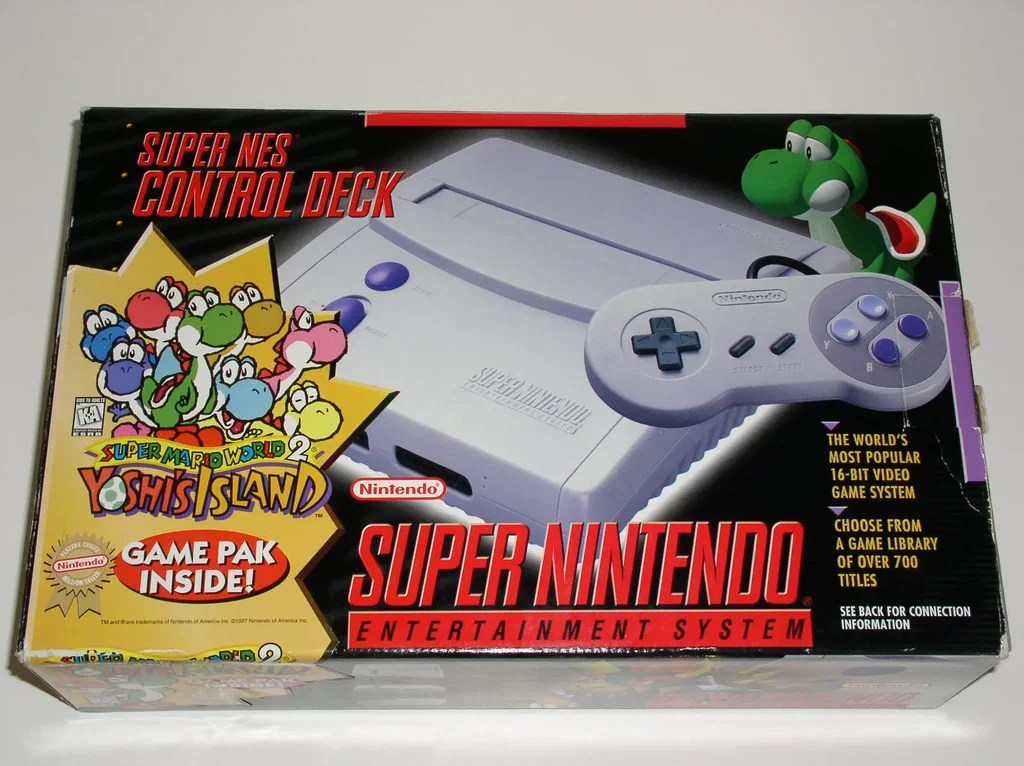
Unfortunately it lacked an RF out port and didn’t work with our TV setup. My dad exchanged it for a classic SNES which was bundled with… the Super Game Boy. Now I could play the four Game Boy games that I already wasn’t playing but on my TV in weird color schemes with a border around them instead. I really wished I gone against my better judgment and “forgotten” to return Yoshi’s Island with the other SNES. That single instance of dishonesty could have changed the trajectory of my entire gaming childhood. Go figure.
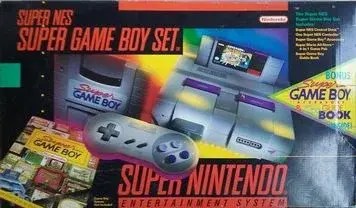
This, like my other systems, never saw another game purchased for it and was rarely used. You might blame my circumstance for blunting my childhood gaming experience, but that’s too simple. There were plenty of games available used at yard sales, flea markets, and stores. I had an allowance and could save money to buy them. I could have subscribed to magazines to keep up with what was available and could have asked for games as gifts at holidays and birthdays.
The real reasons that I didn’t explore my systems had nothing to do with my financial circumstances. I didn’t have many friends that played games and was too shy to ask those that did if I could play. I’m also not naturally competitive. I don’t like sports, at all, and I’m instantly turned off by any sort of competition or dare. Beating a clock, collecting all the points, and fighting the final boss just didn’t appeal to me. Drawing, writing, and building things did.
Gaming Discovery
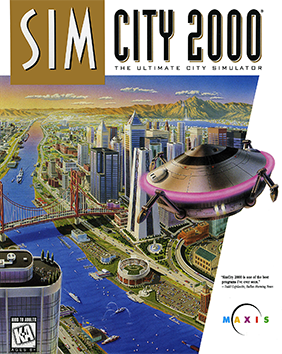
The first game I really enjoyed was Sim City 2000 on the Macs at my middle school. There was something about the point and click of the mouse that felt so much more natural than a controller. It was also a game that was non-competitive, slow paced, and creativity-focused. That kind of game resonated with me. Next came Quake II on our family PC, which provided the satisfaction of shooting things with the ability to control the pace. There was no clock, I could save as frequently as I wanted, and I could lower the difficulty when desired. Quake II established my love for single player first-person shooters and open world games. By that point I was hooked on PCs and the internet which made it easy to follow new games and download demos. Without needing any gamer friends I was suddenly able to experience games on my own at my own pace.
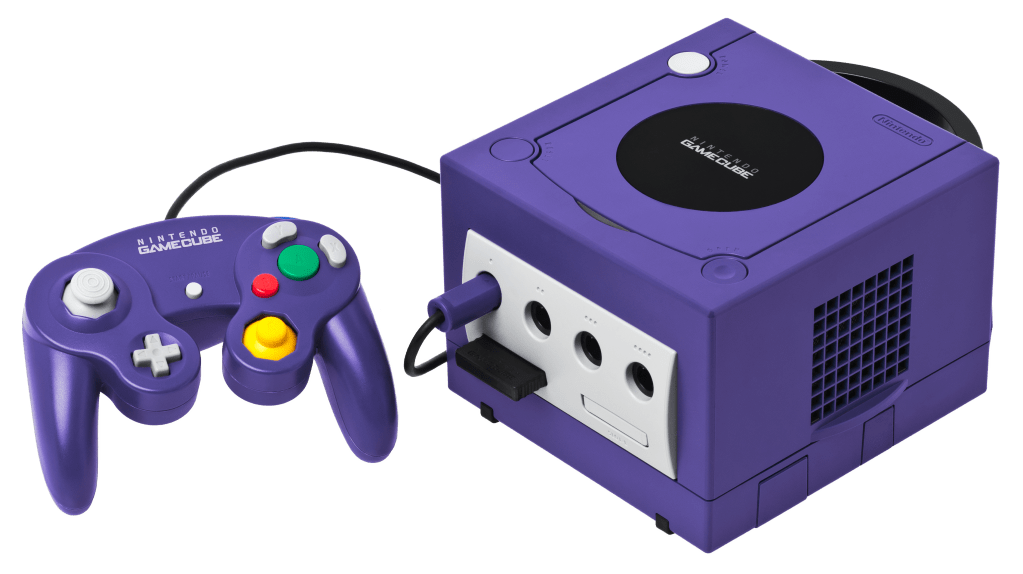
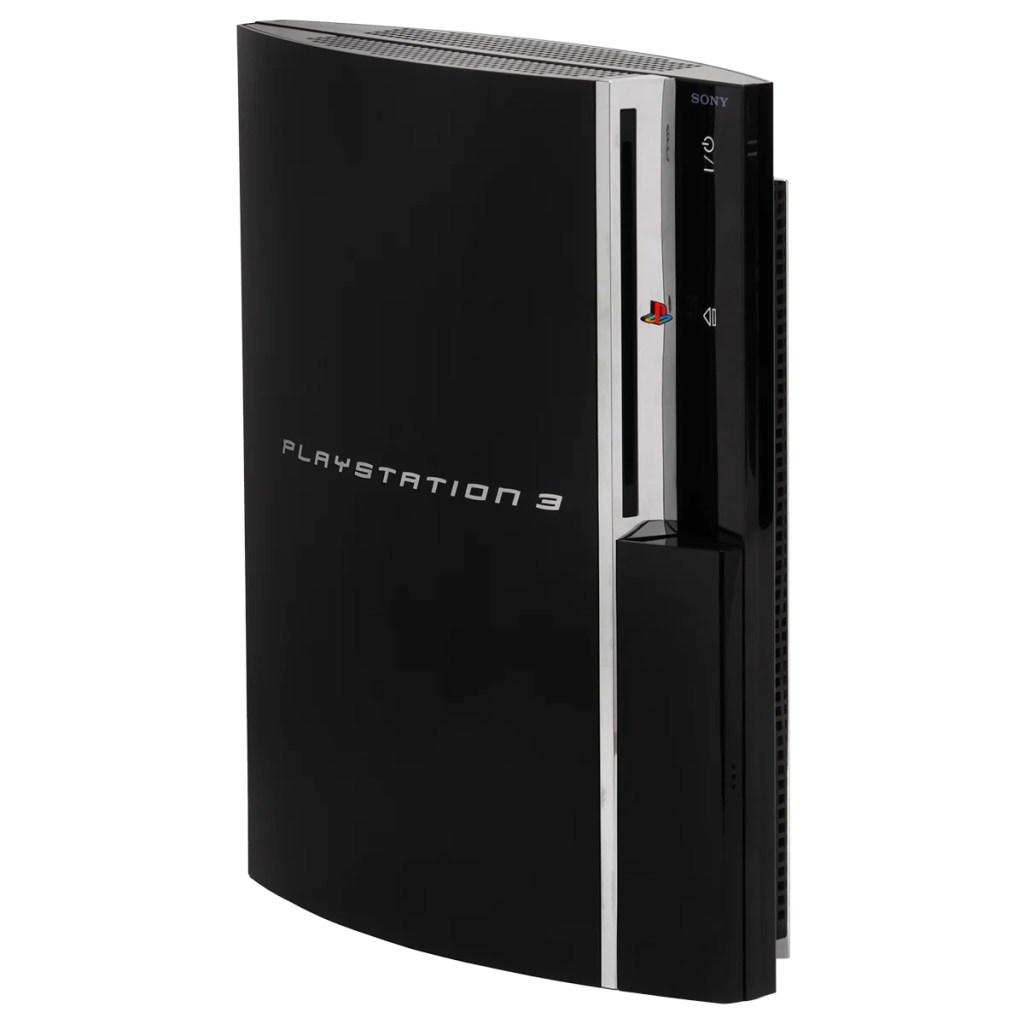
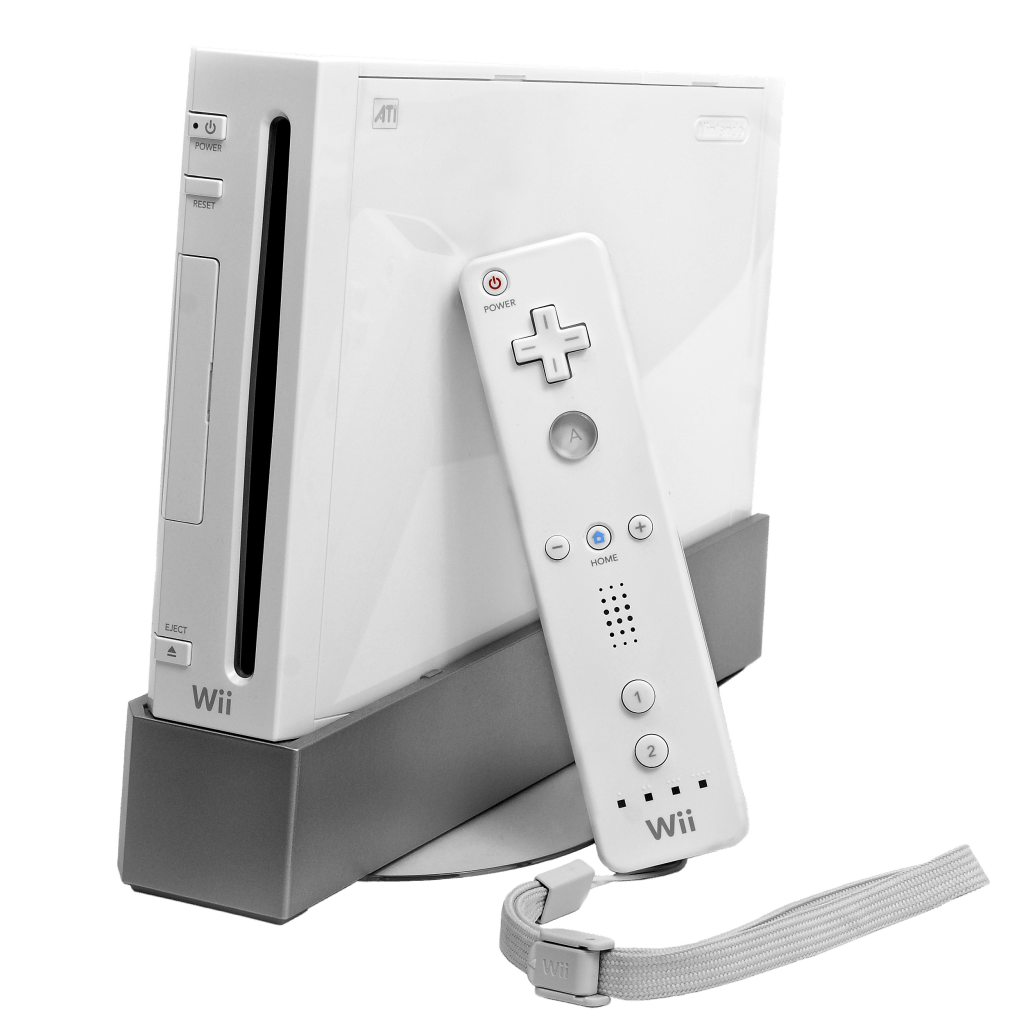
I still dabbled with console gaming over the years. I bought a used Game Cube to play Resident Evil, owned a Wii when they were in vogue, and bought a Playstation 3 (for the Blu Ray;). I spent considerable time struggling through Resident Evil on the Game Cube, played all the Sports and Carnival Games on the Wii, and discovered Assassin’s Creed on the PS3, but none of it stuck. We even bought a Switch, but I never used it: it was for the boys to play Super Smash Bros. I spent 99% of my gaming time on a PC where I was comfortable using my keyboard and mouse sitting in front of a high-resolution screen enjoying cutting-edge graphics.
Notably absent from my experience were the Game Boy Color, N64, Game Boy Advance, Nintendo DS, Sega Dreamcast, Playstation 1 and 2, PSP, and XBox anything. I had friends with these systems but knew little about them. I played Goldeneye on an N64 once and knew that there was a cool zombie game called Resident Evil on the Playstation, but that was about it.
Reflection
As I reflect on those consoles from my childhood, I wish had spent more time with them. I wish I had figured out how to play Zelda, beaten Super Mario Land, and played more than one stage of Sonic the Hedgehog. I wish I had learned about the other games that were available, bought Duck Hunt and Super Mario for the NES, and bought literally any game for the SNES. I wish I went to flea markets and yard sales, explored GameStop, and read a gaming magazine. I wish I wasn’t too shy to ask to play my sister’s Genesis and got so embarrassed the few times I played in front of my friends on their consoles.
The good news is that technology marches forward, nostalgia is real, and the computing community is very talented. That would soon bear fruit for me.


One Reply to “”